In today’s economy, even a hint of negativity can become a warning sign.
A 2023 survey by the American Psychological Association found that 19% of U.S. workers describe their workplace as toxic, and those employees were more than three times as likely to suffer mental health harm as those in healthy environments.
This evidence highlights that a person’s outlook matters.
Employers are taking note: in many interviews, a constructive attitude can be almost as important as skills or experience. In fact, one careers expert argues the link between daily attitude and career prospects has never been clearer.
Rising Stakes
Now, amid economic uncertainty, companies are scrutinizing candidates closely. Research by the IZA Institute of Labor Economics reports that about 30% of firms prefer hiring candidates who are already employed over those who have been out of work.
The assumption is that a gap on the resume – or a telltale attitude in an interview – signals higher risk.
Even a slight air of cynicism or disengagement can count against an applicant.
Hiring managers are essentially watching behavior for red flags: a neutral or negative tone during screening may make them think there are deeper performance issues ahead.
Corporate Context
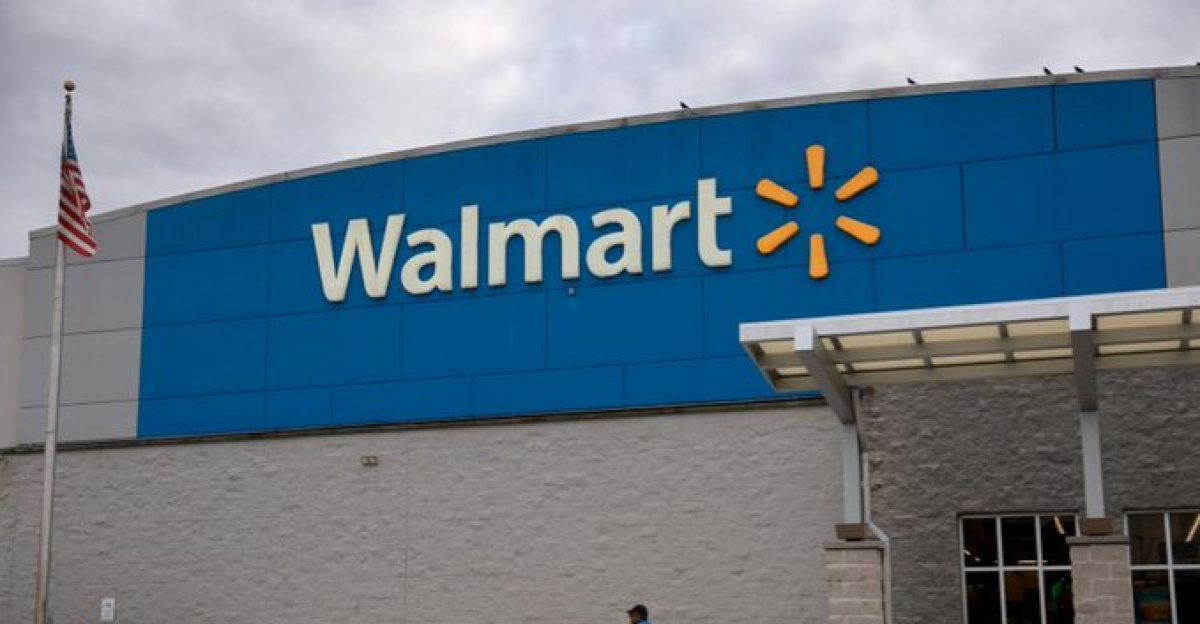
Walmart provides a clear example of how much behavior matters in practice. The retail giant employs over 2.1 million people worldwide, making it the largest private employer in the U.S.
Since 2020, Walmart has invested heavily in leadership development, reflecting its promote-from-within culture. In fact, about 75% of its store and supply-chain leaders began their careers as hourly associates.
That means executives understand entry-level realities. In such a system, a worker’s daily attitude isn’t just a matter of courtesy: it’s a key career signal.
Employees quickly learn that on-the-job behavior can carry as much weight as any performance metric.
Mounting Pressures
Meanwhile, workers nationwide are feeling the strain. A recent SHRM report found roughly one-third of employees say their job harms their mental health.
Even more report feeling “used up” (51%), emotionally drained (45%), or burned out (44%) on a typical day.
Companies know burned-out teams underperform, drive up healthcare costs, and see higher turnover. For stressed-out managers, the solution is obvious: they want employees who lift the team, not ones who drain its energy. In other words, organizations have a clear stake in hiring people who add energy and ideas.
The era of tolerating chronic complainers is ending.
The “Debbie Downer” Red Flag

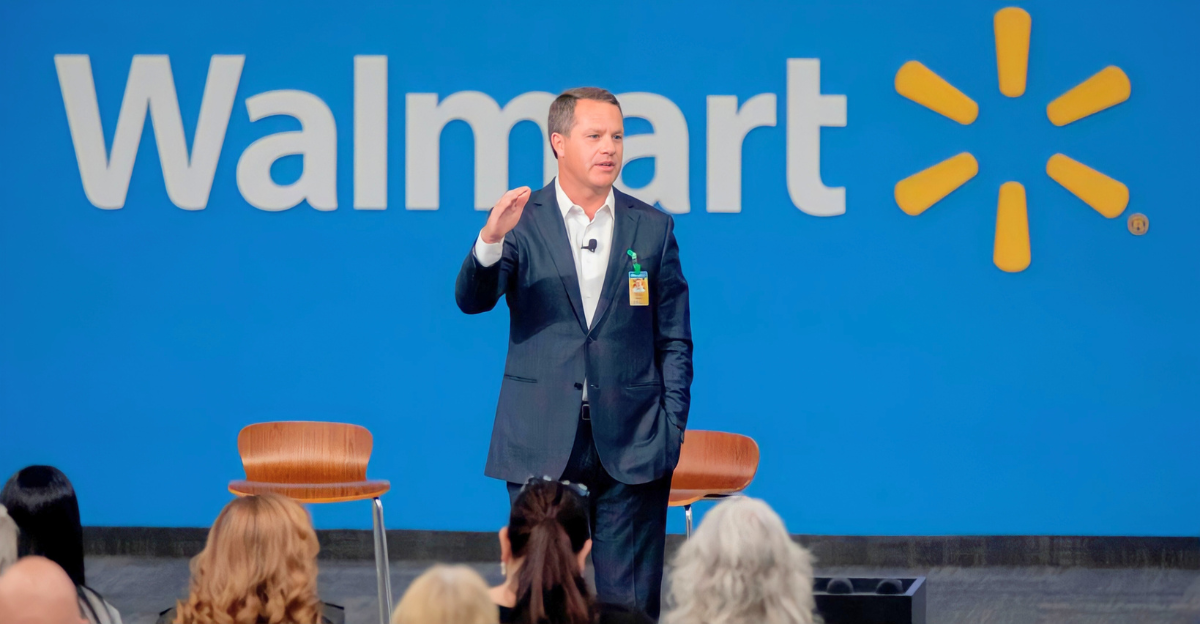
Here’s where it gets interesting. On July 30, 2025, Walmart Executive VP Donna Morris laid it out bluntly: chronic workplace pessimism is the “ultimate red flag” in an employee.
In an interview with CNBC she warned that no one wants a perpetual complainer on the team. “Nobody wants [to hire] a Debbie Downer,” she said.
Morris explained that a “Debbie Downer” is someone who’s constantly negative and “brings the problem, never the solution”.
Store managers agree.
One veteran supervisor recalled how a persistently dour coworker “froze progress” on their shift – “everyone got tired of solving the same problem over and over,” she said.
Broad Impact

Morris’s warning resonates across industries. Analysts estimate toxic attitudes cost companies billions each year through wasted time, turnover and low engagement.
Surveys back this up: a majority of workers report feeling disengaged at work. For example, one SHRM study found that over a third of employees say their job is harming their well-being.
Managers know it’s costly: disengaged teams underperform and often fall apart, raising hiring and training expenses.
Chronic negativity does a triple hit – it erodes morale, saps productivity, and drives good people away. Companies can’t afford a Bad-News-Only attitude creeping into their culture.
Human Story

On the ground, these dynamics play out clearly. One Walmart shift leader described how a chronically negative colleague “froze progress,” draining the team’s energy every day.
For example, she said, “We got tired of solving the same problem over and over.” Morris notes that a truly negative employee doesn’t just air complaints – they often block others’ ideas and resist change. In effect,
that kind of persistent gloom kills collaboration and eventually isolates the complainer.
Morris stresses that authentic feedback is different: concerns raised with solutions build trust, whereas repeated complaining erodes it.
Competitive Response
Many companies now explicitly reward the opposite mindset. Research shows curious, innovative employees consistently outshine their reactive peers.
For example, a 2016 management study of nearly 500 workers found that employees with strong work-related curiosity – meaning they ask questions and seek new knowledge – produced far more innovative solutions than others.
Organizations have taken note: HR policies increasingly highlight initiative as a key evaluation criterion. As one consultant put it, “Curious, problem-solving employees are the ones getting noticed.” In today’s workplace, reactive complainers are out; proactive innovators are in.
Macro Trend

These shifts fit a broader trend: investing in people development yields measurable gains. Consider mentoring and training programs: 67% of businesses report higher productivity thanks to mentoring initiatives.
Even more strikingly, a global survey found 94% of employees would stay longer at a company if it offered more learning and career opportunities.
There’s a clear payoff for cultivating growth mindsets.
Companies see that by supporting employees’ development, they build loyalty and boost performance. Ultimately, businesses are linking positive cultures directly to higher productivity and retention.
Green Flags That Get You Promoted
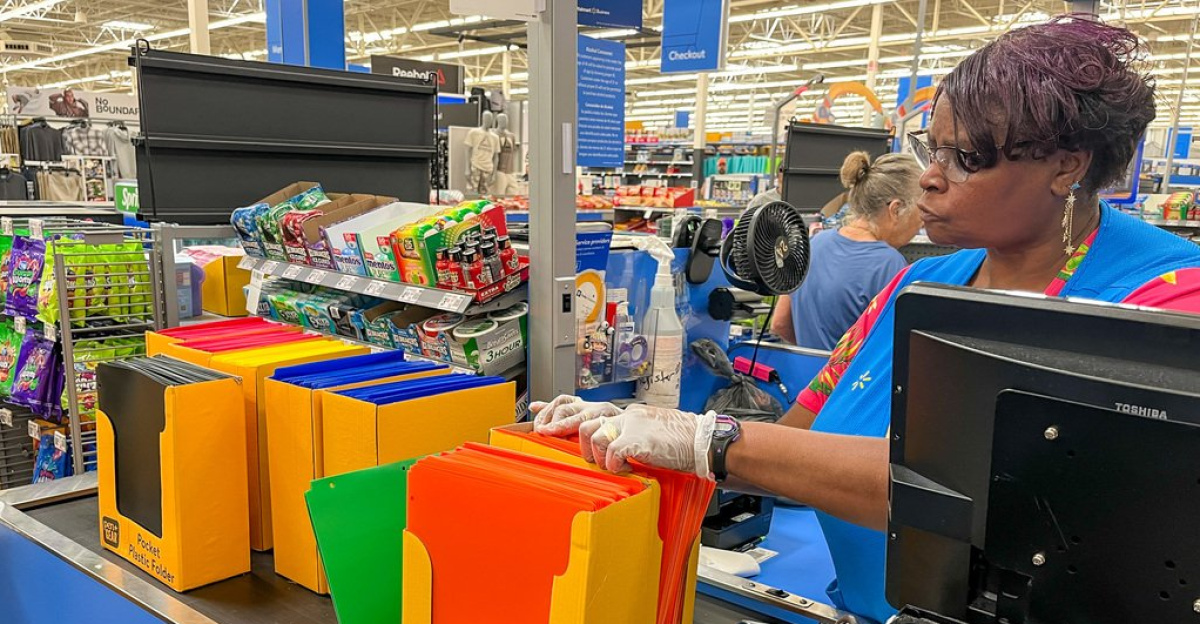
Morris said: “You’re better to deliver early than to deliver late, and better to deliver more than less,” adding that top employees also “put their hand up to take on more… or bring a problem with the remedy”.
Those in formal mentoring see promotions roughly 5–6× more often than peers.
One associate observed, “Volunteering taught me more than complaining ever did.” These green-flag behaviors – delivering early, helping others, asking questions – set high performers apart.
Internal Blind Spot

Ironically, most employees don’t see this dynamic in themselves – until it’s too late.
It’s similar to a customer-service paradox: companies may think they exceed expectations, yet customers often quietly disagree.
In the workplace, someone who constantly complains may sincerely believe they’re just being realistic, never realizing how little value they add.
Because firms rarely give feedback on attitude, chronic complainers get no warning. By the time their career stalls, they wonder what went wrong.
Leadership Shift
It helps to know who’s sounding the alarm. Morris is one of Walmart’s few external hires: before joining in 2020, she spent 17 years at Adobe as a top HR executive.
Bringing a Silicon Valley leader into retail was a departure for Walmart, which usually promotes internally. Morris’s tech-industry perspective shaped her approach.
As she puts it, Walmart is a “people-led, tech-powered” company, reflecting how her background emphasizes innovation and data-driven management.
Her external status underscores why she personally champions a solution-focused culture.
Strategic Response
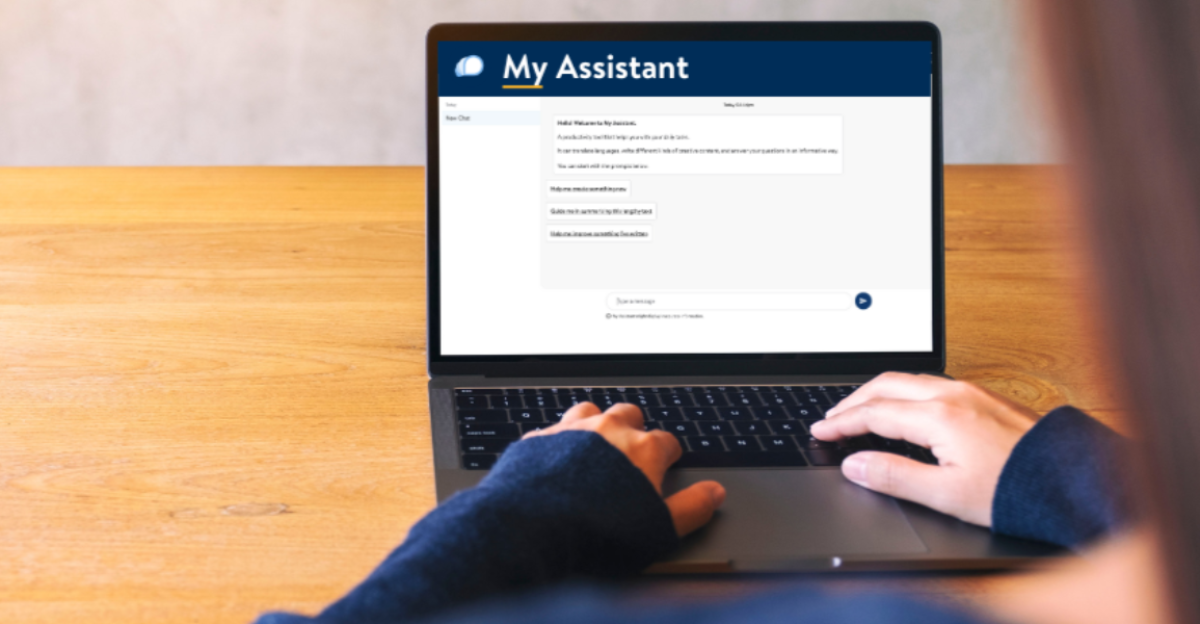
Walmart is acting on these ideas. To reinforce desired behaviors, it has rolled out new tech tools and programs.
For example, an AI-driven app called “My Assistant” helps managers set clear goals, run performance discussions, and pull real-time data on store operations.
Other initiatives match employees with mentors and targeted training.
The goal is simple: use technology to free leaders to develop people and recognize employees who focus on solutions. In practice, Walmart’s “people-led, tech-powered” approach incentivizes the behaviors Morris described.
Expert Assessment
Experts say Morris is onto something. For instance, Gallup found that employees with formal mentors are 58% more likely to agree that their organization offers equal advancement.
Workers who seek learning and support advance much faster than isolated pessimists.
More broadly, studies consistently show that proactive, growth-oriented employees significantly outperform their peers on innovation and career progression.
In today’s corporate climate, a positive, solution-driven mindset correlates directly with better performance and promotion chances.
Future Implications

Looking ahead, the stakes rise even more. As artificial intelligence and automation handle routine tasks, the human qualities Morris champions become the key differentiators.
Researchers note curiosity and adaptability are critical – companies will hire “based on what [candidates] could learn, rather than on what they already know”.
Put simply, employers will count on emotional intelligence, collaboration and problem-solving from their employees.
The upshot: in a future where machines cover the basics, cultivating initiative and creativity will be essential to thrive.
Policy Implications

Morris’s public stance could influence HR policies, too. Officially blacklisting applicants for past behavior is still legally dicey, but many firms already share performance data behind the scenes.
For example, U.S. retailers use a shared database that essentially “blacklists” employees accused of misconduct (even unproven allegations stay on record).
Dozens of companies see these notes, which can keep a person from getting a new job.
Such practices put companies on alert. Employment lawyers caution that any hiring system flagging attitude must be based on clear, documented behaviors – not vague judgments – to avoid discrimination claims.
Global Trends
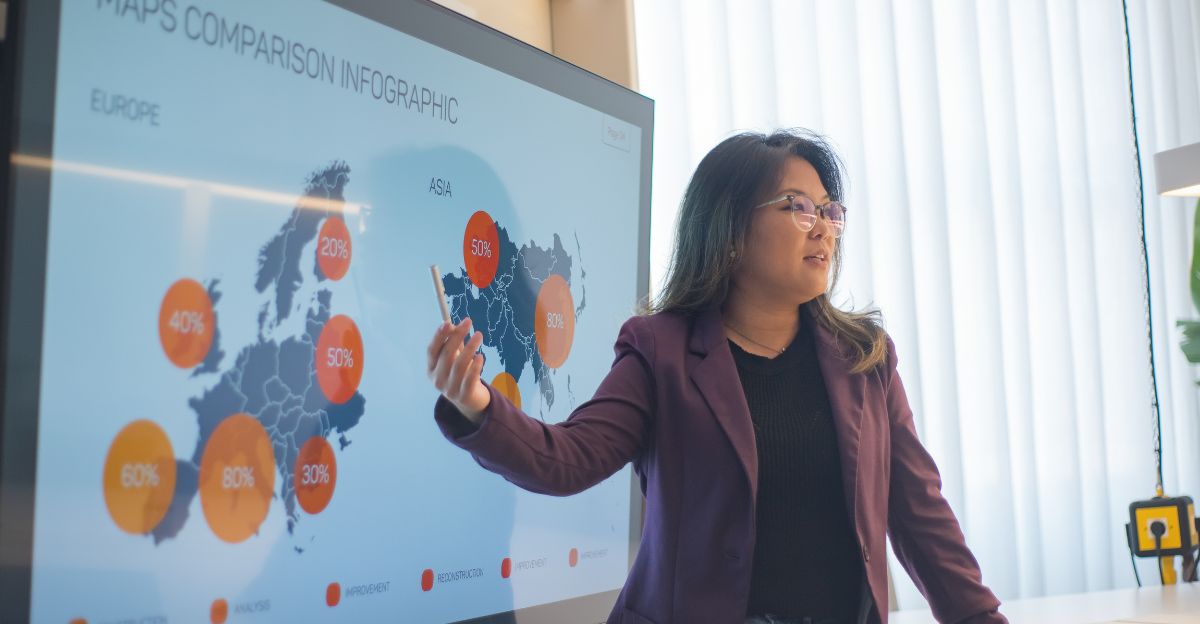
It’s not just a U.S. phenomenon. Companies worldwide are quietly exploring similar screening. In Europe, for instance, firms are developing ways to track employee engagement and collaboration (with strict GDPR protections on personal data).
The motivation is the same: build a strong culture that drives results.
Research confirms it: engaged, supportive teams deliver higher output and have lower turnover across industries.
Internationally, executives note that a positive work environment – one where people help each other and grow – consistently leads to better performance.
Legal Guardrails

Lawyers stress caution. It’s legal for employers to look at work-related behaviors – but not to discriminate under the guise of “culture fit.” Best practice is to document specific actions.
For example, managers should note that an employee “volunteered for a project” or “gave constructive feedback,” rather than labeling someone “negative.”
Vague assessments can mask bias against age, disability or mental health. In practice, that means building reviews around objective examples.
If companies can point to facts, then any hiring or firing decision can be justified with clear evidence.
Generational Perspectives

Younger workers may view these changes differently. Many Millennials and Gen Z employees prioritize purpose, support and safety at work – not just polish on the résumé.
Surveys show they report high stress and strongly value mentorship.
For instance, over 90% of workers (especially younger ones) say they would stay longer if their employer offered more career development.
To them, simply discouraging complaints can feel unsupportive if real problems aren’t addressed. Companies are learning that building a positive, proactive culture still requires listening to employees and providing genuine support.
The Human Edge
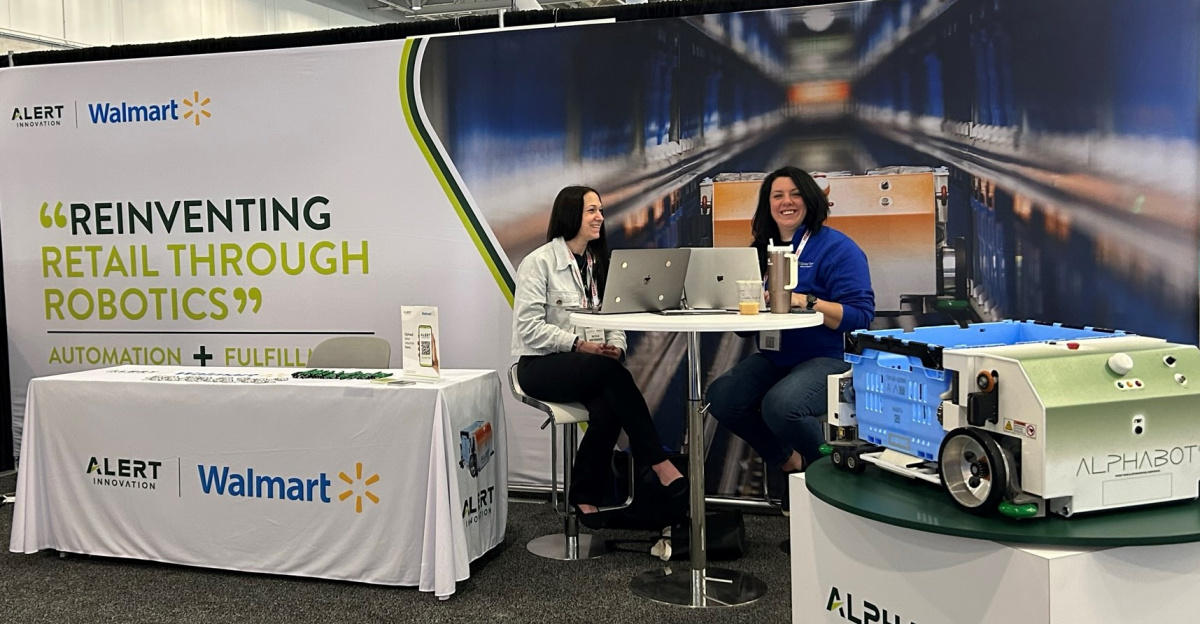
In the end, Morris’s warning reflects a fundamental shift in the modern workplace. As routine tasks become automated, employers will prize the traits machines can’t mimic: emotional intelligence, innovation and teamwork.
Analysts predict that having a strong “human edge” will be crucial – companies will expect employees to collaborate creatively and lead constructively.
This means that maintaining an upbeat, problem-solving attitude is no longer optional. It’s the key to standing out and advancing in tomorrow’s workforce.