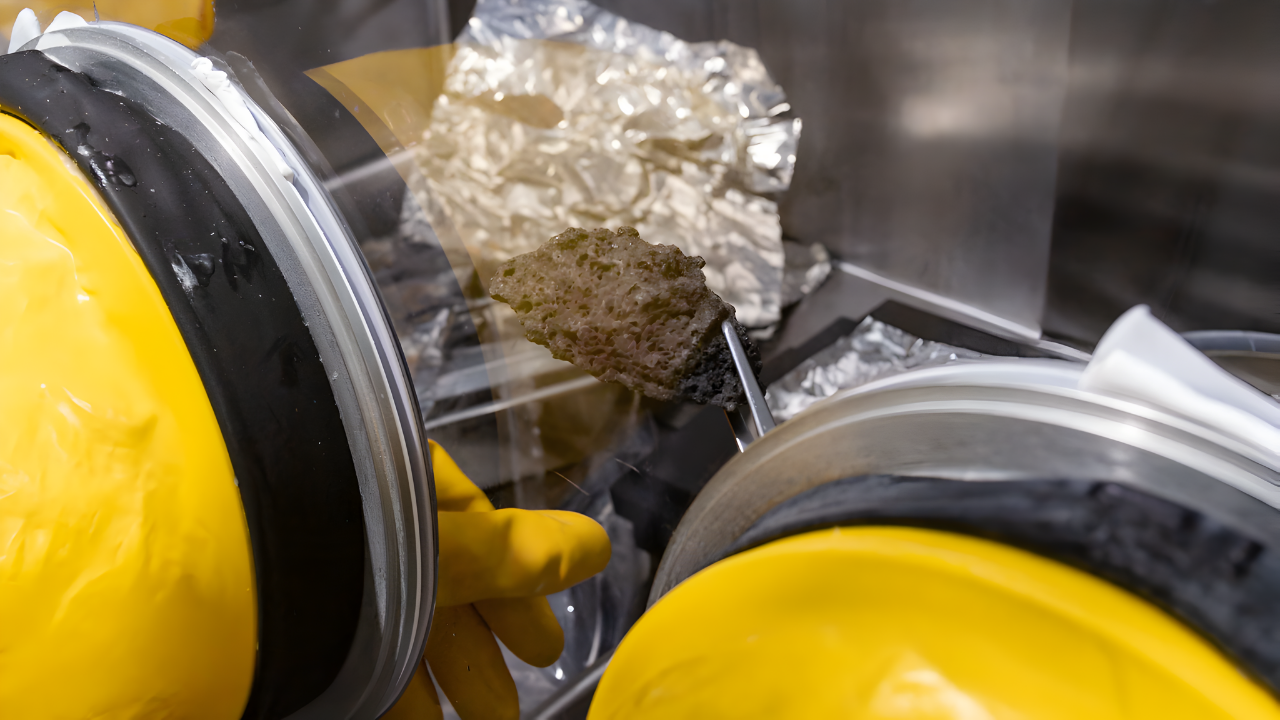
As NASA prepares for the Artemis III landing at the Moon’s south pole, two distinct research efforts using Apollo 17 materials have converged to reshape mission planning. Scientists have issued critical warnings about moonquake hazards based on analysis of boulder samples collected during Apollo 17, while simultaneously, the Apollo Next Generation Sample Analysis (ANGSA) program has begun opening 50-year-old sealed lunar cores—activities that together paint a picture of an active, hazardous lunar environment fundamentally different from what Apollo missions encountered.
Two Parallel Research Efforts Using Apollo 17 Materials
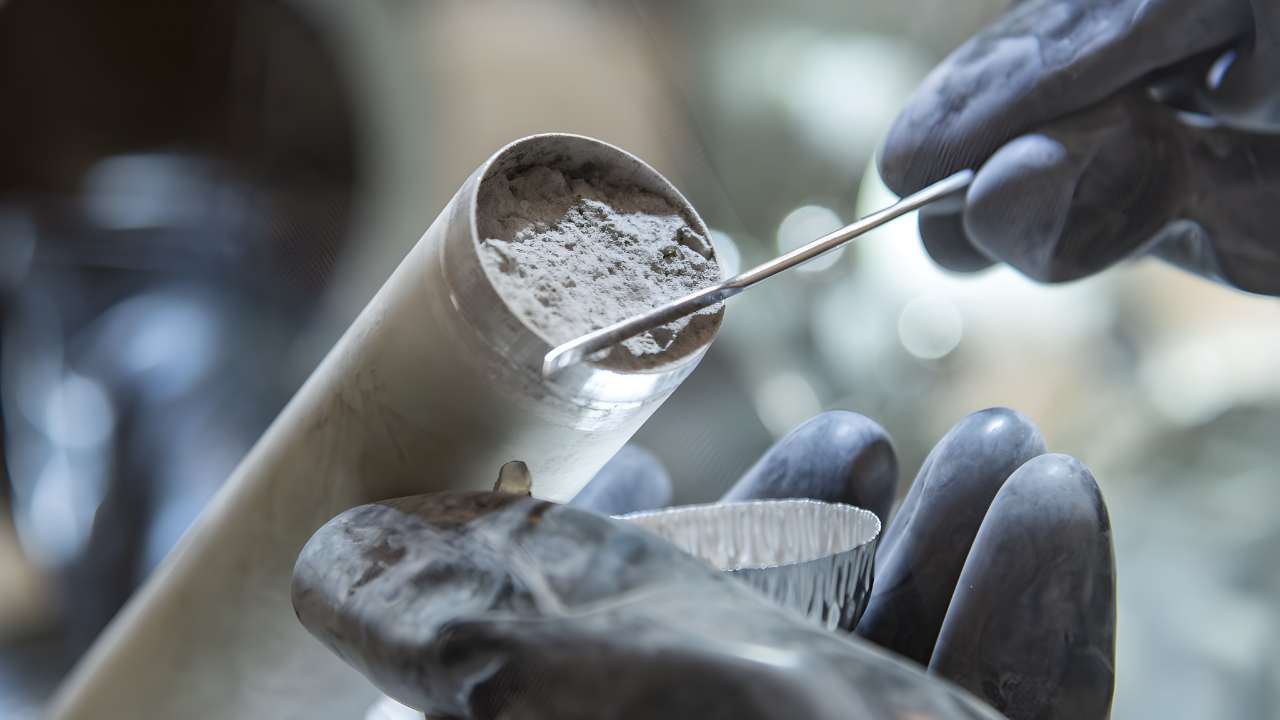
The moonquake warnings stem directly from analysis of boulder samples brought back by Apollo 17 astronauts. On July 30, 2025, researchers Thomas R. Watters (Smithsonian Senior Scientist Emeritus) and Nicholas Schmerr (University of Maryland Associate Professor) published groundbreaking findings in Science Advances identifying the Lee-Lincoln fault in the Taurus-Littrow valley as an active moonquake source. Their research did not rely on newly opened sealed samples, but rather on cosmic ray exposure analysis of boulder samples collected during the Apollo 17 mission itself—material that has been available in laboratories for over 50 years.
Simultaneously, the ANGSA program has reopened sealed Apollo 17 cores since 2019, including the 809-gram core 73001, which was vacuum-sealed in a Core Sample Vacuum Container (CSVC) on the lunar surface and frozen at −23°C since December 1972. These sealed cores provide complementary insights into an active, dynamic lunar environment—revealing water-related volatiles, complex regolith stratigraphy, and evidence of ongoing geological processes. While ANGSA’s sealed sample analysis and Watters/Schmerr’s boulder research both use Apollo 17 materials and both inform Artemis planning, they are fundamentally different research streams examining different samples through different analytical methods.
Boulder Samples Reveal Escalating Moonquake Risk for Extended Missions
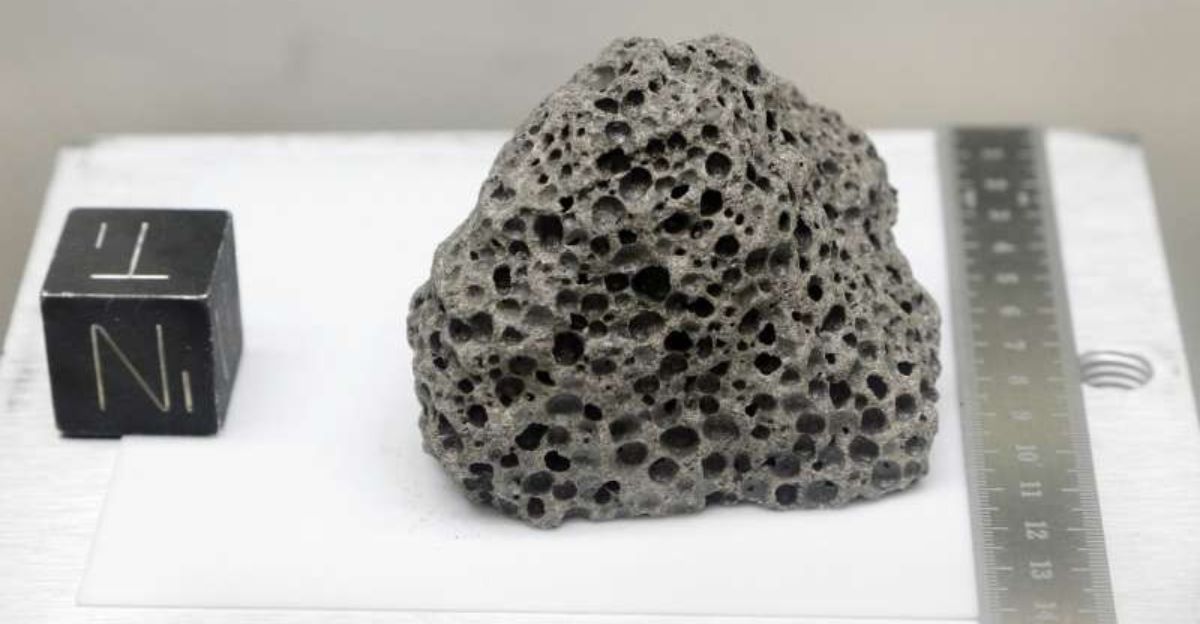
The Watters and Schmerr research used an innovative approach unavailable during the Apollo era: analyzing cosmic ray exposure ages of boulders documented at the Taurus-Littrow landing site. Apollo 17 astronauts had photographed and described boulder tracks and a large landslide in the valley, evidence that ground shaking had mobilized rocks and soil. By measuring how long these boulders had been exposed to cosmic radiation—information only obtainable through laboratory analysis of the returned samples—Watters and Schmerr calculated the timing and frequency of seismic events.
Their analysis revealed that magnitude 3.0 moonquakes occur along the Lee-Lincoln fault approximately once every 5.6 million years. During the Apollo 17 mission, with its three-day surface duration, astronauts faced a one in 20 million chance of experiencing a damaging moonquake. However, the implications for Artemis are far more concerning.
“If you have a habitat or crewed mission up on the moon for a whole decade, that’s 3,650 days times 1 in 20 million, or the risk of a hazardous moonquake becoming about 1 in 5,500,” Schmerr stated in the research announcement. This escalating risk—from negligible to significant—directly shapes how NASA now designs Artemis infrastructure.
The research further identified that taller lander designs, such as the SpaceX Starship Human Landing System that Artemis III plans to use, are particularly vulnerable to moonquake damage. Unlike the compact Apollo lunar module, high aspect-ratio vehicles can be destabilized or toppled by ground acceleration from nearby active faults.
“Don’t build right on top of a scarp, or recently active fault. The farther away from a scarp, the lesser the hazard,” Schmerr explained in guidance that now shapes Artemis site selection and infrastructure placement. Watters reinforced this principle, stating that “the global distribution of young thrust faults like the Lee-Lincoln fault, their potential to be still active and the potential to form new thrust faults from ongoing contraction should be considered when planning the location and assessing stability of permanent outposts on the moon.”
Sealed Samples Reveal an Active, Dynamic Lunar Environment
While Watters and Schmerr focused on boulder samples available in laboratories for decades, the ANGSA program’s opening of sealed cores in 2019 and 2022 revealed complementary evidence of an active Moon. The sealed cores, preserved under vacuum or in specialized containers, had been protected from Earth’s atmosphere and standard curation procedures that modify sample characteristics.
Core 73001, collected at Station 3 at the base of the South Massif, penetrated approximately 70 centimeters into the light mantle deposit—a massive landslide from the South Massif that extends five kilometers across the valley floor. The core had been frozen at −23°C since Apollo 17 returned it in December 1972, preserved in conditions designed to protect volatile compounds and pristine regolith characteristics.
When ANGSA scientists opened this sample in 2019 using modern analytical techniques—including nano-scale mass spectrometry, X-ray micro-tomography, advanced electron microscopy, and specialized cold-processing methods—they discovered that the Moon’s regolith is far more dynamically active than the Apollo-era understanding had suggested. The analysis revealed:
Volatiles and Water: The samples confirmed the presence of trace water-related molecules trapped in volcanic glass beads, indicating that the Moon’s south polar region harbors volatile compounds that could support future human presence. This finding directly informed planning for resource extraction and life support systems.
Regolith Dynamics: The sealed cores demonstrated that micrometeorite bombardment, electrostatic dust motion, thermal cycling, and subtle tectonic adjustments continuously reshape the lunar surface. This understanding transformed Artemis habitat design from static structures to systems engineered for a dynamically active environment.
Landslide Deposit Analysis: Core 73001 penetrated the light mantle deposit itself—a massive avalanche of regolith that flowed down the South Massif. Analysis of this core enabled scientists to understand how lunar material mobilizes, deforms, and compacts over time, providing essential context for site stability assessments at potential Artemis landing zones near the south pole.
The timing was deliberate. ANGSA was explicitly designed as a “low-cost sample return mission” to “prepare the lunar sample community for Artemis.” It trained 90 scientists, engineers, and curators—most born after the Apollo program ended—in techniques they will employ during Artemis sample return missions. The program developed new tools for extracting and analyzing lunar gases, executed NASA’s first-ever cold astromaterials processing, and created an interactive bridge between Apollo-era explorers and Artemis-generation scientists.
Two Research Streams Shape Integrated Artemis Response
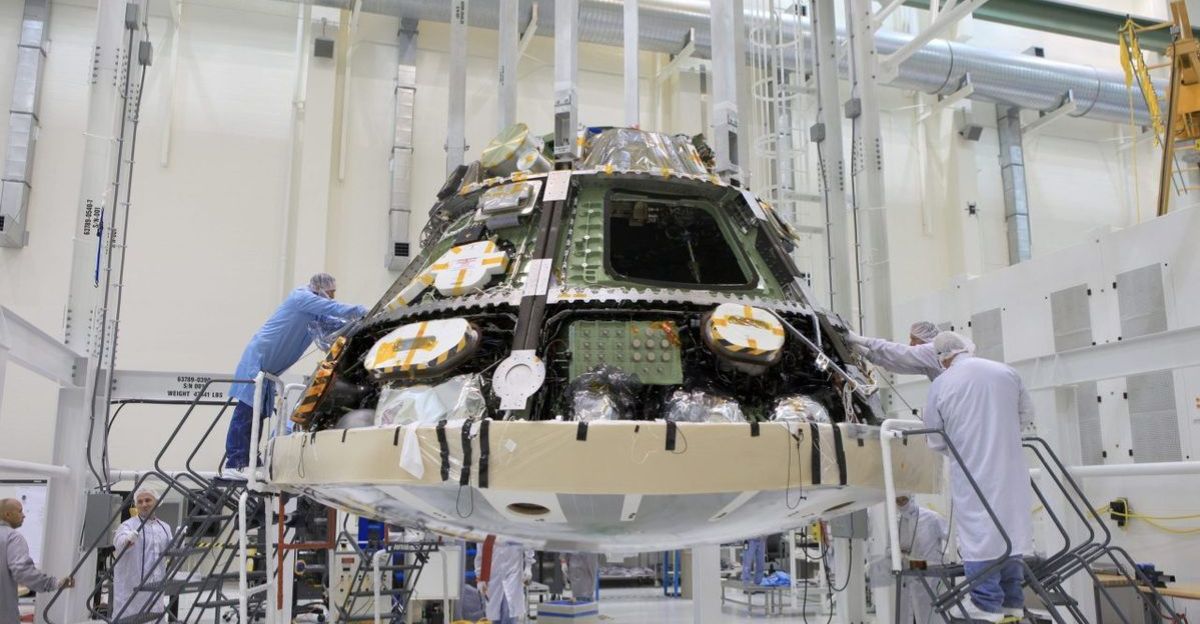
The convergence of findings from both research efforts has triggered comprehensive changes to Artemis mission planning. NASA responded to the moonquake risk assessment by selecting the Lunar Environment Monitoring Station (LEMS), co-led by Schmerr, for deployment on Artemis III. The LEMS will continuously detect moonquakes for three months to two years, providing real-time data about the south polar region’s seismic hazard environment and enabling astronauts to assess local conditions and adapt operations accordingly.
Site selection for Artemis III now explicitly incorporates the fault hazard framework established by Watters and Schmerr. Candidate landing zones are evaluated for proximity to identified active fault scarps and geologically young thrust faults, guided by the principle that distance from active faults directly correlates with crew safety.
Beyond seismic considerations, the integrated understanding from both research streams—the moonquake paleoseismic analysis and the sealed sample analysis of an active, dynamic lunar environment—reshaped Artemis hardware architecture. NASA shifted from concepts based on Apollo experience toward designs specifically engineered for a Moon that is slowly contracting, seismically active, and dynamically modified by ongoing processes.
Hardware Redesign: Artemis infrastructure now features relatively low-rise, modular systems with flexible joints and vibration-isolating mounts, designed to withstand ground acceleration from moonquakes. Tall, rigid structures—concepts studied for earlier Mars missions—have been rejected in favor of designs that dissipate seismic energy.
Dust Mitigation: Enhanced understanding of regolith behavior from sealed sample analysis informed new dust-mitigation approaches. Artemis suits, vehicles, and habitats now incorporate improved filtration systems, more robust sealing mechanisms, and materials specifically selected to resist the electrostatically charged, abrasive lunar dust revealed in detailed sample analysis.
Radiation and Life Support: The sealed samples’ complex chemical signatures and volatile content informed refinements to radiation shielding, life-support redundancy, and habitat pressurization systems—all engineered for long-duration presence in an environment more hazardous than Apollo missions had encountered.
A Generational Handoff from Apollo Analysis to Artemis Exploration
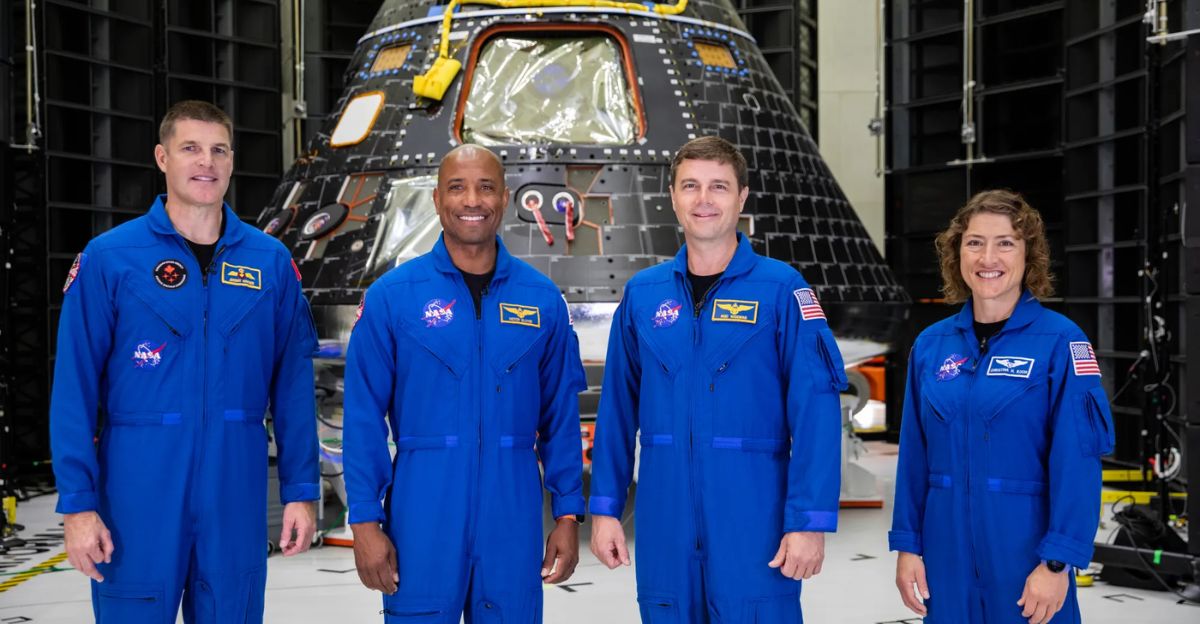
The ANGSA program explicitly served as a bridge between Apollo and Artemis generations. Most of the scientists involved were not alive during Apollo. Yet they learned to handle pristine samples sealed on the lunar surface 50 years earlier, developed new curation techniques, and analyzed materials using instruments that did not exist during the Apollo era. This training, conducted precisely as independent moonquake research was reaching critical conclusions, created a cadre of scientists prepared for future lunar exploration.
Similarly, Watters and Schmerr’s work would not have been possible without the Apollo 17 boulder samples returned decades earlier. Yet that analysis only became feasible with modern cosmic ray exposure measurement techniques unavailable during the Apollo era. The two research efforts—ancient samples analyzed with cutting-edge modern methods—revealed a Moon fundamentally different from the relatively static world that Apollo astronauts explored.
From Preservation to Exploration
The convergence of sealed sample analysis and paleoseismic research has transformed Artemis from a program seeking to replicate Apollo’s rapid exploration into one engineered for a Moon understood as an active, tectonically dynamic world. Where Apollo astronauts were concerned primarily with rapid sample collection during short missions, Artemis planners must now account for hazards that escalate with mission duration.
The sealed samples preserved in vacuum and frozen storage since 1972 have revealed the complexity of lunar volatiles and the context for understanding a Moon that is quietly but continuously reshaping itself through seismic activity, regolith dynamics, and thermal cycling. The boulder samples, analyzed with modern cosmic ray exposure techniques, have quantified the risk that seismic events pose to long-duration human presence. Together, these parallel research efforts—using different Apollo 17 materials analyzed through different methods—have fundamentally reshaped NASA’s approach to returning humans to the Moon for sustained exploration and resource utilization.
Sources
Sealed for 50 Years, Scientists Just Opened Apollo 17’s Moon Samples
Fifty Years Later, Curators Unveil One of Last Sealed Apollo Samples – NASA
Apollo Moon sample opened after 50 years contains evidence of… (PDF)
Looking at Moon Dust: An Apollo Artifact Comes Out of Storage
53-Year Lunar Time Capsule Cracked: Apollo 17 Samples May Reveal Moon’s…
NASA’s 50-Year-Old Moon Rock Revealed a Shocking Secret
Apollo 17 samples reveal new clues to ancient lunar landslide mystery
Apollo Moon sample opened after 50 years contains evidence of extraterrestrial landslide
Apollo Next Generation Sample Analysis (ANGSA) Samples: Preliminary…