
The federal tax credit has expired, yet electric vehicles under $40,000 have never been more practical or competitively priced. The Nissan LEAF, Chevrolet Equinox EV, Hyundai IONIQ 5, Toyota bZ, and Ford Mustang Mach-E deliver 200+ miles of range, advanced tech, and lower running costs. January 2026 marks a real shift for mainstream buyers, and the pricing story is just getting interesting.
Why The EV Market Just Flipped
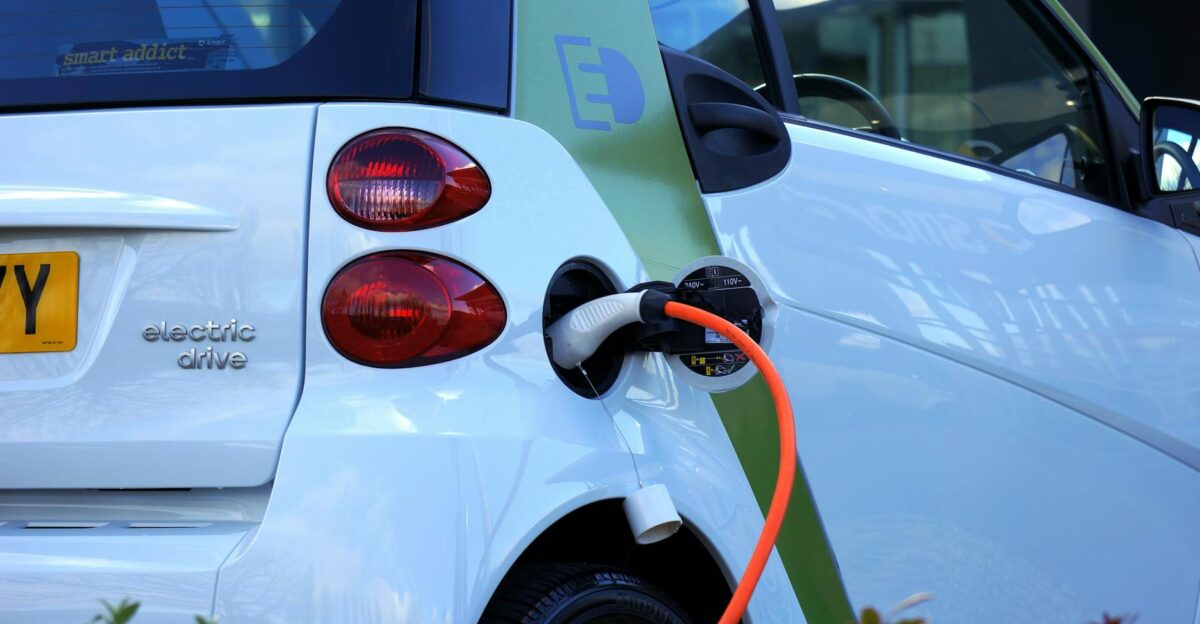
The September 2025 expiration of the $7,500 federal tax credit forced a reckoning across the EV market. Rather than raising prices, manufacturers cut costs aggressively to hold buyer interest. Nissan, Chevrolet, Hyundai, Toyota, and Ford reduced 2026 pricing to stay competitive with gasoline rivals. But the real shift went beyond MSRP numbers.
Meet The Under-$40K Standouts
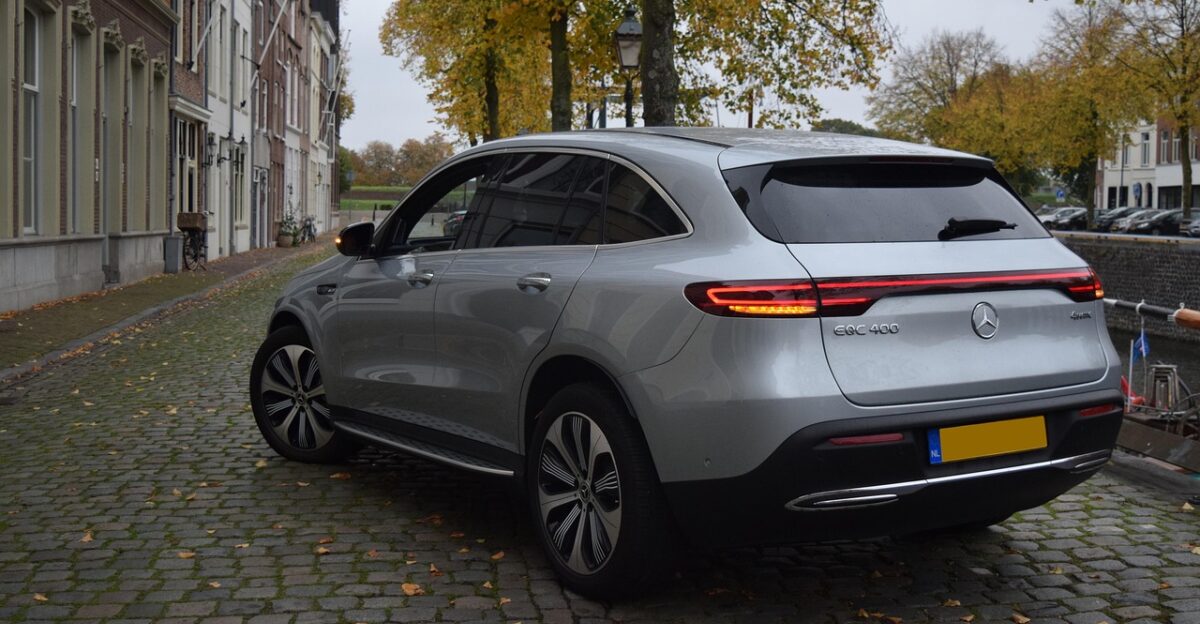
The 2026 Nissan LEAF S+ starts at $31,485, setting the price floor for real-world EV range. Chevrolet’s Equinox EV LT1 begins at $34,995, while Hyundai offers the Kona Electric at $34,470 and the IONIQ 5 SE at $36,600. Toyota’s bZ starts at $36,350, and Ford’s Mach-E Select RWD is $37,795. However, availability reveals even more.
1. Nissan LEAF
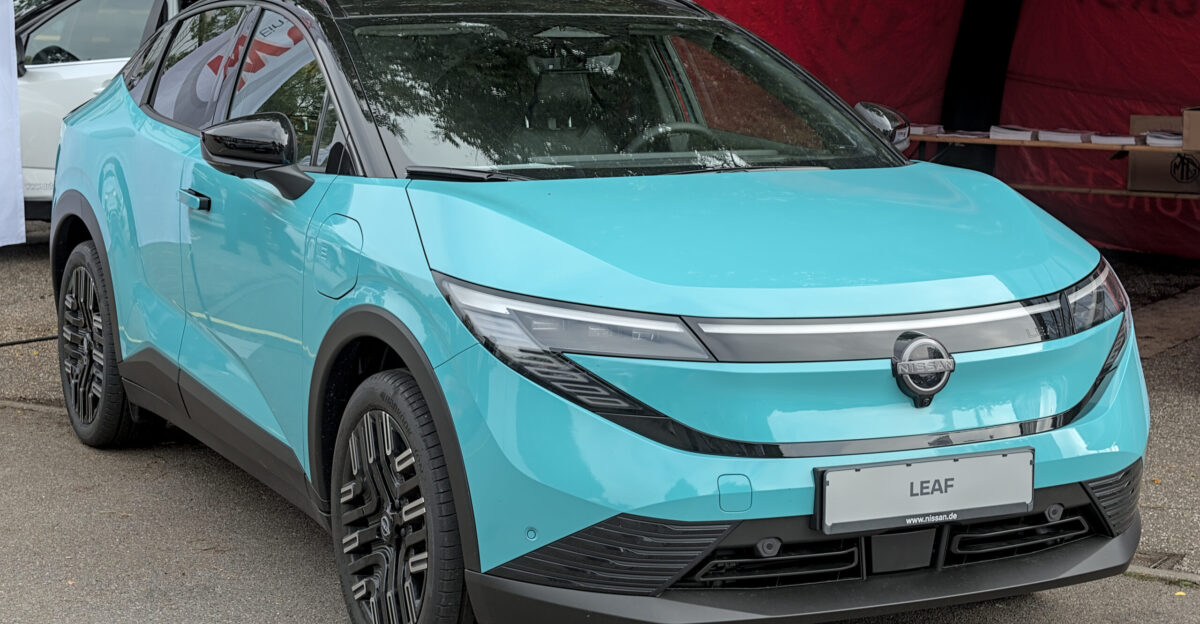
The all-new 2026 Nissan LEAF builds on a multi-generational track record that many competitors still lack. Nissan says LEAF owners have driven over 18 billion miles worldwide, giving it rare long-term credibility. The S+ trim targets first-time EV buyers with familiar practicality, 5-passenger usability, and dealership support. But the big surprise is its range claim.
Why The LEAF Wins On Pure Value
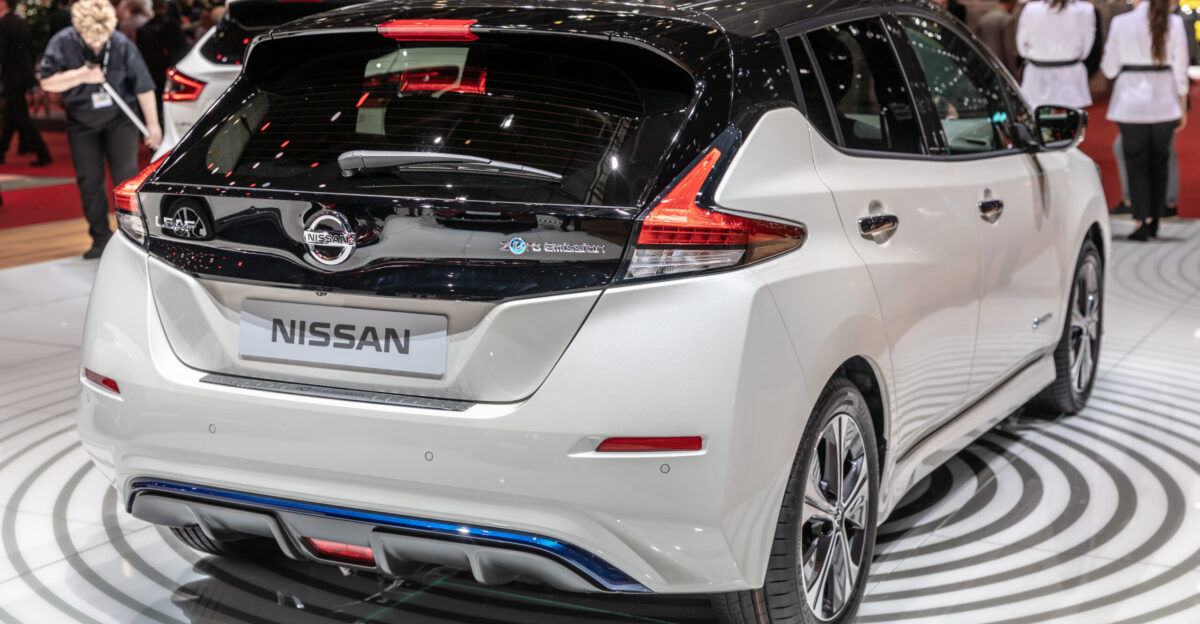
At $31,485, the Nissan LEAF S+ delivers 300+ miles of range at a price that undercuts many gasoline crossovers. It includes wireless Apple CarPlay and Android Auto, a responsive infotainment system, and comprehensive driver assistance features. Its 131 MPGe city efficiency can significantly reduce fuel costs. What do owners notice after week 2?
2. Chevrolet Equinox EV
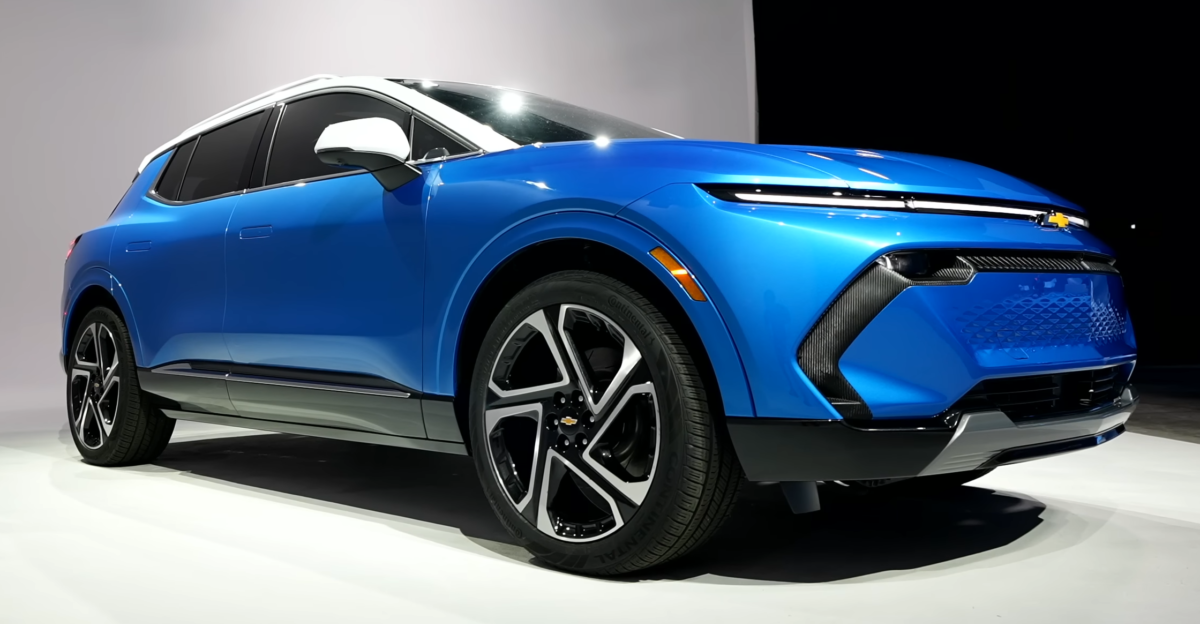
GM engineered the 2026 Chevrolet Equinox EV LT1 for maximum value, featuring a 319-mile EPA-estimated range, 220 horsepower, and a massive 17.7-inch touchscreen. Starting at $34,995, it targets CR-V and RAV4 pricing while offering HD Surround Vision and Google-integrated infotainment. Dealers report quick turnover, with 31-day hold times. But what makes it feel special?
The Equinox EV’s Unexpected Charm
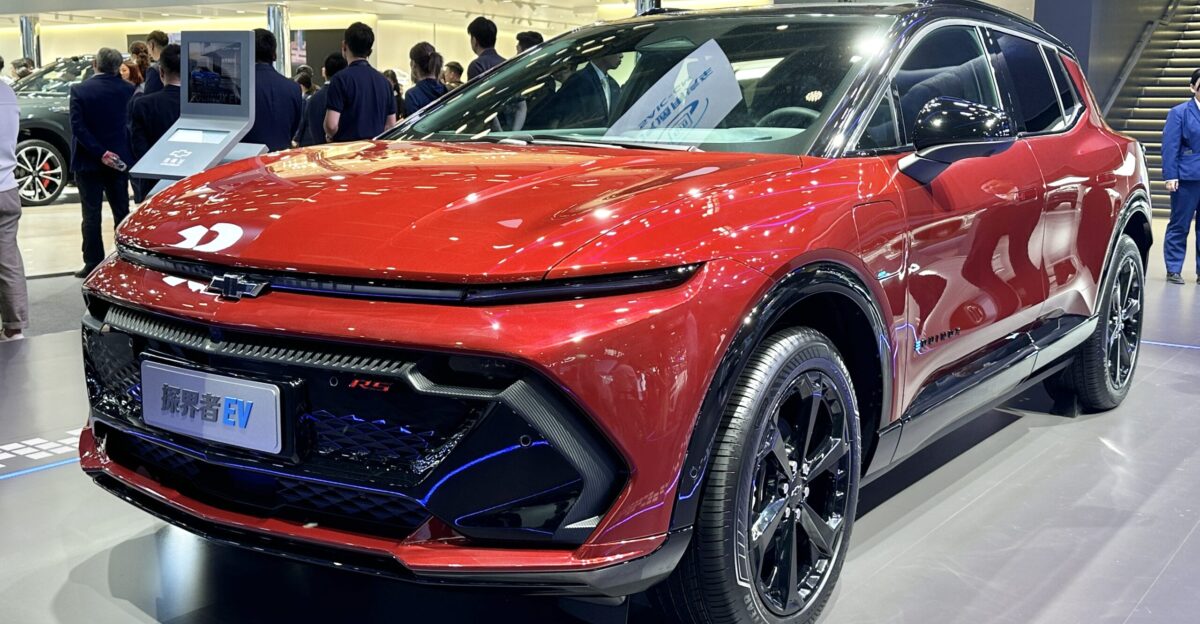
Beyond the specs, the Equinox EV’s large screen makes charging, climate, and navigation easier than many rivals. One-pedal driving can cover about 80% of many city commutes without touching the brake, while regenerative braking recovers energy. It seats 5 comfortably and keeps crossover practicality intact. Is the available AWD version the quiet dealmaker?
3. Hyundai Kona Electric SE
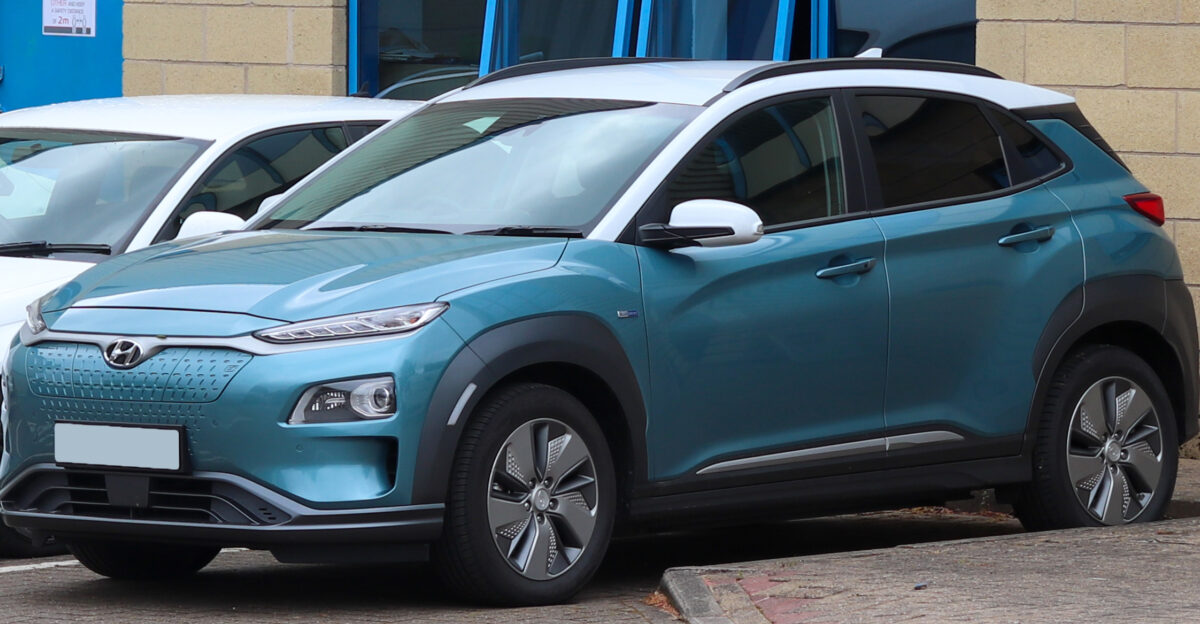
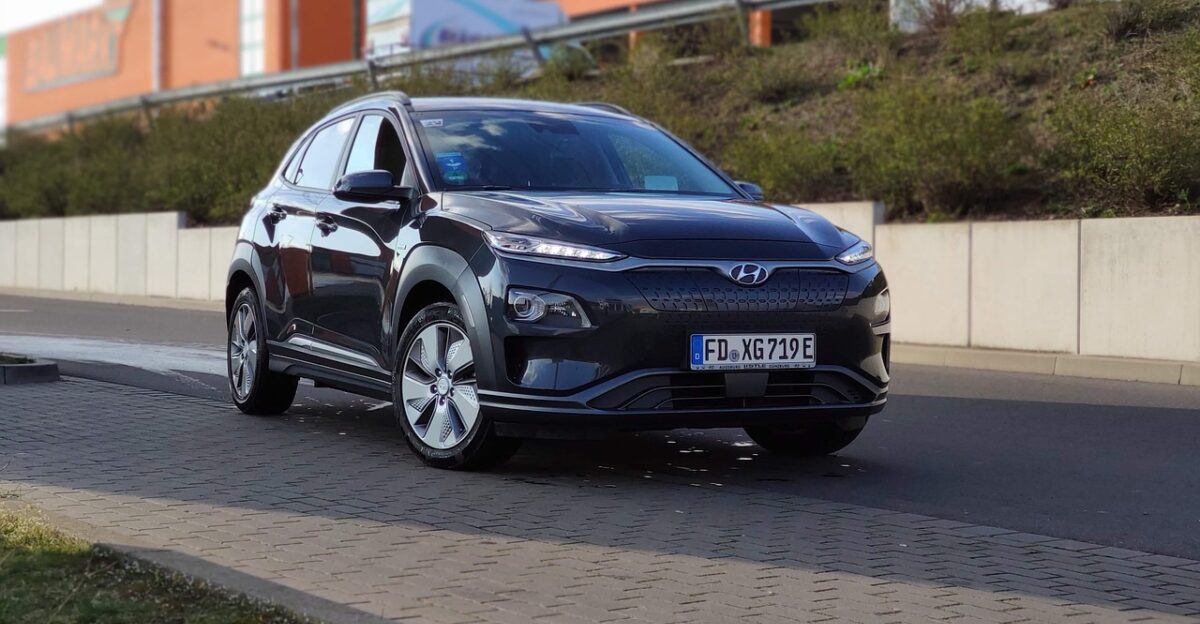
Hyundai attacks the under-$40,000 space with 2 very different vehicles. The 2026 Kona Electric SE at $34,470 targets commuters with 200 miles of range, while the 2026 IONIQ 5 SE at $36,600 pushes design and tech forward. The IONIQ 5’s 800-volt system can hit 80% in about 20 minutes on compatible chargers. But design is only part of its pull.
Why IONIQ 5 Owners Get Attached
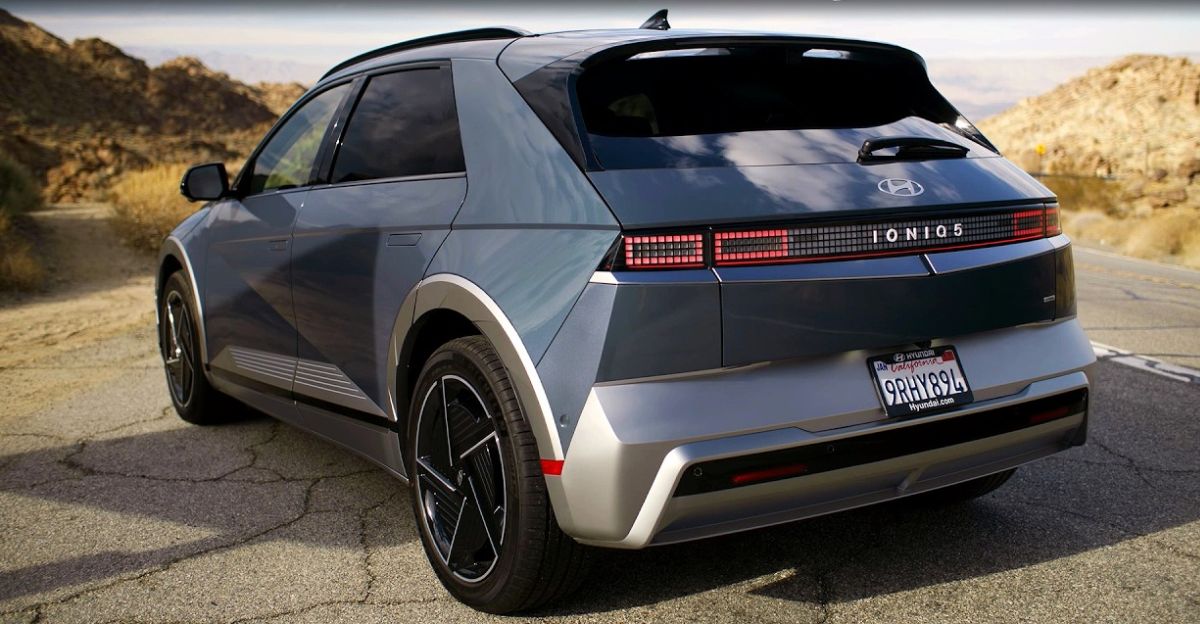
The 2026 Hyundai IONIQ 5 SE stands out with angular, retro-futuristic styling that creates instant differentiation. Its 12.3-inch touchscreen navigation, wireless charging, and driver assistance tech feel upscale at this price. The battery’s low placement adds surprising responsiveness and stable handling. Hyundai reports 92% owner satisfaction data in real-world feedback. Could emotion really drive EV loyalty?
4. Toyota bZ
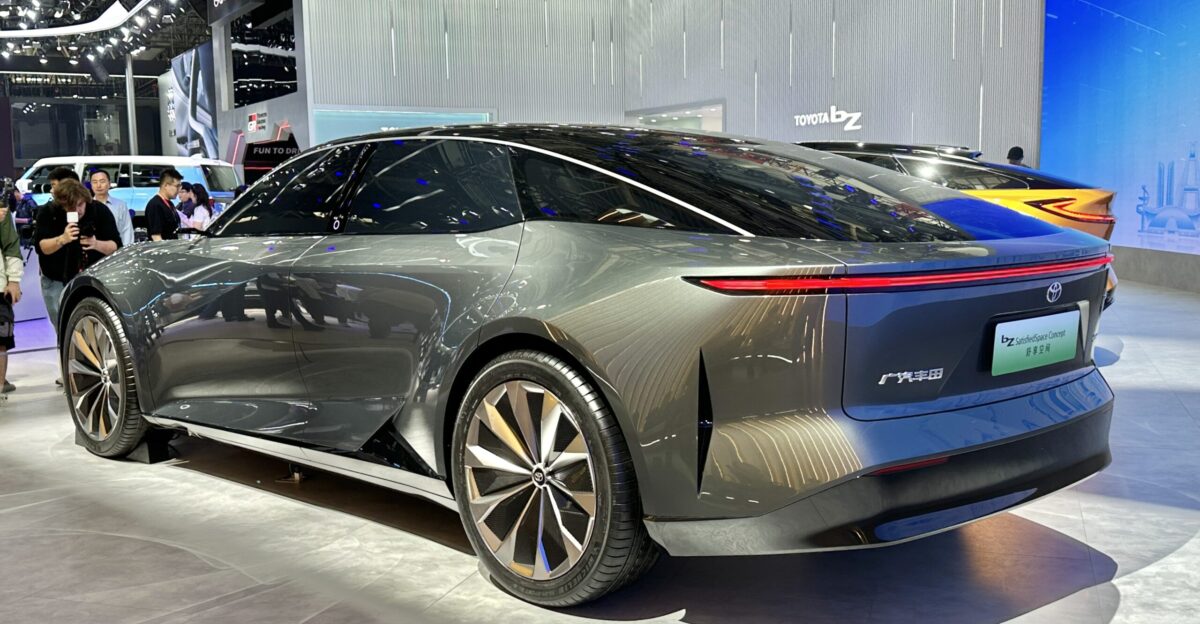
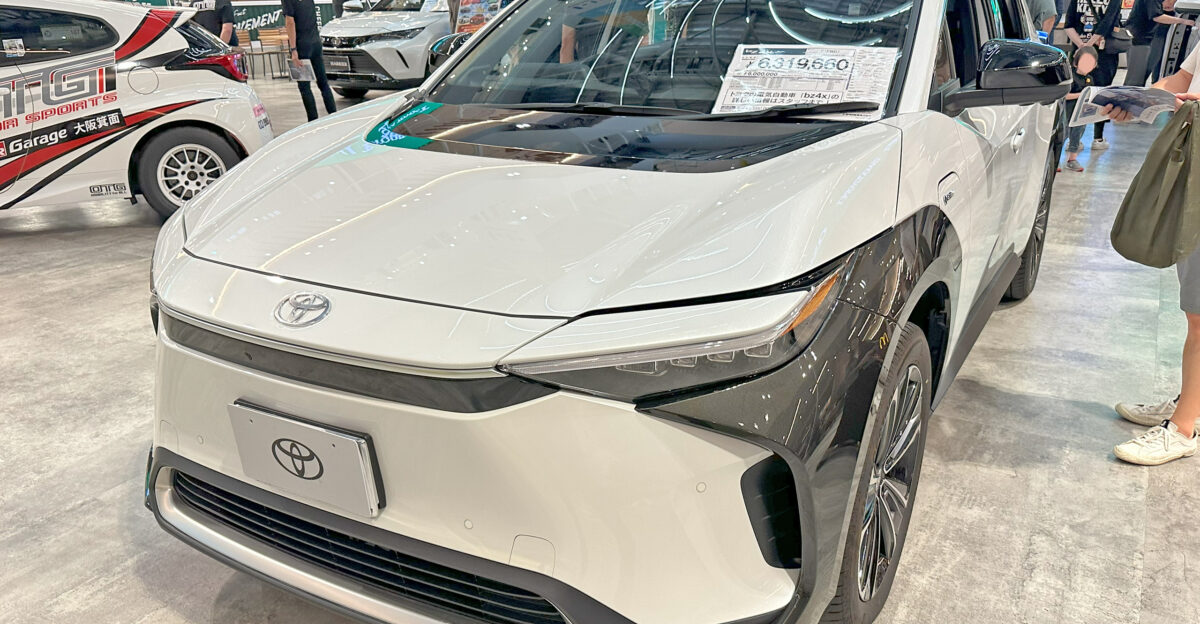
Toyota’s bZ matters because it brings the industry’s most established reliability brand into mainstream EV pricing. The 2026 bZ FWD XLE starts at $36,350 and delivers 25% improved range efficiency versus the prior generation. A 74.7-kWh battery targets 299 miles of range, while the 57.7-kWh version reaches 236 miles. Yet its charging hardware may be the real headline.
5. Mustang Mach-E
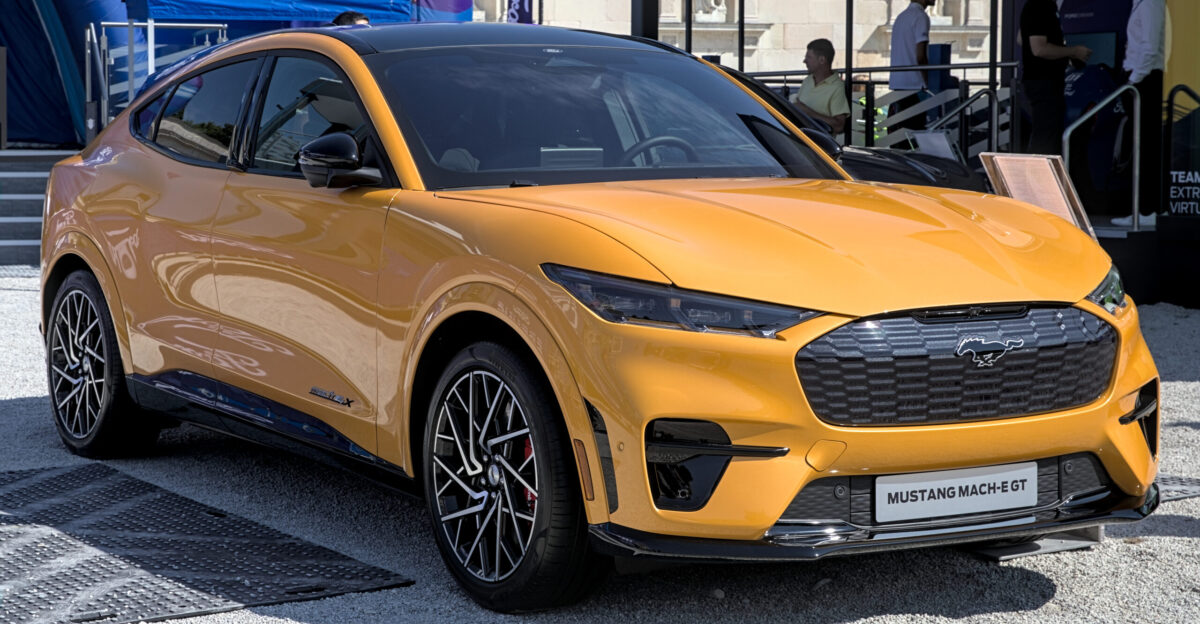
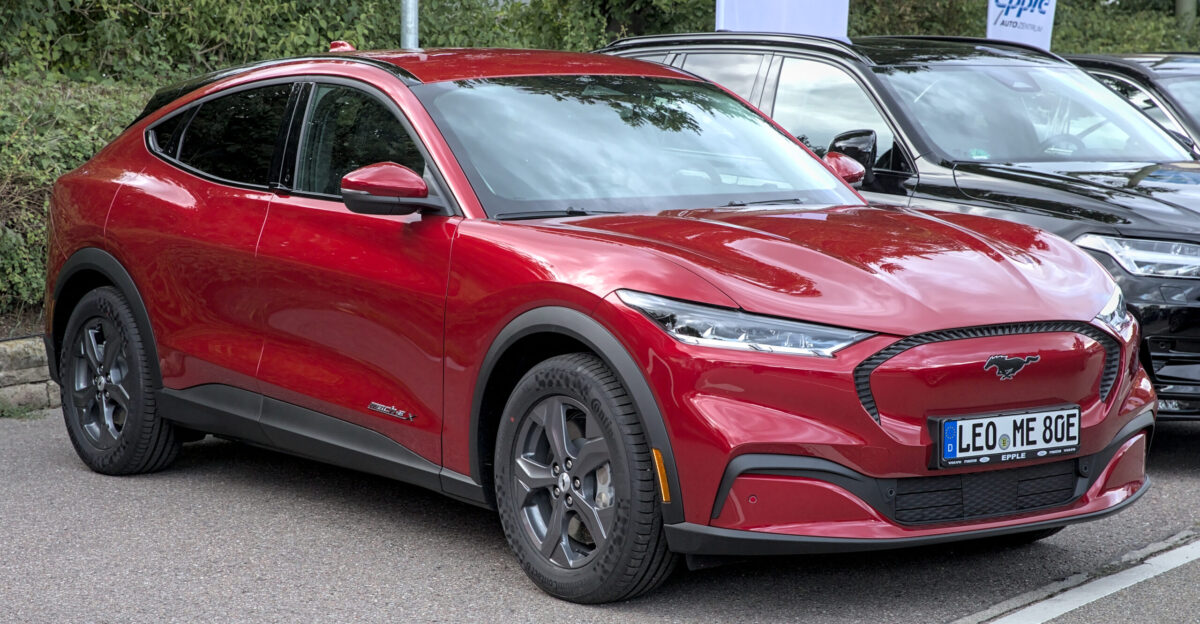
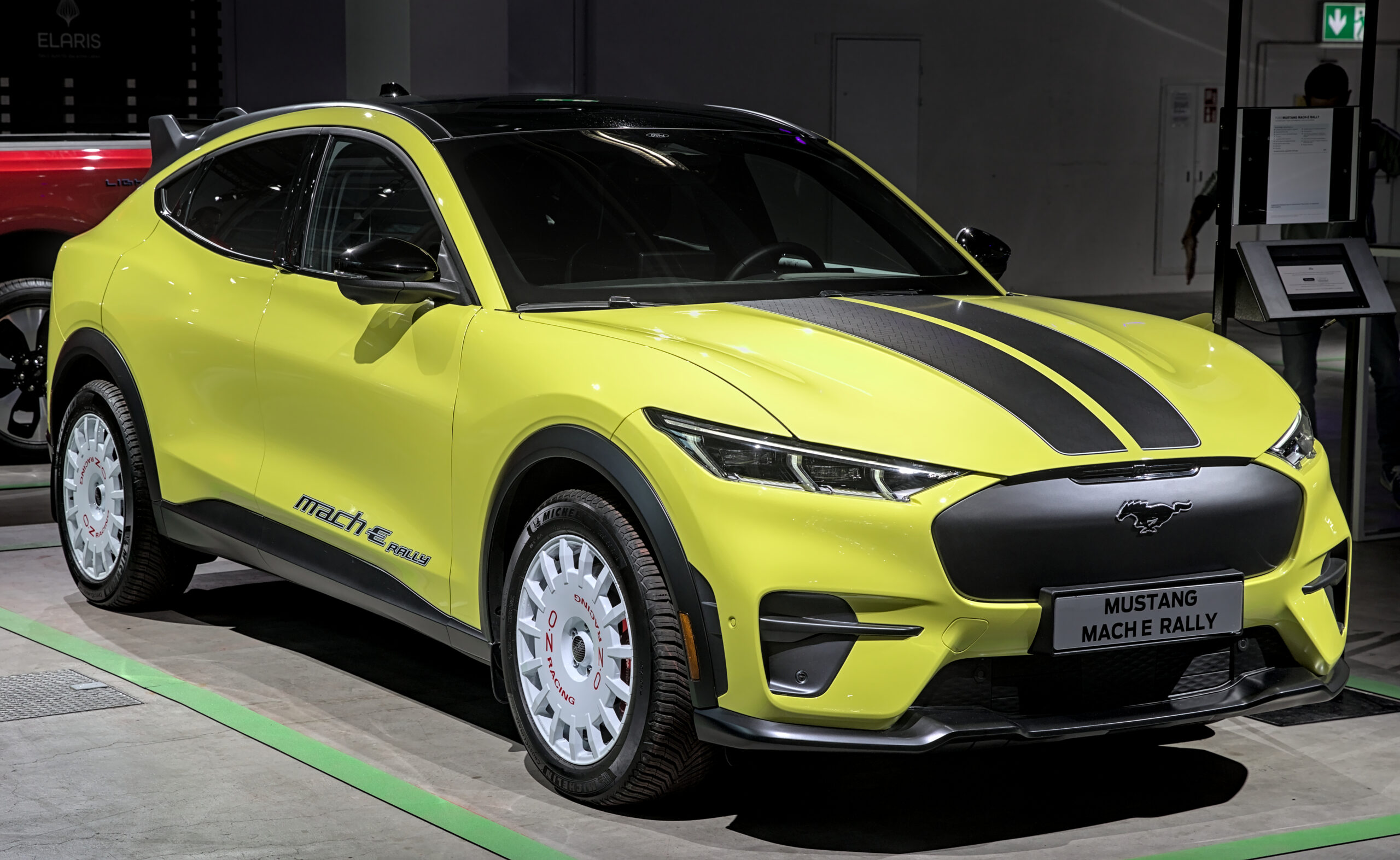
The Mustang Mach-E Select RWD starts at $37,795 and delivers performance engagement rare under $40,000. With 266 horsepower, it reaches 0-60 mph in about 6.3 seconds, faster than most gas compact crossovers. FordPass features allow remote climate preconditioning and charge monitoring, plus Apple CarPlay and Android Auto. But range numbers shape how buyers compare it.
Range Reality For Road Trips
Range changes the road-trip conversation, and the top numbers are close. The Chevrolet Equinox EV leads at 319 miles, while the Nissan LEAF S+ reaches 303 miles and the Toyota bZ hits 299 miles. Ford’s Mach-E Select RWD sits at 260 miles, while the IONIQ 5 SE base is 245 miles. If daily driving averages 25-35 miles, why does range still dominate?
Charging Access Is The Hidden Advantage
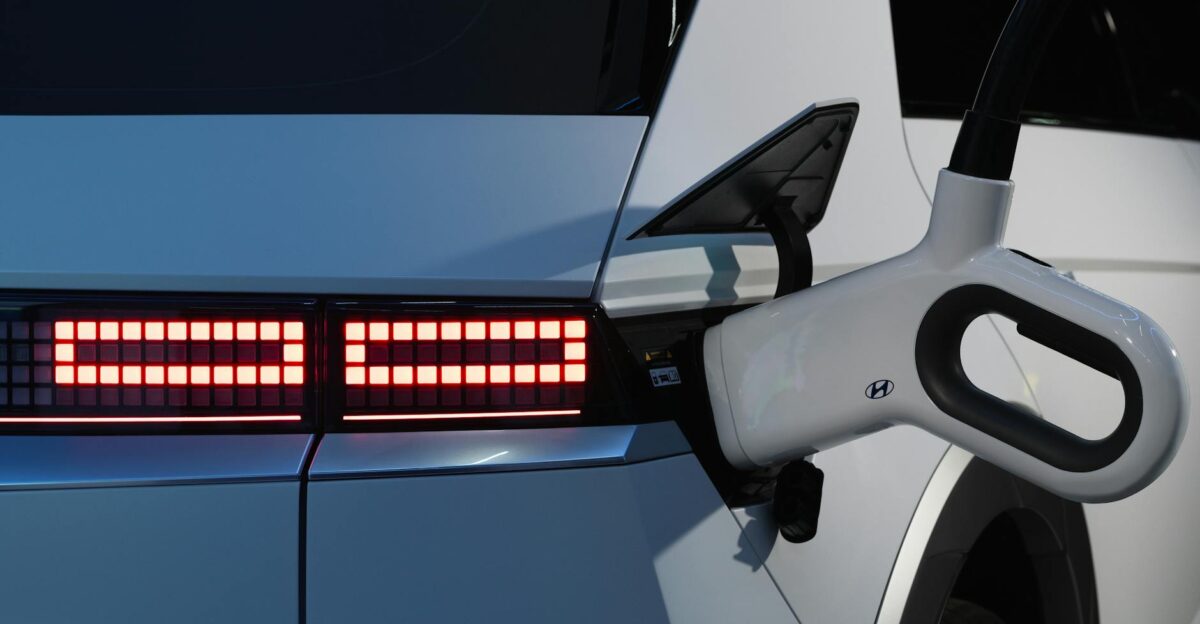
Charging access is what turns EV range into real usability for Americans. All 5 vehicles include NACS charging port compatibility, enabling Tesla Supercharger access without adapters. Tesla has about 25,000 Superchargers across North America, while Electrify America and EVgo have a total of 15,000+ public stations. About 85% of owners primarily recharge at home with Level 2 equipment. But renters face a different reality.
Battery Warranties Quiet The Biggest Fear
Battery warranties are the biggest confidence signal for first-time EV shoppers. Nissan offers 8 years/100,000 miles coverage on the LEAF, while Hyundai extends to 10 years/100,000 miles on the IONIQ 5. Chevrolet, Toyota, and Ford provide similar 8-year/100,000-mile structures. Research shows batteries degrade about 1.8% annually, often keeping about 82% capacity after 10 years. But what does the math say about costs?
Total Cost Of Ownership Adds Up
Over the past 7 years, EVs have often beaten gasoline equivalents when electricity, maintenance, and repairs are factored in. The Nissan LEAF’s $31,485 price, plus $10-$ 25 weekly electricity costs, can compare favorably to $40-$ 60 in gas. EVs avoid oil changes, many engine services, and reduce brake wear by 70-80% through regenerative braking. Insurance premiums can be higher, but trends are moving toward parity. What happens when subsidies disappear?
Life After The $7,500 Credit
When the $7,500 federal EV tax credit expired on September 30, 2025, many predicted sales would collapse. Instead, manufacturers lowered prices and proved EV value could stand without subsidy support. Some states still offer $3,000-$7,500 incentives in places like California, New York, and Massachusetts, but the national market shifted to honest pricing. That reset created a new concern: how do EVs handle winter?
Winter Range Loss Explained Simply
Cold weather typically reduces EV range by about 15-20% because battery chemistry slows and cabin heat draws extra power. The effect is temporary, and range returns as temperatures normalize. Vehicles with thermal management systems, such as the Toyota bZ and Hyundai IONIQ 5, mitigate the impact of winter. Preconditioning while plugged in can recover 5-10% of range by using grid energy. But styling also affects satisfaction in the long term.
Why Design Still Shapes Ownership
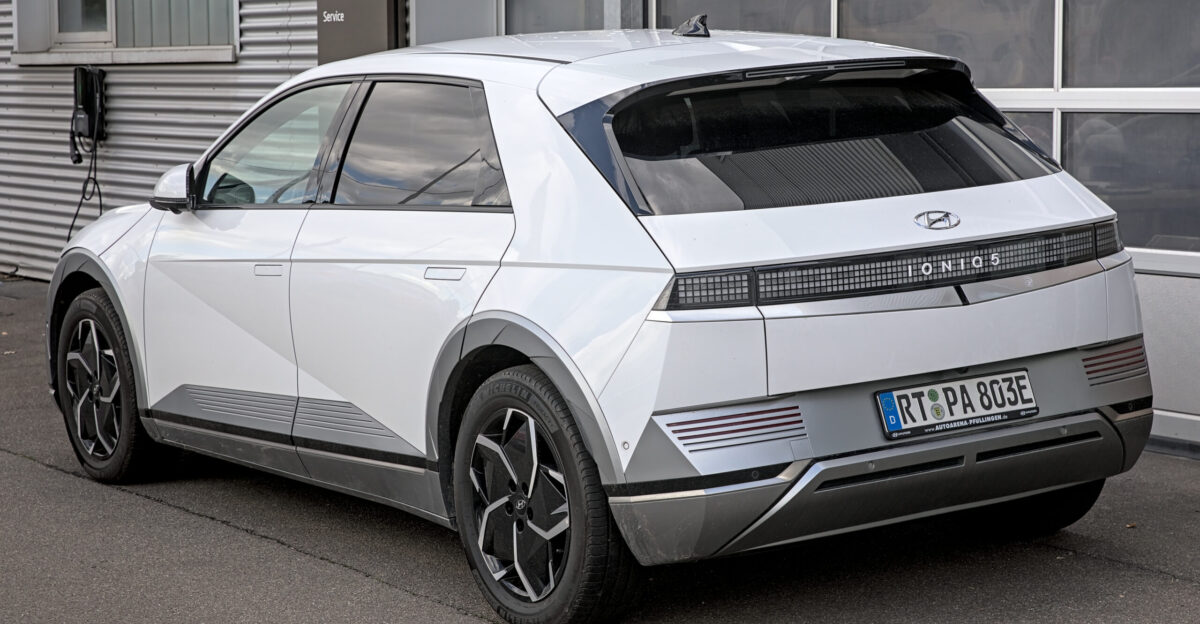
These 5 EVs show how design influences what people feel every day, not just what they calculate. The Nissan LEAF and Chevrolet Equinox EV lean into familiar crossover shapes, while the Hyundai IONIQ 5 goes bold and emotional. The Toyota bZ follows Toyota’s evolving modern look, and the Mach-E ties EV driving to Mustang heritage. Research suggests distinctive designs correlate with higher satisfaction. So how should shoppers actually decide?
Matching The Right EV To Your Life
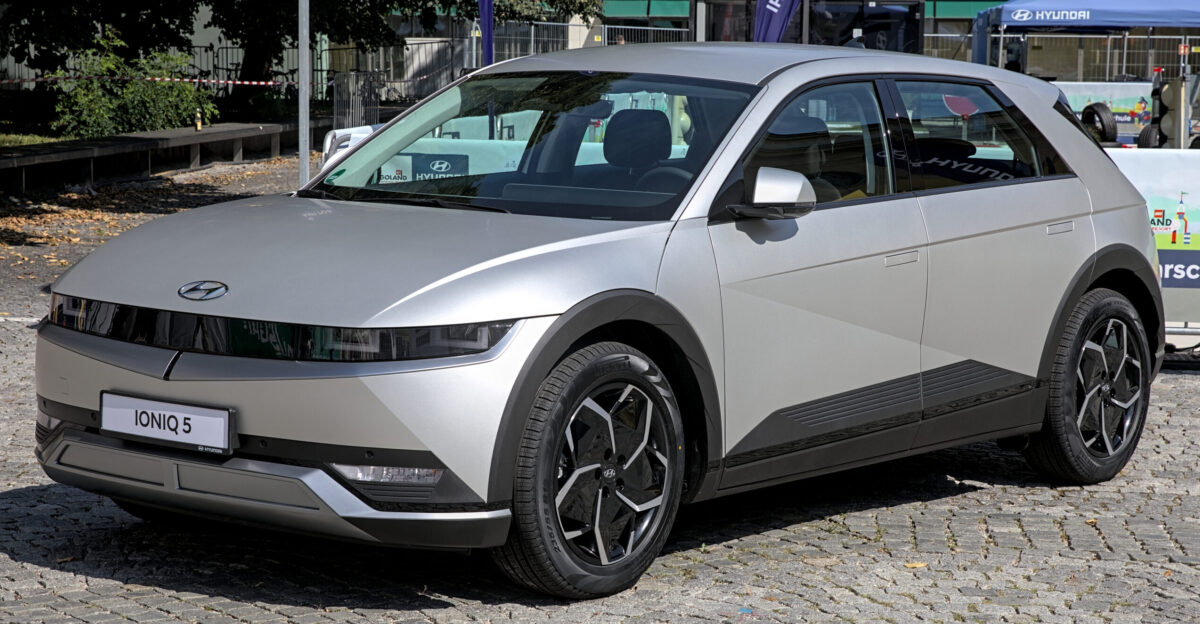
Choosing between these models means aligning real lifestyle needs with each vehicle’s strengths. Budget-first shoppers lean toward the Nissan LEAF, while practical crossover buyers often find the Equinox EV the best balance. Design-forward drivers gravitate to the IONIQ 5, Toyota loyalists trust the bZ, and performance-minded drivers pick the Mach-E. Extended test drives reveal the comfort, visibility, and interface realities that spec sheets often miss. But does 2026 really mark the right moment?
The Verdict For January 2026 Buyers
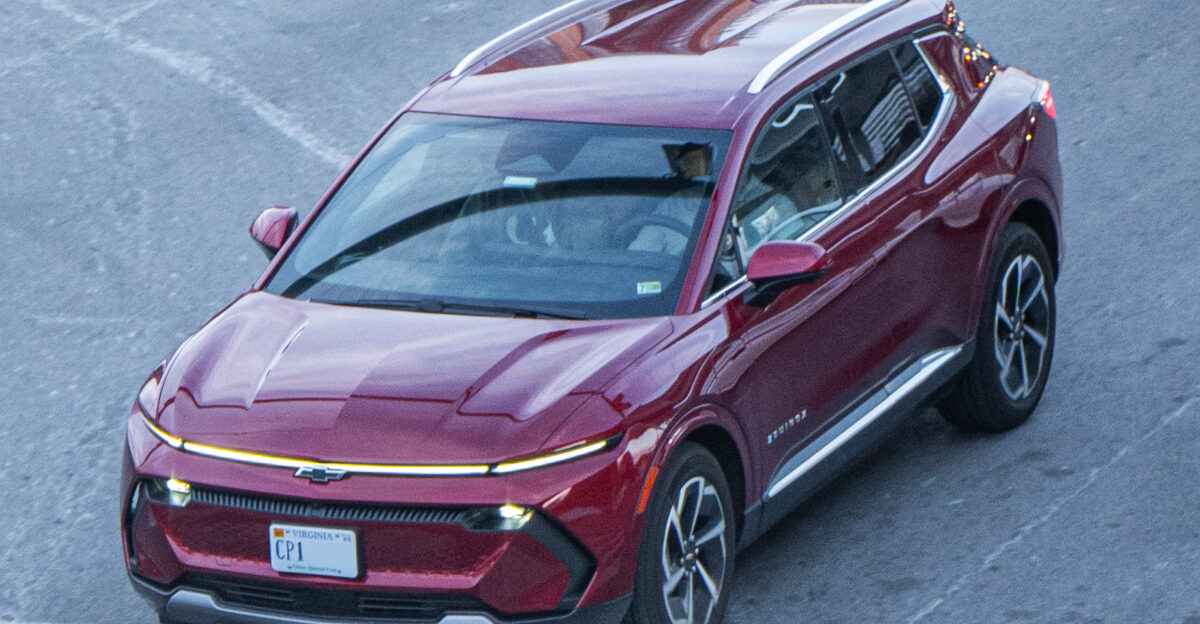
January 2026 is a sweet spot: prices hit mainstream levels, charging access is far more usable, and warranties stabilize around 8-10 years. The LEAF at $31,485, the Equinox EV at $34,995, Hyundai options at $34,470-$36,600, the Toyota bZ at $36,350, and the Mach-E at $37,795 prove that EVs are now ordinary choices, not luxury splurges. Credit expiration clarified real value, not hype. The next shift may be even bigger.
Sources:
2026 Nissan LEAF Specs and Features. Nissan USA, January 2026
2026 Chevrolet Equinox EV Pricing and Specifications. Chevrolet Official Website, December 2025
2026 Hyundai IONIQ 5 and Kona Electric Features. Hyundai USA Official Site, January 2026
2026 Toyota bZ Electric Vehicle Specifications. Toyota Official Website, January 2026
2026 Ford Mustang Mach-E Pricing and Capabilities. Ford Motor Company, December 2025