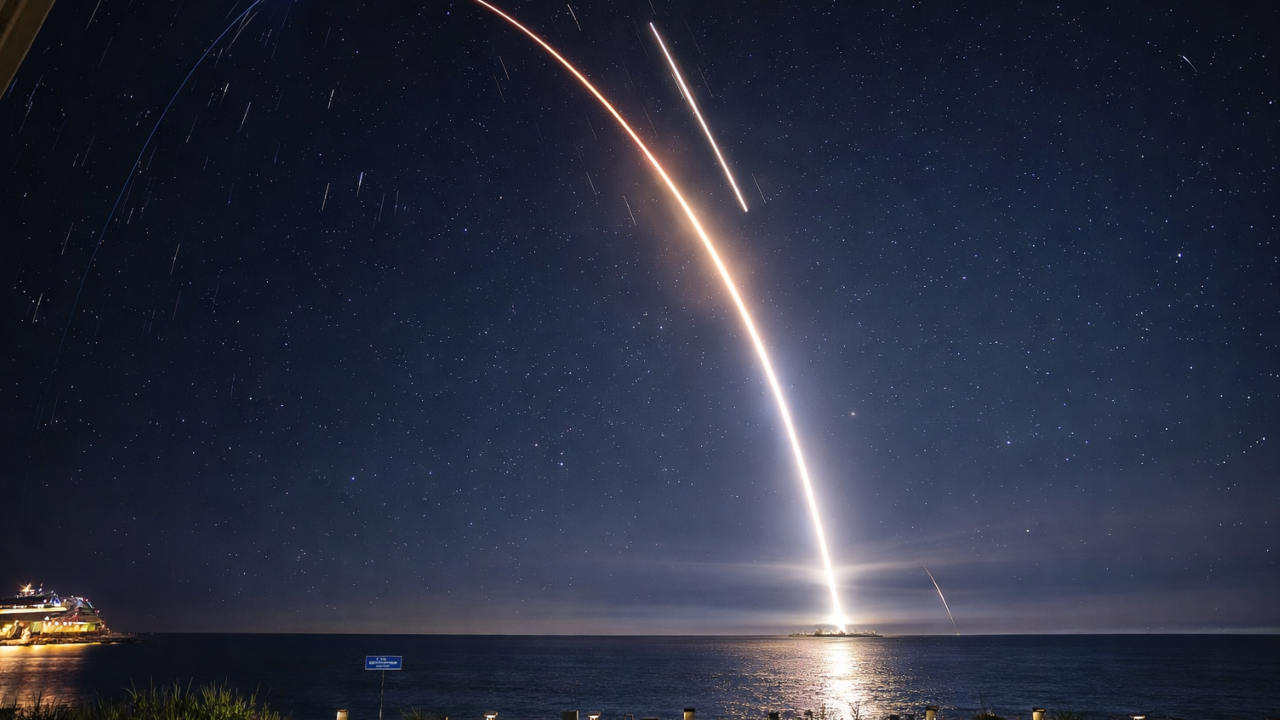
In 2025, NASA’s Kennedy Space Center (KSC) reinforced its role as the world’s busiest spaceport, supporting more than 90 missions across government and commercial programs. Activities ranged from International Space Station crew rotations to two successful commercial lunar landings and steady progress toward Artemis II.
Launches from Kennedy helped Florida exceed 100 orbital launches in a single year, underscoring the center’s importance to U.S. spaceflight, exploration technology testing, and continuous human presence in low Earth orbit.
Florida Consortium Launch
In January, Kennedy Director Janet Petro signed a memorandum establishing the Florida University Space Research Consortium, the only university consortium in the nation formally affiliated with a NASA center. The agreement brought together the University of Florida, University of Central Florida, and Embry-Riddle Aeronautical University to support Moon-to-Mars research.
The partnership strengthened workforce development, advanced spaceflight technologies, and tied Florida’s academic institutions directly into NASA’s long-term exploration roadmap.
Firefly Blue Ghost Lands
Firefly Aerospace’s Blue Ghost Mission One marked a milestone for commercial lunar exploration. Launched January 15, 2025, from Launch Complex 39A, the lander successfully touched down on the Moon on March 2.
The mission delivered multiple NASA instruments under the Commercial Lunar Payload Services program, demonstrating precision landing, surface operations, and private-sector reliability. Its success reinforced the shift toward routine commercial lunar deliveries supporting future Artemis surface missions.
Intuitive Machines IM-2 Triumph
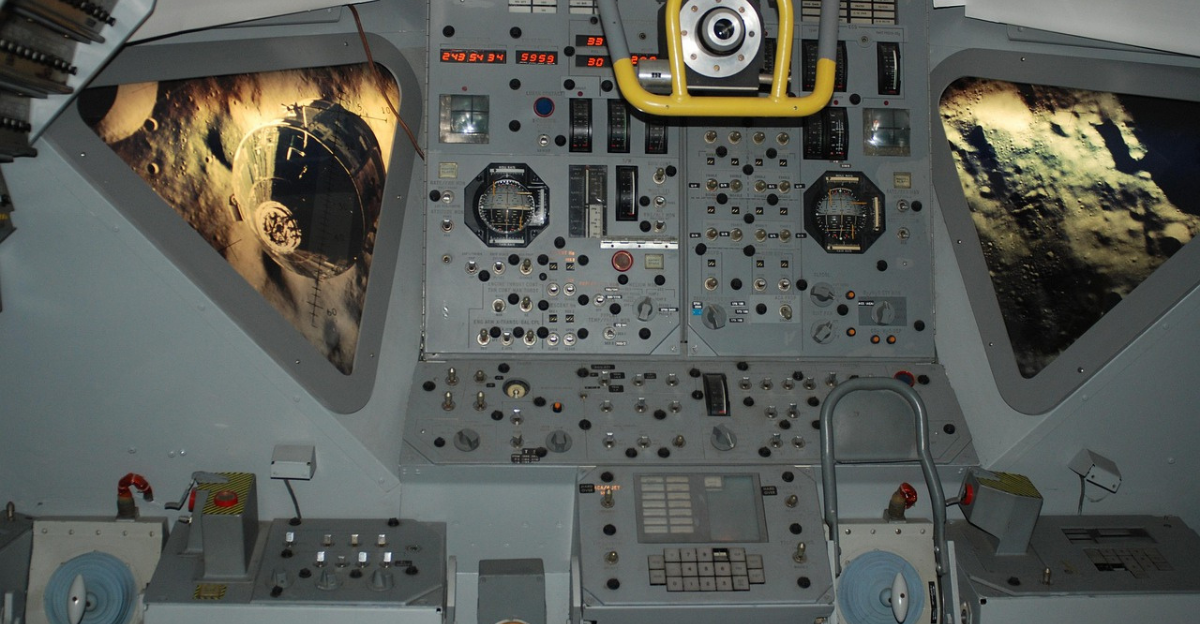
Intuitive Machines followed quickly with its IM-2 Nova-C mission. Launched February 26 from LC-39A, the lander reached the lunar surface on March 6 near the Mons Mouton region. Carrying NASA technology demonstrations, IM-2 validated advanced navigation and communications techniques in challenging polar terrain.
Together with Blue Ghost, IM-2 made 2025 the first year to see two successful commercial lunar landings, highlighting rapid progress in private lunar access.
Crew-10 Blasts to ISS
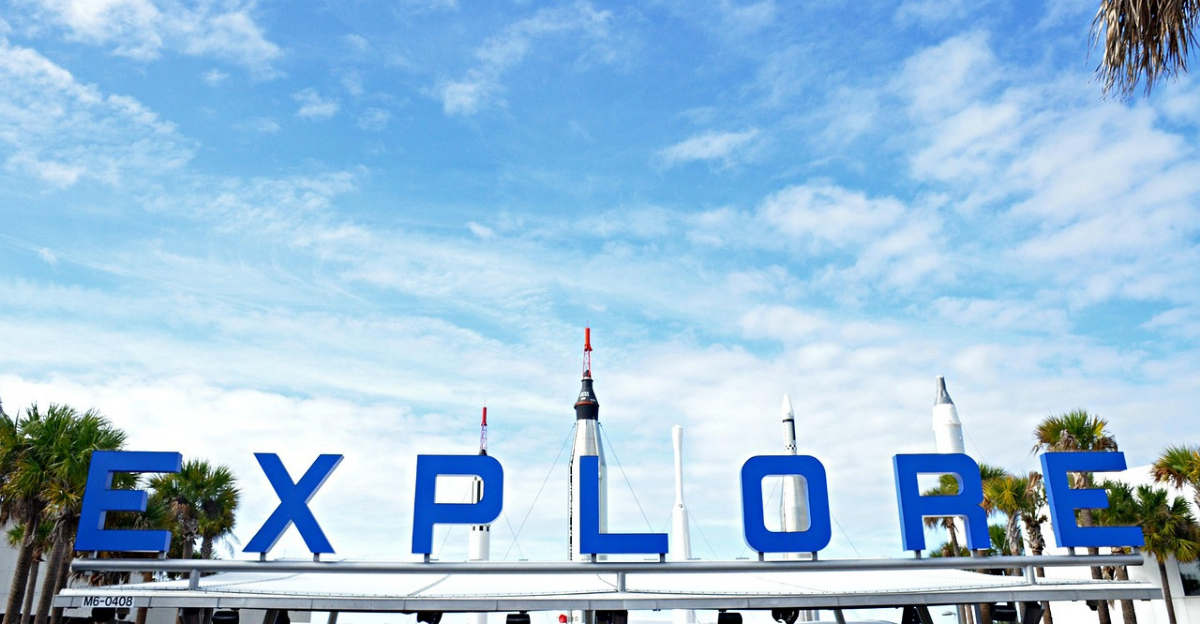
SpaceX’s Crew-10 mission launched March 14 from Kennedy, carrying NASA astronauts Anne McClain and Nichole Ayers, JAXA astronaut Takuya Onishi, and Roscosmos cosmonaut Kirill Peskov to the International Space Station.
The flight continued the Commercial Crew Program’s record of reliable ISS transportation. Crew-10 ultimately spent 147 days in orbit, contributing to science research, maintenance, and international cooperation aboard the continuously occupied station.
SPHEREx and PUNCH Soar
In March, NASA’s Launch Services Program supported the successful launch of SPHEREx and PUNCH aboard a Falcon 9 from Vandenberg Space Force Base. While not launched from Florida, the missions were managed through Kennedy’s launch services infrastructure.
SPHEREx will map the universe in infrared light, while PUNCH studies the Sun’s outer atmosphere. The missions highlighted Kennedy’s growing role in coordinating science launches nationwide, not just those originating in Florida.
Crew-9 Splashdown Spectacle
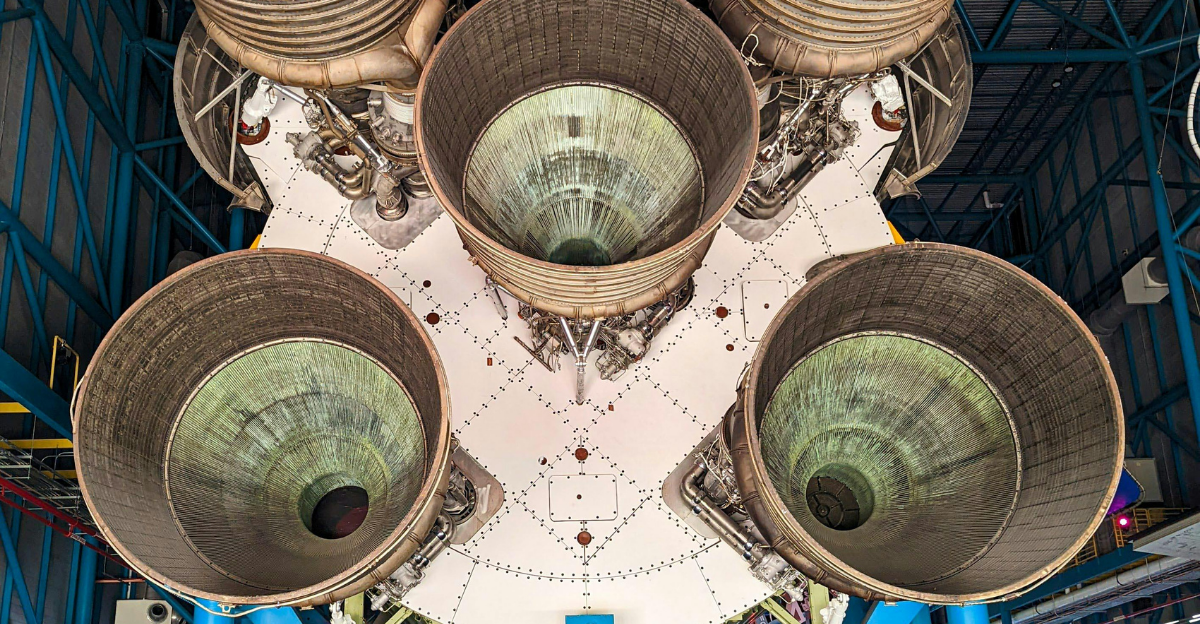
Crew-9 returned to Earth on March 18, splashing down off Florida’s coast after an extended ISS mission. The crew included Nick Hague, Suni Williams, Butch Wilmore, and Aleksandr Gorbunov. Williams and Wilmore’s return drew particular attention after their long-duration stay in orbit.
Recovery teams from Kennedy and partner agencies safely retrieved the spacecraft and crew, underscoring the center’s critical role in human spaceflight operations from launch through landing.
Causeway Bridge Debut
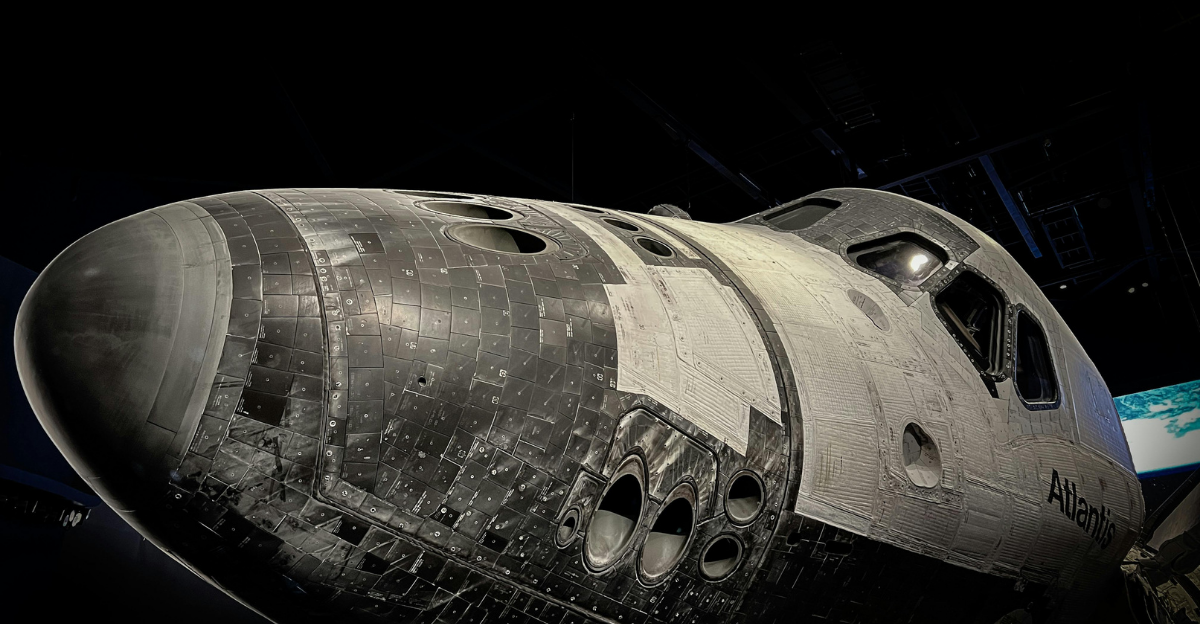
On March 19, NASA officially opened the westbound span of the new Causeway Bridge, improving access between Kennedy Space Center and the Florida mainland across the Indian River Lagoon. The project, completed with the Florida Department of Transportation, enhances safety and reliability for daily workforce traffic and launch operations.
The bridge upgrade supports Kennedy’s expanding launch cadence while protecting sensitive coastal environments through modern engineering and reduced congestion during high-profile mission days.
Artemis URT-12 Drills
Kennedy teams supported Underway Recovery Test-12 in March off the coast of California, a critical rehearsal for Artemis II crew recovery. The test validated procedures for retrieving Orion and astronauts after splashdown following a lunar mission.
Navy ships, NASA engineers, and astronauts practiced coordinated operations under realistic conditions. URT-12 represented another step toward safely returning humans from deep-space missions as NASA prepares for the first crewed lunar flight since Apollo.
CRS-32 Resupply Surge
A Falcon 9 launched April 21 from LC-39A carrying SpaceX’s Dragon spacecraft on the CRS-32 resupply mission. The flight delivered approximately 6,700 pounds of cargo to the ISS, including scientific experiments, crew supplies, and station hardware.
Kennedy’s launch and processing teams supported rapid turnaround operations, ensuring uninterrupted research aboard the station. The mission contributed significantly to the more than 22,700 pounds of cargo delivered to ISS from Kennedy in 2025.
Artemis III Processing Kickoff
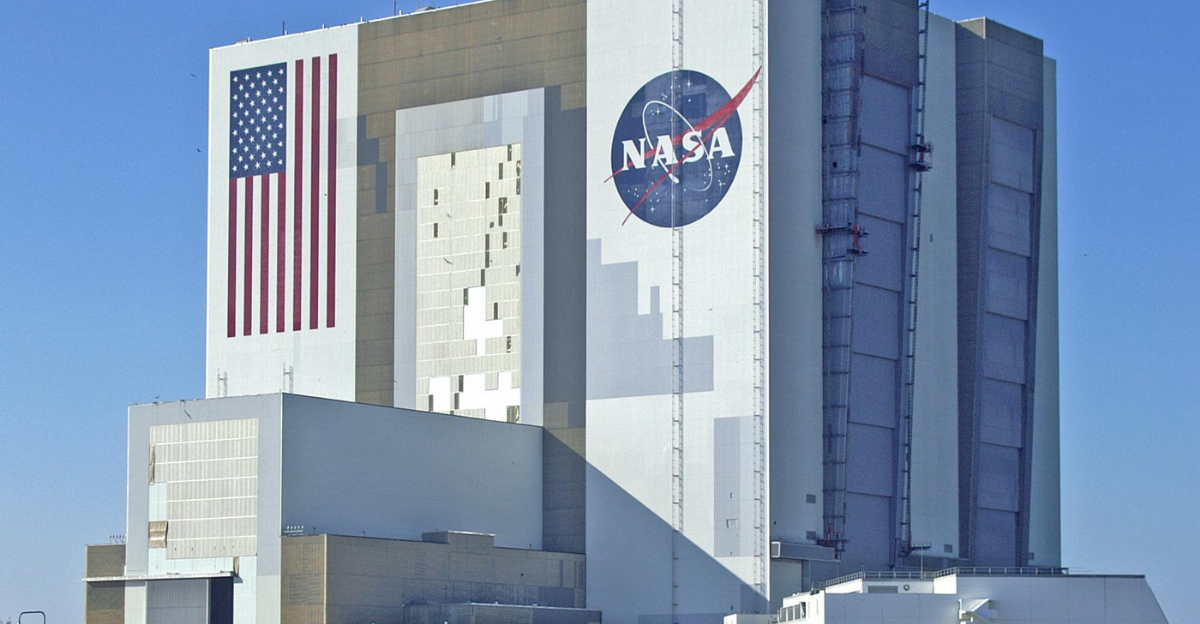
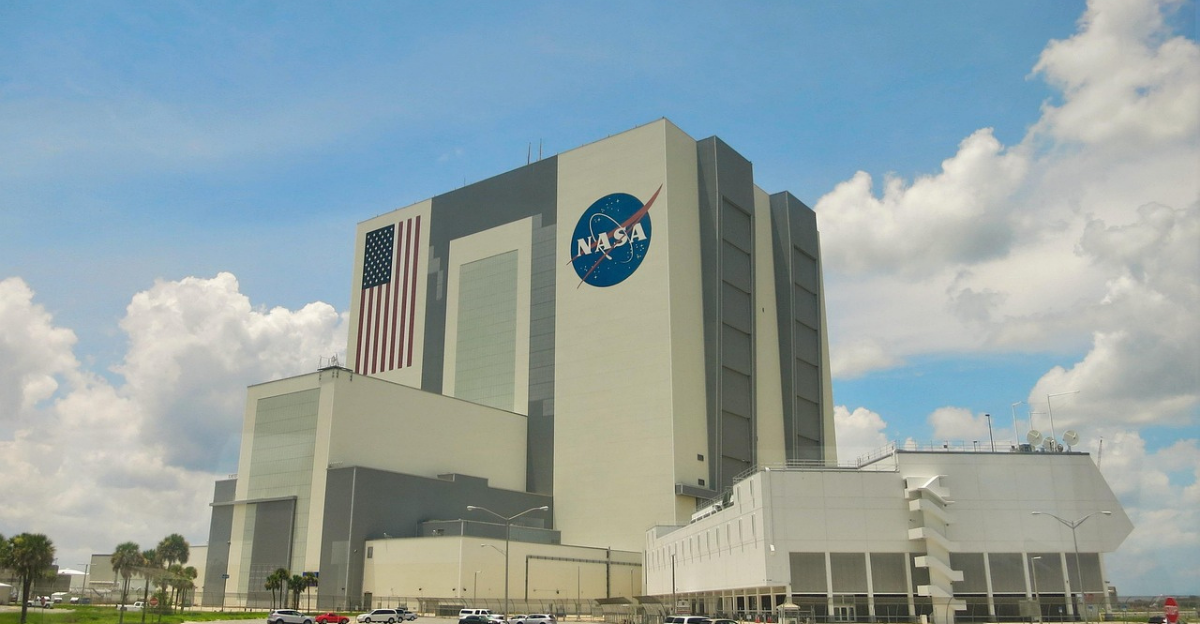
During mid-summer, major components for Artemis III began arriving at Kennedy’s Vehicle Assembly Building for initial processing and inspections. While Artemis II remained the immediate focus, early Artemis III work reflected NASA’s parallel-path strategy to maintain momentum toward sustained lunar exploration.
Teams prepared tooling, verified handling procedures, and coordinated with contractors, laying groundwork for future missions that will ultimately return astronauts to the Moon’s surface later in the decade.
Crew-11 ISS Rotation
Crew-11 launched from LC-39A in August, carrying NASA astronauts Zena Cardman and Mike Fincke, JAXA astronaut Kimiya Yui, and Roscosmos cosmonaut Oleg Platonov. The mission continued the pattern of multinational ISS crews and smooth crew rotations managed through Kennedy.
Crew-11 took over long-duration research and maintenance duties, supporting microgravity science that benefits medicine, materials research, and Earth observation while maintaining uninterrupted station operations.
CRS-33 Cargo Boost
Another Falcon 9 lifted off August 24 from Kennedy on the CRS-33 mission, delivering more than 5,000 pounds of supplies to the ISS.
The cargo included experiments, spare parts, and crew provisions essential for station operations. CRS-33, combined with earlier flights, demonstrated Kennedy’s ability to sustain frequent logistics missions while supporting crewed and exploration programs, reinforcing its role as the logistical backbone of U.S. human spaceflight.
Orion Abort Stack
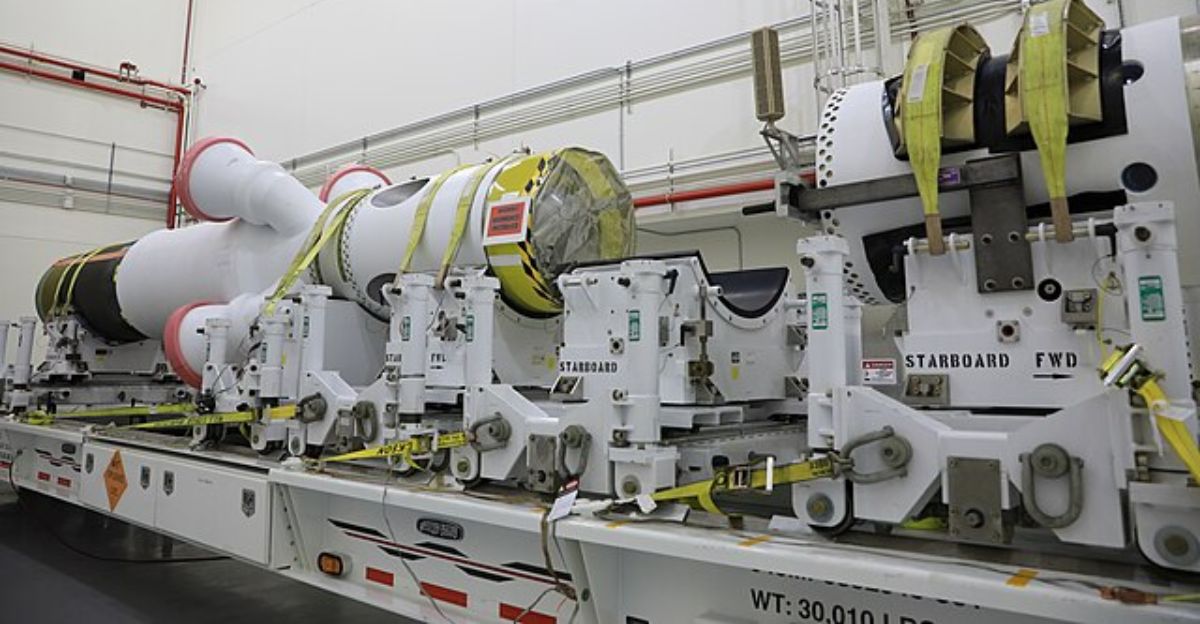
In August, the Orion spacecraft for Artemis II was moved for mating with its 44-foot-tall Launch Abort System inside Kennedy facilities.
The abort system is designed to rapidly pull the crew capsule away from the rocket in an emergency during ascent. Integrating this critical safety system marked a major milestone toward flight readiness, emphasizing NASA’s focus on crew safety for the first human lunar mission in more than five decades.
IMAP Heliopause Probe
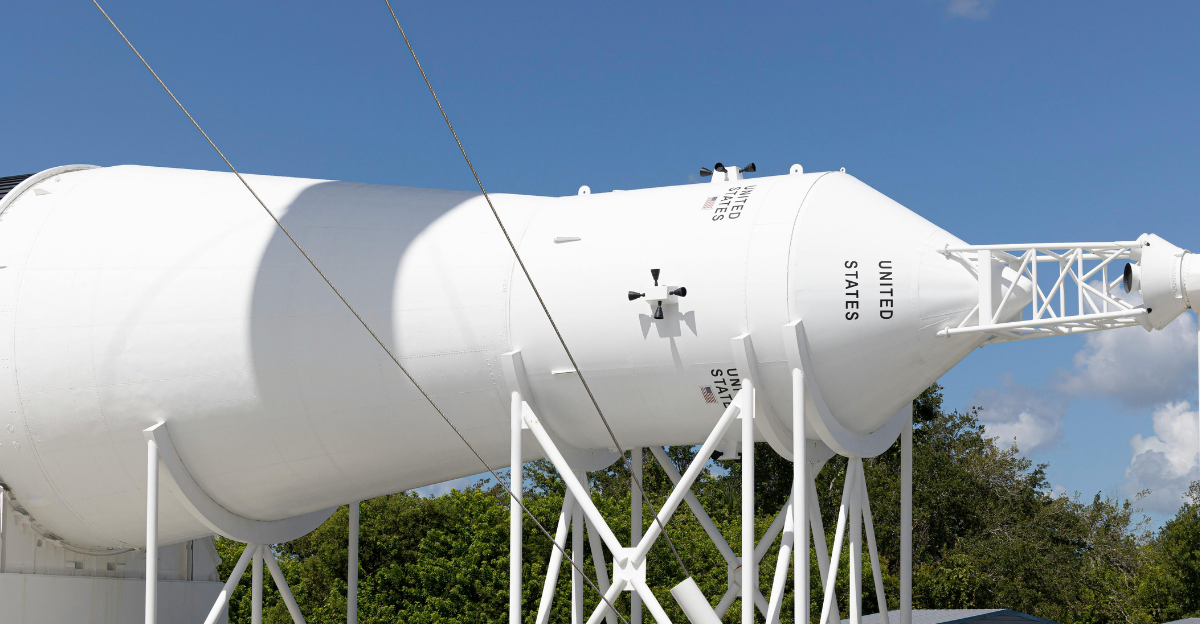
On September 24, a Falcon 9 launched NASA’s Interstellar Mapping and Acceleration Probe (IMAP) from LC-39A. The spacecraft will study the boundary of the heliosphere, where the solar wind meets interstellar space. IMAP’s data will improve understanding of how the Sun protects the solar system from cosmic radiation.
Kennedy’s support of the mission underscored its role in advancing fundamental space science alongside human exploration efforts.
Cygnus XL Arrival
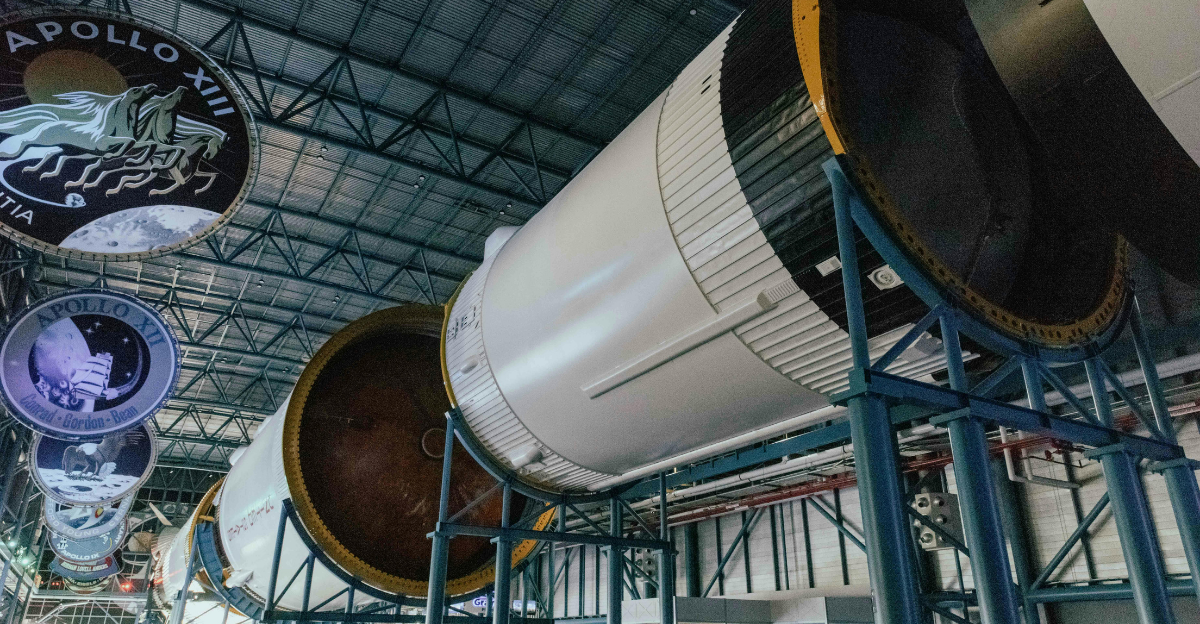
In September, Northrop Grumman’s Cygnus XL cargo spacecraft launched on a Falcon 9 from Florida, delivering roughly 11,000 pounds of supplies to the ISS. This marked the first flight of the larger Cygnus XL variant, significantly increasing cargo capacity.
Kennedy teams supported integration and launch operations, expanding the station’s resupply capabilities and demonstrating flexibility in accommodating upgraded spacecraft designs within existing launch infrastructure.
Orion-SLS Integration
On October 20, technicians stacked the Orion spacecraft atop the Space Launch System rocket inside the Vehicle Assembly Building for Artemis II. This integration represented one of the most visible milestones of the year, symbolizing the return of crewed deep-space flight.
The stacked vehicle brought together years of development work and set the stage for final testing ahead of rollout, reinforcing Kennedy’s historic role in assembling the world’s most powerful rockets.
ESCAPADE Mars Duo
Blue Origin’s New Glenn rocket made history on November 13 by launching NASA’s twin ESCAPADE spacecraft from Launch Complex 36. The mission marked the first time New Glenn carried a NASA science payload.
ESCAPADE will study how solar wind strips Mars’ atmosphere, a process critical to understanding the planet’s climate evolution. Kennedy supported mission integration and oversight, reflecting its expanding partnerships with new commercial launch providers.
Dry Dress Rehearsal
On December 20, the Artemis II crew conducted a full dry dress rehearsal inside the Vehicle Assembly Building. Astronauts Reid Wiseman, Victor Glover, Christina Koch, and CSA astronaut Jeremy Hansen practiced suit-up, vehicle ingress, and countdown procedures.
The rehearsal validated ground systems and crew timelines ahead of rollout and wet dress rehearsal activities, bringing NASA one step closer to launching the first crewed lunar mission since Apollo.
Conclusion
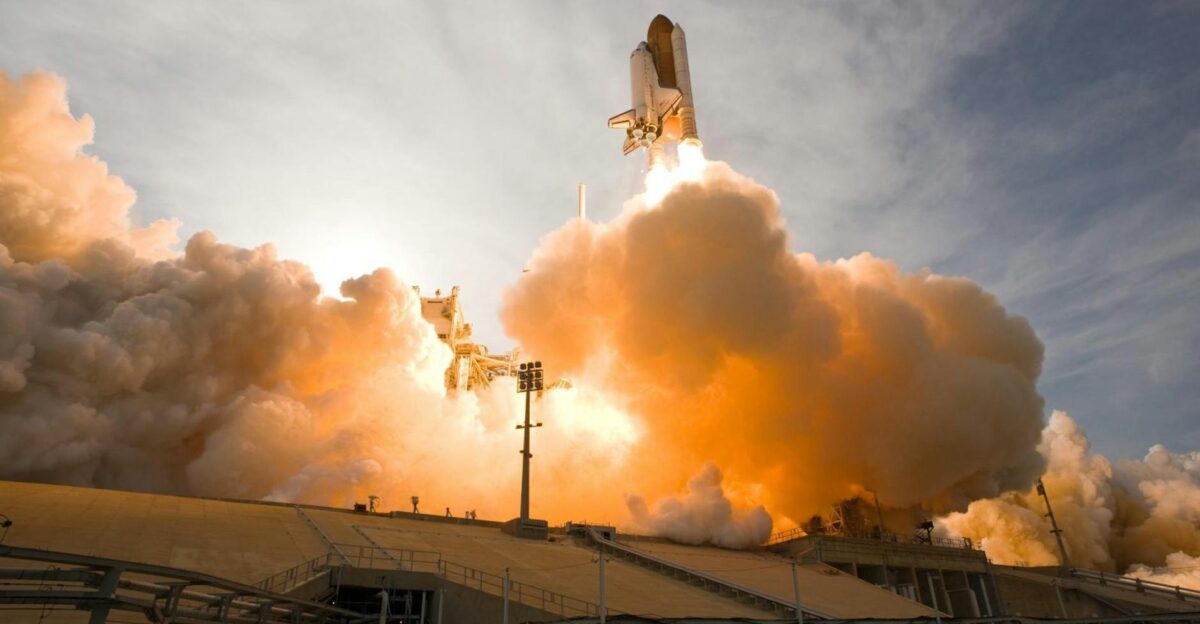
By the end of 2025, Kennedy Space Center had firmly positioned itself at the center of a new era in spaceflight. With two commercial lunar landings, steady ISS operations, expanding cargo capabilities, and major Artemis milestones achieved, the year showcased a blend of government leadership and private innovation.
preparations accelerated for Artemis II in early 2026, Kennedy’s role as the gateway to the Moon, Mars, and beyond was unmistakably reinforced.