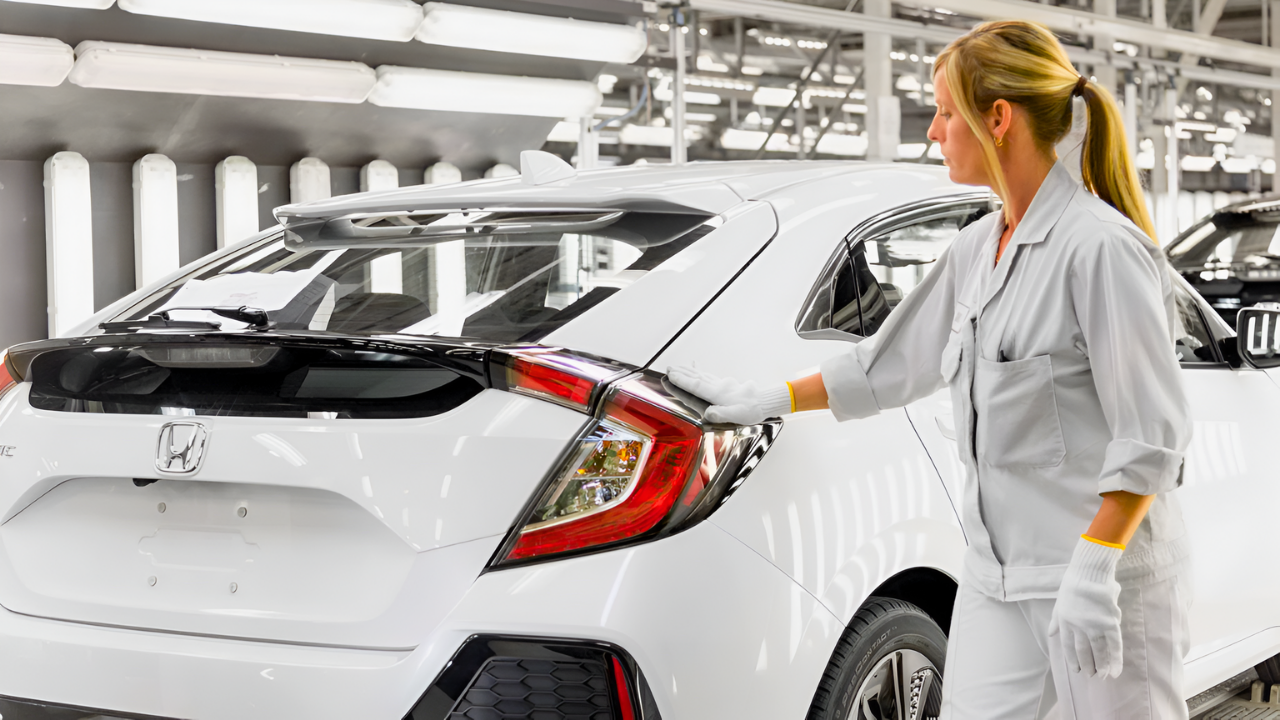
New cars cost a lot these days. The average price sits at $48,000, which matches the cost of a small house in many places. This makes buying a car a big financial decision, just like purchasing property. Reliability acts as key protection for your wallet. It can save owners between $2,000 and $5,000 in repair bills over the first five years. These savings matter even more with rising tariffs and inflation pushing prices higher.
Consumer Reports studied over 300,000 vehicles made from 2000 to 2025. This marks their biggest reliability data set ever. The 25-year period helps spot brands that perform well over time. They looked at real reports from owners about engines, transmissions, electrical systems, and in-car technology. This data shows which brands deliver lasting quality in everyday use.
Top Three: Subaru, Lexus, and Toyota Lead the Rankings
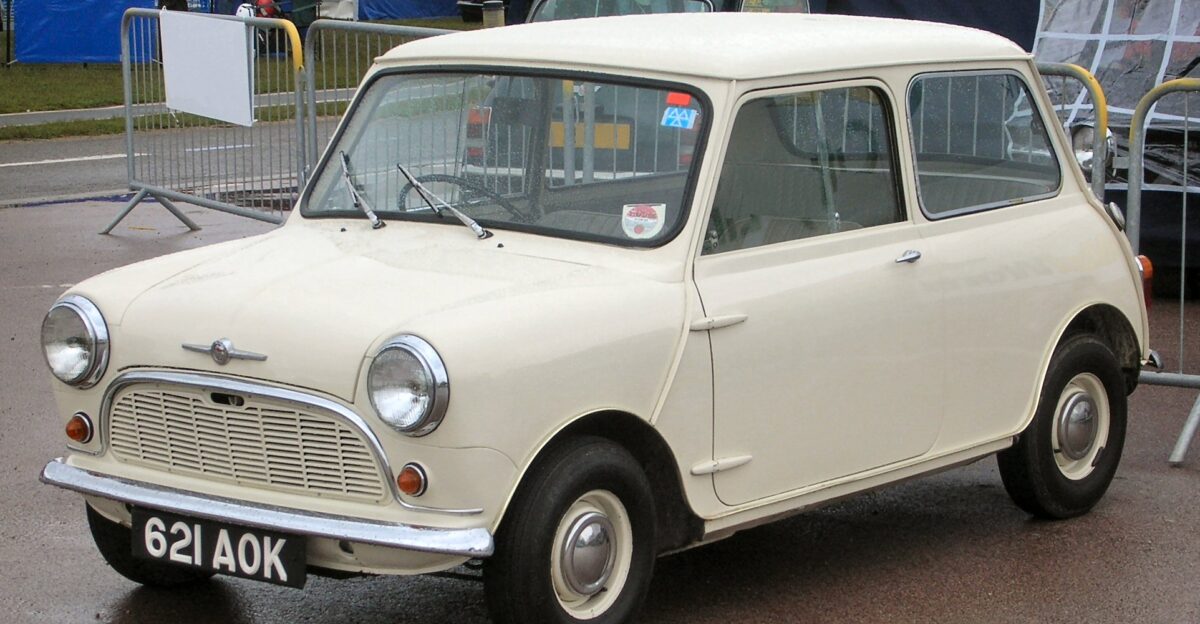
Subaru has taken the top spot for the first time. It passed Toyota and Lexus in this ranking. Subaru keeps a small lineup of models that share many parts. These include the Forester, Crosstrek, Legacy, Outback, and Ascent. All of them score excellent or above average for reliability. This smart design cuts down on problems when models get updates. As a result, Subaru earns the top brand score overall. Owners report few issues across these vehicles. The shared components mean fixes and improvements apply widely. This approach helps Subaru stay ahead in a tough market. Buyers get dependable cars without constant surprises.
Lexus dropped to second place but still leads luxury brands. It scores above average with very few mechanical problems. Owners get high-end features without the high repair costs seen in many German luxury cars. Lexus mixes prestige with strong dependability. This reliability comes from careful engineering. Electrical systems and transmissions hold up well over years. Even with fancy tech inside, breakdowns stay rare. For luxury shoppers, Lexus offers peace of mind alongside comfort.
Toyota now ranks third, but it stays near the top. Several models score excellent after recent redesigns. Long-time fans view this shift as progress, not a decline. The brand still provides great value close to the reliability peak. Toyota’s strength lies in its history of durable vehicles. Engines and drivetrains perform well in real-world tests. While competition grows, Toyota keeps delivering cars that last. Buyers can count on low ownership costs.
Proven Japanese Performers Maintain High Standards
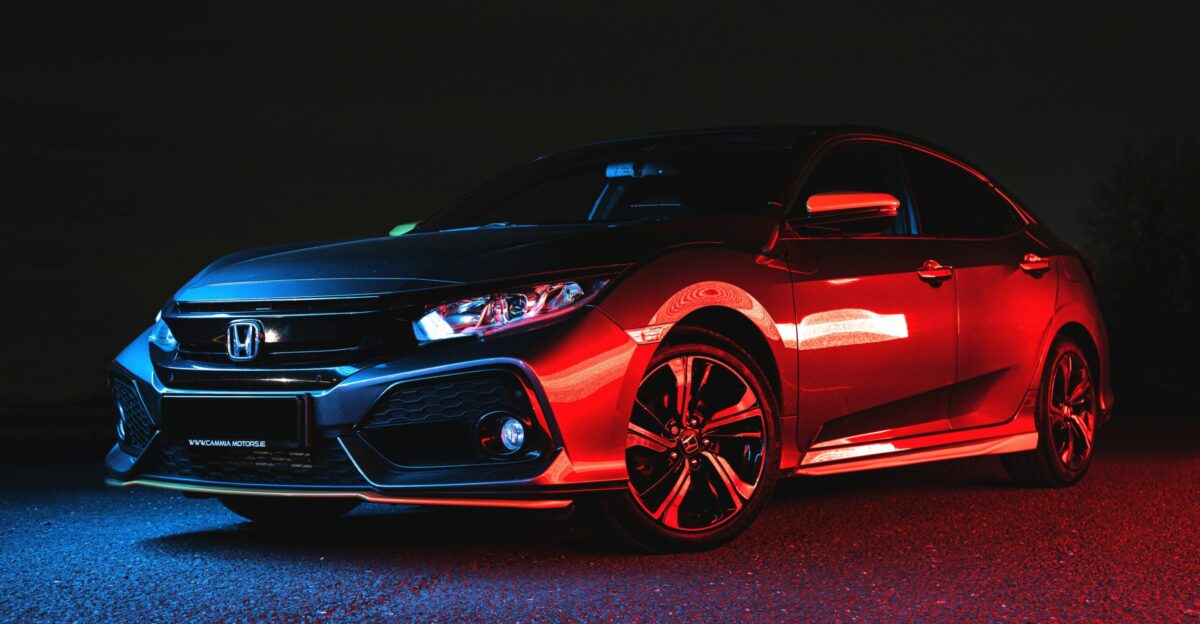
Honda maintains its fame for long-lasting cars. Sedans and crossovers avoid big problems with engines and electronics. Families love the blend of low prices, good fuel efficiency, and few repair needs. This reputation builds on decades of solid engineering. Owners report smooth experiences over many miles. Maintenance stays simple and affordable. Honda’s design focuses on everyday reliability, making it a safe choice for busy households.
Mazda offers exciting drives that last. Many models score average or better for reliability. Sharp handling comes with confidence in long-term use. This proves fun and durability go hand in hand. Steering and suspension systems shine without frequent fixes. Interiors hold up well too. Mazda appeals to drivers who want enjoyment without worry.
Korean Brands Deliver Improved Value and Dependability
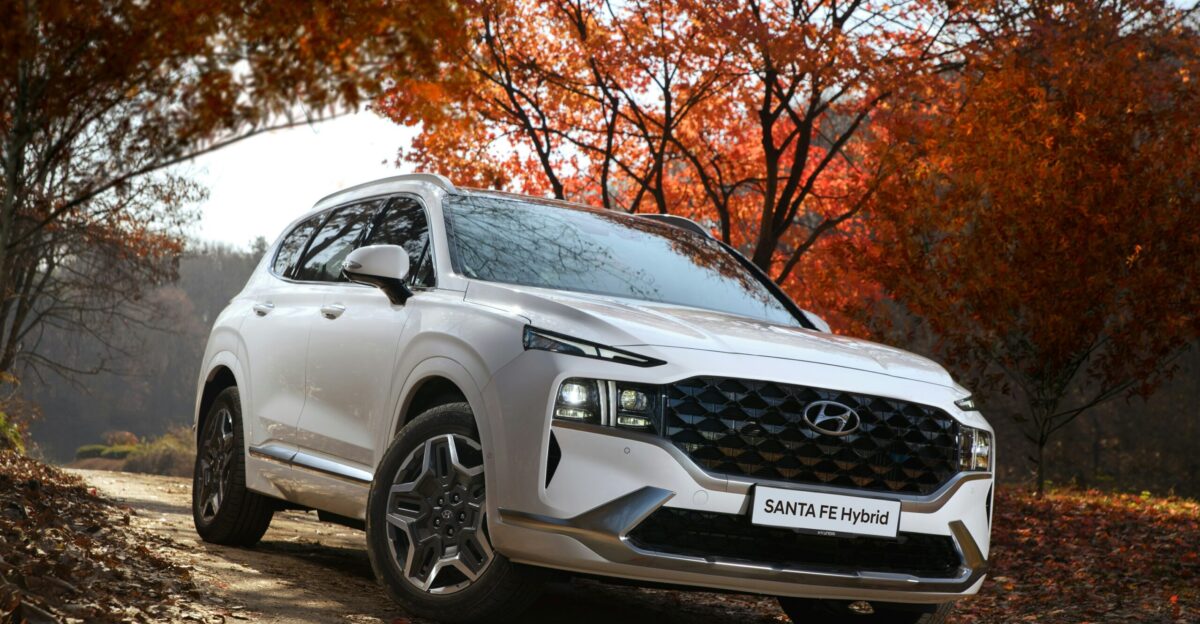
Hyundai has improved a lot over the past 10 years. Sedans and crossovers now score higher. Strong warranties back these gains. Budget buyers get modern tech at lower prices than many Japanese brands. Hyundai’s efforts have built real trust. Repairs stay rare thanks to better parts. Owners enjoy features like touchscreens without constant issues. This makes Hyundai a smart pick for value seekers.
Kia shares platforms with Hyundai, lifting its reliability. Stylish models pack features without old engine or transmission troubles. Bold designs now come with solid everyday performance. Core vehicles like SUVs score well. Warranties add extra security. Kia turns heads while keeping repair shops away.
Luxury and Performance Brands Show Progress
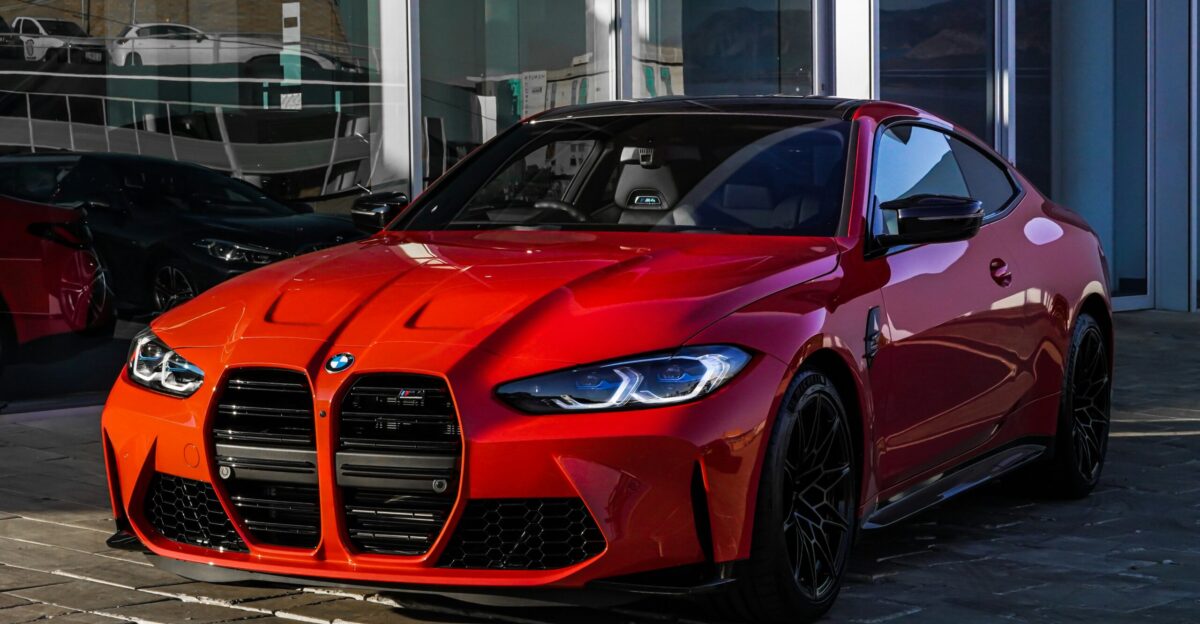
BMW has climbed higher in the rankings. Engines last longer now, and electronics improve. Everyday models drop their image of high repair bills. Dynamic driving becomes more affordable for fans watching costs. Owners see fewer breakdowns in recent years. Mainstream options like sedans perform best. BMW blends sporty feel with practical ownership.
Porsche engineering means few major failures. Even hard driving rarely causes big issues. Maintenance costs run high, but the cars last for those who pay the entry price. Craftsmanship shows in every part. Sports cars endure spirited use. Porsche rewards buyers with years of reliable thrills.
Acura builds on Honda’s base for premium cars. They skip common electrical and infotainment glitches. Owners get luxury feel with steady reliability in a changing market. Features work smoothly over time. This setup provides status without headaches.
These rankings help shoppers navigate tough times and new tech. Top brands like Subaru, Lexus, and Toyota cut risks best. Mid-level picks like Hyundai and Kia give good value. Lower brands need discounts or special models to consider. Choosing proven names protects your money as cars grow more complex. The data proves skipping reliability costs big in the long run.
Sources
Consumer Reports – “Who Makes the Most Reliable New Cars?”
Consumer Reports – Cars main hub (methodology, rankings, brand data)
CarEdge – “The 10 Most Reliable Car Brands for 2025 Will Shock You”
MotorTrend – “What Are the Most Reliable Car Brands?”
BrandVM – “The Most Reliable Car Brands in 2025: Dependability You Can Trust”