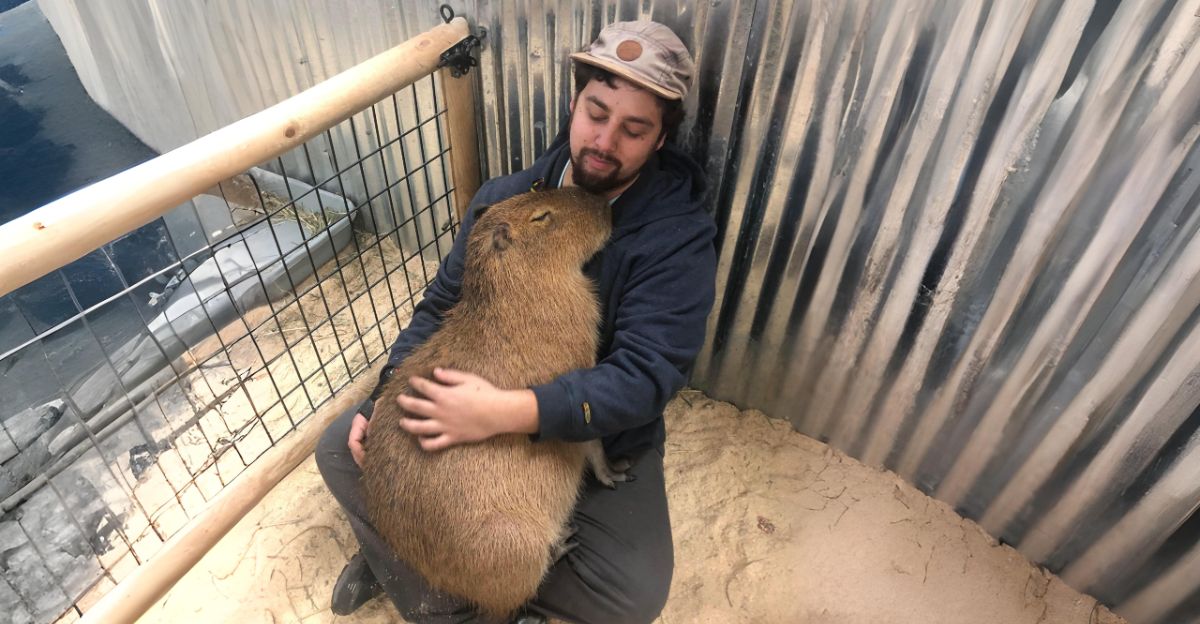
Imagine strolling through the wild and being greeted not by wary eyes, but by animals showing unexpected friendliness.
While most wildlife tends to keep its distance, a select few bridge the gap with gestures of trust and curiosity.
These heartwarming encounters remind us that nature isn’t always as wild as we think, and some animals honestly surprise us with their gentle nature.
1. Dolphin
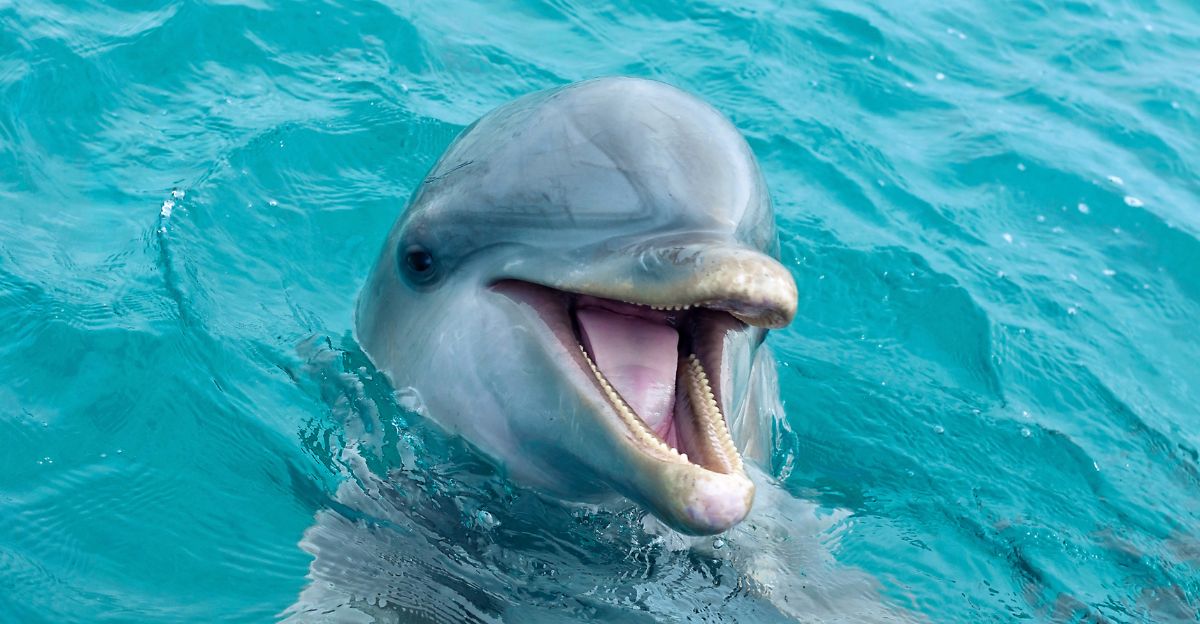
Dolphins are legendary for their intelligence and playfulness. Stories abound of dolphins guiding lost swimmers to safety or cavorting with divers in tropical seas.
Their sociable pods often approach humans, treating us as fascinating companions, and their squeaky “laughter” brings smiles all around.
These marine mammals embody friendly curiosity without a hint of malice.
2. Capybara
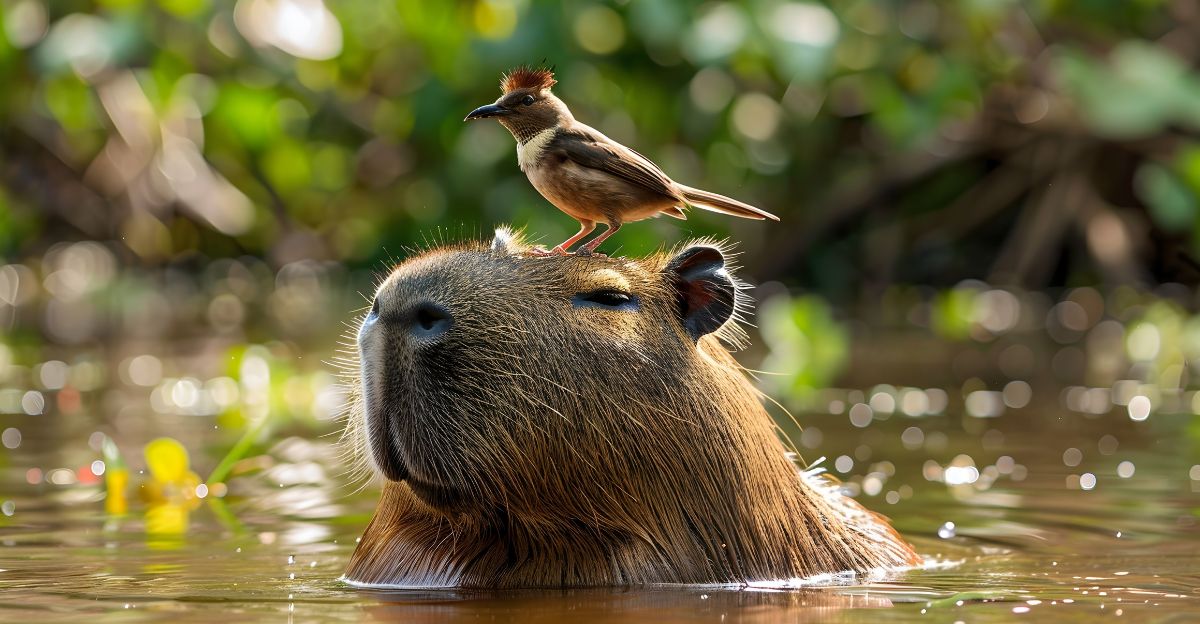
The capybara, the world’s largest rodent, is renowned for its laid-back demeanor.
Living in groups along the rivers of South America, these animals frequently coexist with numerous other species and calmly tolerate humans who cross their paths.
Their tranquil demeanor and love of companionship make capybaras a valid symbol of acceptance—and the world’s most relaxed wild neighbors.
3. Quokka
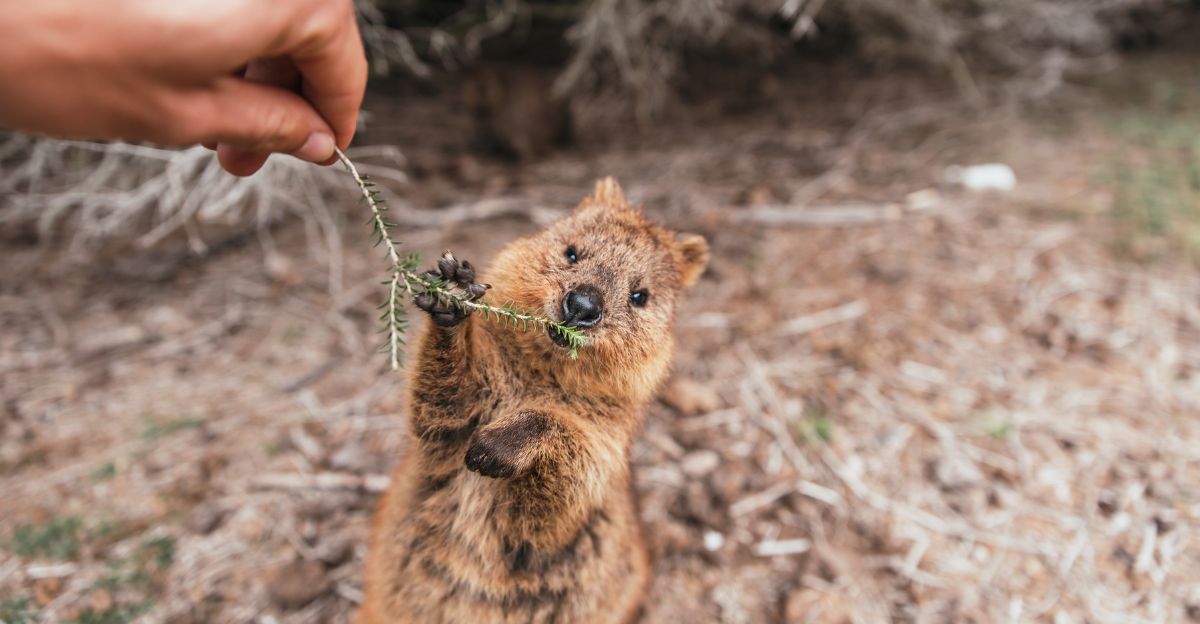
Hailing from Australia’s Rottnest Island, the quokka is dubbed the “happiest animal on Earth.”
With their perpetual smiles and willingness to approach humans for selfies, quokkas consistently charm visitors.
Their trusting nature isn’t aggression, but rather sociability, allowing close-up encounters that photographers adore—just remember not to feed them or pick them up.
4. Bonobo
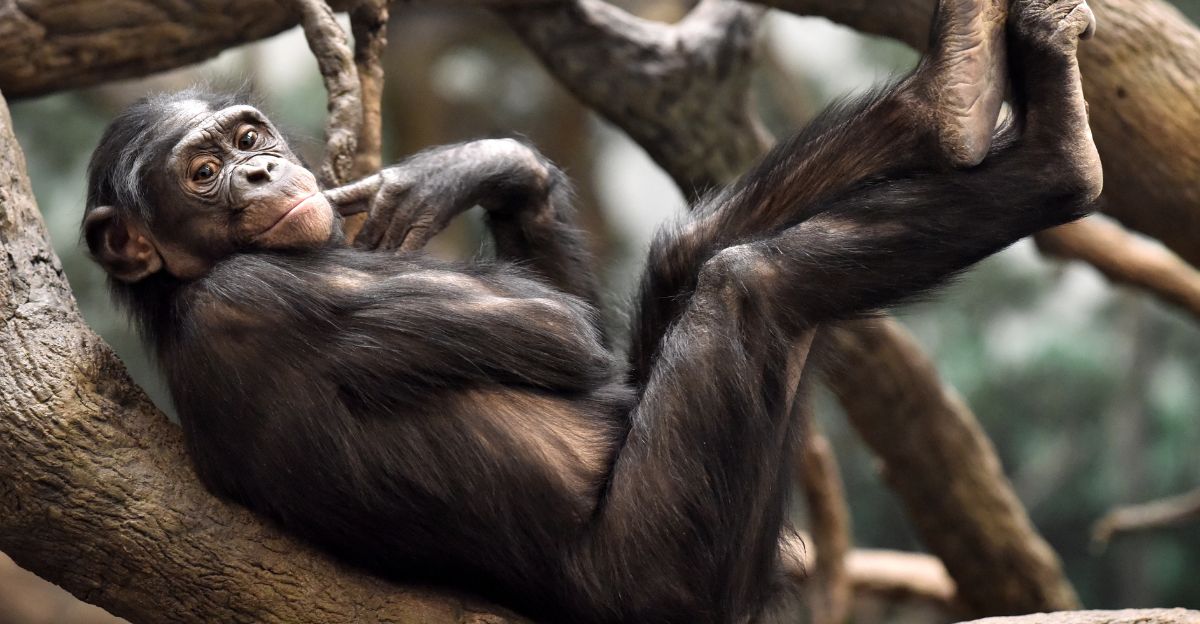
Bonobos are gentle, highly social primates known for resolving conflict with play and grooming.
In protected reserves, some bonobos exhibit curiosity and calmness around humans, even extending a hand in a peaceful greeting.
Their female-led societies thrive on cooperation and empathy, offering lively reminders of our shared evolutionary history—and warmer, fuzzier interactions than their chimpanzee cousins.
5. Penguin
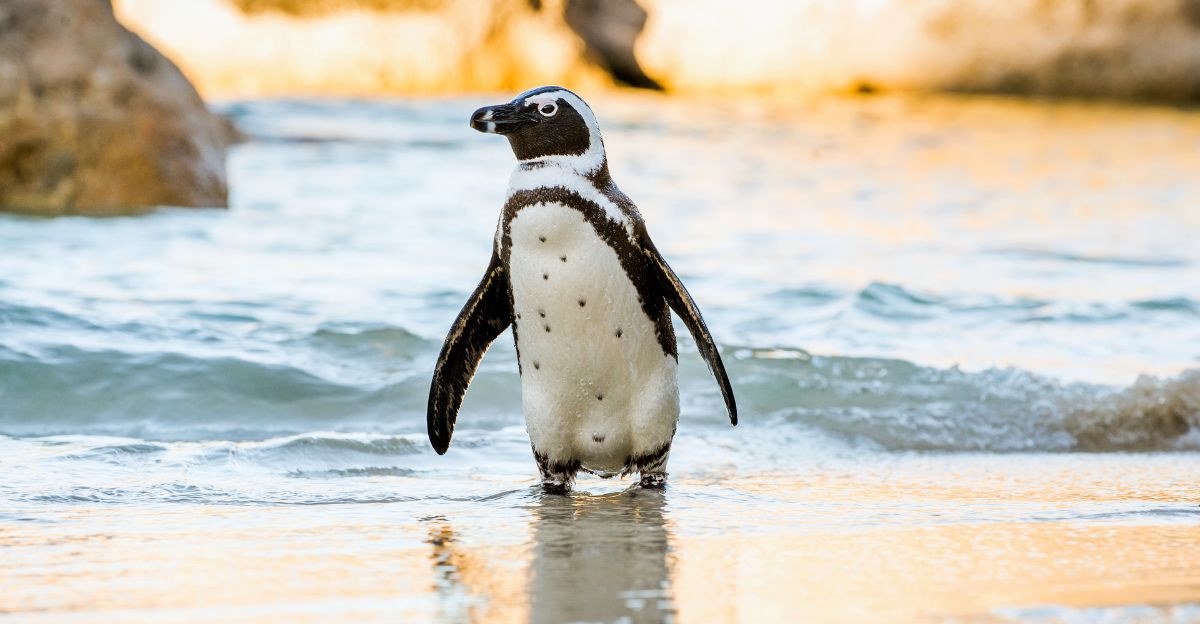
From Antarctica to the sub-Antarctic islands, penguins display remarkable trust toward respectful human visitors.
With few land predators, particular penguin species will waddle up curiously to observe people.
Their friendly exploration allows for unforgettable wildlife experiences, showing how even creatures from the coldest places know how to warm a heart.
6. Fox
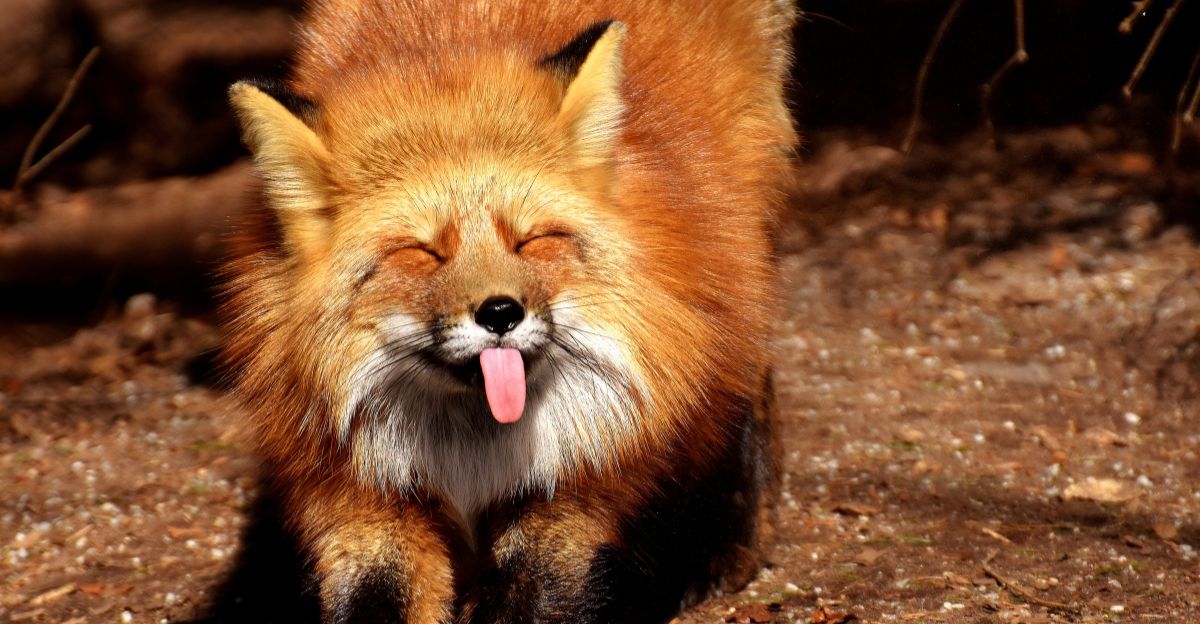
Though often seen as sly and elusive, some foxes show friendly curiosity—especially those used to human presence in urban parks or rural settlements.
Foxes approach people for food, exhibit playful behaviors, and occasionally stay around for gentle interaction.
Their adaptability and charm make them the wild cousin you didn’t expect to like you back.
7. Squirrel
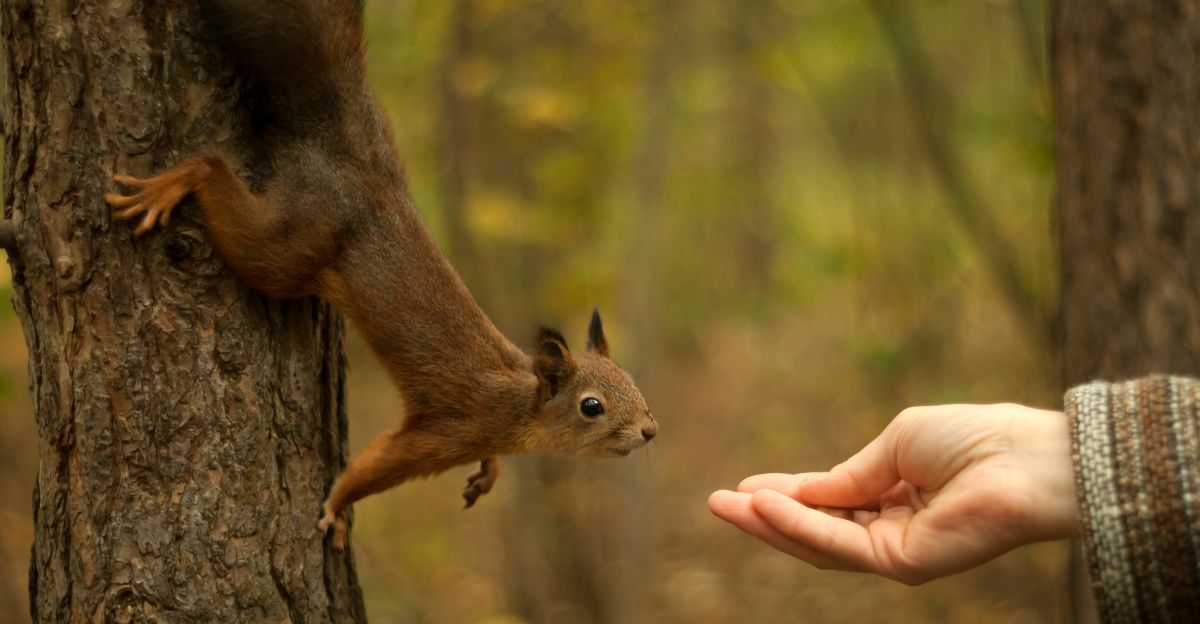
Squirrels, with their bushy tails and energetic behavior, have adapted remarkably well to human neighborhoods.
Some individuals, especially those in city parks, approach people for snacks and display playful behavior around us.
Their agility and friendliness offer delightful moments for anyone willing to share a few peanuts quietly.
8. Manatee
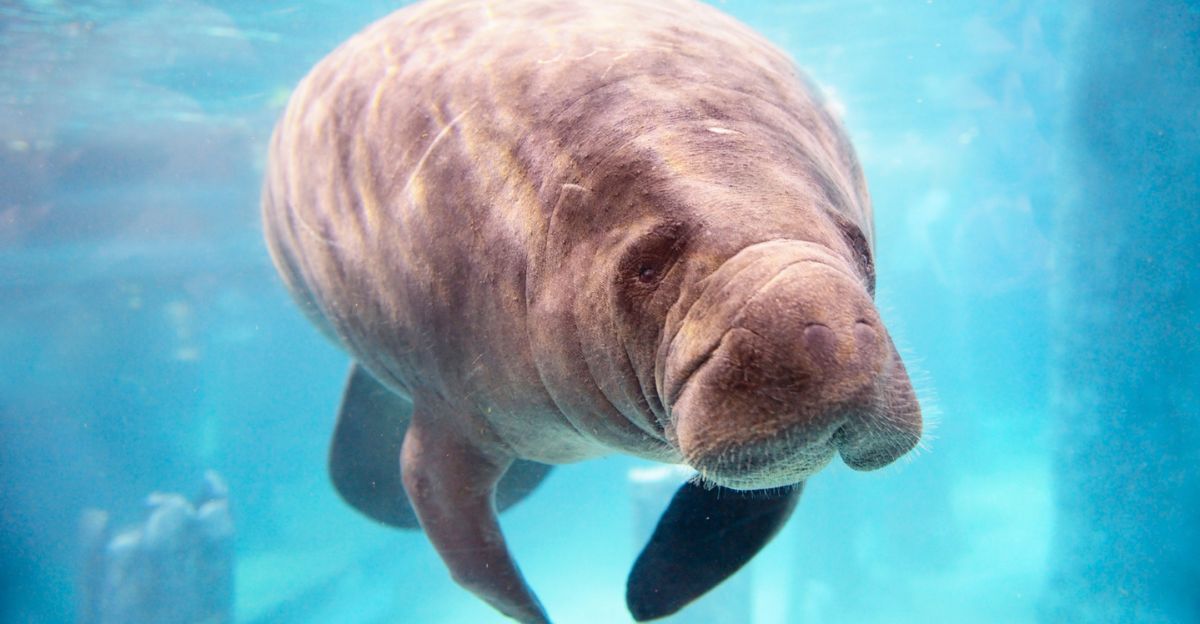
Manatees, the gentle giants of warm coastal waters, are renowned for their trust and calmness with snorkelers.
These sea cows sometimes approach humans with curiosity and, in some areas, even seem to enjoy gentle belly rubs.
However, their trusting nature means humans must treat them with extra care to ensure their safety and conservation.
9. Beluga Whale
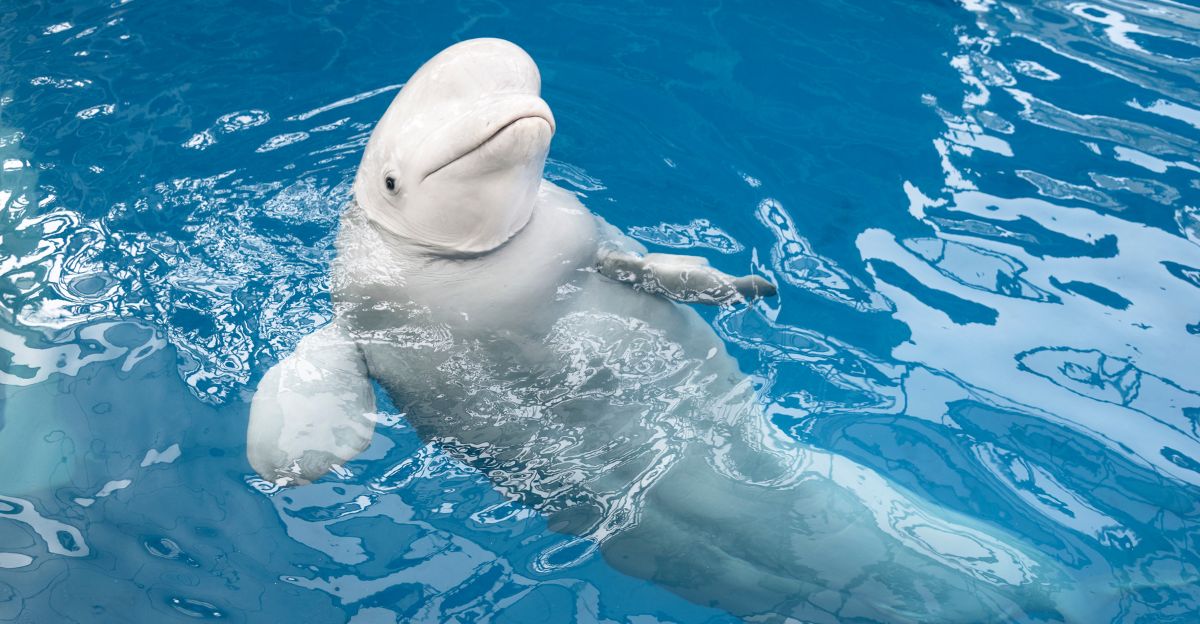
Beluga whales, renowned for their distinctive white color and expressive faces, have amazed observers by interacting with humans in Arctic and sub-Arctic waters.
There are stories of belugas approaching divers and even of a beluga “rescuing” a distressed swimmer.
Their friendliness is a joy—though, as with all wildlife, respectful interaction is key.
10. Deer
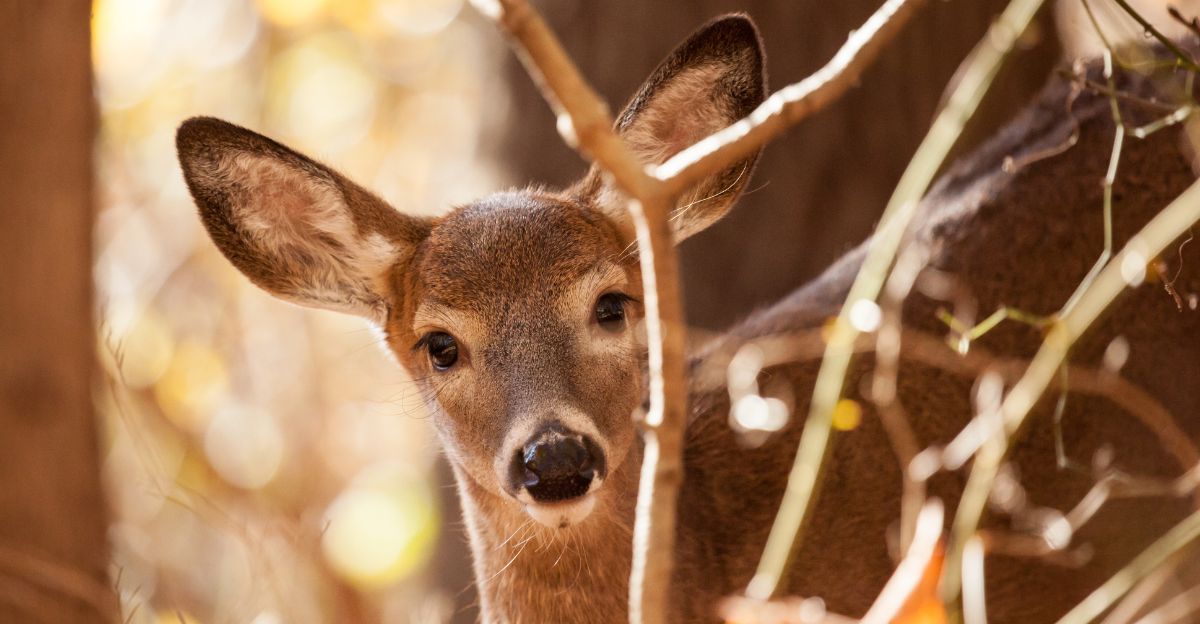
Specific deer approach people in places where they’ve become accustomed to humans, and these individuals can be surprisingly affectionate.
Fed by hand in parks or temples in Japan, these elegant creatures will approach people calmly, seeking snacks and gentle petting.
Their trusting behavior highlights the potential for friendly coexistence in the wild.
The Power of Trust

While these animals have shown friendliness toward humans, their openness often relies on habituation, curiosity, or respect from our side.
Most wild animals remain cautious for good reasons—so patient and gentle approaches are essential.
Never assume all members of a species are welcoming; circumstances, environment, and individual history matter deeply.
Conservation Matters

Wild animals that interact with humans face risks: the loss of fear can make them vulnerable to harm, and excessive friendliness can lead to trouble.
Responsible ecotourism involves maintaining a respectful distance, supporting conservation efforts, and refraining from feeding or touching animals without proper guidance.
Kindness and respect are the best gifts we can give to wildlife.
Friendly Does Not Mean Tame
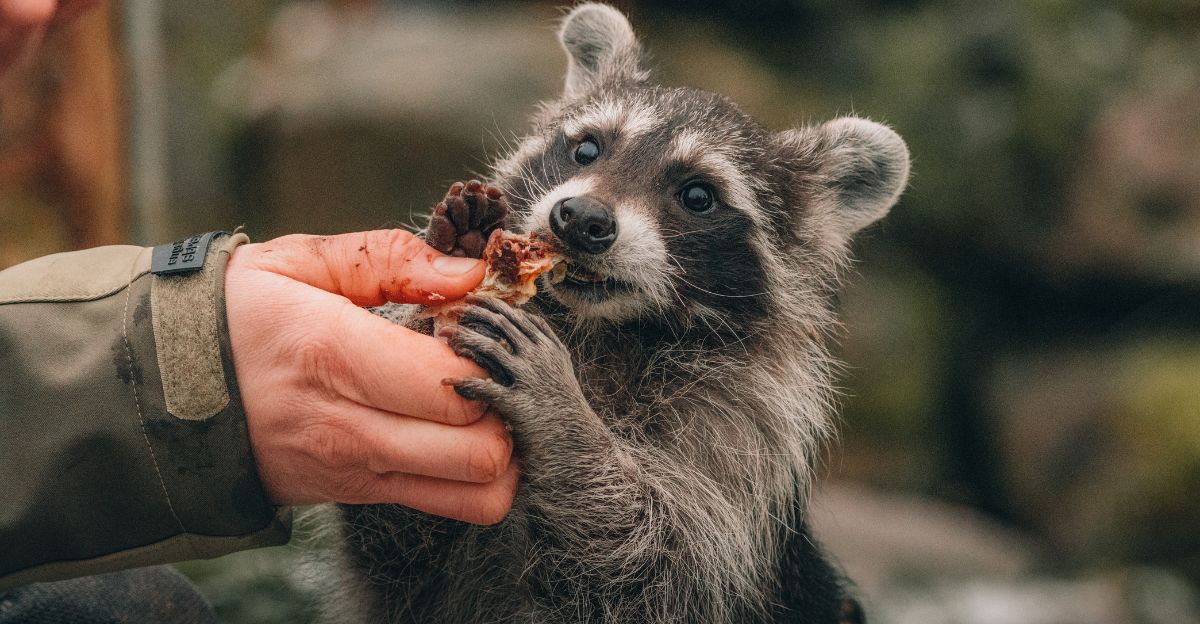
Even the friendliest wild animals are not pets. Interacting with them is a privilege, not a right, and their welfare should be the top priority.
Enjoy their sociable moments as rare gifts in nature—and remember, wild instincts always come first.
Their unpredictable side is part of their charm and a reflection of their need for freedom.
Closing Thoughts
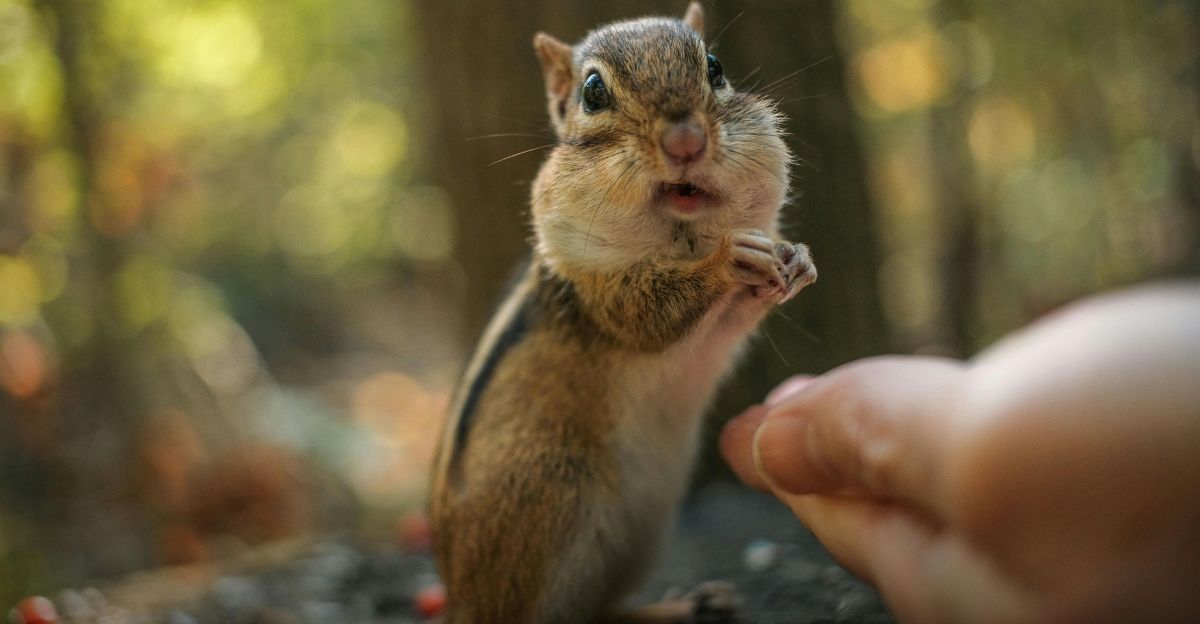
Meeting a friendly wild animal is a magical, memorable experience.
These fantastic creatures reveal that curiosity and connection cross species boundaries, but they also remind us to value them for what they are—wild and free.
With respectful observation and care, humans and animals alike can share the world in harmony and peace.