Picture a time when the safest drink wasn’t water, but something brewed or distilled. It’s the 1700s, and colonial Americans drink about three times more alcohol than we do today … beer with breakfast, cider for lunch, rum punch after supper. Taverns are the day’s social media, where news, gossip, and politics flow as freely as ale.
But between tankards and punch bowls, a quieter indulgence circulates among the well-to-do: Cherry Bounce. For George Washington, it wasn’t just a cordial, it was a sweet, spiced comfort that blended good hospitality, family tradition, and a dash of indulgence in every ruby-red sip.
The Secret Ingredient in Colonial Nightcaps
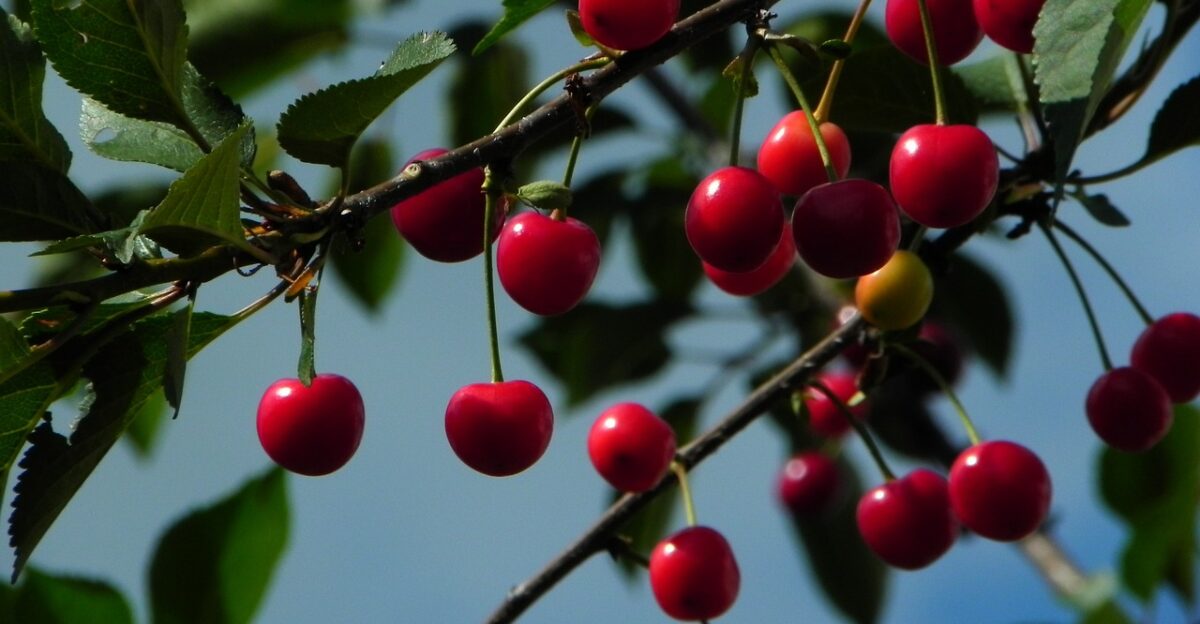
Cherry Bounce was the cozy quilt of colonial drink culture. It was made by steeping tart, deep-red cherries—often Morellos—in brandy or whiskey, sweetened with sugar, and infused with warming spices like cinnamon, cloves, and nutmeg. Then came the hardest part: waiting weeks or months for the flavors to meld.
The result? A deep ruby cordial with a perfumed aroma and a gentle burn at the finish. It wasn’t a chug-from-a-mug drink; this was meant for slow sipping, preferably while leaning back in a comfortable chair, trading stories with friends, and letting the night stretch on in the glow of candlelight.
From English Estates to American Tables
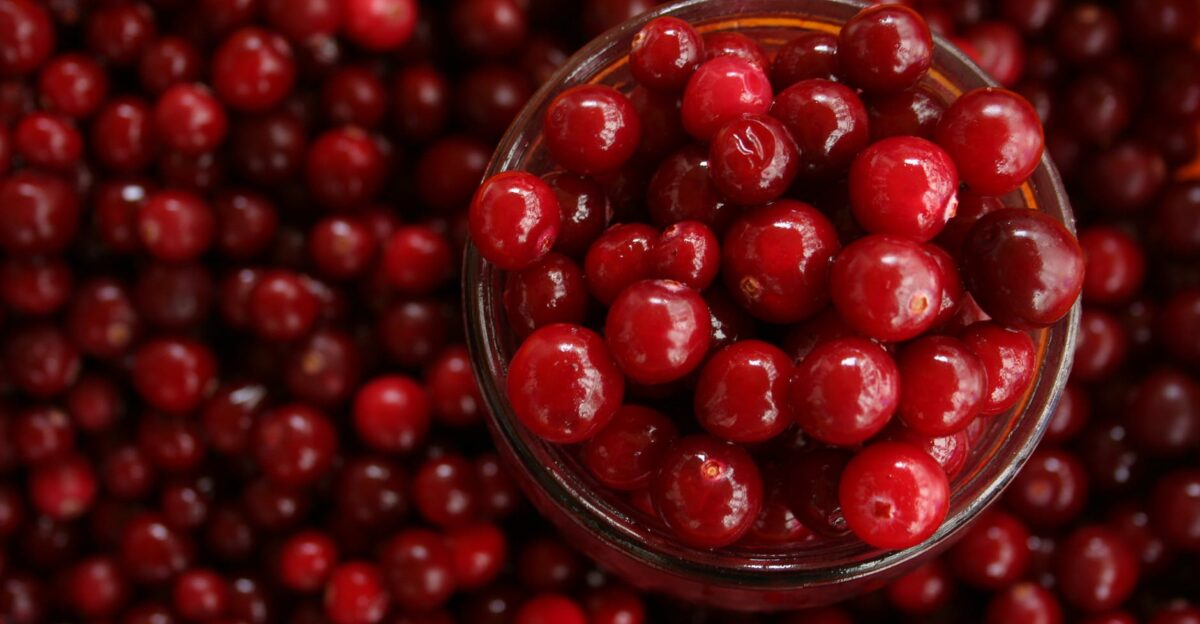
Long before Cherry Bounce reached America, it was already a hit among England’s upper classes. The earliest recipes appear in the late 1600s, when fruit cordials were a fashionable way to impress guests. Wealthy hosts served it to visitors arriving after long carriage rides, like an 18th-century welcome drink. English versions often used Kentish sour cherries, prized for their tartness.
When the recipe crossed the Atlantic, colonists adapted it. They used local cherry varieties and whatever spirits were available, from imported brandy to home-distilled whiskey, making it a flexible drink that reflected the orchards and ingenuity of the New World.
Washington’s Real Cherry Love
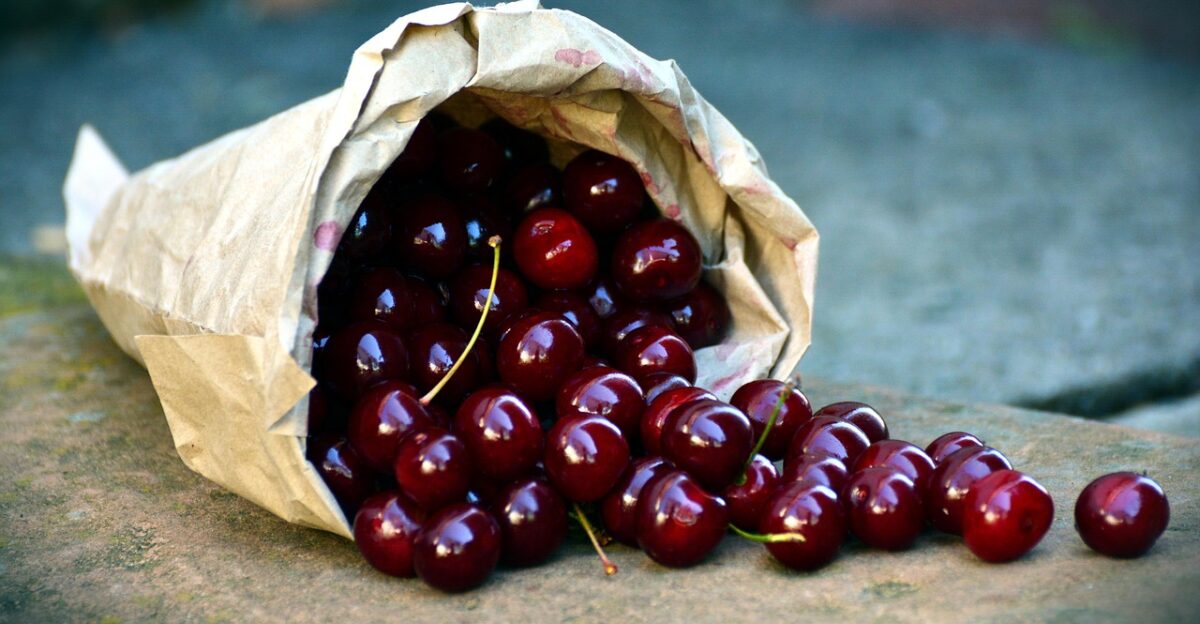
Forget the famous hatchet story, which was charming but pure fiction. Washington’s real cherry connection was far tastier. His estate at Mount Vernon had an abundance of sour cherries, perfect for cordials. He and Martha made Cherry Bounce in generous batches to preserve fruit and entertain guests.
According to the Mount Vernon Ladies’ Association, preserving cherries in alcohol wasn’t just about indulgence; it was a practical way to ensure fruit lasted beyond harvest. At Mount Vernon, with its constant stream of visitors, a ready supply of spiced, sweet cordial wasn’t just a luxury. It was smart, gracious hosting at its best.
The Recipe That Time Didn’t Forget
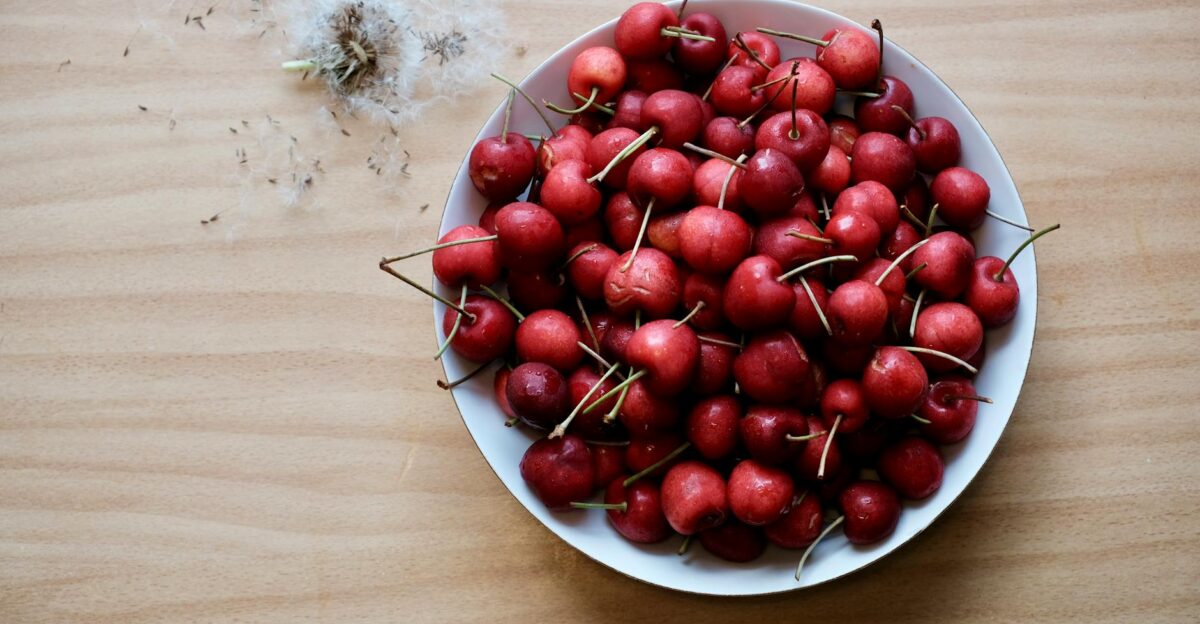
Among Mount Vernon’s treasures is Martha Washington’s handwritten Cherry Bounce recipe. It calls for sour cherries, sugar, and fine French brandy in what most modern kitchens would call staggering amounts – 20 pounds of cherries and 10 quarts of brandy. She likely oversaw the spicing herself, adding cinnamon, cloves, nutmeg, and even some cherry pits for extra almond-like flavor.
The cordial was poured into delicate glasses and served to guests as a welcome gesture. Today, you can still follow Martha’s exact instructions, as preserved by the Library of Congress, for an authentic sip of 18th-century hospitality in your own home.
The Surprising Drink in Washington’s Travel Kit
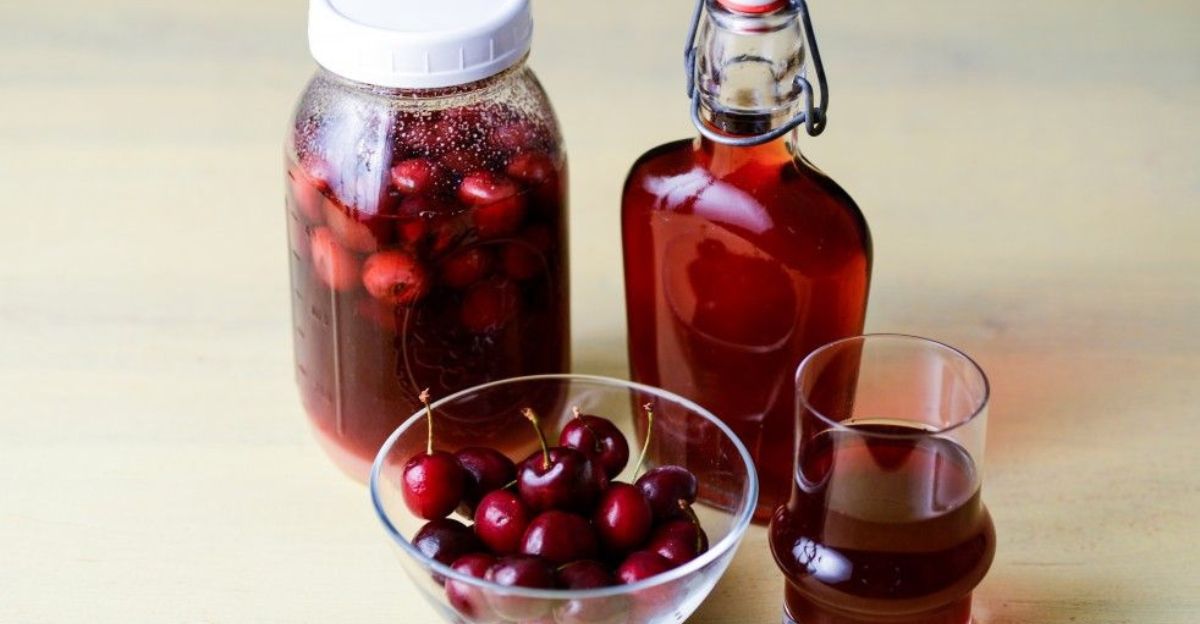
Washington’s fondness for the cordial followed him beyond his home. In September 1784, preparing to cross the Allegheny Mountains, he packed provisions that included Madeira, port, and canteens of Cherry Bounce. Travel in those days meant rough roads, unpredictable weather, and long days in the saddle.
A familiar drink offered both comfort and morale. According to his diary, this was no whim; it was part of his travel essentials. Picture him under the stars, saddle nearby, uncorking a small flask. One sip would have carried the warmth of Mount Vernon across mountains and miles, turning a cold camp into home.
The Cherry Bounce Bottles of Mount Vernon
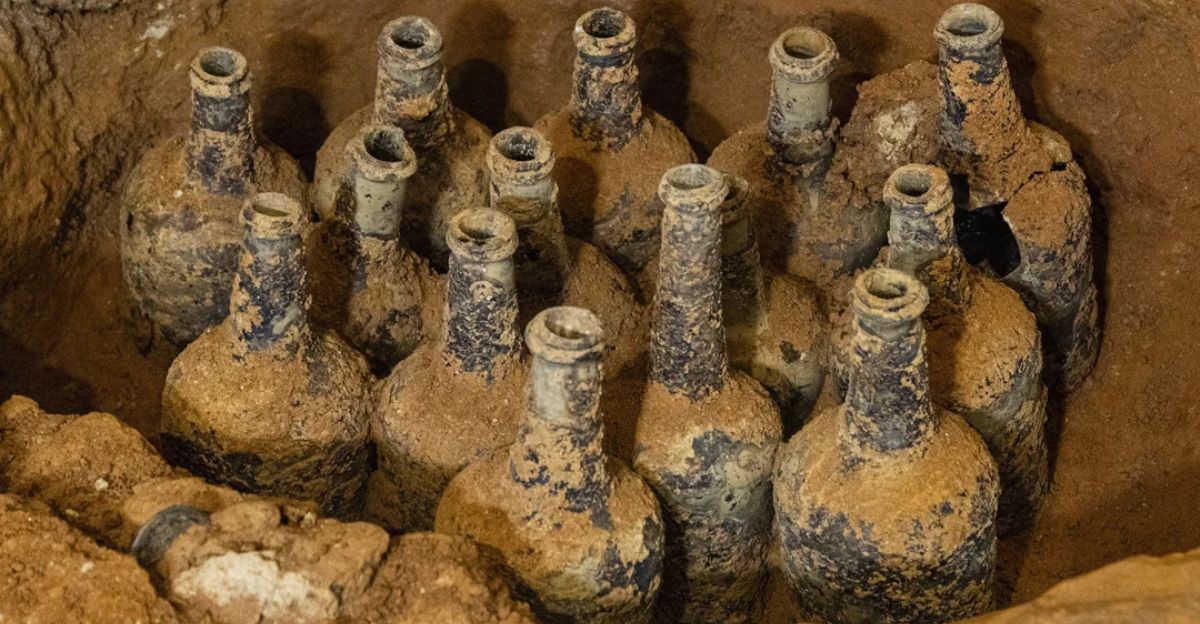
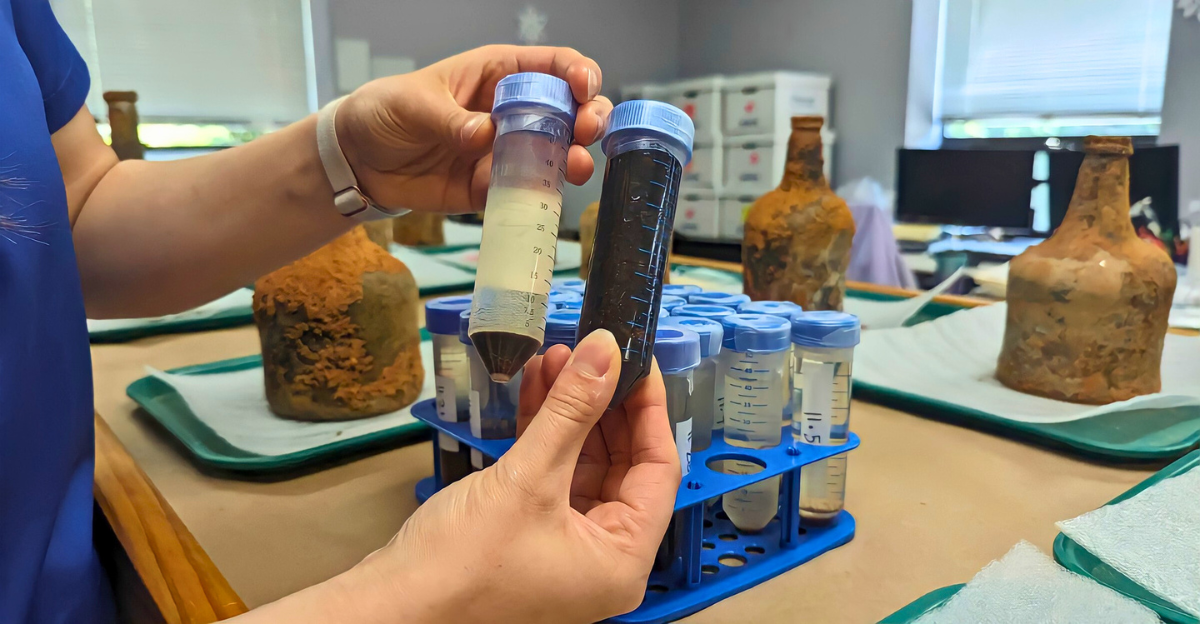
In 2024, archaeologists at Mount Vernon uncovered a time capsule beneath the mansion’s floors consisting of 35 glass bottles, 29 of them intact, containing perfectly preserved cherries and berries dating between 1758 and 1776. According to the Mount Vernon Ladies’ Association, the cherries were likely preserved in brandy, similar to Martha’s method. Remarkably, they still carried the scent of cherry blossoms after two centuries.
These finds confirmed Cherry Bounce wasn’t a passing fad; it was woven into the daily and social fabric of Mount Vernon, a ready indulgence whenever guests, or perhaps even a weary Washington, needed warming.
The True Tale of Cherry Bounce
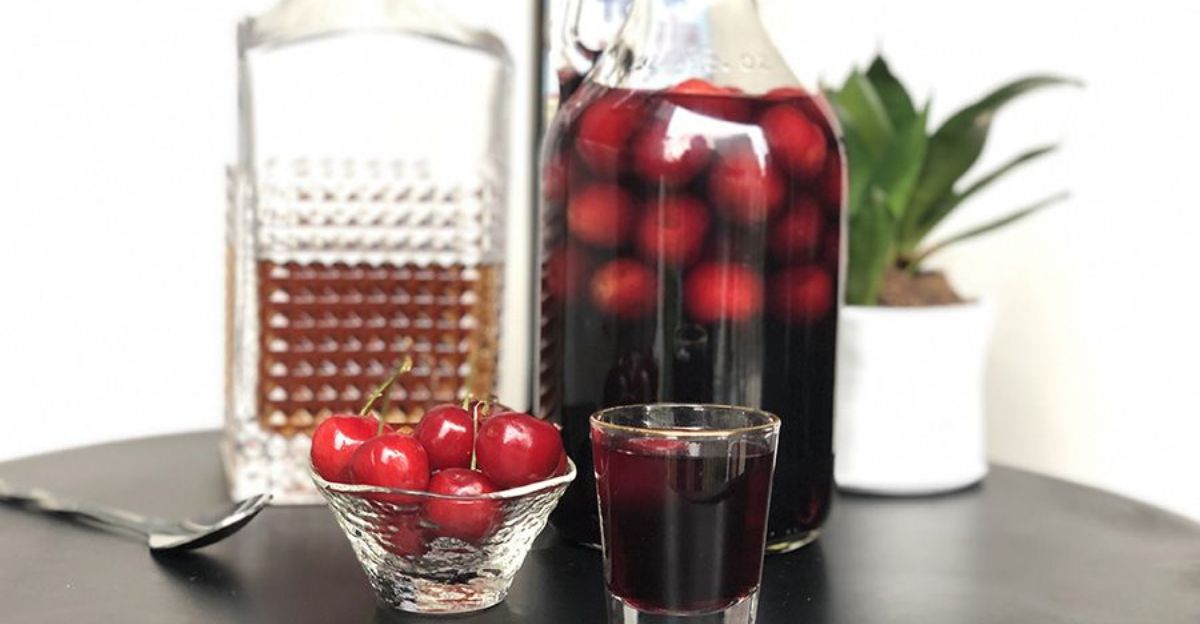
Unlike Washington’s hatchet tale, Cherry Bounce needs no embellishment. The cordial appears in estate inventories, Martha’s handwritten recipes, and Washington’s travel notes. Historical food historians have traced its consistent presence in Mount Vernon’s kitchen records. The Library of Congress preserves the recipe; archaeological discoveries have yielded physical proof of preserved cherries.
This isn’t folklore – it’s documented history. And in a world of mythologized founding fathers, it’s refreshing to find a story both charming and entirely true, sweetened not by fiction but by sugar, spice, and the patience of a well-made cordial aging quietly in the cellar.
Make Cherry Bounce Like a President
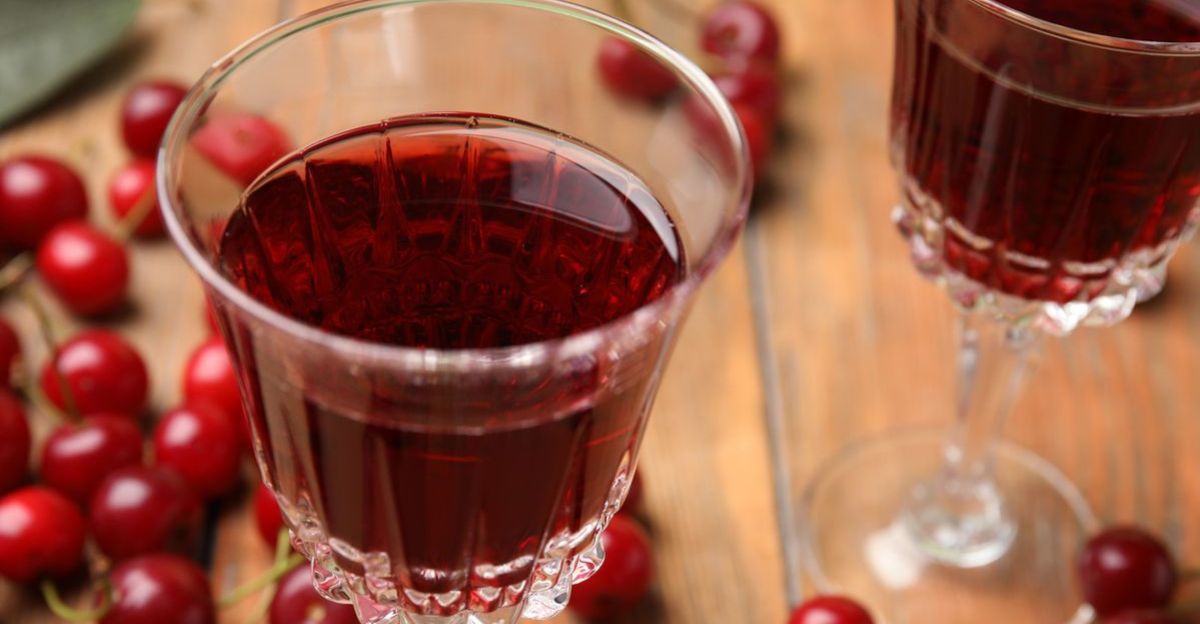
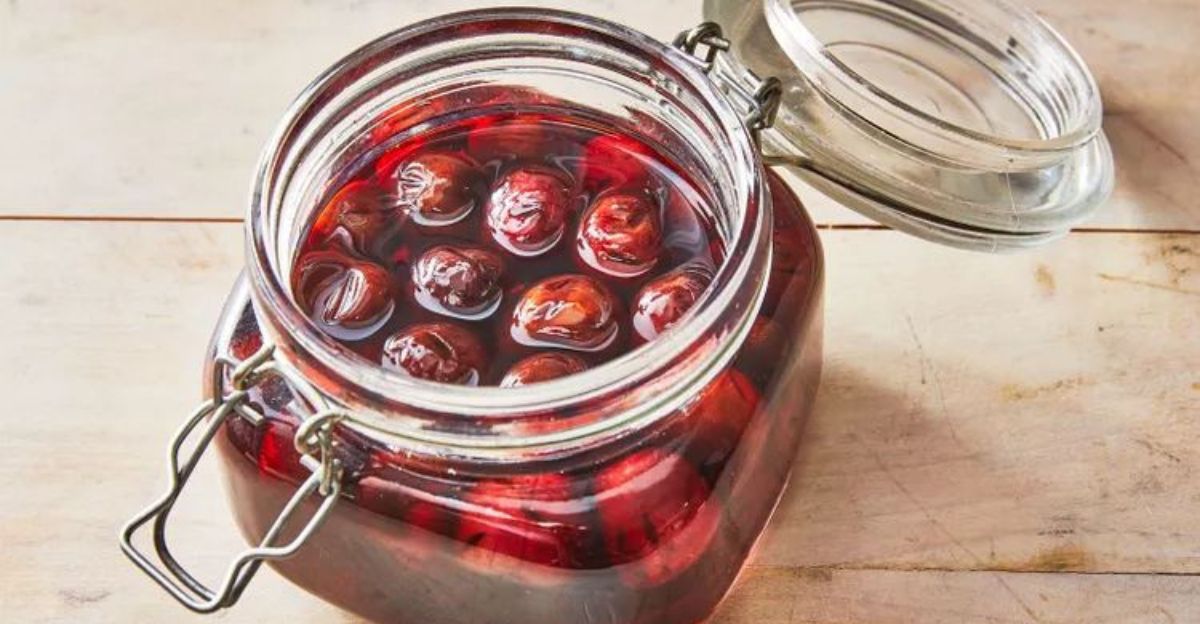
To channel Washington’s approach, start with fresh sour cherries—pitted and lightly mashed. Add sugar to balance tartness, but don’t overdo it. Pour over good brandy or whiskey until the fruit is submerged. Add cinnamon sticks, whole cloves, and grated nutmeg. Seal in a glass jar, then store in a cool, dark spot.
Let the flavors marry for at least six weeks or even months if you can bear the wait. Strain the liquid into bottles and serve at room temperature in small glasses. In the Washington household, it wasn’t just a drink but an invitation to sit, talk, and linger.
Why Good Things (and Drinks) Take Time
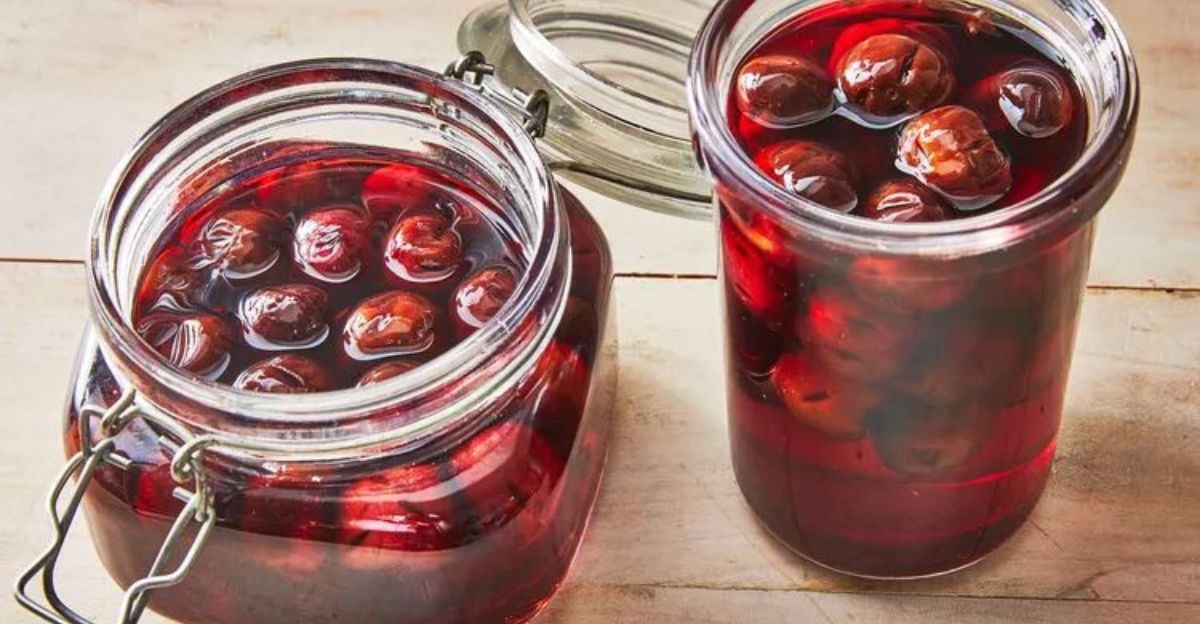
Cordial-making isn’t for the impatient. Once cherries, sugar, spices, and spirits meet in the jar, the most challenging work is doing nothing. This wasn’t a challenge in Washington’s day, as life moved in seasons, not seconds.
According to historical food writers, long steeping was key to achieving a cordial with depth, the cherry’s tartness mellowed, sugar softened the edges, spices bloomed slowly, and brandy tied it all together in smooth warmth. Open it too early, and you’d get something flat and forgettable. Wait, and each sip carried layers of flavor worth packing on journeys, sharing with friends, and remembering centuries later.
Glasses Raised: Inside Washington’s Private Pouring Ritual
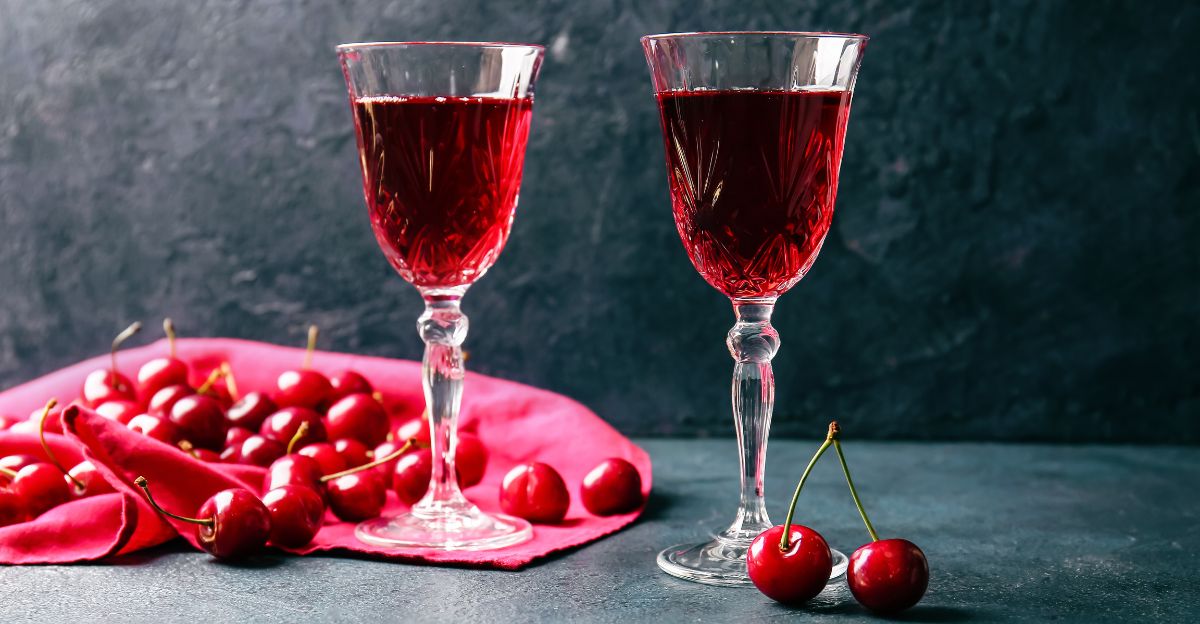
George Washington wasn’t a heavy drinker, but he did appreciate quality. According to Mount Vernon records, Madeira, a fortified Portuguese wine, was his nightly companion. Cherry Bounce, though, played a different role. It was intimate, a cordial for moments rather than crowds.
Beer or punch might entertain a hall full of guests; Cherry Bounce was what you brought out when you wanted to savor conversation, soften the bite of a cold day, or turn a travel layover into a small comfort. It was less about intoxication and more about atmosphere, about bottling the feeling of home and hospitality in liquid form.
Cherry Bounce at America’s Constitution Party
According to historical expense records, when the U.S. Constitution was signed in 1787, Washington spent the modern equivalent of over $17,000 on alcohol for the celebration. The spread included beer, wine, punch, and porter, but Cherry Bounce wasn’t ladled out by the gallon. This was a small-pour cordial, perhaps offered to a few favored guests by the fire.
It marked moments quietly, a nod of respect or camaraderie, not a raucous toast. In an age when hospitality was an art, Cherry Bounce played its part subtly, an understated indulgence in a world that often celebrated with loud, overflowing tankards.
From Founding Fathers to Folk Tradition
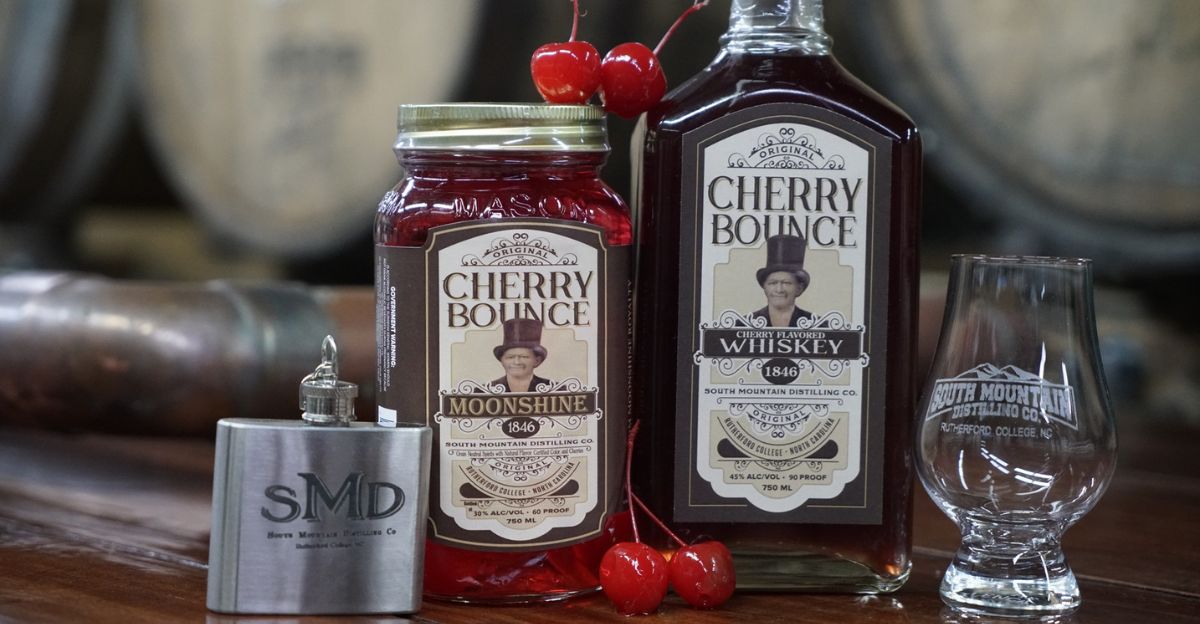
Cherry Bounce didn’t fade when Washington passed. In the 1800s, it became a Southern staple. According to state folklore, North Carolina embraced it, with distiller Amos Owens earning the nickname “Cherry Bounce King” for his whiskey-based version. Families made their own batches, sometimes in barrels for large gatherings, other times in mason jars for private occasions.
It appeared at weddings, Christmas feasts, and even christenings, symbolizing warmth and celebration. During Prohibition, it slipped underground, kept alive through whispered recipes and family traditions. By then, Cherry Bounce had become more than a drink; it was a heritage passed from hand to hand.
Why Only Sour Cherries Make the Cut
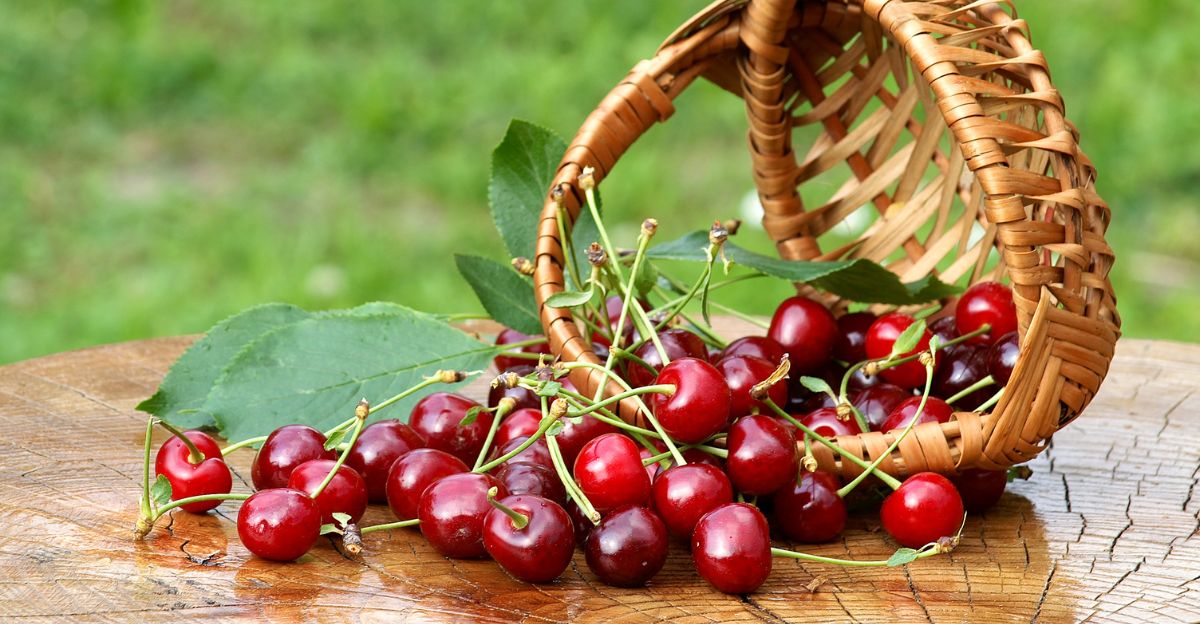
Not all cherries are created equal. Sweet varieties, like Bing, turn cloying in a cordial, burying the spices. Washington preferred sour cherries—Morello or Kentish—which brought vivid color, tartness, and complexity. The acidity cut through the sugar, allowing the warmth of cinnamon, cloves, and nutmeg to shine.
According to Mount Vernon’s culinary historians, Virginia’s orchards provided exactly what the estate kitchen needed. Sour cherries gave Cherry Bounce its balance: a drink layered enough to intrigue, yet smooth enough to sip slowly. Without that tart backbone, the cordial would be pretty but dull, lacking the spark that made it Washington’s enduring favorite.
Cherry Bounce’s Viral Return
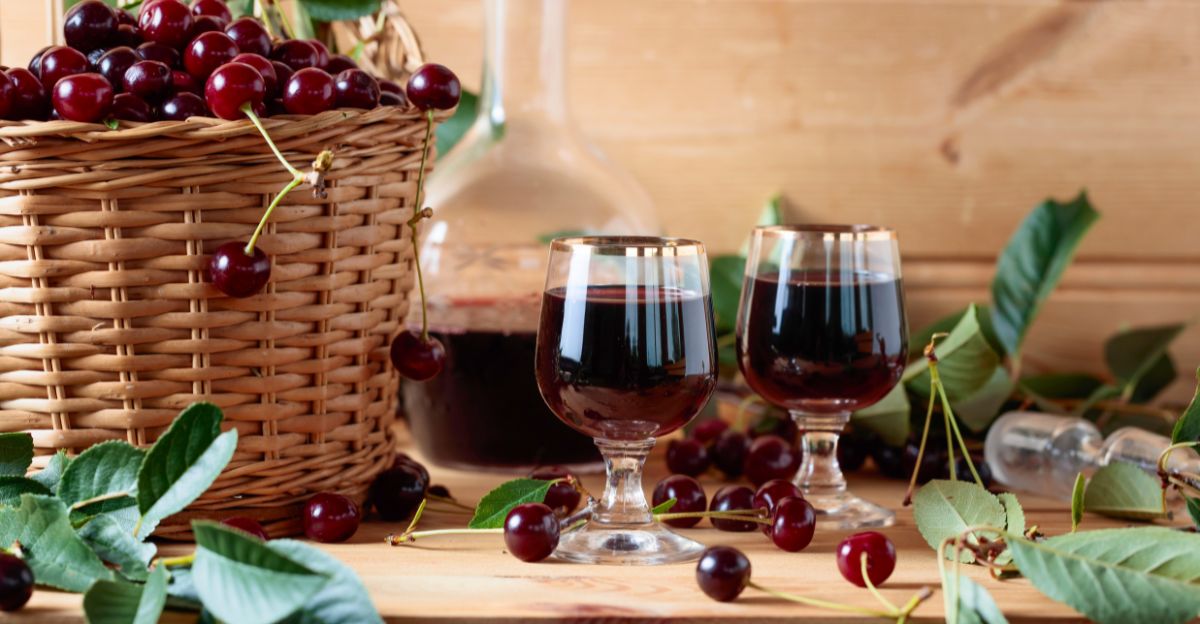
Every so often, Cherry Bounce reappears in the public eye. Food historians publish Martha’s recipe online; craft bartenders experiment with modern twists like vanilla pods, orange zest, even rum instead of brandy. According to Epicurious, some slip it into Manhattans for a cherry-spiced upgrade, while others serve it neat to showcase its history.
On Instagram, jewel-toned photos of homemade batches draw history buffs and cocktail lovers. The drink has become a “you have to try this” challenge for mixology geeks. It is a sipable link between colonial kitchens and modern bars, proving some flavors never lose their charm, just their popularity.
Make Your Own American Sip of History
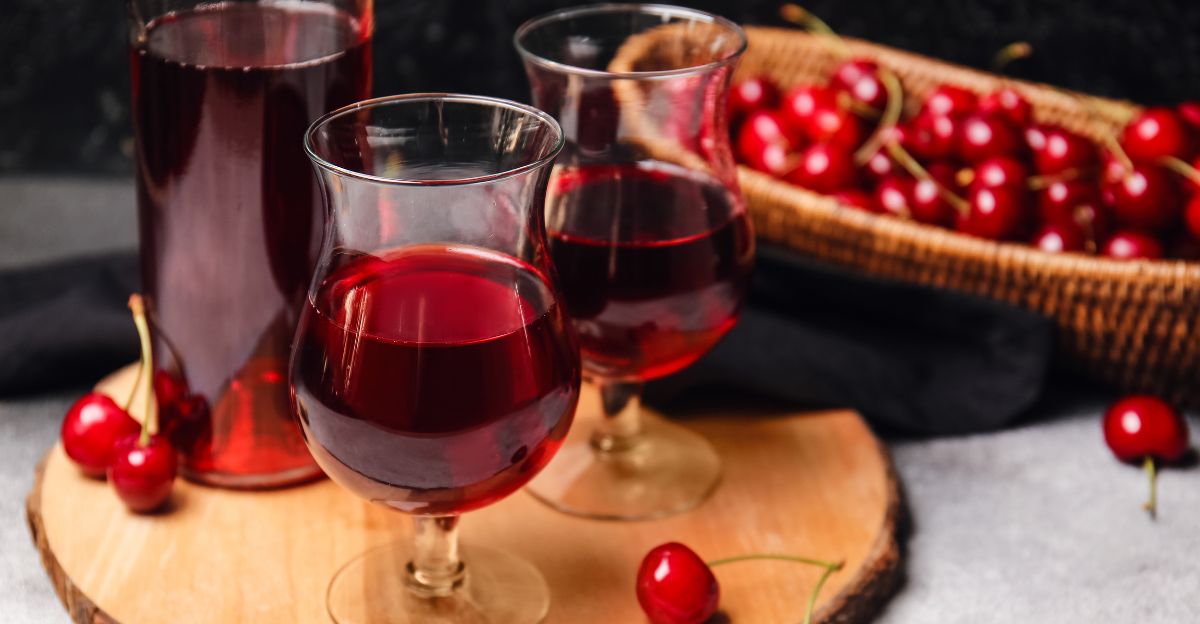
Cherry Bounce isn’t hard to make; you need patience and a few good ingredients. If fresh sour cherries aren’t available, frozen or jarred Morellos work. Use a decent brandy, sugar, cinnamon, cloves, and nutmeg. Steep for at least six weeks, longer if you can. When ready, strain, pour into a small cordial glass, and sip slowly.
According to Mount Vernon’s official recipe notes, this is as close as you can get to tasting Washington’s table. It’s more than a kitchen project, it’s edible time travel, letting you experience the same tart-sweet warmth that once crossed mountains in his saddlebags.
The True Spirit of Cherry Bounce
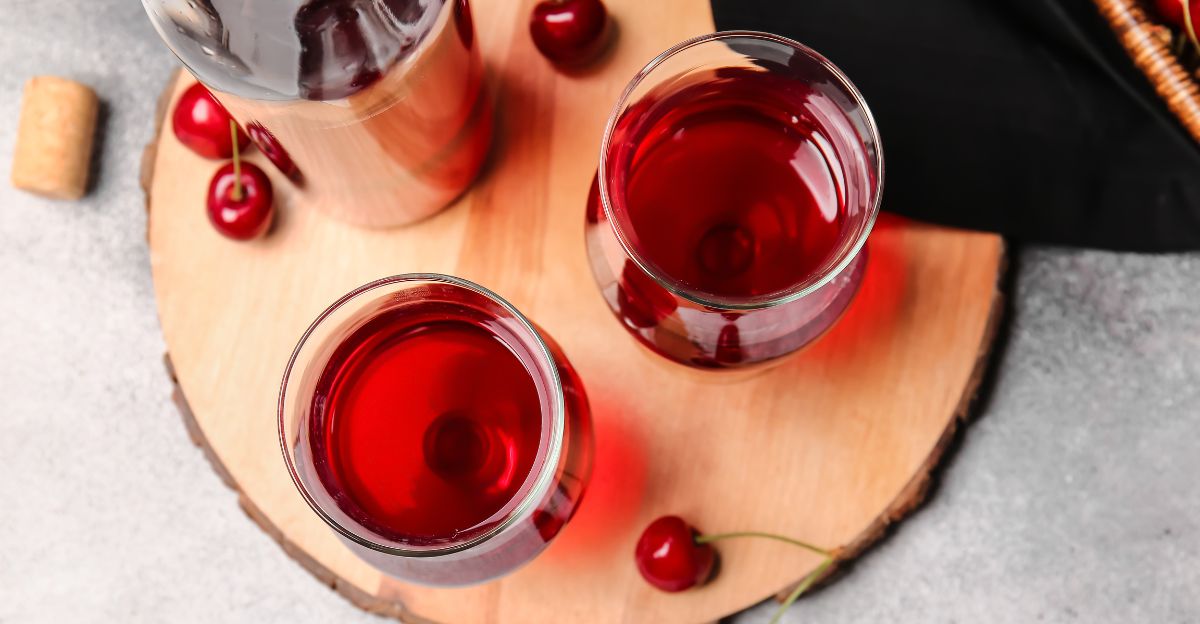
In Washington’s day, Cherry Bounce was about connection as much as flavor. It might toast a newlywed couple, warm an old friend visiting the parlor, or travel in a saddlebag to share with fellow riders. According to 18th-century etiquette guides, offering a cordial was both a gesture of welcome and a mark of refinement.
Before craft cocktails became a trend, Cherry Bounce was a conversation starter and a comforter. Its portability and personal nature made it perfect for bonding, one slow sip at a time, creating shared moments worth more than the drink itself.
The Founders’ Favorite Drinks
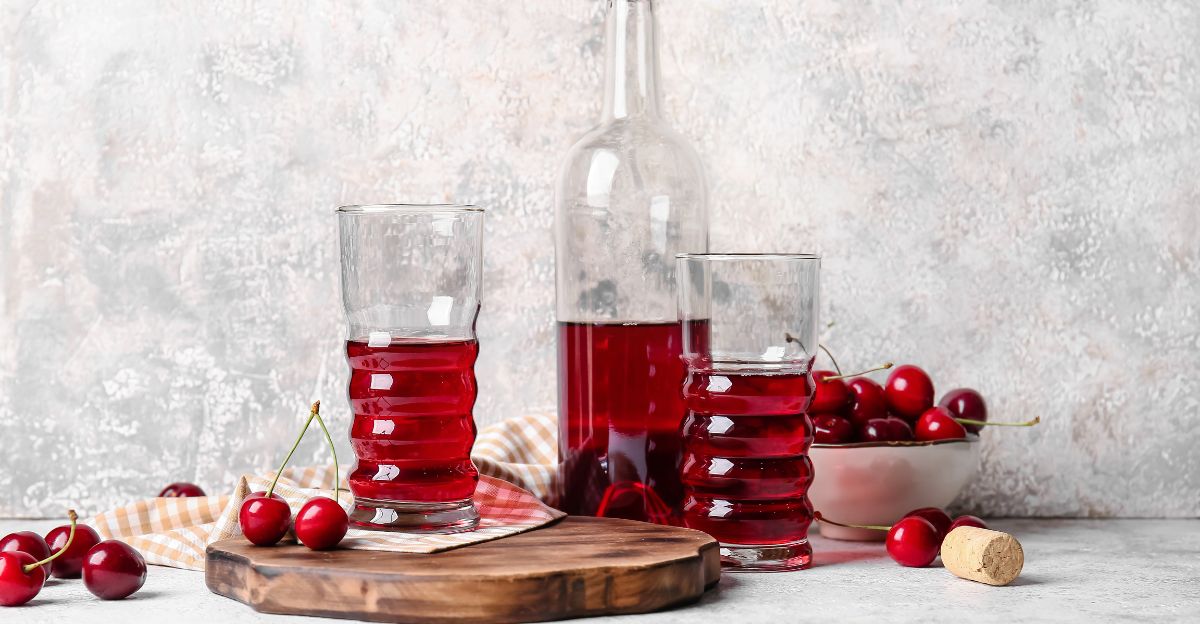
Presidential palates varied. Thomas Jefferson adored fine French wines; John Adams swore by strong New England cider. Washington’s Cherry Bounce, however, was uniquely versatile. It fit as easily in a refined glass beside a crackling hearth as in a leather flask on a rugged journey.
According to culinary historian Michael Twitty, Cherry Bounce reflected Washington’s character: capable of grace in formal settings yet resilient in the field. No other presidential favorite carried both worlds so comfortably, making Cherry Bounce a drink of choice and a fitting symbol of the man himself—balanced, adaptable, enduring.
How a Colonial Drink Became America’s Homegrown Classic
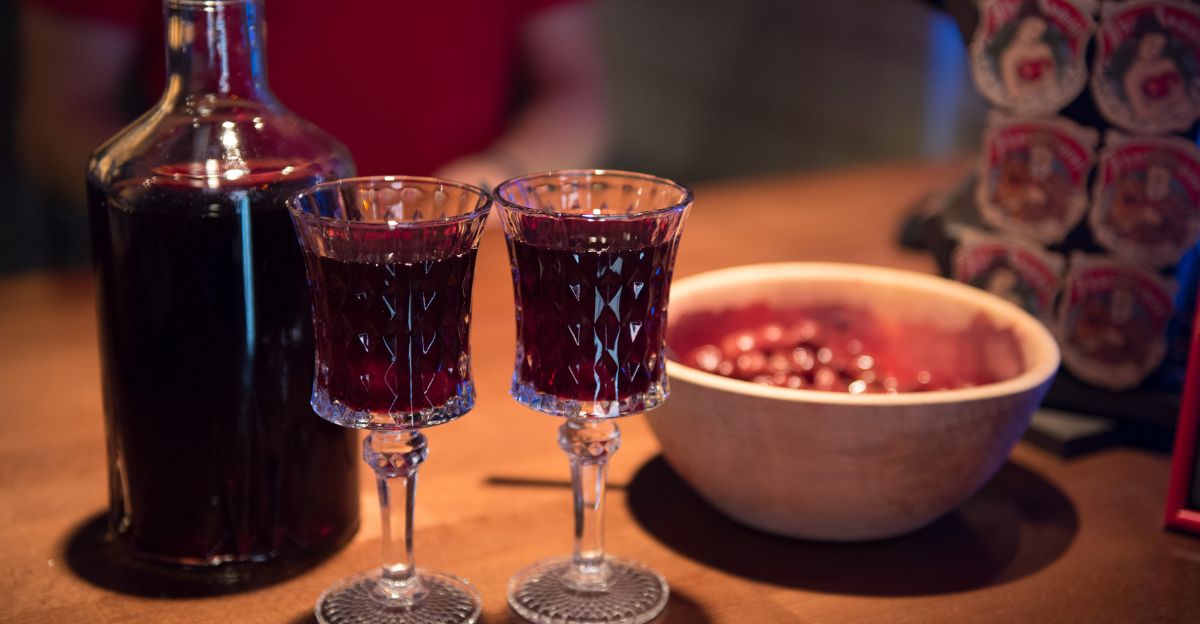
Cherry Bounce may have started in England, but the colonies transformed it. Kentish cherries gave way to New World sour varieties, and French brandy was sometimes swapped for local whiskey, bourbon, or rum. Spice blends varied with availability; some families even added ginger or allspice.
According to regional recipe collections, Cherry Bounce was distinctly American by the late 18th century, tailored to local orchards and tastes. By the time Martha and George were serving it at Mount Vernon, it wasn’t just borrowed tradition; it was homegrown heritage, evolving alongside a young nation finding its flavor in politics and the glass.
History in a Glass – One Sip, Centuries of Stories
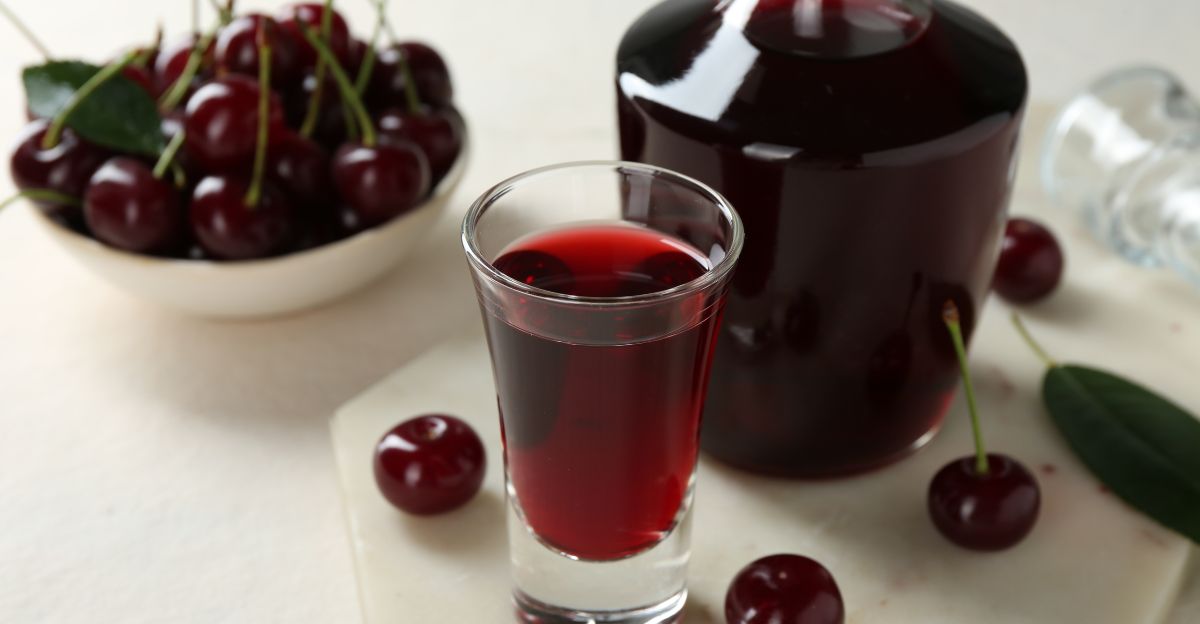
Here’s your invitation: pour yourself a small, ruby glass of Cherry Bounce from your kitchen or a modern distillery’s revival batch. Hold it to the light and watch it glow. Sip slowly, and imagine the warmth rolling down on a chilly evening after a long ride, as it once did for George Washington.
You taste more than fruit and spice; you savor preserved hospitality, centuries-old craftsmanship, and the joy of sharing something good. According to Mount Vernon’s historians, it’s one of the rare drinks that lets you raise a glass and truly toast across the centuries.