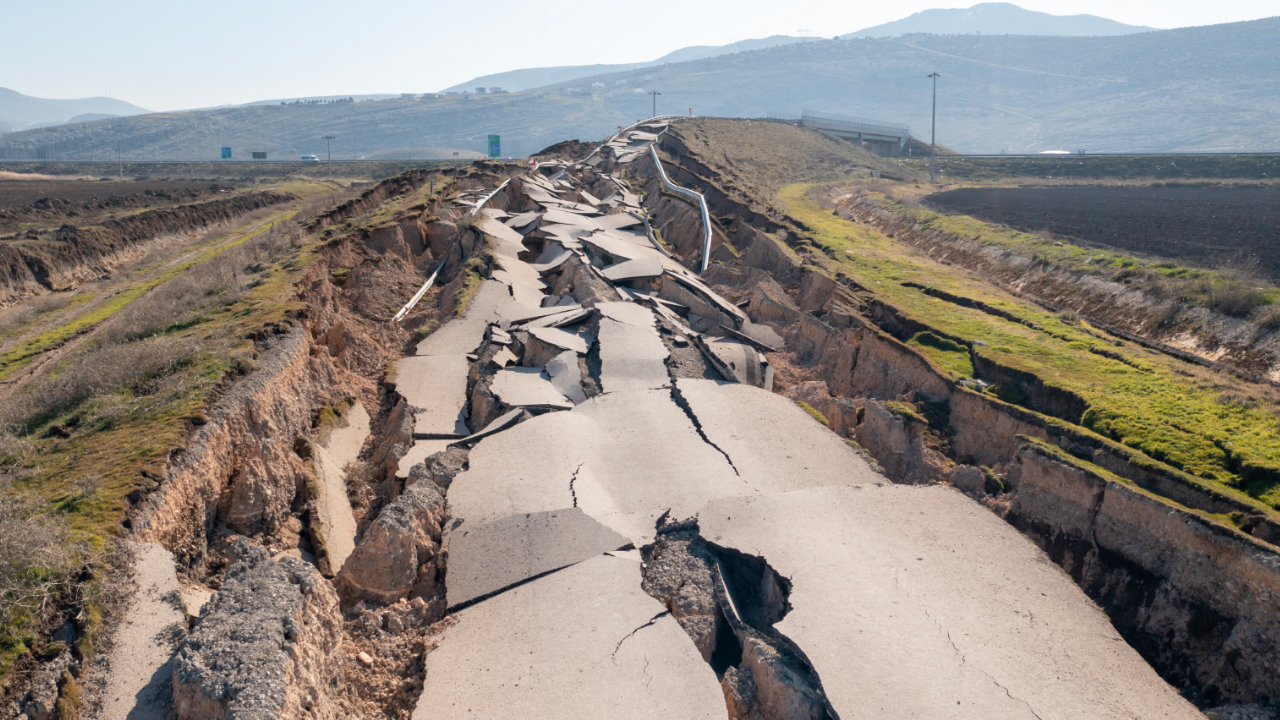
A warning from scientists has California on edge: supershear earthquakes, capable of rupturing faster than traditional seismic waves, are a real threat.
These quakes could send shock waves far beyond what current building codes and monitoring systems are designed to handle.
As experts predict “multiple” M7+ quakes over the next few decades, major California cities—like Los Angeles and San Francisco—are at serious risk. But is the state prepared for this escalating danger?
Escalating Risk
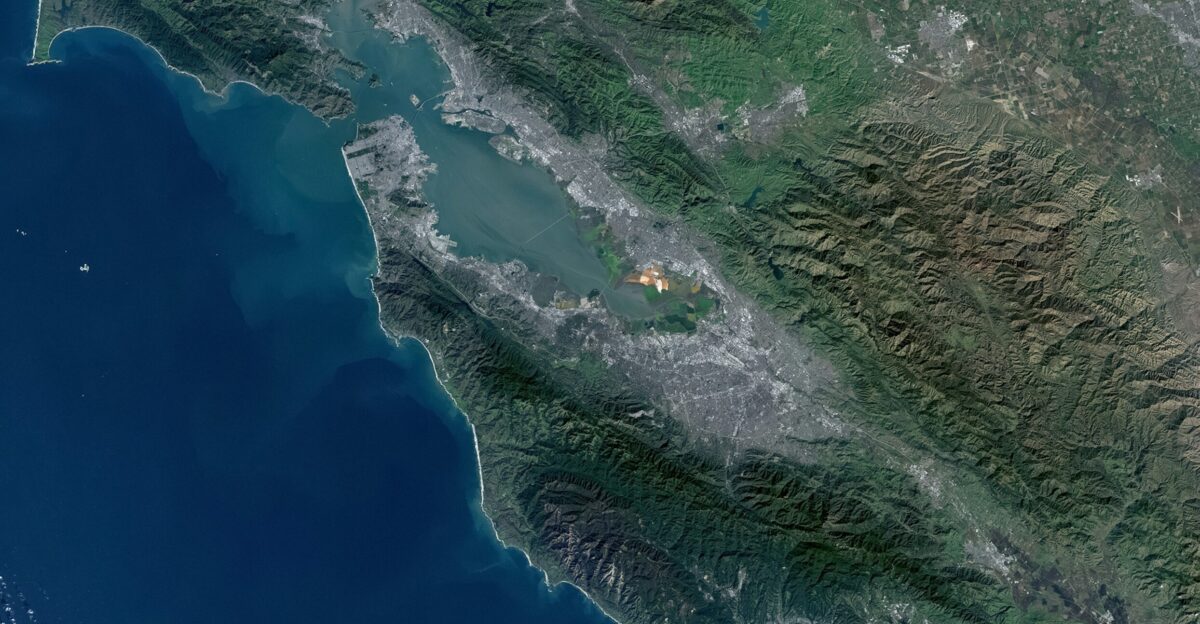
Recent research indicates that, over the last 15 years, 14 of 39 large strike-slip earthquakes (approximately 36%) worldwide exhibited supershear features.
California’s densely populated centers are situated near these fault lines. Experts say the threat has gone unnoticed for too long, urging immediate action to prevent catastrophic damage.
The findings challenge previous assumptions that supershear earthquakes were rare, highlighting the need for updated seismic preparedness strategies.
Fault Line History
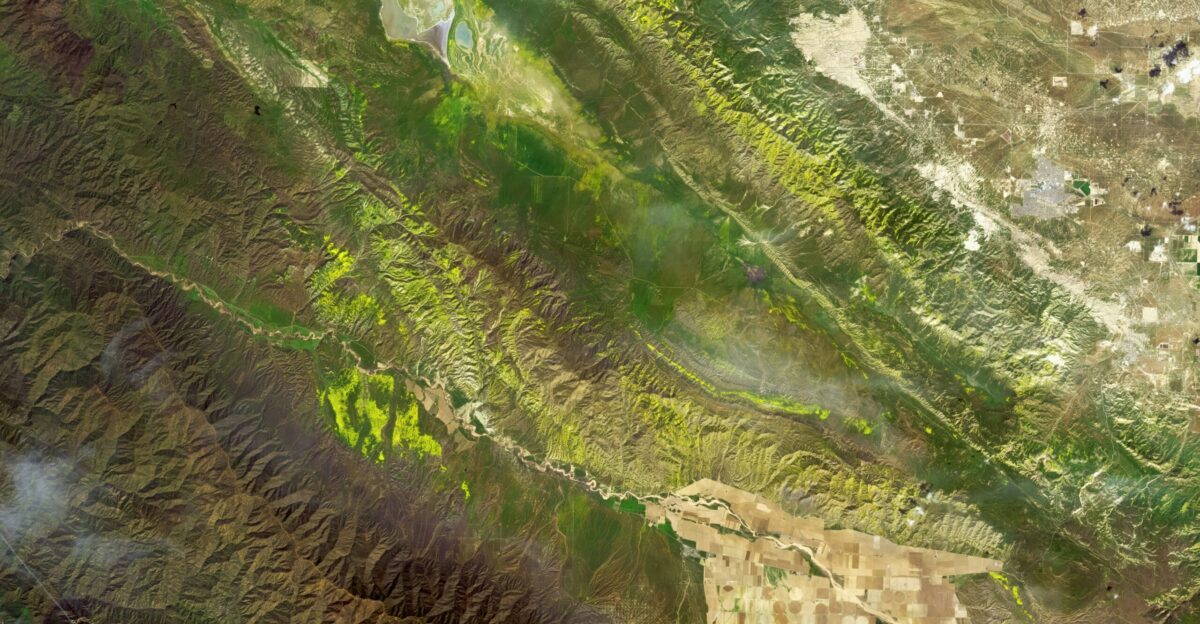
California’s seismic history is shaped by its long, straight strike-slip faults, such as the San Andreas. These faults have produced devastating earthquakes in the past, including the 1906 San Francisco event, which scientists now believe was likely supershear based on a 2008 analysis.
The fault’s geometry—long, straight, and mature—creates conditions favorable for ruptures that exceed normal seismic wave speeds, making historical re-examination crucial for future planning.
Mounting Pressures

The San Andreas Fault has been locked for over a century, accumulating stress that could drive a rupture to supershear speeds.
Experts warn that this energy buildup increases the likelihood of intense, widespread shaking when the next major quake strikes.
The longer the fault remains locked, the greater the stored energy, which can potentially result in more destructive rupture dynamics when it is released.
Formal Warning
On September 19, 2025, scientists from the USC Dornsife College of Letters, Arts, and Sciences and the Statewide California Earthquake Center announced findings published in Seismological Research Letters (August 2025).
Lead author Yehuda Ben-Zion stated, “We can say with certainty that over the next few decades, we will have multiple magnitude 7 earthquakes in California. They are coming, whether we are prepared or not,” urging California to update building codes and expand monitoring.
Regional Impact

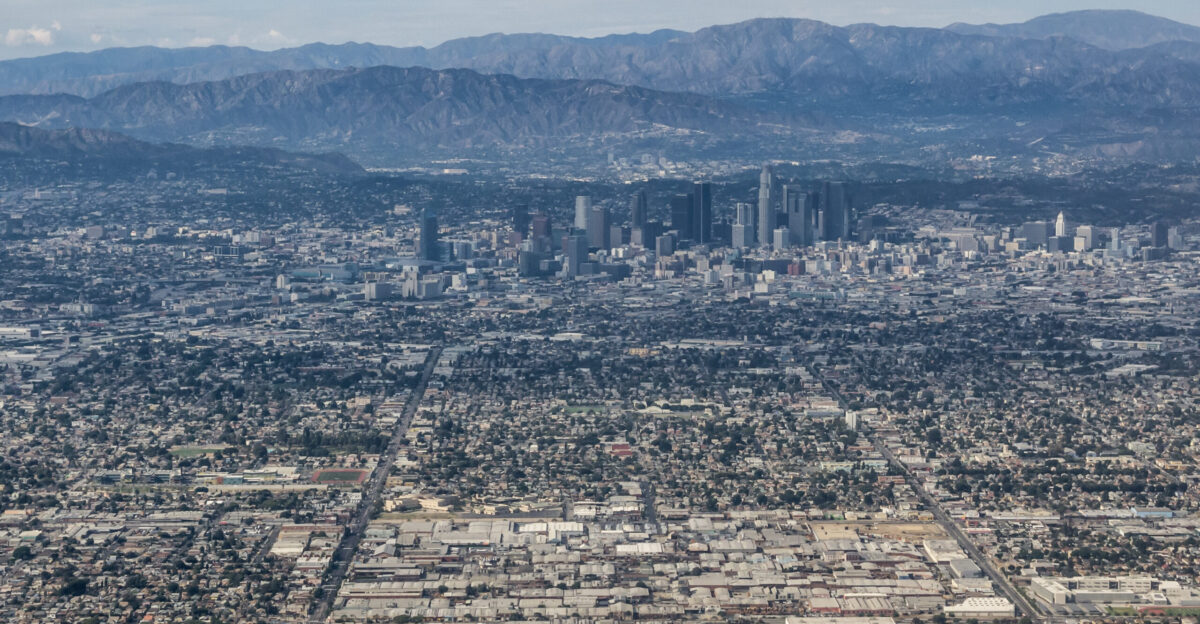
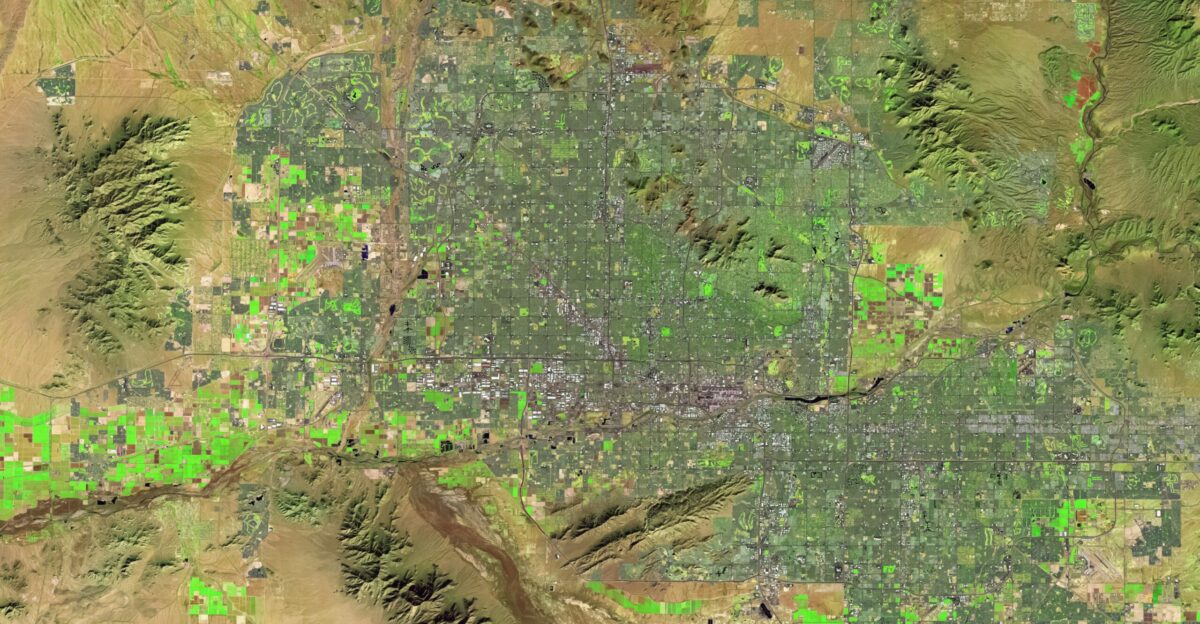
Los Angeles and the Bay Area, home to millions, are adjacent to strike-slip faults capable of supershear ruptures. These regions face heightened risk, with approximately 70% of California’s population living within 30 miles of an active fault.
The dense urban development near major fault systems, such as the San Andreas and Hayward, means that a supershear earthquake could significantly impact infrastructure, housing, and essential services across wide metropolitan areas.
Human Cost
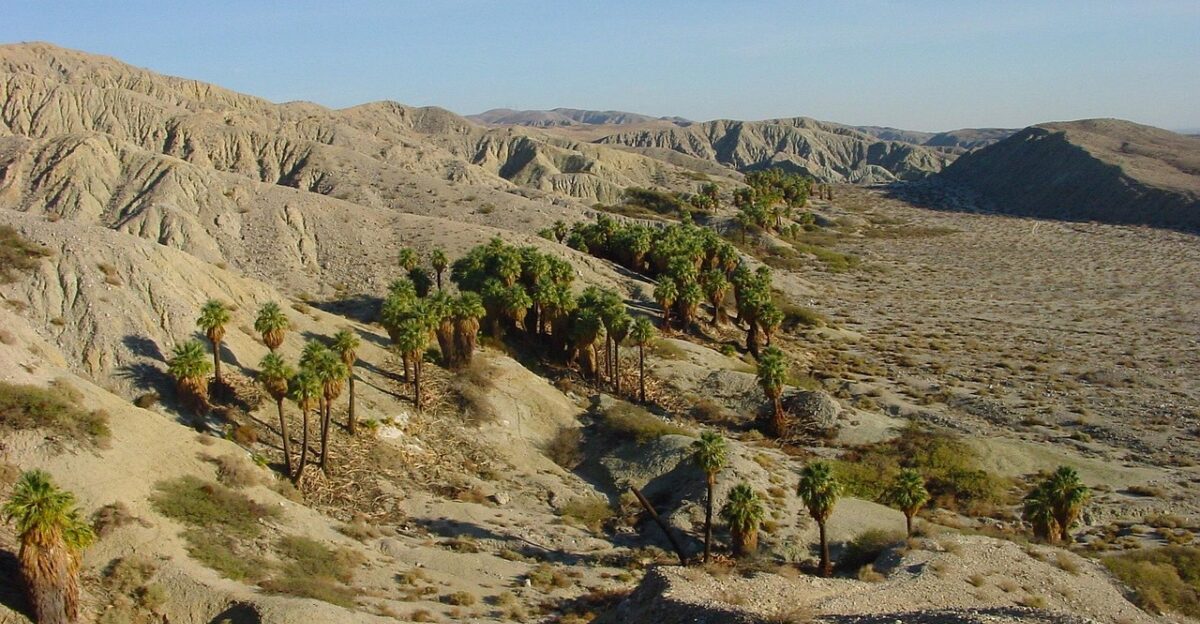
Communities like Coachella, Indio, and Palo Alto sit directly atop or adjacent to major faults. Residents recall the devastation of past quakes, and local officials express concern over current building standards.
Critical structures should be built to this higher standard; however, they are not. Vulnerable populations in older housing stock face disproportionate risk if building codes remain unchanged.
Regulatory Response
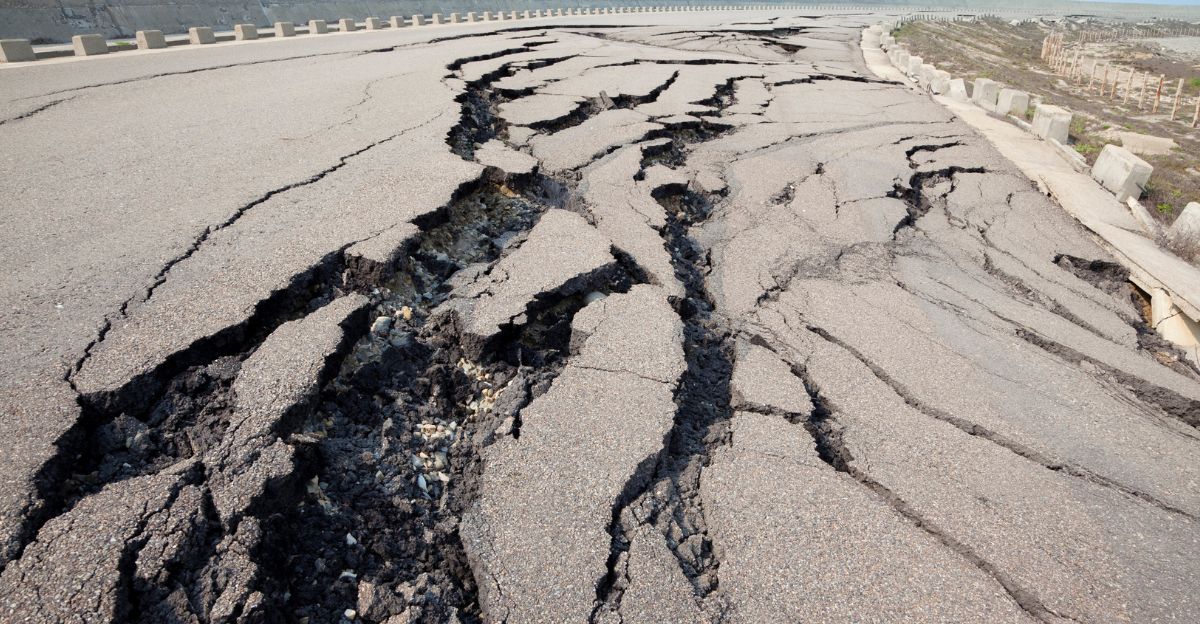
Scientists urge California to revise hazard maps and building codes to account for the extreme shaking caused by supershear quakes.
They recommend advanced simulations and denser seismic monitoring near hazardous faults, emphasizing the need for collaborative action among agencies.
Current building codes do not specifically account for the amplified ground motion characteristics unique to supershear events, creating a gap in structural safety standards that researchers would like to see addressed.
Catastrophic Damage
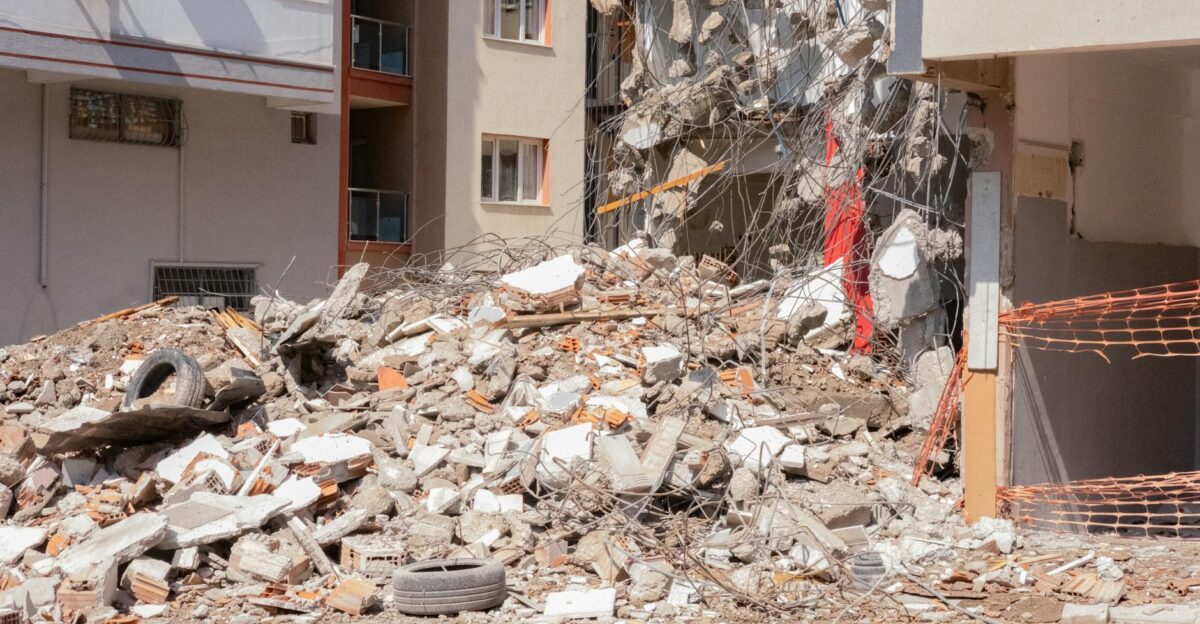
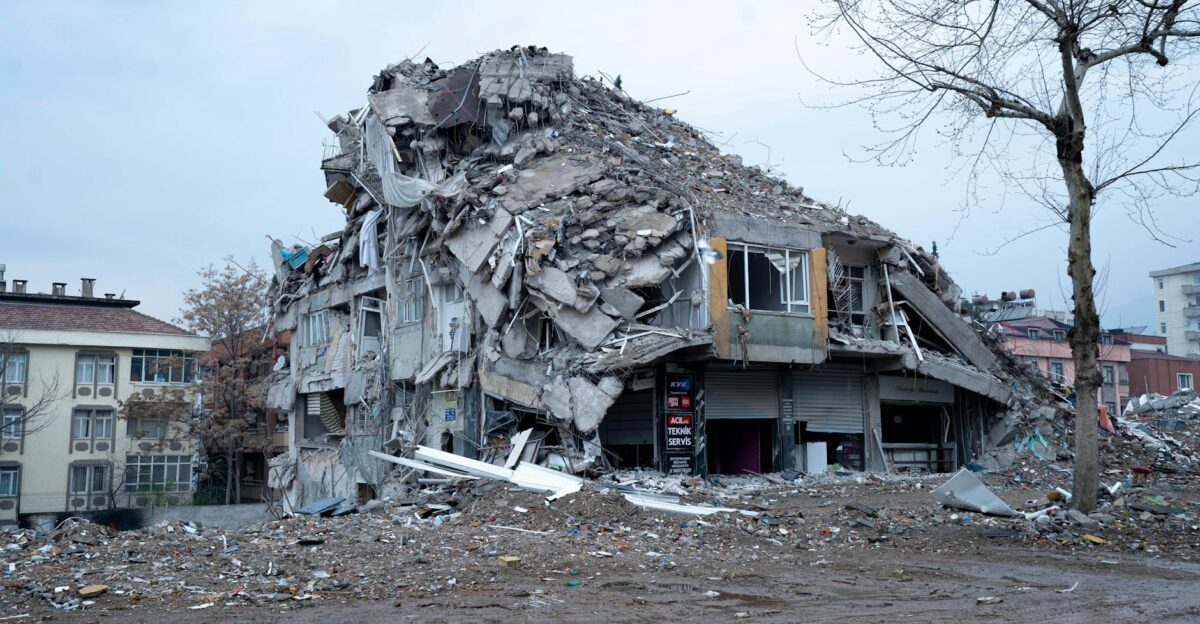
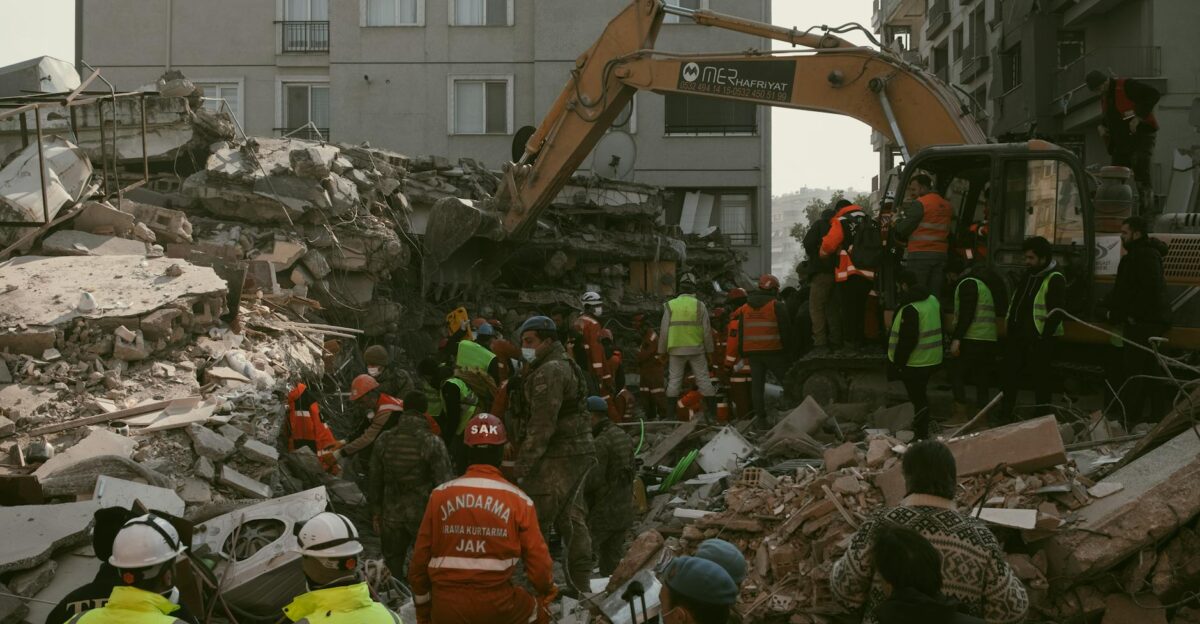
Globally, supershear earthquakes have caused catastrophic damage, as seen in Turkey and Syria in February 2023, where two major supershear quakes killed at least 58,000 people.
California’s urban density and infrastructure vulnerability make the state especially susceptible to similar large-scale impacts if preparedness lags.
Both California’s San Andreas and Turkey’s East Anatolian fault systems share structural characteristics that enable supershear ruptures.
Double Strike
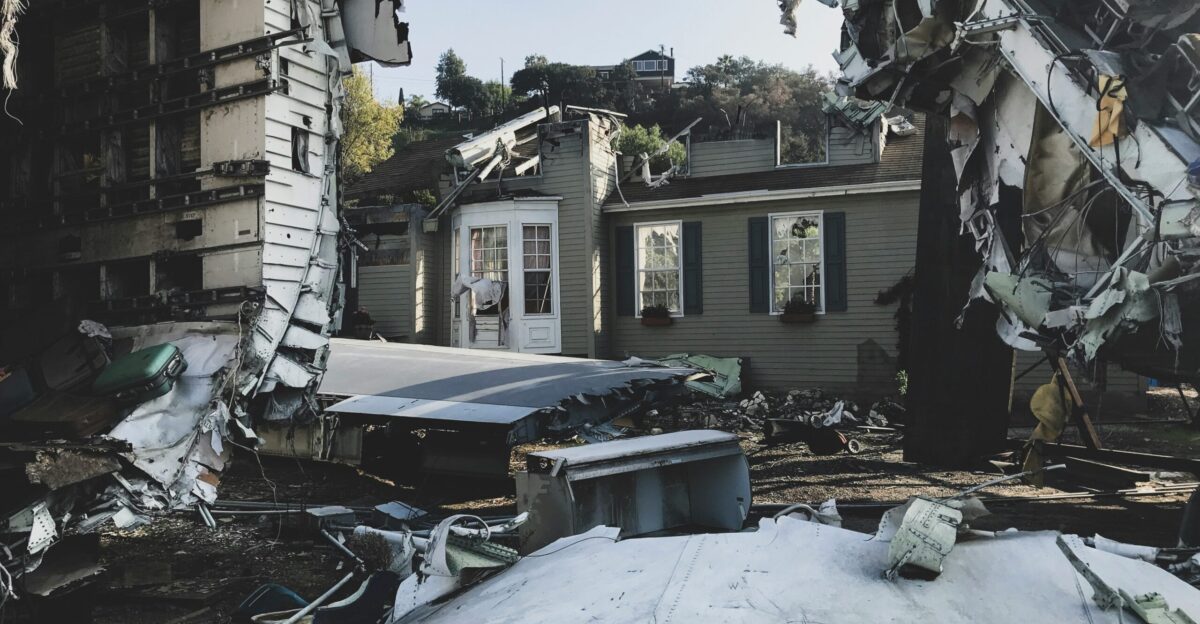
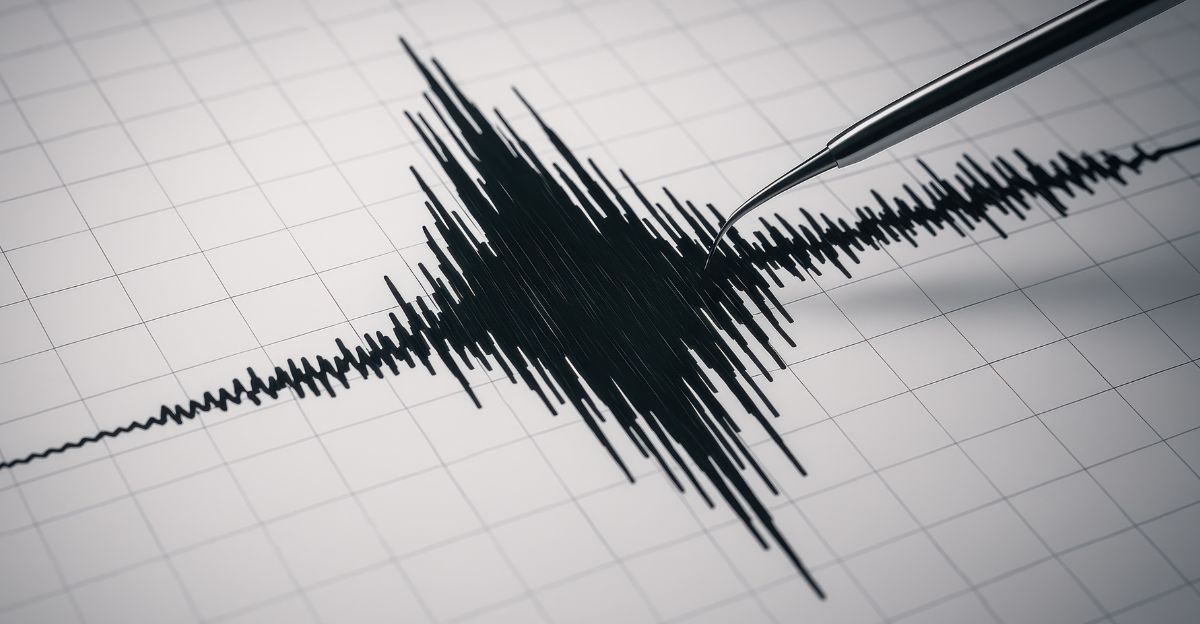
Supershear quakes deliver a “double strike”—an initial shock front followed by trailing waves, spreading intense shaking farther than typical earthquakes.
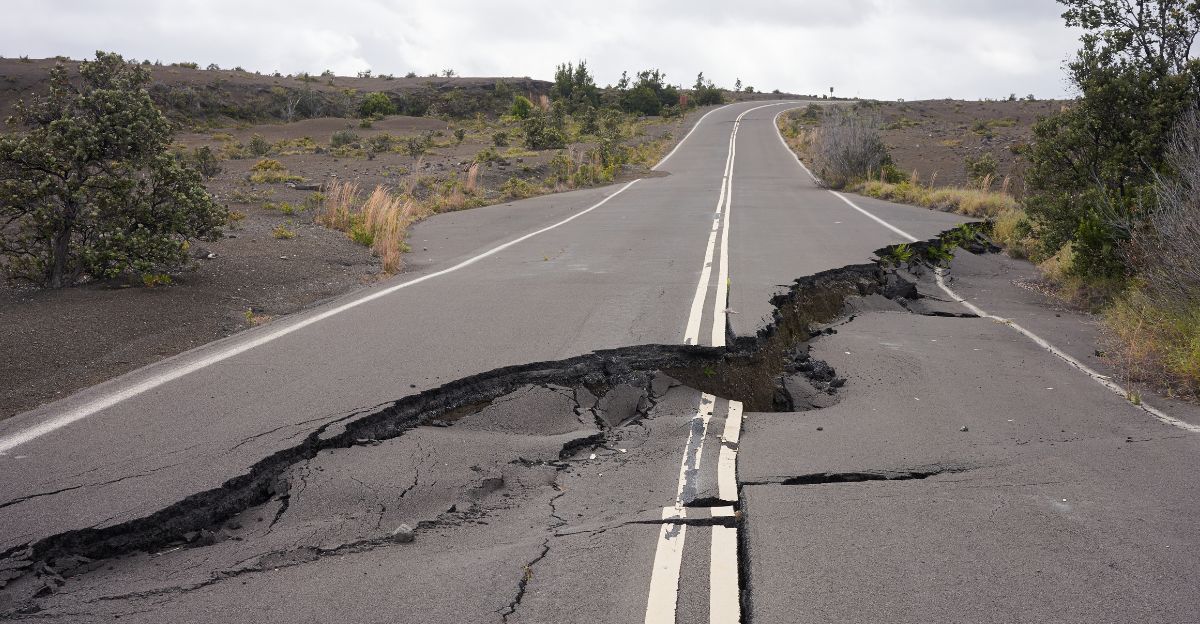
This phenomenon can trigger secondary hazards, such as landslides and fires, thereby compounding the risk for affected communities.
The dual-wave pattern creates prolonged shaking duration and expanded areas of strong ground motion, challenging conventional emergency response planning designed for standard earthquake scenarios.
Stakeholder Debate
Some experts, such as Thorne Lay of UC Santa Cruz, argue that limited funding should prioritize fortifying structures known to be vulnerable, regardless of the type of quake.
He questions whether supershear-specific upgrades warrant priority over general seismic retrofits. This internal debate highlights tension over resource allocation and risk mitigation strategies.
Leadership Shift
Ahmed Elbanna, director-designate of the Statewide California Earthquake Center (SCEC), is leading efforts to model supershear scenarios and advocate for policy changes.
Appointed in 2024 to assume the directorship in January 2026, his leadership signals a renewed focus on advanced research and community engagement in earthquake preparedness, with particular emphasis on incorporating supershear dynamics into hazard assessments.
Infrastructure Investments
California’s ShakeAlert earthquake early warning system continues to expand, with over 1,500 seismic stations now operational and a goal of 1,675 stations by 2025.
The system received major upgrades in 2024, incorporating real-time satellite data to improve earthquake magnitude detection.
Additionally, the state allocated over $20 million in 2025 for seismic retrofit grants through the Earthquake Brace + Bolt program, expanding eligibility to rental properties for the first time.
Expert Outlook
While some scientists remain skeptical about whether supershear quakes are inherently more destructive than conventional earthquakes, consensus is growing that building codes and infrastructure standards must evolve to address emerging threats.
Ongoing research seeks to clarify uncertainties about ground motion amplification, structural response, and risk assessment methodologies.
The scientific community continues debating how to balance supershear-specific preparedness with broader seismic resilience investments.
Predictions

Experts predict multiple magnitude 7+ earthquakes in California over the coming decades. The question remains: will communities and policymakers act quickly enough to mitigate the risks posed by supershear ruptures?
Researchers emphasize that whether future major earthquakes exhibit supershear characteristics or not, California’s aging infrastructure and building stock require comprehensive seismic upgrades to protect millions of residents from potentially catastrophic damage.
Policy Considerations
Building code updates face complex political and economic considerations as California balances seismic safety with housing affordability.
The 2025 California Building Code, effective January 2026, includes updated seismic requirements, though debate continues over whether supershear-specific provisions should be incorporated.
Assembly Bill 306, which would freeze building standards through 2031 to address housing costs, illustrates the tension between advancing safety regulations and managing construction expenses.
International Context
Japan and Turkey, facing similar earthquake risks, maintain disaster preparedness partnerships with California. Japan and California have collaborated on earthquake early warning systems and seismic technology since at least 2007, while Turkey and Japan formalized disaster reduction cooperation in 2018.
While specific evidence of international monitoring of California’s supershear response is limited, these nations share research findings and best practices for fault systems with comparable supershear potential.
Legal Framework
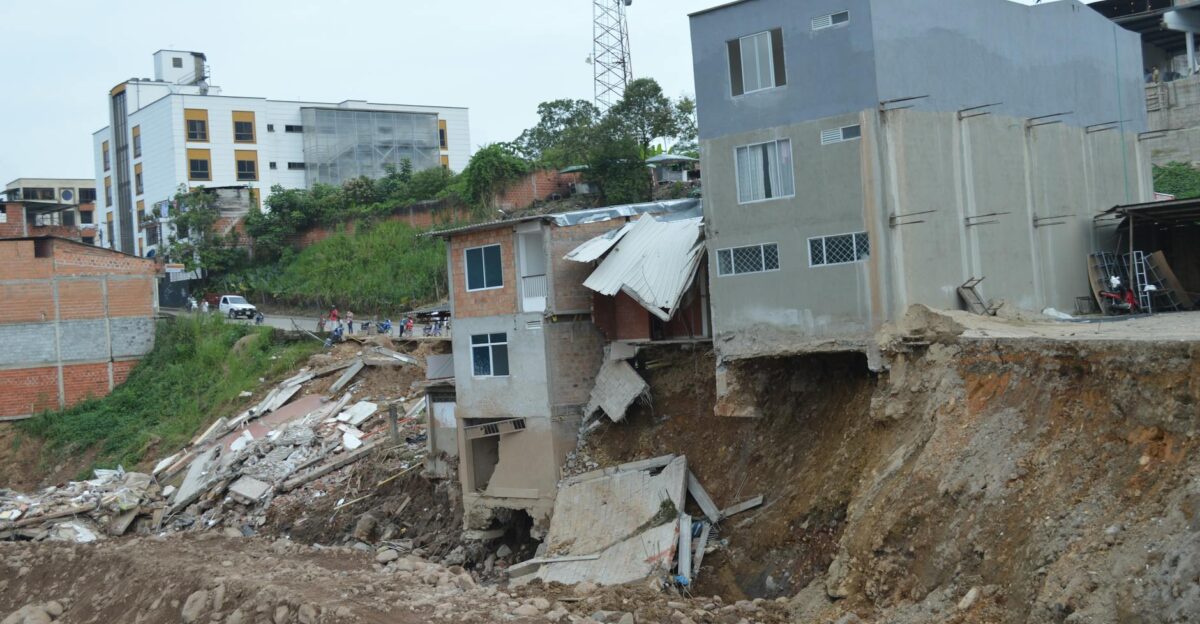
Supershear earthquakes can trigger cascading hazards, including landslides and utility failures. California law establishes liability frameworks for earthquake damage related to building code compliance and structural safety.
Property owners, landlords, and developers face potential legal exposure if structures fail to meet seismic standards.
The 2025 expansion of retrofit grant programs to rental properties reflects growing recognition that seismic safety carries both legal and ethical obligations.
Public Awareness

Public earthquake preparedness awareness continues evolving through initiatives like the Great California ShakeOut, which engaged over 10.6 million participants in 2024, including 5.5 million K-12 students. Community groups and schools are launching new preparedness campaigns.
The California Governor’s Office of Emergency Services introduced the Fourth Grade Preparedness Ambassadors Program in 2025, incorporating earthquake readiness into educational curricula and emphasizing the importance of preparedness for all types of earthquakes.
Broader Reflection
The supershear research represents an evolving understanding of California’s seismic risks rather than the discovery of an entirely new threat.
As scientists, officials, and residents integrate new findings into existing preparedness frameworks, the conversation is shifting toward comprehensive resilience that addresses both conventional and supershear earthquake scenarios.
The ultimate goal remains protecting millions of Californians through evidence-based policy, robust infrastructure, and informed public readiness.