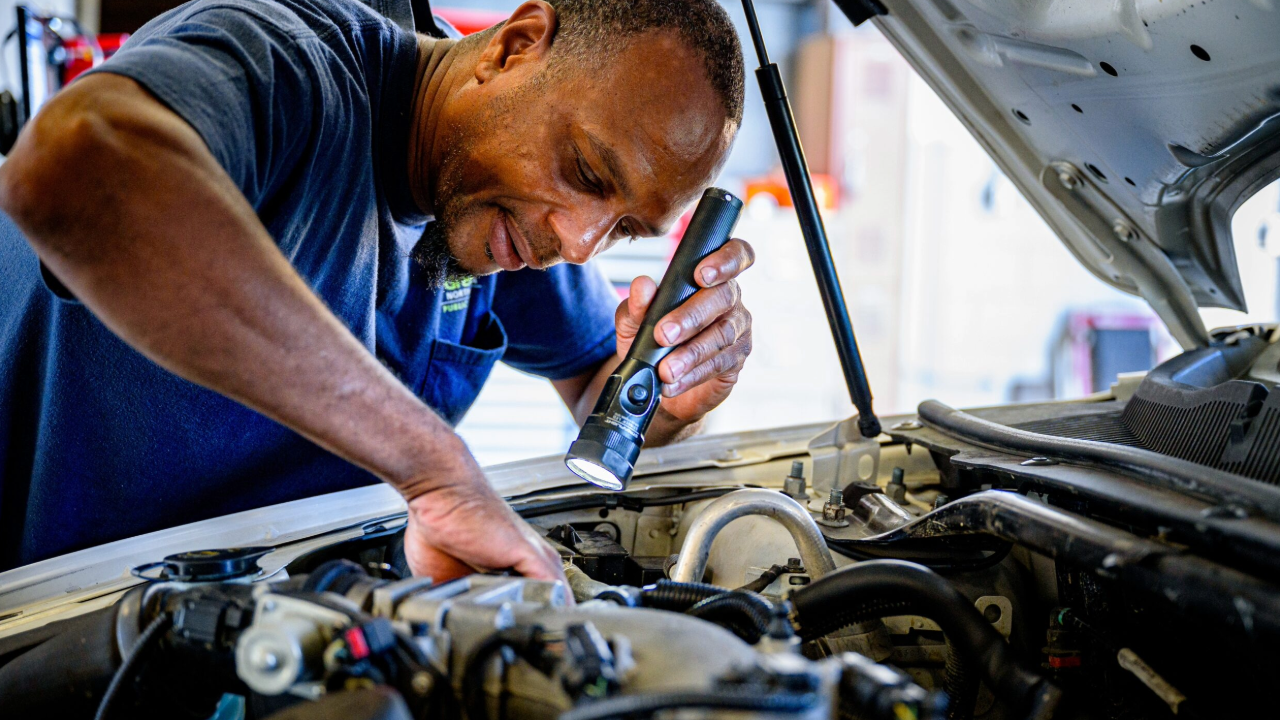
Luxury badges once signaled peace of mind, but 2026 data tells a different story. Consumer Reports and J.D. Power now show premium vehicles breaking down more often than budget rivals. Owners report soaring repair bills, software failures, and battery issues across trusted brands. This gallery reveals the 10 least reliable cars you can buy today, and why expectations collapsed so quickly. Let’s look into this deeper.
The Data That Shook Automakers
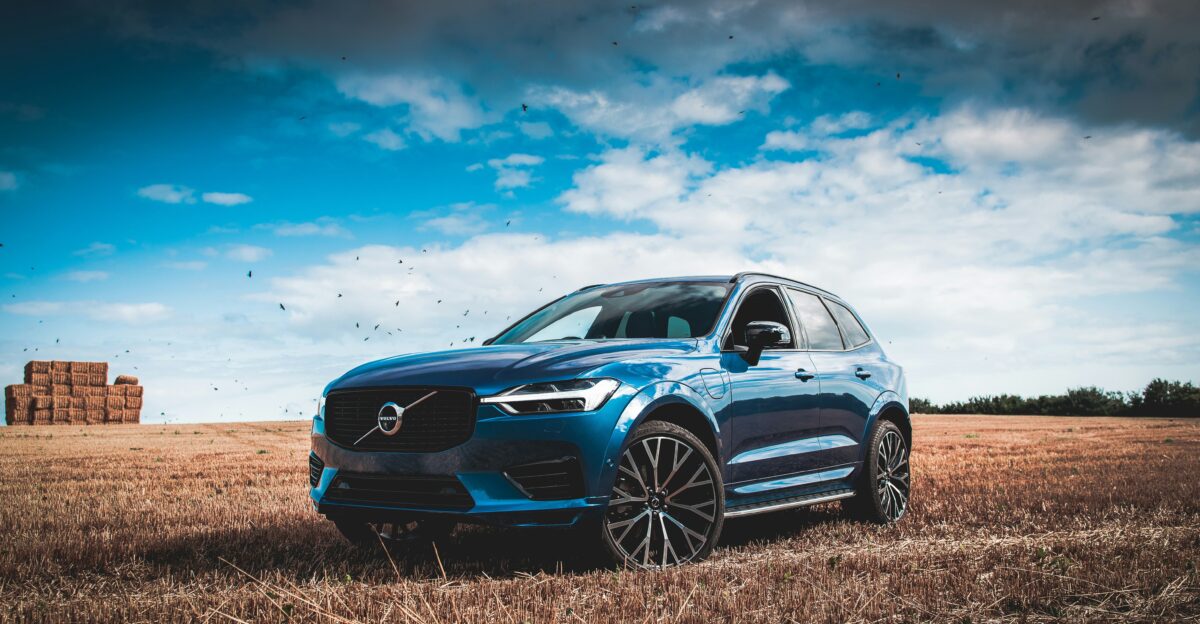
In 2023, J.D. Power surveyed 93,380 new vehicle owners, its largest reliability study in 37 years. Premium brands crowded the bottom. Volvo and Chrysler tied at 250 problems per 100 vehicles, far worse than the 192 average. By 2025, Audi plunged to 269 problems per 100 vehicles, the worst ever recorded. The trend was undeniable, and consequences soon followed.
Why Modern Tech Is Failing Drivers

Advanced technology promised convenience, yet created failure points. Vehicles using Android Automotive OS without Google Services logged 51.1 problems per 100 vehicles, compared with 29.6 for cars without it. Software glitches, frozen screens, and sensor failures dominate complaints. Luxury brands pack in more tech, multiplying risk. Simpler vehicles stay reliable, quietly outperforming their high tech rivals, a gap buyers rarely anticipate.
Electric Dreams Meet Repair Reality
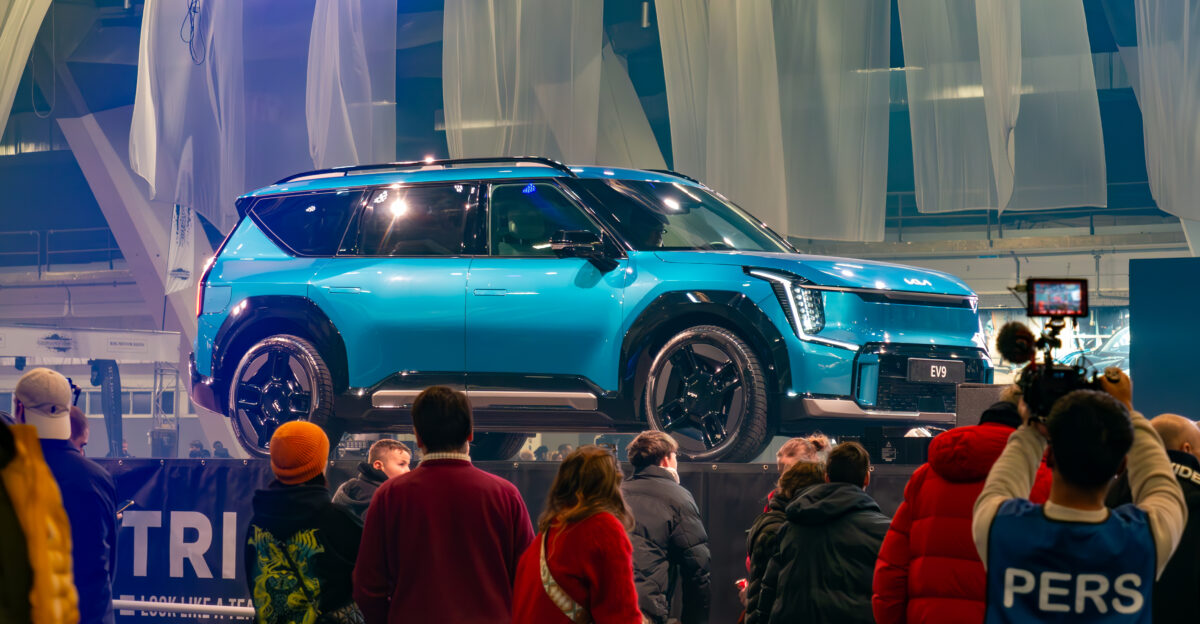
Electric vehicles promised fewer moving parts, yet delivered more problems. Consumer Reports 2026 shows 7 of the 10 least reliable cars are electric or plug in hybrids. Battery failures, charging faults, and motor issues cost owners thousands. One Kia EV9 owner needed a $15,000 battery replacement at 18 months, equal to ZAR 280,000. The future arrived early, but readiness lagged badly.
Financing Turns Failure Into Crisis
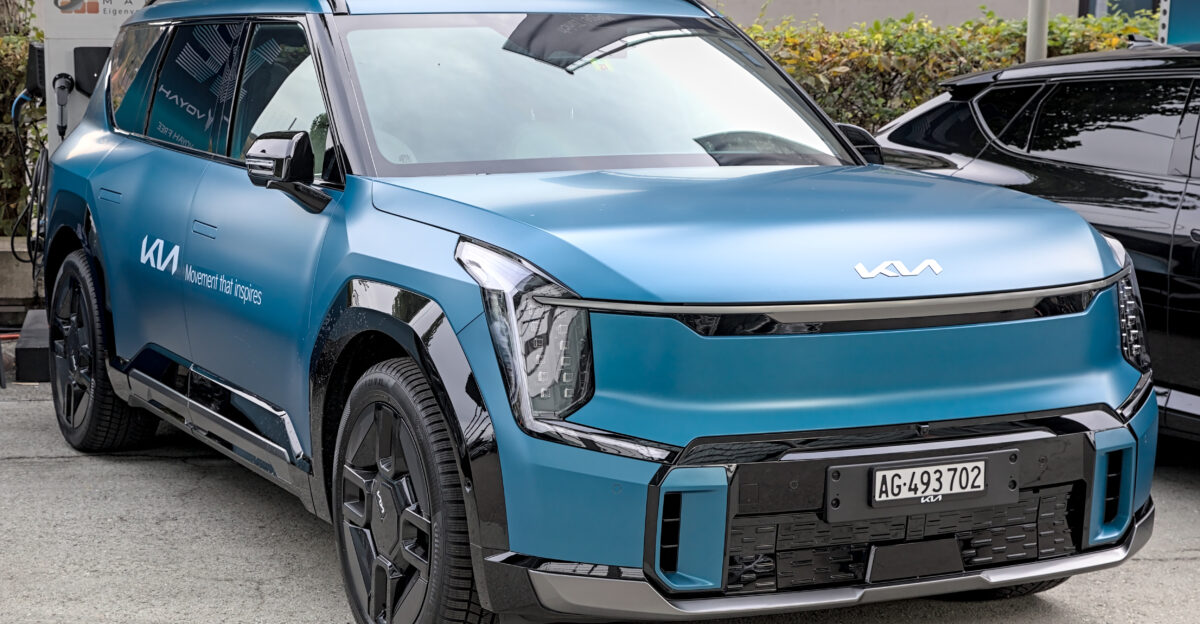
Most U.S. buyers finance cars for 60 to 84 months. Imagine transmission failure at month 22 while payments continue. Owners of low scoring models report exactly that scenario. Transmission replacements cost $3,500 to $8,000, or ZAR 65,000 to 150,000. Failures often appear after warranties expire, trapping families with loans on unusable vehicles. That risk shapes everything that follows next.
How These Rankings Were Determined
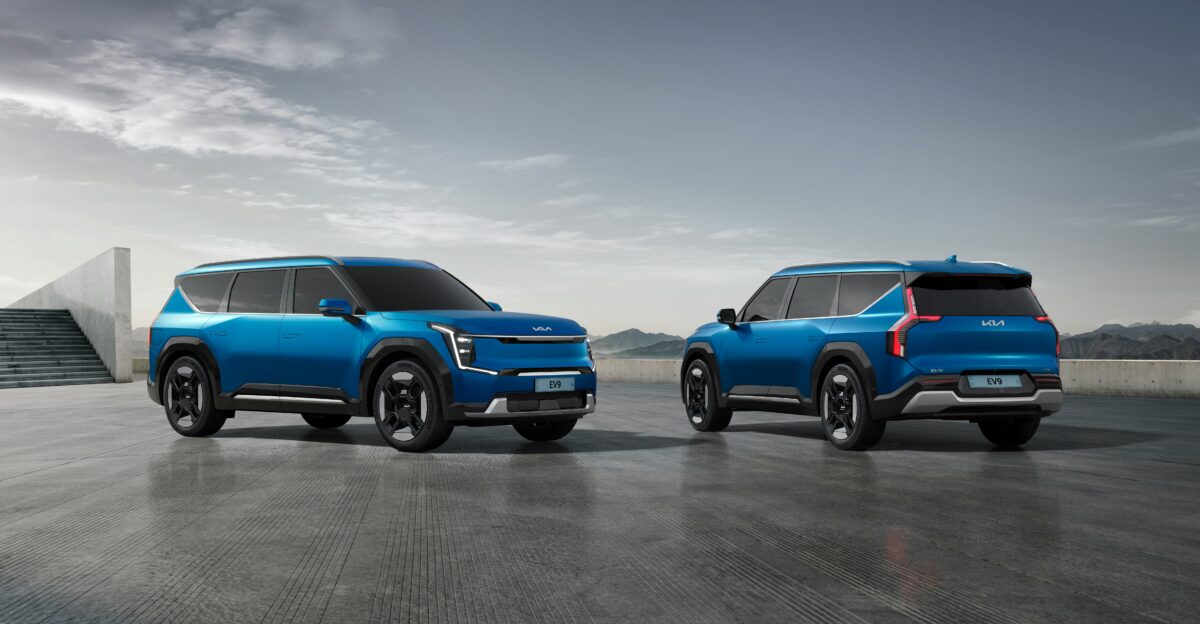
These 10 vehicles hold the worst predicted reliability scores in Consumer Reports’ 2026 Automotive Report Card. Ratings combine owner reported problems, repair frequency, and repair costs across thousands of vehicles. Scores range from 26 out of 100 to a disastrous 14. These are not isolated complaints but repeat patterns. Each model below shows what happens when design ambition outruns durability.
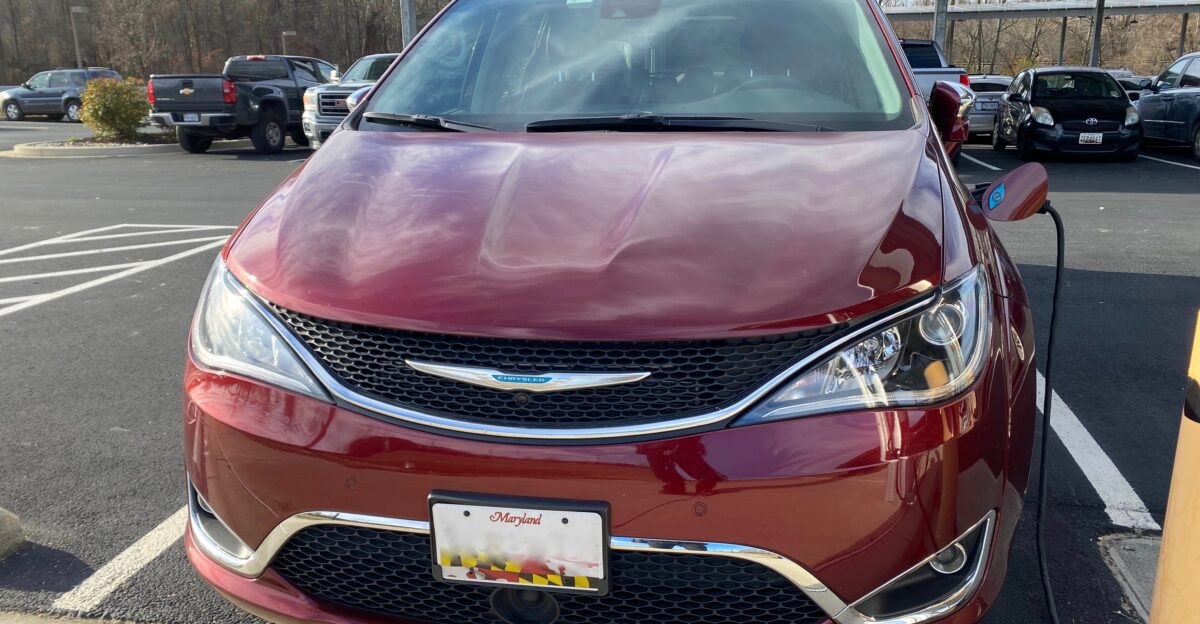
#10 Chrysler Pacifica Hybrid Reliability Score 26/100
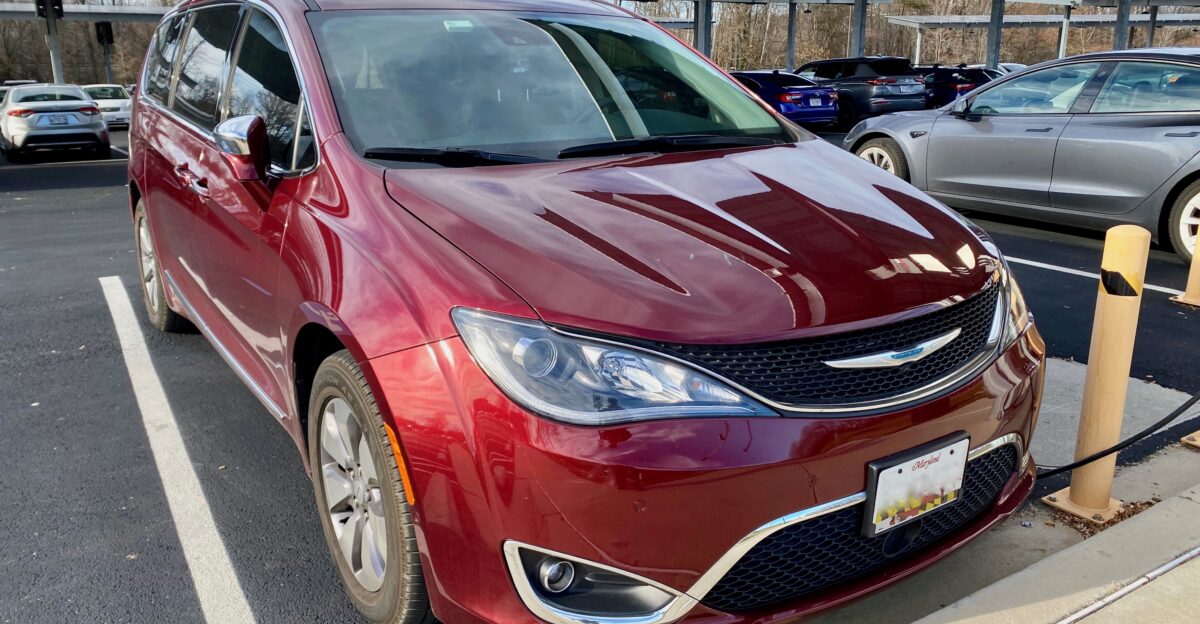
Chrysler marketed the Pacifica Hybrid as a family breakthrough. Owners report transmission failures, engine issues, and charging system breakdowns instead. Minivans refusing to start mid trip are common complaints. Battery replacements exceed $12,000, or ZAR 224,000. The plug in system meant to save fuel has become a costly liability. For parents, frustration replaced trust, and the pattern only worsens ahead.
#9 Honda Prologue Reliability Score 25/100
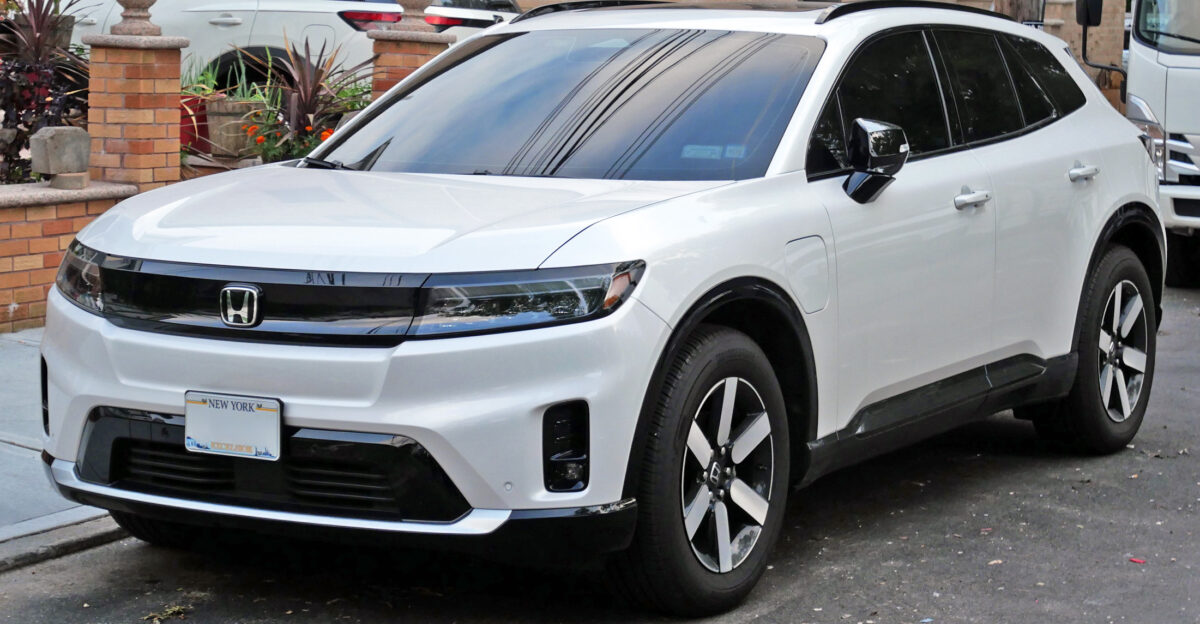
Honda’s electric Prologue was expected to uphold decades of reliability. Owners instead report battery degradation, charging failures, climate system breakdowns, and frozen touchscreens. Charging sessions often stop without warning. Introduced for 2024, its poor score shocked loyal buyers. Honda’s reputation magnified disappointment, turning high expectations into widespread frustration. The question now is how quickly confidence can be rebuilt.
#8 Kia EV6 Reliability Score 25/100
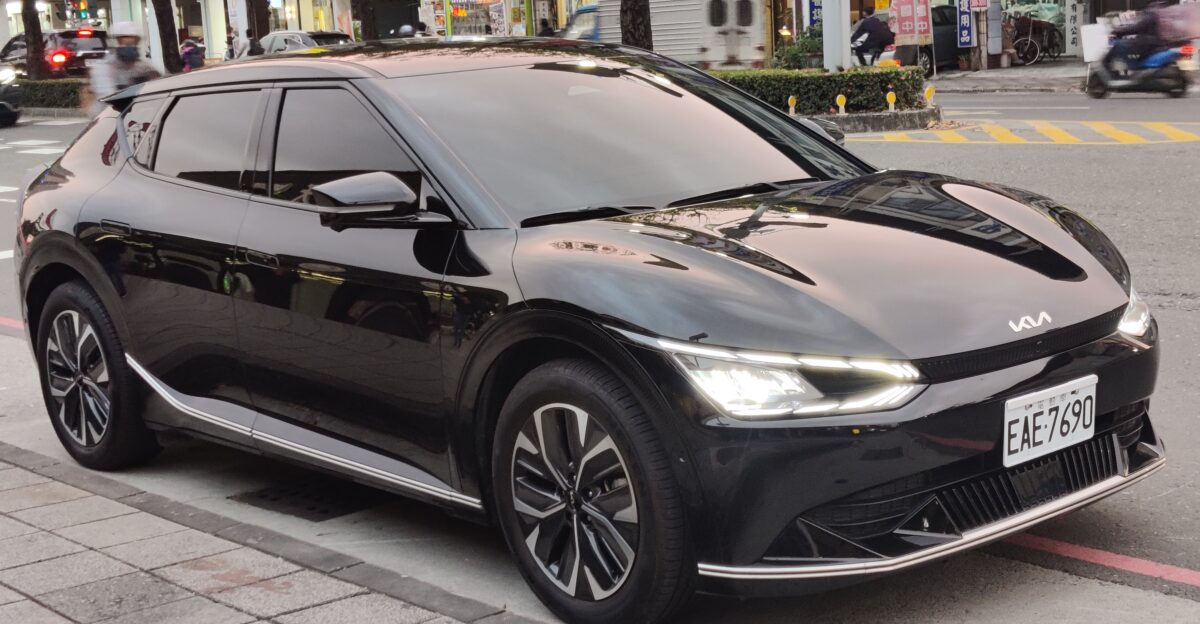
The Kia EV6 impressed with design and range, but reliability collapsed quickly. Owners report motor failures, brake issues, charging faults, and full battery replacements before loans end. One owner required a battery swap at 22 months. Hundreds cite charging interruptions. Kia’s rapid EV expansion delivered excitement, but durability lagged behind marketing promises. Style sold the car, repairs now define ownership.
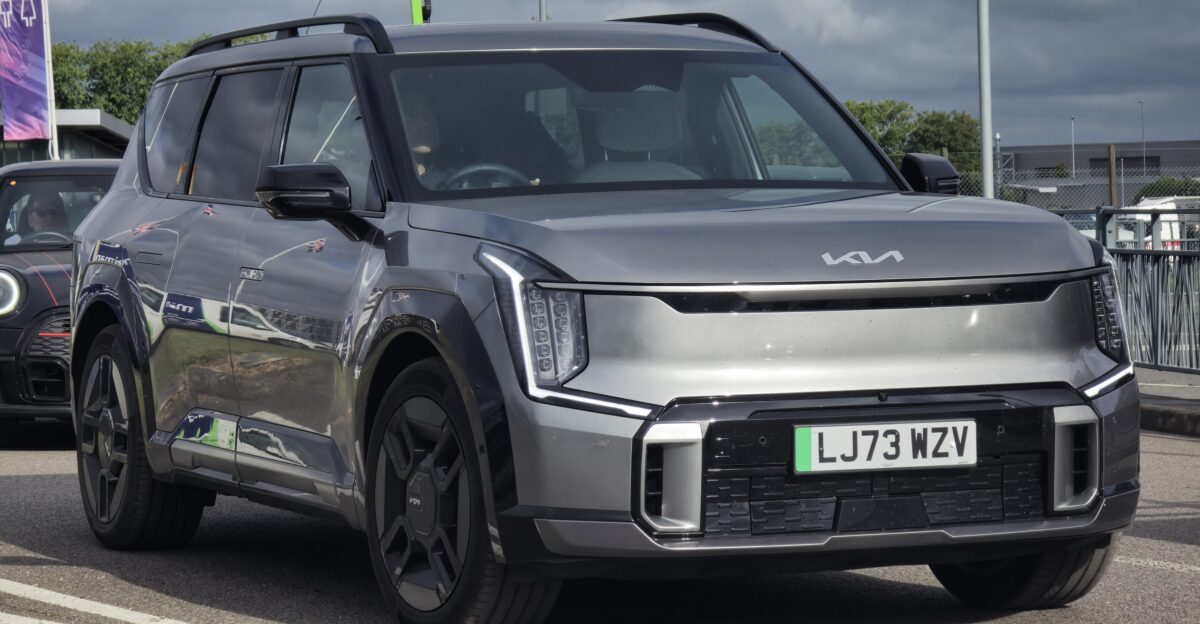
#7 Kia EV9 Reliability Score 24/100
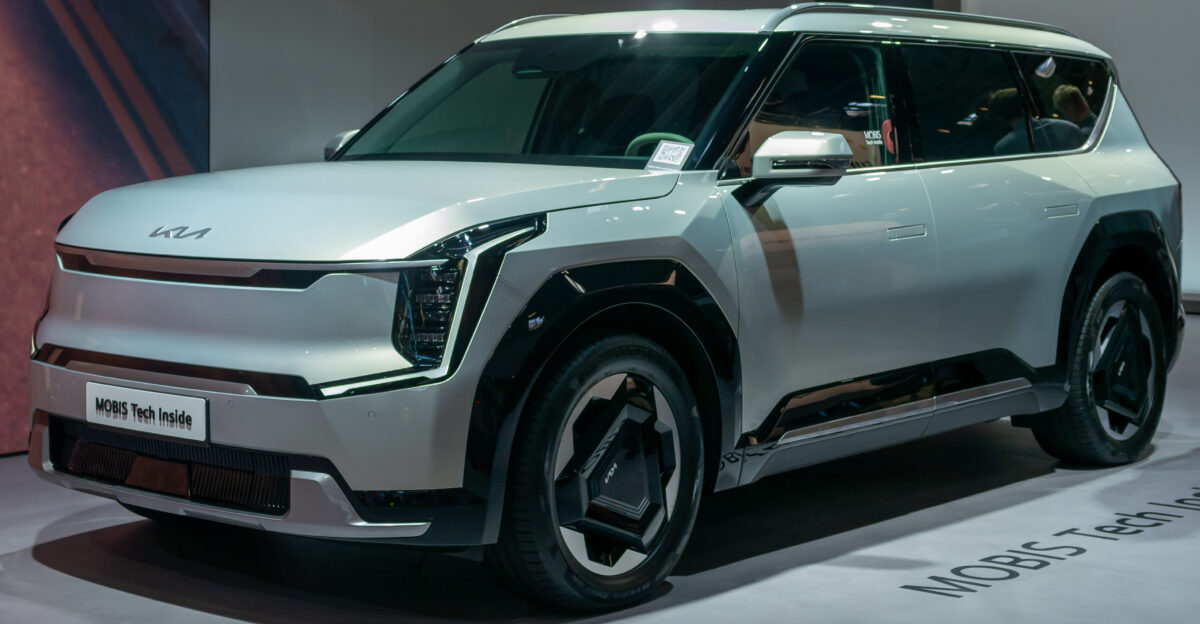
Kia’s three row EV9 targeted families needing space and electric efficiency. Instead, owners face repeated service visits for battery pack failures, electrical faults, climate problems, and infotainment glitches. Complete battery replacements are widely reported. At prices exceeding $70,000, or ZAR 1.3 million, expectations were high. Reliability did not follow. For families, convenience quickly turned into anxiety, raising concerns about long term ownership.
#6 Mazda CX-90 Gasoline Reliability Score 23/100
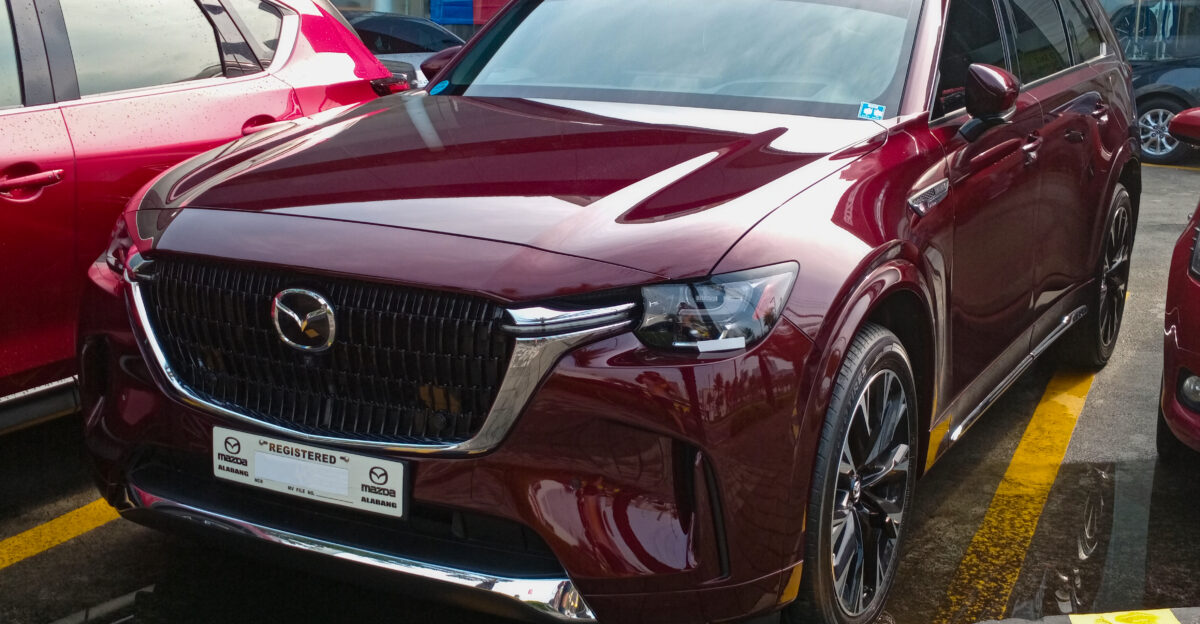
Even without electrification, the Mazda CX-90 struggles. Owners report timing chain issues, transmission leaks, steering faults, and infotainment failures. Mazda introduced new engine technology, but execution fell short. Repairs often take weeks due to parts shortages. A 23 out of 100 score damages Mazda’s reliability image severely. When traditional engines fail this often, it signals deeper development problems beneath the surface.
#5 Genesis GV60 Reliability Score 21/100
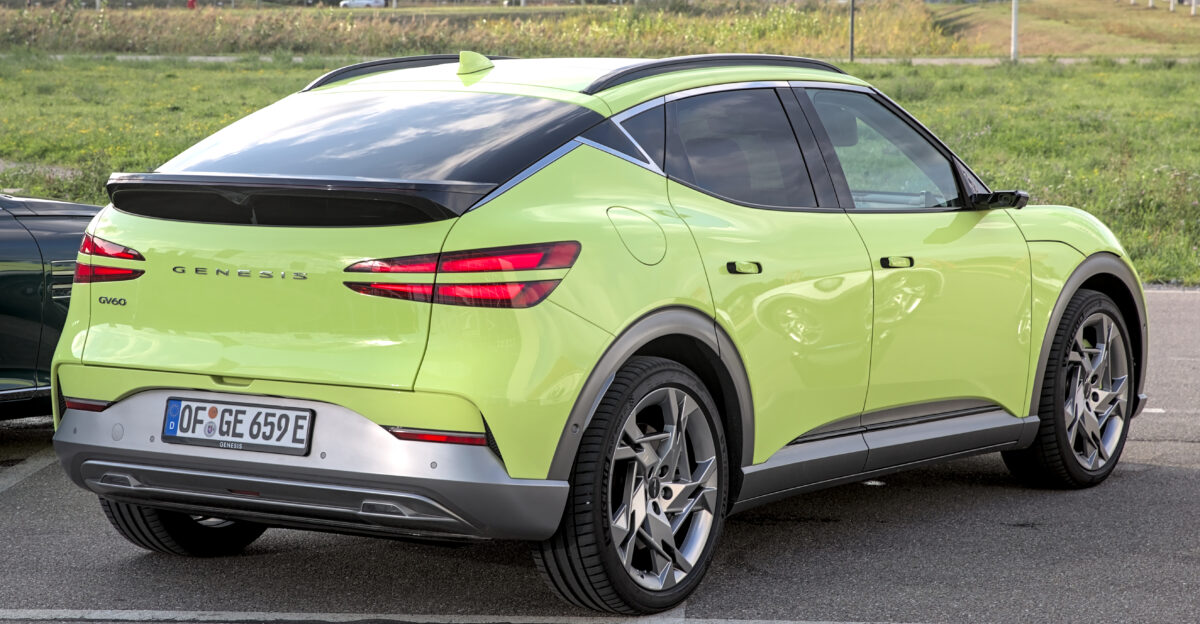
Genesis entered the EV market promising luxury engineering. GV60 owners report battery failures, charging issues, brake malfunctions, body hardware deterioration, and climate control faults. One owner documented 8 service visits in 14 months. At 21 out of 100, reliability barely avoids catastrophic. Luxury pricing without dependable performance undermines Genesis’s brand ambitions. Premium buyers expected refinement, not frequent dealership visits and mounting frustration.
#4 Mazda CX-90 Plug In Hybrid Reliability Score 20/100
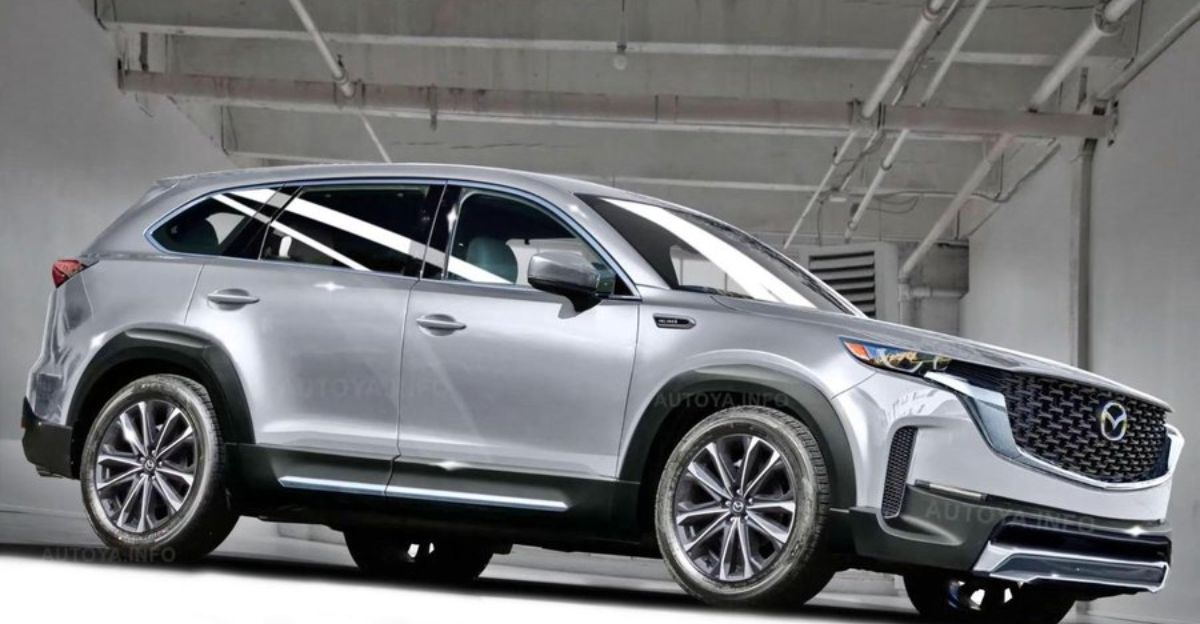
The plug in hybrid CX-90 delivers the worst of both worlds. Owners face gasoline engine problems alongside EV battery and motor failures. Transmission and steering issues compound repair complexity. Diagnosing two powertrains drives costs upward. One owner spent $18,000 on repairs in 2 years, equal to ZAR 336,000. Hybrid efficiency promised savings, but multiplied failure points instead, alarming even loyal Mazda customers.
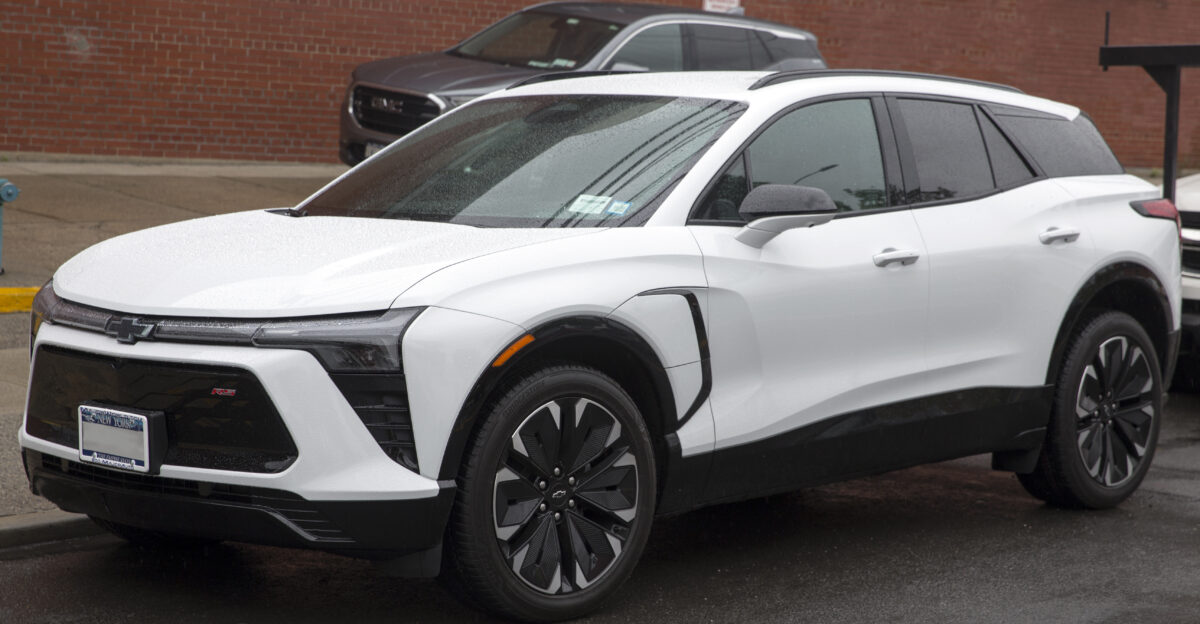
#3 Chevrolet Blazer EV Reliability Score 19/100
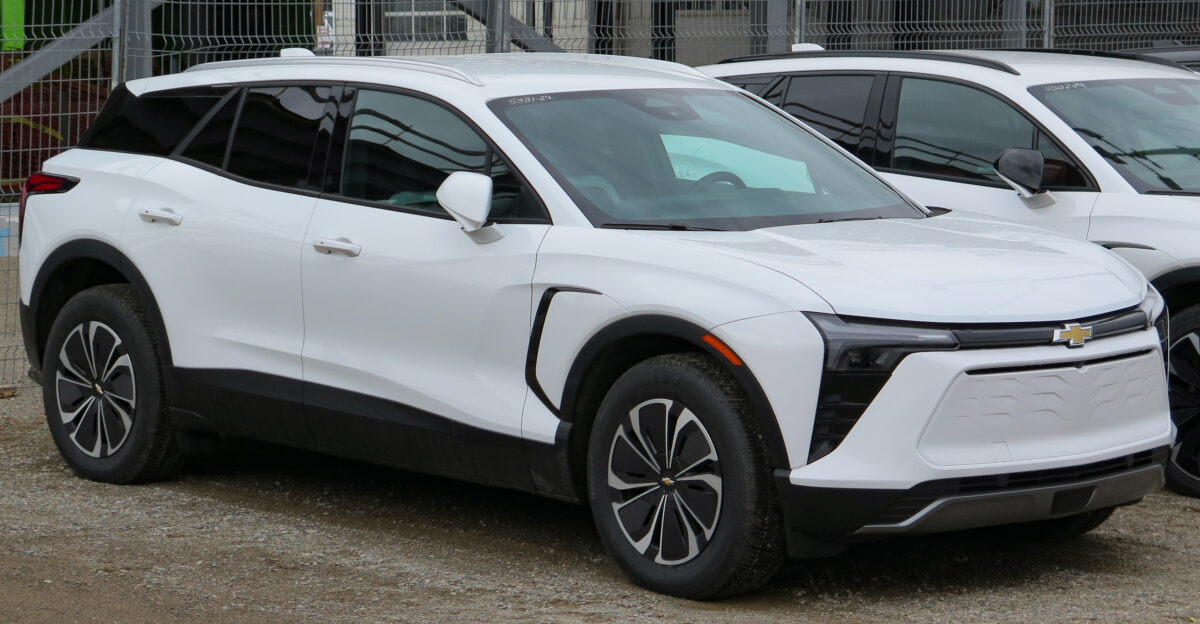
Chevrolet’s Blazer EV aimed to make electric driving mainstream. Owners report battery failures, frozen displays, climate breakdowns, and unusual 12 volt battery problems. Vehicles shutting down mid drive appear repeatedly in complaints. A 19 out of 100 score so early signals foundational design issues. General Motors’ rush to expand EV offerings sacrificed reliability, leaving owners feeling like unwilling test drivers for unfinished technology.
#2 Rivian R1T Reliability Score 18/100
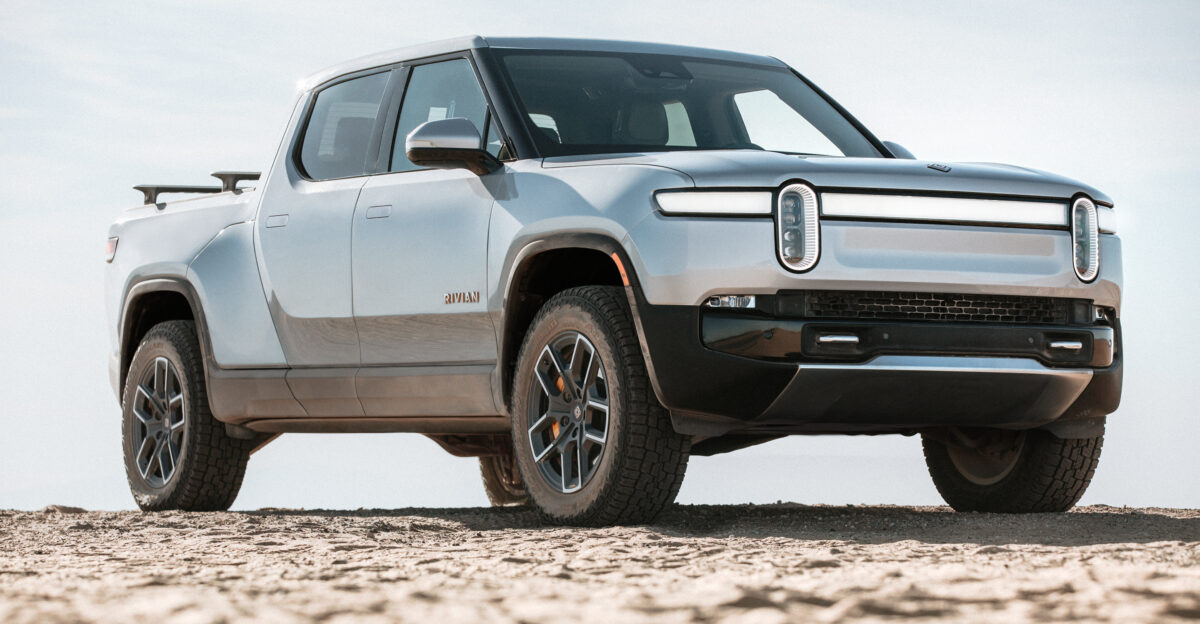
Rivian’s R1T promised adventure and innovation. Owners report battery failures, suspension problems, motor faults, door handle failures, and trim defects. Some batteries fail within 2 years, stranding vehicles costing over $80,000, or ZAR 1.5 million. One owner called it “a rolling beta test.” At 18 out of 100, Rivian’s startup growing pains remain painfully visible to buyers.
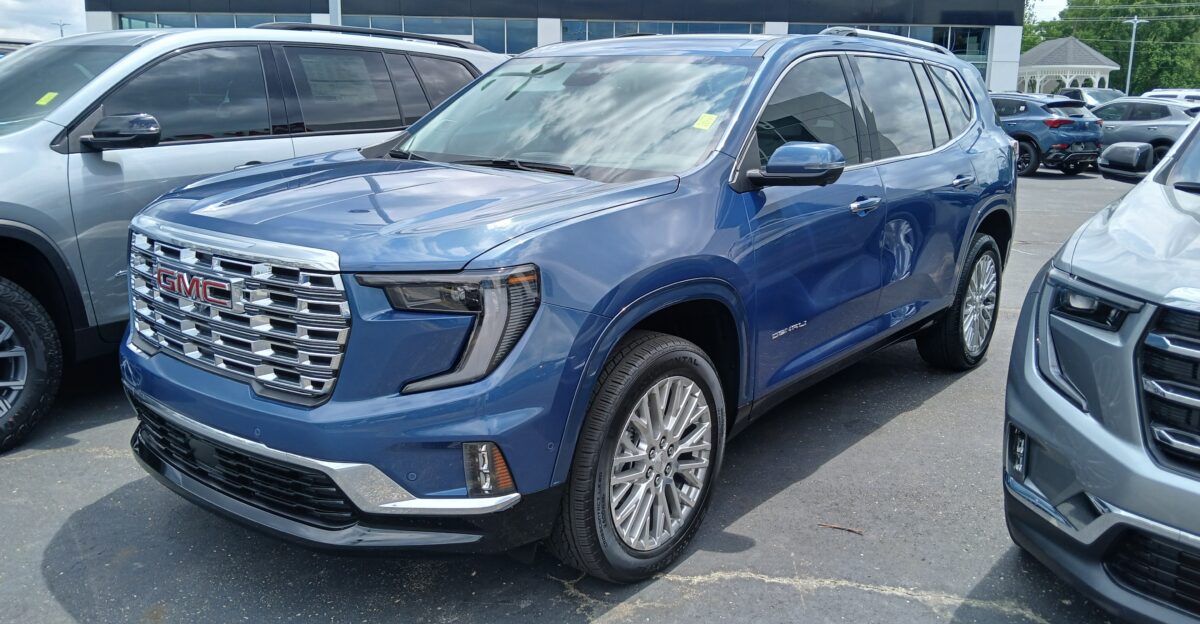
#1 GMC Acadia Reliability Score 14/100
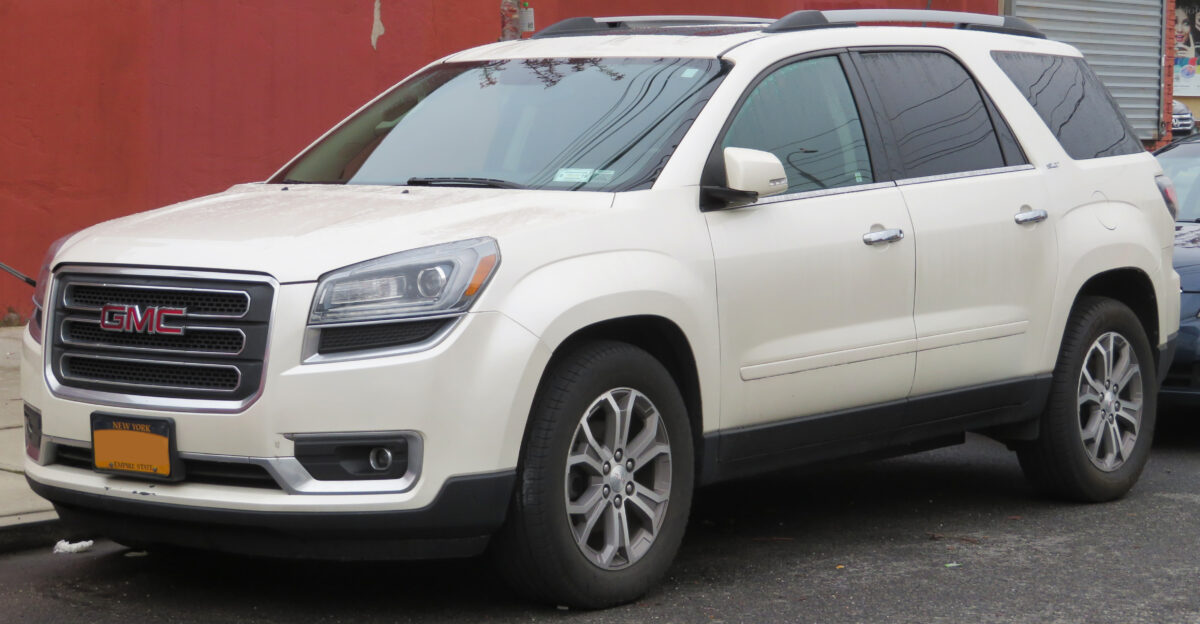
The GMC Acadia ranks as the least reliable vehicle available. Transmission leaks, catastrophic failures, brake issues, and electrical problems plague owners. Transmissions often fail between 40,000 and 80,000 miles, usually outside warranty. Replacements reach $8,500, or ZAR 158,500. Families report monthly repair bills up to $1,200. At 14 out of 100, the Acadia is fundamentally broken.
A Pattern Too Clear To Ignore
All 10 vehicles share striking similarities. Seven are electric or plug in hybrids, showing unresolved reliability challenges. Premium and mid range brands dominate, contradicting decades of marketing. Infotainment systems, batteries, and transmissions fail repeatedly across brands. Manufacturers prioritized speed and features over durability. The data sends one clear message: early adoption often means expensive lessons for buyers.
What Smart Buyers Should Do Now
Avoid these 10 vehicles if buying new in 2026. Used shoppers should demand full service records and inspections. Proven platforms with simpler technology often outperform newer designs. The safest choice is not the newest badge or feature set, but mechanical maturity. Consumer Reports and J.D. Power data consistently show reliability saves money long after showroom excitement fades.
Brands That Still Deliver Dependability
Toyota, Lexus, Subaru, and Honda rank highest for reliability in Consumer Reports 2026. Ram trucks and Porsche also score strongly. These brands either delayed EV expansion or engineered systems thoroughly before release. Choosing a reliability leader reduces financial risk dramatically. You may miss flashy features, but dependable transportation protects budgets and peace of mind, something marketing rarely highlights loudly.
The Final Takeaway For Car Buyers
These 10 vehicles represent reliability at its lowest point. Financing or buying used without checking data risks years of stress. Trusted brands rushed technology to market and owners paid the price. Reliability scores exist to protect buyers from costly mistakes. Check them before signing anything. Your future self will appreciate fewer repairs, fewer bills, and far fewer regrets.
Sources:
“Top 10 Least Reliable 2026 Models According to Consumer Reports.” GuideAutoWeb, December 4, 2025.
“See list of top 10 least reliable cars by Consumer Reports.” USA Today, December 18, 2025.
“2023 U.S. Initial Quality Study.” J.D. Power, June 2023.
“2025 U.S. Initial Quality Study Results.” J.D. Power, June 2025.