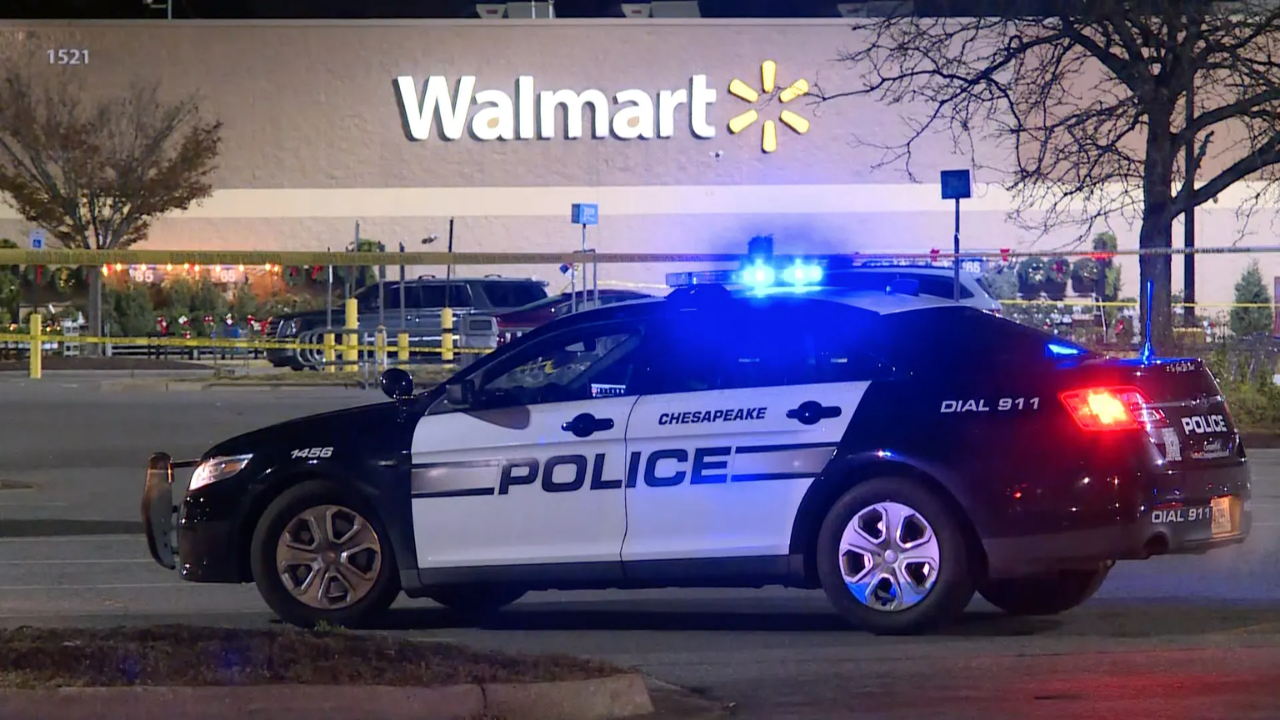
For years, the hum of self-checkout kiosks set the tone at the Walmart in Shrewsbury, Missouri. That changed in April 2024, when the store abruptly shut down the machines and returned fully to staffed lanes. Within months, the impact reached far beyond the aisles. Police calls linked to the store plunged, arrests fell, and one suburban outlet suddenly became a reference point in a growing national debate over theft, automation, and how retailers manage risk.
Why Walmart Reversed Course in One Store
Managers at the Shrewsbury Walmart had been confronting a steady rise in shoplifting tied to self-checkout. Customers were using the kiosks to skip scanning items, mislabel products, or walk out without paying, driving up losses and generating frequent confrontations.
In April 2024, the store removed the self-service machines and shifted back to traditional checkout lanes. The calculation was straightforward: the money saved through automation no longer outweighed the losses from theft and the strain on public safety. Management opted to prioritize control and supervision at the front of the store, even if it meant adding more labor costs and changing the routine for shoppers accustomed to scanning their own items.
The change made the Shrewsbury location one of a small number of outliers in a chain that has otherwise embraced automation. Instead of following the broader pattern, this store became an experiment in turning technology off.
Crime Metrics Shift for Store and City
The numbers that followed were striking. In the first five months after self-checkout was removed, calls from Walmart to Shrewsbury police fell 64 percent, dropping from 509 between January and May 2024 to 183 in the same period of 2025. Arrests tied to incidents at the store declined 55 percent, from 108 to 49.
Local officials described the shift as a major change in day-to-day policing. Walmart had been responsible for more than a quarter of all calls to the department—26 percent of 1,915 total calls—before the change. Afterward, its share declined to 11 percent, with overall calls to police also sliding to 1,662 over the comparable period.
Those figures highlight how one high-volume retail location can shape a city’s public-safety profile. When a single store accounts for such a large portion of police activity, any operational change at that site can alter the workload for officers and the way crime trends appear in official data.
Inside the Store: More Staff, Fewer Machines

On the sales floor, the decision meant taking out rows of self-checkout kiosks and bringing in more cashiers. Employees who once monitored banks of machines or handled exceptions now spend more time directly ringing up purchases. Shoppers queue at staffed lanes rather than scanning items themselves.
The shift is part of a targeted strategy. Walmart continues to use self-checkout in the vast majority of its more than 4,600 U.S. outlets, as well as in stores in Canada, Mexico, and other countries. At the same time, it is selectively scaling back automation in high-loss locations like Shrewsbury, where theft patterns or local conditions make human oversight more effective.
The company is pairing these store-by-store decisions with new tools, including artificial intelligence, radio-frequency identification tags, and “invisible” barcodes baked into packaging. Data from locations such as Shrewsbury help executives weigh which mix of technology, staffing, and security best limits losses while maintaining throughput.
Ripple Effects for Retailers, Workers, and Lawmakers
Other chains are facing similar tradeoffs. Target has set limits on how many items customers can bring through self-checkout, while various retailers have locked up frequently stolen goods or added more employees to monitor those areas. The underlying concern is “shrink”—inventory losses from theft, error, and damage—which some retailers say can reach 3.5 to 4 percent of sales at self-service lanes, compared with under 1 percent at fully staffed checkouts.
Those losses carry wider consequences. When shrink rises, companies may absorb the hit, raise prices, or cut back in other areas. In Shrewsbury, fewer theft incidents meant Walmart spent less on in-store security and staff time devoted to apprehending suspects, while the city devoted fewer resources to responding to calls and processing arrests. That can ease pressure on municipal budgets and, indirectly, on local taxpayers.
The human effects are mixed. Officers have more time for broader community work rather than repeatedly responding to the same location. Store employees contend with busier checkout lines but fewer tense encounters over suspected theft. For shoppers, the experience now centers on face-to-face interaction, which some prefer for accuracy and service, even as others miss the perceived speed and control of scanning their own items. Surveys cited in the broader industry discussion suggest traditional checkout often ranks higher for satisfaction and loyalty, particularly when customers are making large or complex purchases.
At the policy level, rising theft at self-checkout has sparked proposals in some states and cities to limit which products can be purchased at kiosks, require more employee oversight, or restrict the number of self-service registers. Large chains, including Walmart and Target, have opposed strict mandates, arguing that they would increase costs and slow the shopping process.
A Broader Debate Over Automation and Trust

Shrewsbury’s experience feeds into a larger cultural argument over automation and responsibility. Industry surveys have reported that tens of millions of Americans acknowledge taking items without paying at self-checkout, raising questions about how much retailers can rely on the honor system when staff are scarce and machines are plentiful.
Retailers are trying to strike a balance. Technology companies that build security systems, point-of-sale equipment, and package-level tracking tools stand to gain as stores invest in new ways to deter theft. Job seekers may find more opportunities in roles once assumed to be shrinking as kiosks spread. Consumers, meanwhile, are urged by some industry voices to favor staffed lanes, both to reduce scanning errors that can lead to disputes and to support a service model that relies more on people than on machines.
For Walmart and other major chains, the Shrewsbury case shows that turning off self-checkout can quickly reshape crime statistics and policing demands, at least in certain locations. It also underscores that decisions about automation are not only about efficiency and convenience but about trust, fairness, and the social costs of retail theft. As companies refine their strategies store by store, the balance they strike between technology and human presence will help define what shopping—and public safety around large retail hubs—looks like in the years ahead.
Sources
Shrewsbury Police Department
Police Chief Statement
Grabango
Progressive Grocer LendingTree
Capital One Shopping