Nature’s deadliest arsenal lurks in the shadows of oceans, forests, and deserts, where tiny creatures wield toxins far deadlier than cyanide. These biochemical marvels can paralyze nerves, shatter blood cells, and trigger organ collapse in minutes, turning encounters into life-or-death struggles.
Top Marine Killers
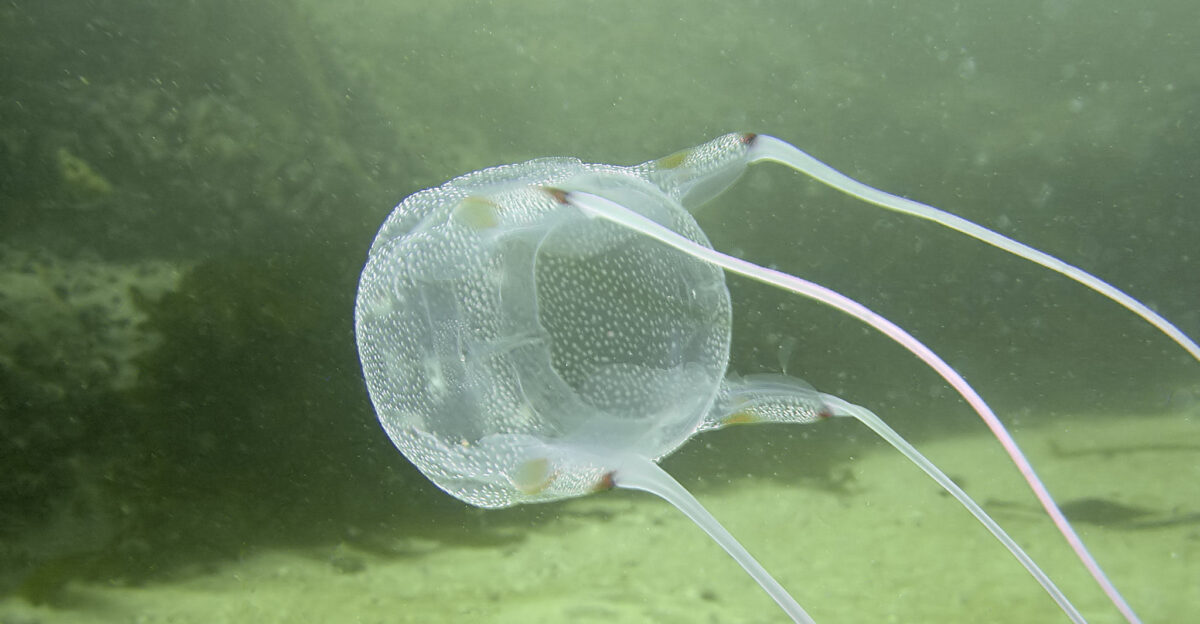
In tropical waters, the geographic cone snail packs over 200 conotoxins in a single drop of venom, enough to slay 20 humans through swift paralysis and respiratory arrest. No antivenom counters its strike. The box jellyfish, off Australia’s coasts, delivers venom lethal to 60 people, with death striking in two to five minutes; it has claimed 79 lives since 1883. Stonefish, masters of rocky camouflage, fire venom from 13 dorsal spines—fatal at just 18 milligrams—inflicting agony, breathing failure, and heart damage. Sea snakes across Indian and Pacific Oceans unleash neurotoxins and myotoxins, causing muscle breakdown and diaphragm paralysis, though bites stay rare.
Deadly Land Dwellers
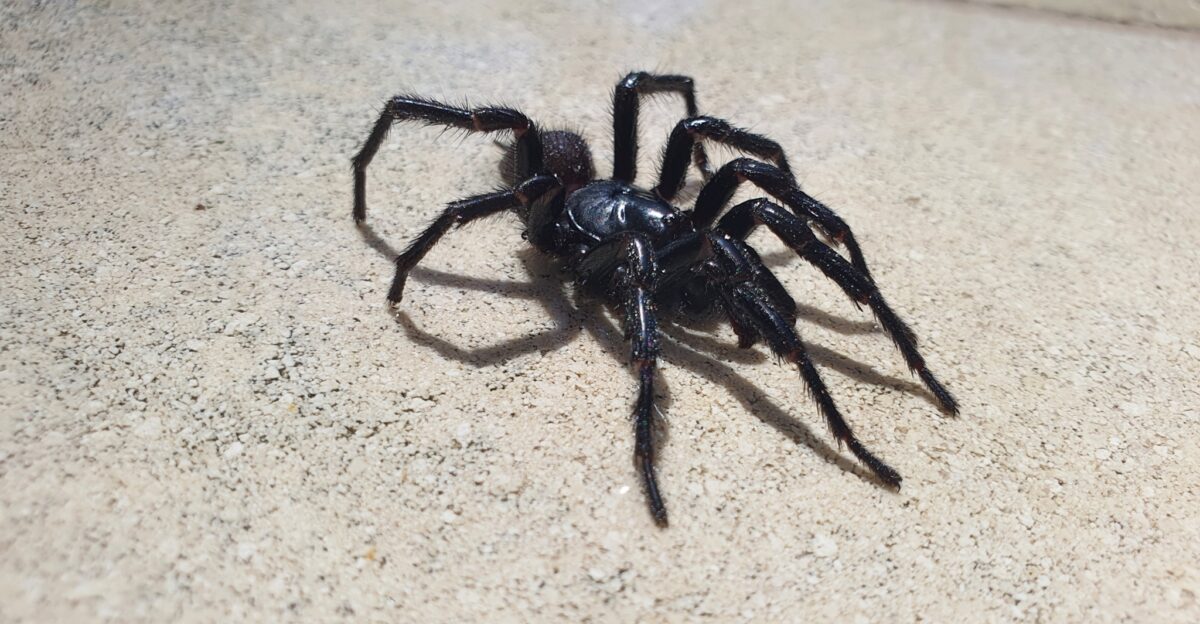
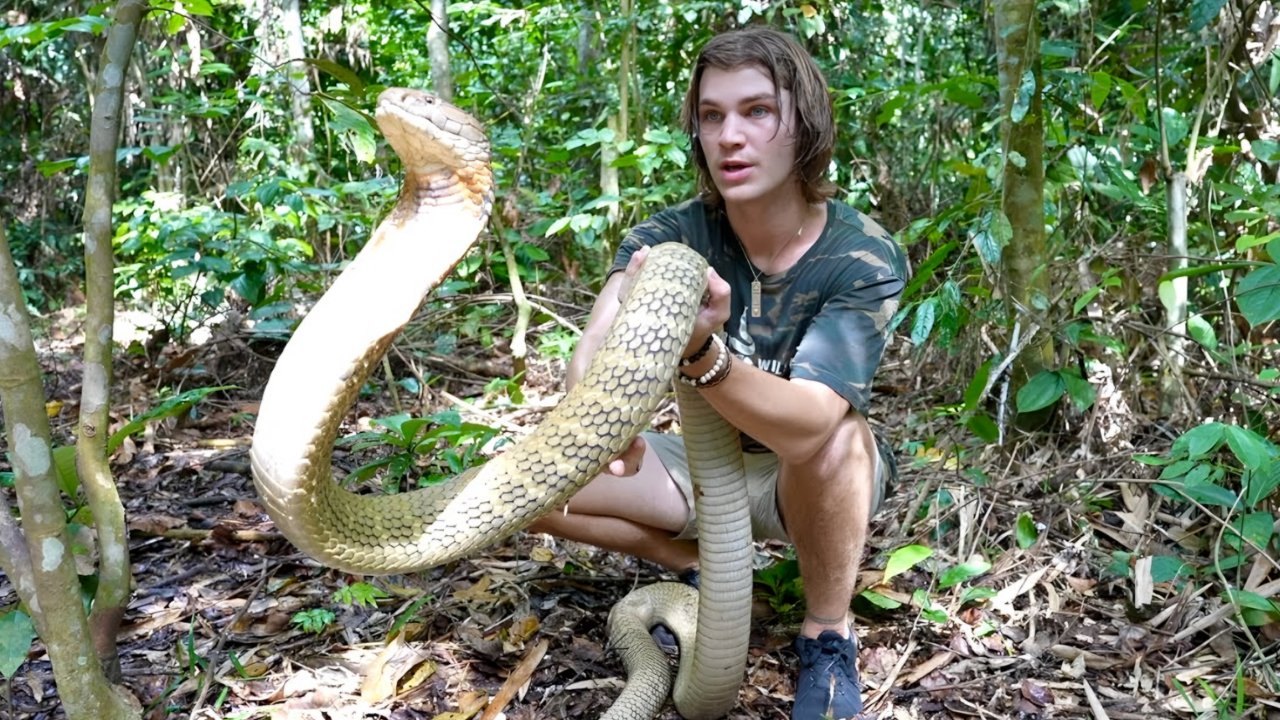
Australia’s inland taipan holds the crown for terrestrial snake venom potency, with one bite sufficient for 100 humans in arid central regions. The Sydney funnel-web spider, aggressive with its rearing stance and vise-like fangs, killed 13 before 1981 antivenom; one survivor needed 12 vials. Africa’s black mamba, the continent’s speediest serpent, strikes repeatedly, delivering neurotoxins that kill in 20 minutes untreated. The king cobra spits up to 600 milligrams per bite—enough for 20 people or an elephant—targeting brain respiratory centers.
Small but Lethal
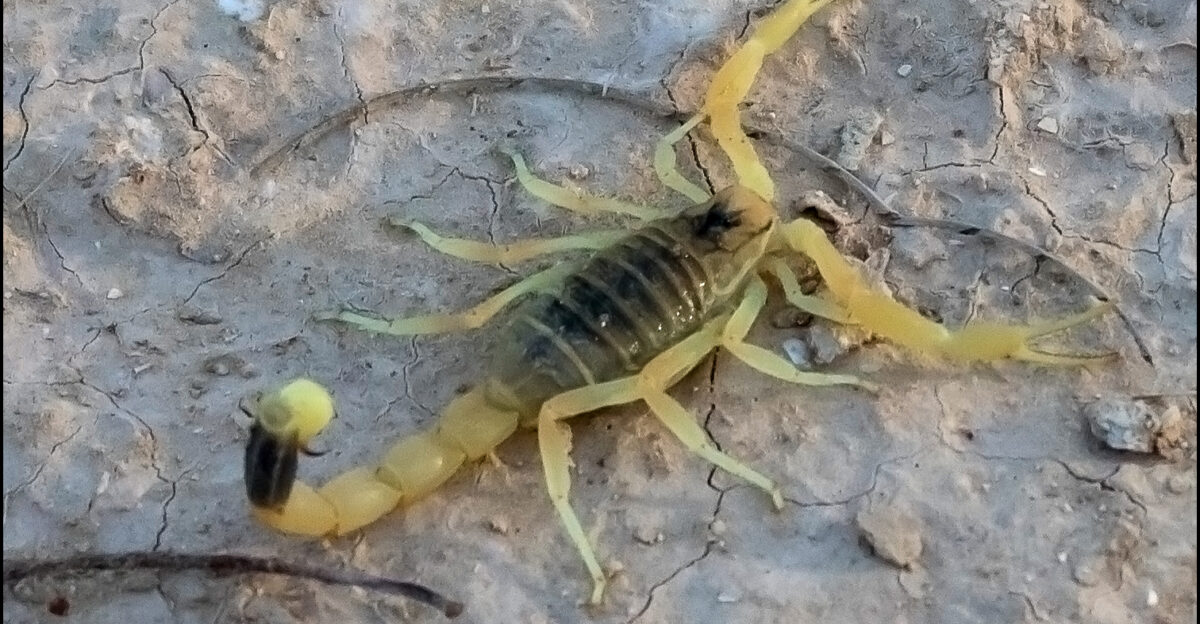
Palm-sized blue-ringed octopuses hide tetrodotoxin, 1,000 times deadlier than cyanide, in painless bites that paralyze while leaving victims awake; survival hinges on ventilation, with no antivenom. Brazil’s wandering spiders, named “murderess,” out-toxin black widows, sparking symptoms in 10-20 minutes and death in hours from breathing halt. The deathstalker scorpion’s sting disrupts nerve channels, risking paralysis in children, elders, and heart patients. Golden poison dart frogs ooze batrachotoxin—one milligram from one frog downs 10-20 humans or two elephants via heart fibrillation in 10 minutes.
Decoding Venom Power
Potency hinges on median lethal dose, where lower milligrams per kilogram spell greater danger: inland taipan at 0.025, cone snails 0.012-0.03, box jellyfish 0.04, king cobra 1.28-1.7. Toxins strike via neurotoxins halting signals for paralysis; hemotoxins ravaging blood; cytotoxins dissolving tissues. Many blend assaults for rapid defeat.
From Poison to Promise
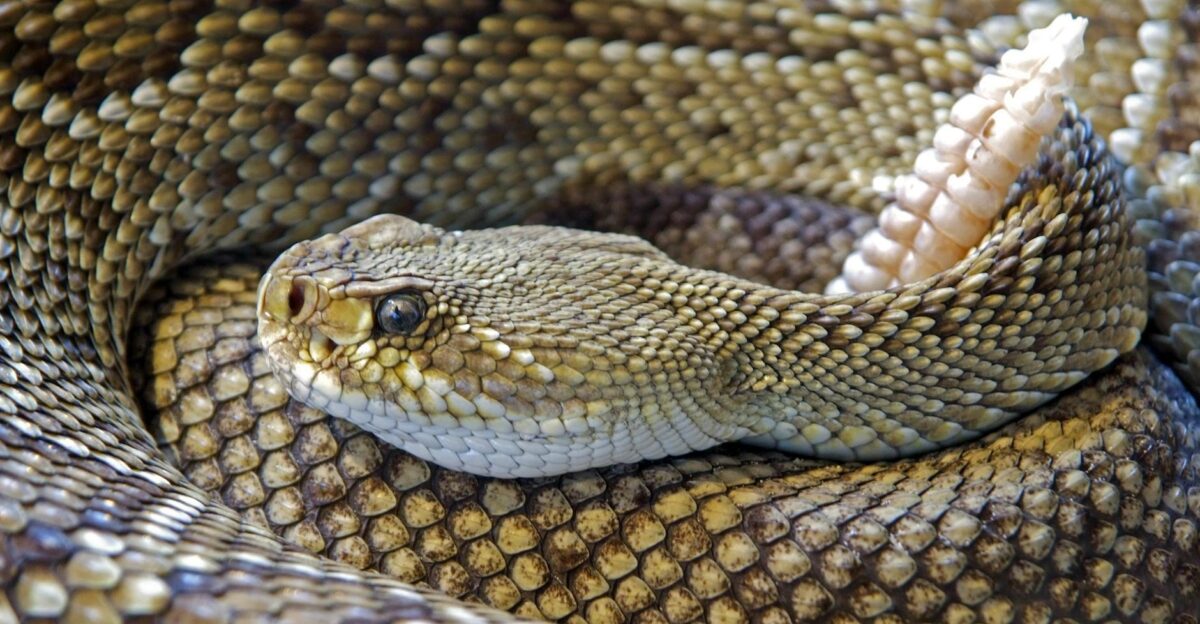
Australia teems with taipans, jellyfish, octopuses, and funnel-webs; Indo-Pacific seas add cone snails and stonefish; Africa and the Middle East host scorpions and cobras; Americas shelter dart frogs and wanderers. Antivenom gaps persist for octopuses, snails, frogs, and pufferfish kin—relying on life support. Yet hope rises: researchers craft broad antibodies neutralizing snake neurotoxins continent-wide. Venoms birth drugs like ziconotide from snails for pain, cobra extracts 20 times morphine’s strength, and scorpion chlorotoxin for tumors. As habitats overlap with humans, awareness—avoiding vivid frogs, tiny shells, or rocks—bolsters survival, while science turns peril into progress.
Sources:
“Discover the world’s 10 most venomous animals.” Discover Wildlife, January 2026.
“Pain researchers find antidote to deadly box jellyfish sting.” University of Sydney, April 2019.
“Powerful new antivenom raises hopes for a universal solution to lethal snakebites.” Science Magazine, February 2024.
“Sydney Funnel-web Spider, Atrax robustus.” The Australian Museum, 2014.
“The Most Venomous Animals in the World.” Planet Deadly, December 2025.