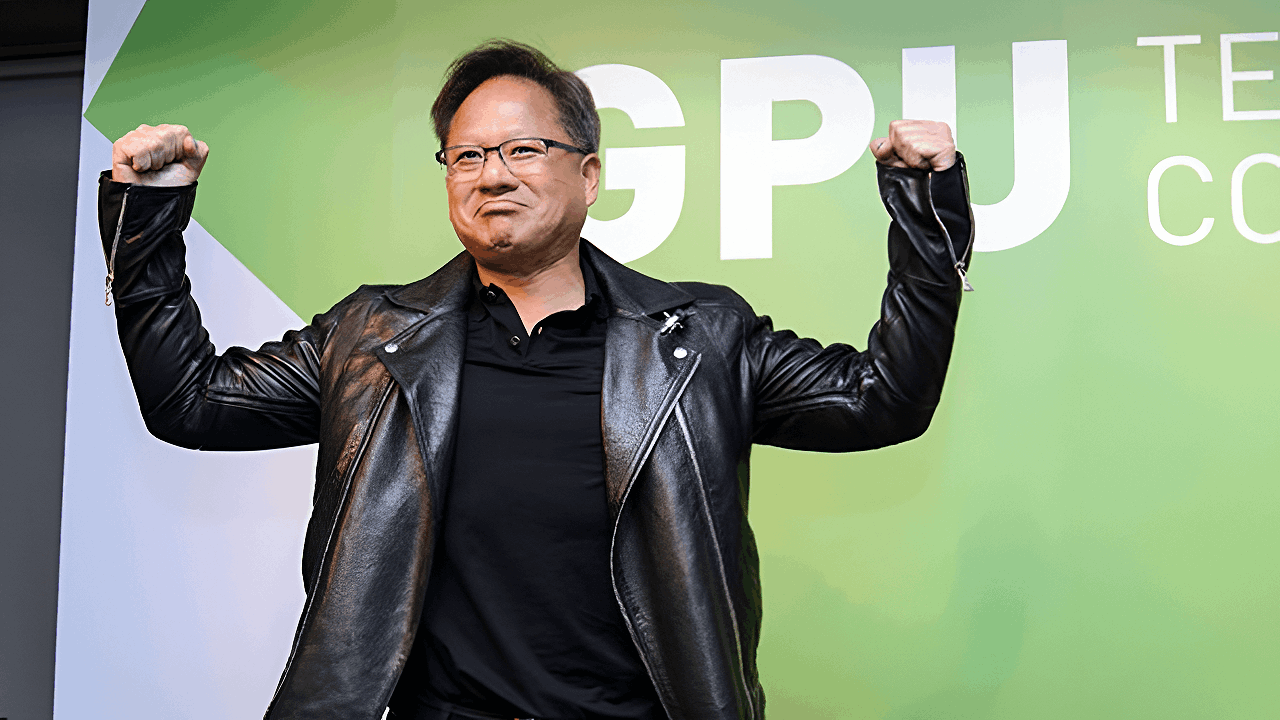
Trading floors erupted on October 29, 2025, as Nvidia’s stock surged 3% to $207.04, pushing the company past an unprecedented $5 trillion market valuation. Traders shouted into phones, screens flickered with green arrows, and algorithms executed millions of dollars in nanoseconds. No company in history had reached this milestone.
Amid the frenzy, analysts whispered about the AI revolution quietly fueling this ascent—an extraordinary moment where a single California chipmaker’s value rivaled the GDP of entire nations.
Concentration Risk
Nvidia now accounts for roughly 8–9% of the S&P 500, the largest single-stock concentration in 35 years. In 2025 alone, the semiconductor titan contributed nearly one-fifth of the S&P 500’s 17% advance, prompting alarm among investors about overexposure.
Retirement funds and passive index portfolios suddenly held massive stakes in a single company. Advisors scrambled to recalibrate risk, debating whether Nvidia’s dominance signaled systemic vulnerability or a new normal in tech-driven markets.
Origins of Dominance
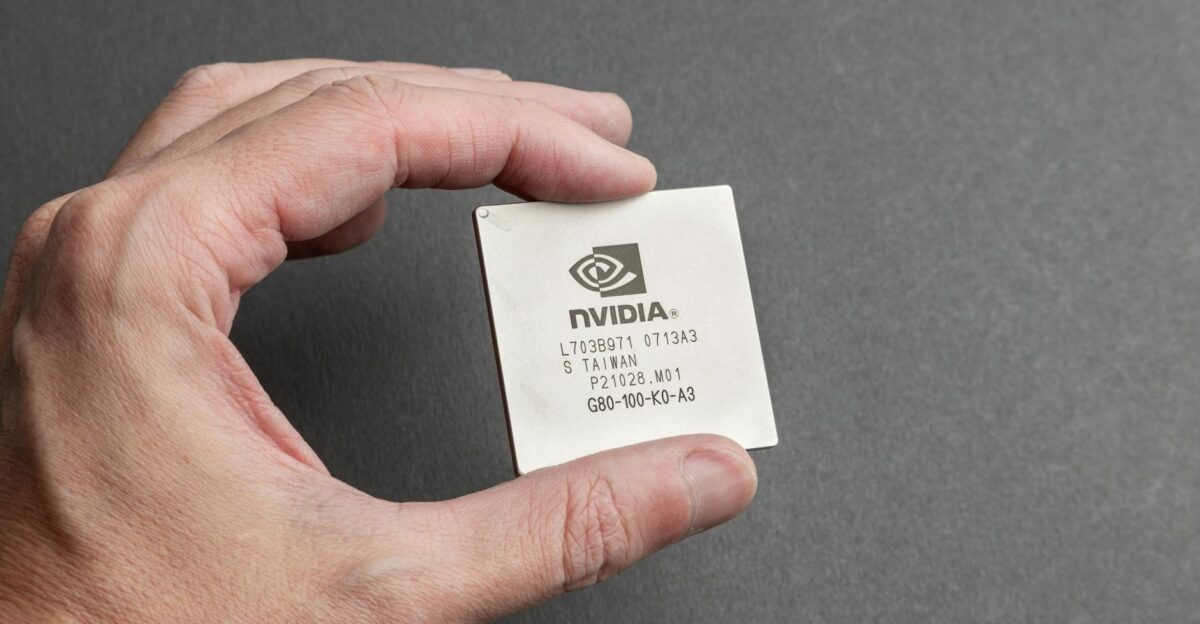
Founded in 1993 as a graphics chip maker for gamers, Nvidia gradually perfected parallel computing architectures. Competitors stayed focused on traditional CPUs, unaware that Nvidia’s gaming GPUs would become central to AI development.
The 2022 release of ChatGPT revealed that these chips were perfect for AI training, transforming Nvidia overnight from a niche gaming supplier into a cornerstone of modern AI infrastructure, laying the foundation for its extraordinary market ascent.
Acceleration Timeline

Nvidia’s rise was explosive: $1 trillion in June 2023, $2 trillion by February 2024, $3 trillion in June 2024, $4 trillion in July 2025. Remarkably, reaching $5 trillion took only 78 trading days, defying historical tech boom patterns.
Investors’ conviction in AI’s commercial potential fueled the unprecedented pace. Each new trillion-dollar milestone arrived faster than the last, showcasing a market captivated not just by hardware, but by the promise of artificial intelligence’s global economic impact.
The $5 Trillion Milestone
By October 29, 2025, Nvidia became the first company ever to surpass a $5 trillion market cap. Its value now exceeded Germany’s GDP and rivaled Japan’s annual economic output.
This single firm, headquartered in California, held more wealth than most nations could generate in a year. Analysts described it as an inflection point in global markets: never before had a public company commanded such concentrated economic power, reshaping perceptions of corporate scale in the 21st century.
Single-Day Wealth Creation
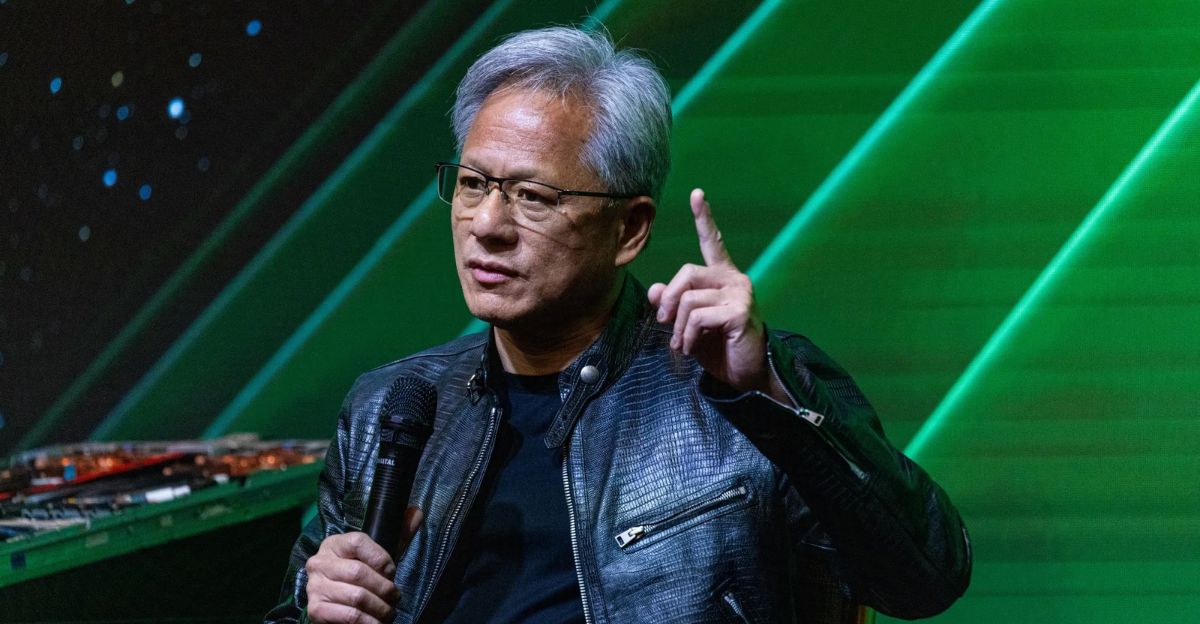
On October 28, Nvidia’s stock soared 5%, adding $250 billion in market value—more than the total capitalization of all but 31 U.S. companies. The surge followed CEO Jensen Huang’s keynote unveiling partnerships spanning telecommunications, supercomputing, and pharmaceuticals.
Market historians struggled to find comparable single-day wealth creation. This extraordinary spike illustrated the enormous demand for Nvidia’s AI chips and the speed at which investor sentiment can transform technological breakthroughs into staggering financial gains.
Huang’s Empire
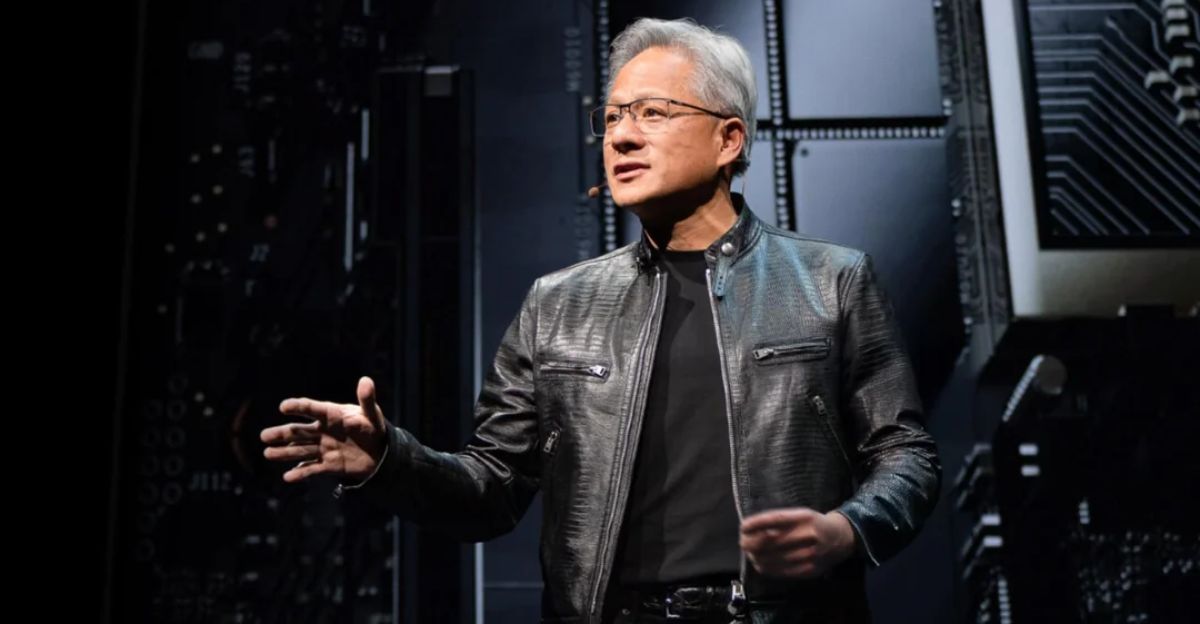
CEO Jensen Huang, Taiwan-born and U.S.-raised, now holds approximately $179.2 billion in Nvidia stock, ranking him the world’s eighth-richest individual. His journey mirrors Nvidia’s meteoric rise: from $2.7 billion in 2017 to nearly $180 billion in 2025.
Analysts note that Nvidia’s growth reflects more than a successful company—it’s the emergence of a new industry ecosystem. Huang’s vision transformed a chipmaker into a pivotal architect of global AI infrastructure.
Competitive Landscape
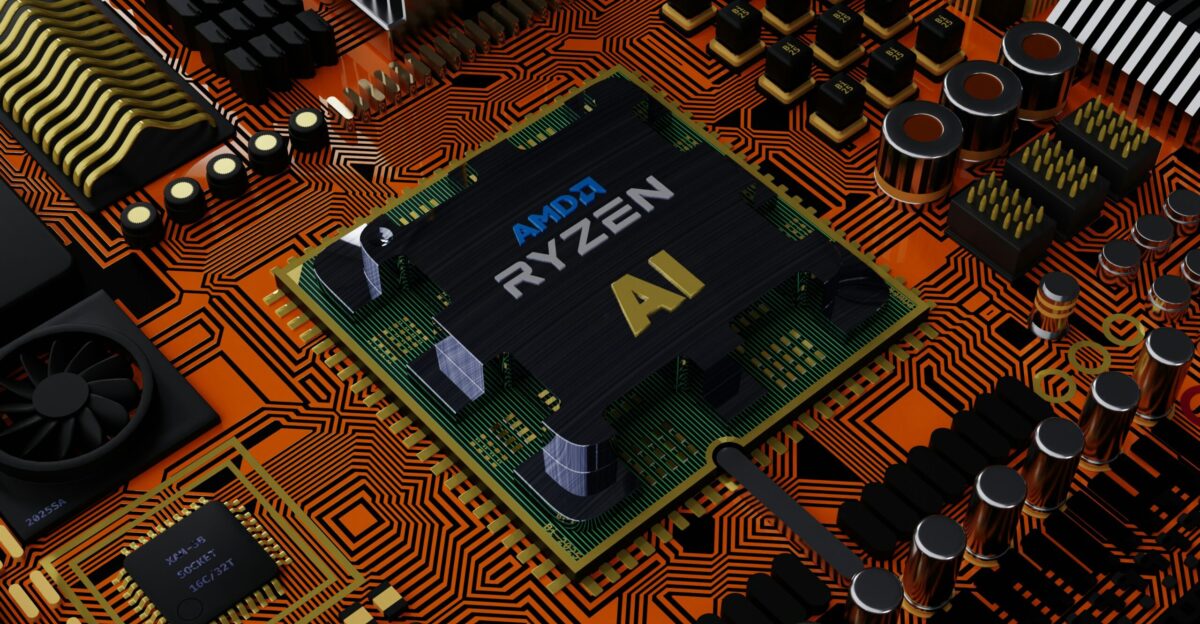
Despite Nvidia’s 80–90% share of AI chips, rivals are challenging its dominance. AMD landed a major deal with OpenAI, sending its stock up 24% in a day, while Qualcomm plans AI-focused processors in 2026–27.
Intel is exploring unprecedented collaborations, potentially even with AMD. Yet Nvidia maintains a key advantage: its CUDA software has been the standard for AI development for 15 years, creating a formidable barrier to competitors and cementing its ecosystem leadership.
Regulatory Scrutiny

The U.S. Department of Justice has escalated antitrust investigations into Nvidia, examining whether the company penalized customers buying competitor products and whether software bundling created unfair advantages.
China’s regulators have raised similar concerns. Nvidia maintains that it “wins on merit” and that customers remain free to choose alternatives. Still, critics warn that proprietary software lock-in could reinforce market dominance, putting regulators on high alert for potential violations of antitrust and competition laws.
The $500 Billion Order Book
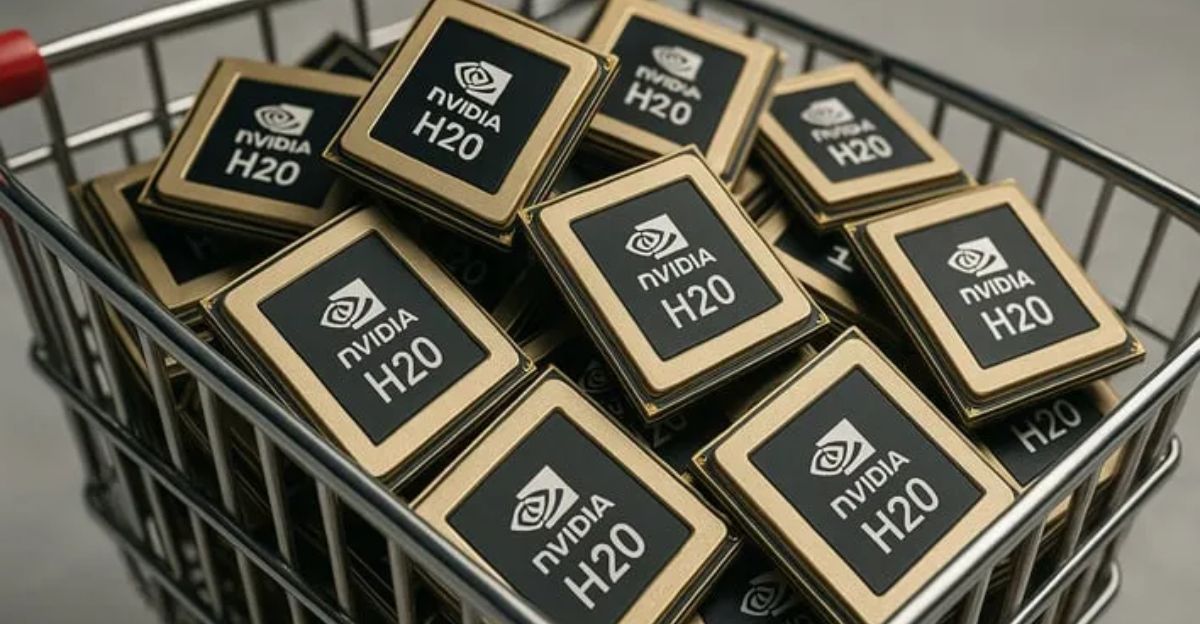
At the October 28 Washington conference, Huang revealed over $500 billion in AI chip orders through 2026. This unprecedented visibility suggests annual revenues could reach $250 billion—about eight times the $60.9 billion earned in fiscal 2024.
Orders span the Blackwell generation and the upcoming Rubin chips, underscoring Nvidia’s dominance in AI infrastructure. Analysts described it as possibly the first time any technology company had such clear foresight into revenue streams on this scale.
Government Partnership

Nvidia and Oracle will build seven supercomputers for the U.S. Department of Energy, including a system with 100,000 Blackwell AI chips. These machines will support climate modeling, nuclear simulations, and materials research, linking Silicon Valley to federal labs.
The installations underscore the strategic importance of AI for national security and scientific advancement, placing American research at the forefront of global AI competition while cementing Nvidia’s influence over government technology infrastructure.
Manufacturing Returns
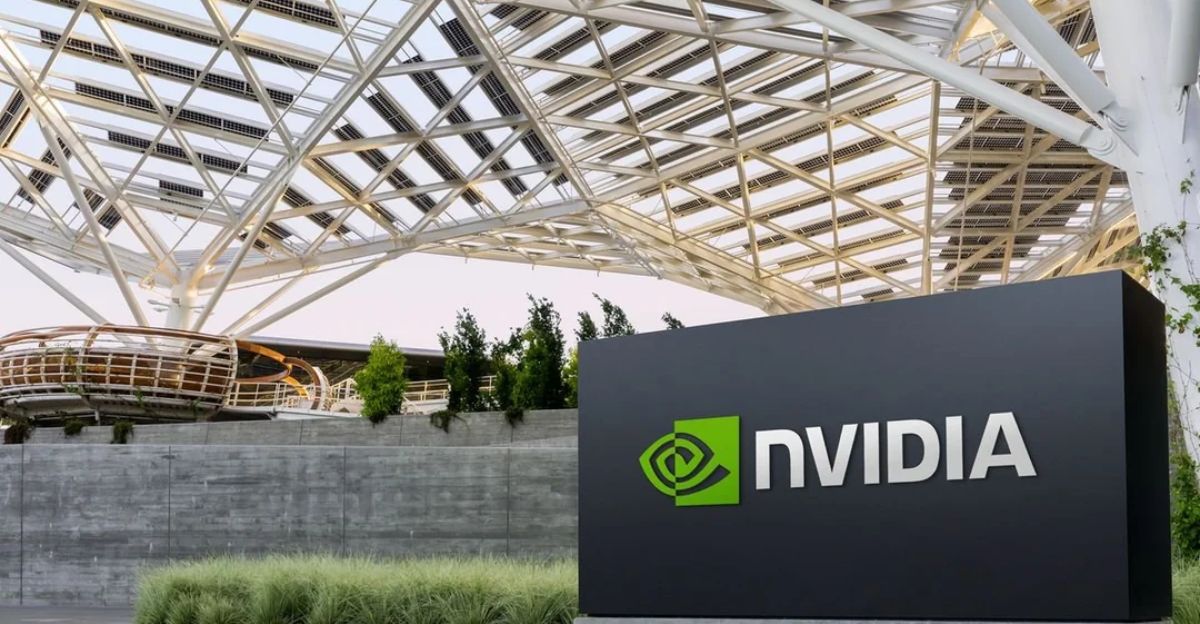
Nvidia’s Blackwell GPUs are now fully produced in Arizona, marking a major shift from reliance on Taiwan’s TSMC. CEO Huang credited President Trump’s encouragement to localize production for economic and national security reasons.
This move reduces supply chain risk for chips critical to AI and military applications, signaling a new era of U.S.-based high-end semiconductor manufacturing, where domestic production complements global technology leadership.
Nokia Partnership

Nvidia invested $1 billion in Nokia to integrate AI chips into 5G and emerging 6G infrastructure. The partnership extends Nvidia beyond data centers into global telecommunications networks.
Analysts view this as a strategic diversification, enabling Nokia to leverage Nvidia’s acceleration technology to differentiate against Huawei and Ericsson, while positioning Nvidia chips as foundational elements in next-generation wireless systems that will define global connectivity in the decades ahead.
Geopolitical Flashpoint

President Trump suggested discussing Nvidia’s Blackwell chips with Chinese President Xi at the South Korea summit, raising investor hopes of eased export restrictions. Yet after the meeting, Trump stated the topic “didn’t come up,” disappointing markets.
Nvidia’s processors have become geopolitical bargaining tools, central to U.S.–China tech tensions. Their value extends beyond commerce, influencing trade negotiations and strategic planning, highlighting how a single chipmaker can shape international diplomacy.
Bubble Warnings

As Nvidia neared $5 trillion, warnings of a speculative AI bubble surfaced. Ray Dalio cited risky overinvestment, while a Yale survey found 40% of CEOs believed AI hype had inflated valuations.
JP Morgan noted AI-related stocks accounted for 75% of S&P 500 returns and 80% of earnings growth since 2022, raising historical red flags. Analysts caution that concentrated gains in a single sector could precipitate market corrections, echoing the 1999 dot-com era.
Tech Spending Surge

Microsoft, Meta, and Google announced combined AI infrastructure investments exceeding $370 billion in 2025, surpassing expectations. Microsoft spent $35 billion in a single quarter, Meta plans larger 2026 expenditures than the current $70–72 billion, and Google raised its AI spending estimate to $91–93 billion.
These outlays reflect both confidence in AI’s potential and the immense scale required to maintain competitiveness, fueling continued demand for Nvidia’s chips.
Economic Impact
AI investments using Nvidia chips accounted for 92% of U.S. GDP growth in H1 2025, according to Harvard economist Jason Furman. Without this spending, the economy would have barely grown, potentially avoiding a recession only through tech infrastructure investment.
This concentration raises sustainability concerns: any slowdown in AI adoption could ripple through the broader economy, showing how one company’s technology can disproportionately shape national economic performance.
Export Control Tensions
U.S. restrictions since 2022 blocked Nvidia’s most advanced chips from China, reducing its market share from 95% to nearly zero. A downgraded Blackwell B30A chip was developed for China, but national security concerns prevented approval.
Chinese authorities promoted domestic alternatives from Huawei, creating a tense standoff. Nvidia’s technology has become a focal point of strategic competition, illustrating the high stakes of global AI dominance and supply chain control.
Cultural Moment

Nvidia’s rise transcended finance, becoming a cultural symbol of AI’s promise and peril. Jensen Huang’s leather jacket appeared on magazine covers worldwide; keynote speeches drew massive audiences.
Yet the company’s success sparked anxieties over AI-driven job displacement, energy consumption, and concentration of power. Nvidia has become a proxy for societal debates about technological advancement versus human agency, highlighting the broader implications of one firm’s dominance in shaping our future.
The Broader Signal
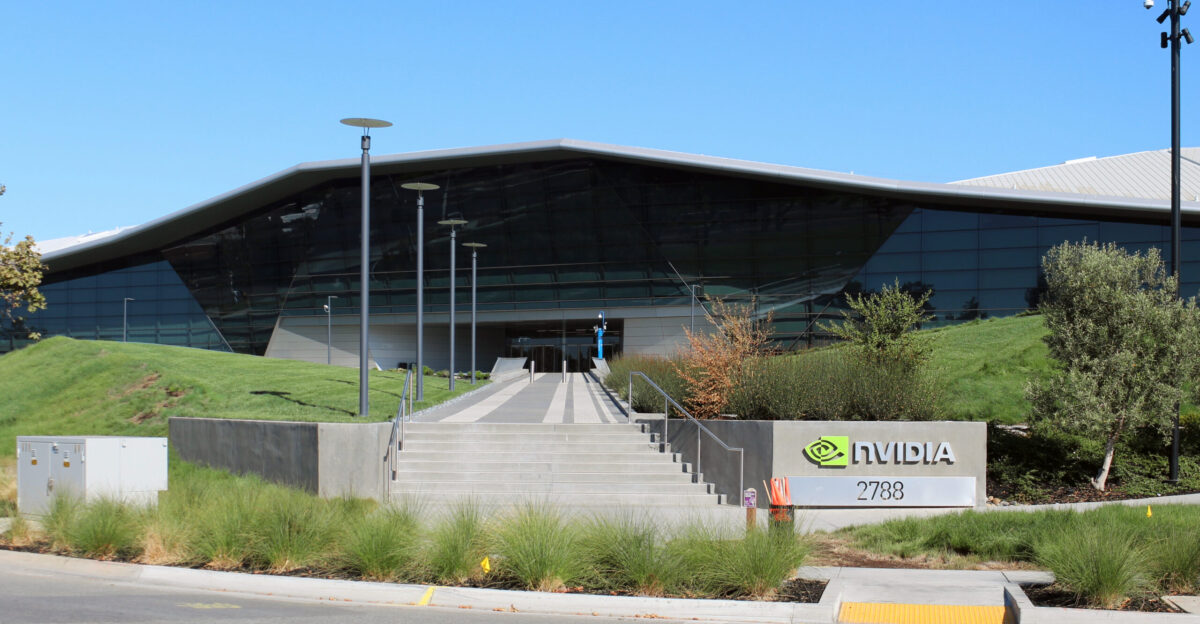
Nvidia’s $5 trillion valuation isn’t just a corporate milestone—it signals a profound shift in the global economy. For the first time, computational power alone outweighs entire nations’ economic output, with one chipmaker surpassing India’s GDP.
This unprecedented concentration of wealth and influence raises urgent questions: Is this sustainable growth fueled by real AI innovation, or a speculative frenzy? Investors, policymakers, and the public now face a new paradigm where one company can shape global technological and economic futures.