
The United States has crossed a historic threshold. In 2024, the national median age reached 39.1 years for the first time, signaling a profound demographic transformation reshaping the nation’s economic and social landscape. Over the past four years, the number of states where seniors outnumber children has surged by 267 percent, a shift that will redefine healthcare systems, workforce dynamics, and fiscal priorities across America.
This aging trend is not uniform. While the Northeast now boasts a median age of 40.6 years, Utah remains comparatively youthful at 32.4 years. Yet even in younger regions, the pressure mounts. Seniors aged 65 and older are growing at three percent annually, while rural hospitals close and school consolidations accelerate in aging communities. Tax bases weaken as working-age populations shrink, forcing difficult choices between funding education and managing healthcare costs.
Pennsylvania’s Industrial Decline Meets Population Aging
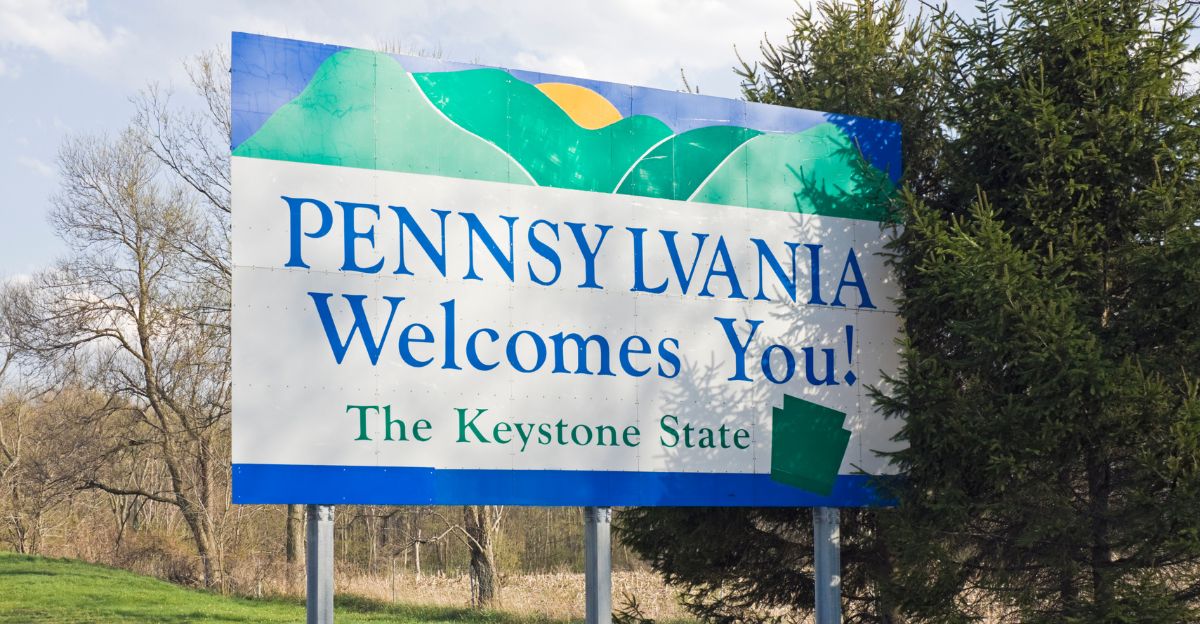
Pennsylvania exemplifies the challenge facing post-industrial America. With a median age of 41.2 years and a population of 13 million, the state ranks among the oldest in the nation. Younger generations increasingly depart for opportunities elsewhere, leaving behind a shrinking workforce and aging infrastructure. The state now supports approximately 2.4 million residents over 65—nearly 19 percent of its population—with only one senior for every six working-age adults.
The healthcare crisis deepens as rural hospitals shutter and nursing shortages intensify. State spending on Medicaid rises while education budgets contract, creating a fiscal squeeze that threatens long-term sustainability. Pennsylvania’s trajectory warns of challenges ahead for regions dependent on aging industrial economies.
Hawaii’s Paradox: Longevity and Affordability Collide

Hawaii presents a different aging profile. With a median age of 41.5 years and life expectancy reaching 80.7 years—the nation’s highest—the state attracts retirees who settle permanently. Its 1.4 million residents include nearly 285,000 seniors, yet housing costs have become prohibitively expensive, pricing out younger families and creating a self-reinforcing cycle.
The state’s investment in geriatric healthcare and cultural emphasis on multigenerational family care encourage seniors to remain. However, this concentration of resources on elderly populations drains education and workforce development budgets, deterring young professionals from establishing careers in the islands. By 2030, Hawaii’s median age could exceed 43 years.
Montana and Delaware: Regional Variations in Aging

Montana, known for wide-open spaces and outdoor culture, has a median age of 41.9 years across its 1.1 million residents. Retirees have long been attracted by affordable land and low living costs, but in-migration since 2021 has accelerated the aging trend. Rural fire departments lose volunteers, schools consolidate, and hospitals face mounting pressure as the workforce ages and labor shortages intensify.
Delaware, despite its small size and reputation as a corporate tax haven, ranks among the oldest states with a median age of 42.0 years. Over 19 percent of its population exceeds age 65. Yet Delaware’s well-funded healthcare systems and concentration of wealthier seniors, combined with continued in-migration of young professionals drawn by finance and pharmaceutical jobs, have allowed the state to maintain economic stability despite demographic headwinds.
Florida, West Virginia, and Vermont: Divergent Crises
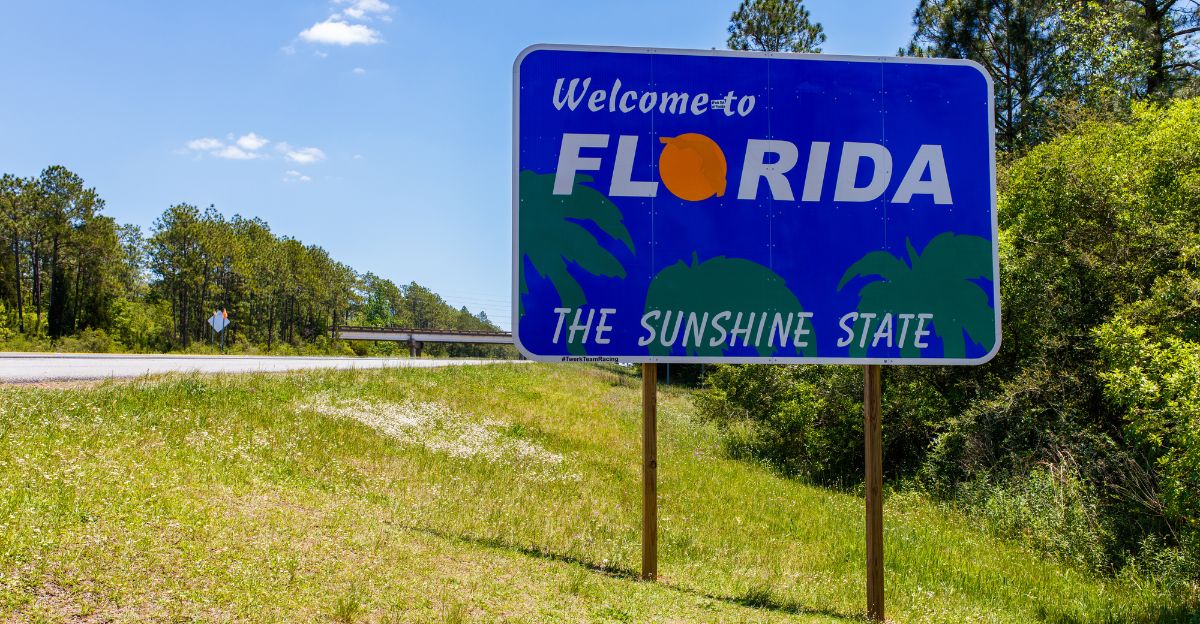
Florida’s aging challenge operates at scale. With 3.1 million seniors—more than the population of many states—and a median age of 42.6 years, the state faces mounting pressures on healthcare and housing. Healthcare worker wages lag far behind soaring housing costs, forcing young Floridians to choose between affordability and opportunity.
West Virginia presents a compounded crisis. With a median age of 43.0 years and a population that has declined from 1.84 million in 2010 to 1.73 million today, the state’s opioid epidemic has accelerated population aging. Nearly 20 percent of residents now exceed age 65, while industrial decline has left shrinking towns dependent on strained pension systems and eroding tax bases.
Vermont, with a median age of 43.6 years, faces a political realignment as seniors increasingly dominate electoral outcomes and policy priorities. The state must balance investment in schools and youth development against expanding senior care, even as young people depart for more affordable regions.
The Oldest States and National Implications
New Hampshire and Maine represent the demographic frontier. New Hampshire’s median age of 43.6 years reflects its appeal to retirees seeking tax advantages, yet young professionals continue departing for larger metropolitan areas. Maine, the nation’s oldest state at 44.8 years median age, faces persistent outmigration of younger residents while retirees continue settling in its sparse landscape of 44 people per square mile.
These states are not anomalies but harbingers. As the Northeast approaches a median age of 42 by 2030, the political and economic influence of seniors will expand nationwide. Young Americans choosing between aging communities and more youthful regions will accelerate these trends, fundamentally reshaping the nation’s fiscal priorities, workforce composition, and social infrastructure for decades to come.
Sources:
US Census Bureau Population Division, “An Aging Nation: U.S. Median Age Surpassed 39 in 2024”; Census Bureau State Population Estimates (2025)
Population Reference Bureau (PRB), “Which U.S. States Have the Oldest Populations?” Updated Demographic Analysis (2021); PRB Elderly Americans Population Bulletin
Pew Research Center, “How Americans Are Thinking About Aging” (2025); U.S. Centenarian Population Projections Report
World Population Review and Census Bureau, State Median Age Rankings and Senior Population Statistics by State (2023–2024); American Community Survey Five-Year Estimates