
It’s no secret that billionaires fuel economies, fund political campaigns, and often live in close proximity to each other.
But where exactly are America’s wealthiest settling down in 2025? Are they still moving to tech hubs and financial capitals?
Or do they prefer warmer weather and tax-friendly states? Let’s take a closer look at the billionaire lifestyle and number by state.
Why State of Residence Matters
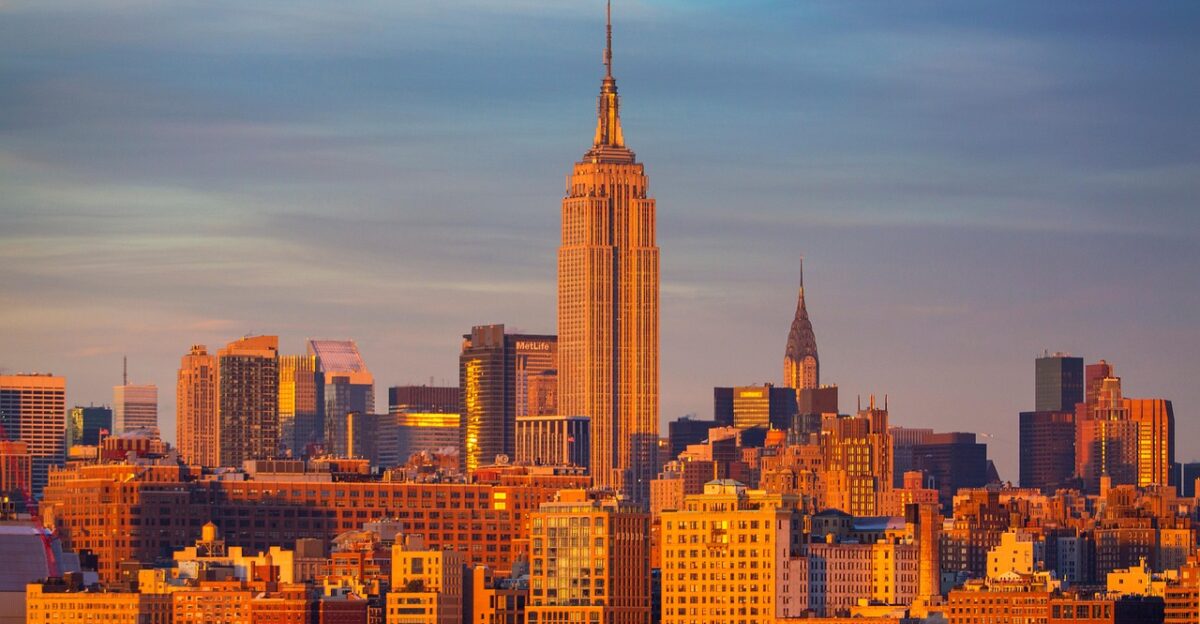
Where billionaires reside affects not only local property markets but also political landscapes, whole industries, and migration trends.
State policies like capital gains, income tax, and business rules often influence where they decide to stay or move.
A Nation of Unequal Wealth Distribution

Although billionaires are in most parts of the country, the wealthiest Americans aren’t spread out evenly. Some states are home to dozens, whereas others have none.
As of mid-2025, only three U.S. states have no resident billionaires, and the five top states have almost two-thirds of the national total.
1. California: Still the Kingmaker
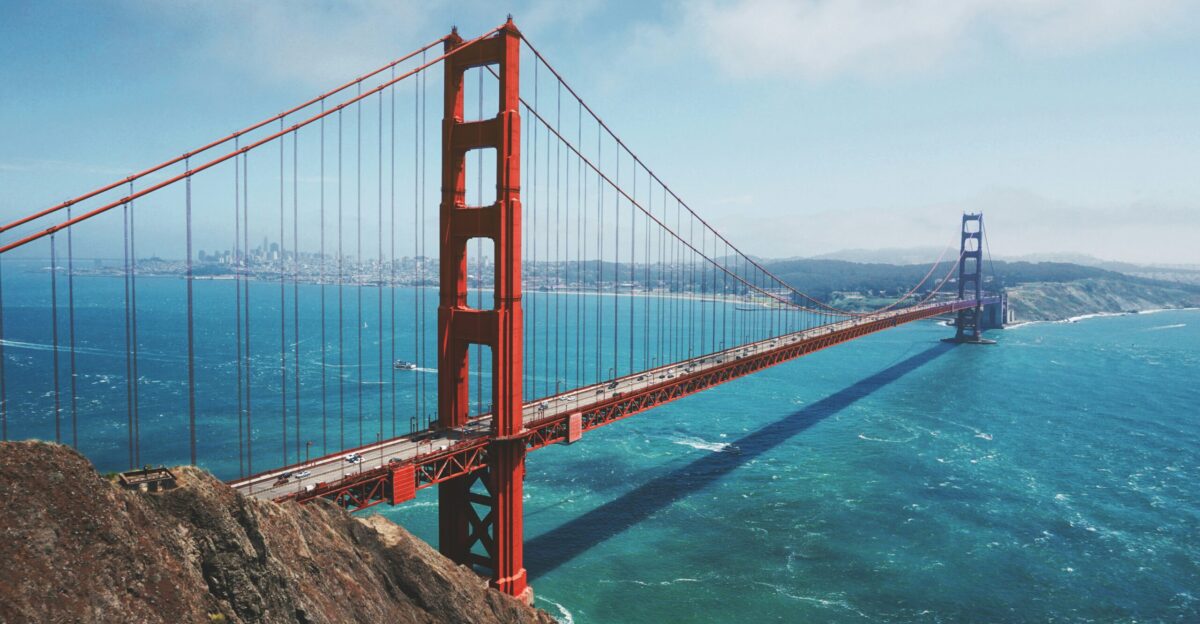
California is still the billionaire capital of America, housing around 199 people with net worths of over $1 billion. That’s more than the combined totals of states ranked 13 to 55.
The Bay Area alone hosts over 80 billionaires, thanks to its concentration of venture capital, tech giants, and AI startups.
Tech and Biotech Dominate the West Coast
California’s billionaire class pulls heavily from Big Tech, OpenAI, Meta, Apple and Google. But biotech is also roaring, San Diego leading the way.
Many new fortunes are quietly rising in medtech, drug development and health-focused AI. It’s a blend of software and science that continues to generate billionaires.
2. New York: Finance Still Reigns
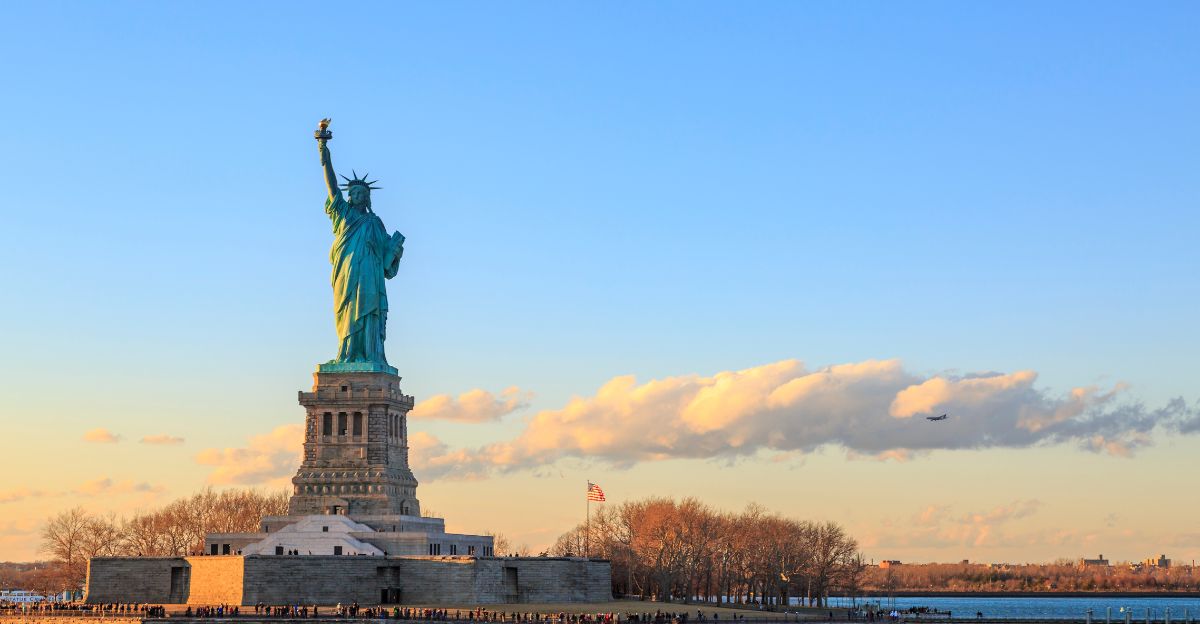
In second place is New York with 136 billionaires. Wall Street establishes the list with private equity leaders, hedge-fund founders, and property tycoons.
Despite high taxes, the state is still at the center of old and new money, mainly with crypto entrepreneurs and fintech joining the ranks.
Northeast Power Cluster
New York isn’t alone. Connecticut and Massachusetts increase the region’s total because of their close proximity to Wall Street and Boston’s biotech setting.
The Northeast corridor forms a pocket of ultra-wealthy residents, reflecting the area’s long-standing financial and academic influence.
3. Florida: A Rising Powerhouse
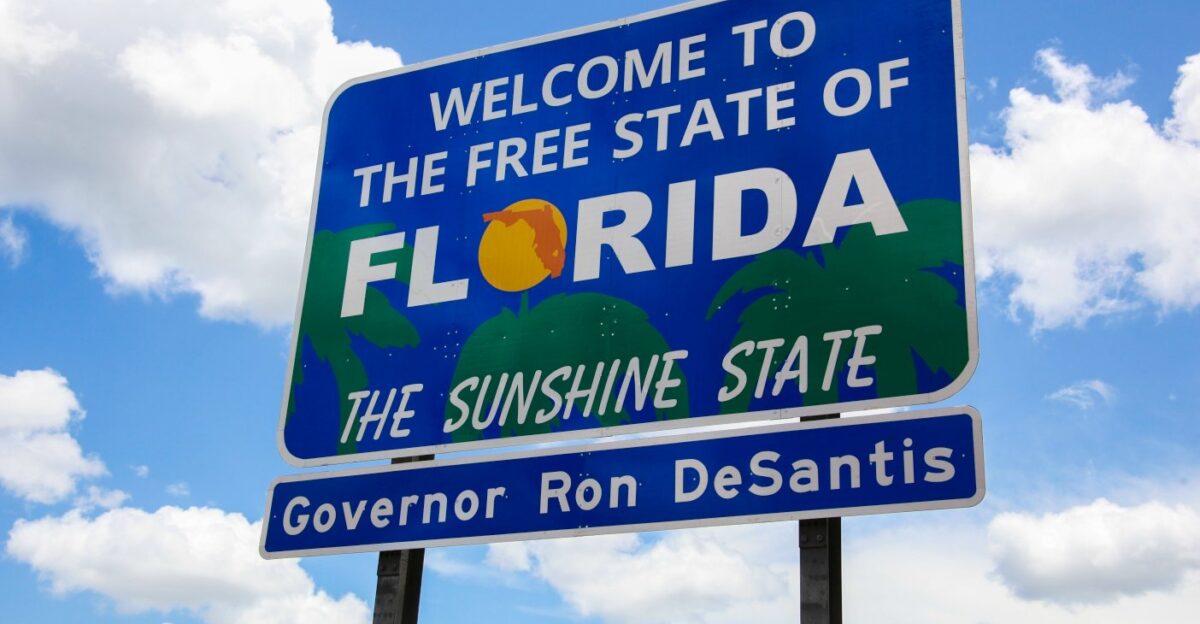
Florida comes in third with 117 billionaires. This is a huge shift from previous decades. The state has rapidly gained wealth due to its lack of state income tax, agreeable climate, and expanding financial sector. Miami and Palm Beach are currently hotspots for hedge funds, tech exits and real estate.
Tax-Friendly and Trendy

Florida’s charm is not just its weather. Wealth migration increased during the pandemic and hasn’t slowed since.
Billionaires from Califoria or New York now call Florida home, attracted by lifestyle, luxury, and low taxes. Some even brought their companies along with them.
4. Texas: A Close Contender
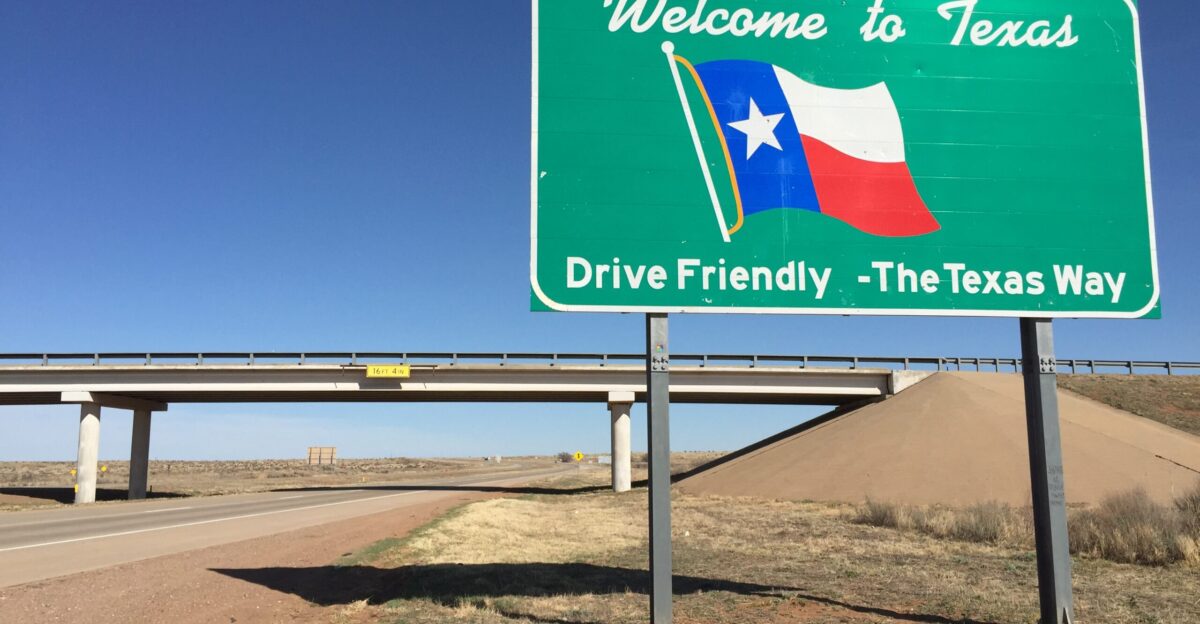
Texas is in fourth place, with 83 billionaires. Driven by the wealth of oil and gas in the past, the state now benefits from tech growth in Austin and Dallas.
With no income tax and an environment conducive to business, Texas continues to lure in entrepreneurs and investors.
From Oil Fields to Server Farms

Energy was the main source of Texas energy. Now, venture capital and tech are taking over. Austin has seen a sharp rise in startups and business exits, which has resulted in an increasing number of billionaires with experience in software, fintech, and hardware manufacturing.
5. Illinois: Still Holding On
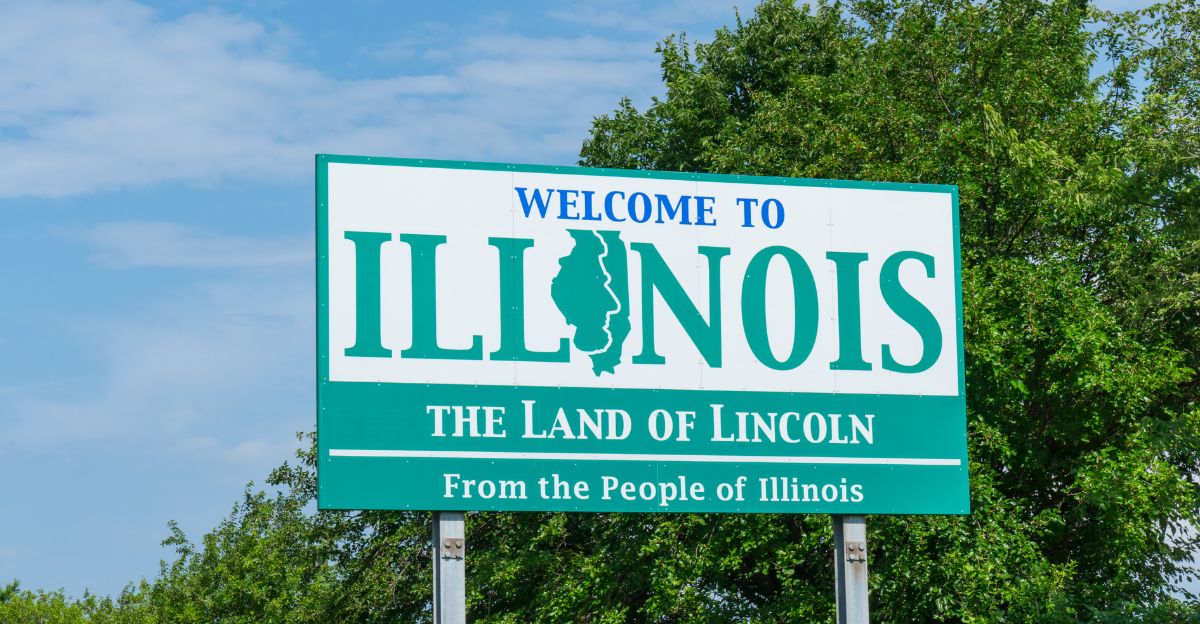
Illinois comes in fifth with 30 billionaires, centralized primarily in and around Chicago. While not growing as fast as Florida or Texas, the state still has a strong base of financial services, manufacturing, and historial family wealth.
6, 7, 8: Massachusetts, Pennsylvania, Georgia
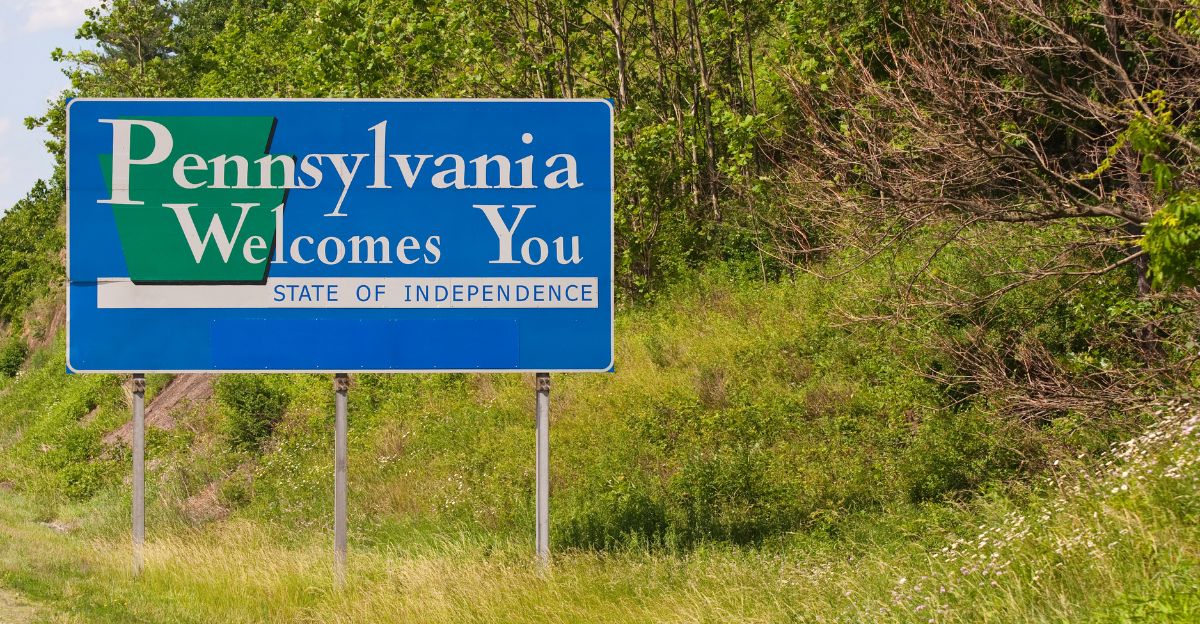
These three states come in closely behind Illinois. Massachusetts and Pennsylvania host 23 billionaires each, and Georgia has 21.
Massachusetts profits from biotech and academia, Pennsylvania from legacy industries, and Georgia from development in logistics, property and startups, especially in Atlanta.
9. Nevada: Small but Mighty
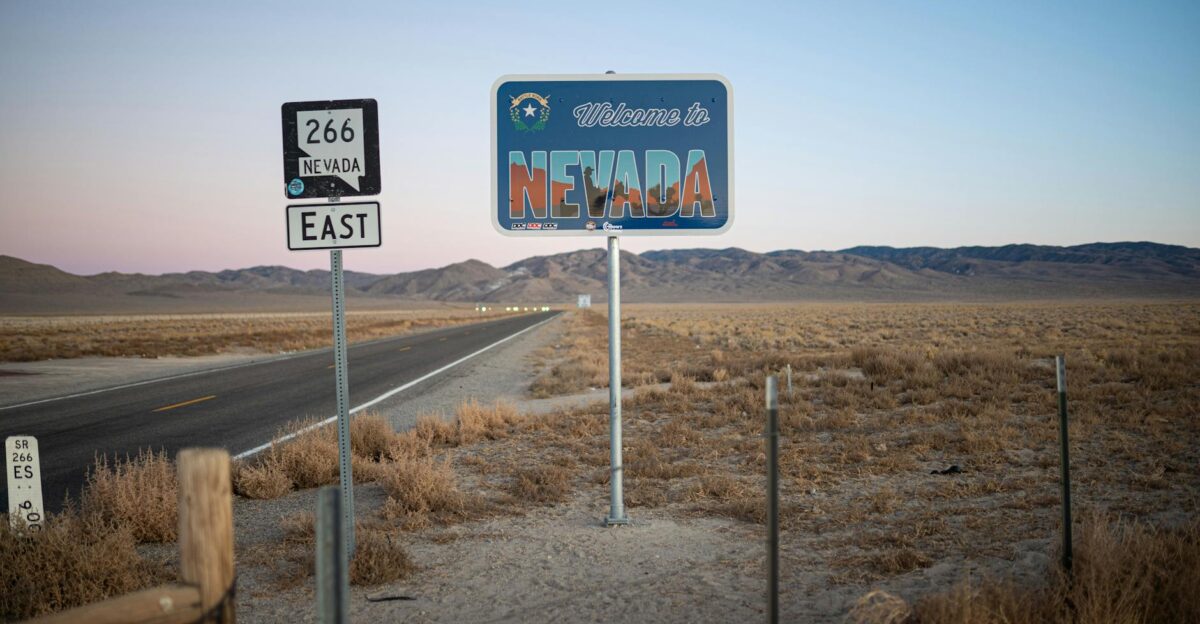
Nevada has 19 billionaires. Las Vegas has long attracted casino moguls, but recent wealth has come from tech, logistics, and entertainment. The state’s low taxes and private lifestyle options make it appealing to high-net-worth individuals.
Up-and-Comers: Arizona and Colorado
Arizona and Colorado are drawing in more ultra-wealthy individuals every year. They don’t make the top 10, but their growth is significant.
Entrepreneurs departing California often go to Denver, Phoenix or Boulder for low taxes and quality of life.
States With No Billionaires
Only three U.S. states have no resident billionaires in 2025: Delaware, Alaska and West Virginia. All three have smaller populations and lack the extensive finance, tech or manufacturing ecosystems that typically generate or attract billionaire wealth.
Where Are They Not Going?

States with high taxes but no substantial wealth-generating industries don’t attract billionaires as easily. Others just lack the infrastructure or environment to support substantial business growth. Even wealthy locals often emigrate in these locations after acquiring a certain net worth.
Living Abroad: Billionaires Off the Map

Not all U.S. billionaires live in America. Twenty-six have primary residences overseas. Some resettle for lifestyle or family reasons, while others mention tax incentives. Cities like Singapore, London, and Dubai continue attracting some wealthiest Americans.
What’s Driving These Shifts?

Several forces influence where billionaires settle: tax policy, political conditions, capital access, and lifestyle.
The pandemic also enhanced remote work and personal independence, making it easier for the mega-rich to live wherever they want.
Final Takeaway
America’s billionaire map is slowly moving. New York, California, Florida, and Texas still monopolize the landscape.
But new clusters are developing, especially in the Sunbelt and Mountain West. As policy and industry develop, so will the addresses of America’s richest.