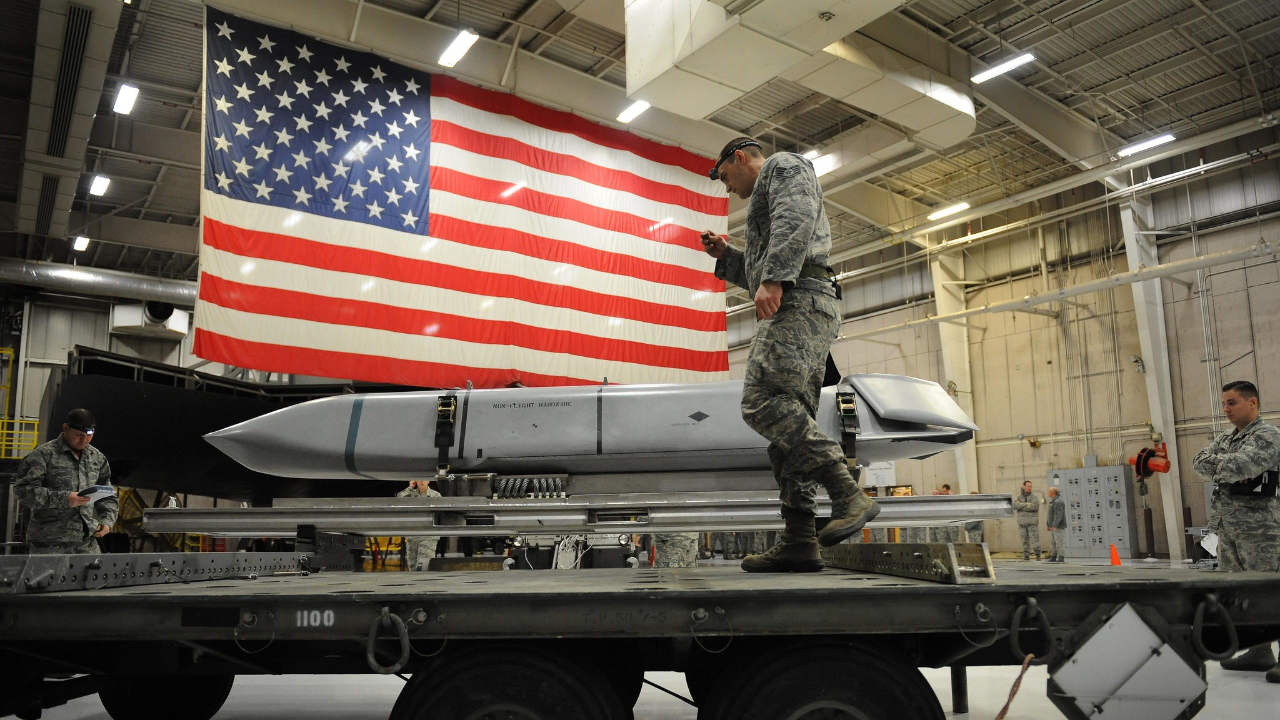
On August 28, 2025, as Russian missiles pounded Kyiv in one of the deadliest assaults of the year, the United States announced an $825 million arms deal—3,350 air-launched cruise missiles bound for Ukraine.
Primarily funded by Denmark, Norway, and the Netherlands, it became the largest transfer of its kind in modern warfare. It wasn’t just a transaction; it was a clear signal that Western resolve had hardened, not fractured.
A Long-Planned Deal Triggered by Escalation
U.S. defense officials confirmed that discussions about supplying air-launched cruise missiles to Ukraine had been underway for months. Yet approval came only after the failed August 15 Alaska summit between Donald Trump and Vladimir Putin, where diplomacy collapsed.
Nearly two weeks later, Washington’s move was interpreted as a response to relentless Russian strikes on civilian areas and growing doubts that negotiation alone could halt the war’s momentum.
The August 28 Attack on Kyiv

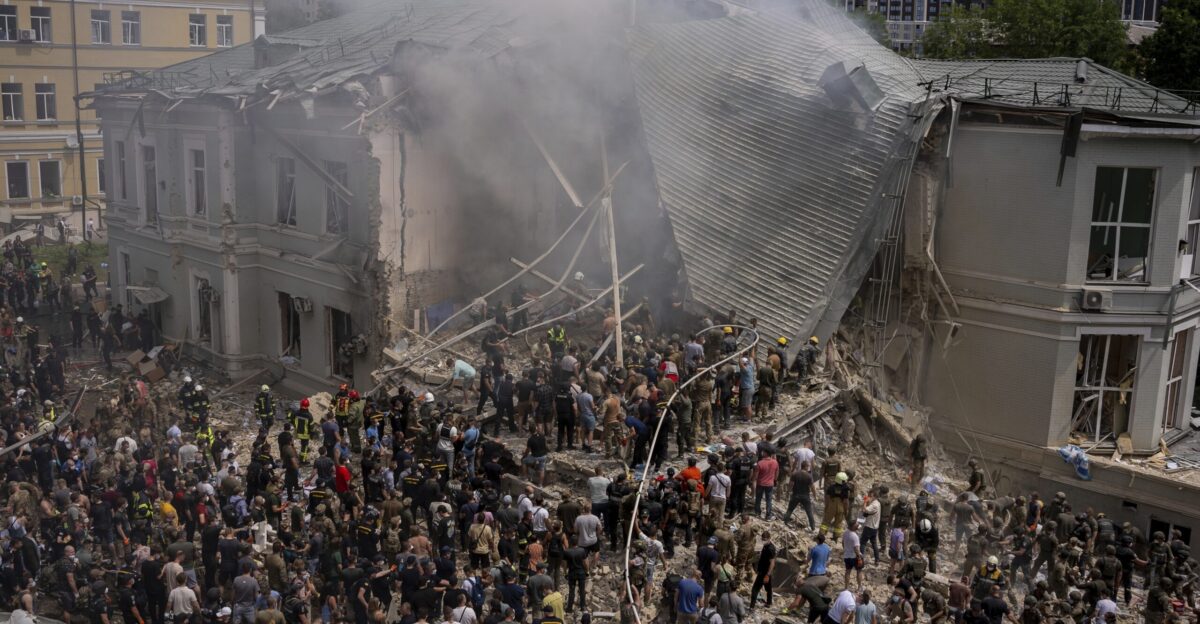
Before dawn on August 28, Russian missiles tore through residential districts in Kyiv, destroying apartment blocks and schools. Ukrainian authorities reported at least 21 people killed and over 60 wounded, including several children.
President Volodymyr Zelenskyy visited the site that day, calling it “one of the most horrific mornings” of the war. Search and rescue teams worked through the night, completing recovery operations many hours later.
Europe Shoulders Most of the Cost

While the U.S. authorized the deal, most of the financial burden will fall on Europe. The Defense Security Cooperation Agency confirmed the $825 million package was “funded through partner nations.” Although the exact split remains undisclosed, Denmark, Norway, and the Netherlands committed major contributions.
European officials described the effort as a collective act of deterrence, designed to ensure long-term defense stability rather than symbolic aid.
Inside the ERAM Missile Package
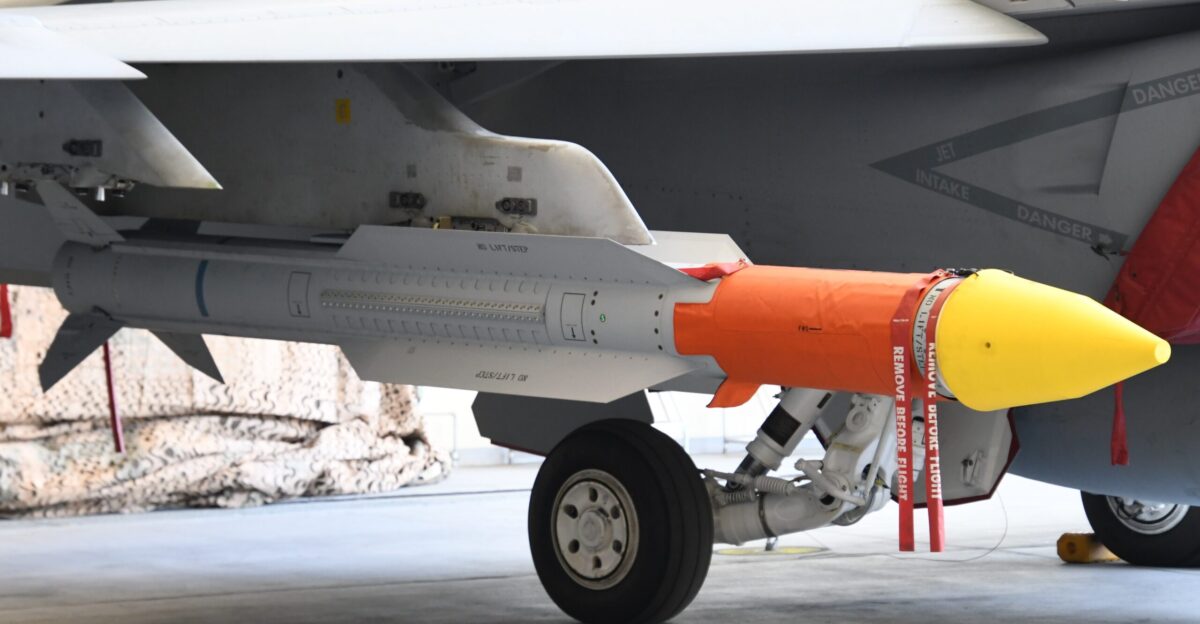
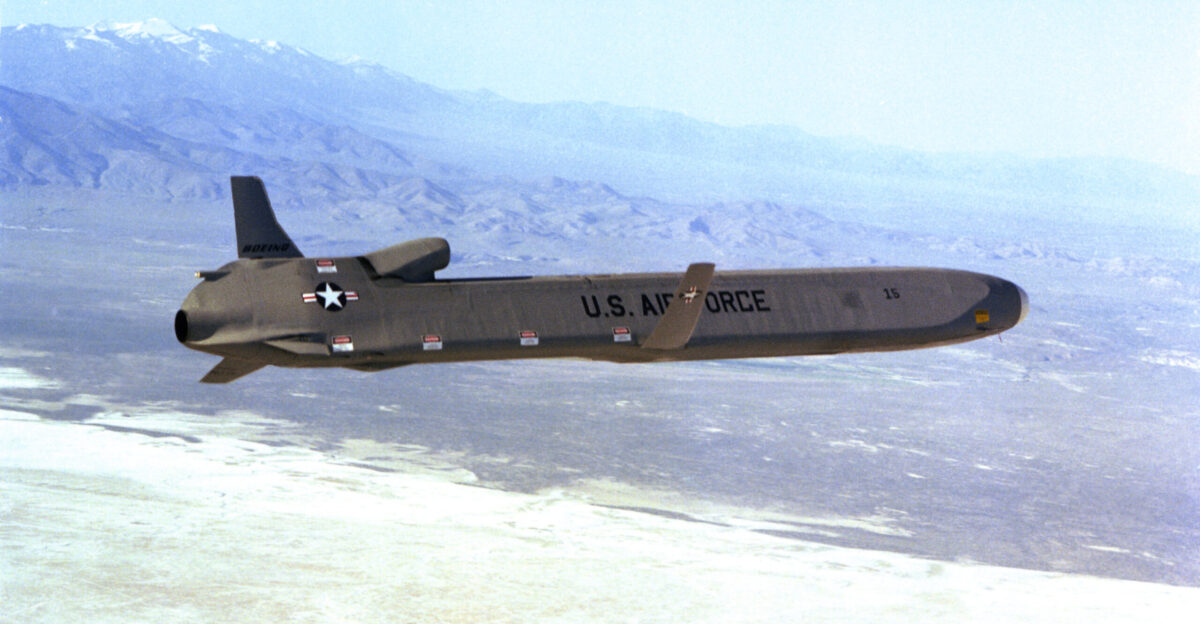
The deal authorizes up to 3,350 Extended Range Attack Munition (ERAM) missiles—air-launched, precision-guided weapons designed for deep strikes beyond enemy lines. These missiles can integrate with Western-supplied aircraft and fly at low altitudes to evade detection.
Capable of operating in highly contested airspace, the ERAM gives Ukraine’s air force something it has long lacked: the ability to hit Russian targets far beyond the immediate front.
Designed for Jammed Skies and Deceptive Signals
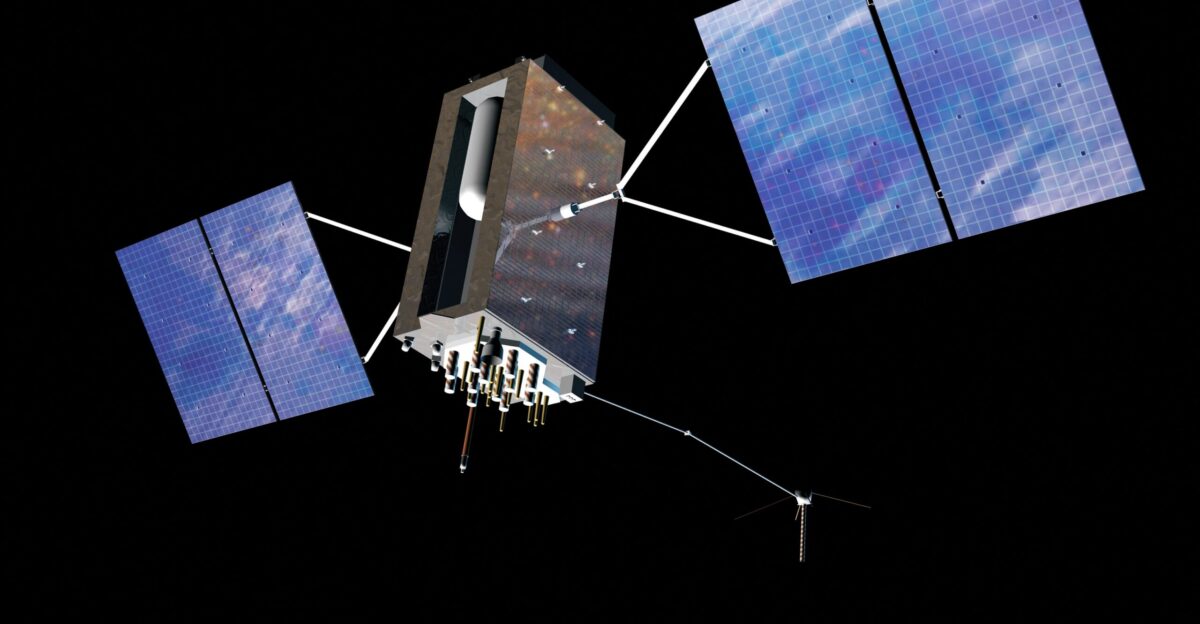
Each ERAM missile is equipped with encrypted GPS receivers and an inertial navigation system that helps maintain course even when enemy forces attempt to jam or spoof its signal. The technology doesn’t make the missiles invulnerable, but it significantly increases their reliability against electronic attacks.
It’s a system purpose-built for 21st-century warfare where signal disruption and countermeasures have become as lethal as the weapons themselves.
Expanding Ukraine’s Strike Radius
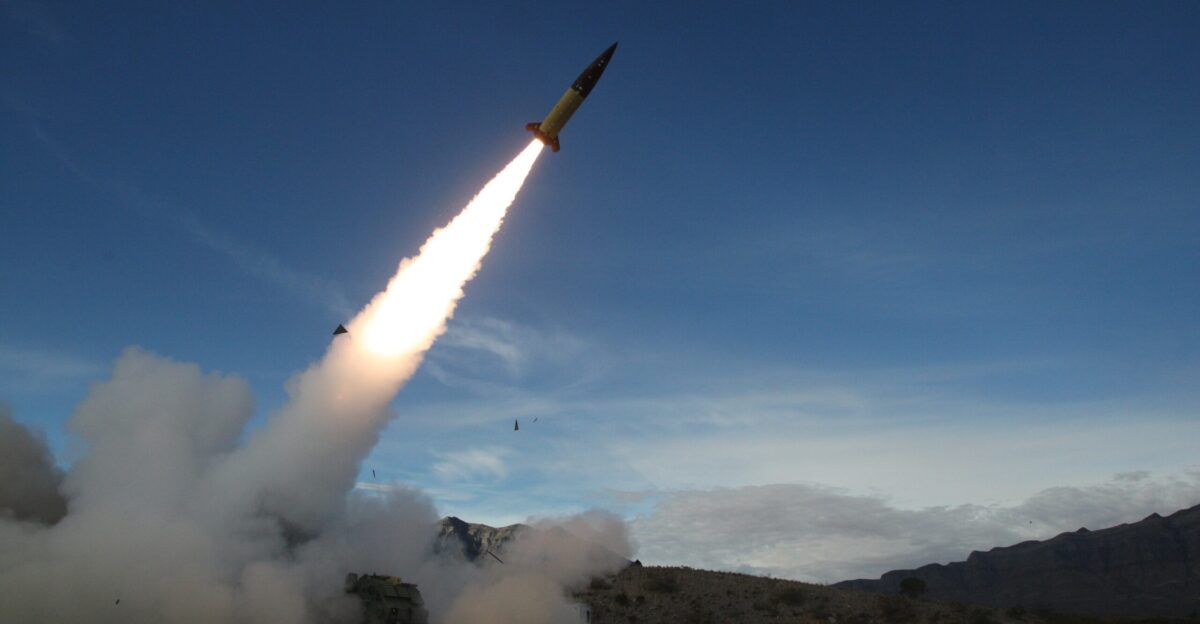
With the ERAMs, Ukraine’s strike range expands dramatically, potentially hundreds of kilometers beyond current limits. Analysts predict the missiles will allow Kyiv to target ammunition depots, command centers, and logistics hubs deep inside Russian-controlled territory.
This could force Moscow to reposition key assets farther east, stretching supply lines and slowing its ability to sustain large-scale offensives through winter and into the following year.
Why the U.S. Approved the Deal Now
According to the State Department, the sale “supports the foreign policy and national security objectives of the United States.” Officials emphasized that Ukraine’s right to self-defense now outweighs earlier fears of escalation.
After repeated missile strikes on civilians, the U.S. and its allies determined that deterrence required more than sanctions or statements; it required giving Ukraine the means to strike back from a safe distance.
Moscow Condemns the Move as Provocation

The Kremlin swiftly denounced the missile sale, calling it an act of aggression under the guise of assistance. Russian Foreign Ministry spokesperson Maria Zakharova said the decision crossed another red line and would escalate the conflict.
State media accused NATO of using Ukraine as a proxy to test Western weapons systems, a claim Western officials rejected as propaganda meant to justify Russia’s continued aggression.
Europe’s Unified Political Response

In early September, Italian Foreign Minister Antonio Tajani addressed lawmakers, insisting Europe must “maintain pressure on Russia and obstruct the funding of its military operations.” Germany and France issued similar statements, reaffirming their commitment to sanctions and defense assistance.
Despite inflation and energy pressures, European governments remain broadly united, seeing continued aid to Ukraine as essential to preserving long-term continental security and deterrence.
A Symbol of Transatlantic Coordination
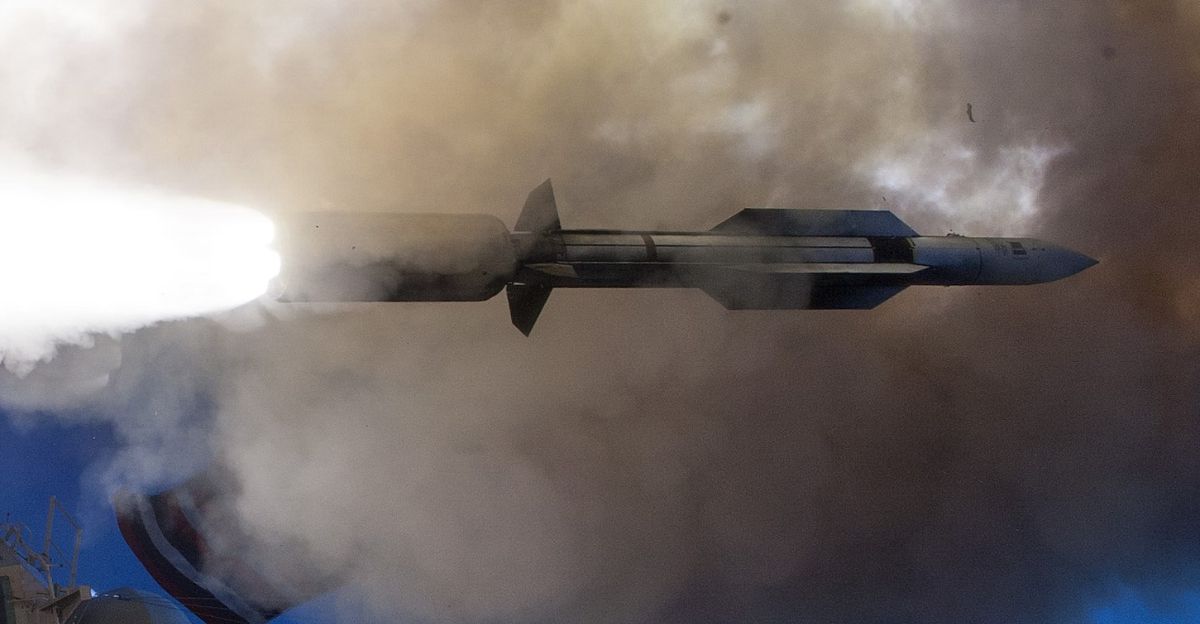
The missile package represents more than firepower—it’s a symbol of deepened transatlantic cooperation. The ERAMs will be produced at several U.S. facilities, with European suppliers providing electronics and assembly support.
Officials said that this structure—shared manufacturing and shared funding—will likely shape future NATO procurement efforts. Deliveries are expected to begin in early 2026 once production scales under existing U.S. Air Force contracts.
Ukraine’s Offensive Potential Grows Sharply
For Kyiv, the arrival of ERAMs could redefine its air campaign. Ukrainian pilots would be able to strike Russian infrastructure, supply corridors, and command nodes without flying directly into heavily defended zones.
Military analysts predict the missiles will help Ukraine target critical supply arteries and weaken Russia’s ability to coordinate its expanding front lines, especially in the Donbas and southern regions near Zaporizhzhia.
Russia Faces a Costly Logistics Dilemma

Experts suggest that Ukraine’s new standoff capabilities could compel Russia to disperse its stockpiles, relocate supply hubs, and strengthen its rear positions. Such adjustments will likely slow down resupply and complicate command and control communications.
Although the change won’t decide the war overnight, it imposes a costly logistical burden, forcing Moscow to defend far more territory than it can easily protect.
Washington Balances Risk and Resolve

For months, U.S. policymakers debated whether longer-range weapons might escalate the conflict. The ERAM sale marks a clear turning point: capability has now overtaken caution. Officials say the calculus changed after repeated Russian attacks on civilians, including schools and hospitals.
The new strategy accepts higher short-term risk in exchange for greater long-term deterrence, signaling that hesitation has given way to sustained commitment.
Europe’s Expanding Financial Commitment
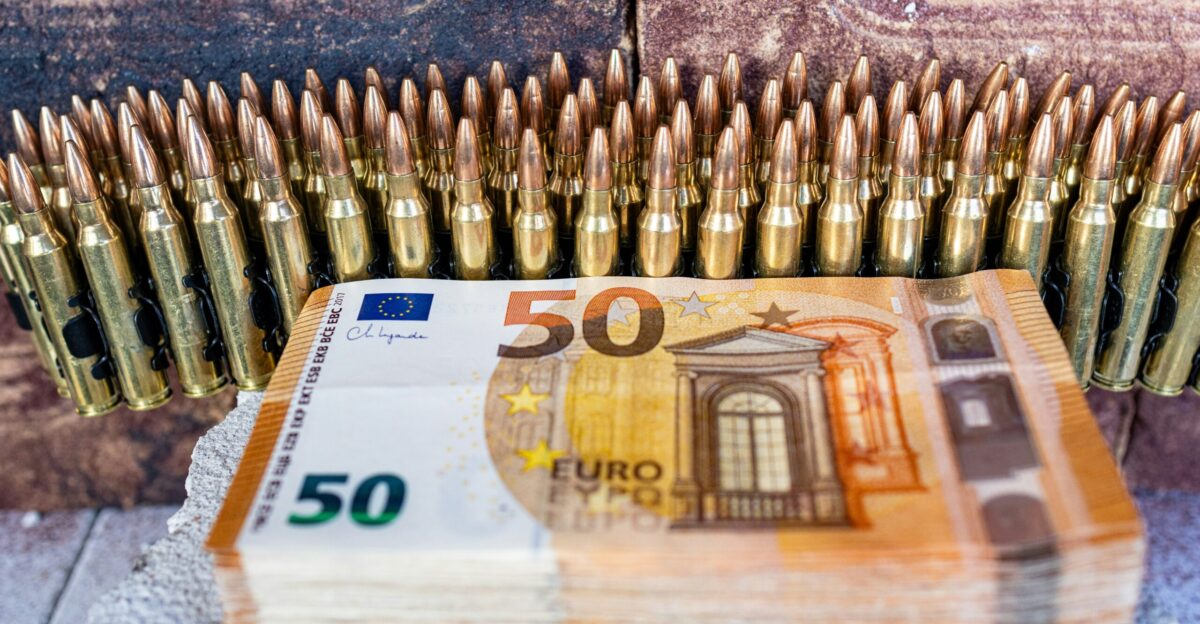
While the U.S. manufactures the missiles, Europe’s financing role highlights a dramatic shift in burden-sharing. Denmark, Norway, and the Netherlands collectively pledged hundreds of millions in joint procurement funds.
Officials in Copenhagen called the move “an investment in European security.” This growing willingness to fund advanced weapons systems marks Europe’s transition from reactive donor to proactive defense investor alongside Washington.
A Turning Point in NATO’s Strategic Model
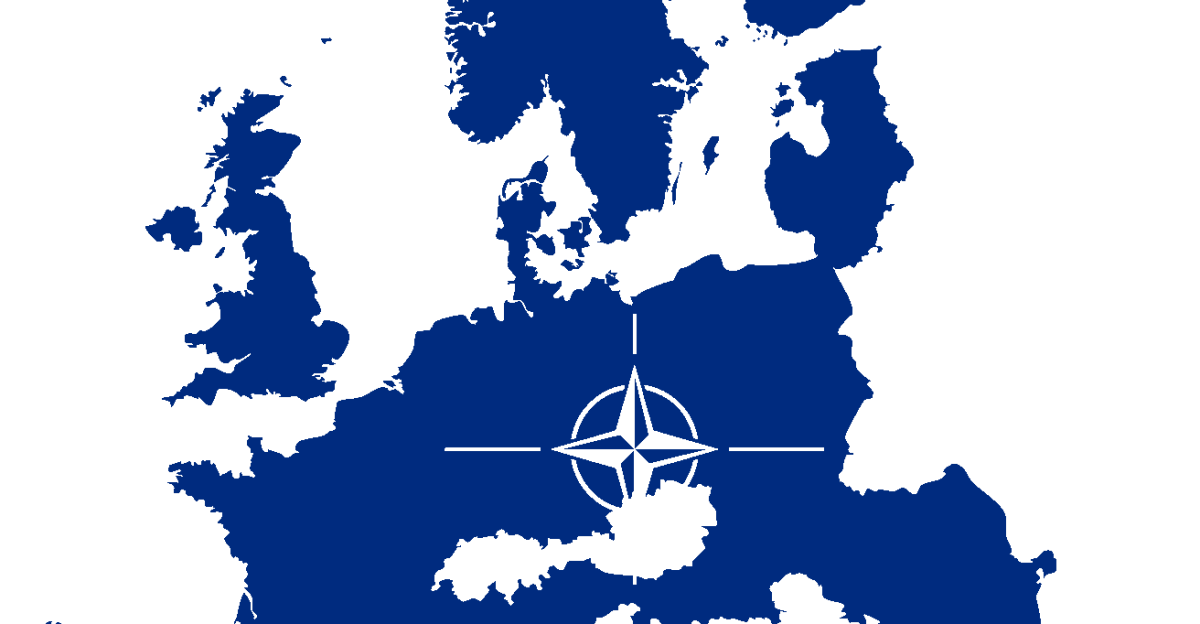
The coordinated funding and manufacturing model underpinning the ERAM sale could reshape NATO’s long-term defense strategy. Instead of deploying troops, alliance members are pooling money and technology to strengthen partners under attack.
Analysts say this framework—military empowerment without direct combat—may define how Western nations engage in future proxy or gray-zone conflicts without triggering full-scale intervention.
Ukrainian Morale and National Resilience

Inside Ukraine, news of the missile deal was greeted with cautious optimism. President Zelenskyy called it “proof that the free world still stands with us.” For soldiers on the front lines, the announcement signaled not just more weapons but renewed faith that international support remains firm.
After nearly three years of relentless war, morale is as strategic as any missile system.
Moscow’s Military Adjustments Underway
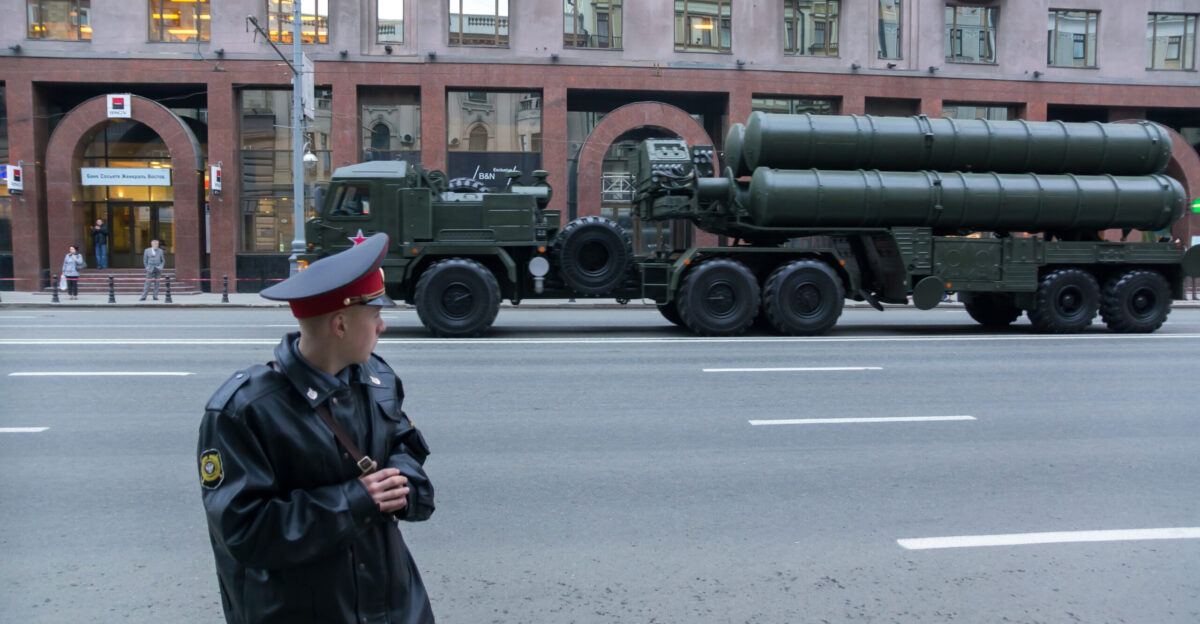
Russian defense analysts say Moscow is already adjusting to the new threat. Additional S-400 air defense systems are reportedly being deployed to western Russia and Crimea to intercept potential Ukrainian cruise missile attacks.
Intelligence reports suggest Russia may further disperse logistics depots, but such countermeasures come at a cost—greater distance between units and slower coordination on the battlefield.
Signals Over Strategy: A Message to the World

Beyond the immediate battlefield impact, the missile sale sends a wider geopolitical signal. Western nations have moved from hesitant supporters to committed partners in Ukraine’s defense.
After months of stalled diplomacy, the ERAM deal demonstrates sustained military backing and technological coordination. It’s not just a response to aggression—it’s a message of endurance directed at Moscow and the world.
A New Phase of the War Begins

For Ukraine, the cruise missiles promise a deeper reach and renewed leverage. For Russia, they introduce new vulnerabilities across its military network. And for the West, the deal marks the moment caution gave way to conviction.
The August 28 approval doesn’t end the war, but it decisively marks the beginning of a new, more calculated phase in how it will be fought and ultimately remembered.