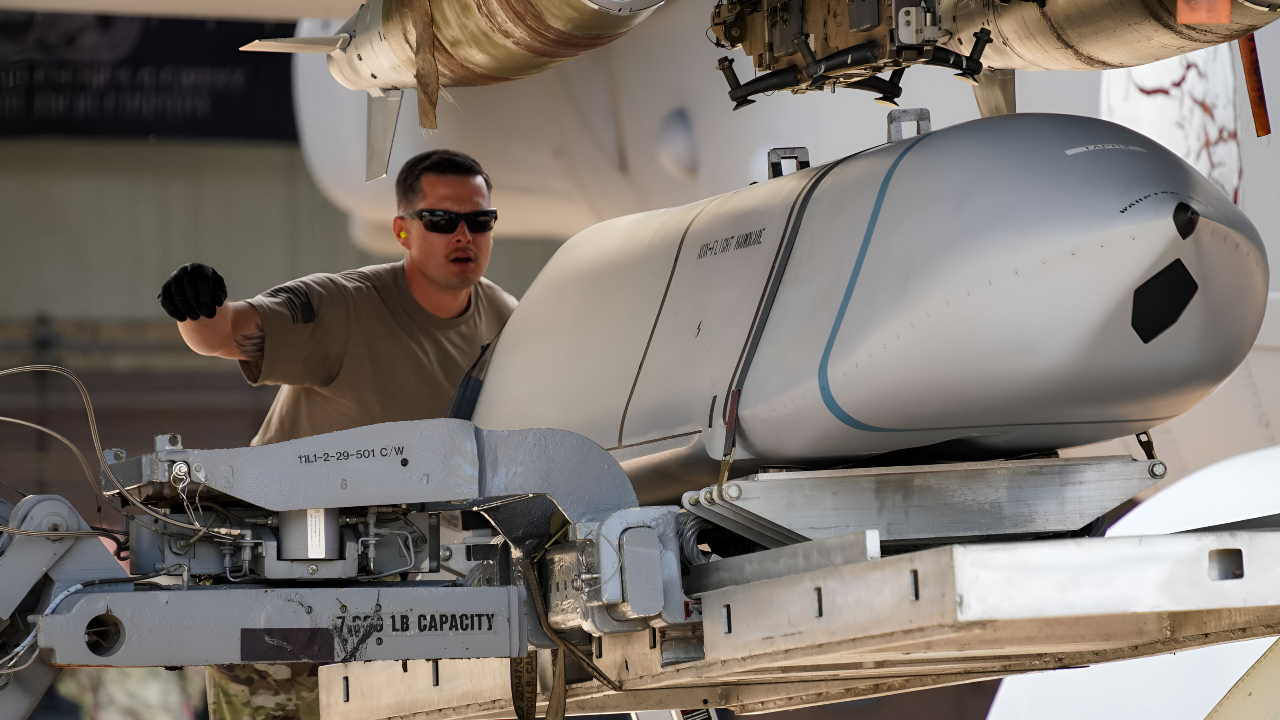
On August 28, 2025, Kyiv awoke to devastation. Russian missiles struck residential neighborhoods in one of the deadliest attacks of the year, killing at least 21 people and wounding over 60, including four children. As emergency crews searched for survivors in the rubble of a destroyed apartment building in the Darnytskyi district, the United States announced an $825 million arms deal: 3,350 air-launched cruise missiles destined for Ukraine. Funded primarily by Denmark, Norway, and the Netherlands, this transfer marked one of the largest in modern warfare—a clear signal that Western support for Ukraine had not wavered, but intensified.
A Calculated Response to Escalation
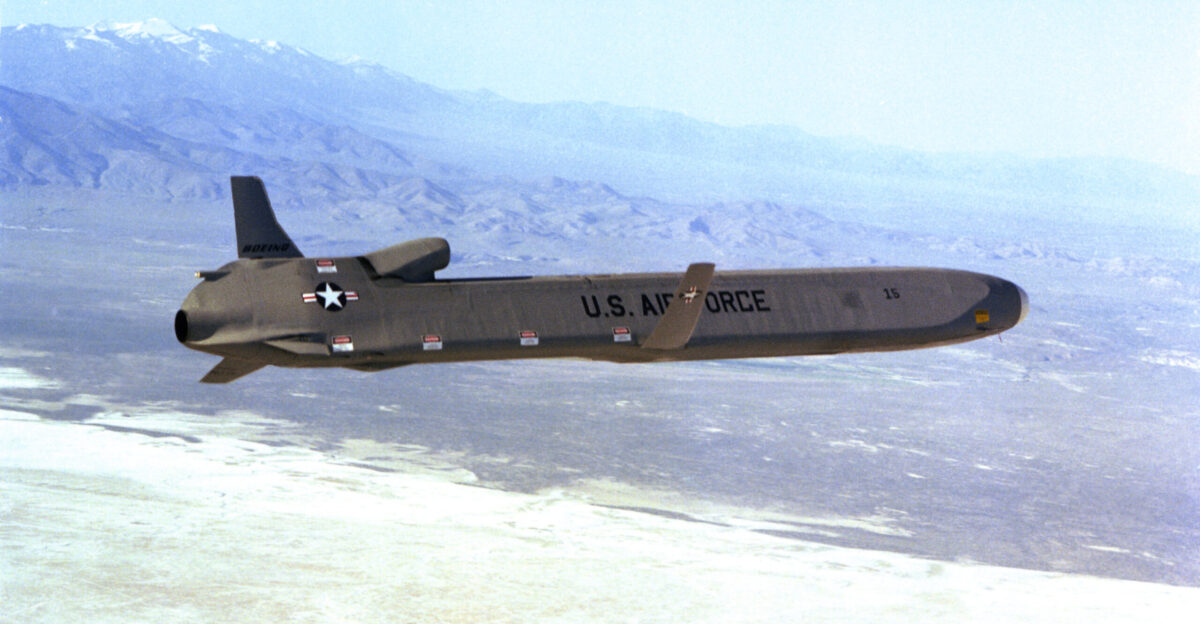
The decision to supply Ukraine with advanced cruise missiles was months in the making. U.S. defense officials revealed that discussions had been ongoing, but the final approval came only after diplomatic efforts between former President Donald Trump and Russian President Vladimir Putin collapsed at the Alaska summit on August 15.
The subsequent Russian assault on Kyiv highlighted the urgency. President Volodymyr Zelenskyy, visiting the attack site, mourned what he described as one of the most devastating mornings of the war. The new missile deal represented not just military hardware, but a message of sustained international support.
Europe Steps Up

While the United States authorized the sale, European nations shouldered most of the financial burden. The Defense Security Cooperation Agency confirmed that Denmark, Norway, and the Netherlands were the primary funders, with the exact breakdown undisclosed. European officials described the move as a collective act of deterrence, designed to ensure Ukraine’s long-term defense rather than serve as a symbolic gesture.
Danish Deputy Prime Minister and Defense Minister Troels Lund Poulsen emphasized the importance of European unity, stating, “In light of the current security situation, it is essential to demonstrate that we stand united with Ukraine in the fight for Europe’s freedom”. The arrangement reflects a broader shift in Europe’s role—from a reactive donor to a proactive defense investor—mirroring similar burden-sharing seen in recent NATO support for the Baltic states.
Missiles Built for Modern Warfare
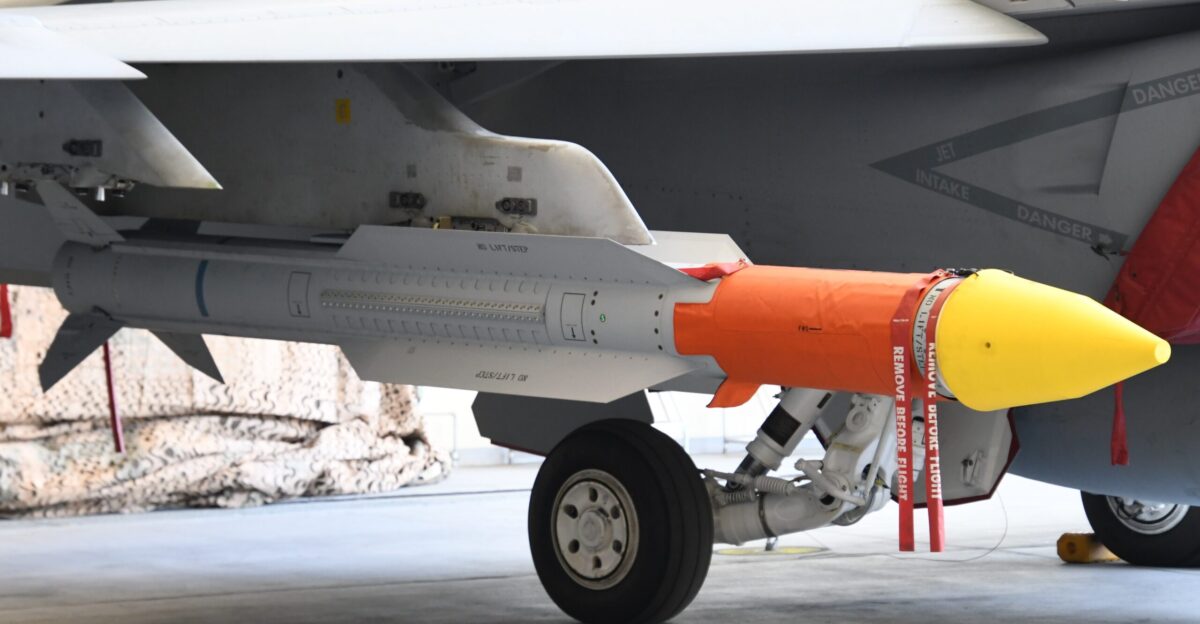
The Extended Range Attack Munition (ERAM) missiles authorized in the deal are precision-guided, air-launched weapons capable of striking targets deep behind enemy lines. Designed to integrate with Western-supplied aircraft, ERAMs can fly at low altitudes to evade detection and are equipped with encrypted GPS and inertial navigation systems, making them resilient against Russian jamming and spoofing attempts.
This technology is crucial in a conflict where electronic warfare is as fierce as the fighting on the ground. With a range extending up to 450 kilometers, these missiles enable Ukraine to target ammunition depots, command centers, and logistics hubs deep inside Russian-controlled territory, potentially forcing Moscow to reposition assets and stretch its supply lines.
Global Reactions and Strategic Shifts

The Kremlin swiftly condemned the missile sale, labeling it an act of aggression. Russian Foreign Ministry spokesperson Maria Zakharova warned that the decision would escalate the conflict. Russian state media accused NATO of using Ukraine as a testing ground for Western weapons, a claim dismissed by Western officials as propaganda. In contrast, European leaders presented a unified front.
Italian Foreign Minister Antonio Tajani told lawmakers in September, “It is crucial to amplify the pressure on Putin to compel him to engage in negotiations. We must utilize every available tool to obstruct the funding of his military efforts, which includes implementing new sanctions”. Germany and France echoed this stance, reaffirming their commitment to sanctions and defense assistance despite domestic economic pressures.
The deal also signals a new phase in transatlantic cooperation. This shared funding and support model is expected to influence future NATO procurement strategies, emphasizing military empowerment without direct troop deployments. Similar approaches have been adopted in supporting Taiwan and Israel, reflecting a global trend toward collective defense investment.
Implications for the Battlefield and Beyond
For Ukraine, the arrival of ERAMs could redefine its air campaign. Pilots will be able to strike Russian infrastructure and supply corridors without entering heavily defended airspace. Military analysts predict that these capabilities will enable Ukraine to disrupt Russian logistics, particularly in contested regions such as Donbas and Zaporizhzhia. Russian forces are reportedly already adjusting, deploying additional air defense systems and dispersing supply depots—a move that complicates their own operations.
The announcement has bolstered morale within Ukraine. President Zelenskyy called the deal evidence of continued international support. For soldiers and civilians alike, the new weapons represent not just increased firepower, but renewed commitment from Western allies. As the conflict enters its third year, the stakes remain high.
The ERAM deal does not guarantee victory, but it marks a decisive shift: Western caution has given way to sustained commitment, and the war’s next phase will be shaped by deeper coordination, evolving strategies, and the enduring resilience of those on the front lines.