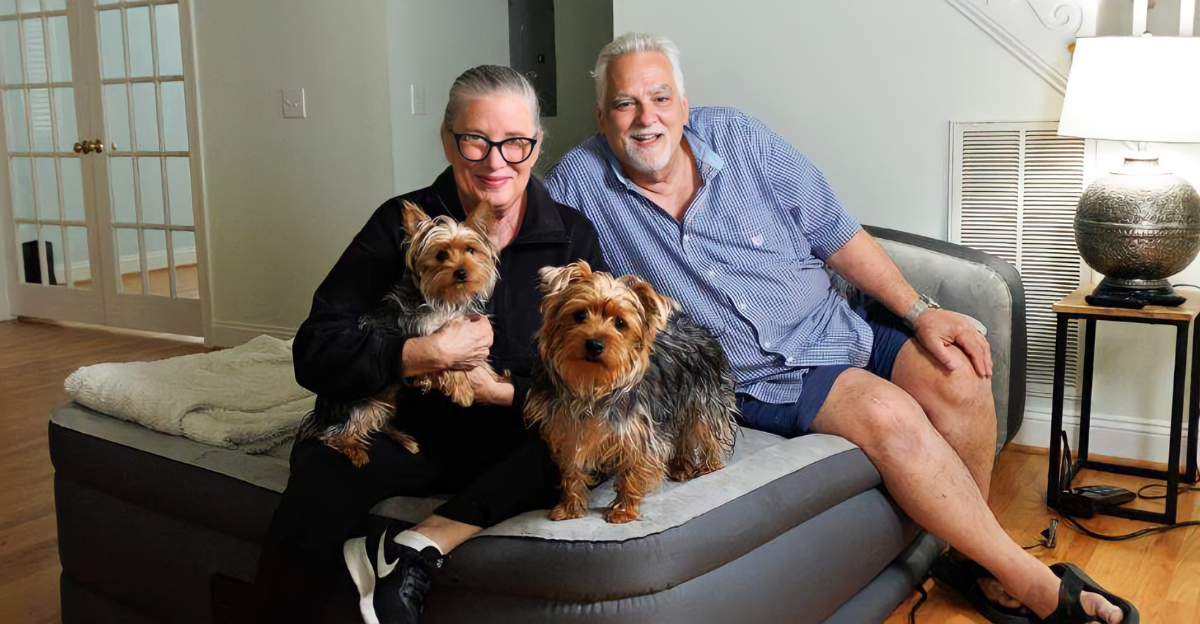
For baby boomers moving into retirement at age 55 and beyond, the cost is more than just a monetary amount; it also represents changing healthcare requirements, lifestyle demands, and social changes. Boomers are redefining retirement by looking for thriving, amenity-rich neighborhoods that combine social opportunities, safety, and independence. Due to the sheer number of people born between 1946 and 1964 entering retirement, there are complicated social and economic pressures resulting from this demographic shift.
Limited retirement savings pose an affordability challenge; the median boomer’s savings of $194,000 are frequently insufficient to cover the average annual retirement spending of $48,885. A desire for active lifestyles, growing healthcare costs, and housing costs are all factors in the equation. Unpacking the relationship between financial readiness, market trends, new community designs, and long-term societal effects that affect local economies is necessary to comprehend this price tag.
Retirement Living in Historical Context
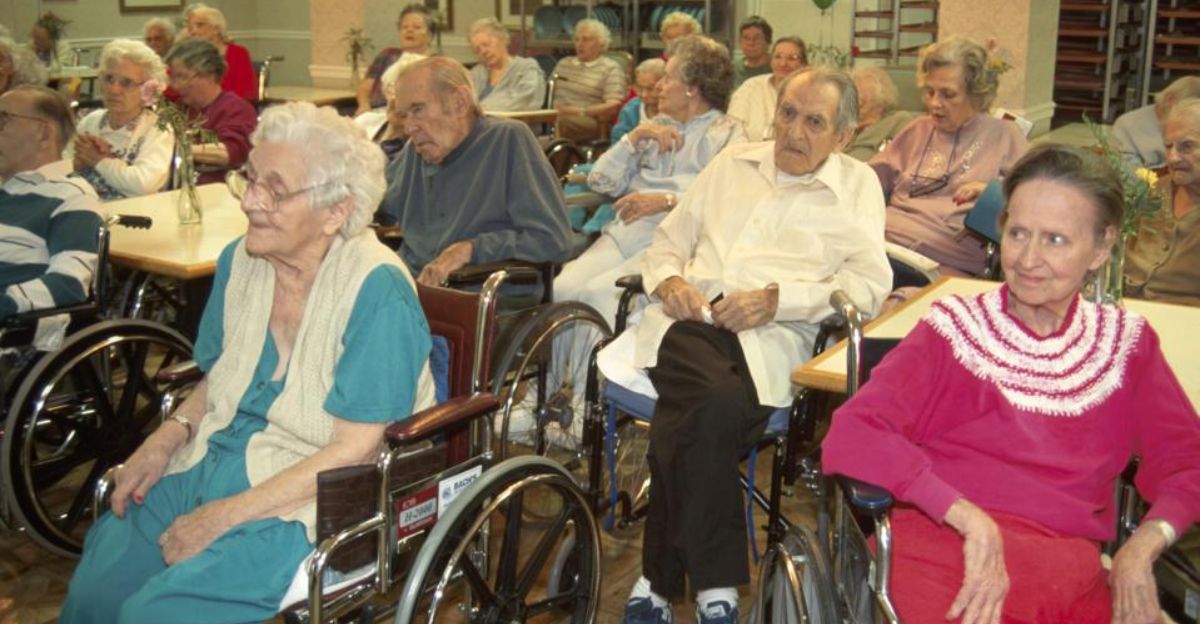
From its beginnings in custodial, limited nursing homes in the early 20th century to institutional care centered on safety and basic health in the middle of the century, retirement living has undergone significant change. The idea of a modern retirement community, which combines social interaction, health, and lifestyle, came into being in the middle of the 20th century and was exemplified by projects like Sun City.
This development is in line with more general societal changes like longer life expectancies, advancements in medicine, and evolving family dynamics. Basic needs were the primary focus of early retirement options, but today’s boomers want enriched environments with amenities that promote community, wellness, and mental stimulation to support active, healthy aging. This historical improvement in expectations and services must be taken into account when interpreting the price tag because it is essential to the experience that baby boomers are looking for.
Current Patterns in the Retirement Preferences of Boomers
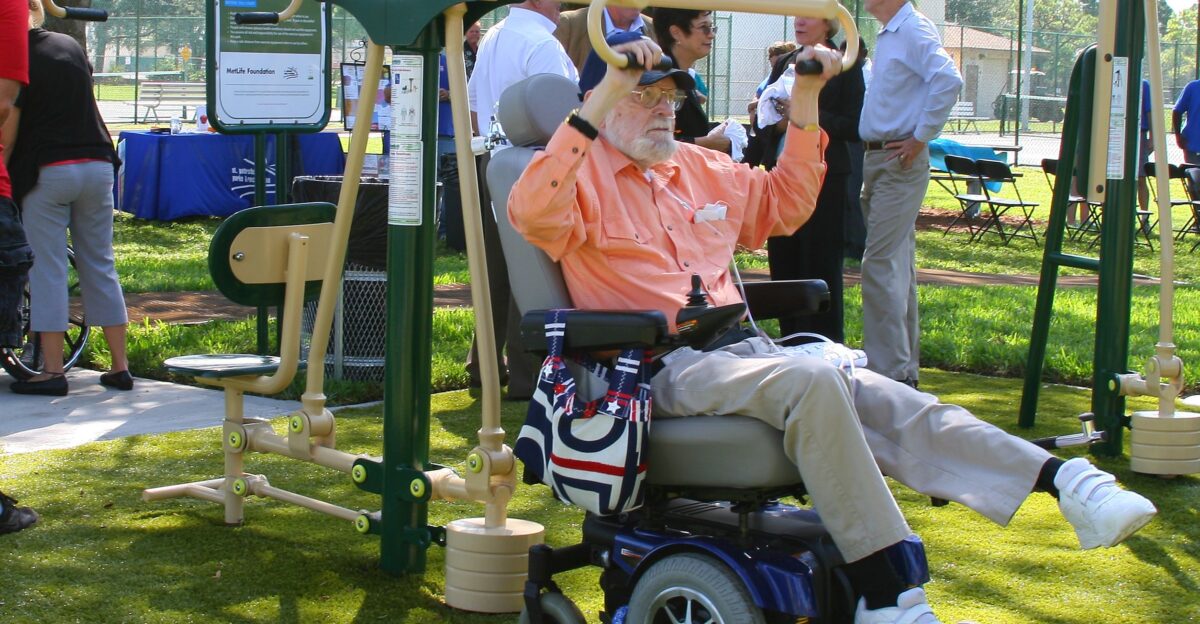
In keeping with their healthier, more socially active mindsets, today’s baby boomers want active adult communities with amenities like fitness centers, golf courses, and cultural events rather than just a passive retirement. Due to specially designed amenities and security, active adult communities now command rent premiums of 15–50% higher than traditional multifamily properties, which drives up premium pricing.
As boomers sell their high-maintenance family homes to free up funds for experiences and travel, renting is also increasing. These preferences put pressure on housing markets, which raises rents and reduces vacancies in desirable neighborhoods that support senior mobility and engagement. Additionally, while diverse models such as co-housing and niche-interest communities promote social wellbeing, they also complicate living arrangements financially.
Financial Factors and Being Ready for Retirement

Retirement living has a sobering financial foundation. Despite being a generation known for accumulating wealth, two-thirds of peak baby boomers are ill-prepared for retirement, with almost half heavily depending on Social Security, which only replaces around 40% of pre-retirement income. The $1.2 million required to support a 30-year retirement at average spending rates is far greater than the median savings, which are close to $194,000.
These difficulties are made worse by rising medical expenses, market volatility, and low interest rates since the 2008 financial crisis. As a result, many baby boomers have to make tough decisions about housing quality, location, and care levels, which affects their retirement decisions on both a financial and emotional level.
Difficulties in Fulfilling Demand for Retirement Living

The demand for retirement living is complicated by issues with infrastructure, the economy, and demographics. The retirement circumstances for later baby boomers are more difficult; they include higher debt loads, student loans, longer life expectancies, and a change from defined benefit to defined contribution pensions. The need for long-term care and affordable housing is increased as a result of this financial strain.
As aging populations need more help, the strain on healthcare services increases. The market for retirement living must contend with these challenges as well as the effects on the labor force as millions of people leave the workforce, which lowers productivity and increases demands on entitlement programs.
Creative Boomer Housing Models
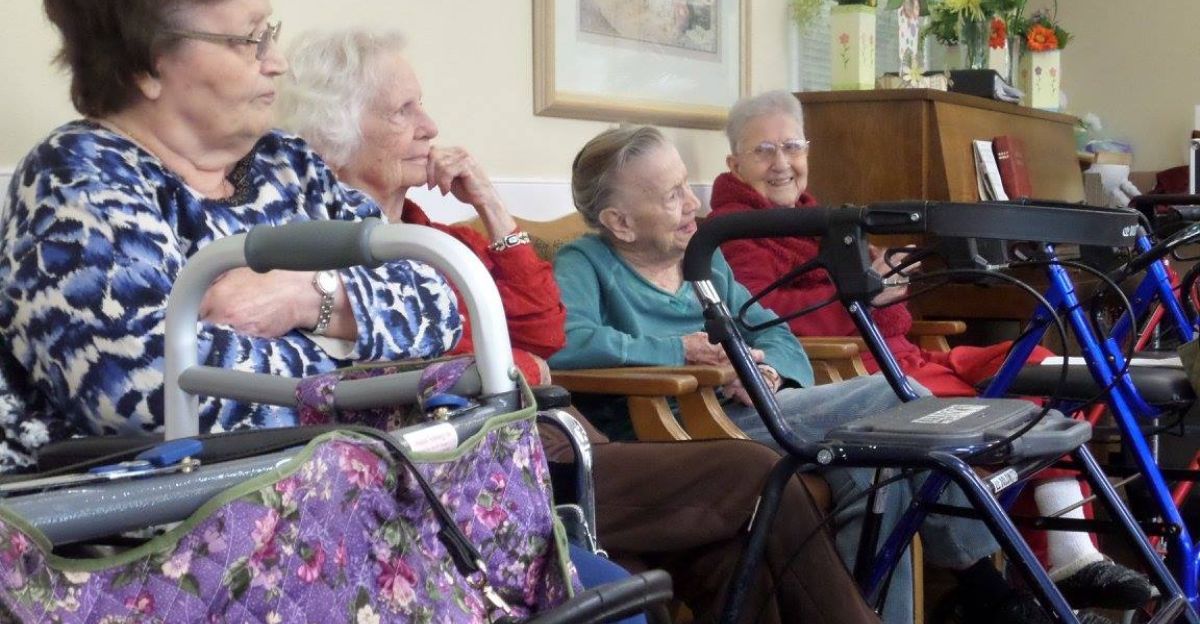
Co-living, cooperative senior housing, homesharing, and intergenerational communities are some of the innovative retirement living models that address quality and affordability. These ideas offer alternatives to conventional retirement communities by attempting to strike a balance between social interaction and economic sustainability. The rental-based lifestyle, which relieves boomers of property maintenance while promoting flexibility, is also becoming more and more popular.
Unconventional choices such as volunteer-for-room-and-board programs or living on cruise ships are examples of innovative but specialized solutions to financial constraints. This kind of diversification reveals a market that is changing and aims to balance the needs of baby boomers for autonomy, reasonable prices, and fulfilling social settings.
Boomer Retirement Communities’ Economic Impact
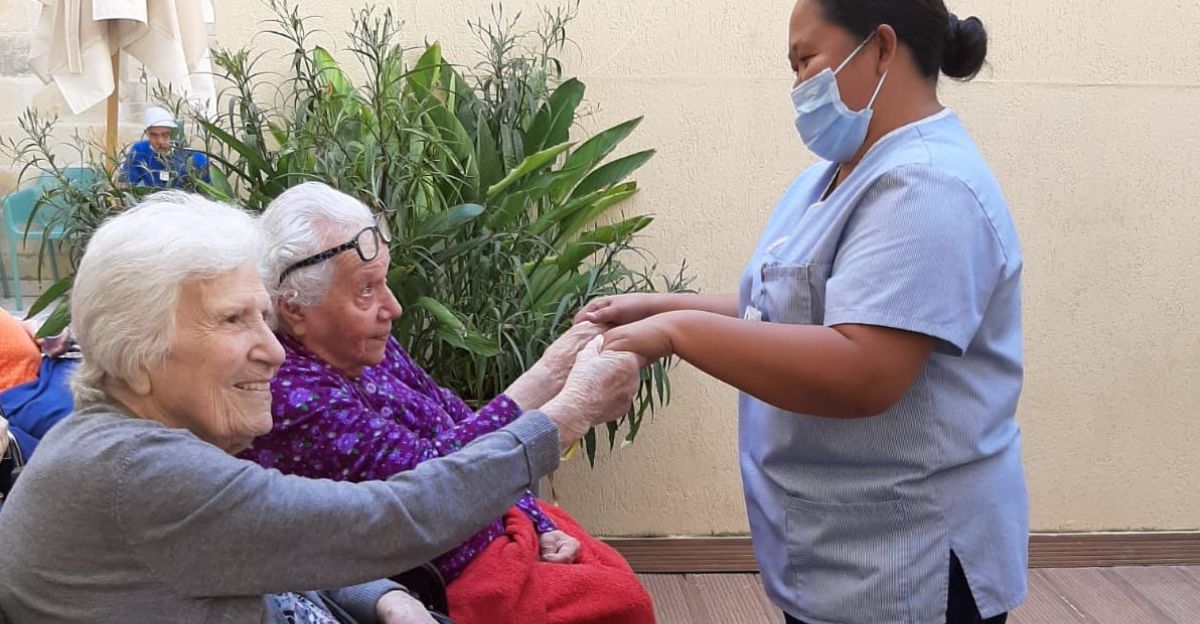
Boomer migration to retirement communities is a major driver of economic activity; it now accounts for 45% of US personal spending, up from 29% twenty years ago. Retirement communities develop into commercial centers that boost regional companies and industries.
Because boomers own 70% of household wealth, these communities have a significant social and economic influence, influencing local economies, healthcare markets, and real estate development. However, this monetary benefit is not equally distributed, and inequalities affect access and sustainability in communities.
The Cost of Healthcare and Its Effects on Long-Term Care

Long-term care and healthcare expenses inevitably account for a portion of retirement costs. The need for assisted living and nursing care facilities increases as boomers age due to a rise in chronic illnesses and disabilities, which drives up costs even further. The goal of moving from institutional care to home-based or community-supported care is to cut costs, but this calls for systemic change.
Boomer healthcare demands are expected to increase entitlement costs by hundreds of billions by 2030, further taxing Medicare and Medicaid. One important factor in determining the affordability of retirement living is the financial viability of these healthcare models.
Social and Psychological Cost Elements
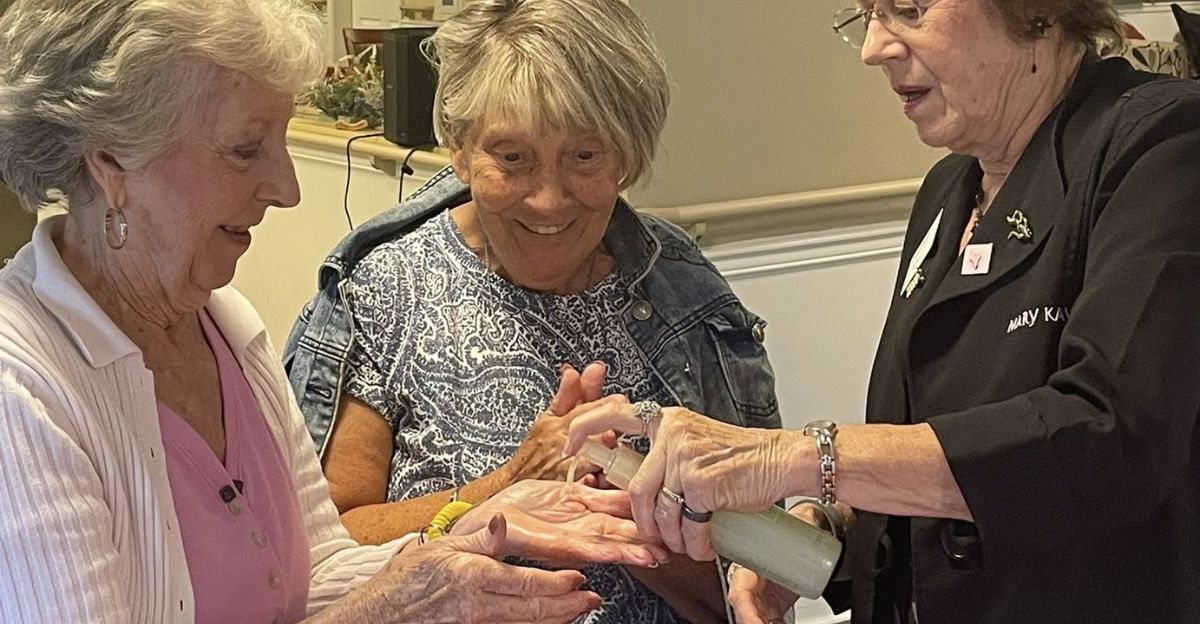
Psychological and social factors that are frequently overlooked in purely financial analyses play a role in the decision to enter retirement living at age 55 and beyond. Boomers balance the advantages of security and camaraderie against the costs of losing their independence, becoming socially isolated, and adjusting to communal living. Longer life spans are also associated with better mental health outcomes in environments that encourage social interaction.
On the other hand, changes that are accompanied by financial hardship or a lack of compatibility with lifestyle choices intensify psychological stress, which subsequently affects health and medical expenses. As a result, the price tag reflects both the financial investment and the quality of life.
Boomers’ Influence on Trends in Retirement Living

By rejecting antiquated notions of passive aging, baby boomers are actively influencing the evolution of retirement living. Retirement communities are innovating with middle-market products and a la carte services in response to their demand for choice, amenity-rich environments, and flexible care options. The market needs are further diversified by the rise of racially diverse seniors and single-agers.
In order to draw in these astute clients and establish the next stage of the sector, providers must strike a balance between affordability and customization by introducing “cozy homes,” lower admission costs, and hybrid care models.
The Effects of Boomers’ Retirement Rental Income
Boomers are increasingly opting to rent instead of buy when they retire. As fixed incomes take the place of wages, this change provides freedom from property taxes, upkeep, and insurance. The demand for investment units in 55+ and independent living communities, which are frequently found in walkable, amenity-rich neighborhoods, is increased by renting.
Urban and suburban rental markets, which are typically dominated by younger demographics, are driven by this rental trend, which creates competitive pressures that drive up rents and lower vacancies. Rental housing design is changing as a result of boomers’ increased emphasis on safety and accessibility, which has an effect on real estate prices and construction.
Is It Worth It to Live in Retirement?

Critics contend that the cost and loss of autonomy can be prohibitive, despite the fact that boomers frequently view retirement communities as a means of achieving freedom and security. According to some, exorbitant prices effectively socialize wealth away from people, particularly those with limited resources, forcing them into subpar facilities or precarious living situations.
Others challenge the prevailing preference for community living by highlighting aging-in-place solutions through home care as more affordable and personally fulfilling. This opposing viewpoint demands a critical analysis of the value proposition of retirement living, balancing expenses against trade-offs related to psychology and lifestyle.
The Model of “Sun City”
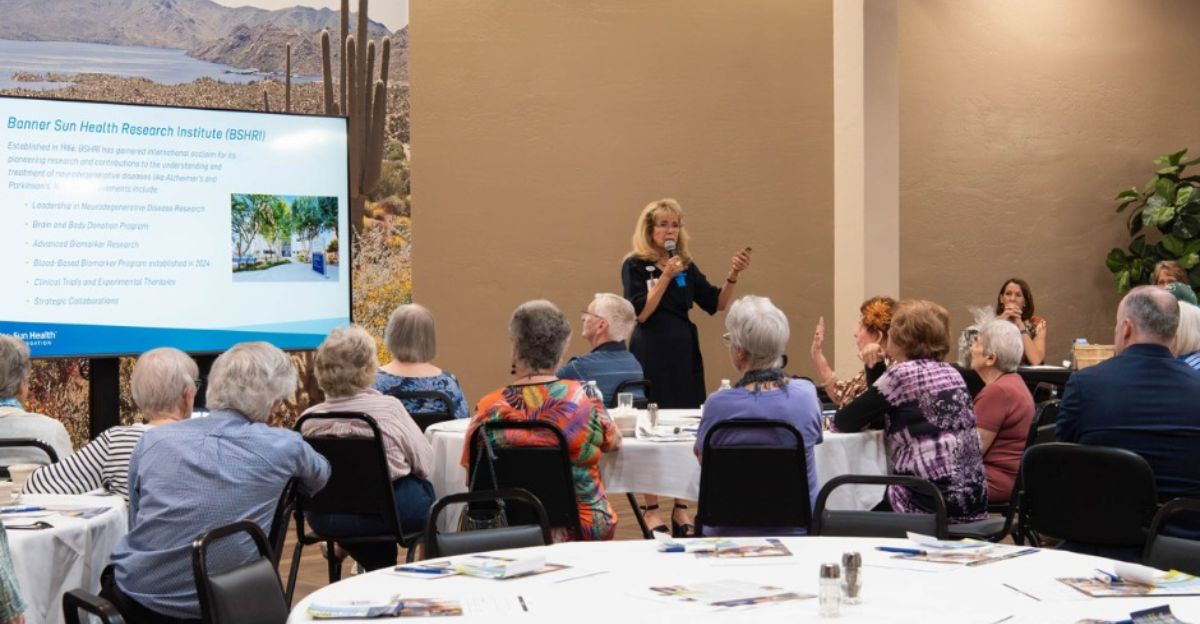
With residents averaging 73 years old and actively contributing to local economies, Sun City communities are prime examples of how retirement living can develop into independent, thriving cities. These neighborhoods offer upscale facilities like social clubs, golf courses, ballrooms, and pools that raise living expenses while enhancing social interaction and quality of life.
However, they also draw attention to issues of exclusivity and affordability, which are frequently limited to wealthier baby boomers. The economic impact of Sun City highlights how retirement living is both a lifestyle choice and a significant economic driver.
Effects of the Second Order on Real Estate Markets
Real estate markets are impacted as a result of boomers moving into retirement communities and downsizing from large family homes. Some suburban markets may see a decline in prices due to the abundance of larger homes available, but developments aimed at retirement communities may see an increase in construction and sales due to the growing demand for easily accessible single-story homes.
Due to increased competition and higher rents driven by boomer rental preferences, this demographic shift makes housing more expensive for all age groups. Urban planning and housing policy are complicated by these factors.
Infrastructure Requirements and Issues with Public Policy

Strong infrastructure, including social services, healthcare facilities, and transportation, is needed to support an aging boomer population outside of specific communities.
Funding shortages and rising demand must be balanced by public policy, which should support creative models like co-ops and intergenerational living while also providing incentives for affordable senior housing through initiatives like HUD Section 202. Ensuring equitable access to high-quality retirement living without straining state and federal budgets is a massive systemic challenge that calls for long-term planning and cross-sector cooperation.
The Psychological Model for Making Retirement Decisions

When viewed through a psychological lens, retirement living decisions represent intricate balances between identity, social belonging, security, and autonomy. According to the “Successful Aging” model, boomers look for settings that promote independence, involvement, and constructive social relationships.
When these factors are restricted by money, stress and discontent rise, which lowers health outcomes. In order to minimize hidden costs and maximize resident well-being, retirement living providers must incorporate psychological insights into their design and services.
Potential Future Retirement Living Models
In order to lower costs and improve accessibility, retirement living may adopt tech-enabled “smart communities” that combine telehealth, driverless cars, and online socialization. Flexible living and care arrangements catered to the tastes and financial capabilities of baby boomers could be introduced through shared economy concepts.
These developments have the potential to democratize retirement living, but they also pose a threat to established business models, necessitating adjustments that strike a balance between social responsibility and profitability.
The Confluence of Climate Resilience and Retirement Living
Retirement communities face new risks as a result of climate change, particularly those located in coastal or wildfire-prone areas. Relocating vulnerable seniors, retrofitting resilient infrastructure, and guaranteeing emergency preparedness are all part of the financial and social costs.
These expenses could hasten regional differences in the accessibility and affordability of retirement living. The sustainability and cost control of communities with a population of 55 and over increasingly depend on addressing climate resilience.
Unexpected Combination: Cohesion Across Generations and Retirement Living

Through intergenerational housing and community initiatives, retirement living is increasingly being integrated with younger generations. For boomers, this mashup lessens social isolation, and for younger people, it offers affordable housing options.
Despite being unorthodox, these models cast doubt on the social dynamics and cost structures of traditional retirement living, offering a novel approach that helps several age groups with mutual support and shared expenses.
In Conclusion
For boomers entering their 55+ years of retirement, the cost is complex and goes beyond financial calculations to include healthcare needs, psychological health, social changes, and economic effects. Many boomers face financial constraints that call for creative, cost-effective solutions, even as their growing cohort is changing retirement living markets with their demand for active, choice-rich environments.
Future models that combine social diversity, technology, and intergenerational collaboration have the potential to strike a balance between cost containment and quality of life. As retirement living redefines aging in modern society, policymakers, business executives, and the boomers themselves must comprehend the wide-ranging, interconnected effects of this demographic shift.