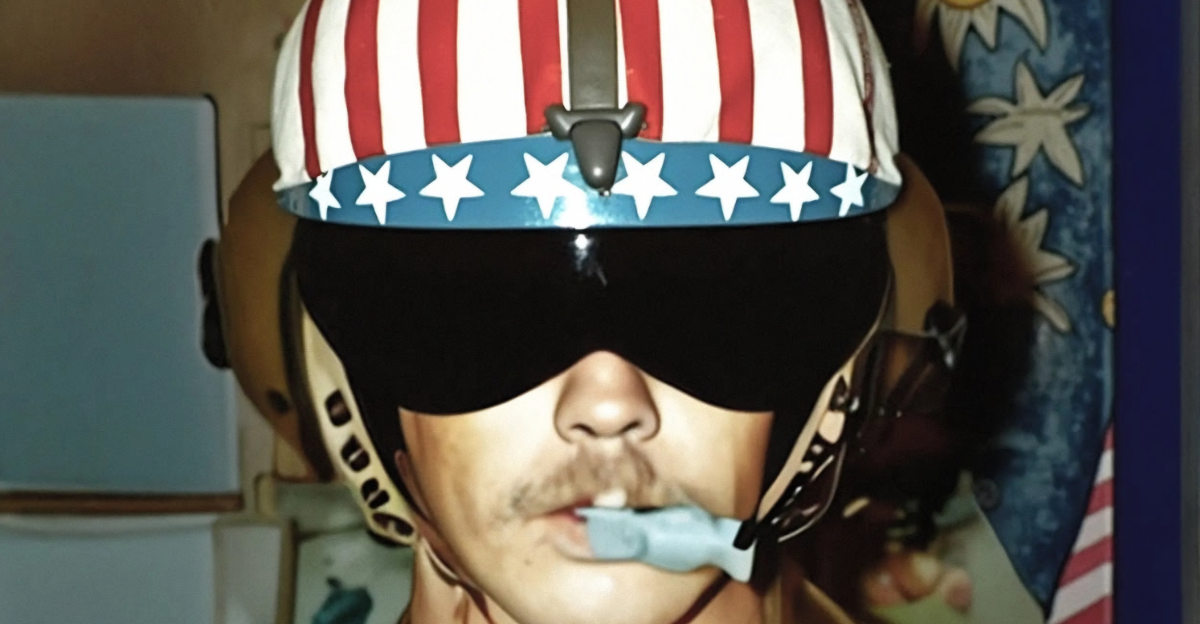
William “Hank” Hankinson stands out in the chronicles of the Vietnam War for his audacious spirit as a helicopter pilot. His reputation as a fearless aviator endures, captivating historians and fellow veterans with tales of his bravery and survival.
“To fly with Hank was to feel invincible,” recalls a former squadron mate. Hankinson’s legacy is more than just stories of daring; it symbolizes the resilience of a generation that faced extraordinary challenges. With each mission, he became a legend, a figure whose name continues to evoke admiration and intrigue in military and civilian circles.
Living On the Edge
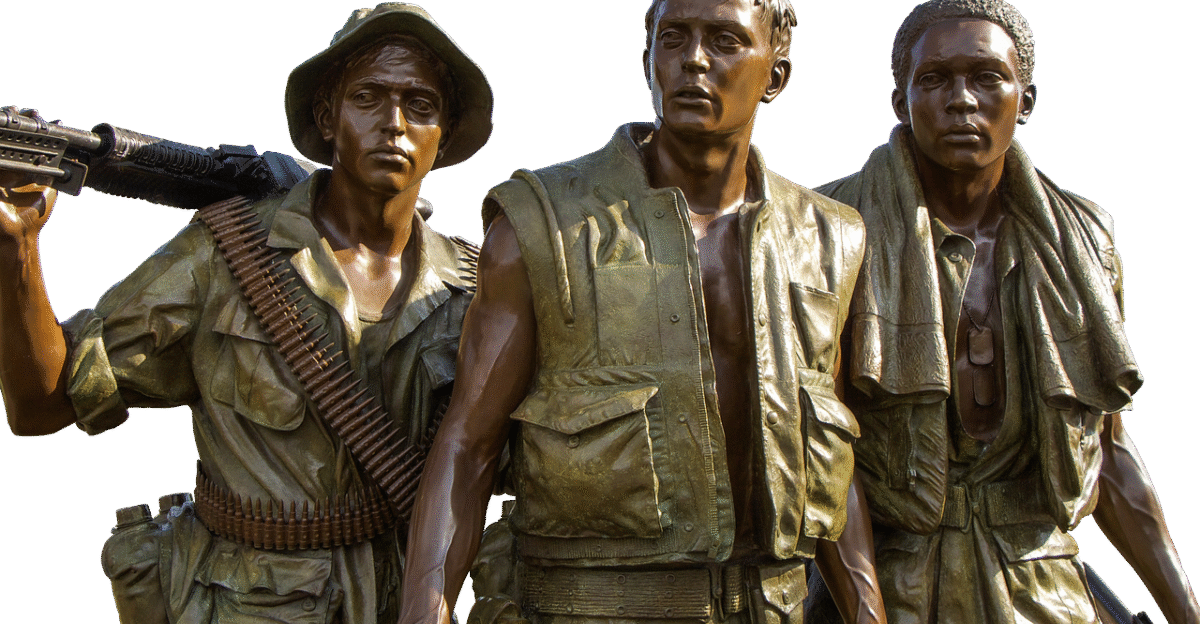
Hankinson’s astonishing journey was marked by remarkable courage, as he repeatedly defied fatality during perilous missions, being shot down five times. Reports from those familiar with his career describe him as possessing an almost supernatural knack for survival. “It was like he had a guardian angel,” mentioned a fellow pilot.
Remarkably, Hankinson emerged from these harrowing experiences with only minimal injuries. Such extraordinary feats earned him reverence among comrades, who viewed him as a beacon of fearless determination amidst chaos. His reputation as “untouchable” grew, cementing his status as one of Vietnam’s most formidable aviators.
Helicopter Warfare’s Evolution
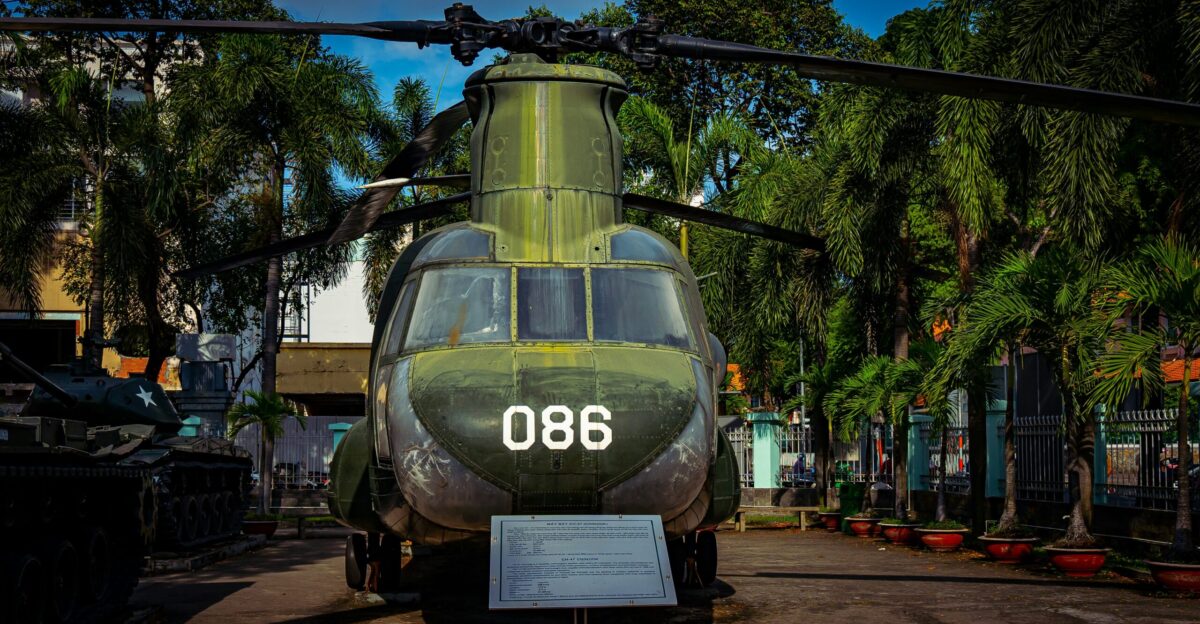
The dynamics of warfare in Vietnam underwent a seismic shift with the introduction of helicopter combat, fundamentally altering battlefield strategies. The Bell AH-1 Cobra, flown by Hankinson and his contemporaries, became crucial for reconnaissance and attack missions. As Hankinson adapted to this new warfare paradigm, he recognized the unparalleled advantages helicopters provided in navigating the dense Vietnamese terrain.
“These machines transformed how we fought. They realigned our approach to combat entirely,” shared an aviation historian. This evolution set the stage for many intense aerial engagements, underscoring the helicopter’s pivotal role in the conflict.
The Jungle’s Perils
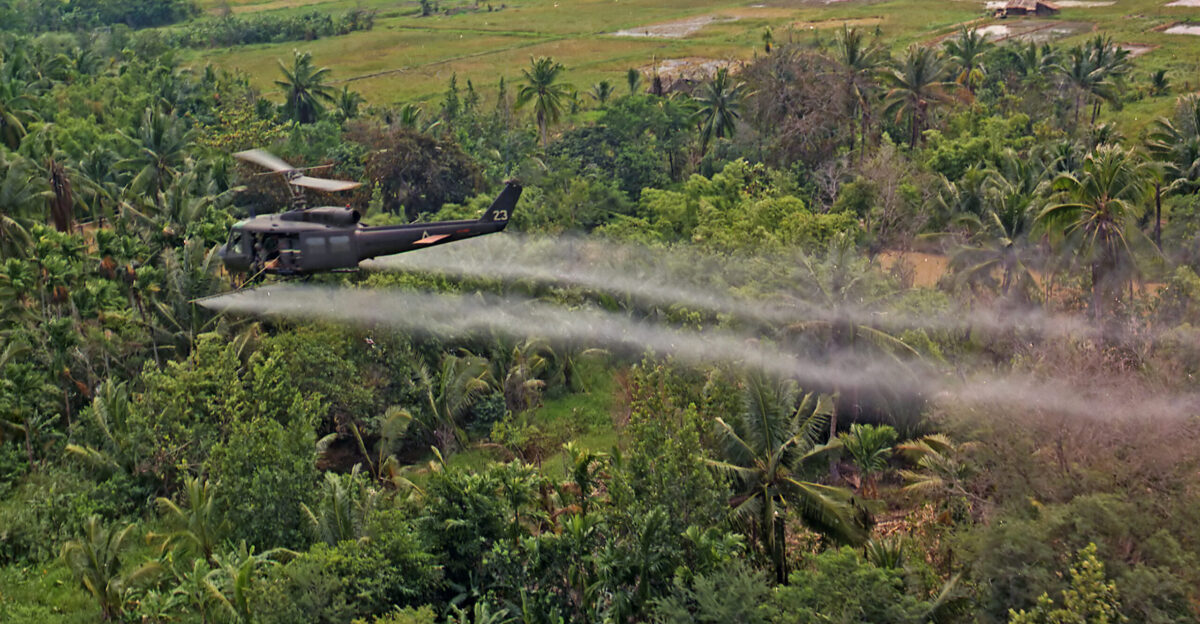
The Vietnam jungle was treacherous, fraught with dangers that taxed even the bravest soldiers. Pilots, including Hankinson, faced machine gun fire, RPGs, and shifting threats lurking at every turn. The constant risk wasn’t limited to combat zones; even base camps were under threat of attack, creating an atmosphere of relentless vigilance.
Survivors shared harrowing tales of brushes with death: “The jungle was our enemy, too,” one veteran noted. Amid these dangers, Hankinson stood out, nimble and savvy in maneuvering through adversity, drawing strength from the mental resilience that comes only from deep conviction in one’s mission.
Shot Down Five Times
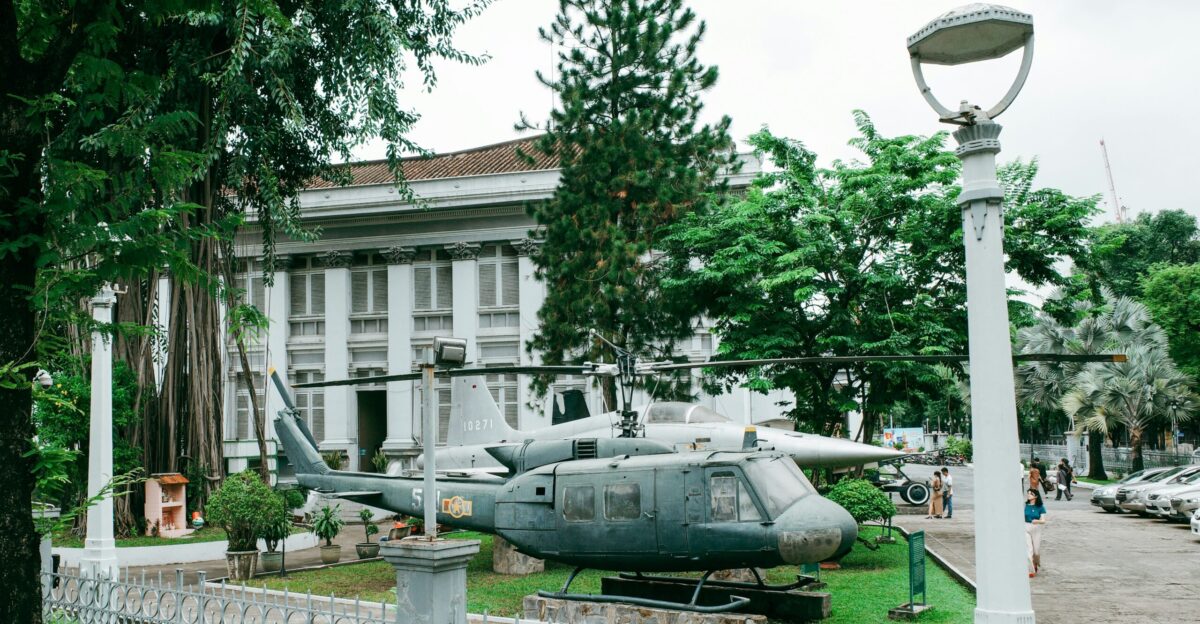
Remarkably, Hankinson survived five helicopter crashes during his daring service in Vietnam, earning him a reputation for near-mythical resilience. Each incident tested his mettle, yet he emerged with only minor injuries, further bolstering his “untouchable” status. “He had this way of facing challenges head-on that left us in awe,” recalled a crew member.
Hankinson’s extraordinary survival record was not merely an anomaly; it symbolized hope and tenacity among his peers. His escapades pushed the envelope for risk-taking in the squadron, encouraging other pilots to embrace bold tactics despite the lurking dangers of war.
From Montana to Mekong

Hankinson’s journey to the jungles of Vietnam encapsulates a profound transformation. Transitioning from civilian life to aerial combat, countless miles from home, demanded incredible adaptability. The shift from peacetime to war demanded rapid adaptation to extreme circumstances.
Yet, he quickly acclimated to the challenging environment, channeling his determination into each mission. His ability to thrive in stressful settings inspired confidence in others while proving to himself that he could rise above the chaos. That journey illustrated not just survival, but the evolution of a remarkable pilot.
“I Can’t Be Killed”
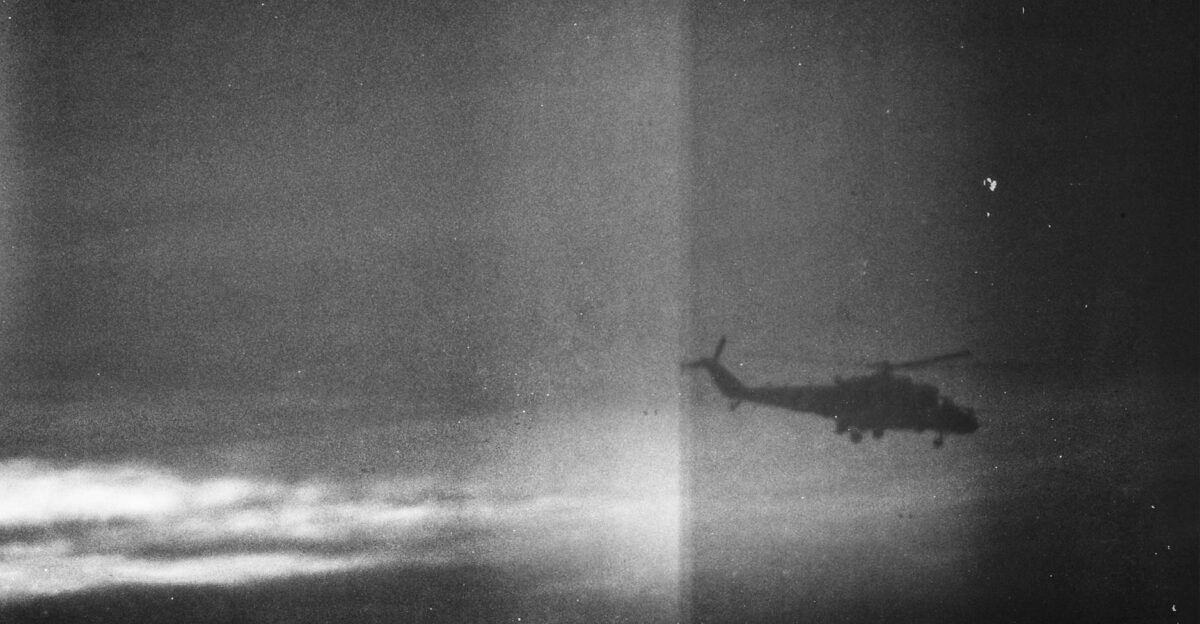
Hankinson’s unwavering confidence was expressed through his trademark mantra: “I can’t be killed.” This phrase captured his fearless spirit and reckless disregard for the risks involved. Fellow pilots admired and were simultaneously concerned about his bravado. “He was a hero and sometimes a liability,” reflected a squadron mate.
This cemented his complex character, someone who pushed boundaries while inspiring loyalty in his comrades. Hankinson’s bravado fueled his daring flights and influenced the whole squadron’s tactics, giving them newfound courage to face the escalating violence of the conflict head-on.
The Rise of a Legendary Status
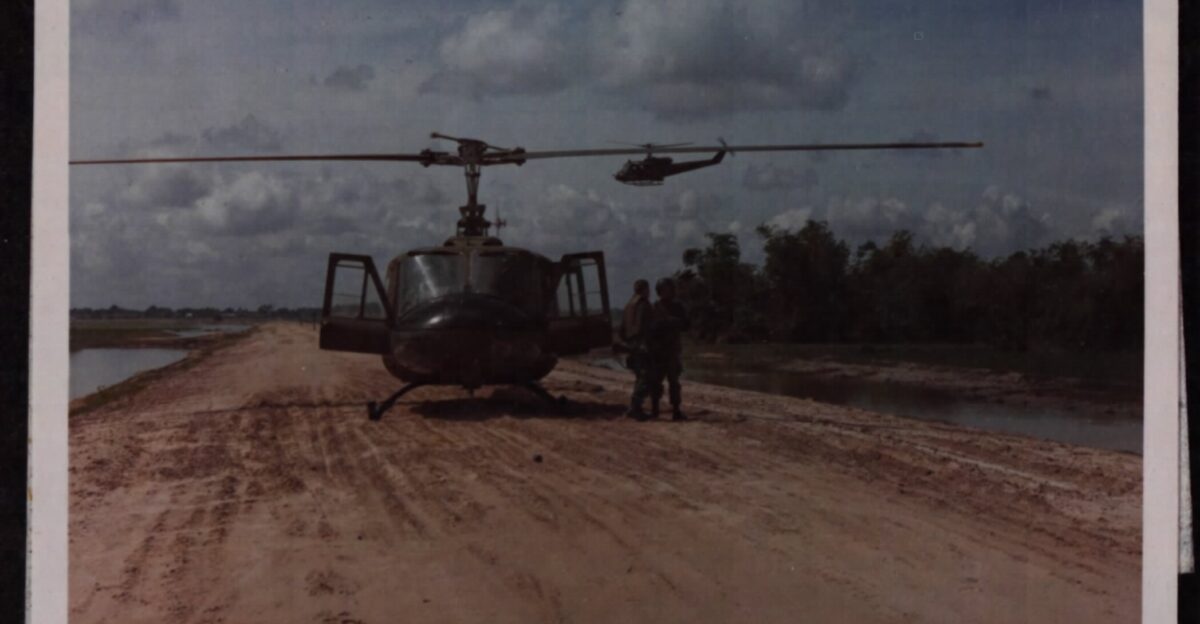
As Hankinson’s feats piled up, so did his legendary status within the 1st Cavalry Division. His audacity transformed the risk tolerance of those around him, inspiring pilots to adopt bolder strategies. “Hank’s fearlessness created a ripple effect. It pushed us all to think differently about our missions,” noted a fellow aviator.
Stories about his exploits circulated among the ranks, steadily morphing him into a larger-than-life figure. Such status had implications beyond the immediate tactical advantages; he represented the embodiment of valor itself, shifting perceptions of what it meant to be a hero in the unforgiving landscape of Vietnam.
The Weight of War

Helicopter pilots in Vietnam shouldered unprecedented psychological burdens that stretched far beyond the immediate violence they faced. Emerging research has highlighted the link between high combat exposure and severe, persistent PTSD among veterans.
One pilot, reflecting on his experiences, expressed, “The battles didn’t end when the flying did; they continued in our heads.” The emotional toll on aviators like Hankinson was profound, challenging their identities and mental well-being long after returning home. This enduring impact on mental health underscored the urgent need for effective support systems as veterans began emerging from the shadows of their harrowing pasts.
Recognized by the VA
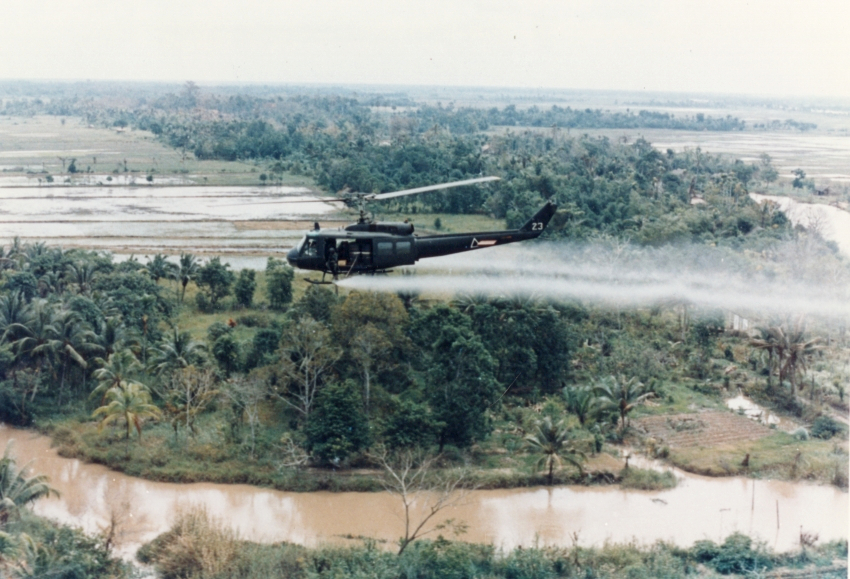
Decades after his service ended, Hankinson was recognized by the U.S. Department of Veterans Affairs. This acknowledgment highlighted the broader journey of veterans striving to reclaim their lives after the haunting echoes of war, representing the importance of recognizing the service and struggles of Vietnam War aviators.
Defiance and Consequences
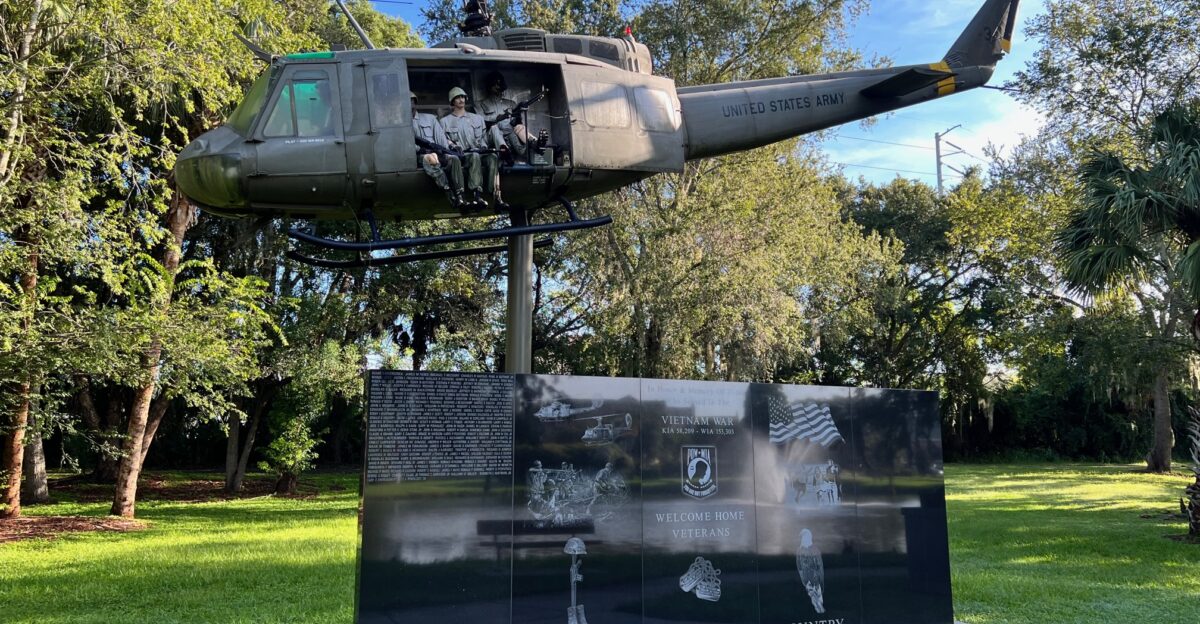
As Hankinson’s career progressed, his growing defiance of orders prompted numerous reprimands from his superiors. Trusting his instincts over military hierarchy, he often took calculated risks, believing in his mission above all else. “He had an extraordinary ability to think outside the box, but it sometimes got him into trouble,” stated a fellow pilot.
While his bravery and ingenuity won him accolades among peers, these traits also led to friction within the structured military environment, raising concerns about discipline and the implications for unit cohesion during complex operations in Vietnam.
The End of an Era
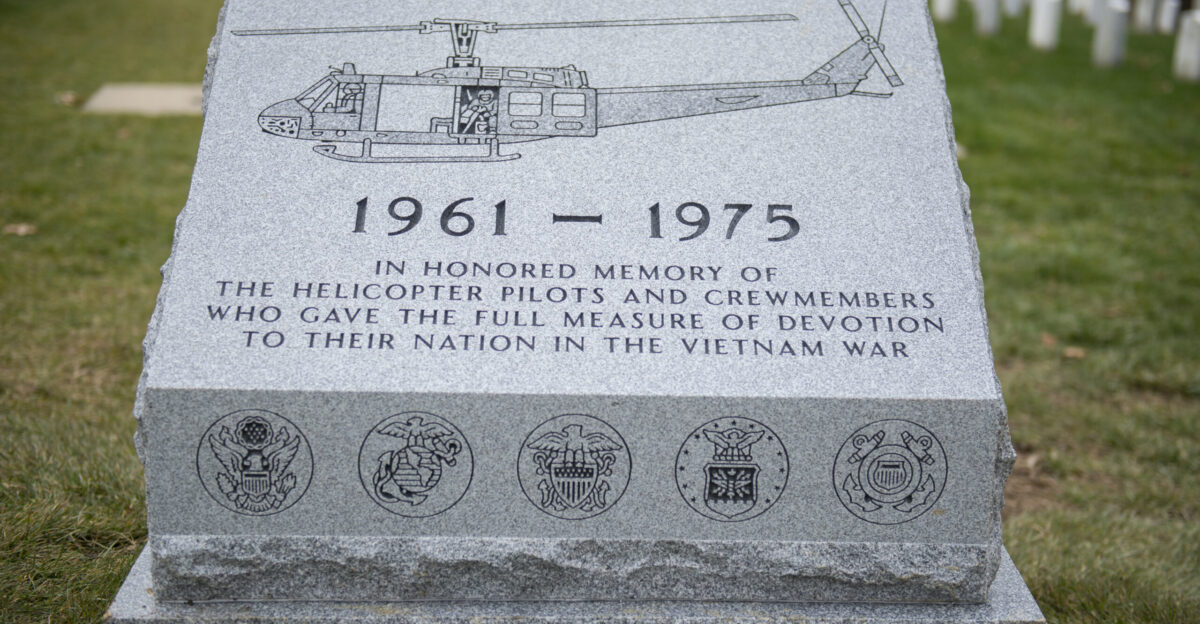
Hankinson’s tenure in Vietnam ended not amid celebration but with a mix of disciplinary actions that ultimately influenced his choices. Opting to extend his tour for an early discharge, he was met with a bittersweet conclusion. “I wanted to leave on my own terms, but it was a hard pill to swallow,” he reflected.
With his departure came official censure, tainting an otherwise illustrious career with a shadow of controversy. This complex end revealed the murky waters beneath the surface of military service, particularly for those who challenge conventional wisdom in pursuit of their beliefs.
Facing Homecoming Challenges
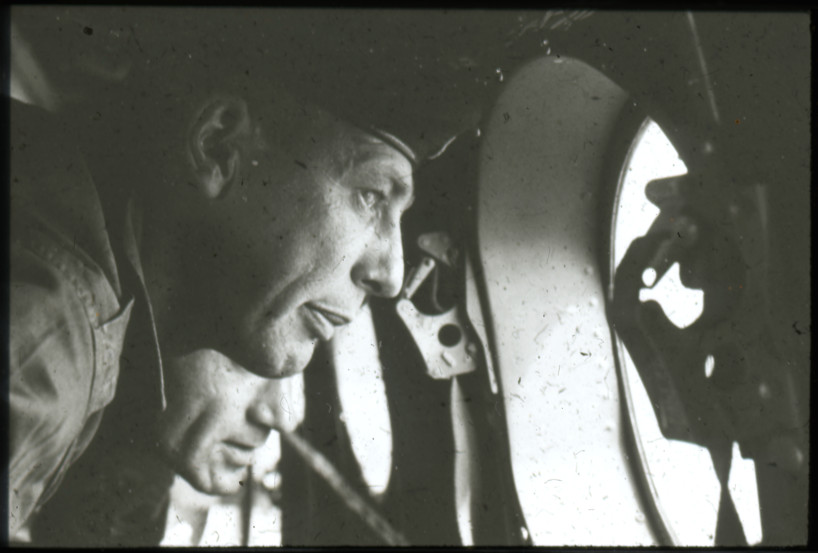
Upon his return to the United States, Hankinson encountered feelings of rejection and suspicion from a society struggling to understand the implications of the Vietnam War. Veterans often faced ostracism, and Hankinson’s reintegration into civilian life proved challenging.
He later remarked, “Coming home felt like walking into a storm; I was welcomed with cold shoulders.” The mental health challenges he faced remained untreated for years, leaving him grappling with the internal fallout of his experiences. This period illustrated the painful complexities of coming home from war, alongside the need for societal recognition and support for returning veterans.
The Long Struggle with PTSD

Like many veterans, Hankinson faced challenges common to combat aviators returning from Vietnam. Research has documented the psychological toll on helicopter pilots who flew dangerous missions.
Veterans often struggled with the lasting effects of combat exposure, with many finding solace in community support and connecting with others who shared similar wartime experiences. The journey to recovery for Vietnam veterans has emphasized that connection, understanding, and perseverance make healing possible.
Looking Ahead for Veterans
As the lessons learned from Hankinson’s experiences continue to resonate, questions emerge about the future mental health policies for veterans of recent conflicts. Innovations inspired by earlier wars have led to evolving strategies aimed at preventive care and trauma-informed approaches. “We need to ensure that the same fate doesn’t befall current veterans,” a veteran advocate stated passionately.
This critical reflection highlights the importance of recognizing the ongoing challenges veterans face, striving for a comprehensive understanding of mental health, ranging from service to post-deployment life. The legacies of past warriors carry significant implications as society seeks to support those who serve.
Legislative Changes in Focus
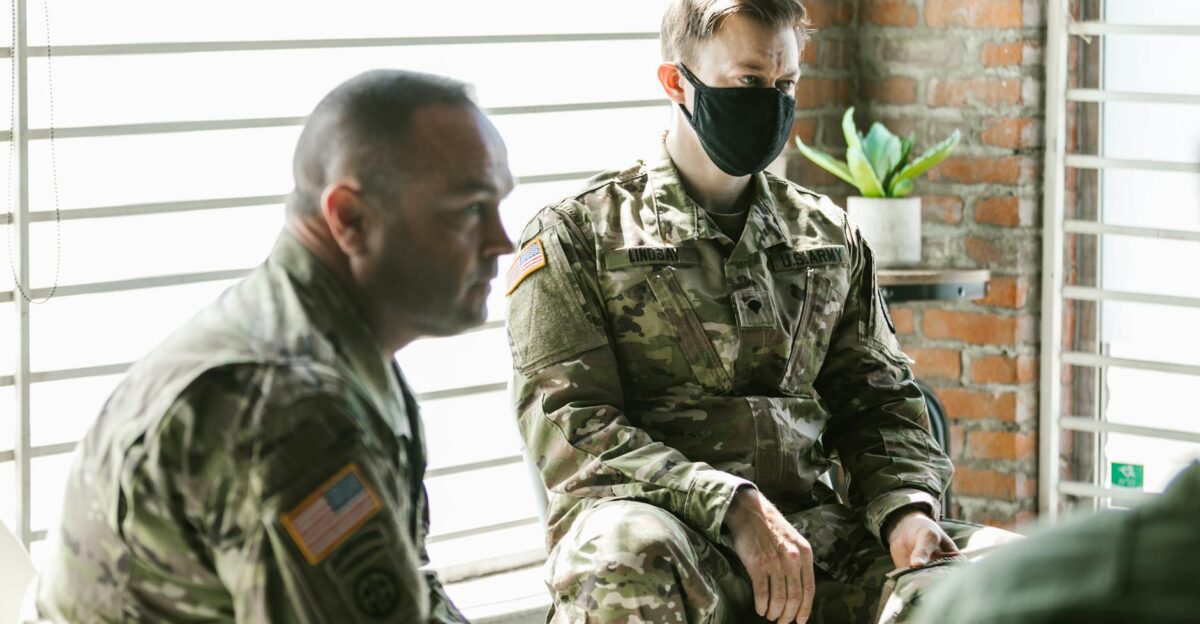
The U.S. VA’s evolving efforts to acknowledge and treat PTSD represent systemic transformations in addressing the invisible wounds of war. Advocacy from veterans like Hankinson has catalyzed policy changes, promoting a better understanding of mental health needs among military personnel. “Our fights didn’t end with the war; they just changed form,” an advocate observed.
Legislative reforms have emerged, enhancing eligibility for disability benefits and mental health services. With the spotlight on the challenges faced by veterans, these shifts herald a new era of improved care and support, acknowledging the realities of lived experiences and resulting trauma.
Global Perspectives on PTSD
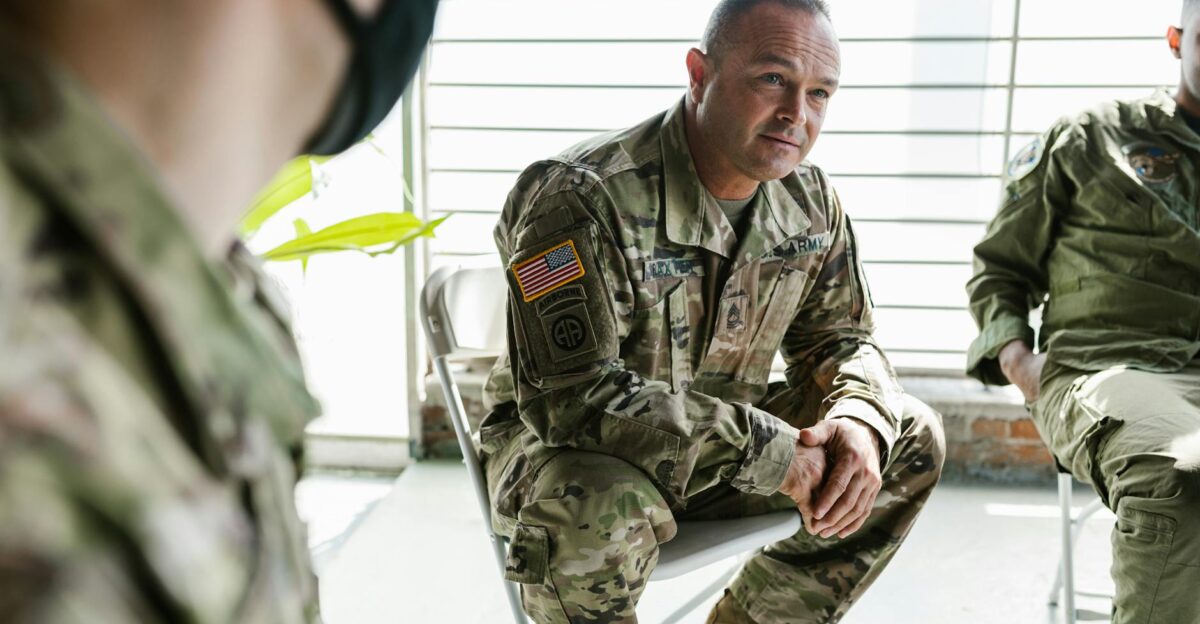
The insights gained from U.S. helicopter pilots during the Vietnam War have caught the attention of international research teams studying PTSD among veterans globally. Their analyses apply lessons from Hankinson’s era to conflicts where helicopter pilots confront similar traumas. “Our issues transcend borders; we’re all human,” emphasized a psychologist involved in the research.
This understanding nurtures a collaborative spirit, pushing for more comprehensive societal support. By examining shared struggles, professionals aim to create more effective interventions, ensuring that veterans everywhere receive the necessary recognition and care as they navigate the complexities of post-war life.
Advocacy and Legal Reforms
In response to the needs of veterans like Hankinson, advocacy efforts have triggered landmark legal reforms, expanding disability rights across the U.S. Legal cases have established crucial links between combat exposure and the necessity for postwar accommodations. “It’s about time our sacrifices were met with meaningful support,” remarked a veteran advocate.
These developments signify a shift toward addressing long-standing issues veterans face, fostering a culture of recognition and resource allocation to promote healing and rehabilitation. Such progress in legal frameworks underscores the commitment to ensuring that those who served receive tangible benefits due to their sacrifices.
Shifting Cultural Attitudes
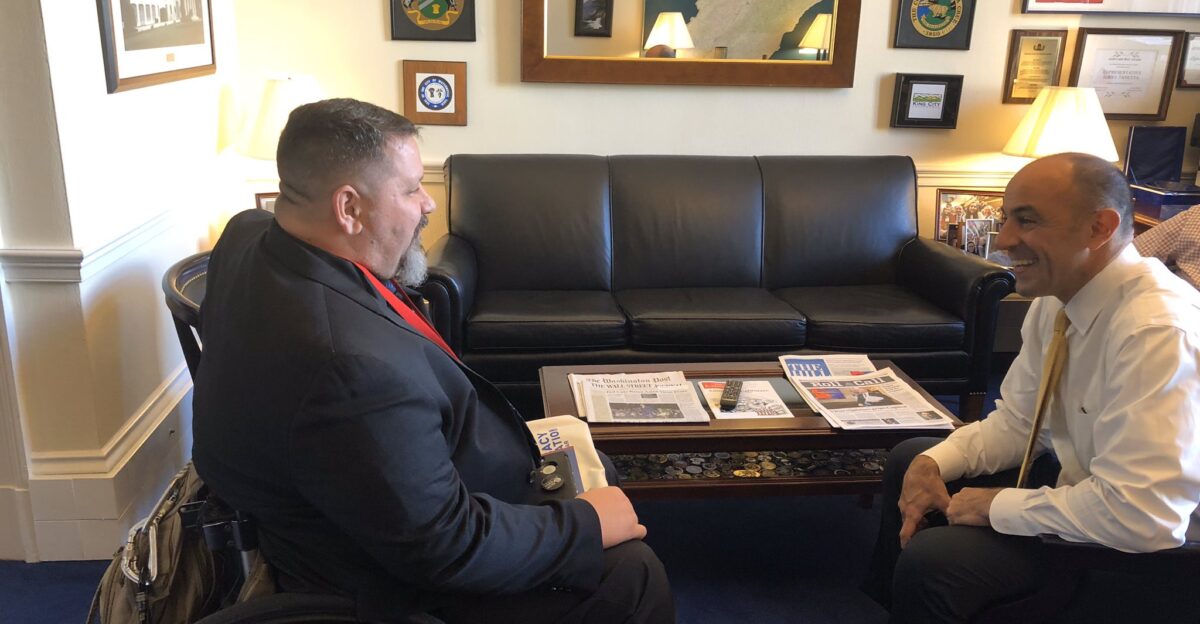
Cultural perceptions of veterans have evolved significantly in recent years, with Hankinson’s story serving as a poignant example of changing attitudes towards heroism, sacrifice, and mental health. “People are starting to understand that veterans are more than just heroes in uniform,” a community organizer noted.
This new understanding emphasizes the importance of addressing the aftermath of service, alongside the honor of wartime sacrifices. The narrative surrounding veterans is shifting from romanticized ideas of glory to a recognition of the complexities, struggles, and resilience inherent in their post-war realities, advocating for a more nuanced approach to support.
The Enduring Legacy of Hank Hankinson
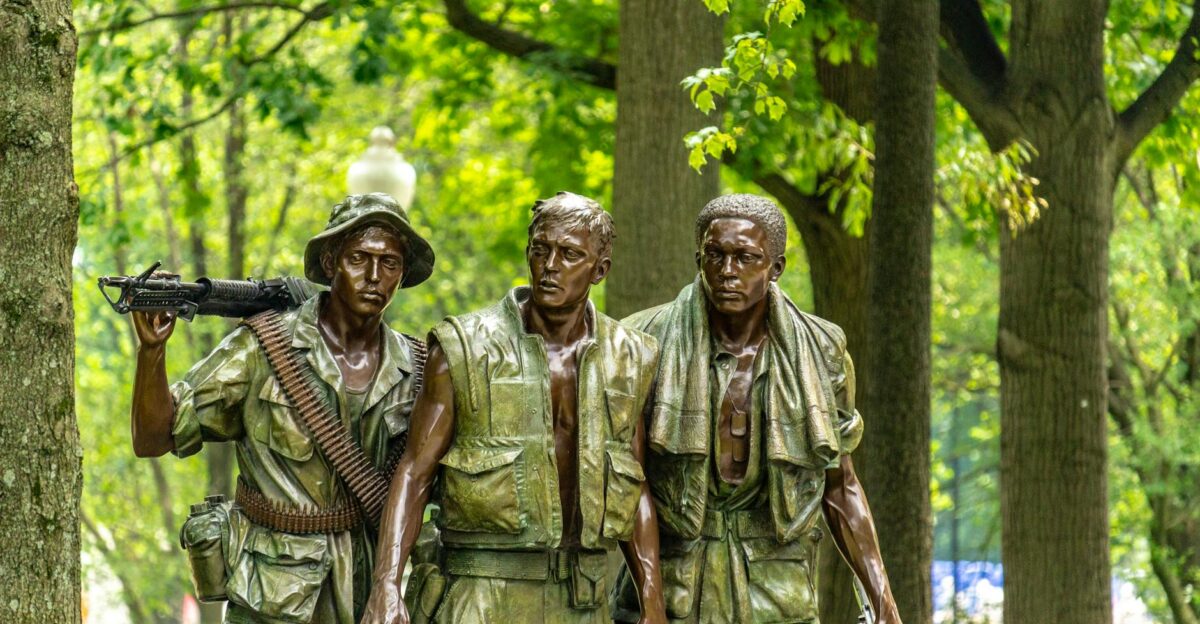
William “Hank” Hankinson’s journey encapsulates the complexities of bravery, survival, and the profound aftermath of war. His odyssey speaks not just to personal resilience but also to the ongoing challenges faced by veterans long after the battlefields have quieted.
“Hank’s story is a testament to survival, humility, and the continuous mark of war on our society,” a veteran remarked. Through his trials and triumphs, Hankinson embodies the shared narrative of countless veterans, reminding us of the importance of understanding their stories and honoring their sacrifices as we move towards a future of healing and support for all those who served.