Imagine the Moon isn’t just a big rock in the sky, it’s actually hiding an amazing treasure. Scientists believe the Moon’s dusty surface is packed with up to one million metric tons of Helium-3. It got there after billions of years of being blasted by the Sun’s solar wind. According to NASA the Helium-3 could be the key to meeting Earth’s future energy needs.
What does this mean for us? It’s potentially the single largest untapped energy resource our planet could ever access. If we figure out how to use it, the Moon’s helium-3 could keep lights on and technology running for centuries. While green energy like solar and wind is growing, helium-3 offers something unique, a totally new kind of clean fusion power that could change everything. That’s why scientists and companies are turning their eyes to the Moon, hoping to unlock this hidden energy source.
What’s So Special About Helium-3?
Helium-3 is different from the regular helium you find in balloons. It’s an isotope, a tiny bit heavier, and incredibly rare on Earth. But for scientists working on nuclear fusion, helium-3 is like gold. The big news is that when you use helium-3 for fusion, it creates a reaction with barely any dangerous neutron radiation. That’s a huge step forward compared to traditional nuclear power plants, which create radioactive leftovers.
With helium-3, fusion could become much cleaner and safer. The dream is to have power plants that don’t pollute or leave behind dangerous material. That’s why helium-3 isn’t just valuable, it could be a game-changer for clean energy and safety worldwide.
Scarcity Makes Helium-3 a Hot Commodity
If helium-3 can revolutionize energy, why aren’t we already using it? The problem is there’s almost none on Earth. Scientists estimate that only a few kilograms are produced each year naturally, mostly as leftovers from nuclear weapons and old reactors. Because it’s so rare, helium-3 can sell for $20 million per kilogram.
The scarcity has kicked off a worldwide rush to find and collect it, especially on the Moon, where there may be enough for all of humanity. As energy demand goes up, the race to get helium-3 could transform both the space industry and energy markets on Earth.
How Much Power Could Lunar Helium-3 Create?
What would happen if we could use the Moon’s helium-3? The numbers are almost unimaginable. Experts say it could generate up to 19 million gigawatt-years of electricity, that’s millions of times more power than the world uses in a single year.
According to NASA, just a few dozen tons could power the entire United States for over a year. If these estimates hold, lunar helium-3 could run our cities, factories, and devices for thousands of years. Imagine a future where power shortages and energy crises are history. That possibility has politicians, engineers, and investors all excited about what lunar mining could mean for the planet.
The Challenge of Fusion Using Helium-3
You might wonder: if helium-3 is so perfect for energy, why aren’t we using it already? The answer is that fusion is really hard. To get helium-3 to work in a fusion reaction, scientists need to heat it up to 600–800 million degrees Celsius, six to eight times hotter than the Sun’s core!
It’s possible in experiments, but no one has developed a reactor that can do it safely and affordably. The hunt is on to invent new fusion machines that can actually make use of helium-3’s potential.
Clean Energy for a Growing World
The biggest problem with regular nuclear fusion is safety. It creates strong neutron radiation that can make materials radioactive. Helium-3 nearly solves this as fusion with helium-3 produces only about 5% of the neutron radiation of standard fusion.
That means much less nuclear waste and lower risks. With global populations rising and more people needing electricity, clean and safe power matters more than ever. Helium-3 could help humanity meet its energy needs without the drawbacks of pollution or dangerous waste.
Mining Helium-3 Is a Big Job
Getting helium-3 out of lunar soil isn’t easy. To extract just one gram, a tiny amount, you’d need to heat up about 150 tons of Moon dust to 600–800°C. This dusty surface layer is called regolith, and it’s packed tightly, so special equipment is needed.
It takes massive mining and advanced heating technologies. Building a lunar factory to carry out the process could be one of the largest engineering challenges humanity takes on.
Mapping the Moon’s Helium-3 Zones
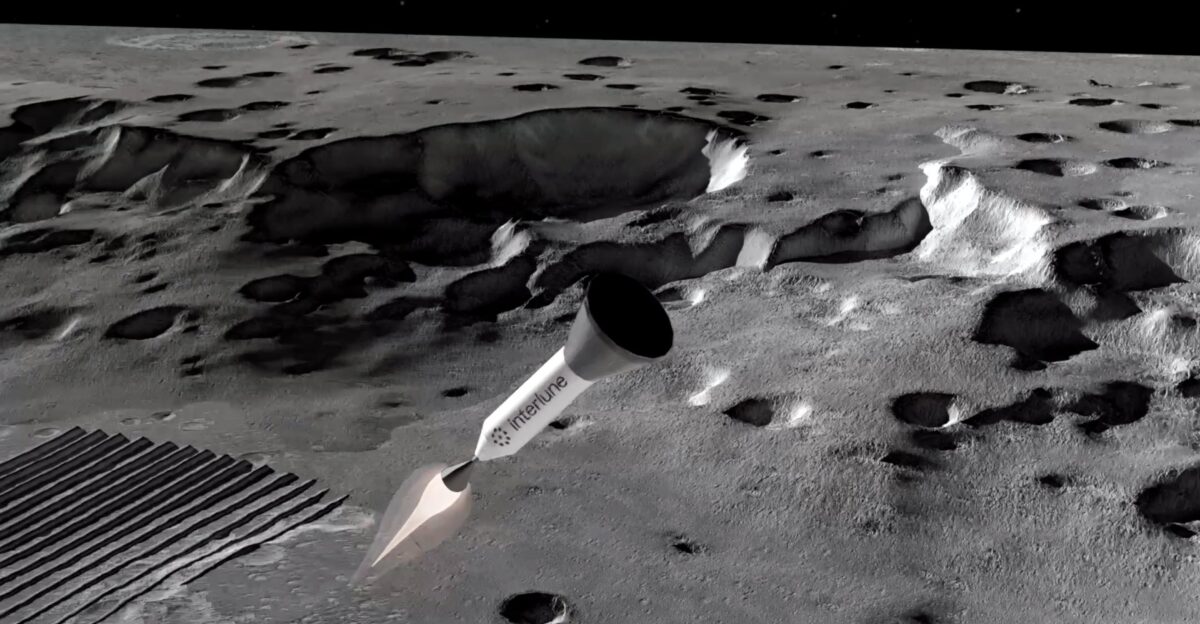
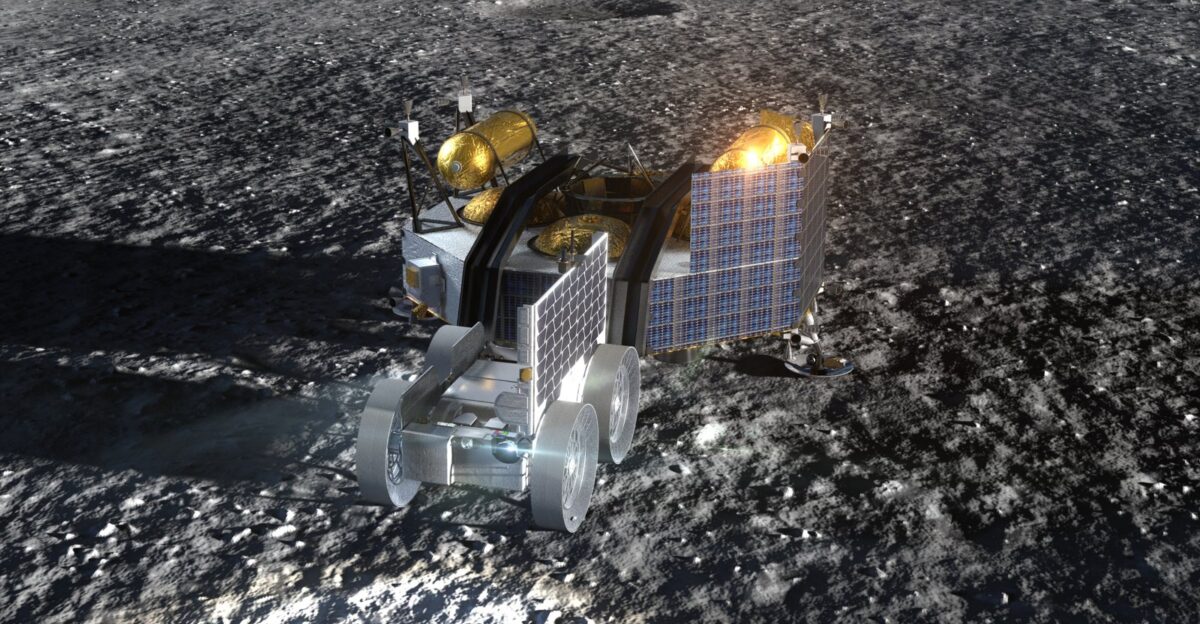
Before anyone can dig, we need to know where the helium-3 is. The first big step will happen in 2026, when Interlune, a space mining company, launches a mapping mission to scan the Moon’s soil. Their goal?
Find the richest deposits of helium-3 and figure out where it can be mined most efficiently. This project is more than science, it’s also about claiming valuable territory and planning for future lunar industries.
Interlune’s Mining Machine Revolution
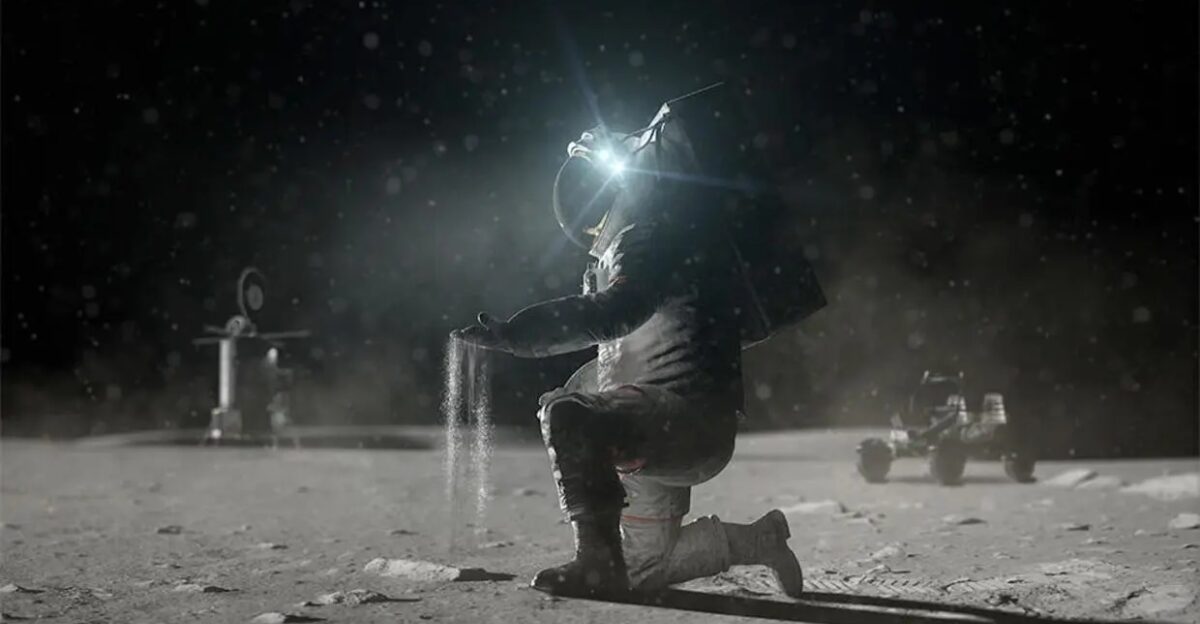
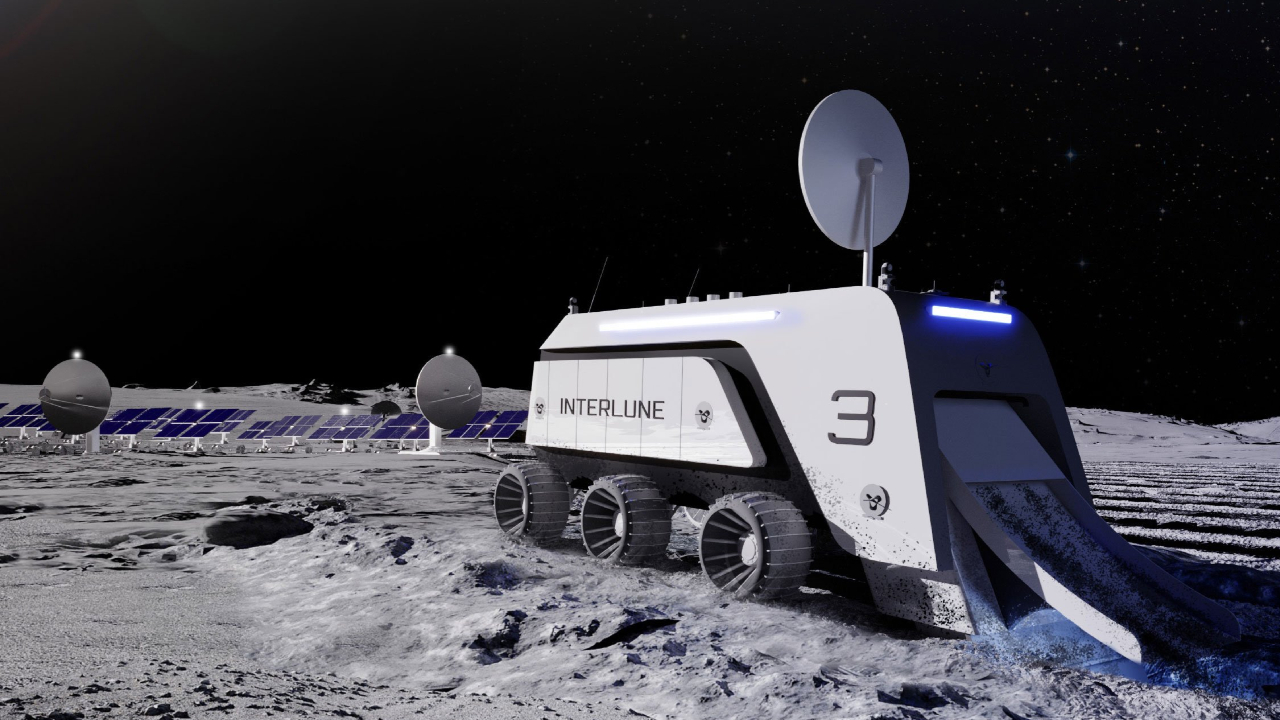
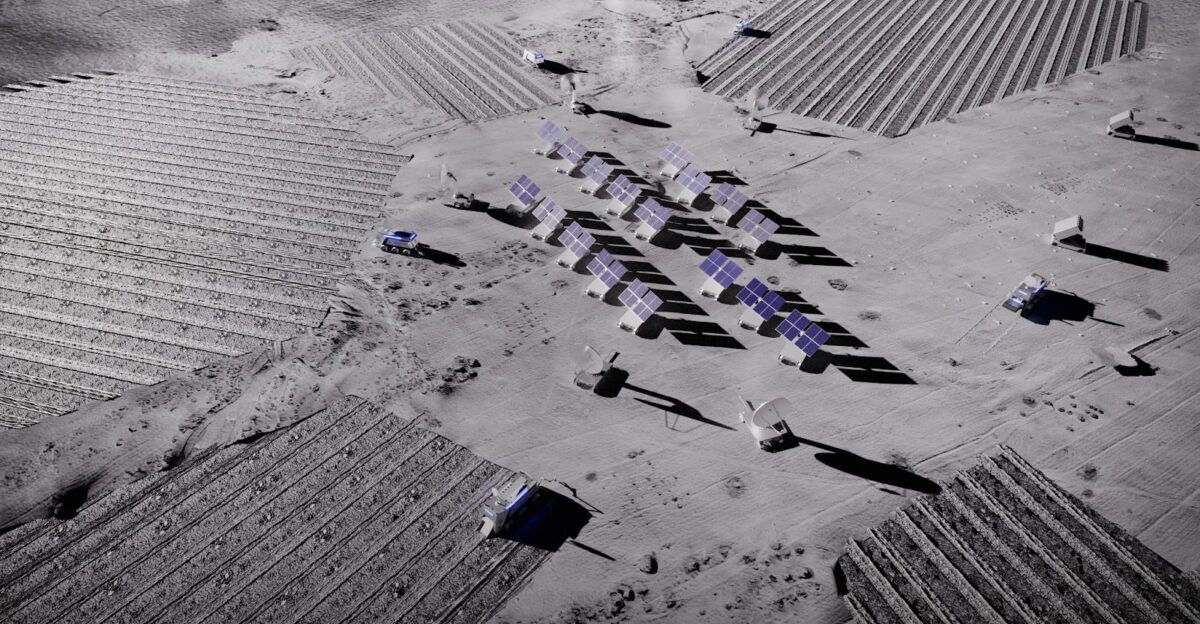
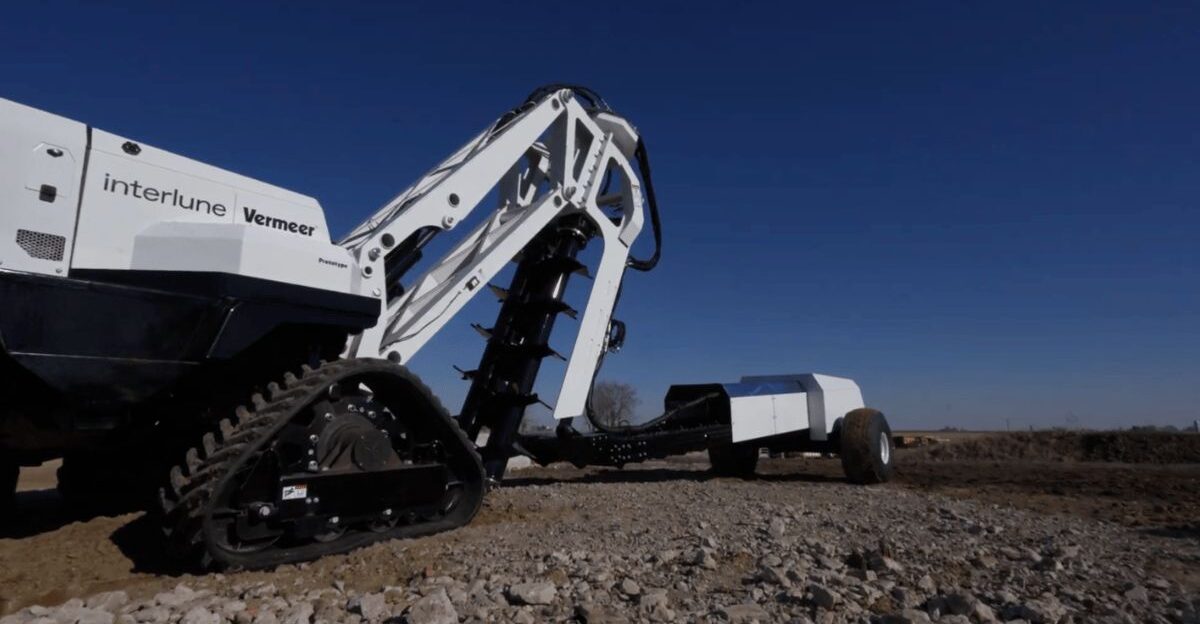
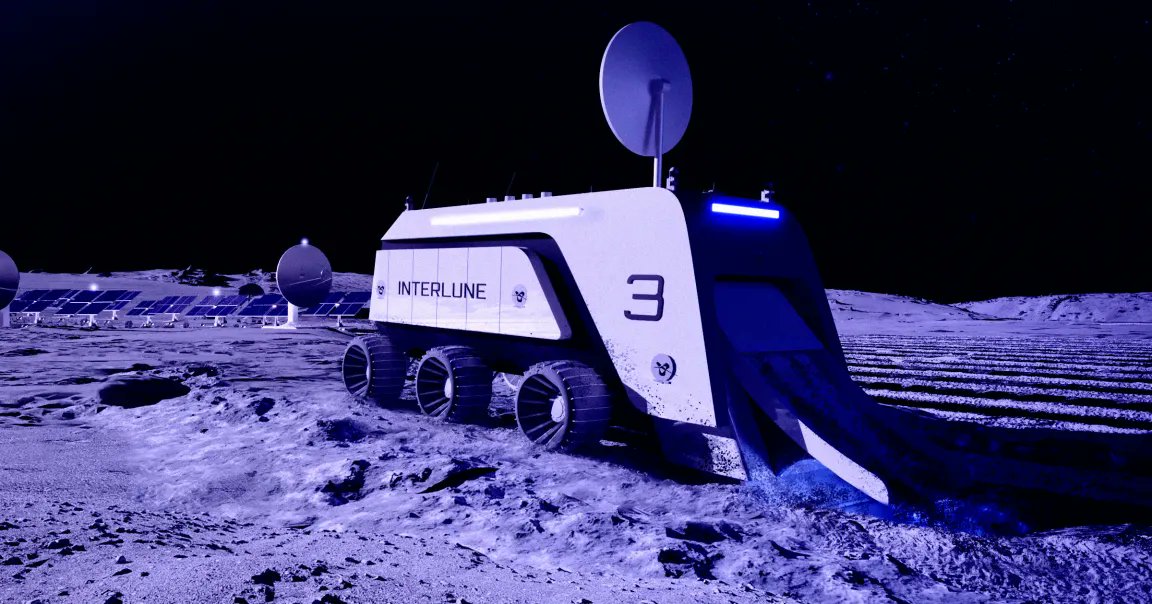
To process so much Moon dust, Interlune joined with construction tech leader Vermeer to build special mining machines. Their prototype can dig through 110 tons of lunar soil every hour. This incredible speed is needed to collect enough helium-3 to matter.
These machines will be the backbone of lunar mining, able to operate in harsh environments and send valuable materials back to Earth.
The First Lunar Helium-3 Delivery
Big deals are already underway. The U.S. Department of Energy signed a contract to buy three liters of lunar helium-3, set for delivery in 2029. This will be the first time the U.S. government has bought energy resources directly from a space mining company.
It’s a milestone for both government and industry, showing that Moon mining isn’t just an idea, it’s about to happen.
Helium-3 in Quantum Computing
Helium-3 isn’t just important for power. It’s also used as a super-cold refrigerant in cutting-edge quantum computers, which need to operate near absolute zero temperatures. That makes helium-3 crucial not just for energy, but also for the future of global computing.
Interlune expects sales of lunar helium-3 for cooling quantum chips to hit $300 million per year, showing how lunar mining could shape technology everywhere.
The Race for Lunar Mining
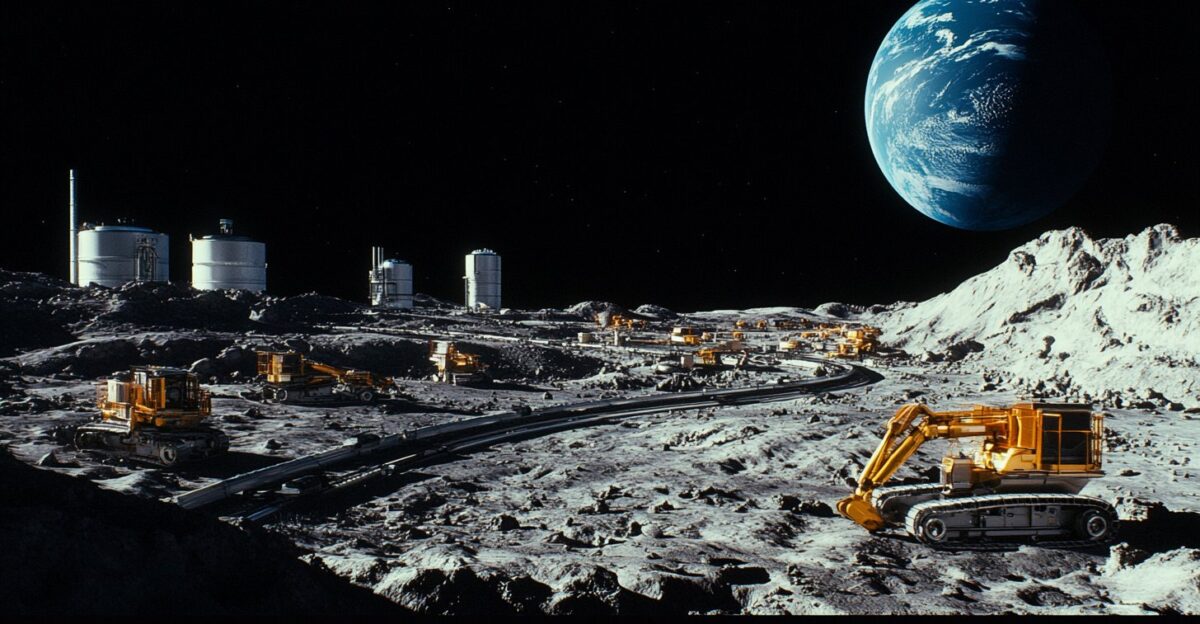
The Moon is now at the center of an international contest. The U.S. and China are both pushing to build lunar bases and claim mining rights as quickly as possible, hoping to become the first to unlock the Moon’s resources.
China has announced plans for a permanent base by 2030. Whoever sets up mining first may set the rules for all who follow.
Rules for Mining Together
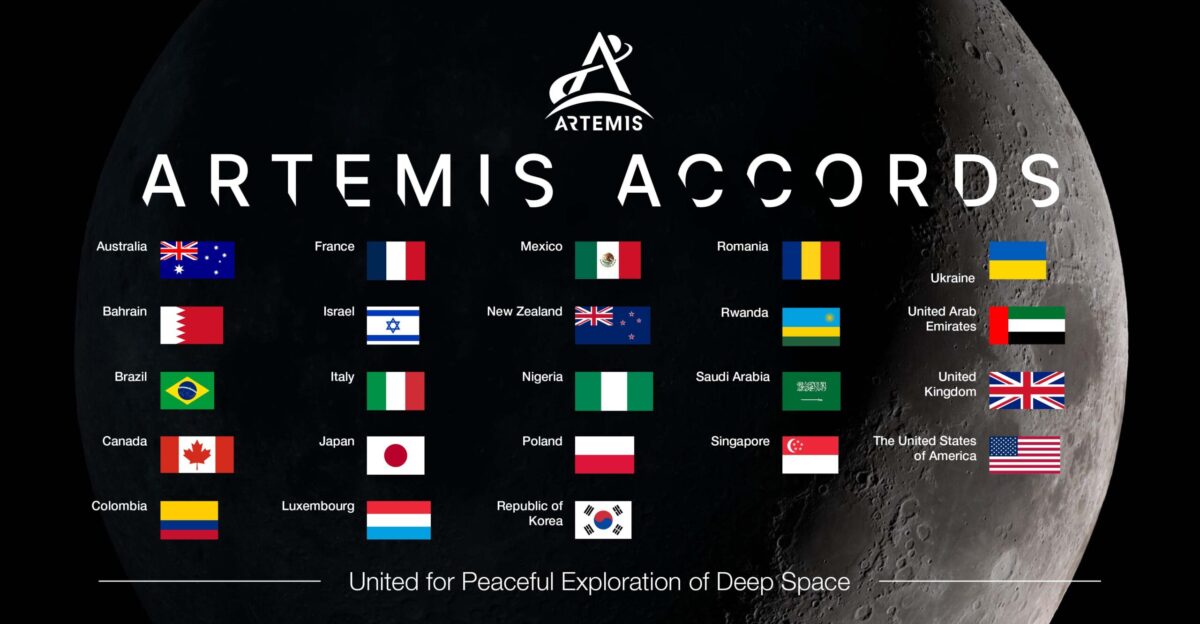
To keep space peaceful, 43 nations have signed the Artemis Accords, led by the U.S., agreeing to work together in lunar exploration and mining. These rules allow mining but don’t let anyone claim to own the Moon’s resources.
“The Artemis Accords reflect our common interest in peaceful resource sharing,” said NASA Administrator Bill Nelson. It’s a new type of international cooperation, but not every country agrees, and there are still controversies about ownership and rights.
Confusing Laws Spark Rivalries

Space law is complicated. The 1967 Outer Space Treaty says countries can’t own parts of the Moon or any other planet. But the Artemis Accords say mining is allowed, as long as you’re not claiming land.
Some nations, including Russia and China, haven’t signed these agreements. As lunar mining begins, these differences may spark competition or even conflicts.
The Forgotten Moon Agreement
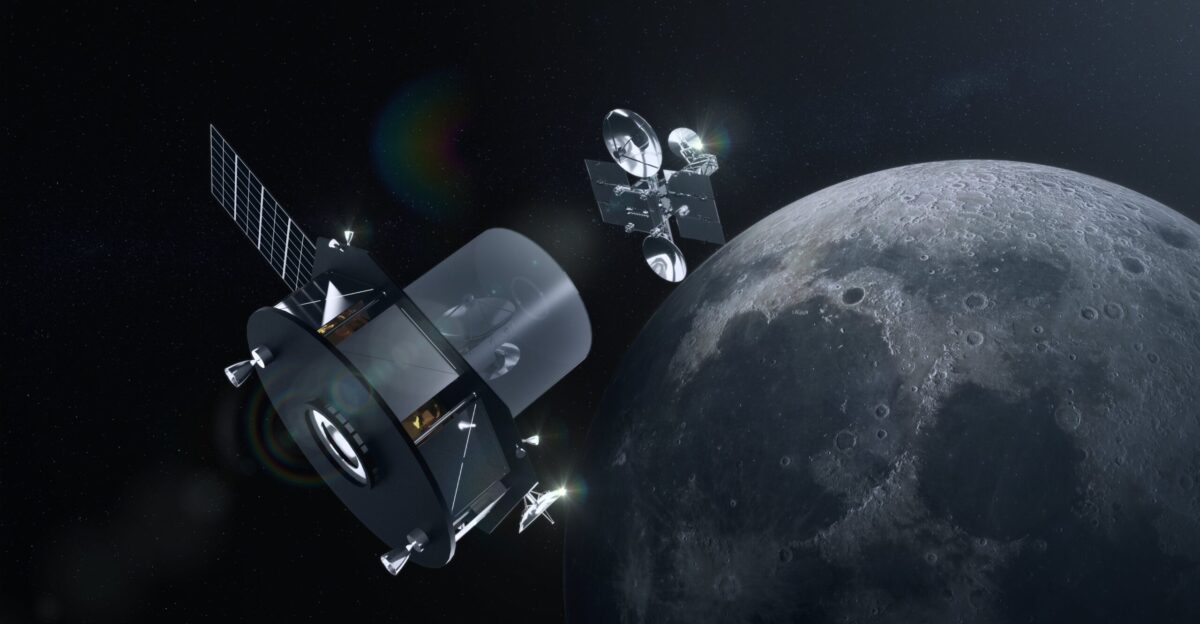
Back in 1984, the Moon Agreement tried to settle the question by banning both national and private mining. However, only 17 countries ever ratified it, and none of them are big space powers.
With major countries pushing ahead, it’s clear that new rules will be needed. For now, most lunar mining plans rely on separate national laws and international deals.
America’s Head Start in Space Mining Laws
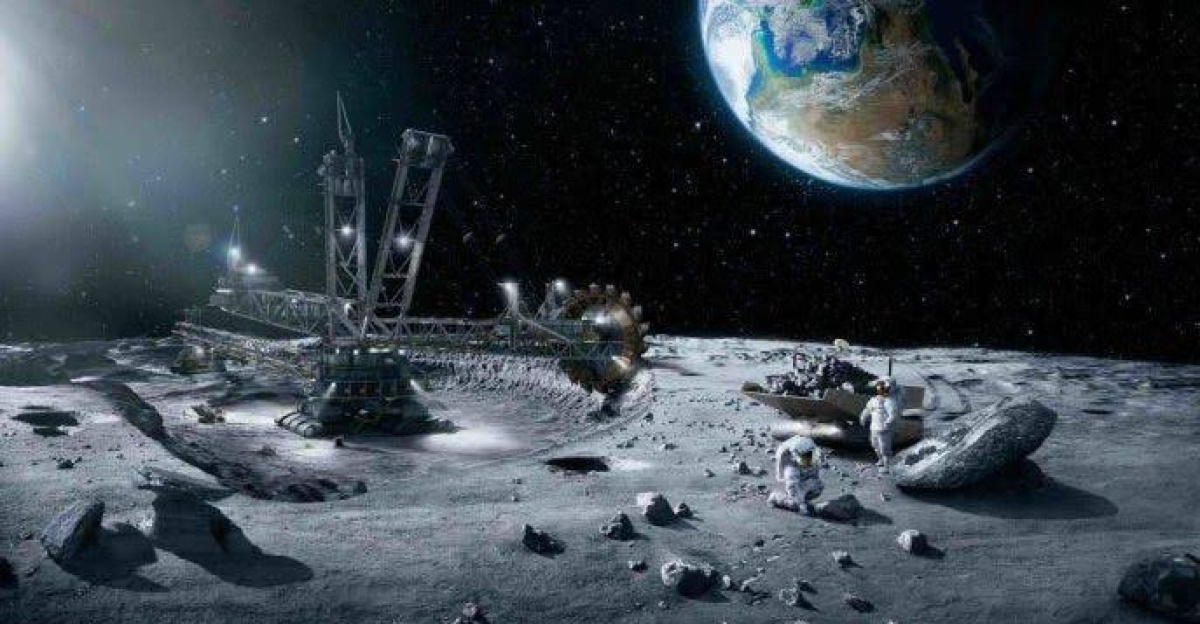
In 2015, the U.S. made history by letting its companies claim, sell, and profit from space resources, as long as they followed international agreements. This bold move set the tone for commercial mining and inspired others to consider similar laws.
“The U.S. has given its companies the green light to become space miners,” said IEEE Spectrum. These rules could help Americans establish themselves as the leaders in lunar resource extraction and energy innovation.
Trillions of Dollars Are on the Table

Just how much is lunar helium-3 worth? Estimates range from $20 trillion to a mind-boggling $20 quadrillion. That’s enough wealth to reshape entire economies.
This fortune is driving governments and investors to back moon missions, mining technologies, and new space partnerships. Lunar mining could be the biggest economic opportunity in history.
Building the Infrastructure for Moon Mining
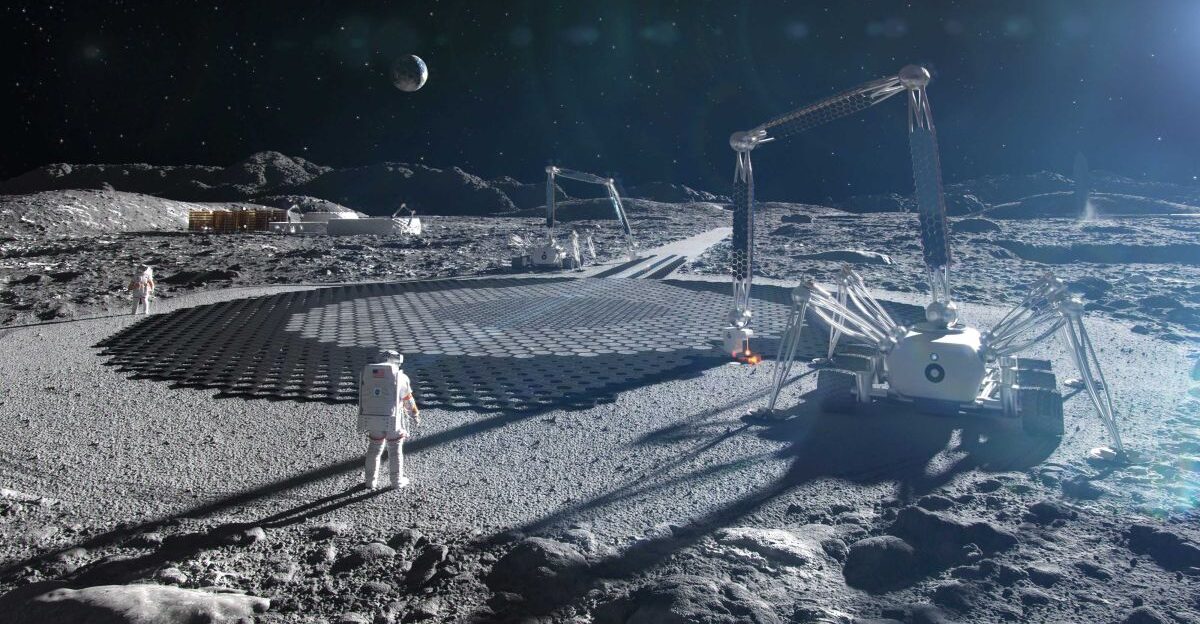
Mining on the Moon won’t be cheap. Experts say the cost of setting up launch vehicles, lunar bases, excavators, refineries, and fusion power stations could run between $500 billion and $2 trillion.
Despite the price tag, the immense rewards and revolutionary impact make these investments look more and more attractive to governments and businesses.
New Jobs for a New Space Economy
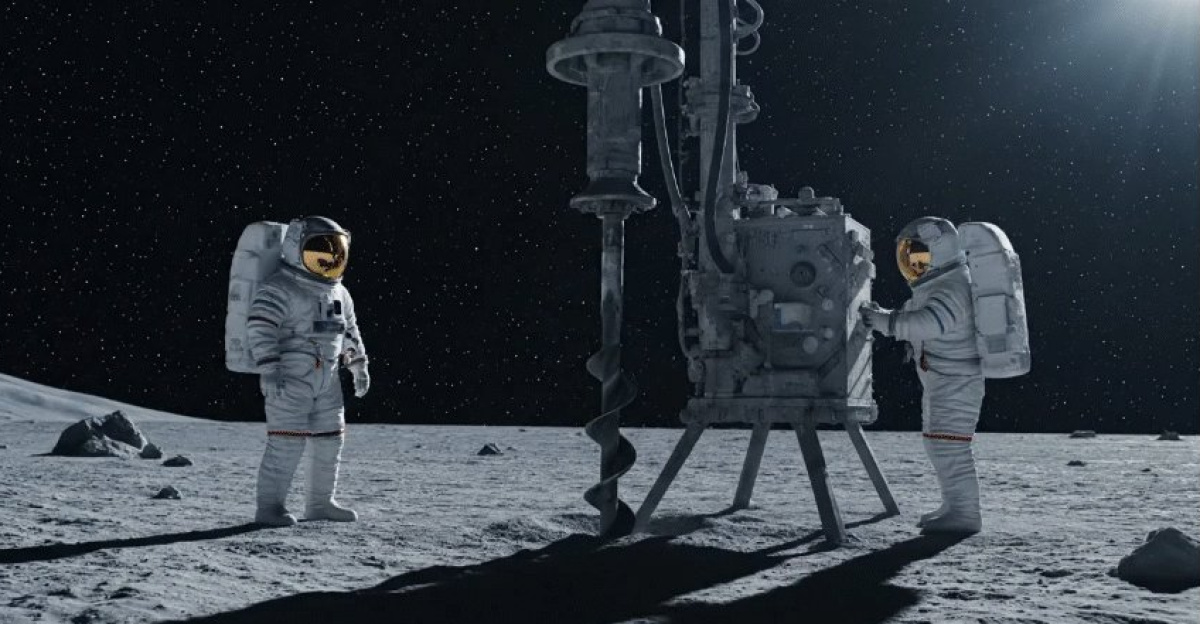
A lunar mining boom won’t just change how we create energy, it’ll create new high-tech jobs. By the 2030s, experts predict between 10,000 and 50,000 jobs for engineers, technicians, logisticians, and support workers.
These positions may mirror the transformation of workers seen during previous energy revolutions, only now, some could be working on another world.
Hope, Risk, and the Road Ahead
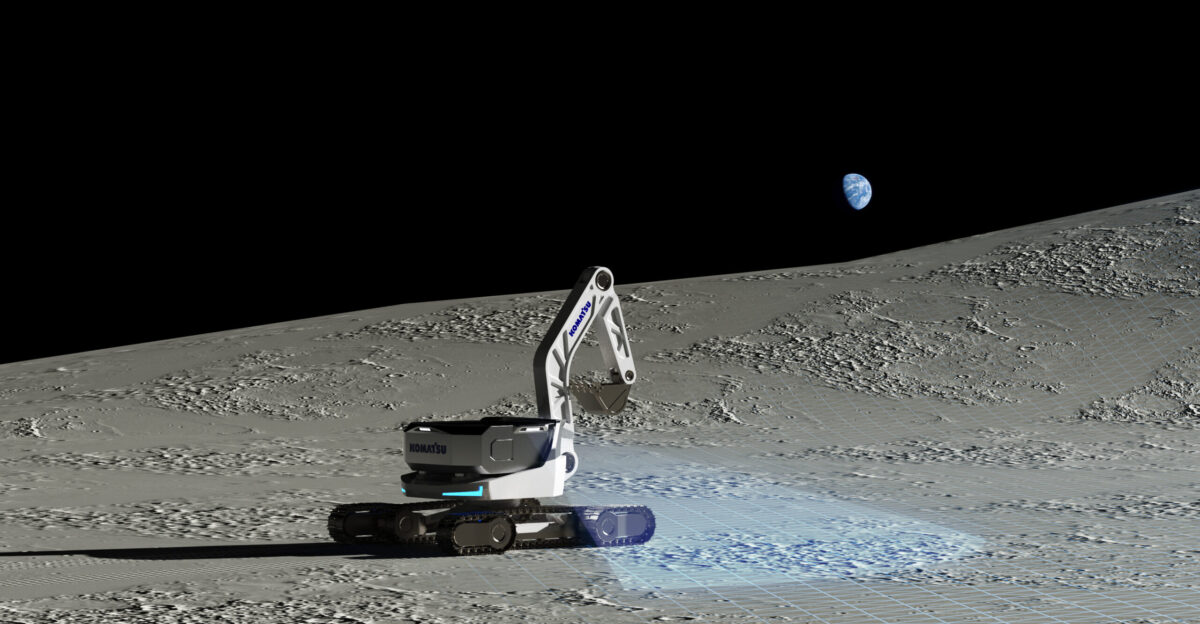
The Moon’s helium-3 offers incredible hope: clean energy for thousands of years, new jobs, and a chance to rewrite the future. Yet, big risks remain. Fusion is still unproven at a huge scale, mining at lunar night is extremely difficult, and global property laws are tangled.
For now, space agencies and companies are signing contracts, building machines, and planning launches. The world is watching, balancing scientific optimism against caution, as we stand on the threshold of a new space age and a potential energy revolution.