Zohran Mamdani’s election as New York City’s next mayor on November 4, 2025, didn’t just capture national attention—it triggered a real-time jolt across suburban Connecticut. Within 72 hours, agents stopped answering phones, listings vanished in days, and open houses filled faster than anyone could remember.
What initially appeared to be routine post-election curiosity quickly transformed into something sharper: a movement fueled by uncertainty, urgency, and the fear of impending policy change.
The Young Socialist Who Redefined New York Politics

At 34, Mamdani becomes the city’s youngest mayor since 1892 and its first Muslim and South Asian leader. His Democratic Socialist platform promises sweeping changes, including free buses, universal childcare, rent freezes, and higher taxes on corporations and top earners.
Supporters call it historic. Critics call it destabilizing. And for a growing number of New Yorkers, the mere prospect of these shifts was enough to spark fast, decisive relocation plans.
Realtors Describe Phones Ringing Without Stopping

Across Connecticut, realtors say they’ve never seen anything quite like the calls that poured in just days after the election. One Greenwich agent reported losing count of New York inquiries before lunch. Others compared the pace to the early pandemic surge—except this time, buyers weren’t chasing space or fresh air.
They were chasing certainty, trying to outrun policies that hadn’t even taken effect yet.
Why Buyers Are Moving Before Anything Changes

What’s driving people is less about confirmed policy and more about possibility. Taxes on high earners, universal childcare funding, rent freezes, and free buses, all funded through public dollars, hint at shifts that could reshape New York’s fiscal landscape.
Economists say ambiguity alone can drive behavior—and right now, uncertainty is doing heavy lifting. Families aren’t waiting to analyze outcomes. They’re reacting to what they believe is coming.
The Migration Pushes Far Beyond Traditional Border Towns
Past waves of New York-to-Connecticut migration usually stopped in wealthy border communities like Greenwich or Stamford. This time, demand is pushing 50 miles inland into New Haven and deep into Litchfield County.
Towns known more for quiet backroads than commuter rail access are suddenly fielding inquiries from Manhattan families eager to move quickly—often sight unseen. It’s a geographic pattern Connecticut hasn’t experienced in years.
Weekend Open Houses Turn into Crowded Events

Greenwich broker Mary Ann Heaven now anticipates “50 or 60 parties” at weekend open houses—three times the usual turnout. She says, “Every lot is desirable,” and the buyers arriving from New York tend to be couples in their thirties and early forties with young children, leaving their city apartments behind.
These aren’t vacation-home visitors. They’re permanent relocators, making long-term bets on life outside the five boroughs.
Offers Climb Hundreds of Thousands Above Asking
The intensity of bidding is reshaping expectations overnight. A recent Greenwich sale closed at $2.5 million—more than $500,000 over its list price. Statewide, showing activity jumped 28.1% this fall. Contracts above $5 million soared 225% year-over-year.
Homes disappear from listings in days as all-cash offers roll in, echoing the urgency of the pandemic real estate boom but rooted this time in political anxiety rather than lifestyle shifts.
A Near-Total Inventory Collapse in Litchfield County

Perhaps the most dramatic change is in Litchfield County, where housing inventory dropped from 149 single-family homes in 2019 to just 14 by November 2025—a 90.6% plunge. For a county of roughly 180,000 residents, the math is staggering.
Fourteen available homes cannot keep up with the surge of interest from New York buyers, turning what was once a quiet rural market into a battleground of limited supply and intense demand.
When Hundreds of Buyers Chase a Handful of Homes

If only 2% of Litchfield County’s population were to arrive from New York—about 3,600 people—their search would collide with just 14 homes on the market. That’s roughly 257 potential buyers for each property. Realtors describe the environment as “suffocating,” not in mood but in math.
This isn’t standard scarcity; it’s a structural mismatch that leaves newcomers and long-time residents competing in ways the county hasn’t seen before.
A Wider Range of Families Joining the Flight

Unlike past exoduses dominated by wealthy households, this wave encompasses a broader demographic—young families, middle-class professionals, and a mix of racial and income backgrounds. What binds them isn’t wealth but concern.
Mamdani’s platform, while transformative for some, has prompted others to reassess long-term affordability and stability in the city. That mixed demographic is reshaping where demand appears and how Connecticut communities feel the pressure.
A Litchfield Listing Draws an Explosion of Attention
One $1.4 million listing in Litchfield became a symbol of the new frenzy. Marcus Santore of Marrin Santore Realty says it drew more inquiries and active negotiations in a single week than it had in the previous three months combined. He’s now juggling multiple offers from New York buyers.
In a region where inventory is already thin, that kind of attention compresses timelines and intensifies competition instantly.
Realtors Hear the Same Emotional Tone from Buyers

Across offices and counties, brokers say they keep hearing the same sentiment from nervous New Yorkers: they’re “very, very concerned.” Not cautiously interested. Not casually exploring. Concerned. It’s become a defining phrase of the moment.
For many, the fear isn’t tied to any one policy, but to the cumulative signal that significant changes may reshape their financial futures—pushing them to act sooner rather than later.
The High Price of Making City Buses Free
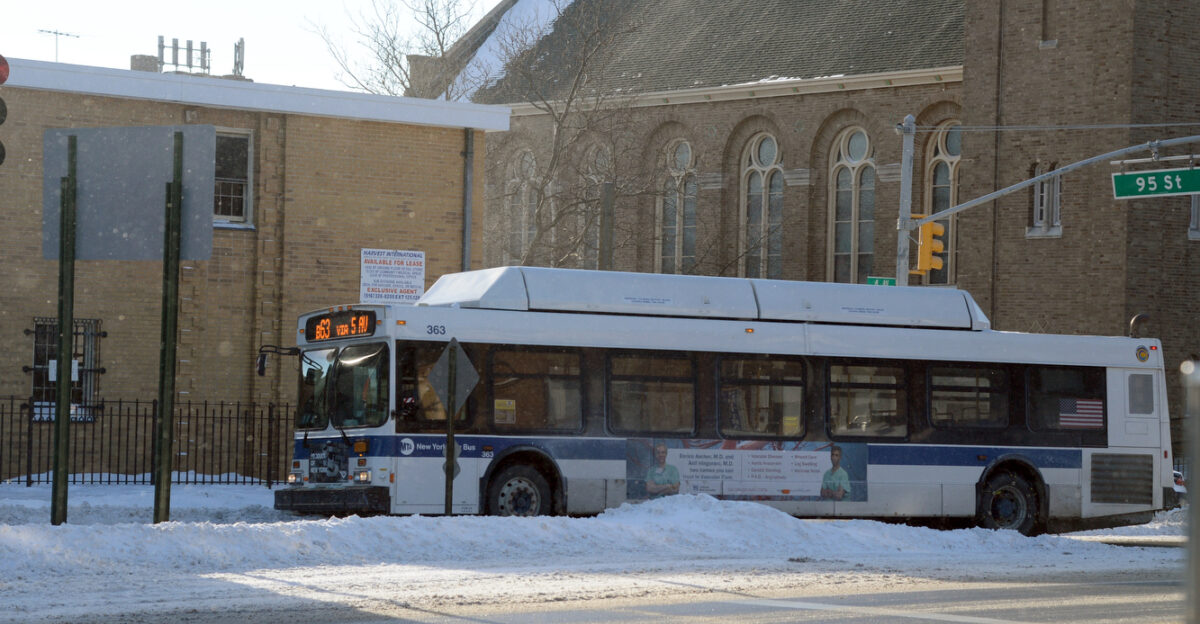
One of Mamdani’s most visible proposals—making all city buses free—comes with an estimated annual cost between $700 million and $900 million. For the high-earning households driving much of this migration, “free” translates directly to “funded by taxpayers,” and they expect that burden to fall on the top income brackets.
While the policy aims to expand access for working-class riders, its financial implications have amplified affluent flight.
Universal Childcare Raises Funding Questions

Mamdani’s universal childcare plan for infants and toddlers could cost $6 billion a year, according to campaign estimates; however, outside analyses place the cost anywhere from $2.5 billion to over $12 billion, depending on the implementation.
To high earners already facing New York’s top tax rates, the numbers feel daunting. Compared to Connecticut’s tax environment, where income taxes top out below 7%, the contrast looms large in relocation decisions.
Rent Freezes Put Landlords on Edge

The proposed rent freeze on one million rent-stabilized apartments is also sending ripples through investor circles. Landlords worry about frozen income streams and declining property values. Some developers are already eyeing long-term plays—one even supported Mamdani’s campaign, hoping a market drop would create buying opportunities later.
For many in real estate, Connecticut feels like a safer investment environment, at least for now.
Miami Emerges as a Competing Escape Destination
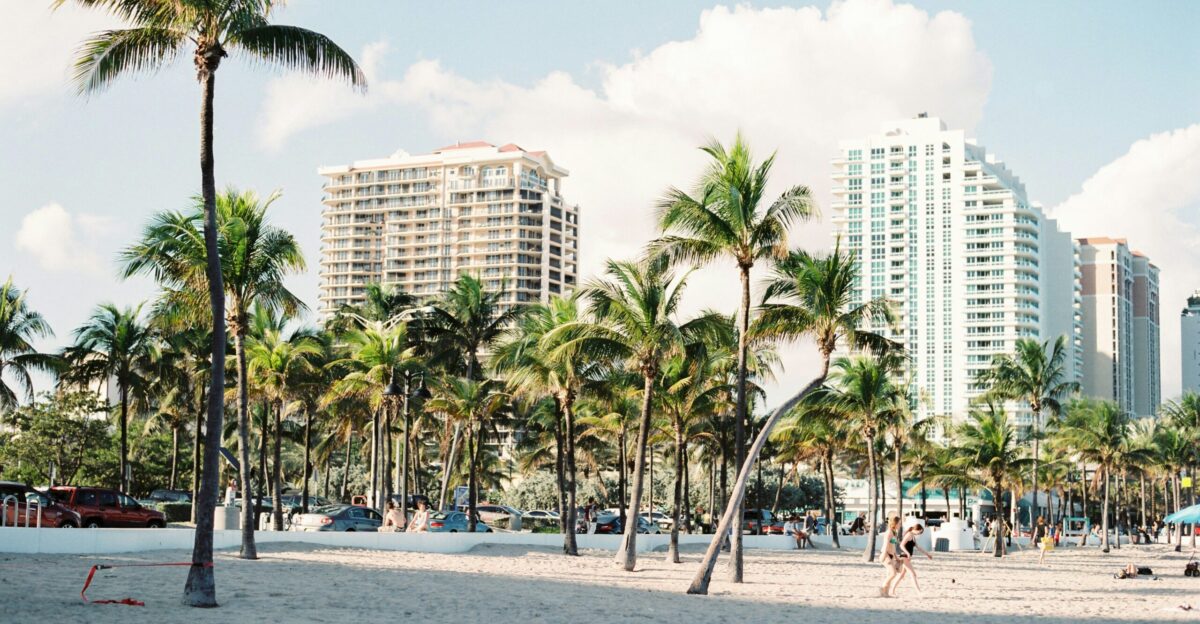
Connecticut may be collecting many of the region’s anxious buyers, but Miami is benefiting too. Developers there closed over $100 million in contracts from New York clients—almost double last year’s total.
One Palm Beach property jumped $6 million in just months as demand surged. While Connecticut draws those seeking proximity, Florida is attracting the ultra-wealthy, seeking the broadest possible tax advantage.
Greenwich Breaks Records in the Luxury Market

By August 2025, Greenwich logged 25 sales above $10 million—the most since 1999—with year-end totals expected to reach $579 million in luxury sales. It’s not just stock-market gains driving it.
Brokers say political unease among New York’s financial elite has accelerated buying timelines, pushing high-end inventory off the market faster than anticipated. Election anxiety is fueling the market like gasoline on an already hot fire.
A Housing Crunch Collides with Political Realities
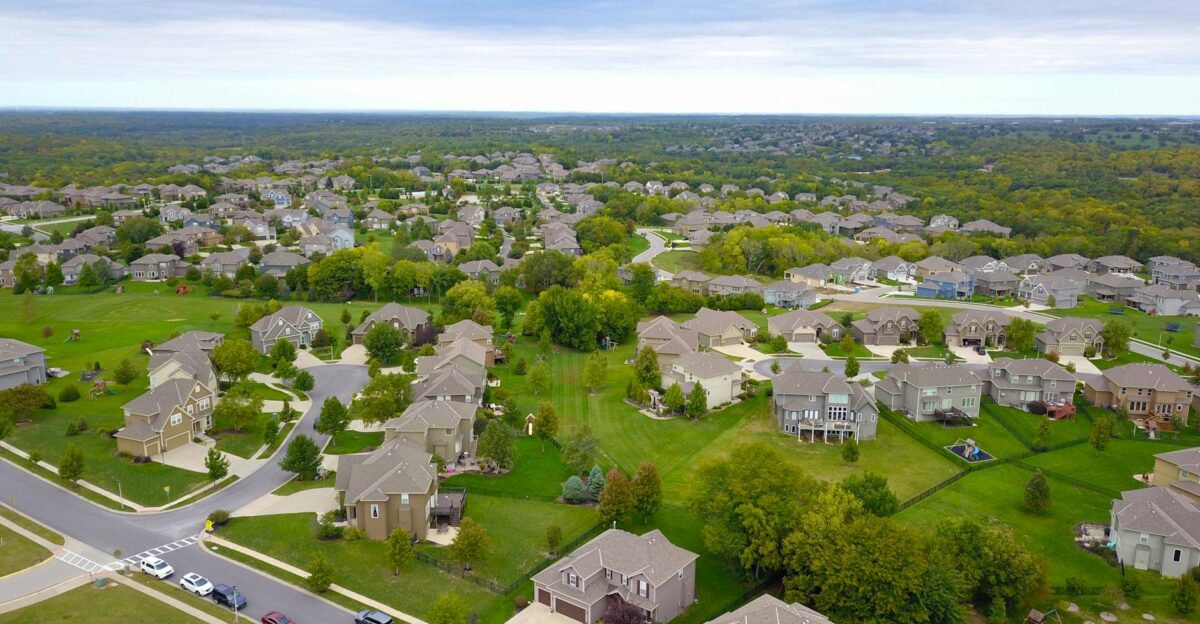
Connecticut was already struggling with a limited housing stock before the election. With only 1.07 housing units per household—far below the national average—the state had almost no cushion for sudden demand. Now, with New Yorkers arriving in waves, prices are climbing for everyone, not just newcomers.
For local families, this means competing with buyers bringing Manhattan-sized budgets into towns that were never designed for this kind of surge.
Is the Panic Warranted, or Just a Narrative?

Some analysts caution against assuming a full-scale exodus from New York. Manhattan home sales were up 5.2% year-over-year through September 2025, and median prices—down nearly 20% from 2022—may attract opportunistic buyers.
They argue the “Mamdani Effect” may reflect more media momentum than measurable outflow. Yet Connecticut’s inventory collapse is real, and the pressure on its housing market is undeniable, regardless of how the New York side ultimately unfolds.
Connecticut Becomes Ground Zero for Ideological Real Estate Flight
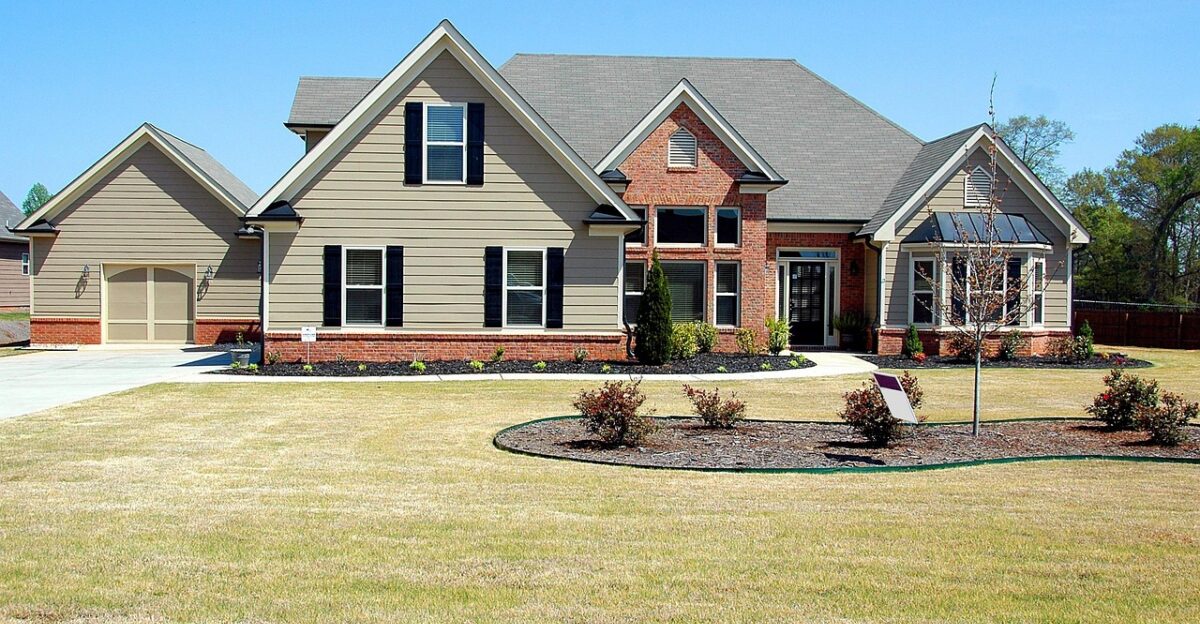
As New Yorkers reshape markets from Greenwich to the remote hills of Litchfield County, Connecticut is confronting both opportunity and upheaval. Wealth will flow in, but so will competition, tension, and the risk of pushing locals out of their own communities.
Whether this moment becomes a short-lived reaction or a long-term regional reset remains unclear. What’s certain is that the “Mamdani Effect” has already rewritten Connecticut’s real estate story.