
Ticks represent a mounting public health challenge in the United States as cases of tick-borne diseases reach record highs and spread into new regions.
Factors like warmer winters, longer summers, and changing land use have fueled tick population growth, with a 217% increase in tick submissions to labs observed in early 2025 alone.
According to CDC reports, these tiny arachnids now transmit more than a dozen known illnesses, impacting both adults and children—especially those aged 5–9, who spend more time in outdoor areas where ticks thrive.
1. Alpha-gal Syndrome (AGS)
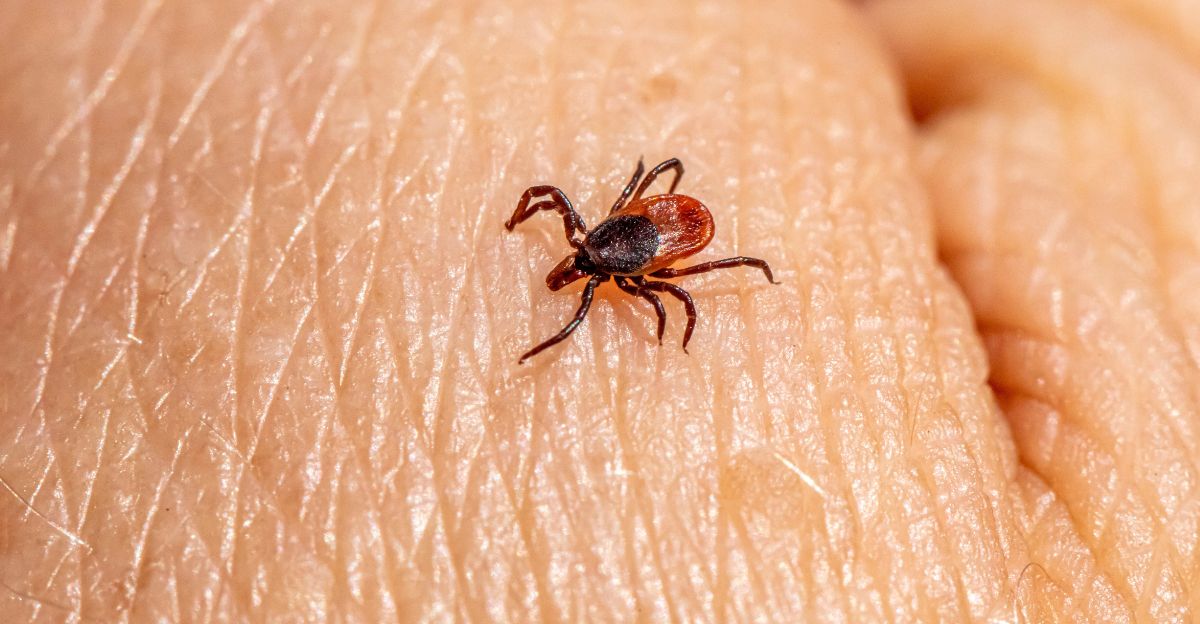
Alpha-gal Syndrome (AGS), commonly known as red meat allergy, is a serious and increasingly recognized food allergy caused by sensitivity to a sugar molecule called alpha-gal, which is present in the flesh and products of most mammals.
The syndrome develops after an individual is bitten by certain ticks—especially the lone star tick—which triggers an immune sensitization to alpha-gal. Once sensitized, consuming red meat, dairy products, or other mammalian-derived substances can provoke delayed allergic reactions.
Symptoms can range from hives and gastrointestinal distress to potentially life-threatening anaphylaxis, which may not occur for hours after exposure. AGS stands out as the only known allergy to a carbohydrate, not a protein, and its onset later in life challenges longstanding medical assumptions about food allergies.
2. Lyme Disease
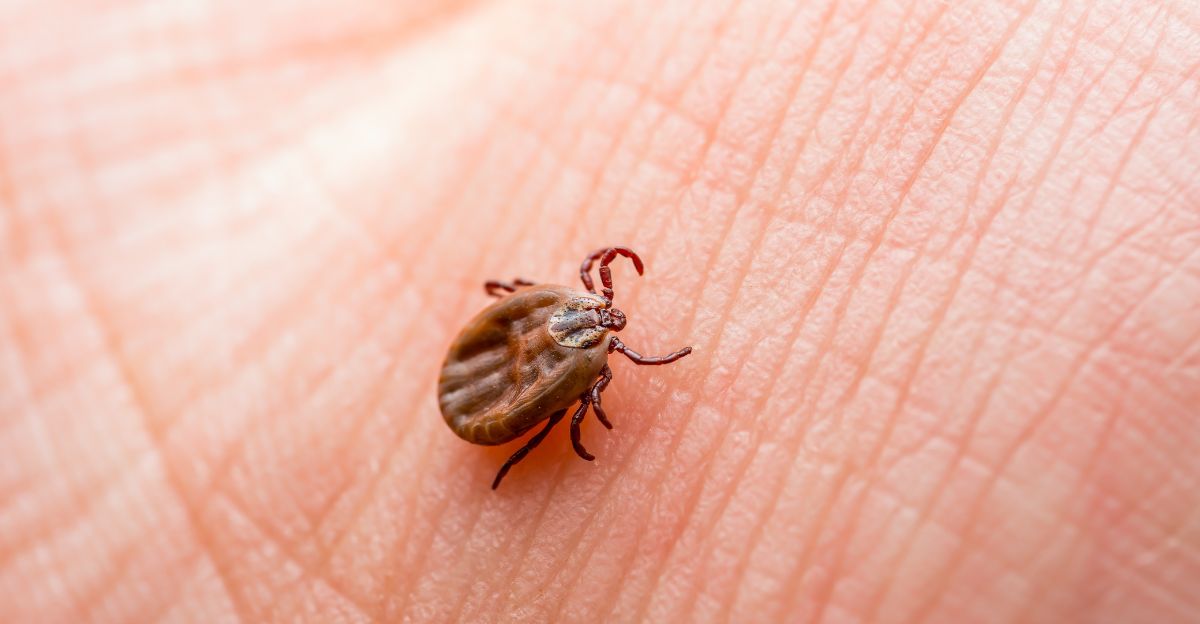
Lyme disease isn’t just America’s most common tick-borne illness—it’s also one of its most misunderstood. While the hallmark “bull’s-eye” rash is well-known, up to 30% of patients never develop it, making diagnosis challenging.
In regions with high infection rates, Lyme can cause facial nerve paralysis that is often mistaken for Bell’s palsy, sometimes delaying the correct antimicrobial treatment and increasing the risk of lingering complications.
Neurologists have also identified cases where Lyme silently causes meningitis—even without classic fever—forcing clinicians to rethink assumptions about tick-borne neurological disease.
3. Anaplasmosis

Unlike other tick diseases that typically present one infection at a time, anaplasmosis often appears alongside other pathogens, creating “co-infection” scenarios that complicate diagnosis and treatment.
Recent advances in molecular testing can detect multiple tick-borne parasites—including Babesia and Borrelia—in the same blood sample.
Animal studies show these mixed infections may be more common than previously thought, bringing clinical challenges since symptoms can overlap, be masked, or even multiply in severity.
4. Ehrlichiosis
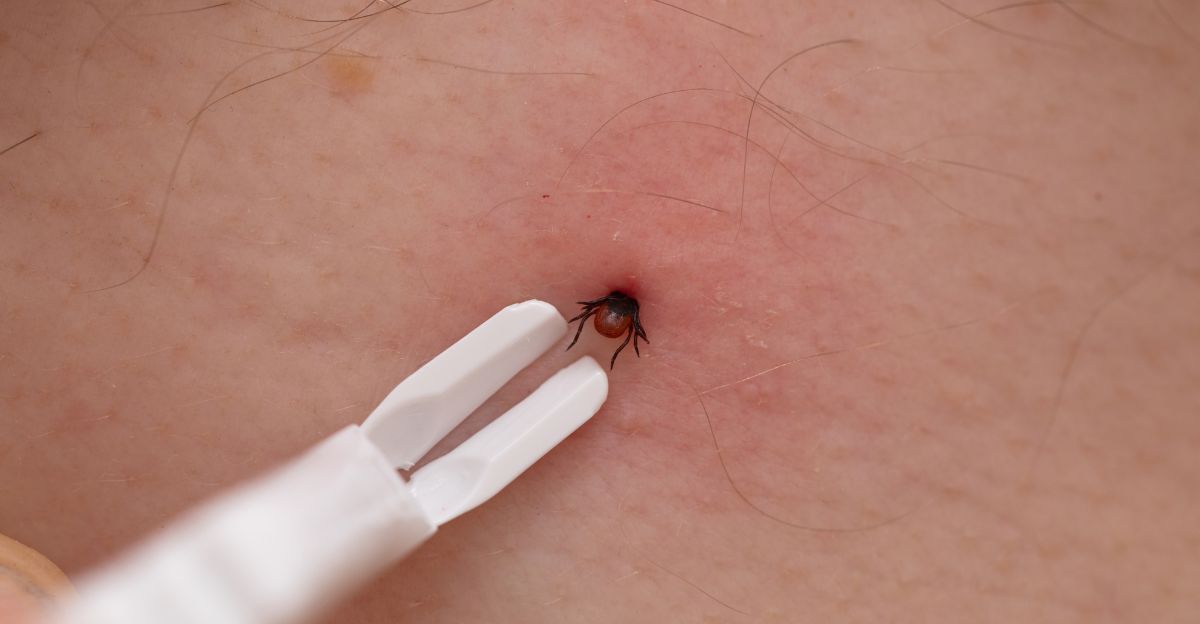
Ehrlichiosis has gained attention for its severe neurological effects, which run counter to the notion that tick fevers are typically mild or self-limited.
Doctors now report dramatic experiences: healthy individuals suddenly develop confusion, seizures, or even coma, with up to one in five affected patients displaying stroke-like symptoms.
Such presentations lead to frequent misdiagnosis, often as viral or metabolic encephalopathy, delaying specific antibiotic therapy and further broadening the known spectrum of tick-related neurological emergencies.
5. Babesiosis
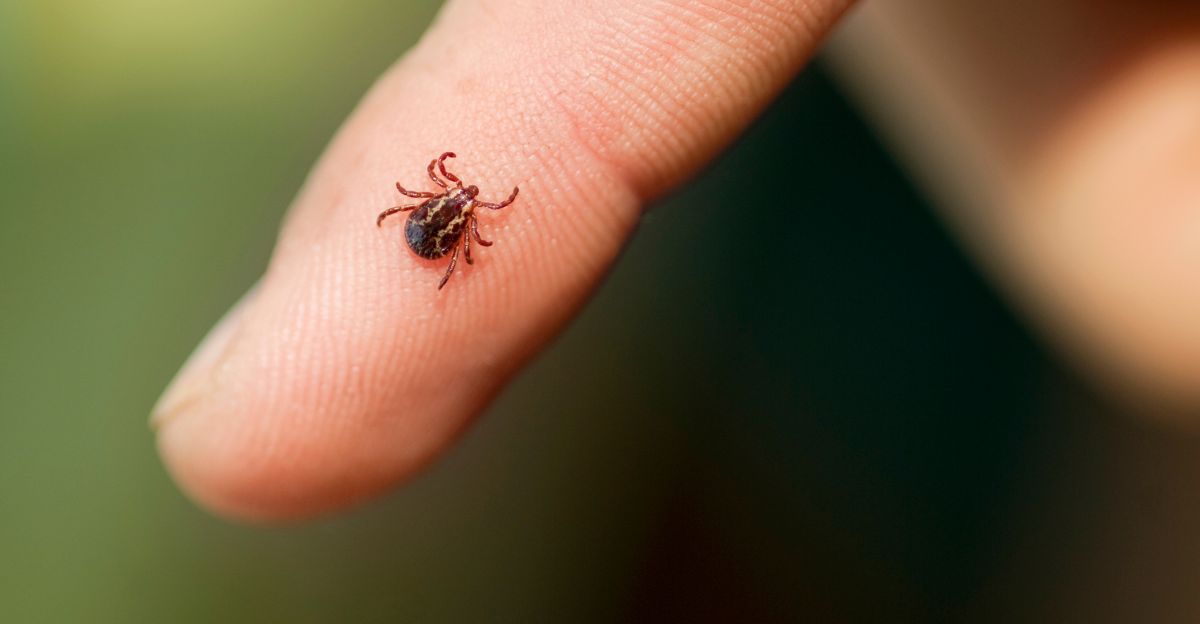
Babesiosis confounds expectations for a “malaria-like” illness. While it disproportionately impacts older adults (over half of hospital admissions are aged 65+), the U.S. fatality rate remains surprisingly low—around 1.6%.
Nevertheless, Babesiosis has a hidden economic cost: annual hospital charges now exceed $170 million nationwide, rivaling rare cancers in terms of resource utilization.
Its transmission via blood transfusion, documented only in recent decades, draws further concern for public safety and highlights the evolving tick-borne disease landscape.
6. Powassan Virus (POW)
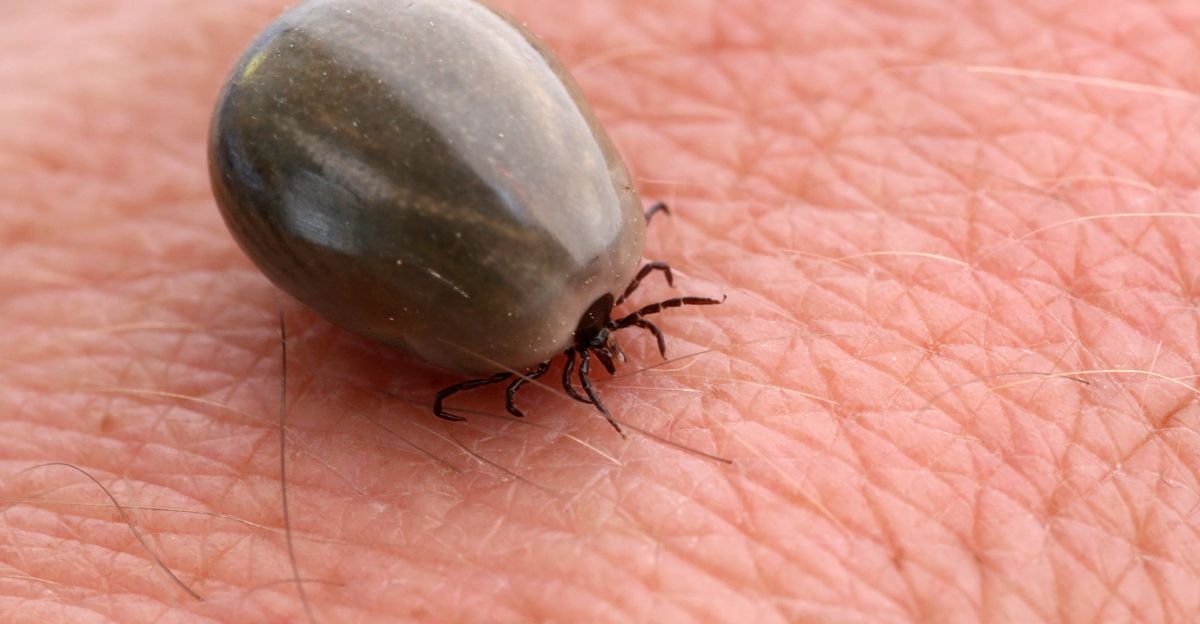
Powassan virus, long considered an exotic rarity, has surged unexpectedly in recent years with U.S. cases tripling over the last decade.
Unlike most other tick diseases, Powassan can infect a person within just 15 minutes of tick attachment—a clinical urgency that contrasts sharply with the hours or days typical of Lyme disease.
Severe cases are often devastating: 10% result in death and half produce permanent neurological damage, shifting medical focus from rarity to credible threat as tick ranges expand.
7. Rocky Mountain Spotted Fever (RMSF)
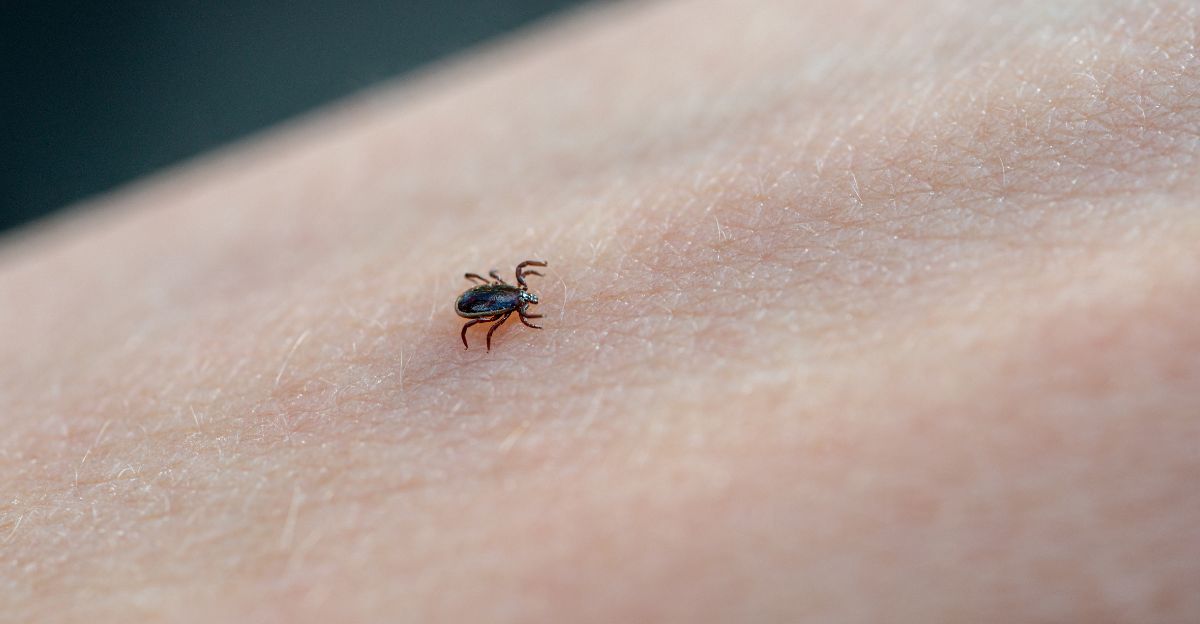
Rocky Mountain Spotted Fever remains the deadliest tick-borne disease in North America when untreated. Before modern therapies, fatality rates soared as high as 25%, with cases often accelerating quickly from mild fever to organ failure within days.
Alarmingly, healthcare providers still miss RMSF today, especially in children, leading to preventable deaths.
Surveys show hesitation and confusion around testing, compounded by the absence of classic “spotted” rash in many cases, emphasizing why RMSF demands renewed attention.
8. Tularemia
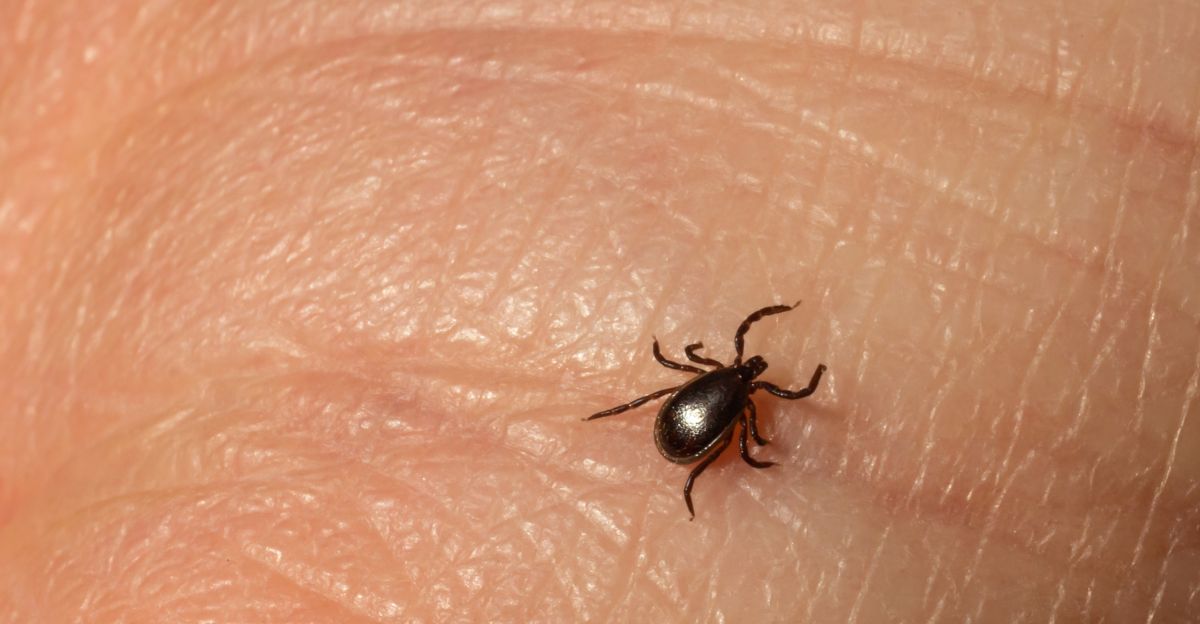
Tularemia’s story reads like medical espionage: first identified during plague investigations in squirrels, it later became infamous for accidental laboratory infections, and was reportedly harnessed as a biological weapon by Soviet programs.
Its infectiousness is extreme—just a few bacteria can cause severe disease—earning it high priority for biodefense research globally.
Hunters, lab workers, and now outdoor enthusiasts face exposure risks across the U.S., making Tularemia both a legacy disease and ongoing public health concern with far-reaching implications.