
Millions of self-help books sit untouched on nightstands and bookshelves in homes across the United States. People buy them during tough times, like job losses or personal crises, chasing dreams of a better life. Yet these books often gather dust, especially in lower-middle-class families struggling with money woes. They stand as symbols of hope—proof of good intentions that rarely turn into real change.
Top Titles That Promise Wealth and Success

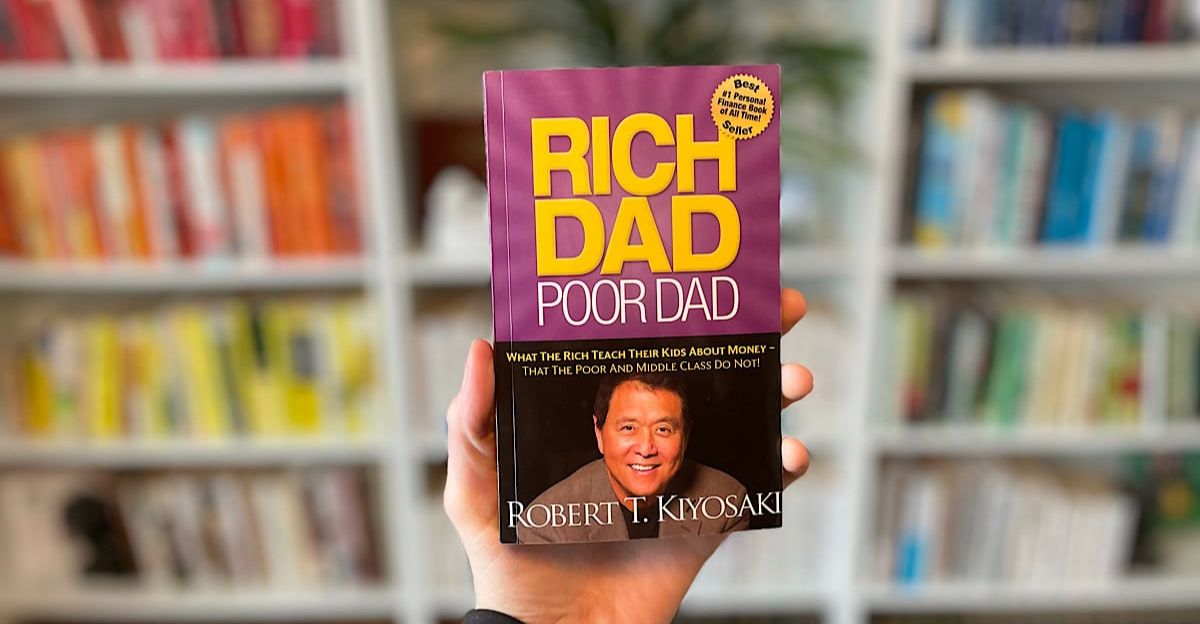
Books like Rich Dad Poor Dad by Robert Kiyosaki have flown off shelves since 1997, with over 32 million copies sold worldwide. It pushes ideas like investing in real estate to gain financial freedom through smart, non-traditional moves. Readers snap it up during layoffs or recessions, dreaming of hidden money-making tips. But the advice requires upfront cash that many don’t have, so owning the book becomes a sign of ambition rather than a path to action.
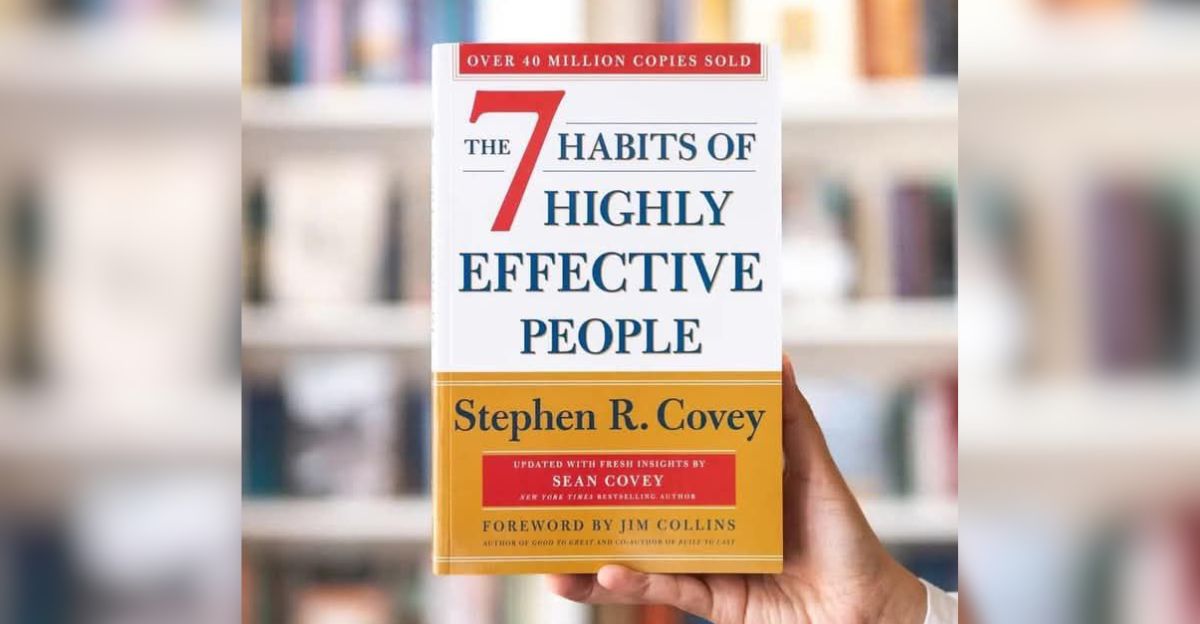
Stephen Covey’s The 7 Habits of Highly Effective People, out since 1989, has sold more than 40 million copies. The book lays out seven clear steps for success in work and life. Owners often struggle to name all the habits, showing most never finish it. The deep changes it demands run up against daily grind like long hours and constant stress, leaving the book as a reminder of what could be.
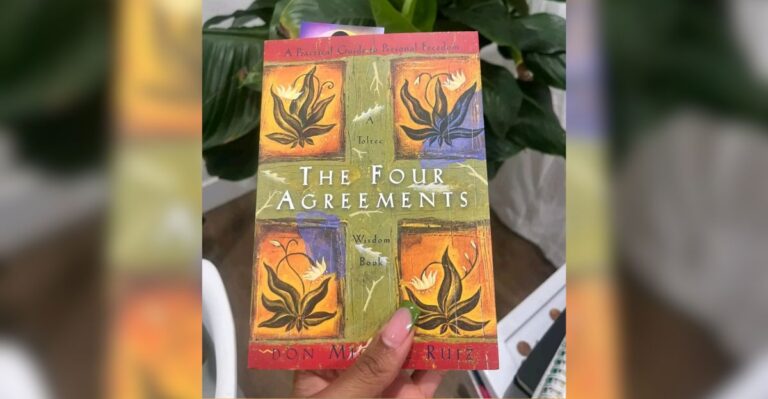
Don Miguel Ruiz’s The Four Agreements has moved 15 million copies in the U.S. alone and appears in 52 languages. This short book offers four simple rules for inner peace and better relationships. It draws buyers during breakups or rock-bottom moments. Applying its lessons, though, takes emotional energy that’s often spent on survival jobs and bills.
Rhonda Byrne’s The Secret, released in 2006, sold 30 million copies with a big boost from Oprah Winfrey and translations into 50 languages. It claims visualizing your goals brings them to life through the “law of attraction.” Many copies go unread, letting buyers hold onto the dream of easy riches without testing it in hard times.
Napoleon Hill’s Think and Grow Rich from 1937 tops 100 million sales and remains popular. It vows wealth comes from the right mindset. Stories tell of copies sitting unopened for years on desks. Without seed money, its tips fall flat, so having the book provides comfort without the push to try.
Stories of Spiritual and Personal Growth
Eckhart Tolle’s The Power of Now sold 3 million copies in North America by 2009 and hit bestseller lists. It teaches living fully in the present moment to find enlightenment and escape suffering. For families worried about rent and groceries, the “now” feels like a trap of endless worries, making the practice impossible. The book stays as a postponed ticket to peace.
Paulo Coelho’s The Alchemist holds a Guinness World Record with 150 million copies sold in 80 languages. Its story follows a shepherd chasing his “personal legend,” urging readers to follow their dreams. Pursuing that path needs time, cash, and stability that shaky lives rarely offer. Copies end up as quiet reminders of roads not taken.
Why People Buy But Don’t Read
Folks grab these books amid crises, lost jobs, health scares, or money squeezes, as a way to show they’re committed to improving. Owning them admits the gap between today’s struggles and tomorrow’s goals without risking real steps forward. This habit repeats across generations, with the same titles popping up on shelves through every economic slump. They mark emotional responses to hard times.
These unread books create a kind of “radiation effect” in the home. They signal that learning and growth matter, even if no one cracks them open. Placed where everyone sees, like a faithful desk buddy for three years, they keep dreams alive daily. In busy households balancing multiple jobs, kids, and chores, they offer hope without needing extra focus or time.
The Business of Hope and Frozen Dreams
The self-help industry rakes in $13.4 billion a year, selling about 17 million books annually. Publishers cash in on the thrill of buying, while readers get short-term comfort. These seven books rule the market thanks to their cheap price, easy availability, huge fame, and pledges of mindset magic amid life’s messes.
Leaving books closed safeguards the magic. Opening them might shatter illusions, like seeing visualization flop without real work, or mindfulness dodge bills that won’t wait. The phrase “I haven’t read it yet” stretches forever, much like unused gym memberships or online courses. Shelves turn into mirrors of stalled potential, a tough kind of strength built on unproven belief.
This pile-up reveals how Americans lean on mind fixes for big systemic problems like poverty and job insecurity. The $13 billion industry thrives on that hope. As money pressures linger into 2025 and beyond, these dusty collections may keep defining family stories—mixing mental endurance with stacks of change that never quite happens.
Sources:
VegOut Magazine – The exact 7 books sitting unread in every lower-middle-class home – December 2025
Wikipedia – Rich Dad Poor Dad entry – 2024
Book Industry Analysis – Rich Dad Poor Dad sales data – 2025
New York Times Bestseller Archives – The 7 Habits of Highly Effective People – 2024-2025
Stephen R. Covey Foundation – The 7 Habits information – 2024
Miguel Ruiz Official Website – The Four Agreements – 2025