Six authoritarian leaders control 1,074 billion barrels of proven oil reserves—representing 68% of the world’s petroleum wealth. These dictators collectively produce over 34 million barrels daily, wielding unprecedented influence over global energy markets, international politics, and the climate crisis.
Their regimes span Venezuela to Russia, transforming geological fortune into tools of repression and geopolitical leverage.
1. Venezuela’s Maduro: Largest Reserves, Collapsed Production
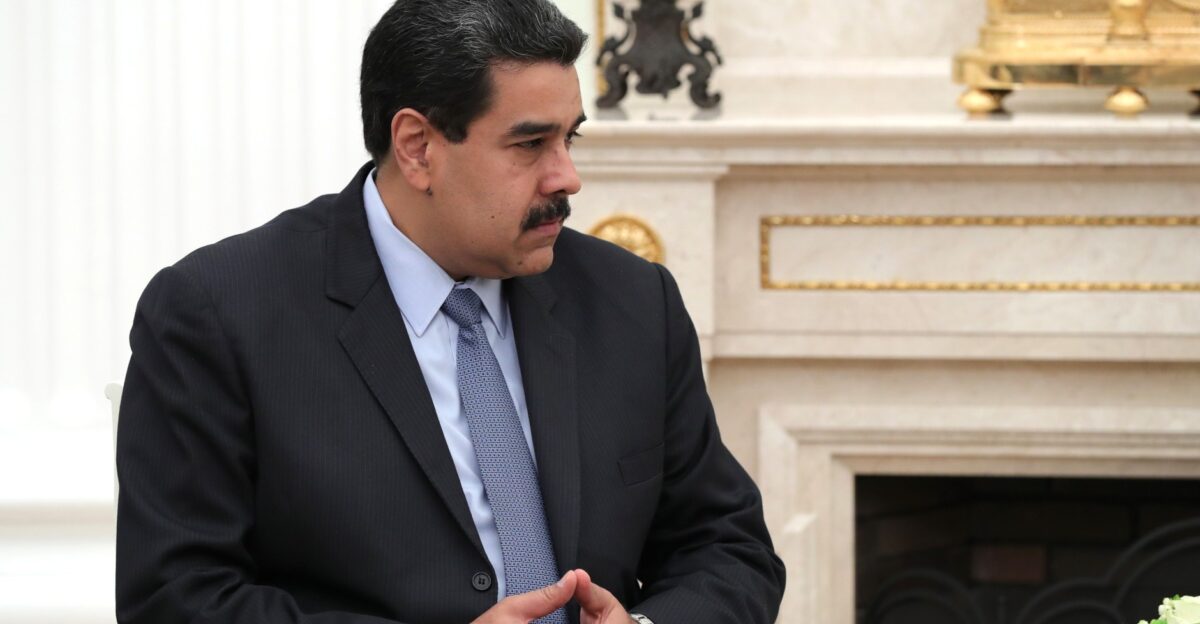
Nicolás Maduro controls the world’s largest oil reserves at 303 billion barrels—roughly 17% of global deposits—yet Venezuela produces a catastrophic 960,000 barrels daily, less than one-third of pre-2000 levels.
The former bus driver’s mismanagement transformed petroleum abundance into economic ruin, forcing seven million Venezuelans into exile. His regime ended in January 2026 after U.S. military intervention.
Infrastructure Decay Defines Venezuelan Crisis
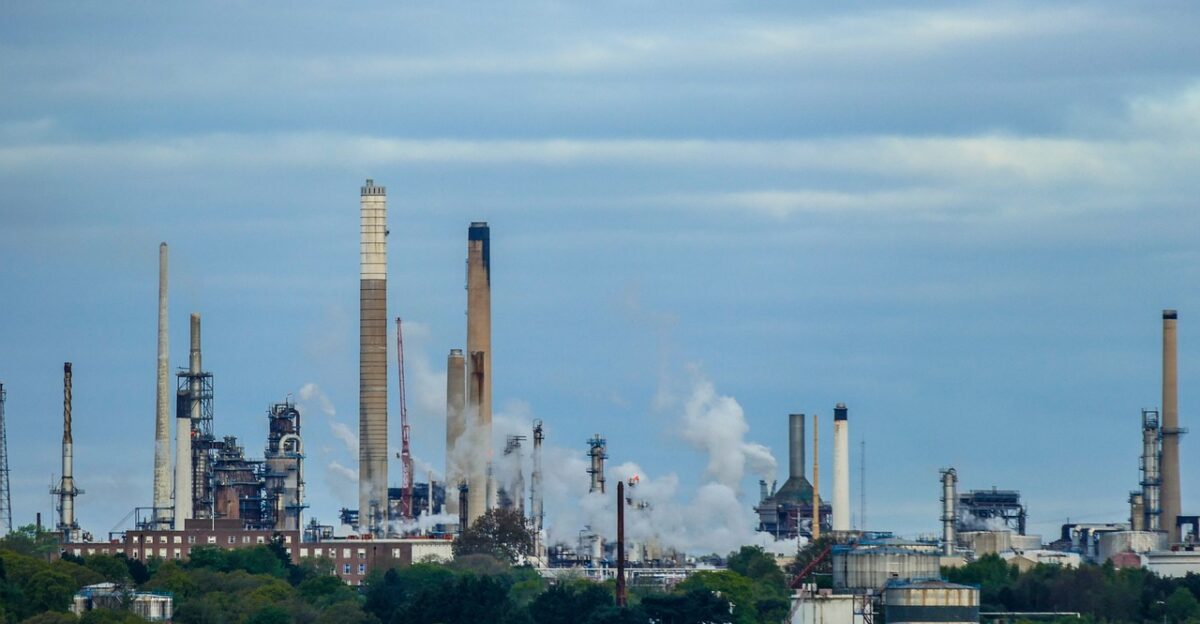
PDVSA, Venezuela’s state oil company, requires $58 billion to restore production capacity after decades without pipeline upgrades. Refineries operate at just 20% capacity due to equipment failures and power shortages.
“Production has collapsed from 3.5 million barrels per day in 1970 to less than 1 million,” according to Asia Times analysis, marking “historically unprecedented” deterioration in Venezuela’s oil sector.
Military Control Enabled Maduro’s Survival
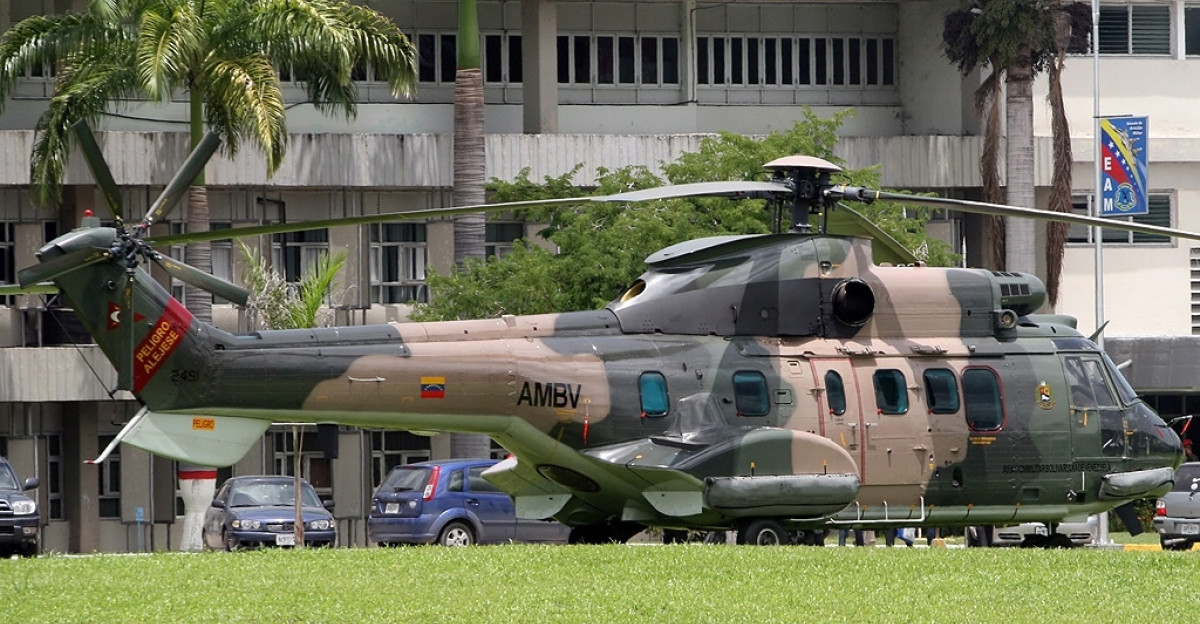
Maduro appointed military officers to key PDVSA positions despite lacking industry experience, transforming the oil company into a patronage instrument. Major General Manuel Quevedo’s appointment as PDVSA head exemplified this militarization strategy.
By giving armed forces direct access to petroleum revenues through black market dealings, Maduro secured military loyalty essential for regime survival despite hyperinflation and economic collapse.
2. Saudi Arabia’s MBS: The Modernizing Autocrat
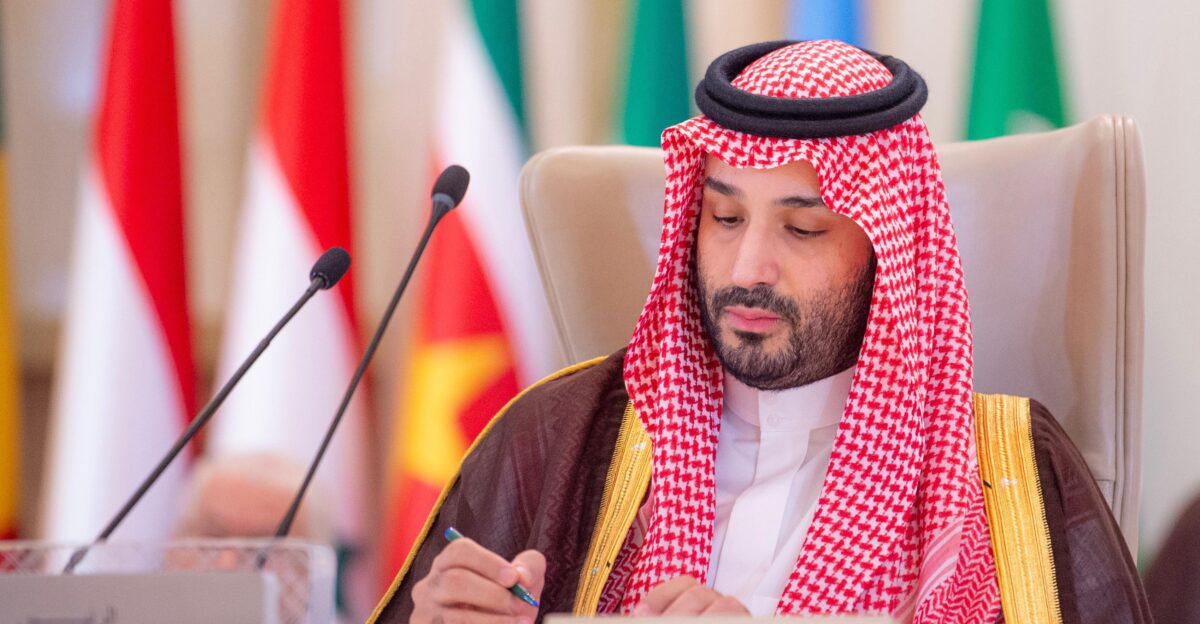
Crown Prince Mohammed bin Salman, Saudi Arabia’s 39-year-old de facto ruler, controls 267 billion barrels while producing 10.9 million barrels daily—the world’s second-largest output. His Vision 2030 program combines economic modernization with brutal repression: executing 338 people in 2024, imprisoning women’s rights activists, and orchestrating journalist Jamal Khashoggi’s 2018 murder.
The Ritz-Carlton Purge Consolidated Power
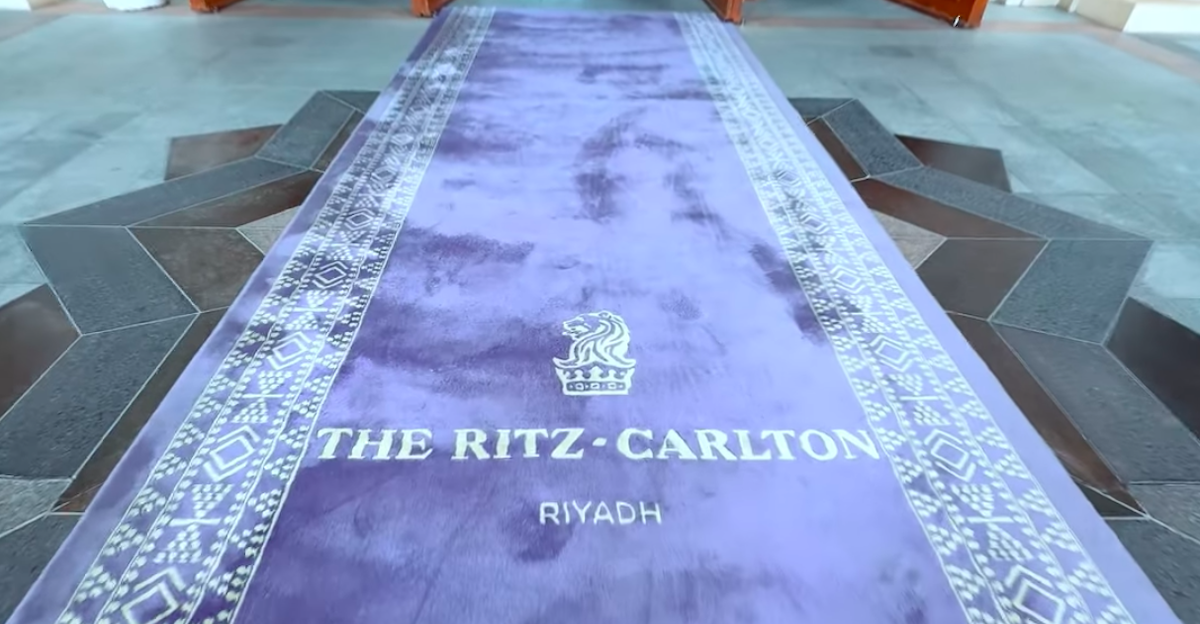
MBS’s 2017 “anti-corruption” crackdown detained scores of princes and businessmen at Riyadh’s Ritz-Carlton, allegedly seizing $800 billion in assets.
Former intelligence official Saad al-Jabri claims MBS “forged his father’s signature” on military decrees, with a CIA station chief expressing frustration that the crown prince “ignored U.S. counsel” on Yemen’s invasion. The purge cemented his “consolidation of control of all three branches of security forces”.
Saudi Aramco: The $1.9 Trillion State Instrument
Saudi Aramco, the world’s most valuable corporation with $1.9 trillion market capitalization, serves as MBS’s primary instrument of economic control. Despite 2019’s partial privatization through public offering, the Saudi state retained overwhelming ownership with the crown prince maintaining ultimate authority.
MBS installed confidant Yasir al-Rumayyan as Aramco chairman while simultaneously heading the Public Investment Fund financing Vision 2030 megaprojects.
3. Iran’s Khamenei: Theocratic Petroleum Power
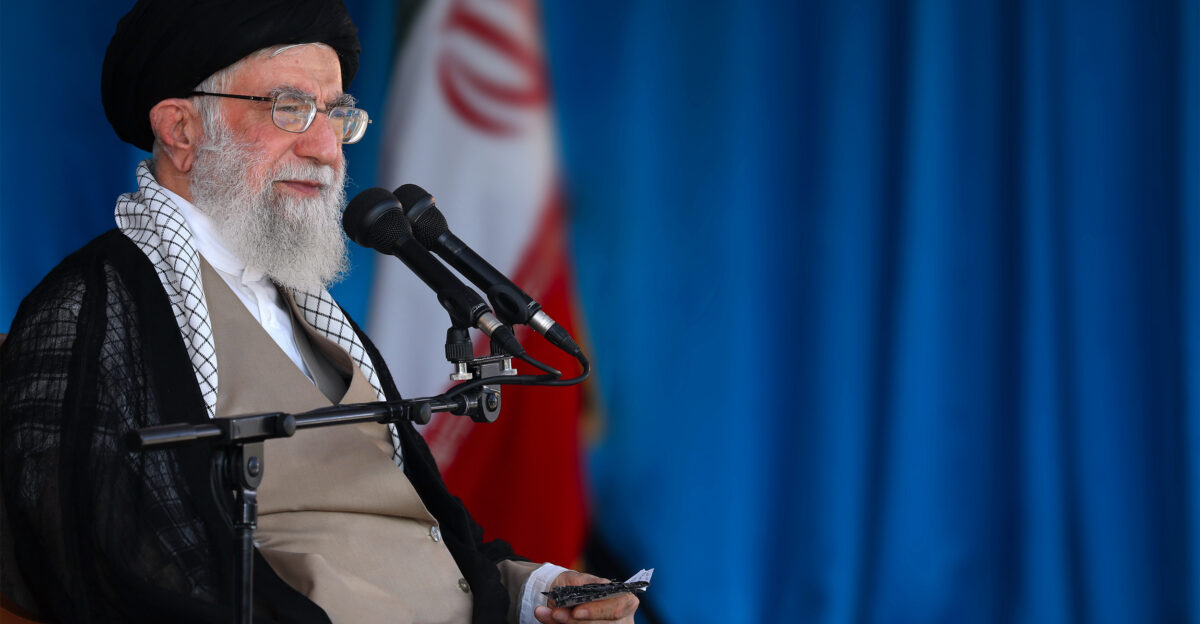
Ayatollah Ali Khamenei, Iran’s 86-year-old Supreme Leader since 1989, controls 209 billion barrels and produces 5.1 million barrels daily through the National Iranian Oil Company.
The theocratic dictator wields absolute authority over judiciary, military, and petroleum revenues while funding proxy forces across the Middle East—Hezbollah, Iraqi militias, Syrian regime forces, and Yemen’s Houthis.
Revolutionary Guards Control Oil Wealth
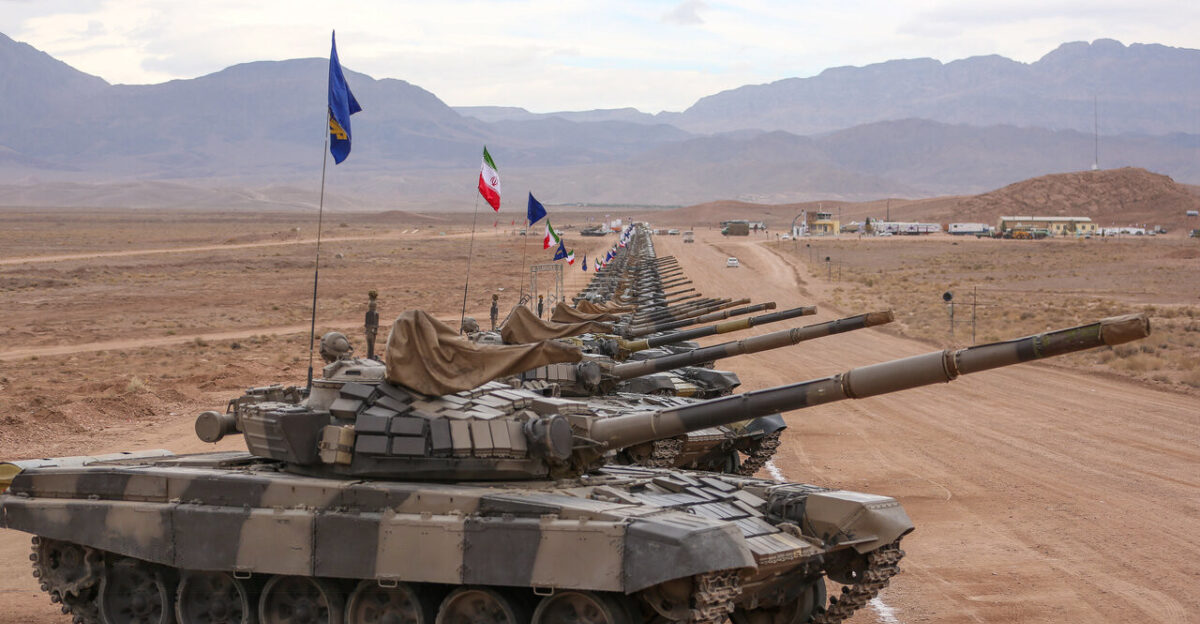
Iran’s Islamic Revolutionary Guard Corps receives direct support from NIOC and controls major contracts through its Khatam Al-Anbia construction wing.
This arrangement ensures oil revenues flow into institutions Khamenei commands, funding both domestic repression and regional power projection. U.S. sanctions since 2012 have targeted NIOC, yet Iran redirects exports to China and Asian markets willing to purchase despite restrictions.
Strait of Hormuz Amplifies Iranian Leverage
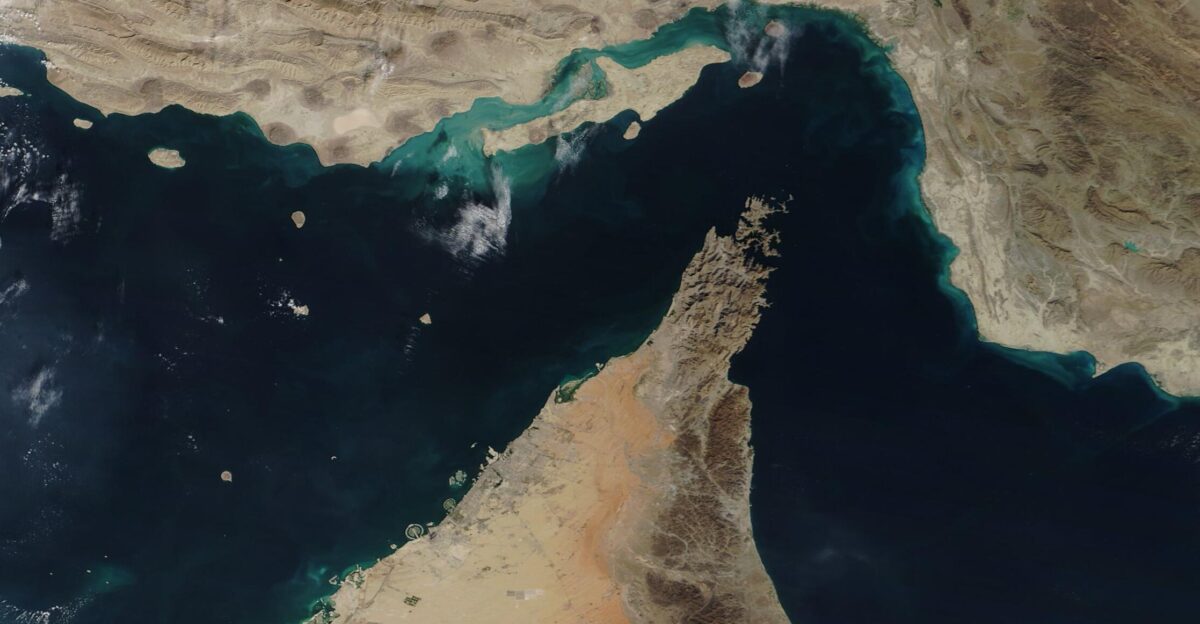
Iran’s strategic location along the Strait of Hormuz, through which roughly one-fifth of global oil passes, gives Tehran disproportionate geopolitical leverage beyond its production capacity.
Khamenei has repeatedly threatened to close the strait during heightened tensions, demonstrating how geography amplifies petroleum power. This chokepoint position makes Iran indispensable to global energy security despite international isolation and sanctions.
4. UAE’s MBZ: Technocratic Authoritarianism
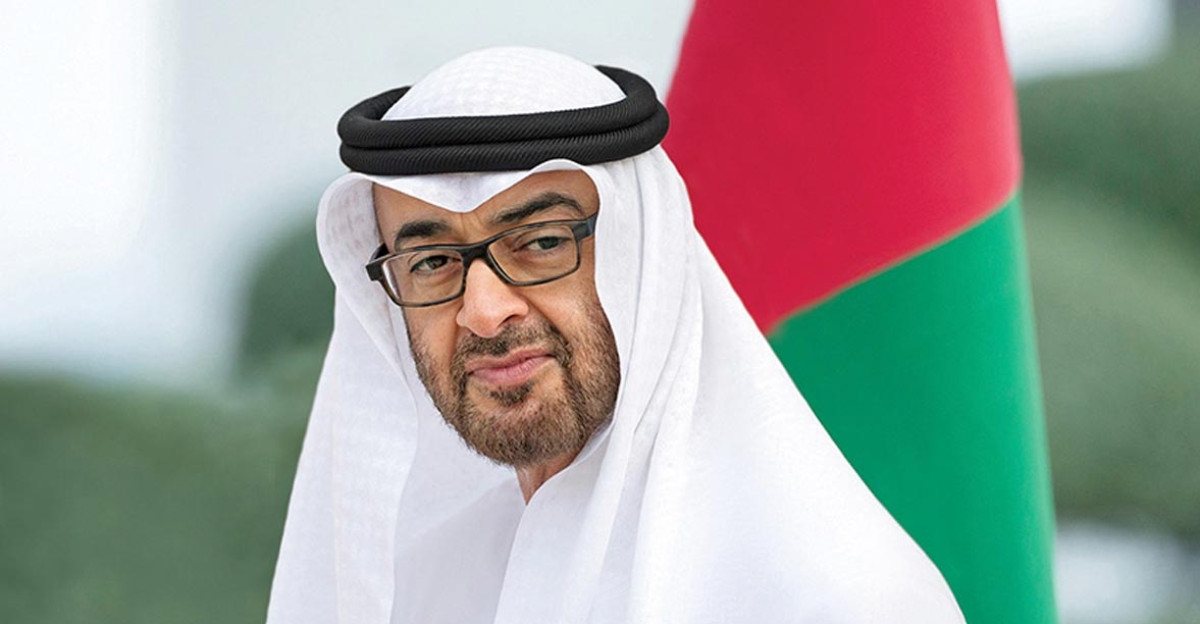
Sheikh Mohamed bin Zayed Al Nahyan, 63, became UAE president in 2022 after decades as Abu Dhabi’s ruler, controlling 113 billion barrels concentrated in his emirate. The UAE produces 4 million barrels daily while maintaining “comprehensive state control over political and civic life” with no elections, restricted civil liberties, and documented torture of dissidents.
MBZ’s Economic Diversification Strategy
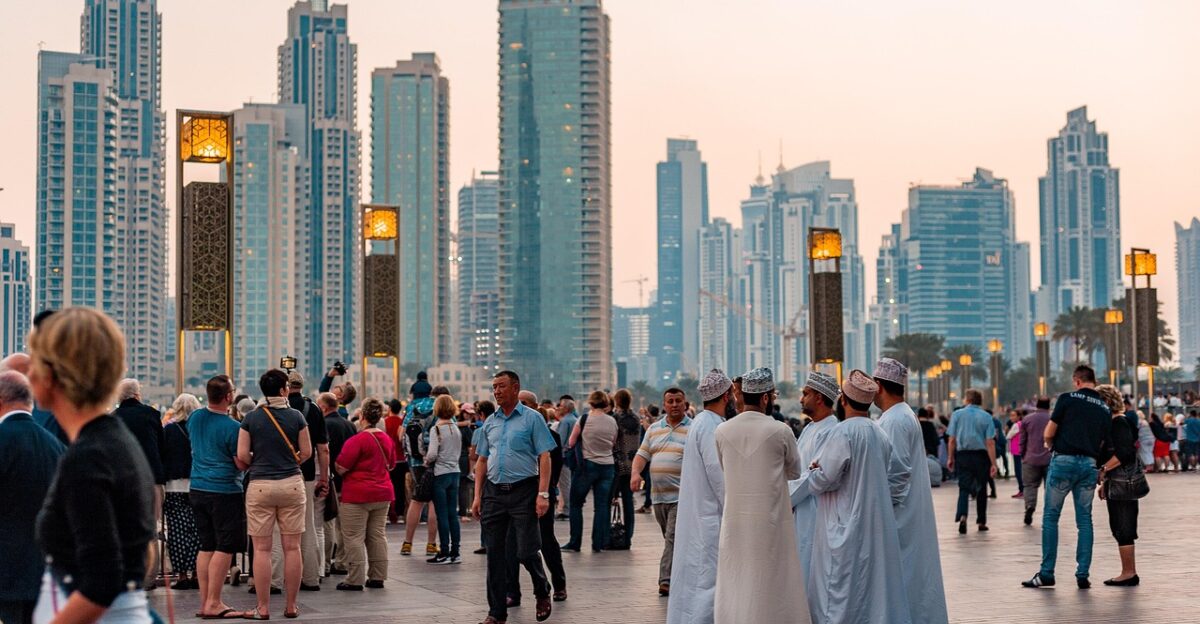
Unlike many petrostates, the UAE successfully diversified its economy with non-oil sectors now contributing significantly to GDP through finance, real estate, tourism, logistics, and technology.
This diversification provides economic resilience while maintaining authoritarian control, demonstrating that petroleum wealth can fund alternative development without requiring political liberalization. MBZ’s technocratic efficiency distinguishes his regime from less competent petro-authoritarian states.
5. Kuwait’s Mishal: Democracy’s Death
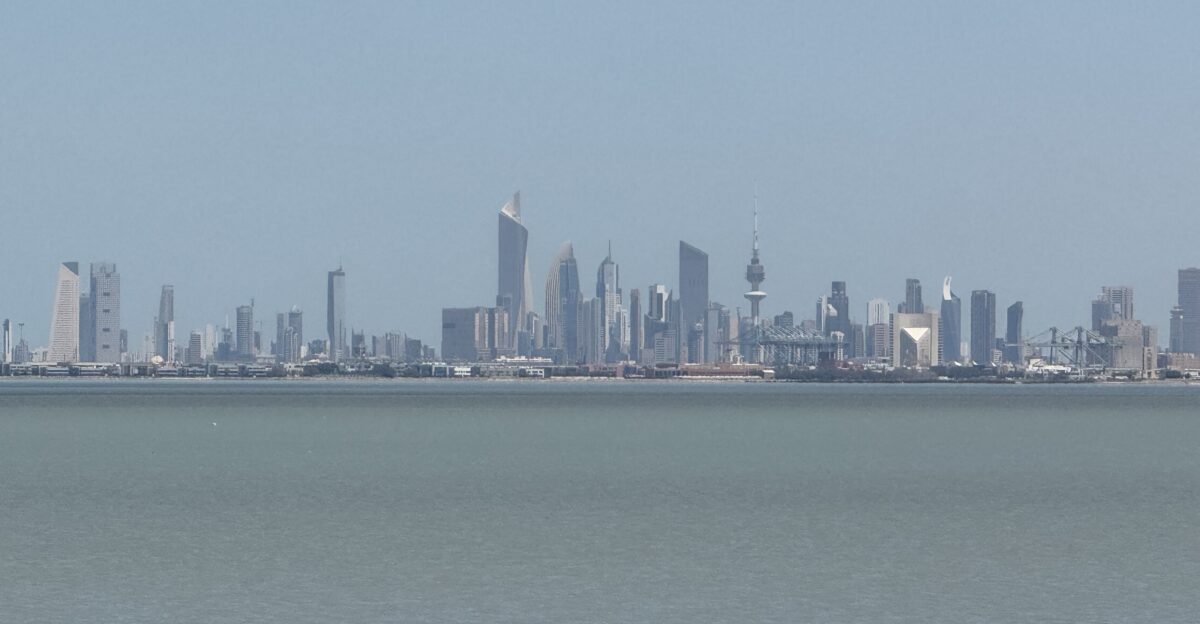
Emir Mishal Al-Ahmad, 83, seized Kuwait’s 102 billion barrels while eliminating the Gulf’s only meaningful parliament in May 2024. Just five months into his reign, Mishal dissolved the National Assembly indefinitely, accusing parliamentarians of “misusing democracy to destroy the state”.
Kuwait now rules by decree through an appointed cabinet, producing 2.7 million barrels daily without legislative oversight.
Gulf’s Democratic Exception Eliminated
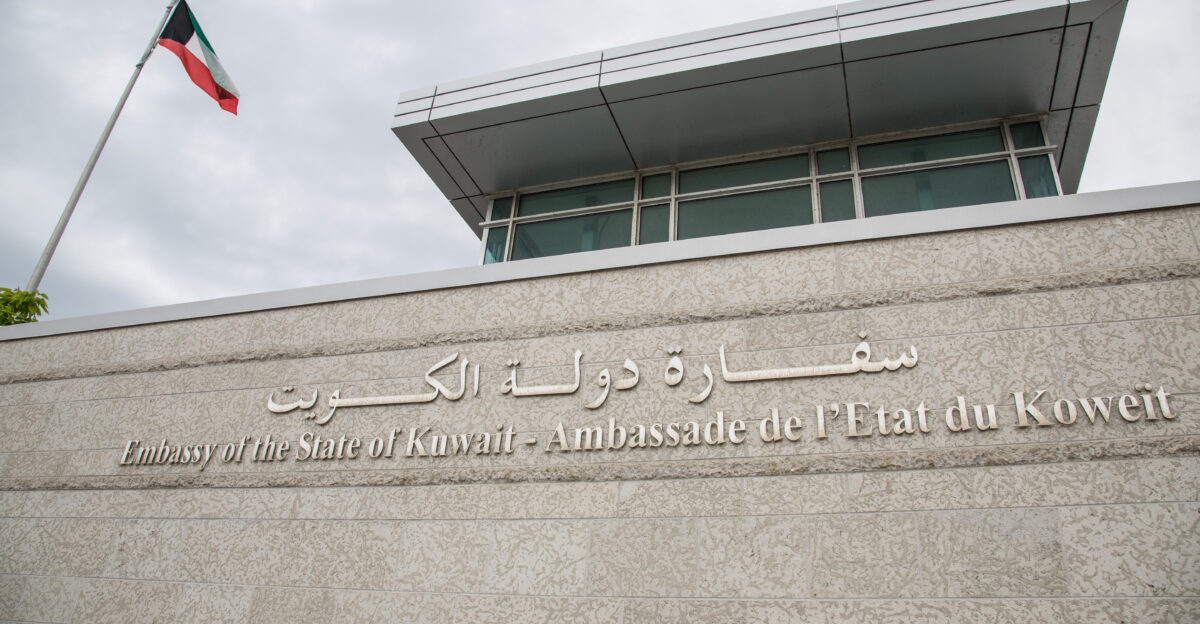
For decades, Kuwait stood apart in the Gulf Cooperation Council for maintaining a semi-autonomous parliament with genuine power to question ministers and reject legislation.
The National Assembly, established under the 1962 constitution, provided political participation unique in the region. Mishal’s suspension transformed Kuwait from the Gulf’s most open political system to standard absolute monarchy, representing dramatic democratic regression.
6. Putin’s Russia: Militarized Petrostate
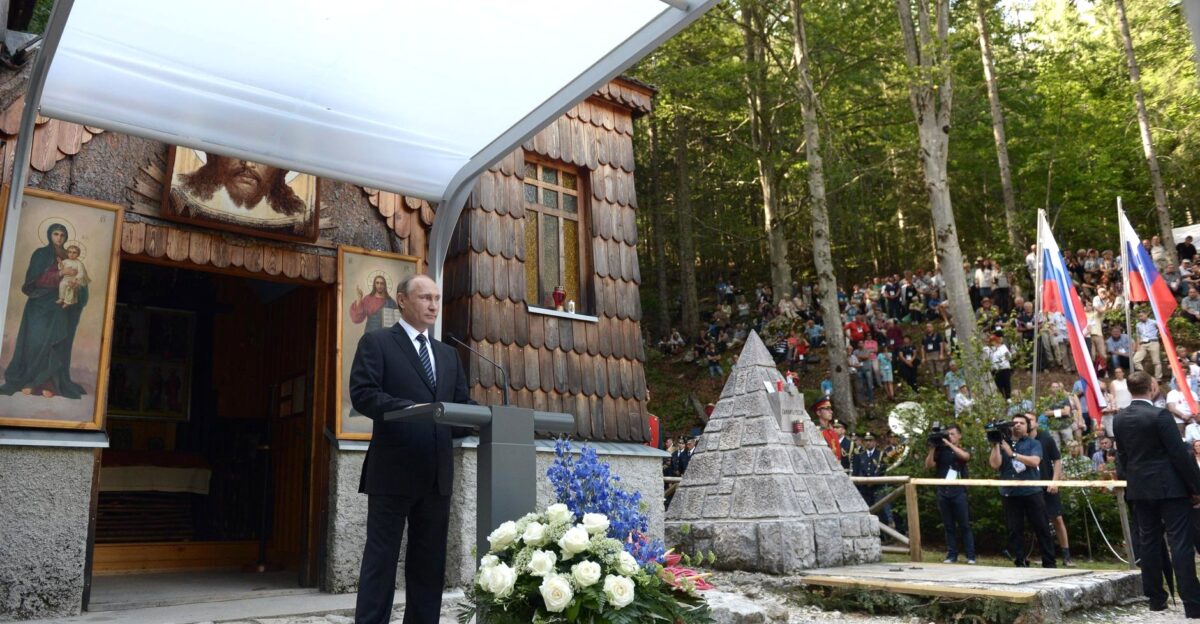
Vladimir Putin, Russia’s 73-year-old president since 2000, controls 80 billion barrels while producing 10.8 million barrels daily—the world’s second or third-largest output.
State-controlled Rosneft dominates production after forcibly acquiring Yukos assets when owner Mikhail Khodorkovsky challenged Putin politically. Oil revenues finance Russia’s Ukraine invasion, now in its third year with catastrophic casualties.
Oil Funds Russia’s War Machine
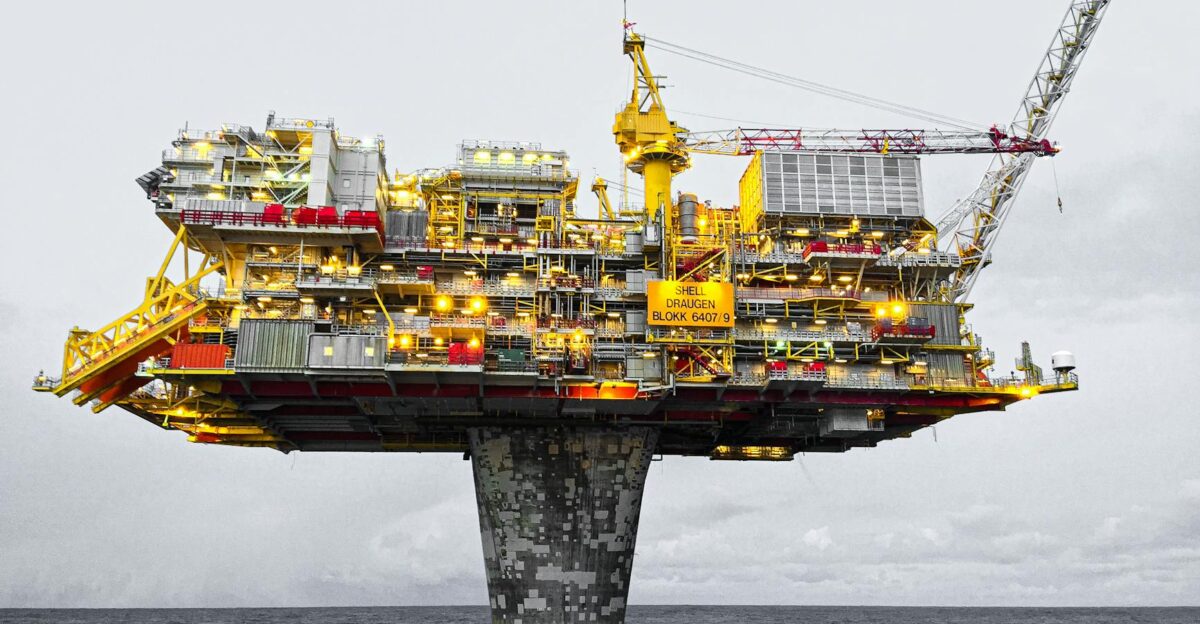
Russia’s invasion of Ukraine depends entirely on petroleum revenues financing military operations despite unprecedented Western sanctions.
Putin redirected oil exports to China, India, and Asian markets through “shadow fleets” operating outside international regulation, maintaining crucial revenues. U.S. and European sanctions sought to cap Russian oil export prices, yet enforcement remains challenging as Putin successfully adapts to restrictions.
The Resource Curse: How Oil Sustains Dictators
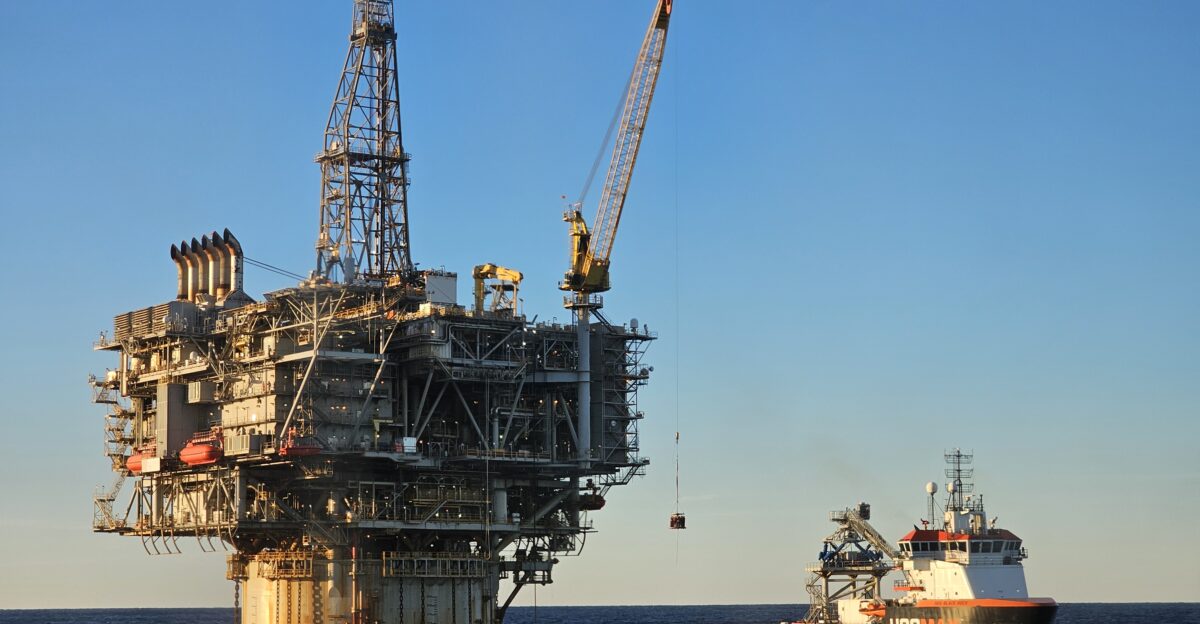
“Only one type of resource has been consistently correlated with less democracy and worse institutions: petroleum,” states UCLA political scientist Michael Ross, author of The Oil Curse.
Oil wealth eliminates taxation-based governance, funding extensive security apparatuses and patronage networks that buy elite loyalty while maintaining popular acquiescence through subsidies.
OPEC’s Authoritarian Dominance
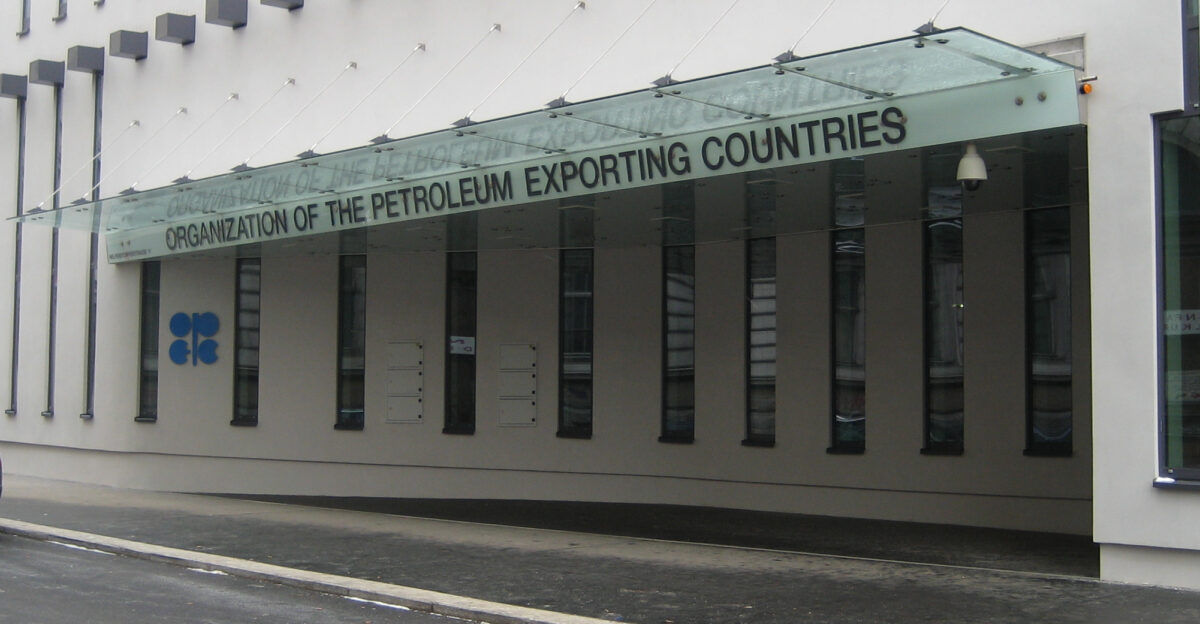
OPEC controls nearly 40% of world oil production, with 79.5% of proven reserves located within member nations—predominantly authoritarian states including Saudi Arabia, Iran, UAE, Kuwait, Venezuela, and Iraq. This concentration grants dictators extraordinary market leverage.
“Combined, the group controls close to forty percent of world oil production,” enabling coordinated supply management counter to Western consumer interests.
Climate Action Collides With Authoritarian Control
Authoritarian fossil fuel companies account for more than half of global emissions, operating with minimal transparency or accountability.
State-owned giants like Saudi Aramco, NIOC, and Rosneft face no domestic political pressure to reduce production and answer only to autocrats whose power depends on petroleum revenues. COP climate conferences increasingly hosted by petrostates raise “questions about conflict of interest”.
Oil Wealth Finances Regional Destabilization
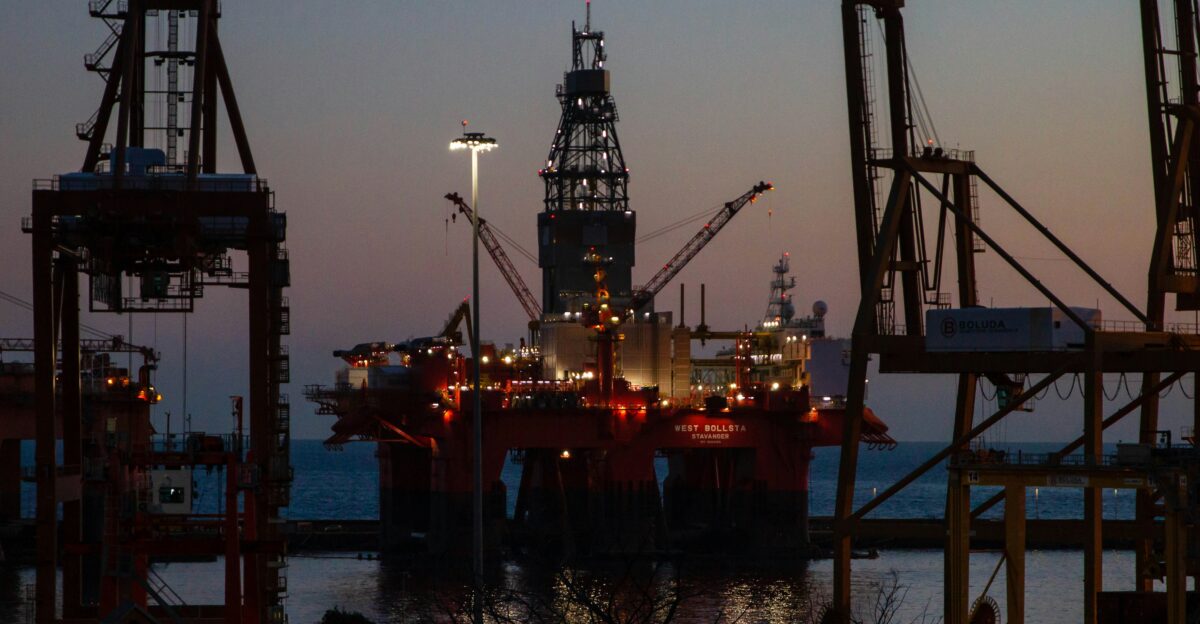
Petroleum revenues enable military interventions that destabilize entire regions without domestic political consequences for authoritarian leaders.
Russia’s Ukraine invasion, Iran’s proxy network across the Middle East, and Saudi-UAE’s Yemen campaign all depend on oil-funded military capabilities. Research demonstrates petrostates initiate conflicts more frequently than resource-poor nations.
Sources:
“The Man Who Bought The World: Rights Abuses Linked to Saudi Arabia’s Public Investment Fund.” Human Rights Watch, Nov 20, 2024.