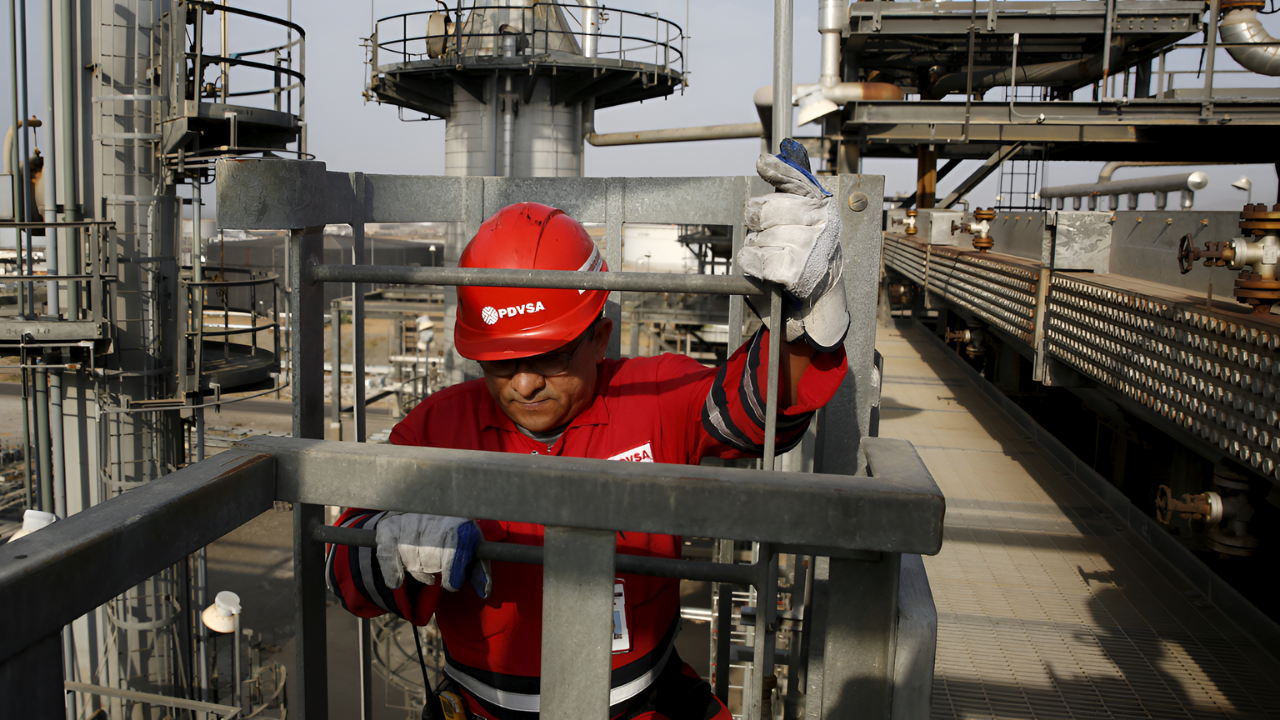
Six authoritarian leaders command 1,074 billion barrels of proven oil reserves, equivalent to 68% of the world’s total petroleum wealth. These regimes produce more than 34 million barrels daily, exerting profound sway over energy supplies, global diplomacy, and environmental challenges.
Venezuela’s Maduro: From Abundance to Collapse
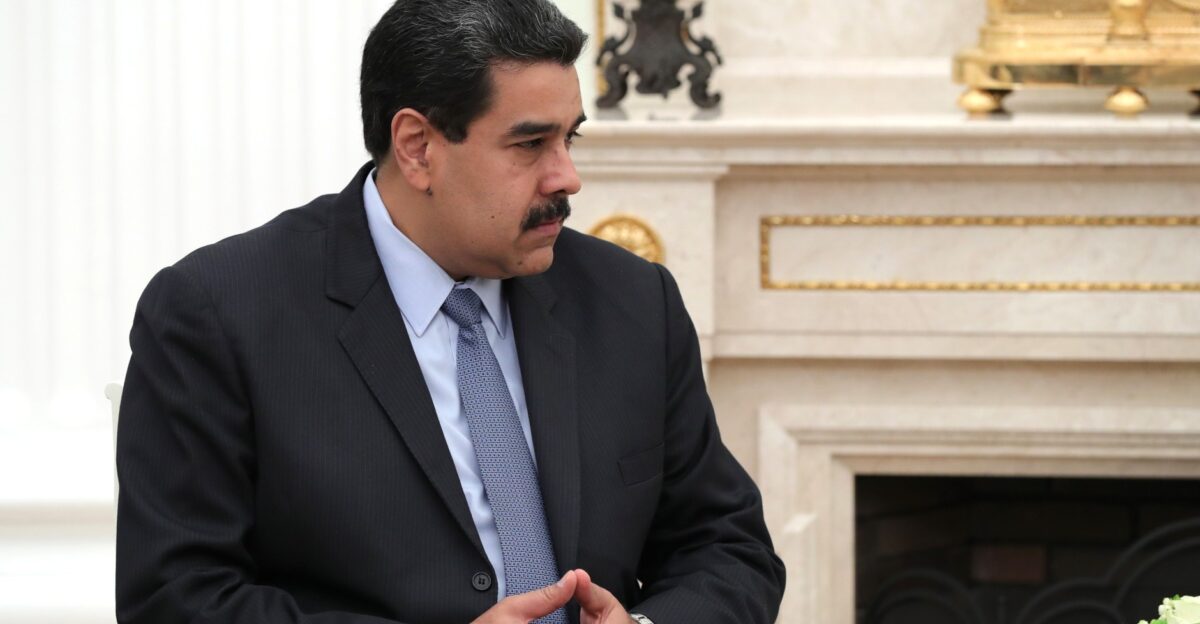
Nicolás Maduro oversaw Venezuela’s 303 billion barrels—the largest reserves globally, at 17% of world deposits—but output plummeted to 960,000 barrels per day, far below pre-2000 levels. Mismanagement turned oil riches into economic devastation, driving seven million citizens into exile. His rule ended in January 2026 following U.S. military action. State oil firm PDVSA needs $58 billion for repairs, with refineries at 20% capacity amid decaying infrastructure and power failures.
Production fell from 3.5 million barrels daily in 1970 to under one million, a historically sharp decline. Maduro placed military officers in PDVSA roles, like Major General Manuel Quevedo as head, channeling revenues through black-market channels to buy armed forces loyalty amid hyperinflation.
Saudi Arabia’s MBS: Modernization Amid Repression
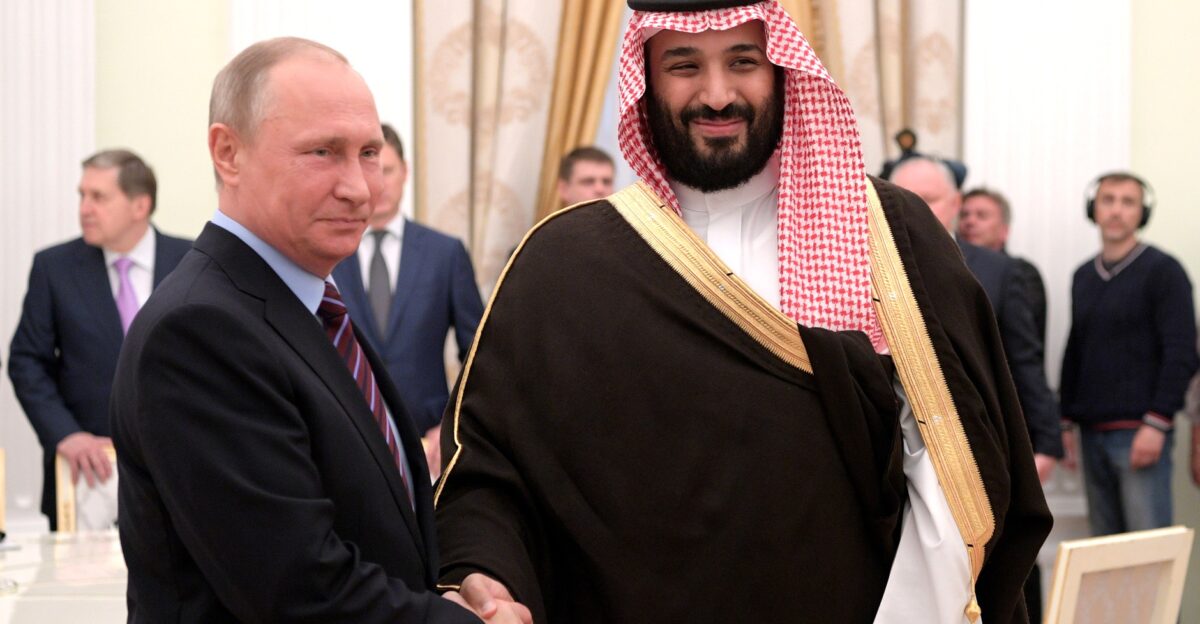
Crown Prince Mohammed bin Salman, 40, directs 267 billion barrels and 10.9 million barrels daily—the second-highest output worldwide. His Vision 2030 blends economic reforms with harsh crackdowns, including 338 executions in 2024, jailing women’s rights advocates, and the 2018 killing of journalist Jamal Khashoggi.
In 2017, an “anti-corruption” purge at Riyadh’s Ritz-Carlton detained princes and executives, reportedly seizing $800 billion in assets and consolidating control over security forces. Saudi Aramco, valued at $1.9 trillion, remains a state tool despite partial privatization; MBS appointed ally Yasir al-Rumayyan as chairman, linking it to public funds for megaprojects.
Iran’s Khamenei: Theocratic Oil Leverage
Ayatollah Ali Khamenei, 86 and Supreme Leader since 1989, holds 209 billion barrels, producing 3.2 million barrels of crude oil daily via the National Iranian Oil Company (with total petroleum liquids output reaching approximately 5.1 million barrels daily when including gas condensates). He commands judiciary, military, and oil funds, supporting proxies like Hezbollah, Iraqi militias, Syrian forces, and Yemen’s Houthis.
The Revolutionary Guard Corps dominates contracts through its construction arm, routing revenues to Khamenei’s institutions despite U.S. sanctions since 2012. Iran shifts exports to China and Asia. Positioned at the Strait of Hormuz—pathway for one-fifth of global oil—Tehran gains outsized influence, with repeated threats to blockade it during tensions.
UAE’s MBZ: Diversified Control
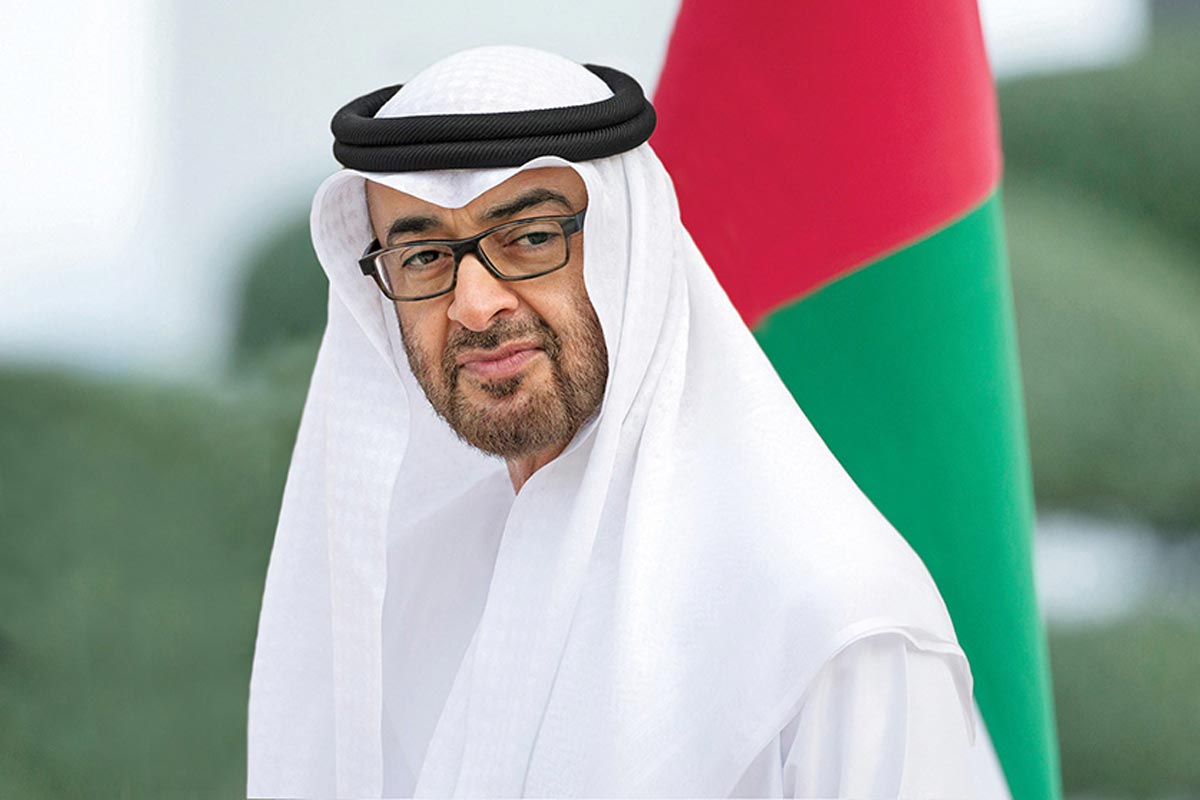
Sheikh Mohamed bin Zayed Al Nahyan, 64 and UAE president since 2022, manages 113 billion barrels, mostly in Abu Dhabi, yielding 4 million barrels daily. His rule enforces total state oversight of politics and society, barring elections, curbing freedoms, and using documented torture against critics. Unlike peers, the UAE diversified into finance, real estate, tourism, logistics, and tech, bolstering GDP resilience without easing authoritarianism. This technocratic model highlights oil’s role in funding change absent democratization.
Kuwait’s Mishal: Ending a Regional Exception
Emir Mishal Al-Ahmad, 85, controls 102 billion barrels and 2.7 million barrels daily. Five months into power, he dissolved Kuwait’s National Assembly in May 2024, charging lawmakers with “misusing democracy to destroy the state.” Rule now proceeds by decree via an appointed cabinet. Long unique in the Gulf for its 1962 constitution’s semi-autonomous parliament—which grilled ministers and blocked laws—Kuwait shifted to absolute monarchy, erasing the region’s sole democratic foothold.
Russia’s Putin: War-Fueled Petrostate
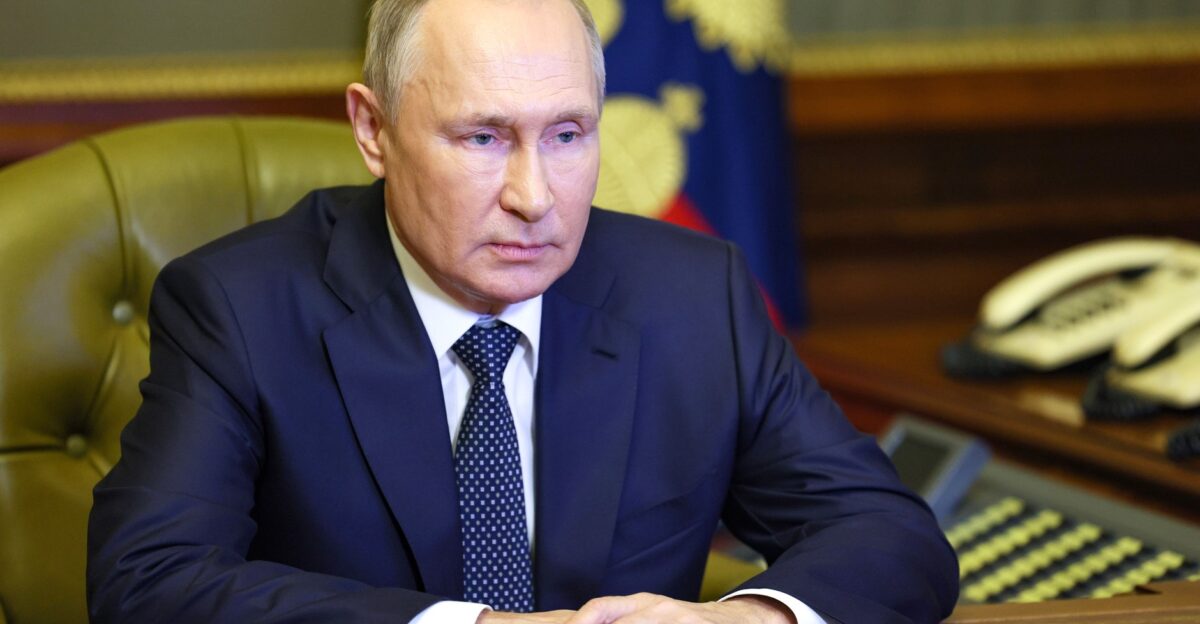
Vladimir Putin, 73 and president since 2000, grips 80 billion barrels, producing 10.8 million daily—among the top globally. State giant Rosneft seized Yukos assets after owner Mikhail Khodorkovsky’s political challenge. Oil cash sustains the Ukraine invasion, now in its third year. Facing Western sanctions, Putin pivots sales to China, India, and Asia via unregulated “shadow fleets,” dodging price caps.
These oil empires reveal a resource curse: petroleum correlates with eroded democracy and weaker institutions, per UCLA’s Michael Ross. It skips taxation, nurturing security forces and patronage. OPEC, with 79.5% of reserves in such states, manages nearly 40% of output, amplifying leverage. State firms drive over half of emissions unchecked, complicating climate efforts at forums like COP. Revenues also bankroll conflicts—from Russia’s Ukraine push to Iran’s proxies and Saudi-UAE Yemen operations—without public pushback, as studies link petrostates to higher war risks. As energy transitions accelerate, these leaders’ grip tests global stability, demanding strategies to curb fossil-fueled authoritarianism.
Sources:
“Oil Reserves by Country 2026.” World Population Review, 2026.
“The Oil Curse: How Petroleum Wealth Shapes the Development of Nations.” UCLA Political Science (Michael Ross), 2012.
“Trump says US is taking control of Venezuela’s oil reserves.” CNN, Jan 3, 2026.
“Who is Nicolas Maduro? Bus driver turned president led Venezuela with a heavy hand.” Times of Israel, Jan 3, 2026.
“OPEC in a Changing World.” Council on Foreign Relations, Jan 11, 2026.
“The Man Who Bought The World: Rights Abuses Linked to Saudi Arabia’s Public Investment Fund.” Human Rights Watch, Nov 20, 2024.
“Russia unlikely to risk ‘reputation failure’ by intervening in Iran protests.” Al Jazeera, Jan 15, 2026.