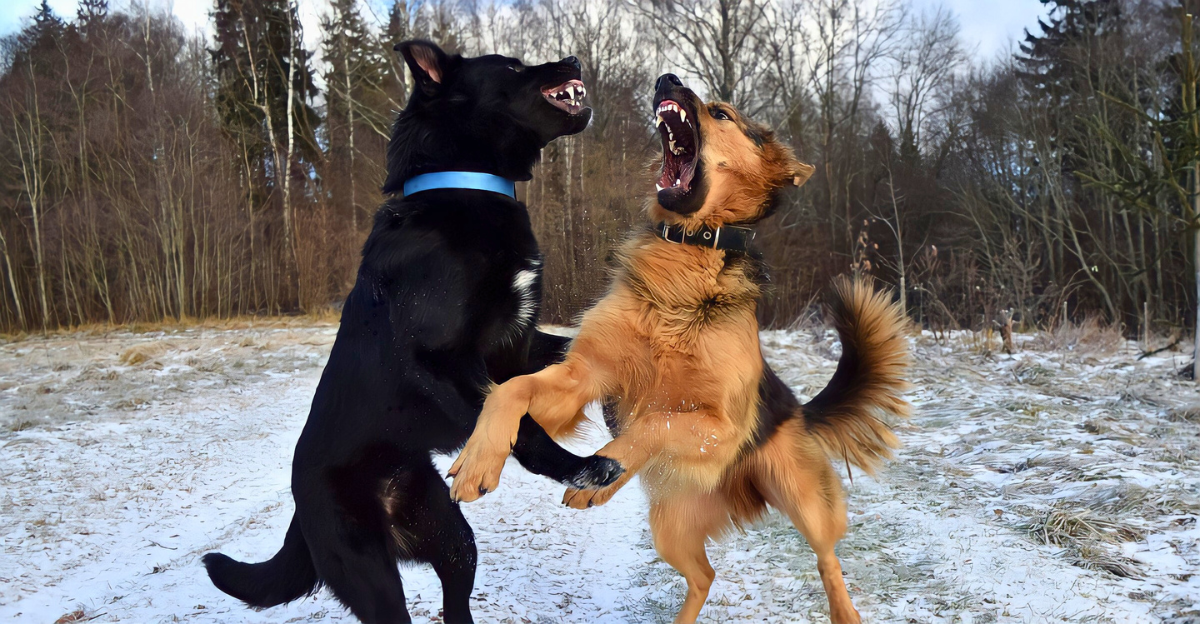
When it comes to dangerous dog breeds, most people imagine large, powerful animals bred for protection or fighting. However, the reality is far more complex and often challenges our perceptions.
Recent studies and global regulatory actions reveal that risk is due to a mix of genetics, temperament, upbringing, and even cultural bias.
Understanding which breeds pose potential dangers helps guide responsible ownership, legislative decisions, and public awareness around canine safety.
1. American Pit Bull Terrier
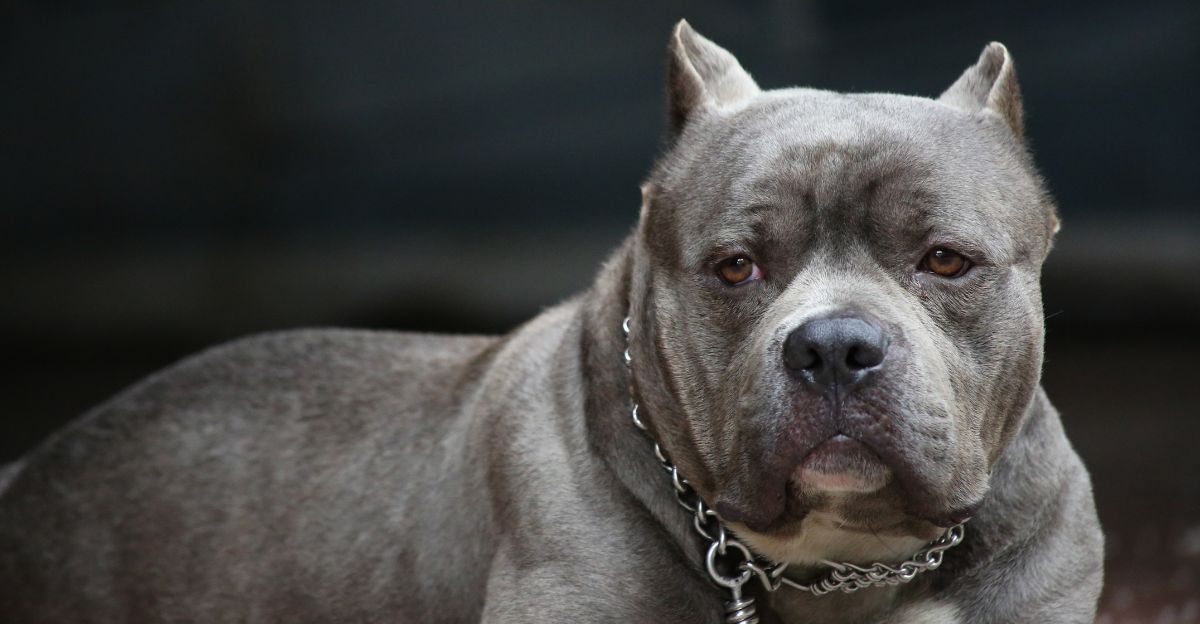
With muscular build and fearless temperament, the American Pit Bull Terrier consistently tops lists of dangerous dogs due to its history in fighting and protection roles. Studies reveal these dogs are responsible for a high percentage of severe bite incidents globally.
However, advocates claim aggression is a product of environment, not genetics, sparking controversial debates in the legal and veterinary communities.
2. Rottweiler
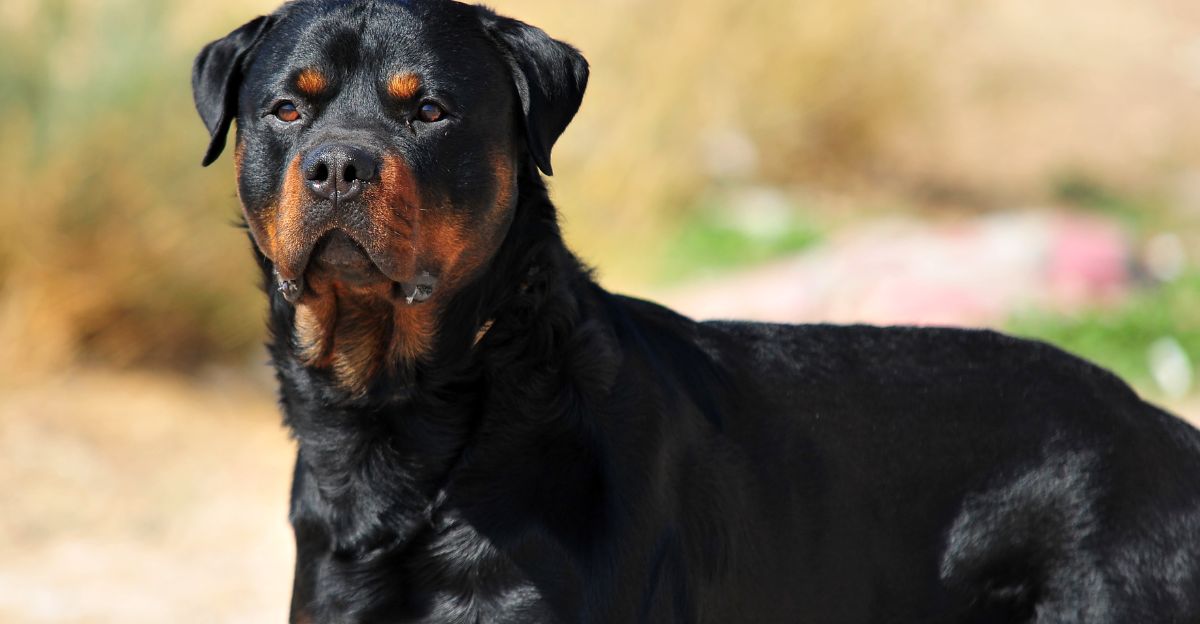
Originally bred for herding and guarding, Rottweilers possess remarkable strength and imposing presence, contributing to their reputation as dangerous. According to bite statistics, they rank among the breeds most often involved in fatal attacks.
Despite this, skilled trainers demonstrate their loyalty and gentleness in structured settings, questioning the fairness of breed-specific bans.
3. German Shepherd
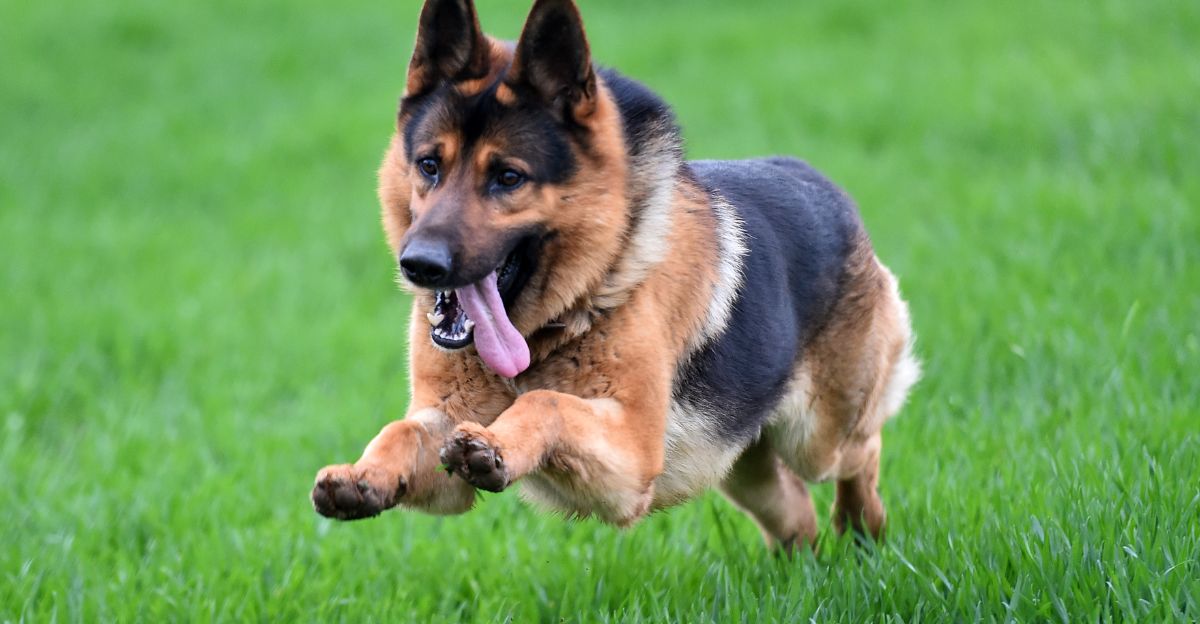
German Shepherds are well-known as police and service dogs, but their protective instincts can lead to territorial aggression and severe bites.
Insurance companies frequently list them in high-risk categories. This duality—heroic helper and potential threat—makes them a lightning rod in the ongoing debate over responsible ownership and public policy.
4. American Bulldog
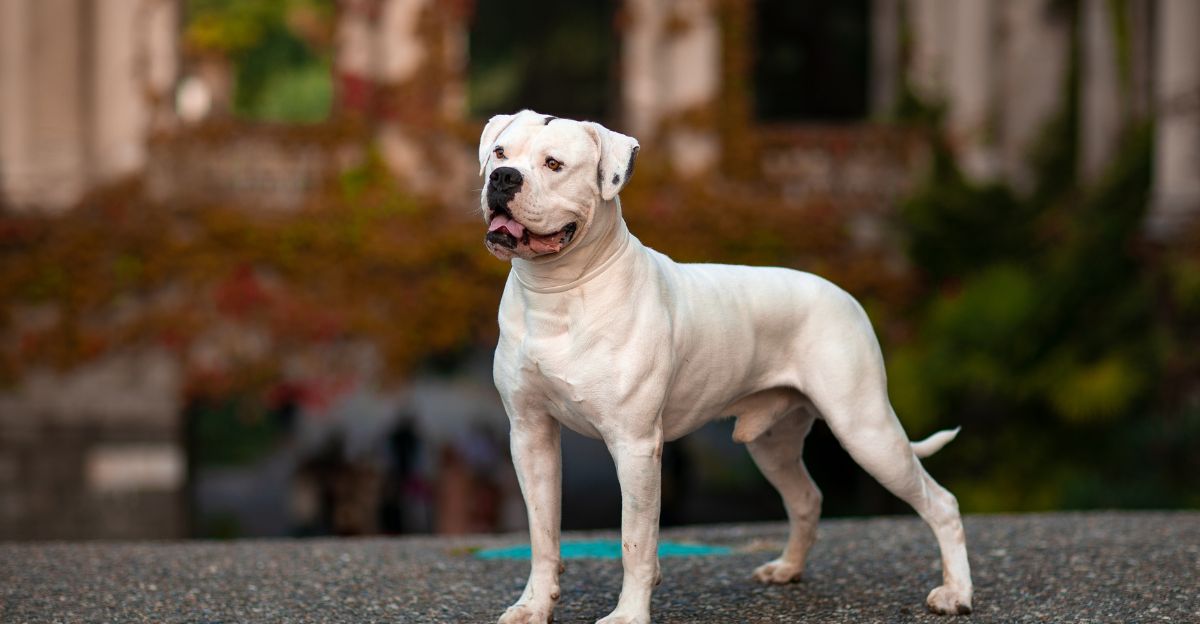
Once used in bull-baiting, the American Bulldog combines tenacity with substantial physical power. Their bites can cause significant injury, and reports of attacks are not uncommon.
Despite their playful nature, some regions have imposed restrictions, raising questions of overregulation and public fear versus genuine breed risk.
5. Bullmastiff
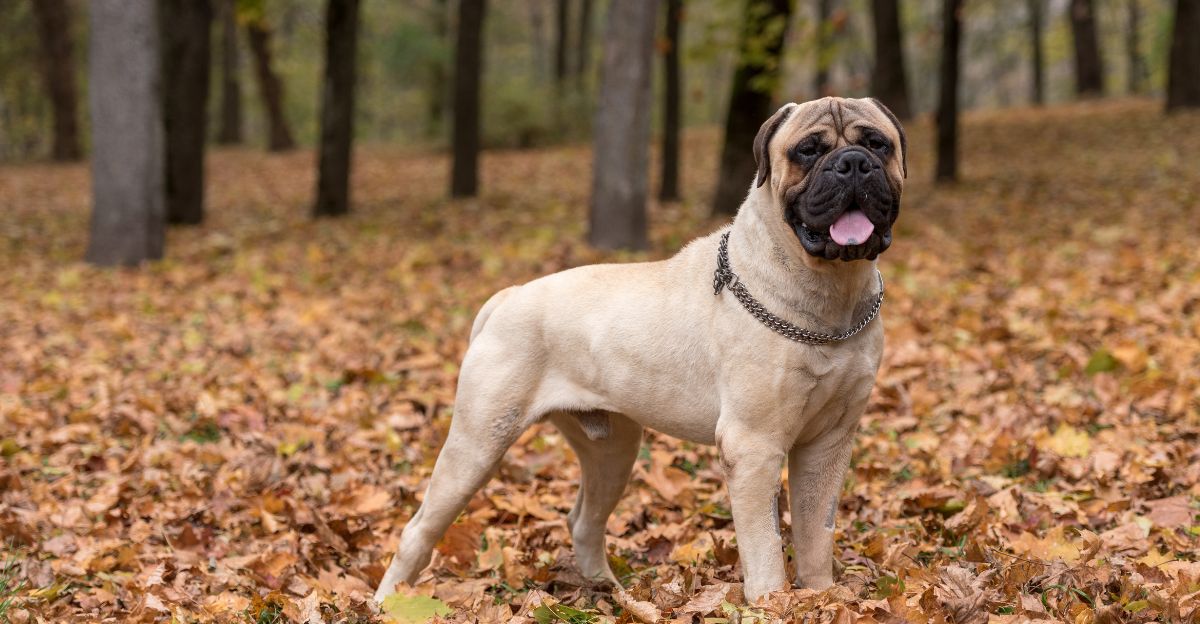
Bullmastiffs were bred to guard estates, resulting in an alert and assertive demeanor that occasionally leads to aggressive behavior.
Though insurance and regulatory bodies often target them, owners note that with early socialization and appropriate training, Bullmastiffs can be gentle giants, challenging the stereotype of inherent danger.
6. Siberian Husky
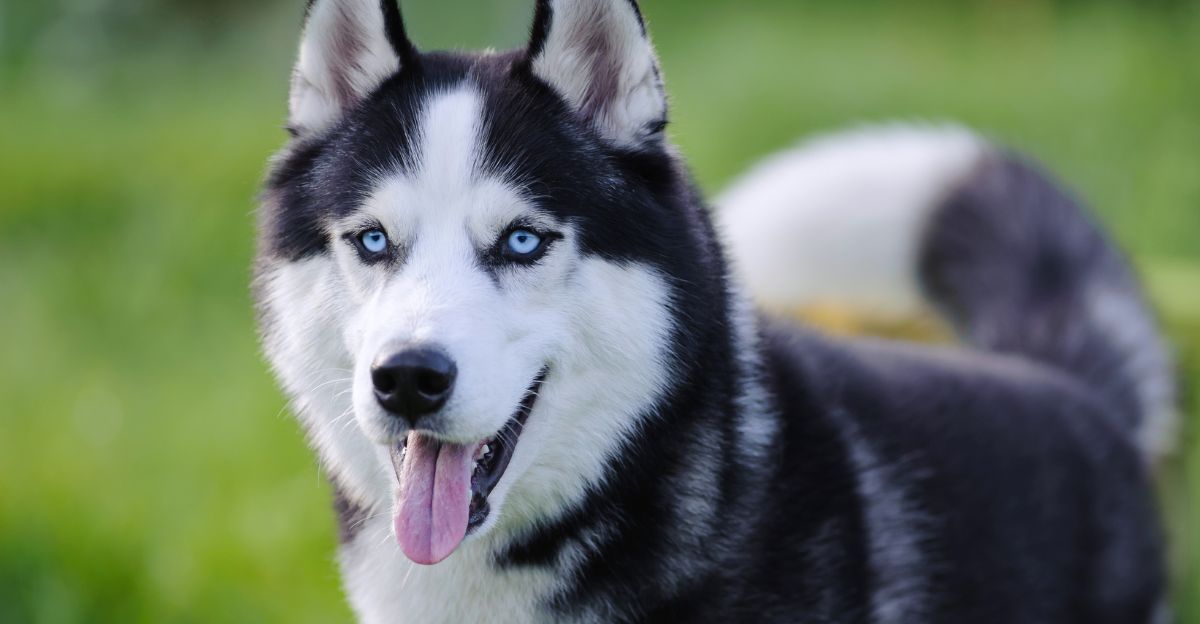
These energetic dogs are admired for their endurance and sled-pulling history, but their prey drive and independence have resulted in injurious incidents.
Huskies appear in attack statistics more frequently than their image suggests, and experts note that a lack of training or unsuitable environments can magnify risk.
7. Akita Inu
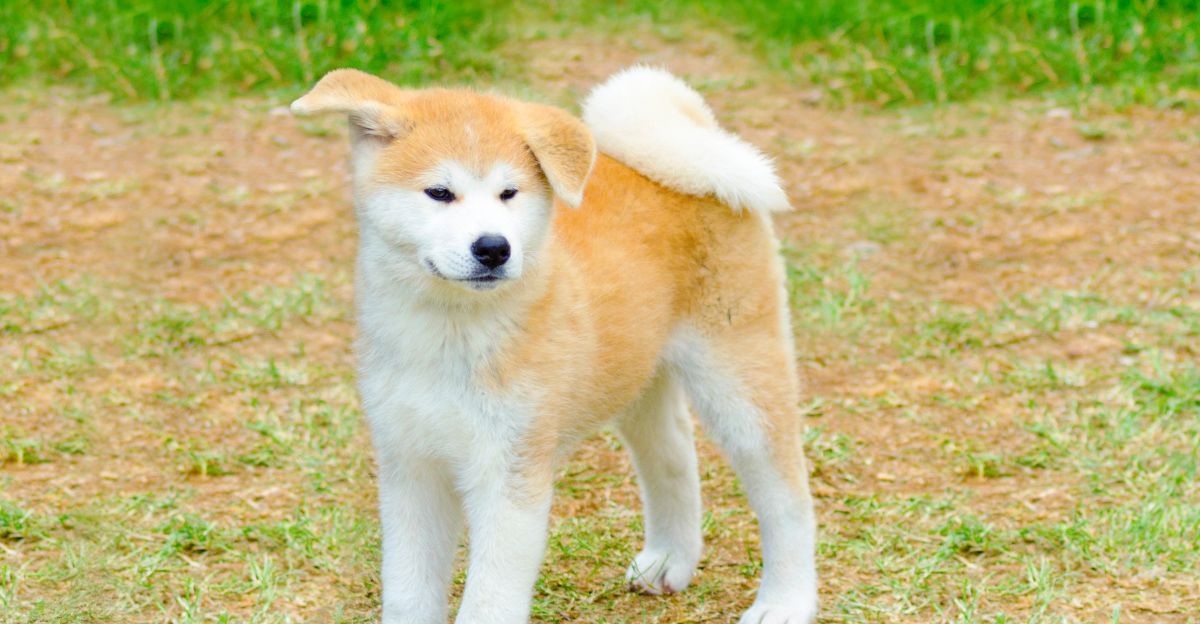
Renowned for loyalty in Japanese culture, Akitas also display tenacious and protective behaviors. Internationally, they’ve been involved in attacks, prompting bans in several countries.
Legislation often focuses on their considerable strength and bite force, underlining the complexity of balancing tradition, culture, and public safety.
8. Boxer
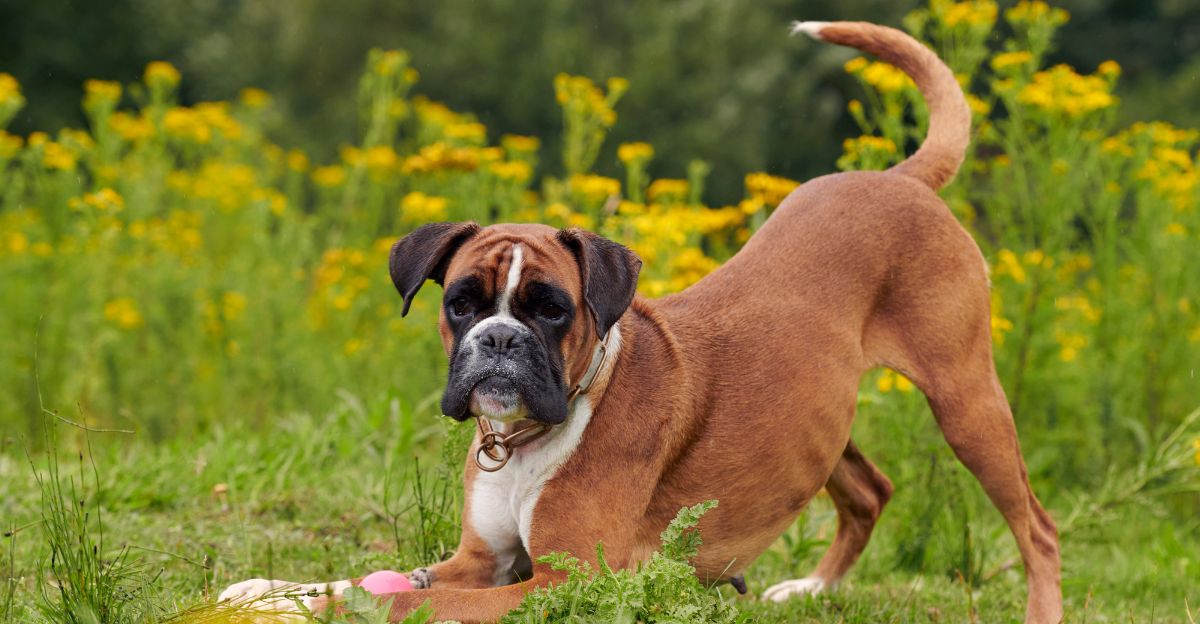
Boxers are recognized for their strength and exuberance. While beloved by families for their playful nature, some case studies cite sudden aggression leading to serious injuries.
This anomaly has prompted authorities and veterinary experts to stress the importance of rigorous training and socialization from a young age.
9. Dogo Argentino
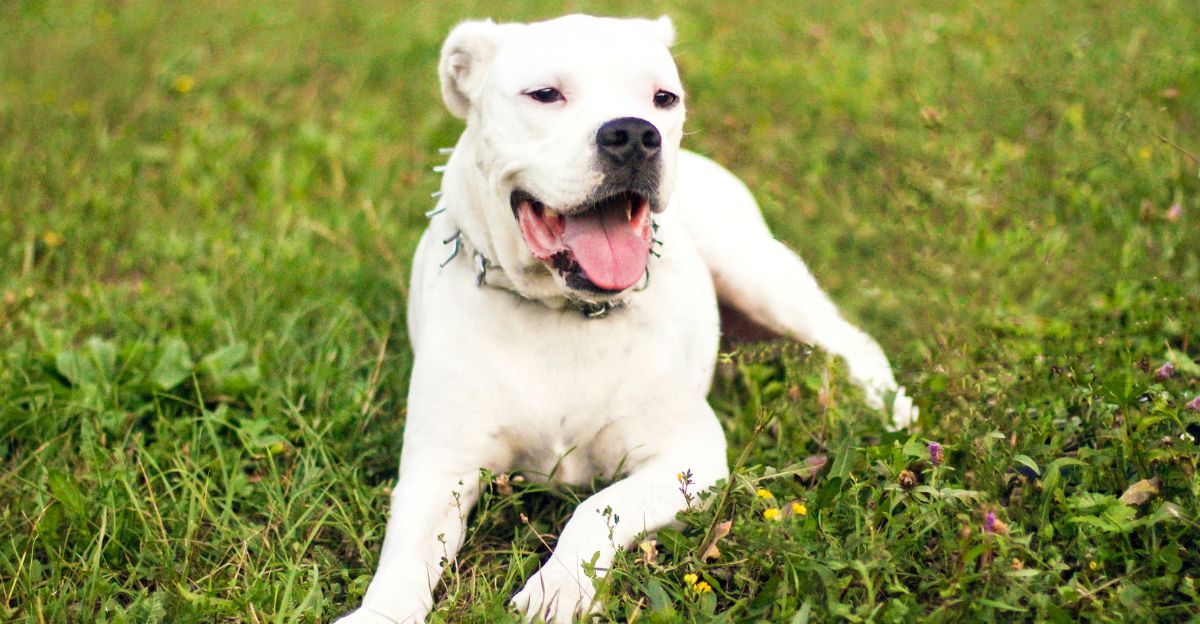
This powerful Argentinian breed, originally developed for hunting large game, has been banned or restricted in multiple countries due to reports of unprovoked attacks.
While proponents argue purposeful breeding for aggression is outdated, ongoing incidents fuel legislative discussion and ethical debate in many regions.
10. Doberman Pinscher
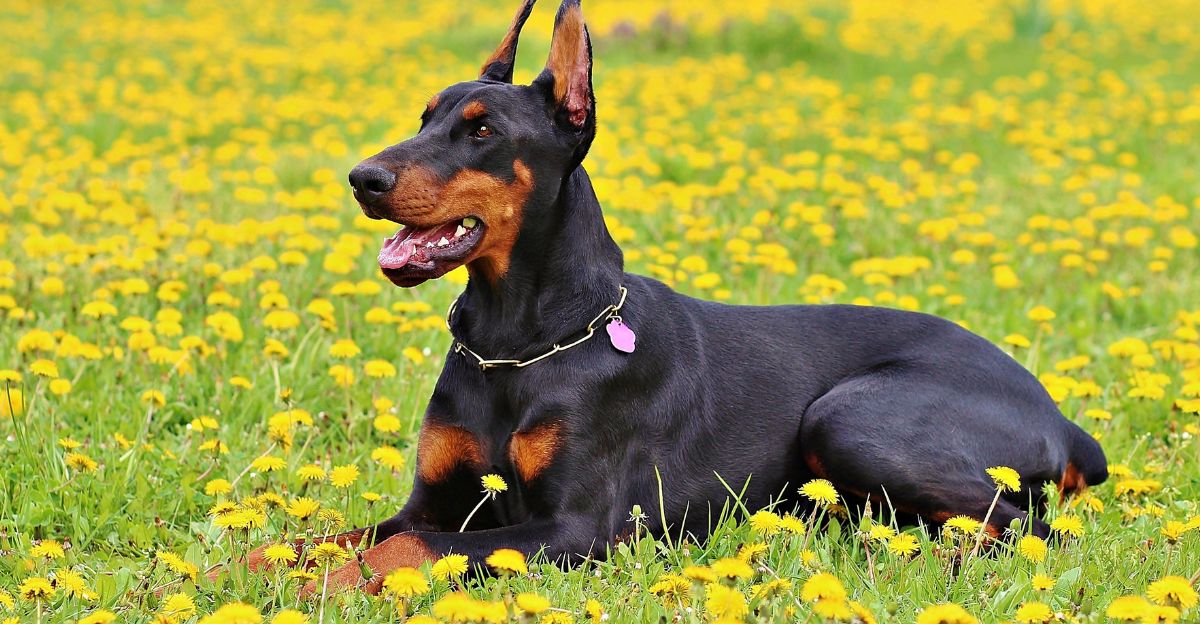
Dobermans boast a vigilant and protective temperament, making them highly effective guard dogs but occasionally implicated in aggression-related injuries.
Although modern lines are bred for stability, historical accounts and recent incidents ensure their status among breeds considered most dangerous, especially with irresponsible ownership.
11. Alaskan Malamute
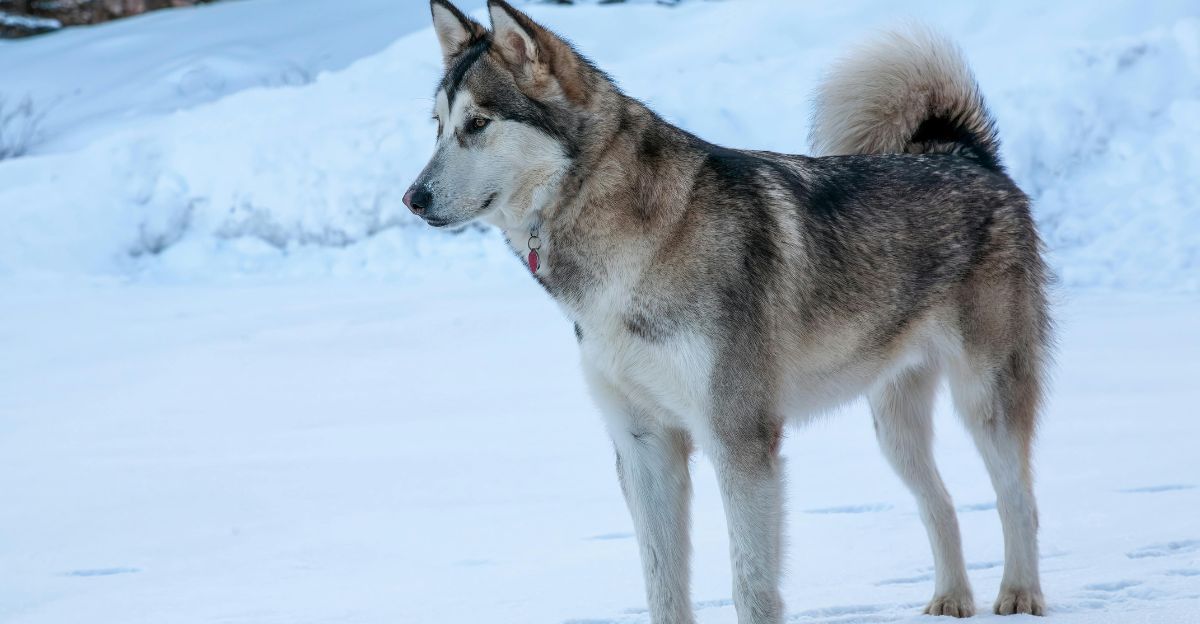
Alaskan Malamutes impress with their striking looks and stamina but are known to challenge their owners if not well-trained.
Dog bite studies link them to serious attacks, reinforcing the need for proper control in households and challenging the myth that only fighting breeds are high-risk.
12. Cane Corso
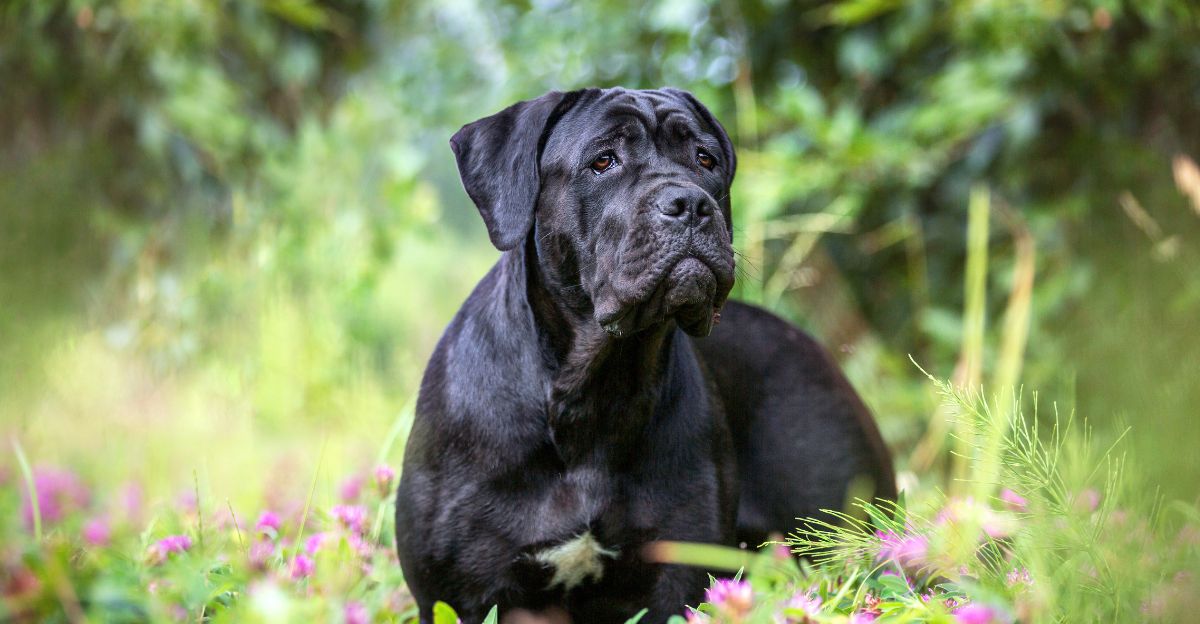
With a muscular frame and history as Italian guard dogs, Cane Corsos are associated with high-risk incidents where they’re poorly socialized.
While admired for devotion and intelligence, their imposing size demands rigorous management, provoking debates over the balance between breed bans and responsible ownership.
13. Presa Canario
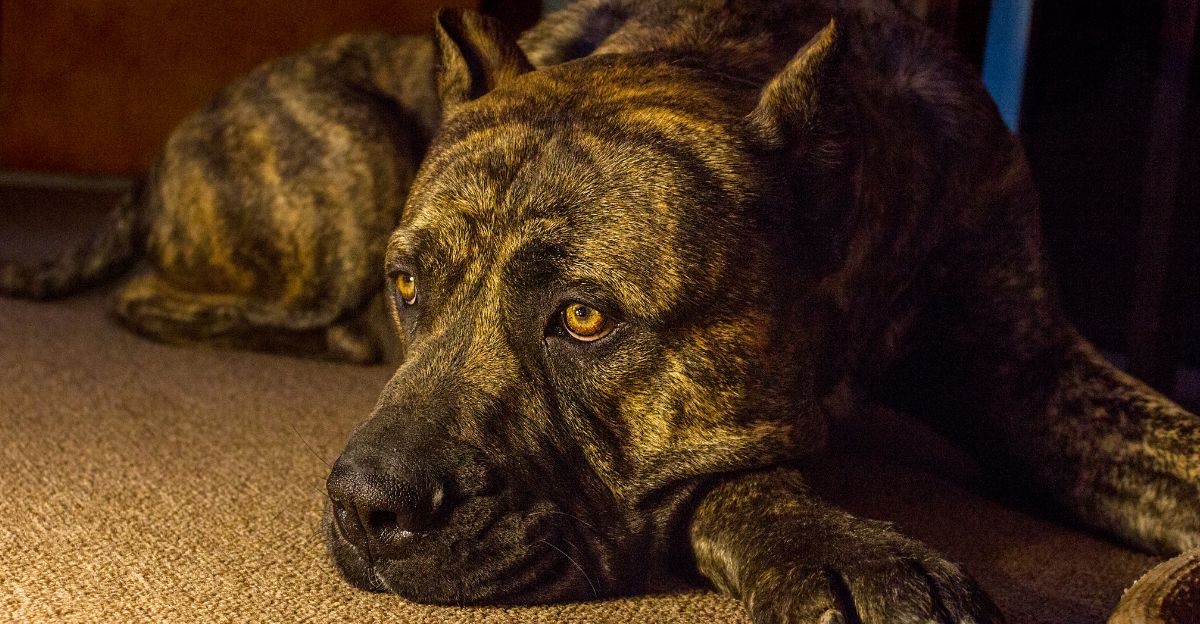
Bred to guard livestock, the Presa Canario exhibits tremendous strength and tenacity. Their involvement in severe maulings and fatal attacks has led to bans in multiple countries.
Advocates maintain that temperament is shaped by training, but insurers and legislators remain cautious, emphasizing breed-specific regulation.
14. Chow Chow
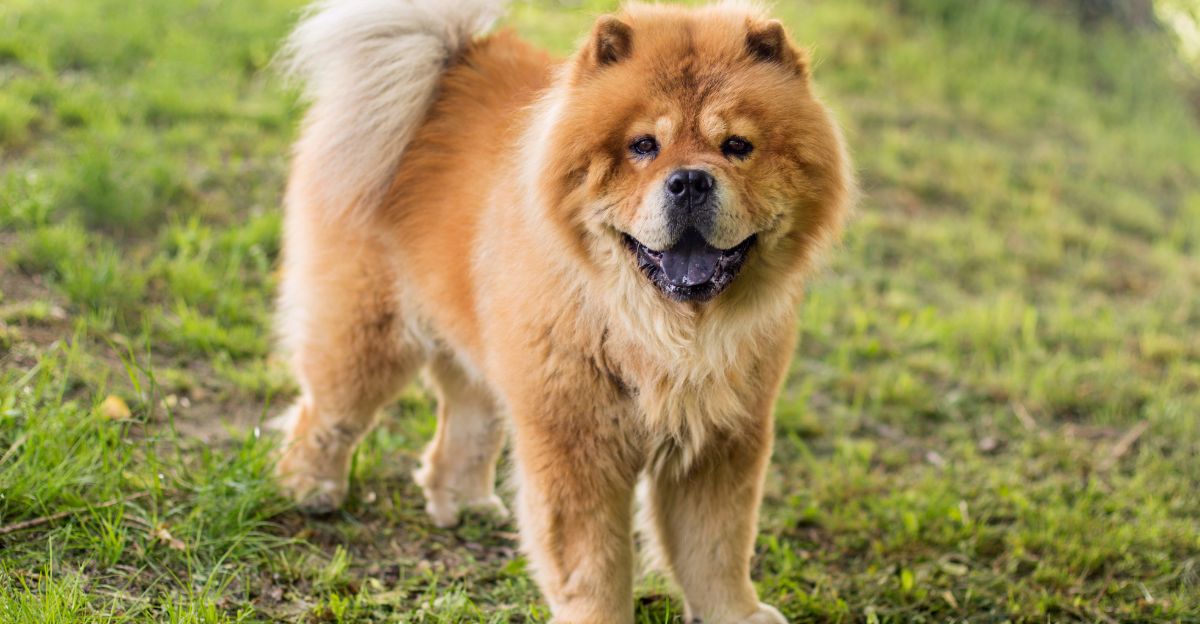
The Chow Chow’s teddy-bear looks belie a strong-willed and territorial nature. Reports indicate frequent aggression and notable bite force for their size, resulting in high-risk categorization by insurers.
Experts highlight the need for skilled training and awareness of their distinct personality traits to enforce safety.
15. Boerboel
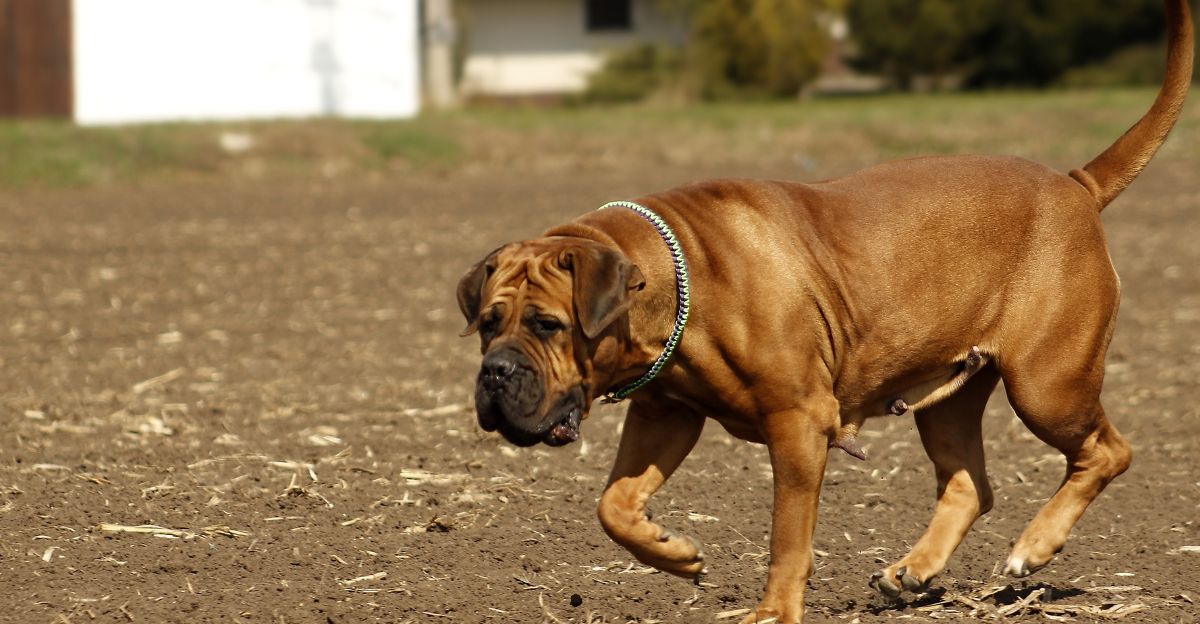
South Africa’s Boerboel commands respect with formidable power and guarding instincts. Though praised for family loyalty, lack of early discipline increases risk of aggression.
Their role in farm defense adds to their reputation, and international restrictions highlight ongoing concern for public safety and breed suitability.
16. Japanese Tosa
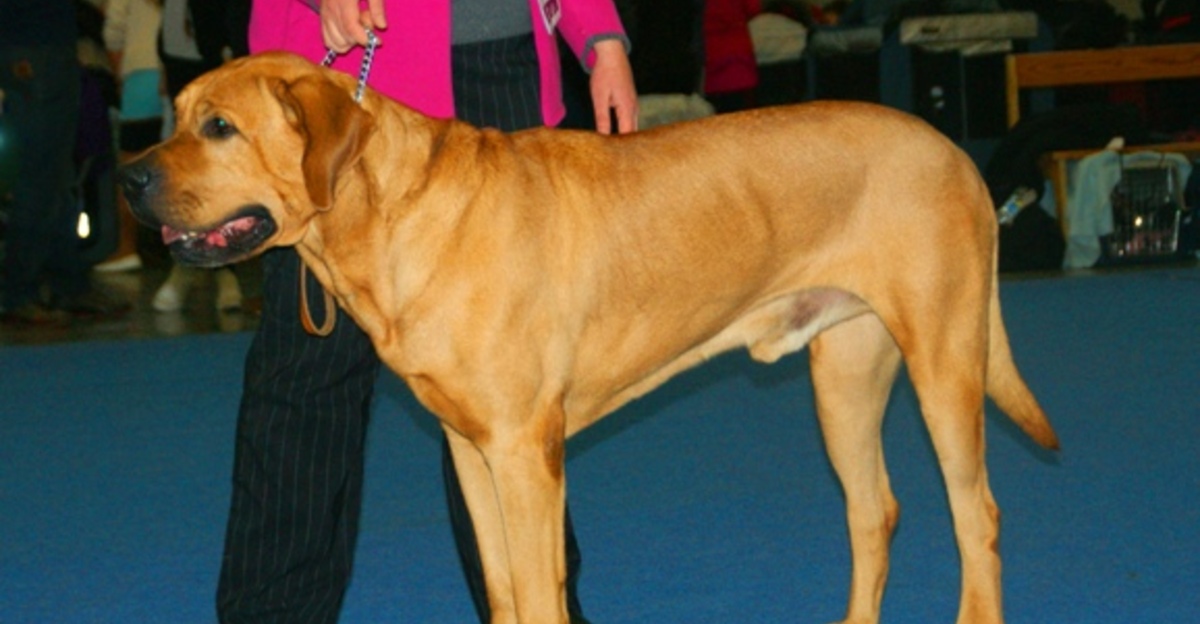
Bred for sumo wrestling in Japan, the Tosa Inu is rare but widely banned due to its fighting background and strong bite force.
Documented attacks have led to the breed being prohibited in over a dozen nations. This underscores how cultural use and select histories can elevate a breed’s reputation, regardless of current training trends.
17. Fila Brasileiro
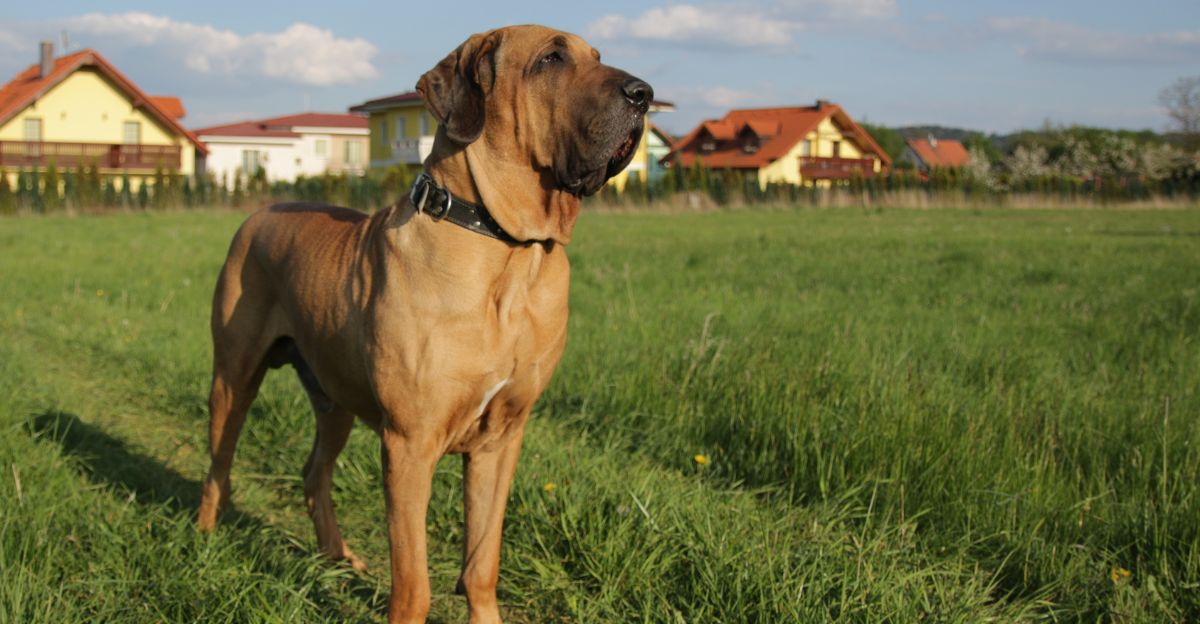
Known as the Brazilian Mastiff, Fila Brasileiros are highly protective and can be extremely aggressive to strangers. Bans in multiple countries reflect a global consensus regarding potential risk.
Controversial case studies reveal how owner experience and environment may play a larger role in shaping the breed’s behavior than genetics alone.
18. Wolf Dog
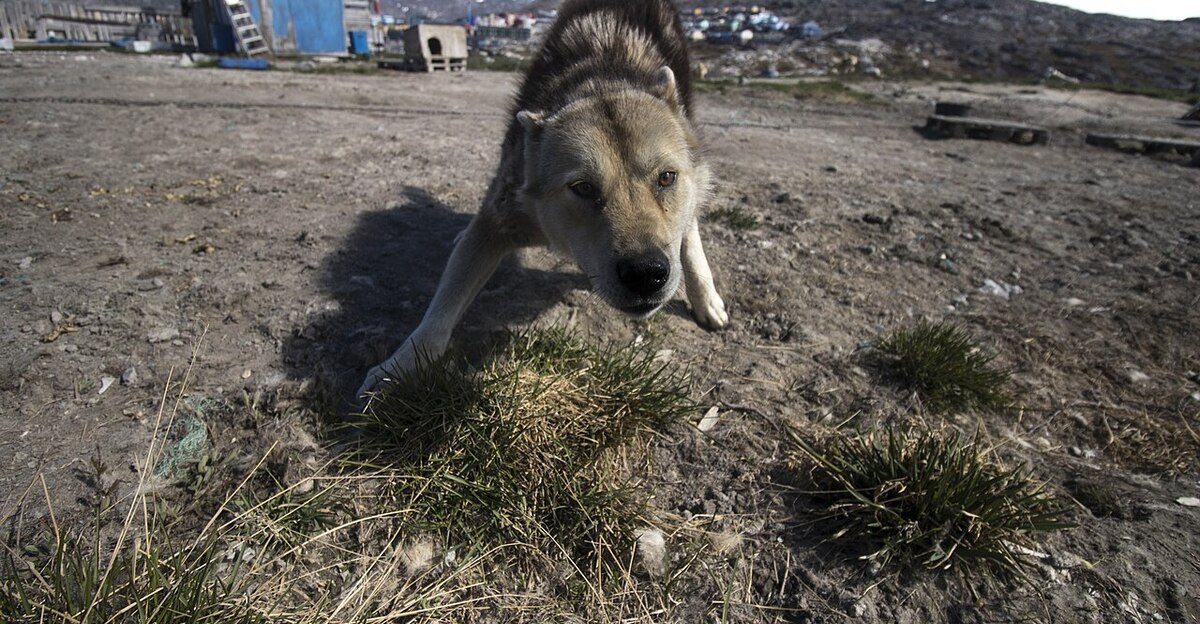
The wolf-dog—a hybrid between domestic dog and wild wolf—can be unpredictable and difficult to socialize. Their wild heritage produces behaviors that even experienced handlers find challenging.
Incidents involving wolf-dogs have led to bans and rigorous restrictions, illuminating the challenges of mixing domesticated and wild genetics.[
19. Collie
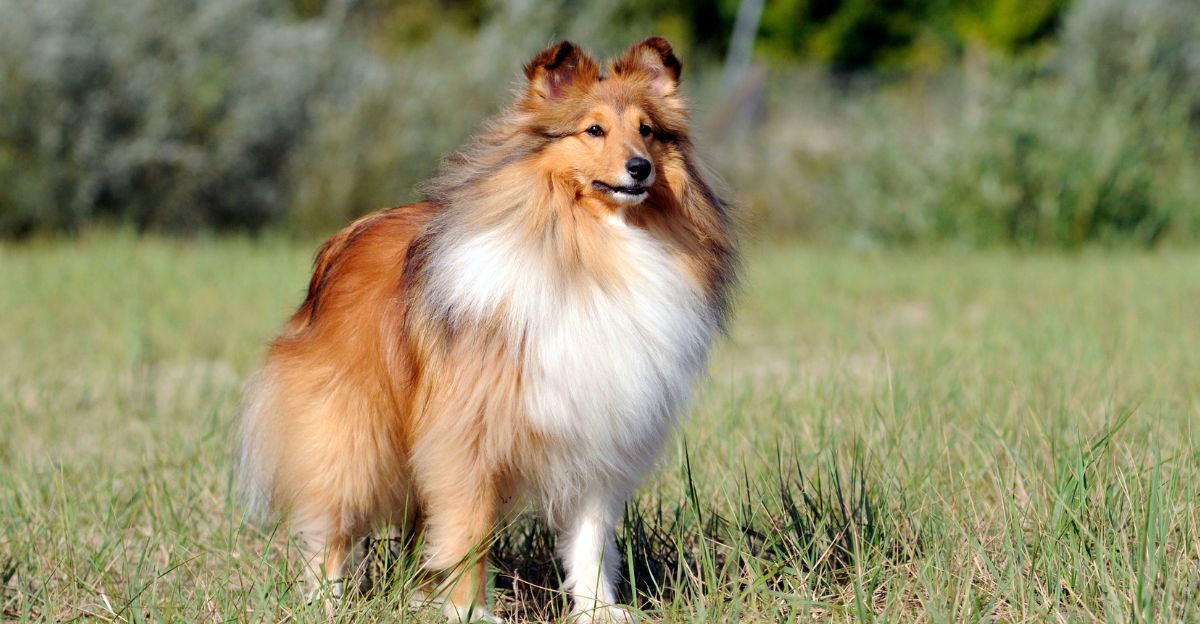
Collies, often considered gentle family pets, appear on dangerous breed lists due to herding instincts and startle responses.
While severe attacks are rare, bite statistics highlight occasional aggression, offering a contrarian perspective on this classically “safe” breed and sparking debate about the reliability of breed reputations.
20. Chihuahua
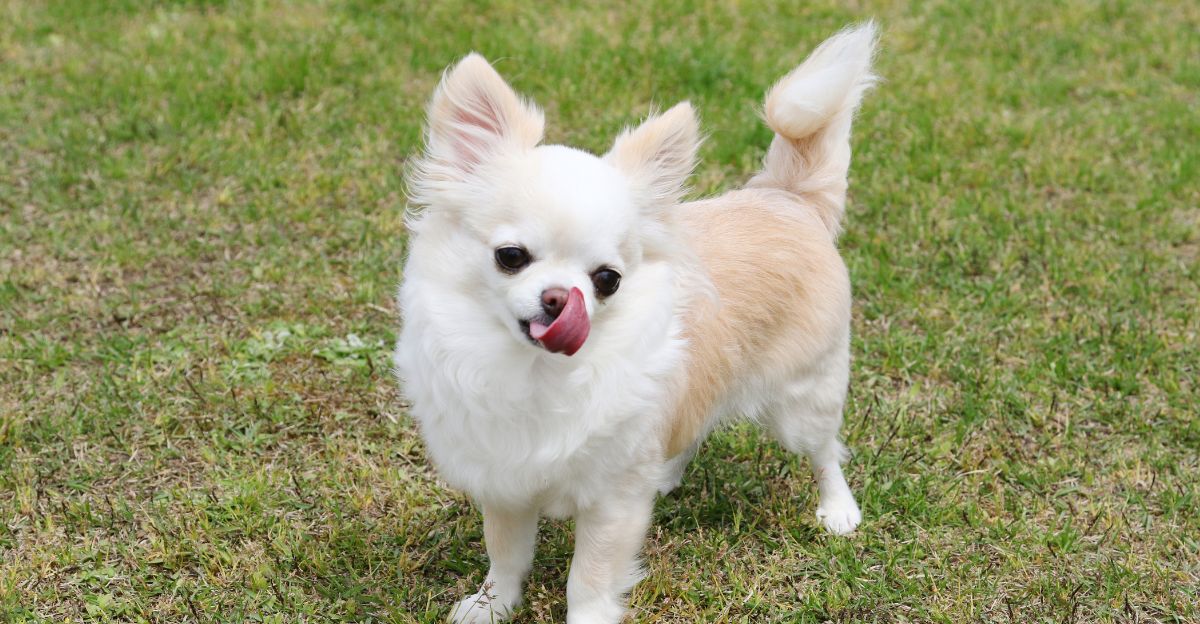
Despite their small stature, Chihuahuas are notorious for frequent biting and aggressive tendencies. Experts cite high occurrence of minor biting incidents, particularly in homes with children.
Their inclusion challenges assumptions about physical size correlating with danger, reinforcing the importance of behavioral management across all breeds.