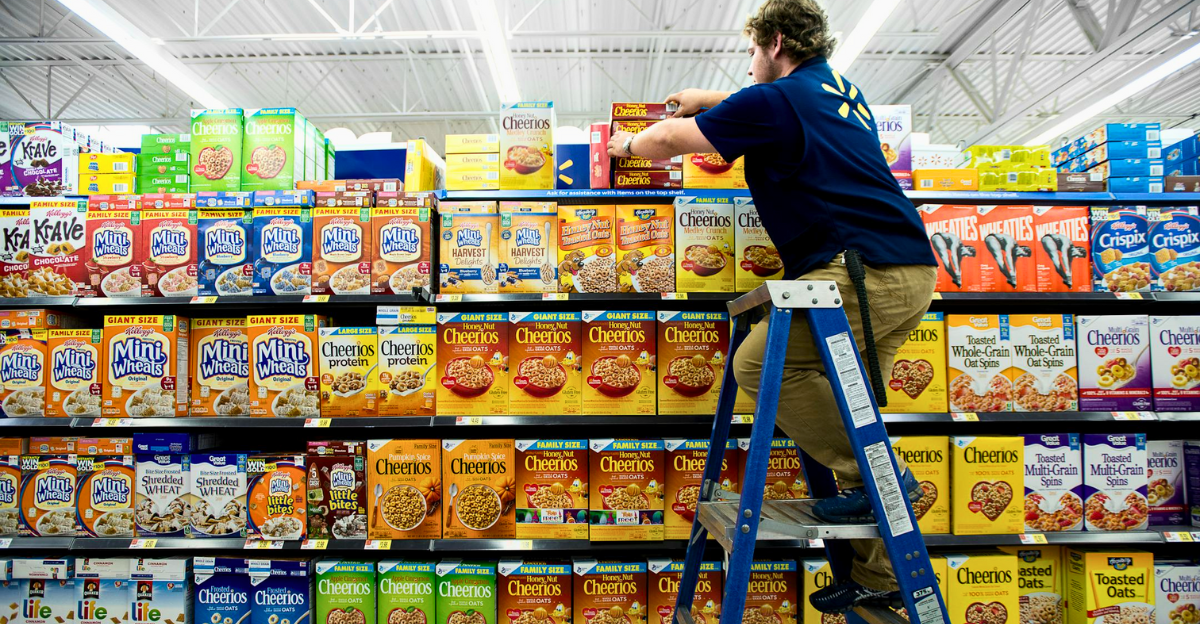
Who doesn’t love a sugary bowl of cereal when they’re feeling low or just in the mood for a snack? Well, that might not be the best idea if you’re planning on living a healthier lifestyle. Most cereals are packed with sugar, salt, and artificial ingredients, making them one of the worst choices if nutrition is your goal.
While they are delicious, these are some of the worst breakfast cereals you can eat, especially if you want to stay healthy.
1. Marshmallow Fruity Pebbles
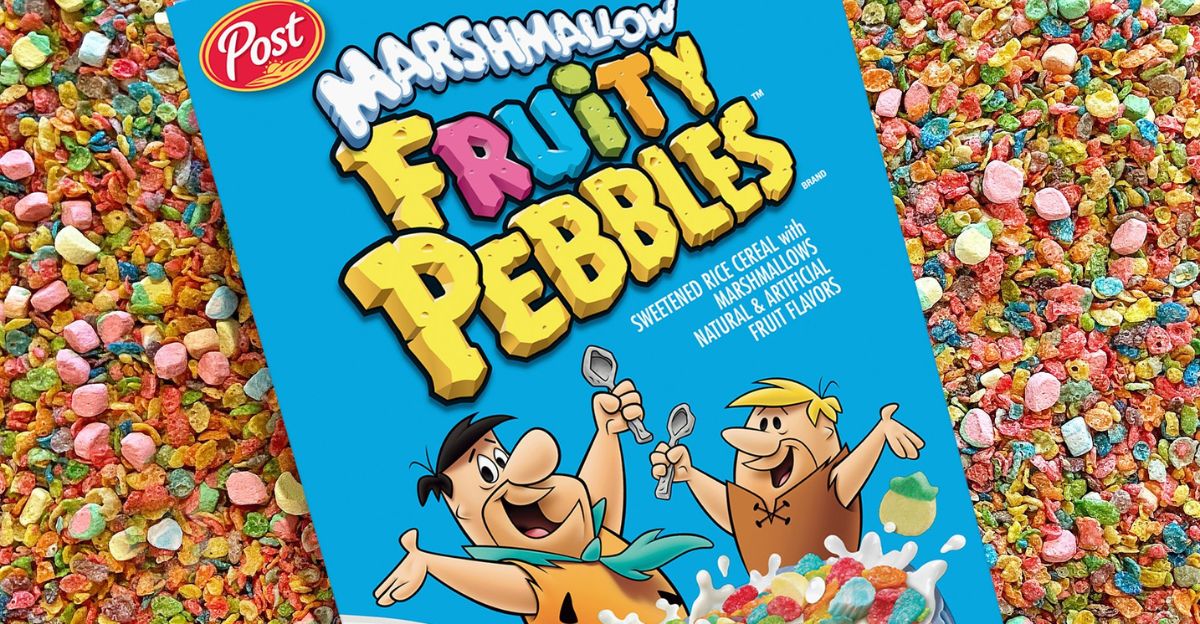
This cereal takes the already sugary Fruity Pebbles formula and turns the sweetness up even higher by tossing in a generous handful of dehydrated marshmallows. Each serving includes up to 18 grams of added sugar, nearly half of a child’s recommended daily intake.
Several nutritionists warn that the main ingredients (rice, sugar, and corn syrup) are devoid of fiber or whole grains, meaning this cereal will spike blood sugar without offering any real satiety.
2. Cocoa Pebbles
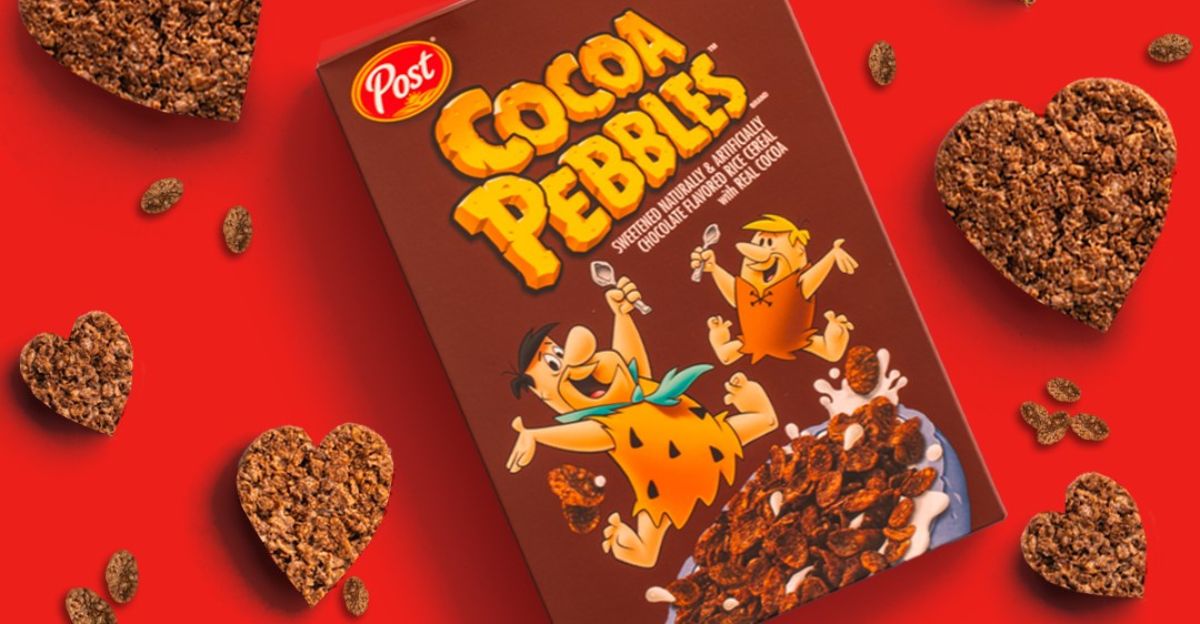
Who doesn’t love a big bowl of chocolate cereal in the morning? However, this chocolatey bowl might not be such a good idea after all. Every serving typically contains 9–11 grams of added sugar, and the main ingredients are refined rice, sugar, cocoa, and various additives. The laundry list of artificial flavors and colorings also raises eyebrows.
This means the cereal is low in fiber, protein, and healthy fats, making it a nutritionally empty choice. One mother noted, “My kids bounce off the walls after this cereal—and by mid-morning, they’re cranky and hungry again.”
3. Cocoa Frosted Flakes
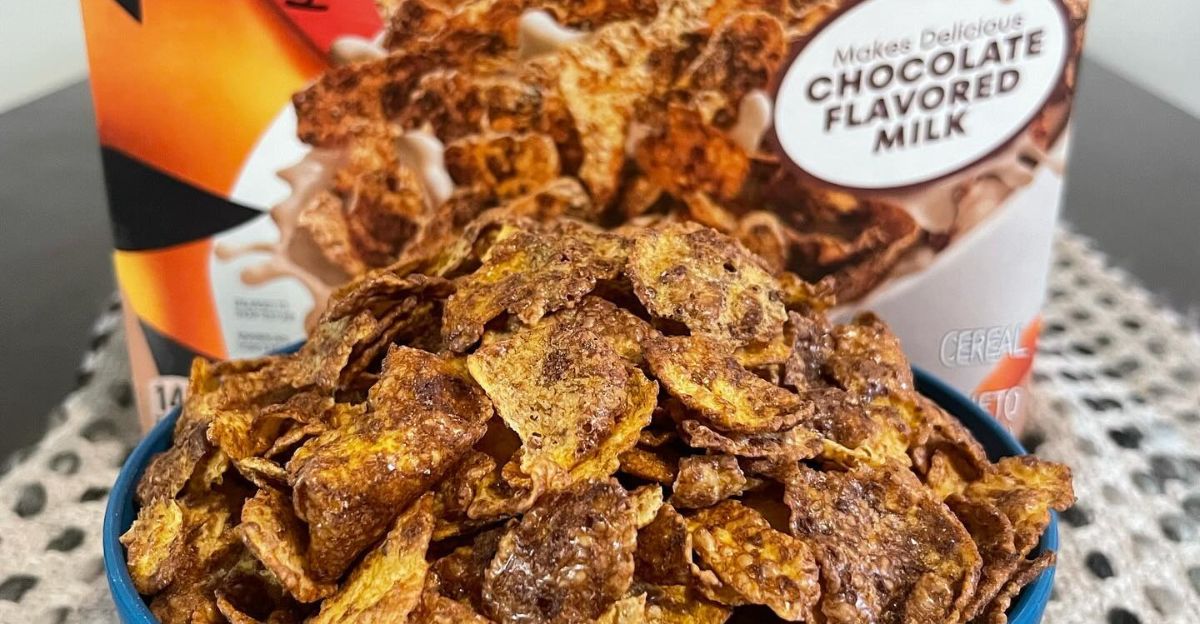
A typical serving of Kellogg’s Cocoa Frosted Flakes contains about 11–13 grams of added sugar, pushing it well above recommended limits for a morning meal. While the cereal delivers an appealing crunch and strong chocolate taste, most of the sweetness comes from sugar and artificial flavoring, with little contribution from actual cocoa.
Despite the playful branding and Tony the Tiger’s endorsement, Kellogg’s Cocoa Frosted Flakes offers little real nutrition and a whole lot of sugar.
4. Raisin Bran Crunch
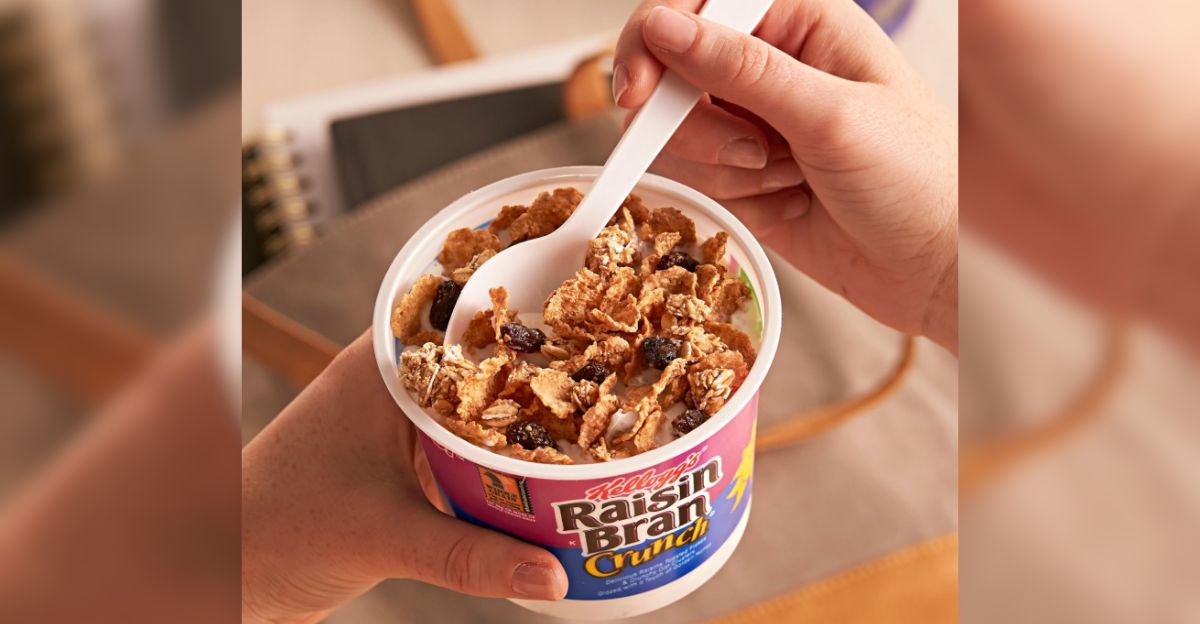
Raisin Bran Crunch appears to be a wholesome choice, with bran flakes and real raisins, it’s marketed as a heart-healthy breakfast packed with fiber. But a closer look at the ingredients and nutrition label paints a different picture: the cereal contains considerably more sugar than consumers expect, with up to 19 grams per serving in some varieties.
Most of this sugar doesn’t come from the natural raisins—it comes from added sugars, including brown sugar syrup, honey, and molasses, which coat the flakes and the raisins. Yes, it’s got some fiber, but the sugar content can easily cause a crash mid-morning and increase cravings.
5. Froot Loops
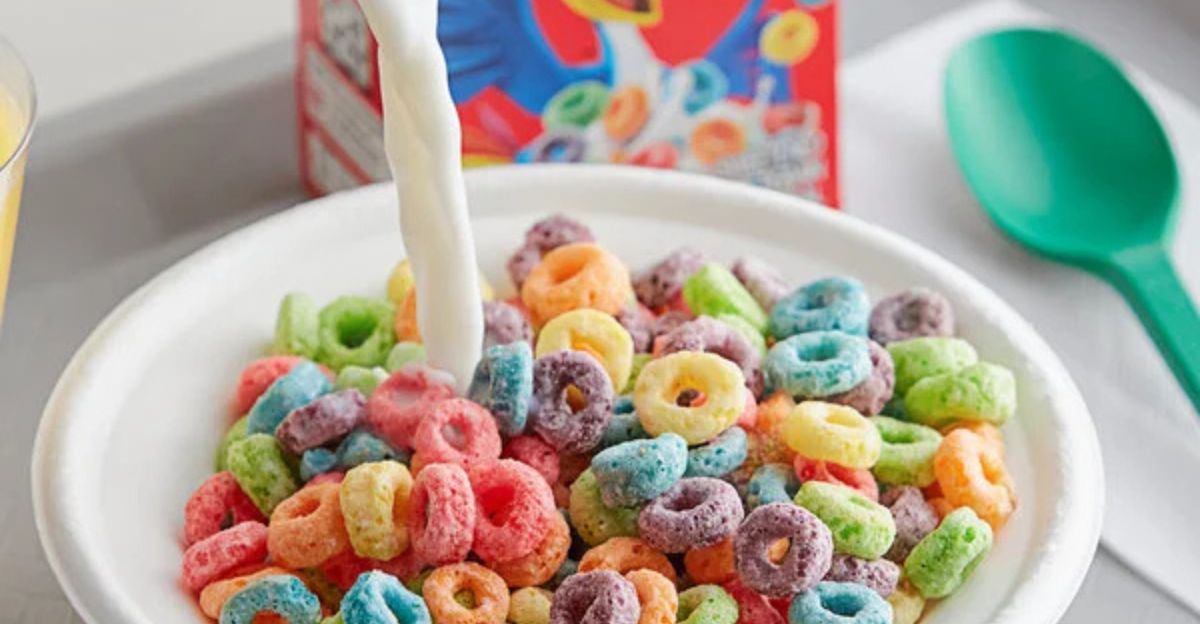
This breakfast cereal brand is famous for its bright colors and Toucan Sam mascot, but beneath its playful marketing lies a product loaded with added sugars, artificial flavors, and synthetic dyes. A single serving of Froot Loops can deliver around 12 grams of sugar and contains minimal fiber and protein for sustained energy.
Despite the name, Froot Loops contains no actual fruit. Its “frooty” taste is achieved by blending various chemical flavorings, including citric and malic acids, to mimic fruit aromas. Some versions of Froot Loops come with added marshmallows, amplifying the sugar content and sometimes leaving a “chemical” aftertaste.
6. Cap’n Crunch’s Crunch Berries
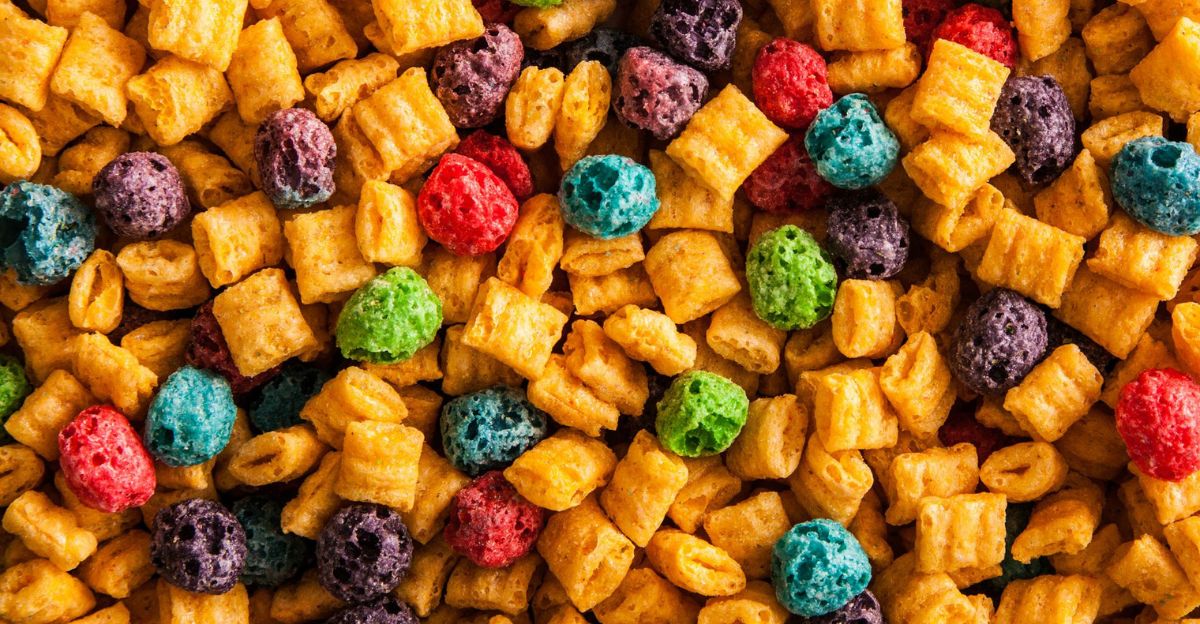
Beneath the vibrant colors and playful berry shapes is a nutritional profile that makes it one of the worst choices for a healthy breakfast in the US. Each serving packs approximately 17 grams of sugar, over three teaspoons, and barely a gram of dietary fiber, resulting in a breakfast that spikes blood sugar but fails to keep you full.
The cereal’s base ingredient, refined corn, is processed to remove nearly all its natural fiber and nutrients.
7. Lucky Charms
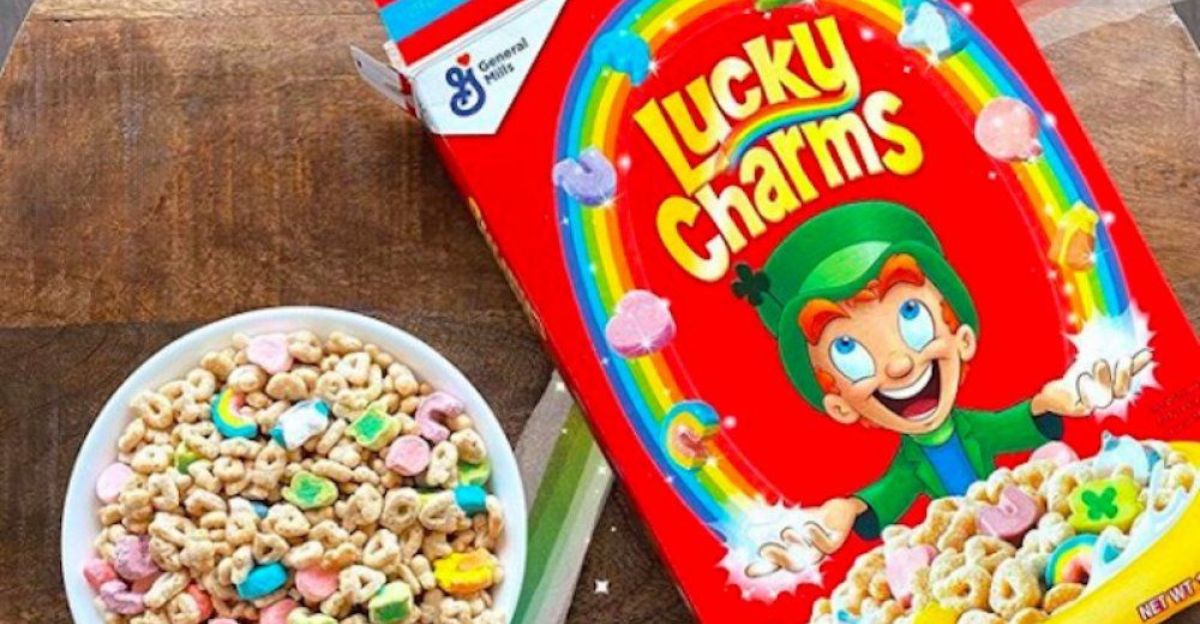
If you look past the whimsical marketing, you’ll see a cereal packed with sugar and artificial ingredients, making it one of the least nutritious choices on the shelf. Each serving of Lucky Charms contains around 12 grams of sugar and uses refined grains that offer little fiber or protein to balance out its sweetness.
The ingredient list features sugar, corn syrup, and a variety of food dyes (such as Yellow 5, Blue 1, and Red 40), which create the vibrant hues of the marshmallows and flakes. Texture complaints are common, too, with many customers reporting that the marshmallows often arrive stale or hard, detracting from the cereal’s signature charm.
8. Cocoa Puffs

A single bowl of Cocoa Puffs delivers far more sugar than nutrition, making it one of the worst cereals lurking on American shelves. Each serving contains around 9–10 grams of added sugar, with little in the way of fiber or protein to slow digestion or provide lasting energy.
The ingredients list is dominated by refined corn, sugar, cocoa, and various additives, like artificial flavors and preservative chemicals, to keep the cereal shelf-stable for months. Nutritionists warn, “There’s more sugar than cocoa in Cocoa Puffs, and nothing to help keep you full after breakfast.”
9. Crunchy Nut Cornflakes
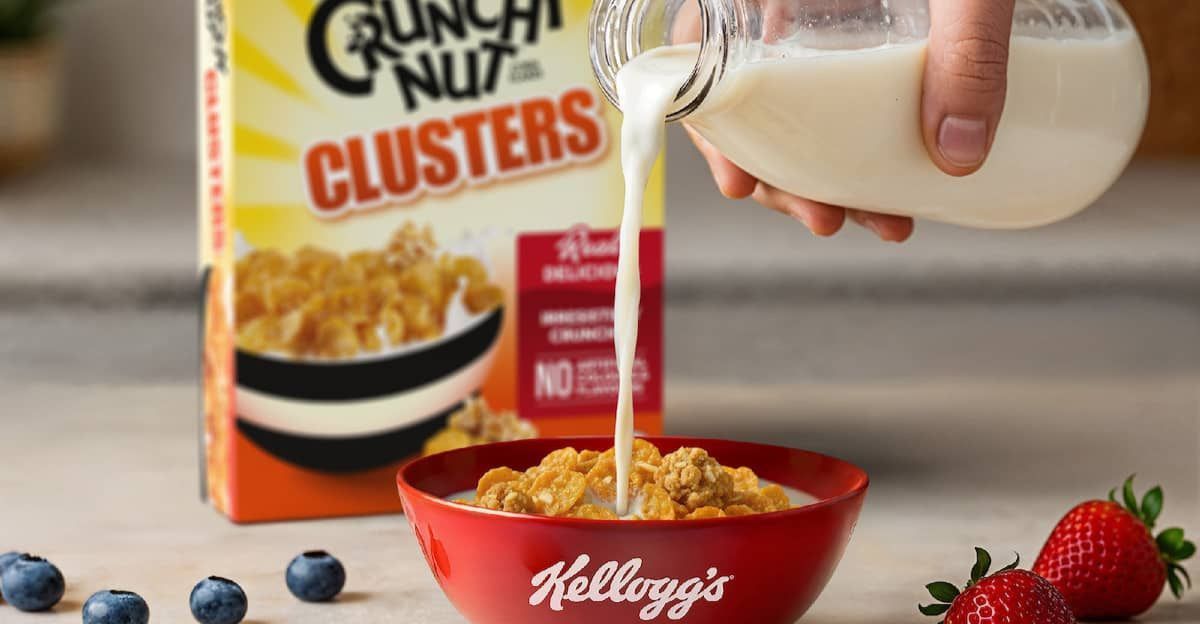
Crunchy Nut Cornflakes are promoted as a tastier, nut-influenced twist on the classic cornflake. While their honey-roasted flavor and added nut pieces make them appealing for those who want a little more excitement with their breakfast, the cereal’s nutritional profile is far from impressive, with each serving typically containing 9–11 grams of added sugar.
Despite nut pieces, which can add a modest boost of protein or healthy fats, nutrition experts warn that the cereal remains mostly refined corn, sugar, and flavored syrup. Manufacturers often tout “whole grain” credentials, but the actual percentage of whole grain is minimal compared to the majority of processed corn and sugar used to create the cereal’s taste and texture.
10. Honey Smacks
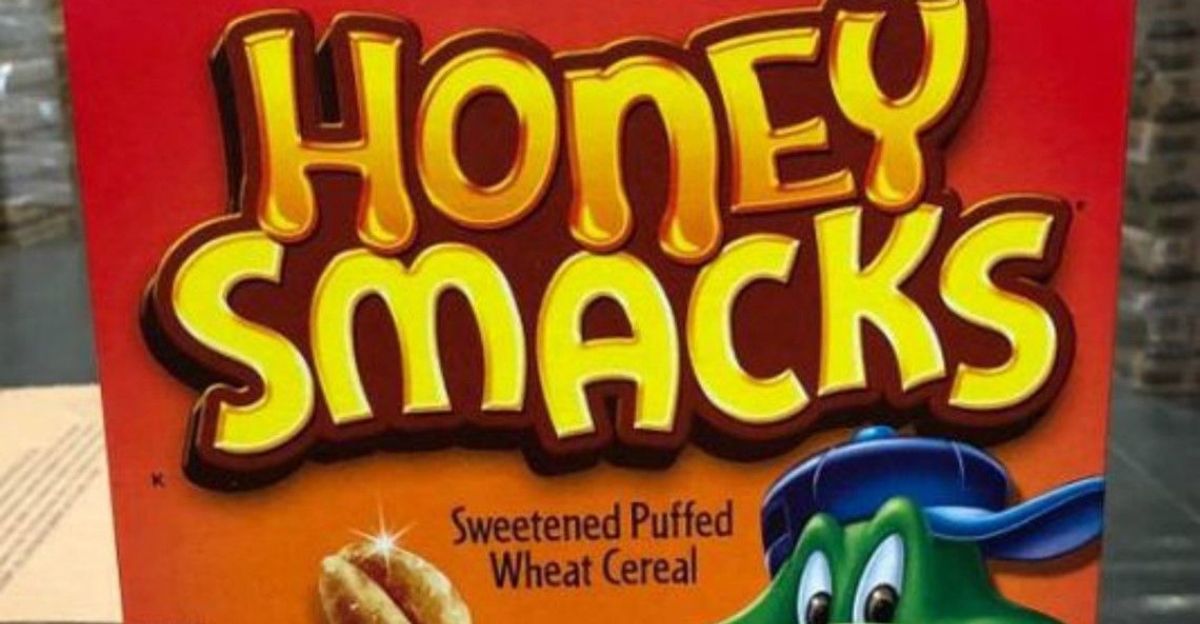
Don’t let the packaging fool you because a single serving can pack a jaw-dropping 18 grams of sugar. With sugar making up about 56% of the cereal’s total weight, Honey Smacks exemplifies why nutritionists frequently caution against most sweetened cereals.
The name suggests a wholesome mix of wheat and honey, but the ingredients show that cereals rely heavily on added sugars like glucose syrup and honey flavoring rather than natural, whole foods. Despite its fun packaging and nostalgia, Honey Smacks offers few nutritional benefits, especially in terms of fiber, vitamins, and minerals.
11. Cinnamon Toast Crunch
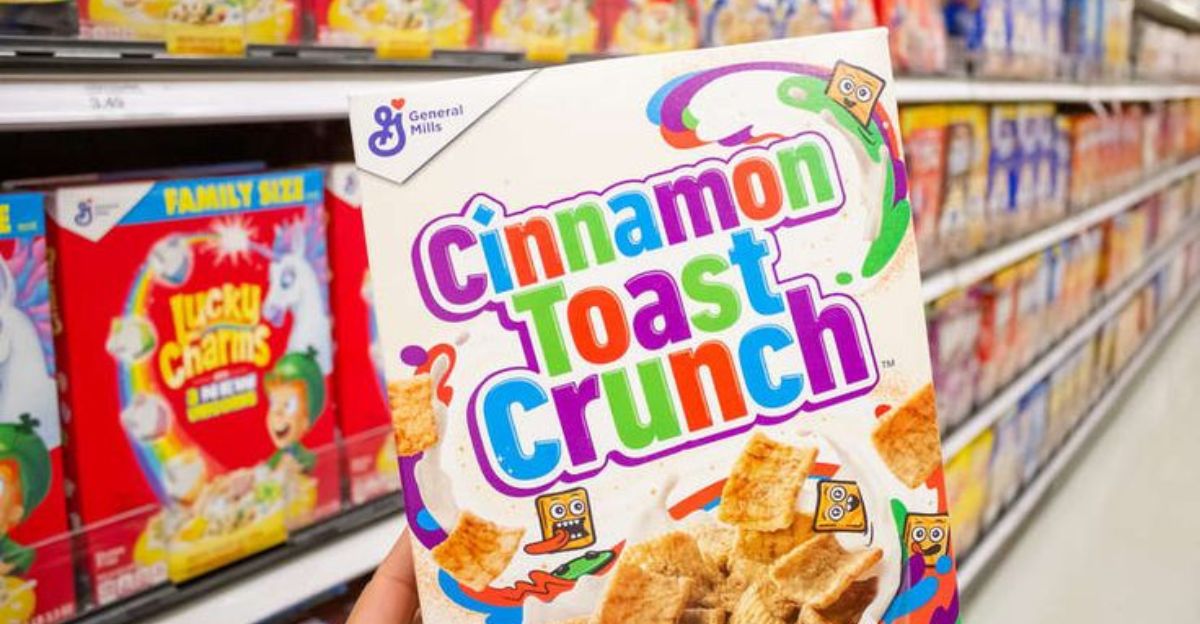
This cereal is loved for its signature sweet cinnamon flavor and satisfying crunch, making it a staple on many breakfast tables. However, this staple comes with significant nutritional drawbacks, starting with its high sugar content of around 9–12 grams per serving.
Ingredients in Cinnamon Toast Crunch include processed wheat and rice, sugar, canola oil, and a slew of flavor enhancers and preservatives. Despite advertising claims of whole grains and added vitamins, the actual proportion of these ingredients is far overshadowed by the volume of sugar and processed starches.
12. Apple Jacks
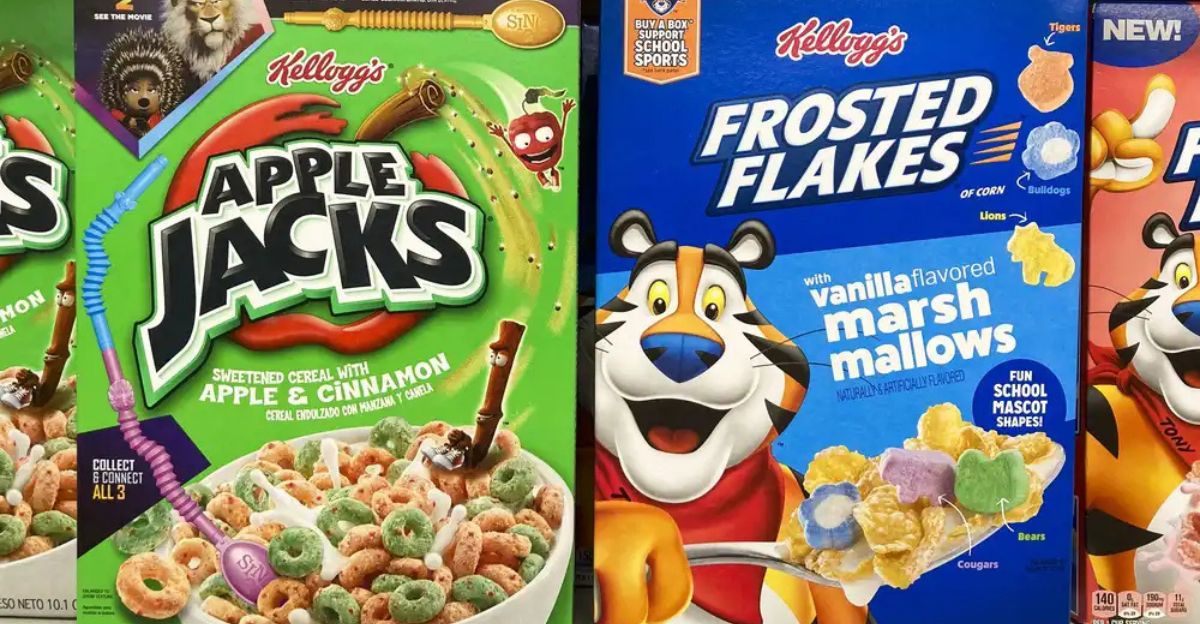
Apple Jacks contains almost no real apple, its “apple” flavor is purely artificial, achieved through chemical flavorings and sweeteners. A typical serving packs around 10–12 grams of sugar and very little fiber. Nutritionists point out that the cereal’s ingredients are dominated by refined corn and wheat, with sugar and high fructose corn syrup taking center stage.
Despite periodic “whole grain” claims by manufacturers, the percentage of beneficial grains is minimal, overwhelmed by refined flour and sugar. Health experts warn that regular consumption may reinforce an intense craving for sweet foods in the morning, making it harder for kids to develop healthy eating habits.
13. Frosted Flakes
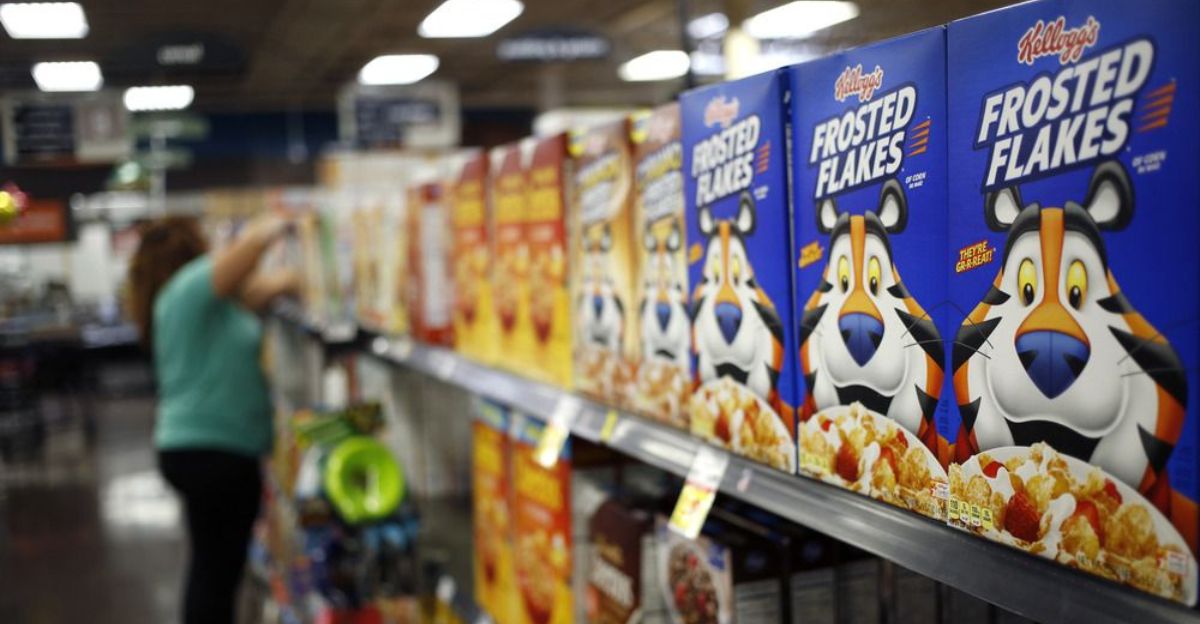
But behind the famous catchphrase “They’re grrreat!” lies a breakfast cereal that’s overwhelmingly high in added sugars while supplying little nourishing value. Each serving of Frosted Flakes delivers about 10–11 grams of sugar and very little fiber or protein—making it a breakfast option that spikes blood sugar quickly but leaves most people feeling hungry soon after.
The flakes are made primarily of refined corn, which means the final product offers only minimal vitamins and minerals unless artificially fortified. Artificial flavors are used to amplify the sweet taste, and the flakes are glazed in syrup, which not only increases sugar content but also causes them to become sticky and cling to teeth.
14. Cap’n Crunch (Classic)
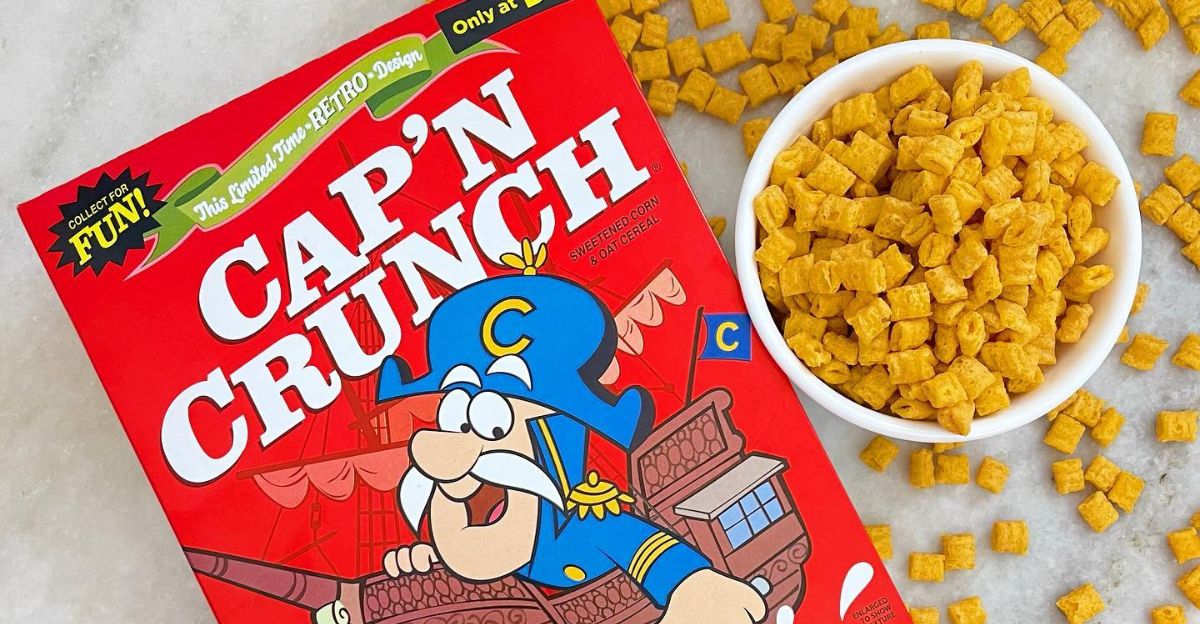
The cereal’s bright yellow nuggets are made from highly refined corn, sugar, and vegetable oils, with almost no fiber and very low protein. Each serving packs about 12 grams of sugar, mostly from added sugars, making it one of the least healthy breakfast choices available.
The lack of fiber means that Cap’n Crunch doesn’t provide lasting satiety or slow energy release, leaving most eaters feeling hungry soon after breakfast. While the product is sometimes fortified with vitamins or minerals, the base ingredients pale compared to less processed grains.
15. Oreo O’s
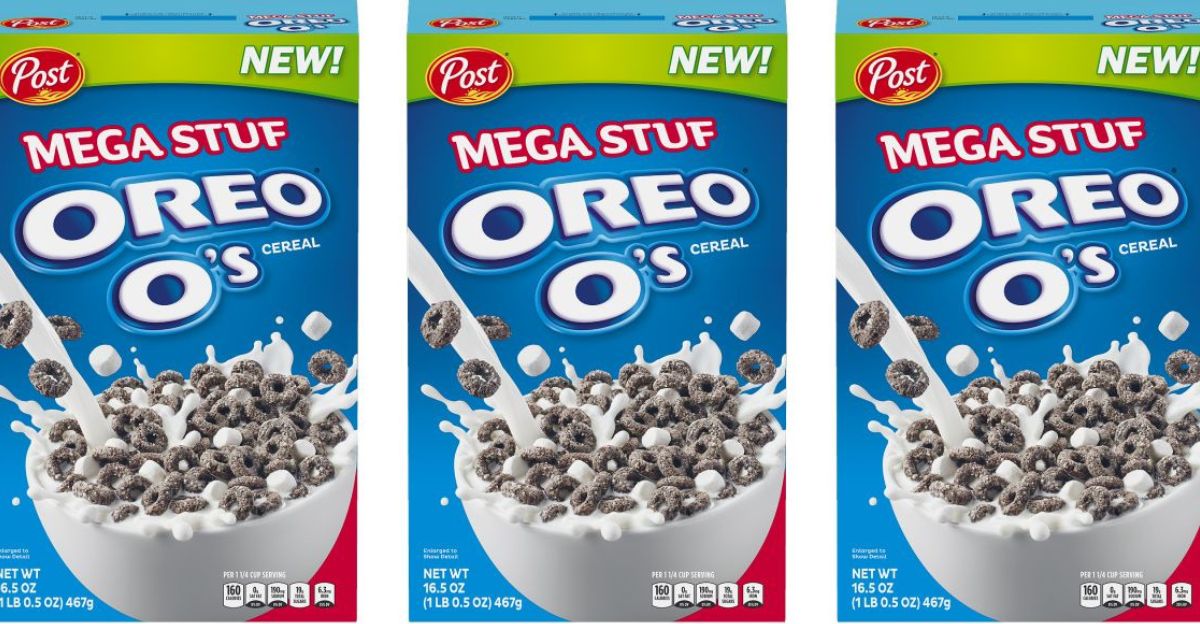
This breakfast cereal is designed to taste just like the classic Oreo cookie, with crunchy chocolate rings sometimes accompanied by marshmallow pieces to mimic the iconic cream filling. Each serving packs around 13–15 grams of sugar, which is equivalent to about four teaspoons. The main ingredients include refined grains, sugars, cocoa, and a range of artificial flavors and colorings.
This makes it extremely low in fiber (typically 1g or less) and lacking any real nutrients or protein to balance the sugar rush. Regular consumption of such sugary, artificially flavored cereals may set up unhealthy morning habits and encourage cravings for sweets throughout the day.
16. Honey Maid S’mores
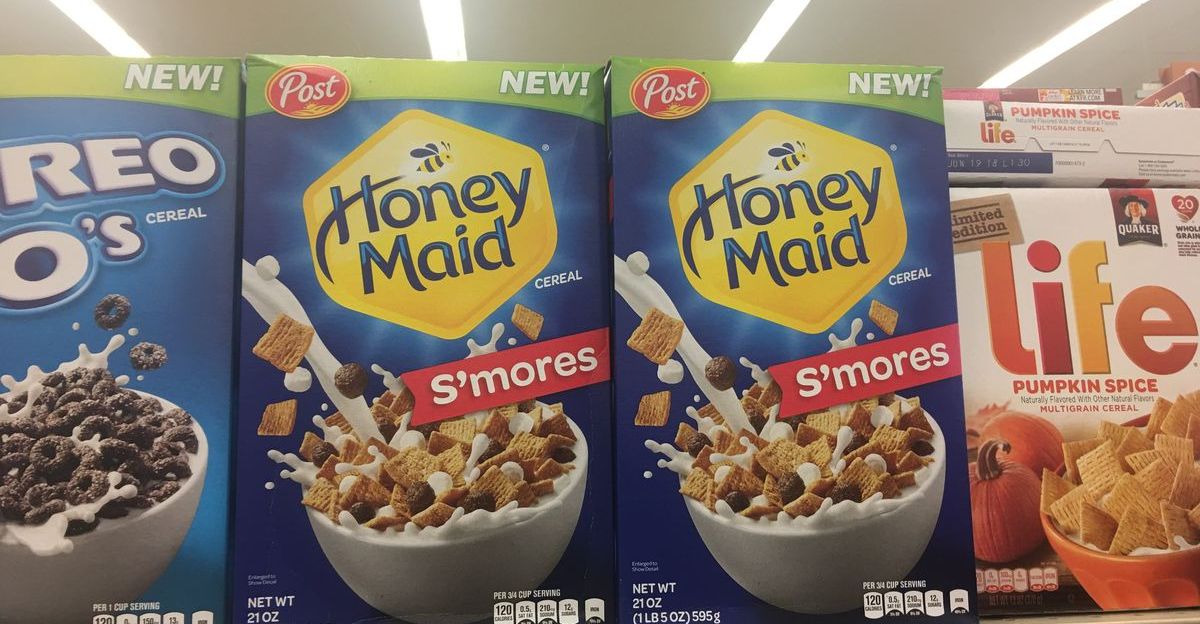
This tempting concept appeals to kids and nostalgic adults alike, yet the breakfast reality is a bowl loaded with sugar, artificial flavors, and processed grains. A typical serving has around 13–15 grams of added sugar, placing it among the top offenders in the breakfast aisle.
Most of the sweetness comes from a mix of corn syrup, sugar, and artificial flavoring, rather than authentic honey or real chocolate. Nutrition professionals criticize the lack of fiber (often less than 2 grams per serving) and scant protein, which means children and adults are unlikely to feel full or energized for long after eating this cereal in the morning.
17. Trix
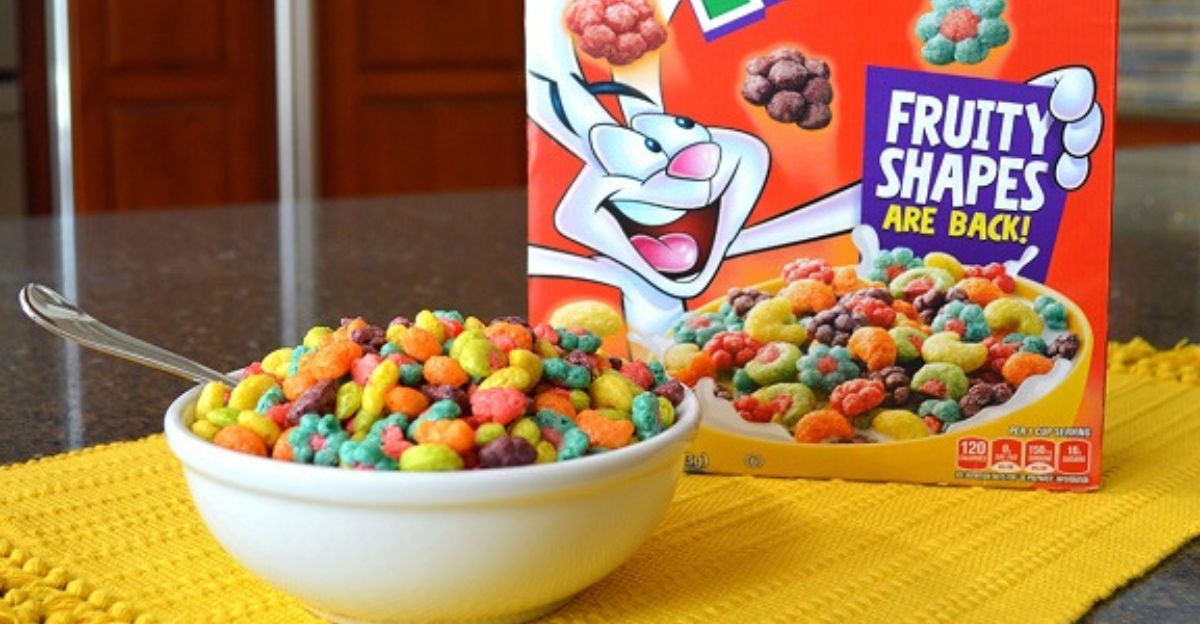
Trix is instantly recognizable thanks to its neon-colored puffs and the energetic Trix Rabbit, making it a favorite among kids for generations. Each serving has around 9–11 grams of sugar, with very minimal dietary fiber or protein. Trix contains no real fruit despite its fruity branding, and the flavors are created using a combination of chemical flavorings and acids like citric and malic acid, which mimic fruit aromas but offer no actual nutrients.
The bold colors, red, blue, green, yellow, orange, and purple, are achieved through synthetic dyes (Red 40, Yellow 6, Blue 1), which have raised concerns among health experts regarding potential behavioral effects in sensitive children, though regulatory agencies still consider them safe in small quantities.
18. Chips Ahoy!
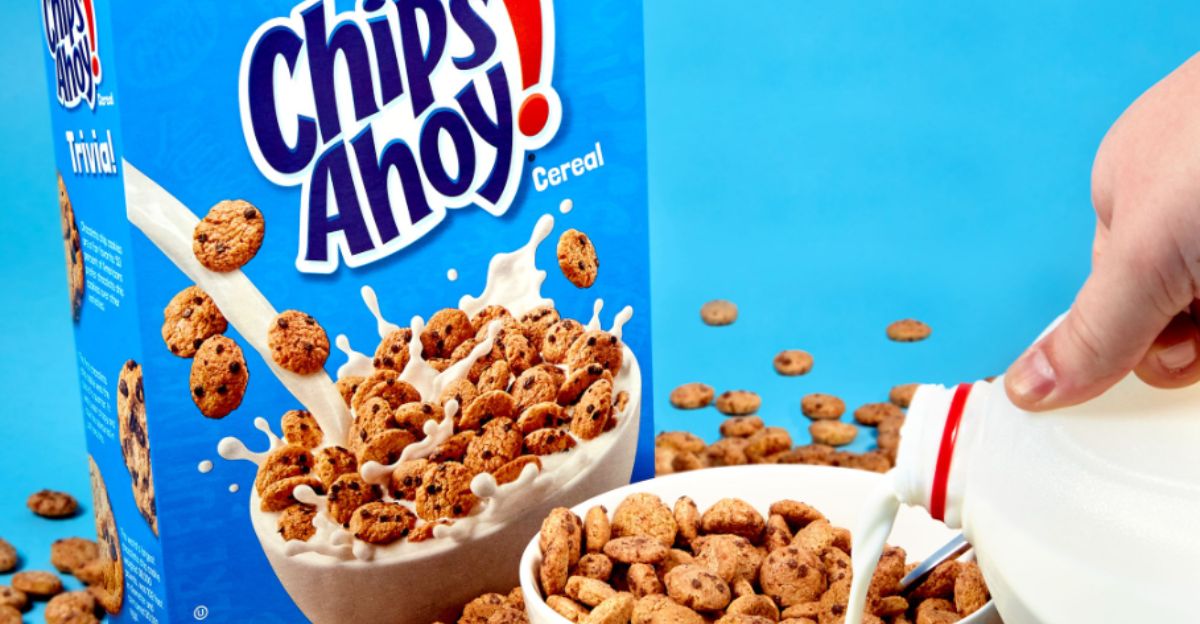
This cereal was made to replicate the taste and crunch of the classic chocolate chip cookie, which is a concerning choice for the breakfast table. Each serving contains around 10–12 grams of sugar. The cereal base comprises refined grains, sugar, vegetable oil, and a medley of artificial flavors and colorings. This means the cereal offers minimal dietary fiber (often less than 1 gram) and scant protein, making it unlikely to keep anyone full or energized for very long.
Dental professionals warn about the increased risk of tooth decay when sugary, sticky cereals are consumed frequently, especially by children. The lack of whole grains, healthy fats, or substantial vitamins makes the cereal a poor choice for anyone looking for lasting energy or nutritional benefits.
19. Reese’s Puffs
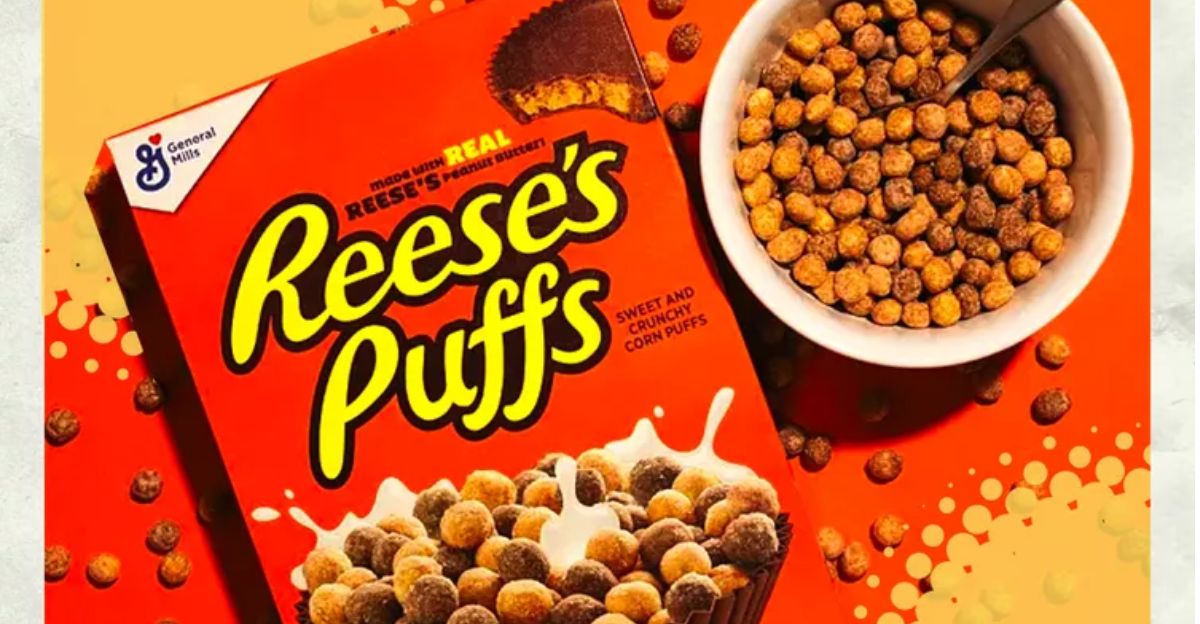
This cereal might be more suitable for dessert than breakfast, as each serving contains about 9–12 grams of added sugar, sometimes more depending on the package. The cereal’s main ingredients are corn, sugar, and a blend of oils and artificial flavors, with only a small amount of real peanut butter and cocoa.
Nutritionists highlight that Reese’s Puffs is extremely low in dietary fiber and protein, which means it doesn’t provide the lasting energy that a morning meal should.