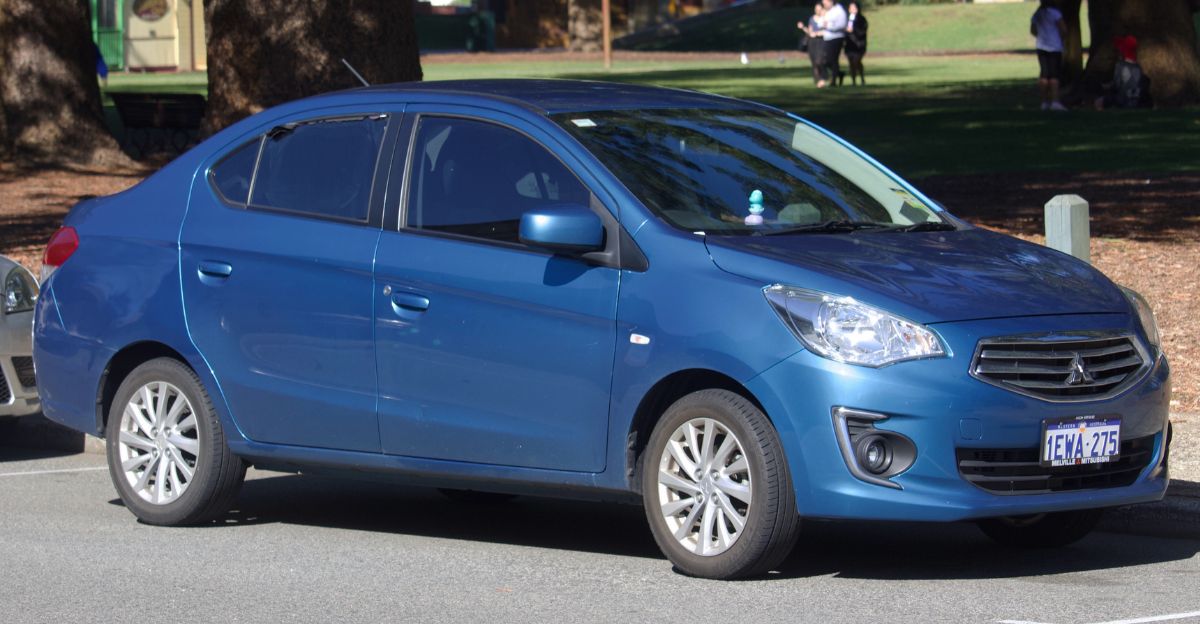
In 2020, the Mitsubishi Mirage G4, a modest budget vehicle, earned a shocking distinction: it became the deadliest car on America’s roads. With a death rate of 205 per million registered vehicles, this small car is 5.4 times deadlier than the national average. A seemingly harmless, affordable option for commuters, it hides a deadly reality—its lightweight design and lack of advanced safety features make it vulnerable in collisions with larger vehicles. Parents purchasing this car for their teenagers unknowingly increase their risk of fatal accidents.
But why does the Mirage G4 kill at such an alarming rate? And could other vehicles share its deadly traits? Keep reading to uncover the surprising truth behind America’s deadliest cars.
1. The Mirage G4 – America’s Deadliest Car
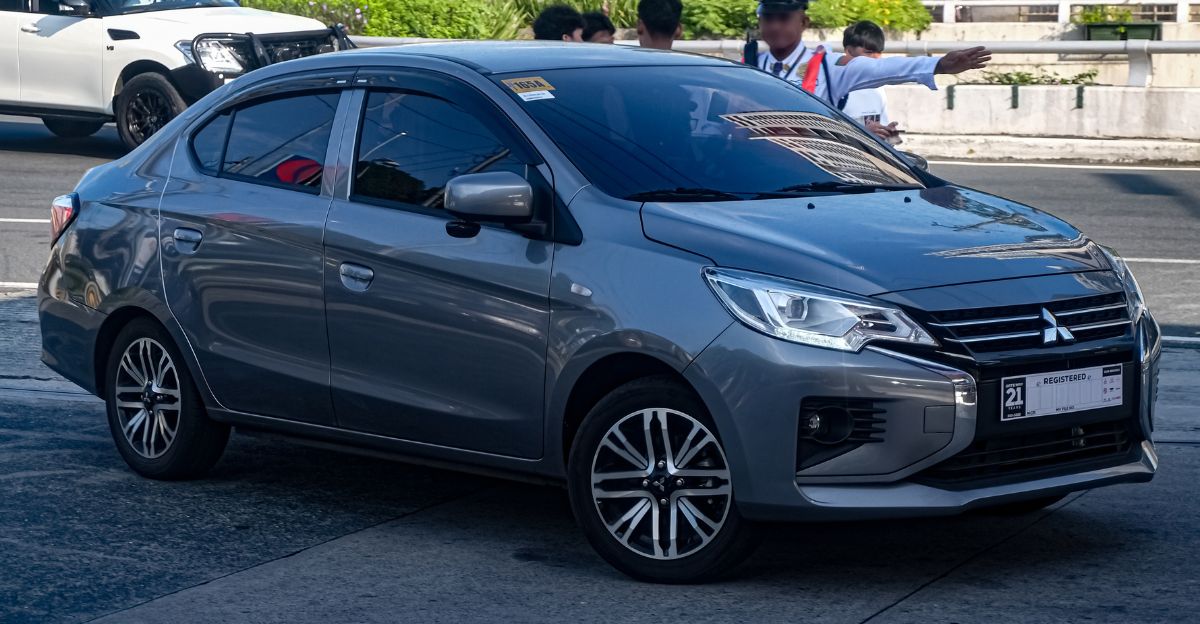
The Mitsubishi Mirage G4 takes the crown as the deadliest car in America, with a staggering 205 deaths per million registered vehicles. This figure is 5.4 times the national average.
Despite its affordable price, the Mirage’s lightweight design and lack of advanced safety features make it vulnerable on modern roads, where larger vehicles dominate. For parents buying this car for teens, the risk of a fatal crash is a real concern.
2. The Mirage Hatchback – Another Deadly Minicar
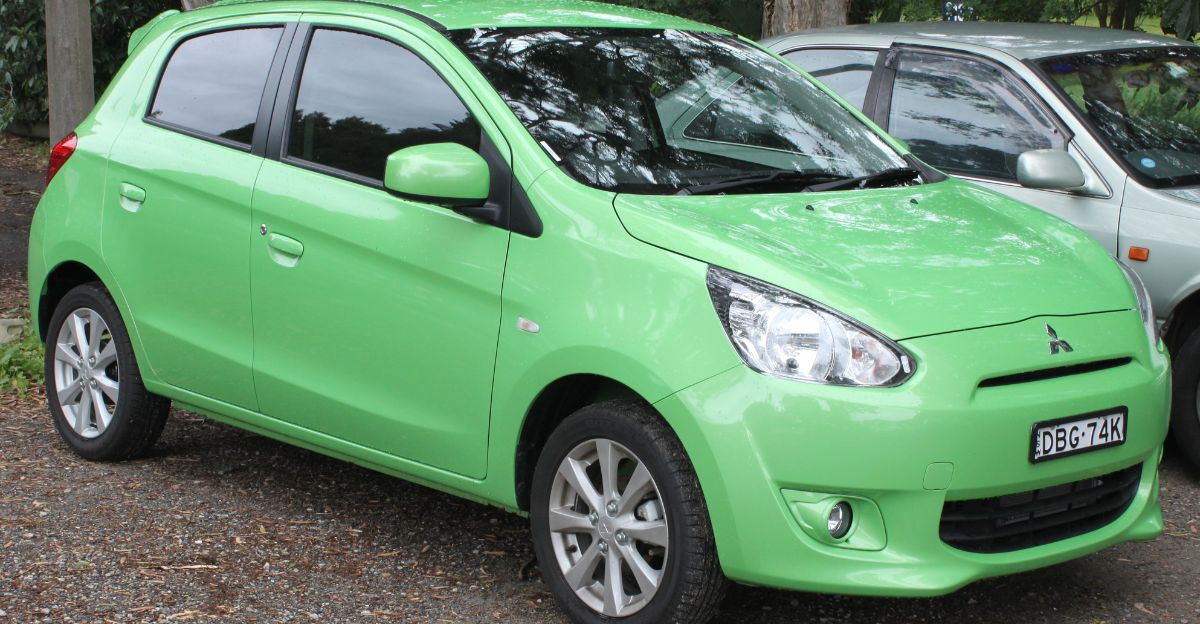
The Mirage G4 isn’t the only deadly variant in the Mirage lineup. The Mirage hatchback follows closely with 183 deaths per million, nearly five times the average.
As with the sedan, the hatchback’s lightweight construction places it at a disadvantage when colliding with larger vehicles. Minicars like these continue to be a deadly choice for budget-conscious drivers, with lightweight designs that lack adequate protection in crashes with bigger vehicles.
3. The Dodge Challenger – A Muscle Car with High Risk
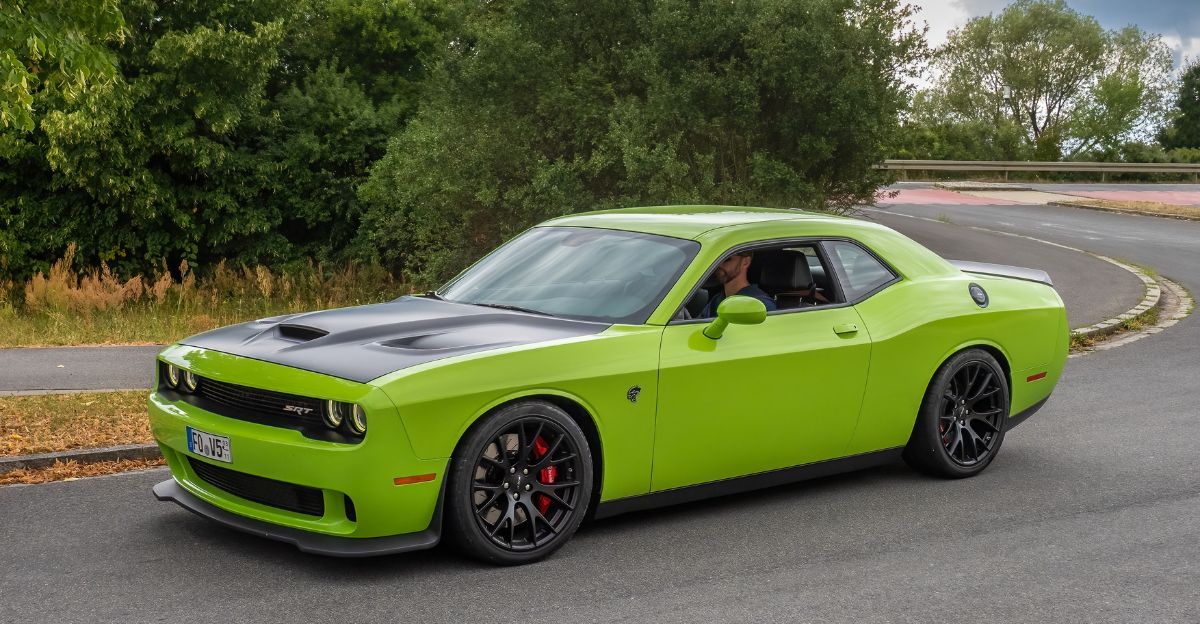
The Dodge Challenger 2WD, a classic American muscle car, claims 154 deaths per million. While muscle cars are marketed for performance and power, their aggressive imagery often attracts less experienced drivers, who may engage in risky behavior.
The Challenger’s high horsepower is not inherently dangerous, but its marketing and driver selection contribute to the car’s higher fatality rate. This highlights how vehicle image and driver behavior intertwine to affect safety.
4. The Hyundai Accent – A Legacy of Lightweight Construction
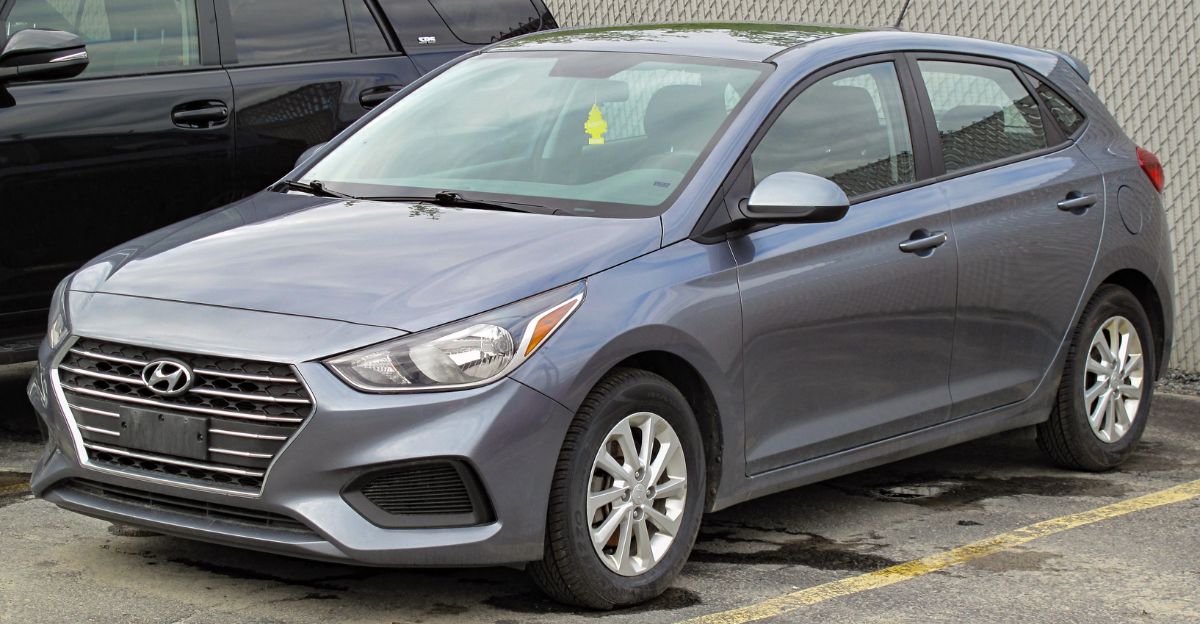
The Hyundai Accent, a popular budget minicar, shows 152 deaths per million. This vehicle reflects an older design philosophy that prioritizes affordability over safety.
Lightweight vehicles like the Accent face a dangerous disadvantage in crashes with larger vehicles, such as SUVs and trucks. Despite recent improvements in safety technology, older models remain significantly more dangerous, particularly when they collide with much larger vehicles.
5. The Chevrolet Spark – Budget-Friendly but Deadly
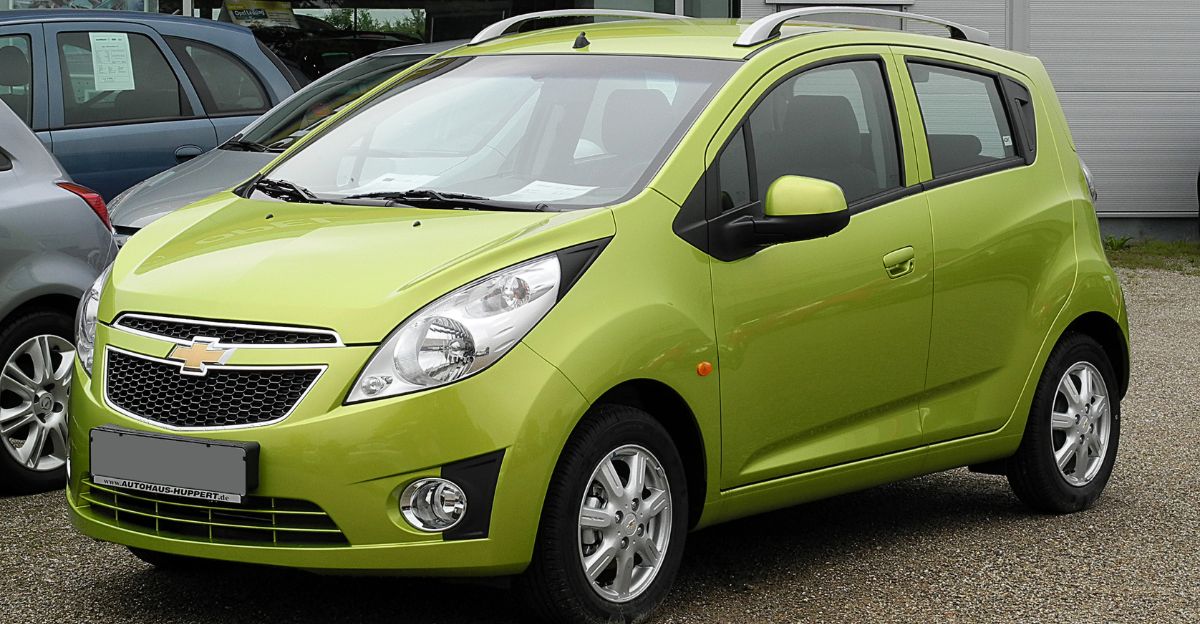
The Chevrolet Spark, another minicar, registers 151 deaths per million. As with other budget vehicles, the Spark trades crash protection for affordability. This car is statistically riskier for teenage drivers, and its lightweight design makes it more vulnerable to crashes with heavier vehicles.
The prevalence of minicars among lower-income drivers underscores a societal issue—those who can’t afford larger, safer vehicles face greater risks on the road.
6. The Kia Rio – A Marginally Safer Minicar
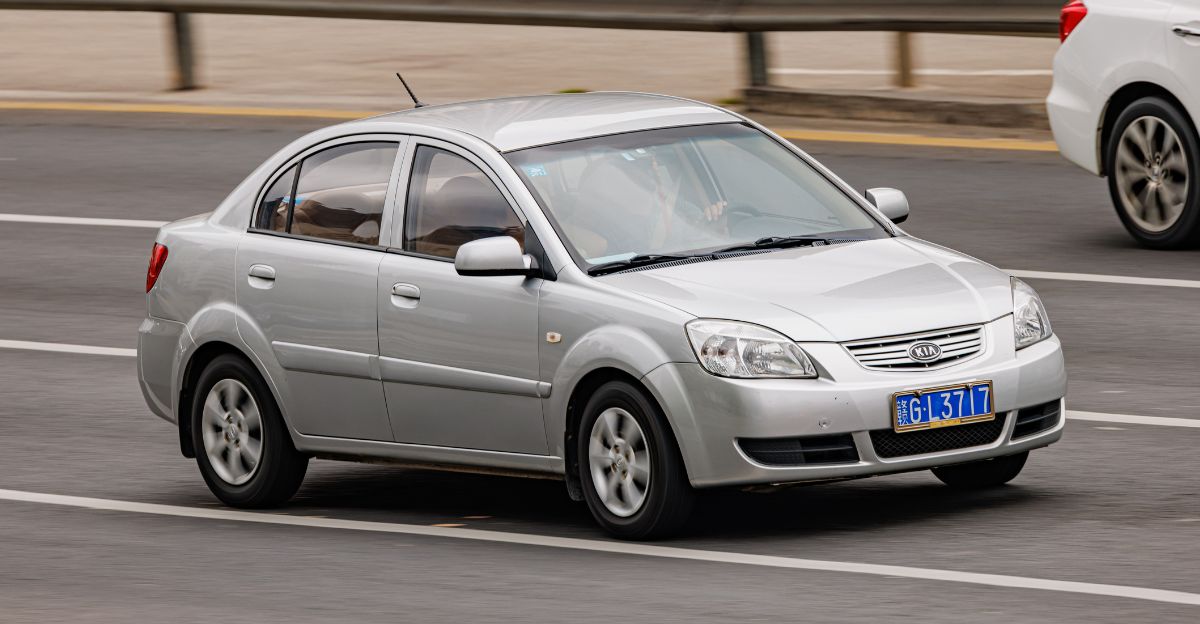
The Kia Rio sedan comes in with 122 deaths per million, placing it on the dangerous end of the spectrum. While it is slightly safer than the worst performers, the Rio’s lightweight platform still makes it vulnerable to larger vehicles.
The Rio’s design is inherited from an older generation, and while newer models include improved safety features, the fleet data still reflects older, less-protected vehicles that remain at risk.
7. The Dodge Charger HEMI – A Dual Threat
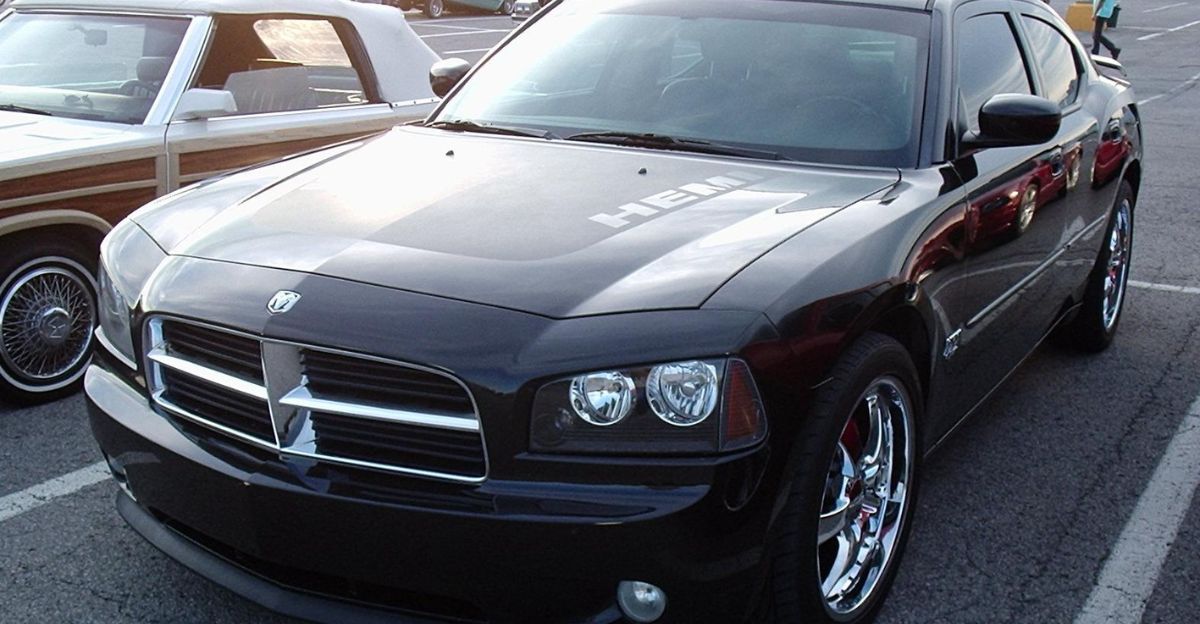
The Dodge Charger HEMI is another muscle car on the list, with 118 deaths per million. What’s alarming is that the Charger’s other-driver deaths are disproportionately high—164 per million. This is more than even the heavy-duty Ram 3500 truck.
The Charger’s aggressive marketing and high-performance design attract drivers who may be more prone to risky driving behaviors, contributing to the car’s high fatality rates.
8. The Chevrolet Camaro Convertible – A Muscle Car Risk
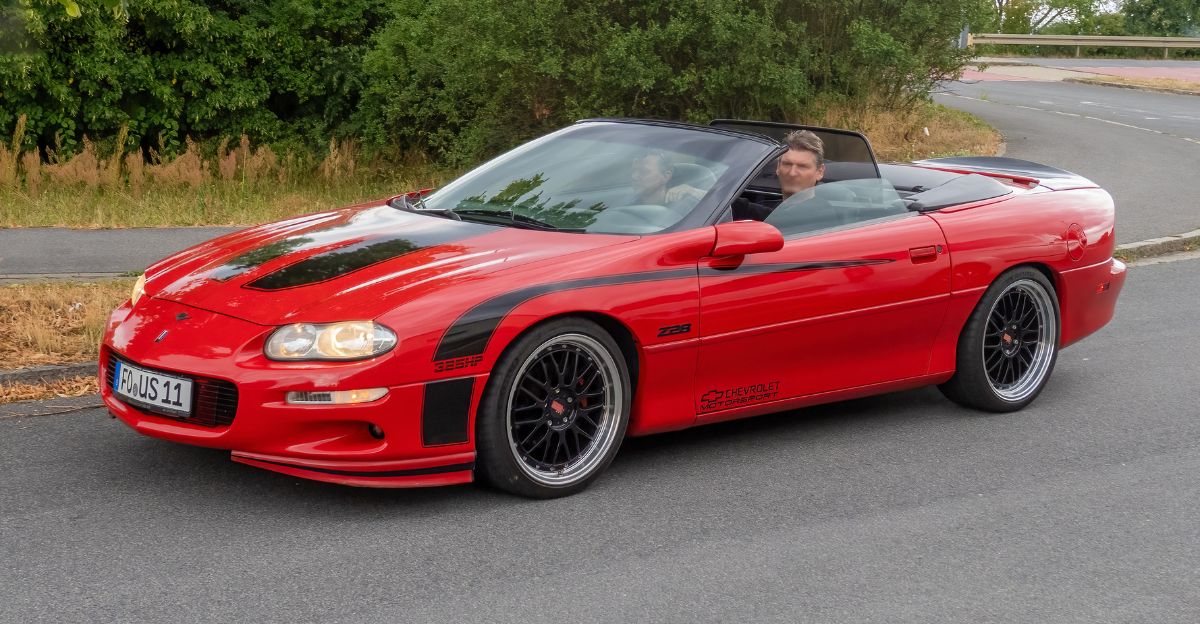
The Chevrolet Camaro convertible shows 113 deaths per million. As with other muscle cars, the convertible version carries more risk due to its open-top design, which provides less rollover protection.
The combination of muscle car performance and the vulnerability of a convertible structure leads to higher fatality rates, especially when drivers push the vehicle beyond its safe limits.
9. The Nissan Altima – A Midsize Sedan with Unexpected Risks
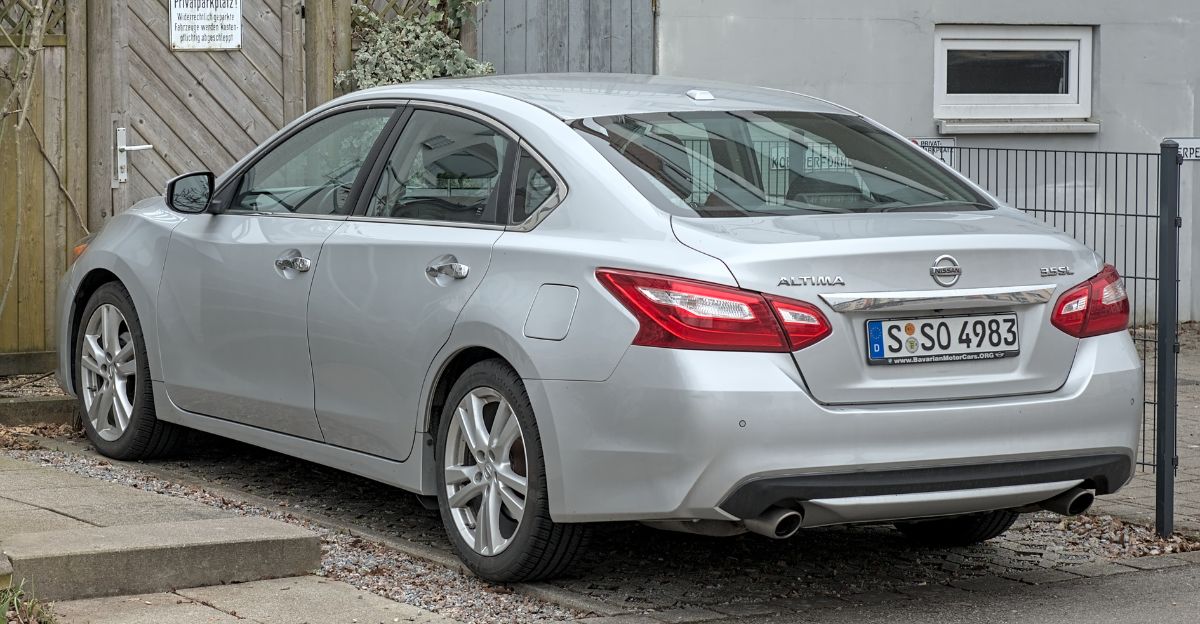
The Nissan Altima ties with the Camaro convertible at 113 deaths per million, surprising because it’s a midsize family sedan. Although the Altima has improved in safety in recent years, older models remain part of the fleet, reflecting design philosophies that didn’t prioritize crash avoidance technology.
This highlights that even seemingly safe, everyday sedans can be deadly when they lack the advanced safety systems that are now standard in luxury cars.
10. The Kia Forte – A Common Yet Dangerous Small Car
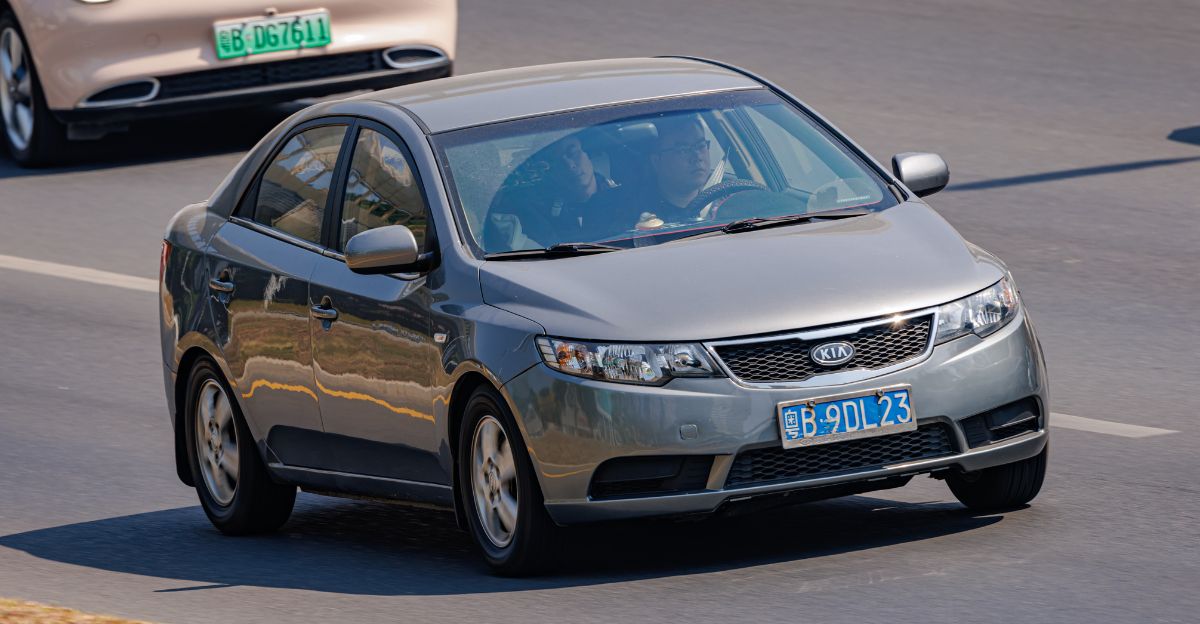
The Kia Forte registers 111 deaths per million, competing in the small car category. Despite some safety improvements in newer models, the Forte’s lightweight design still makes it vulnerable in collisions with larger vehicles.
It also shows up on the “highest other-driver deaths” list, with 96 deaths per million. This indicates that both the vehicle’s size and driver behavior contribute to the vehicle’s dangerous fatality rate.
11. The Chevrolet Camaro Coupe – Another Muscle Car Danger
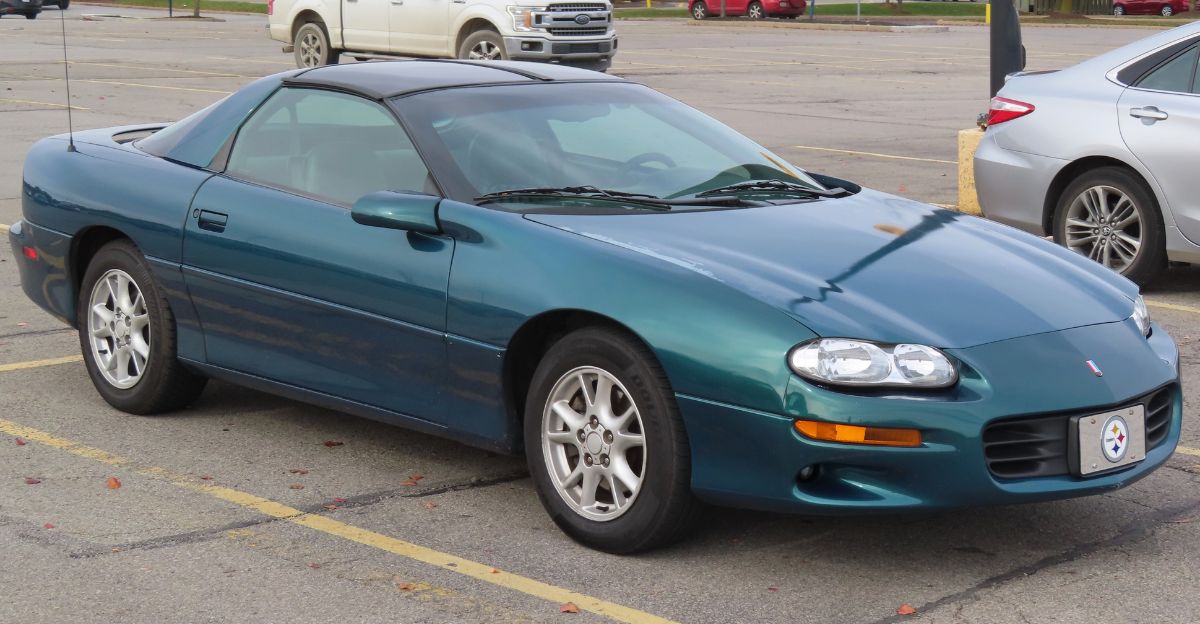
The Chevrolet Camaro coupe is slightly less deadly than the convertible, with 110 deaths per million. However, it remains significantly more dangerous than the national average.
The Camaro’s status as a muscle car with aggressive marketing and performance appeal leads to higher fatality rates, particularly among younger drivers who may be more likely to engage in risky driving behaviors.
12. The Chevrolet Sonic – The End of the Traditional Small Car
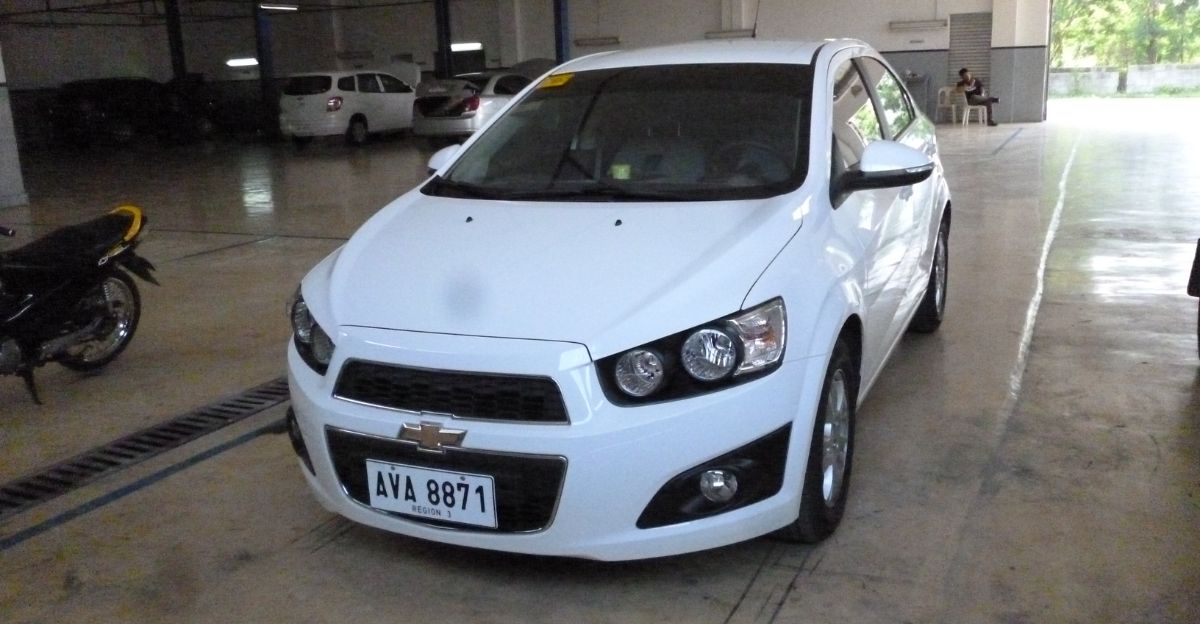
The Chevrolet Sonic, at 107 deaths per million, represents the disappearing small car segment. With many manufacturers shifting focus to crossovers and SUVs, small cars like the Sonic are increasingly seen as unsafe on modern roads dominated by larger vehicles.
The Sonic’s lightweight design makes it highly vulnerable in crashes with larger vehicles, exposing its occupants to greater risks.
13. The Hyundai Elantra – A Budget Sedan with Fatal Consequences
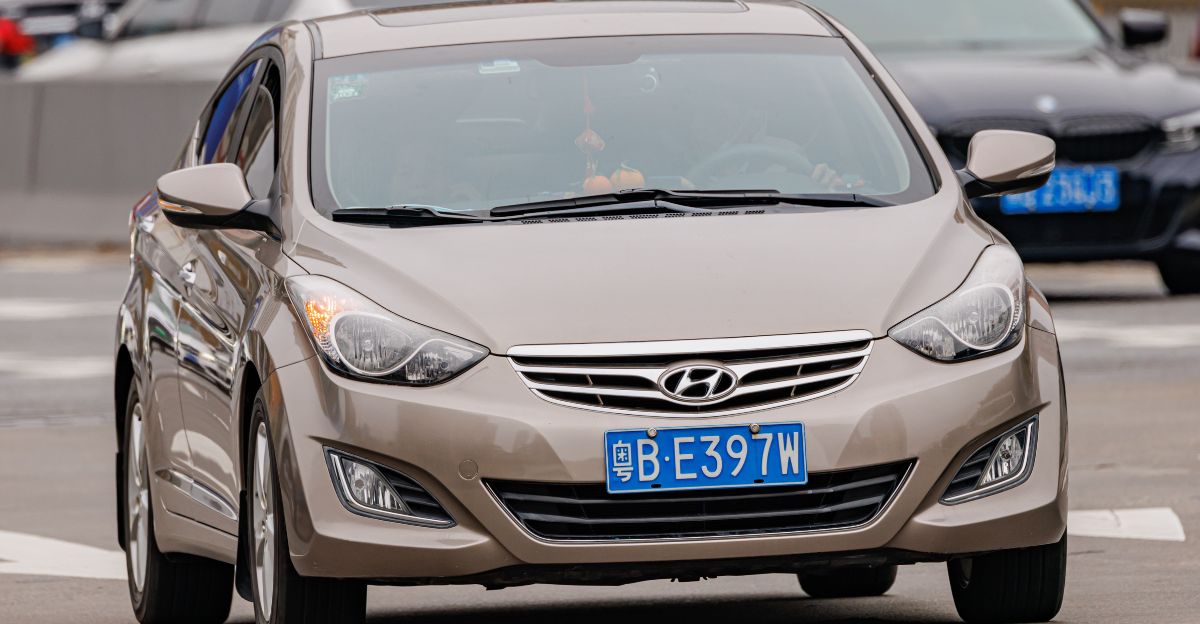
The Hyundai Elantra, with 103 deaths per million, highlights the dangers of budget sedans. While affordable and reliable, the Elantra’s design prioritizes cost over crash protection.
Like the Sonic, the Elantra faces disadvantages in collisions with larger vehicles, and its place in the low-cost sedan category makes it a riskier option for drivers who can’t afford larger, safer cars.
14. The Chrysler 300 4WD – A Luxury Car with Surprisingly High Risks
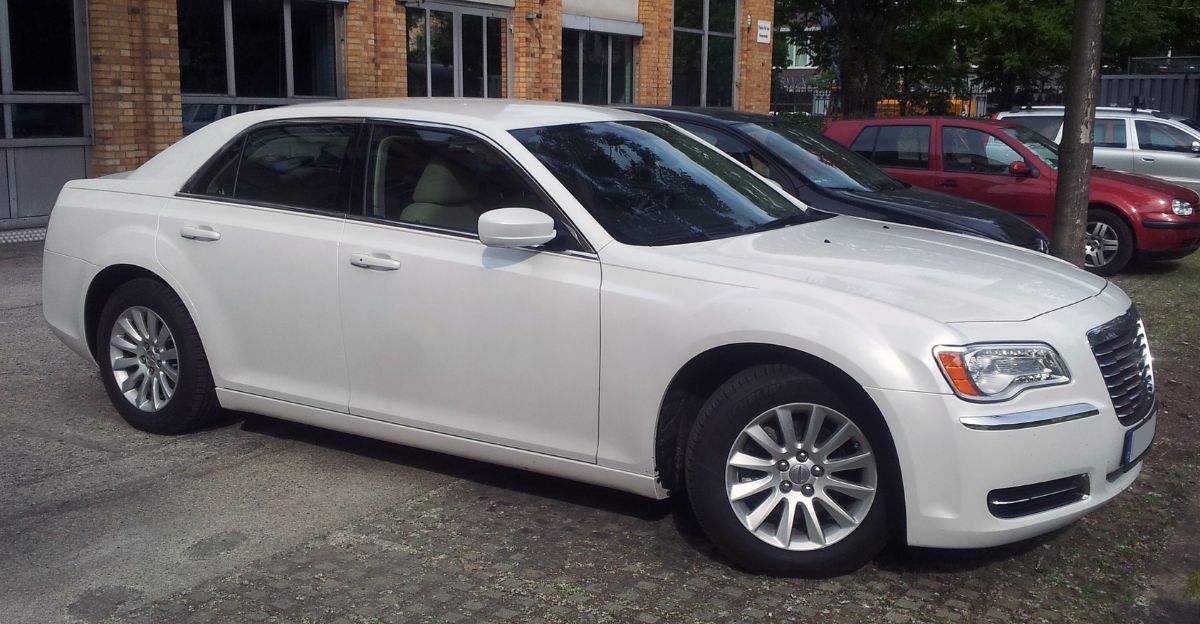
The Chrysler 300 4WD registers exactly 100 deaths per million. Despite its luxury status, the 300’s platform lacks the modern protective technologies that make other luxury vehicles safer.
The allure of luxury may attract drivers with different behavior patterns, but it doesn’t automatically translate into better safety outcomes. The vehicle’s design is a reminder that even luxury vehicles can be deadly if their platforms lack cutting-edge protection systems.
15. The Ford Mustang Convertible – A Muscle Car with High Risk
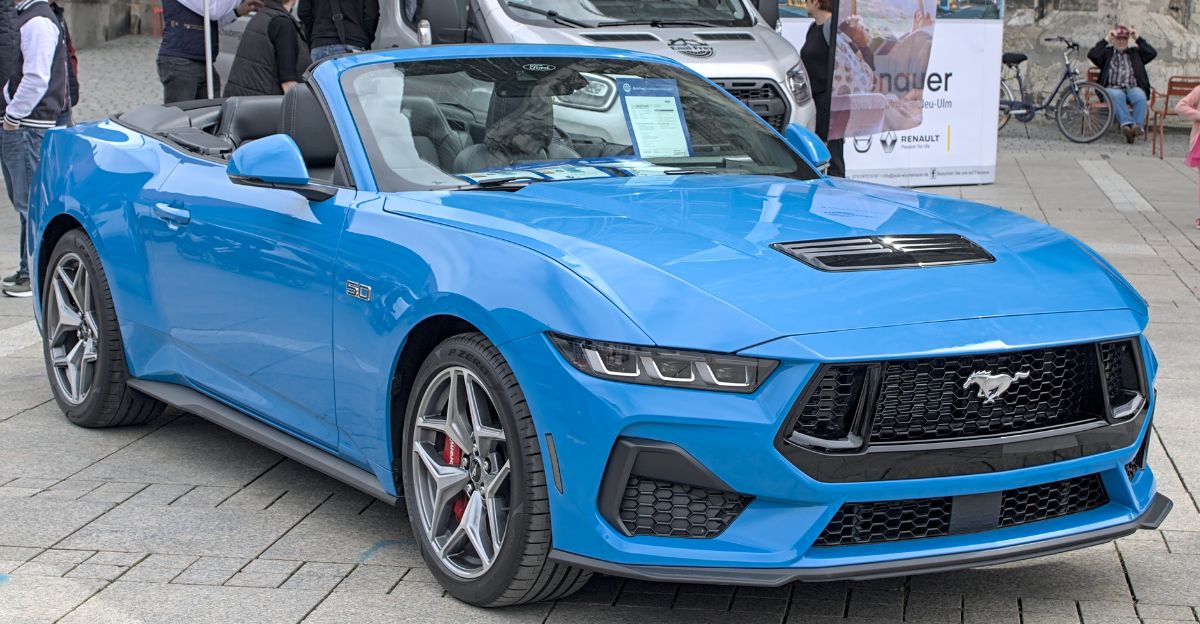
The Ford Mustang convertible, with 97 deaths per million, completes the muscle car presence on the list. Convertibles, in general, are more prone to rollovers, and the Mustang’s high performance, coupled with its cultural significance, makes it a dangerous choice.
The vehicle’s popularity among younger drivers further compounds the risks, as it attracts drivers who may push the car beyond safe limits.
16. The Chevrolet Malibu – A Midsize Sedan with Higher-than-Expected Risk
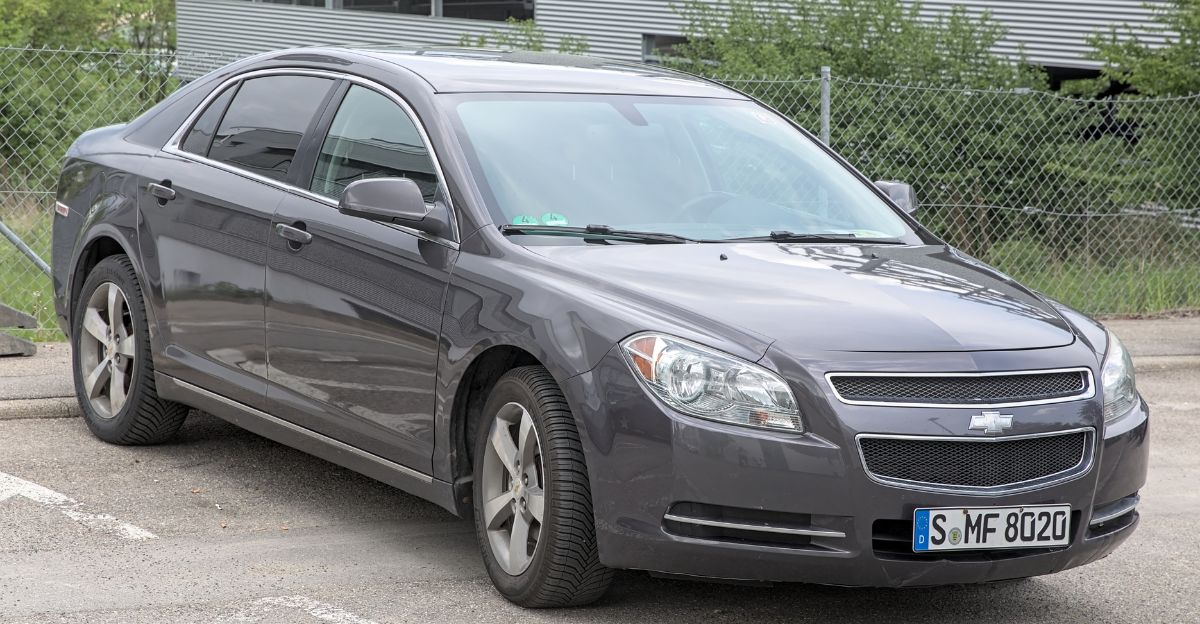
The Chevrolet Malibu shows 91 deaths per million, exceeding double the national average. Although a midsize sedan would theoretically be safer than smaller cars, the Malibu’s design predated current safety standards.
As a result, older models of the Malibu have significantly higher fatality rates. This underscores the importance of vehicle design and the evolution of safety technology in reducing fatalities.
17. The Dodge Charger 2WD – A Standard Muscle Car Risk
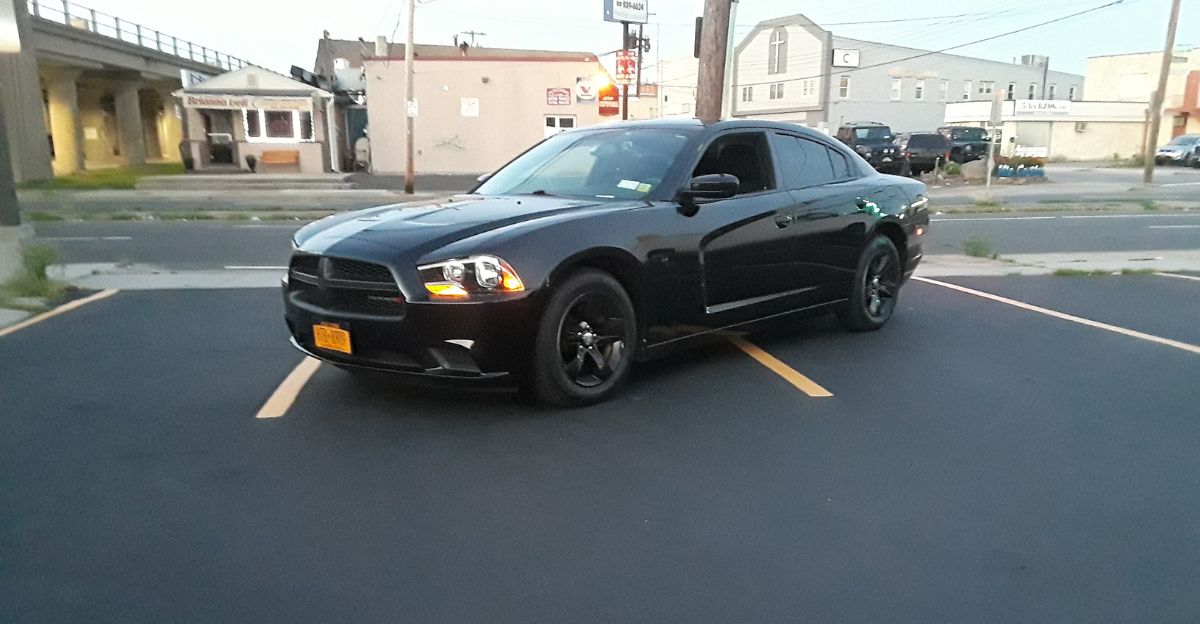
The Dodge Charger 2WD, without the HEMI engine, shows 91 deaths per million. While less powerful than the HEMI variant, it still ranks significantly above average.
The gap in fatality rates between the two Charger variants highlights the role of marketing and driver behavior. Even “less powerful” muscle cars remain highly dangerous due to the aggressive driving culture they often foster.
18. The Chevrolet Trax – A Small SUV with Surprising Danger
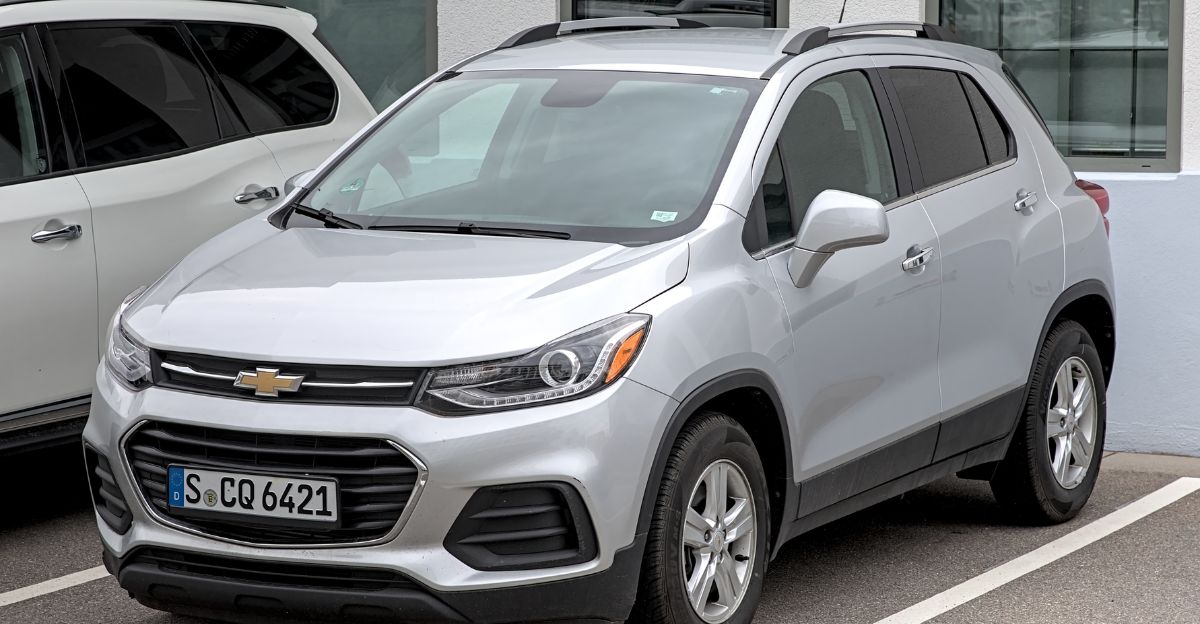
The Chevrolet Trax, a small SUV, registers 89 deaths per million. While SUVs are generally safer than small cars, smaller models like the Trax retain vulnerabilities.
The Trax offers minimal protection compared to larger SUVs, and its small size makes it more susceptible to crashes with bigger vehicles. This highlights that not all SUVs provide equal safety—small models can be as dangerous as compact cars.
Safety and Vehicle Choice
The stark reality is that vehicle choice directly correlates with safety outcomes. While luxury cars may average 4-5 deaths per million, budget vehicles and muscle cars often see fatality rates much higher. The IIHS and other studies show that vehicle design, marketing, and driver behavior all contribute to these outcomes.
Until manufacturers prioritize safety across all price points and recognize the impact of marketing, America’s roads will continue to reflect a dangerous divide in vehicle safety.
Sources:
Insurance Institute for Highway Safety (IIHS) Driver Death Rates Study 2023; IIHS vehicle fatality data by make and model (2020 model year vehicles, 2018-2021 crash years)
National Highway Traffic Safety Administration (NHTSA) Fatality Analysis Reporting System (FARS); Census of fatal motor vehicle crashes (50 states, 2018-2021 data)
IHS Markit Vehicle Registration Database; Vehicle population and registration data for death rate calculations per million registered vehicle years
IIHS Highway Loss Data Institute (HLDI) Research; Analysis of driver age and gender adjusted death rates and other-driver fatality statistics by vehicle model