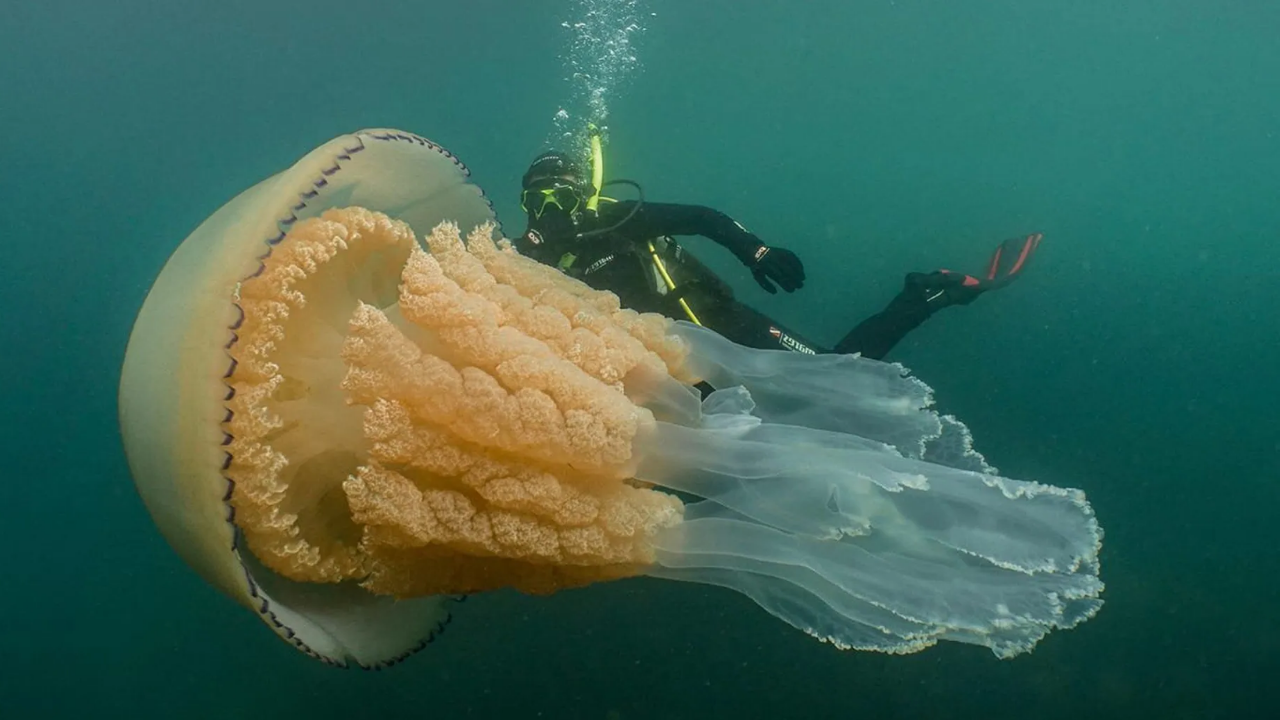
Nature has engineered some of the most sophisticated biochemical weapons known to science, capable of killing humans within minutes. From microscopic marine creatures to camouflaged predators, venomous animals possess toxins thousands of times more potent than cyanide.
These lethal substances attack the nervous system, destroy blood cells, and cause catastrophic organ failure with terrifying speed and efficiency.
1. Geographic Cone Snail
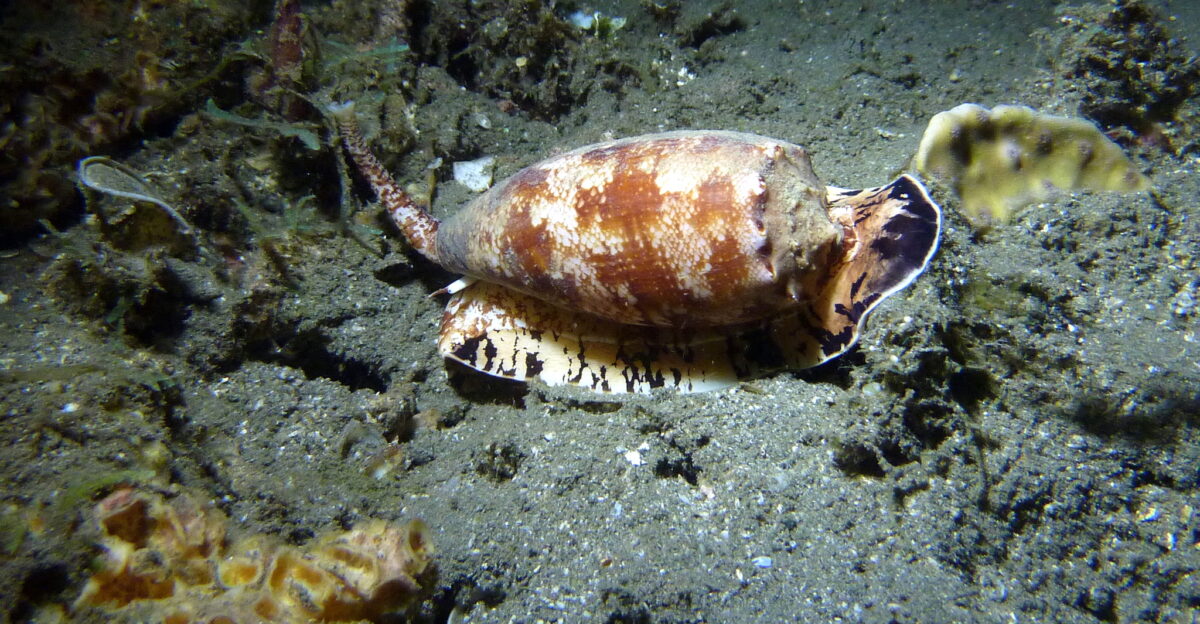
A single drop of venom from the geographic cone snail contains enough toxin to kill 20 adult humans instantly. This tiny marine creature harbors over 200 pharmacologically active peptides called conotoxins that cause paralysis, respiratory failure, and death with shocking speed. No antivenom exists for cone snail stings.
2. Inland Taipan
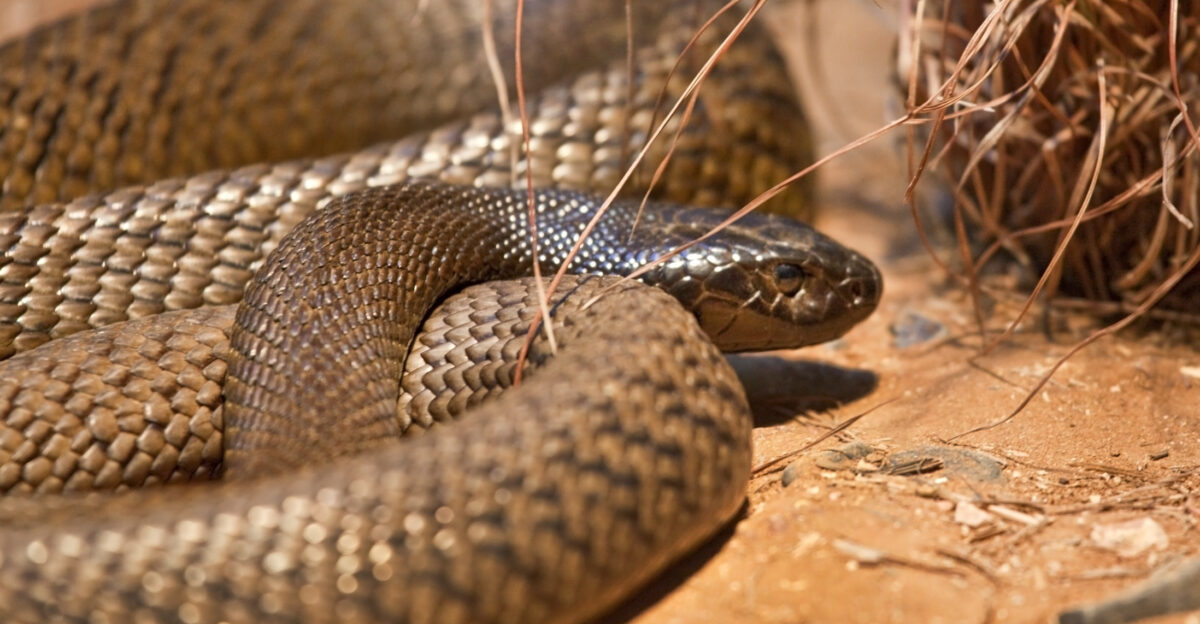
The inland taipan possesses the most toxic venom of any terrestrial snake on Earth. “The inland taipan, which is found in the arid regions of central Australia, is thought to have the most potent venom of any terrestrial snake,” according to herpetology experts. One bite delivers enough venom to kill 100 adult humans.
3. Box Jellyfish
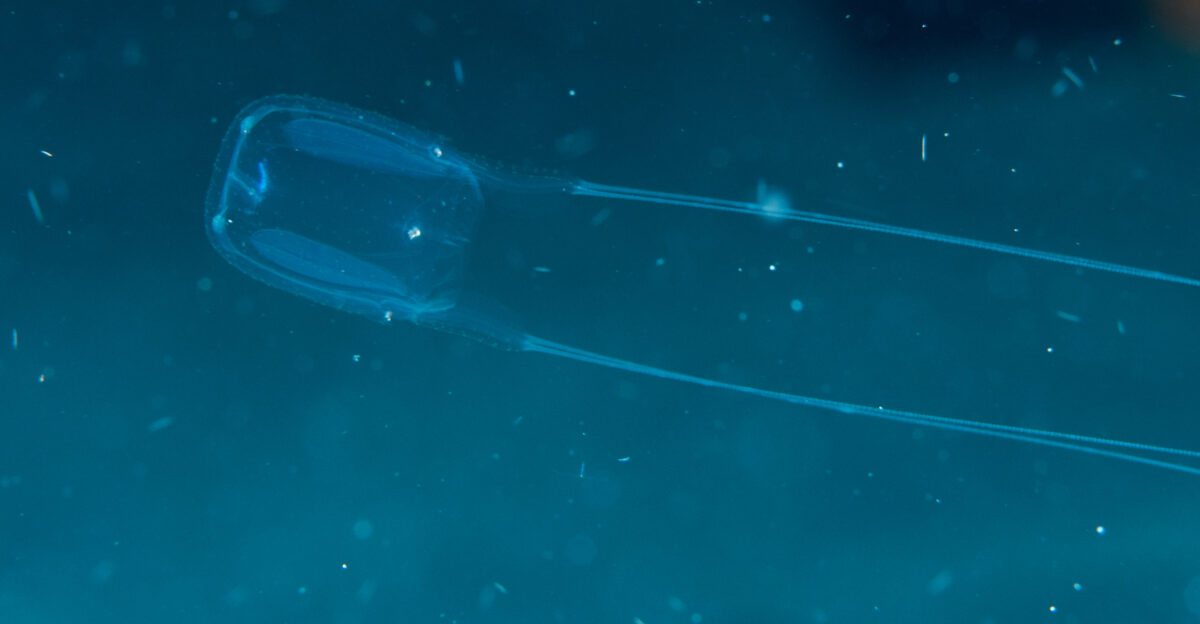
The Australian box jellyfish carries venom potent enough to kill more than 60 people, with death occurring within two to five minutes of contact. “We studied the biggest, most venomous and scary one,” said Associate Professor Greg Neely from the University of Sydney. This creature has caused 79 confirmed fatalities since 1883.
4. Blue-Ringed Octopus
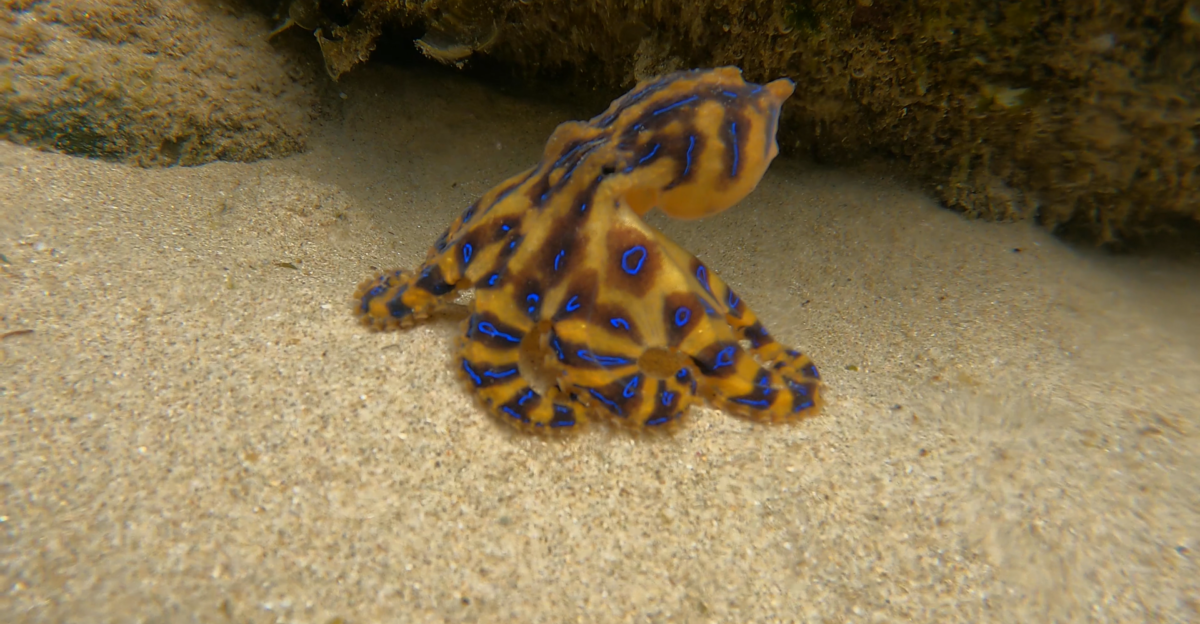
Blue-ringed octopuses carry tetrodotoxin—a neurotoxin over 1,000 times more toxic than cyanide. These palm-sized cephalopods deliver painless bites that cause complete paralysis while victims remain fully conscious. No antivenom exists; survival depends entirely on immediate mechanical ventilation until the toxin metabolizes. Several fatal encounters have been documented.
5. Golden Poison Dart Frog
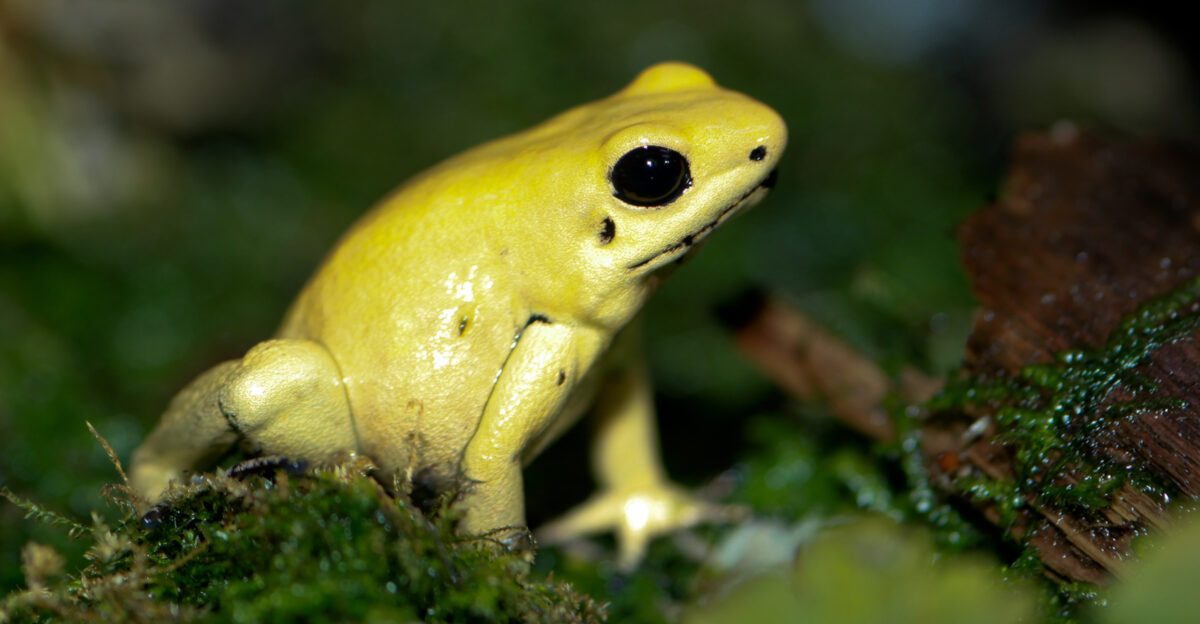
The golden poison dart frog produces batrachotoxin in its skin—hundreds of times more toxic than cyanide. A single adult frog contains approximately one milligram of this alkaloid toxin, sufficient to kill 10 to 20 humans or two African bull elephants. The toxin causes heart fibrillation and death within 10 minutes. No antidote currently exists.
6. Stonefish
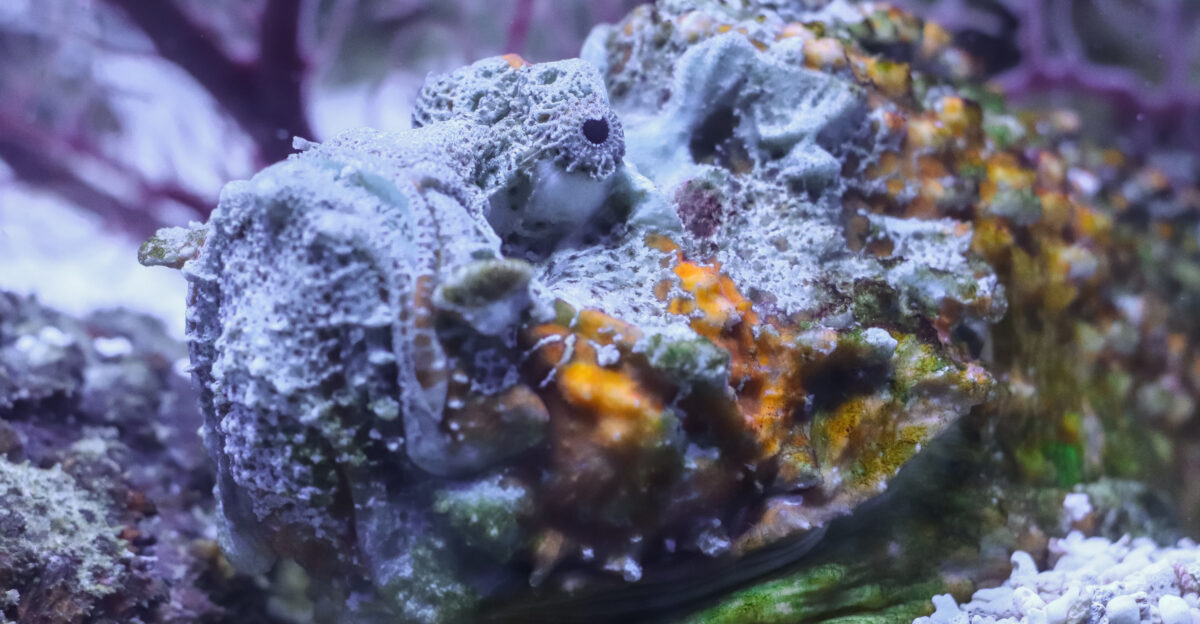
Stonefish possess the most venomous spines in the fish kingdom, with 13 dorsal fin spines capable of injecting highly toxic venom. The venom can be fatal at just 18 milligrams and causes excruciating pain, respiratory weakness, cardiovascular damage, and paralysis. These masters of camouflage resemble rocks or coral, making them nearly impossible to detect.
7. Sydney Funnel-Web Spider
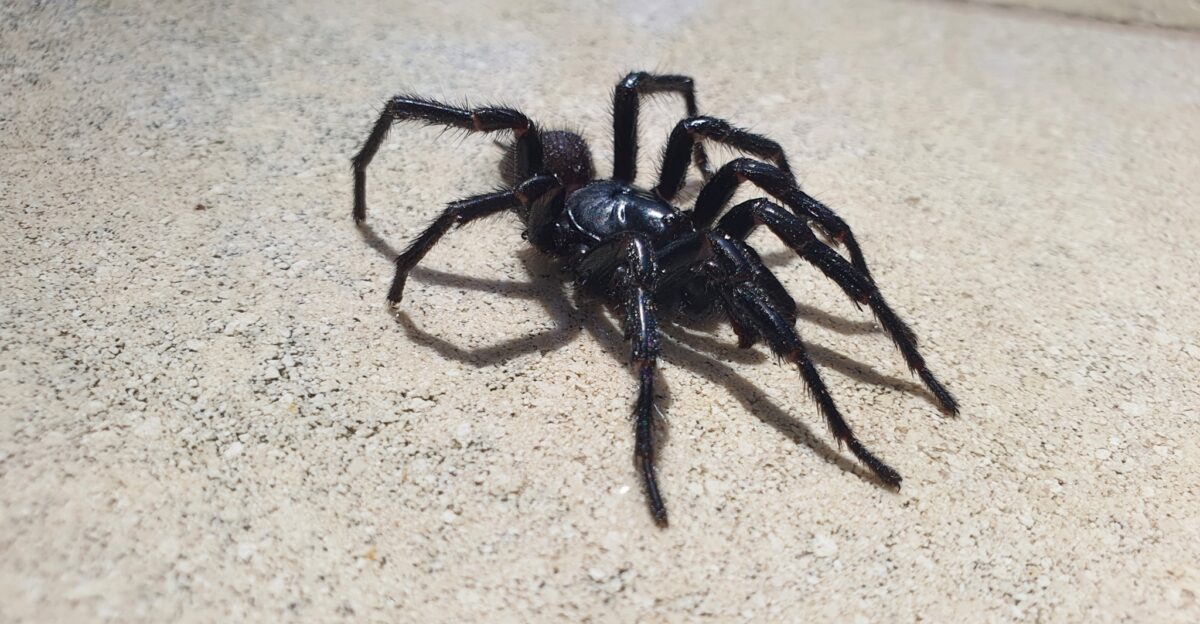
The Sydney funnel-web spider ranks among the world’s deadliest arachnids, with venom extremely toxic to humans and primates. Before antivenom development in 1981, this aggressive spider caused 13 confirmed human fatalities. When threatened, funnel-webs rear up and display impressive fangs, often biting repeatedly while maintaining a tight grip. One victim required 12 antivenom vials to survive.
8. Brazilian Wandering Spider
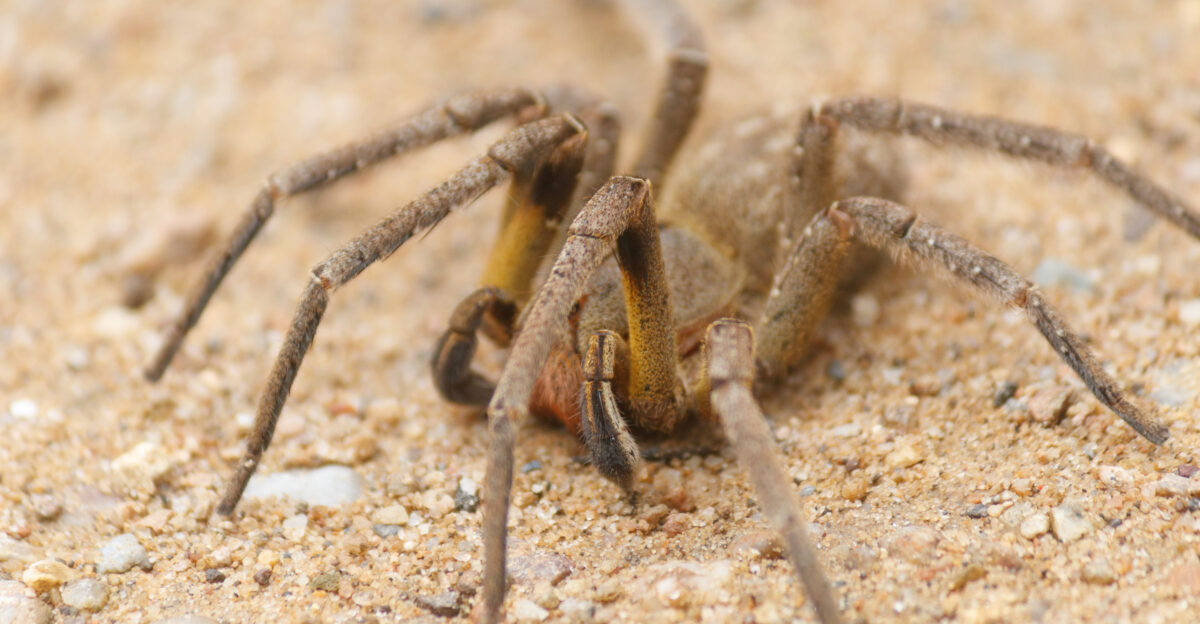
Brazilian wandering spiders, with nine species in the genus Phoneutria meaning “murderess” in Greek, possess venom more toxic than black widow spiders. Symptoms appear within 10 to 20 minutes, with death potentially occurring within two to six hours from respiratory arrest. These spiders hunt actively on forest floors rather than building webs.
9. King Cobra
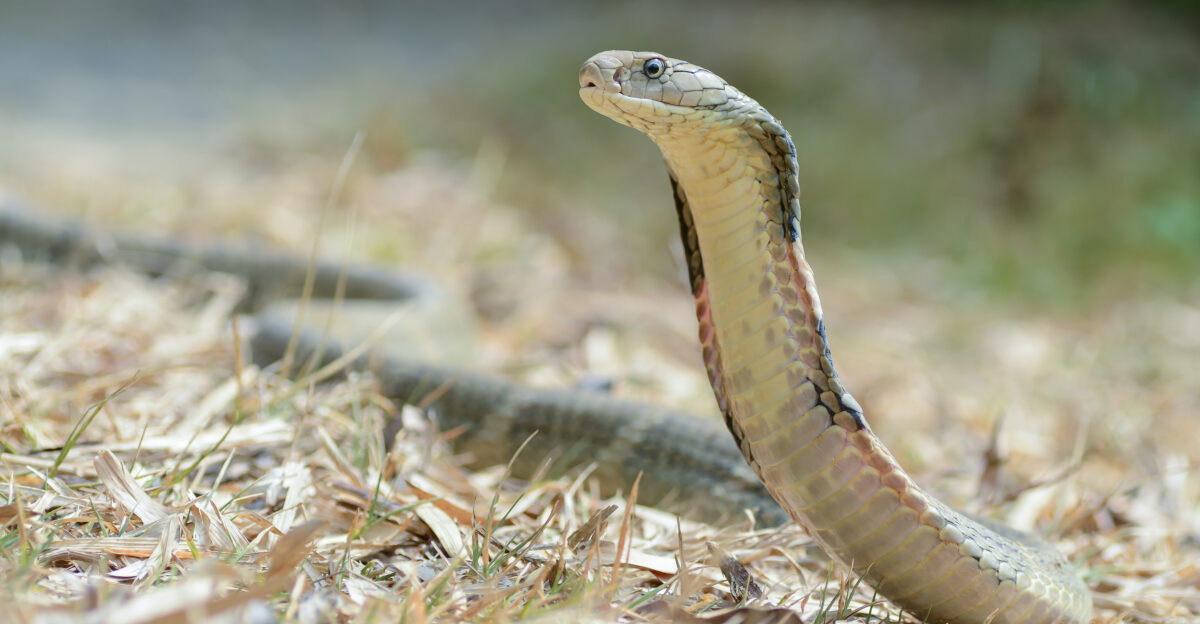
The king cobra delivers up to 600 milligrams of venom in a single bite—enough to kill 20 humans or an elephant. While not drop-for-drop the most potent, the sheer quantity makes it extraordinarily dangerous. Alpha-neurotoxins target respiratory centers in the brain, causing respiratory failure and cardiac arrest within hours without proper antivenom treatment.
10. Deathstalker Scorpion
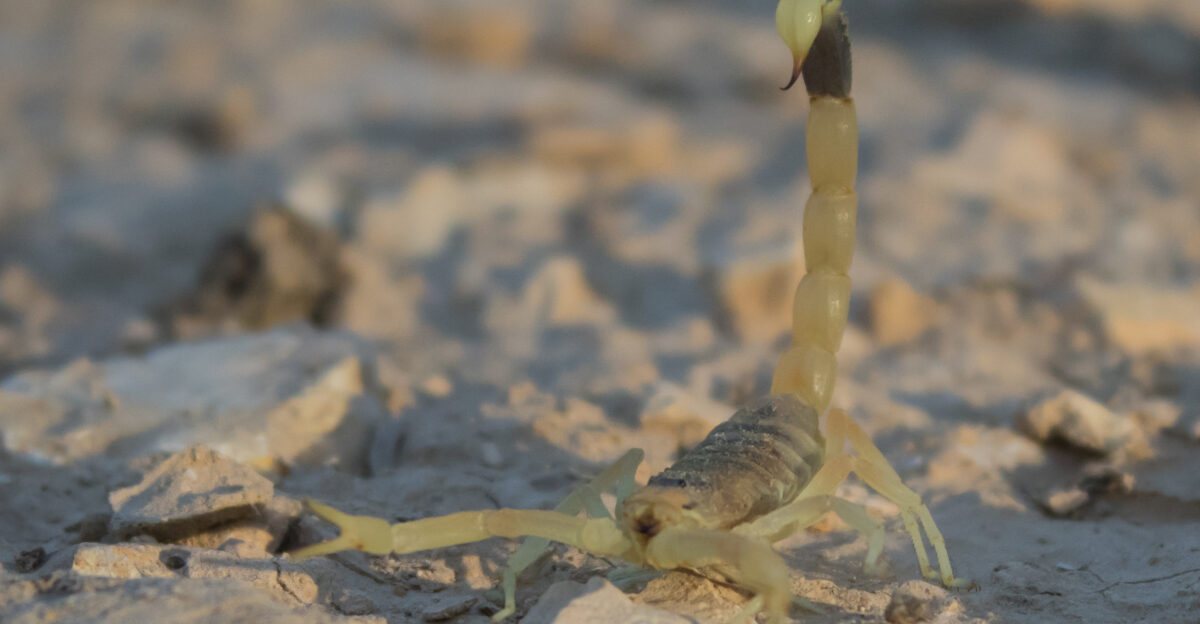
The deathstalker scorpion measures less than three inches but carries extremely potent venom containing neurotoxins targeting voltage-gated sodium and potassium channels. The sting causes disruption of nerve signal transmission, intense pain, muscle paralysis, and in severe cases, respiratory failure. Young children, elderly individuals, and those with heart conditions face particularly high risk.
11. Sea Snakes
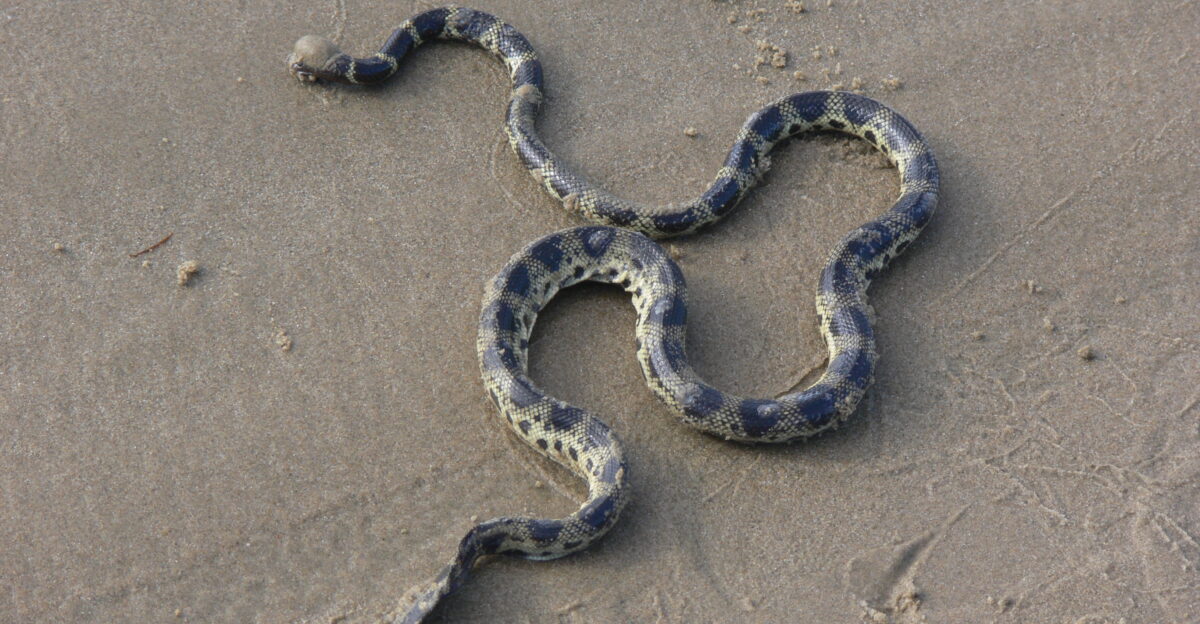
Sea snakes inhabit tropical waters throughout the Indian and Pacific Oceans, possessing venoms with extremely low toxicity scores. Their venom contains potent neurotoxins and myotoxins causing descending symmetrical paralysis and rapid muscle breakdown. The most common cause of death is respiratory arrest due to diaphragm paralysis. Despite their potency, bites remain relatively rare.
12. Black Mamba
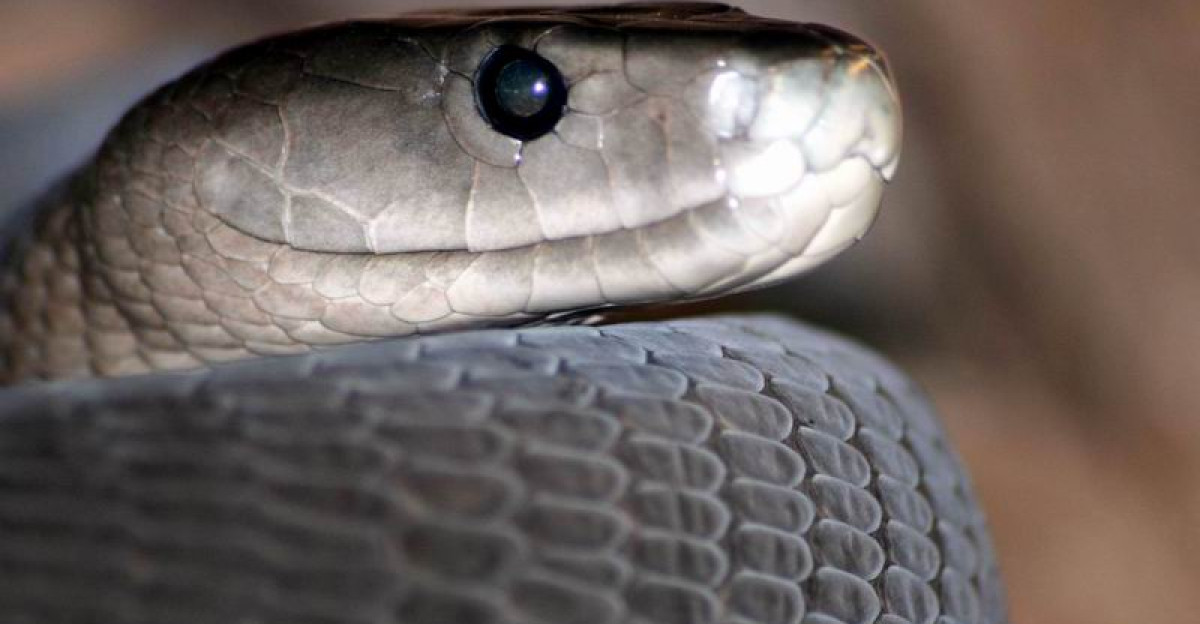
The black mamba is Africa’s longest venomous snake and the fastest snake in the world. It can strike up to 12 times in a single attack, delivering potent neurotoxins that cause paralysis and respiratory failure. Death can occur in as little as 20 minutes without treatment. The snake’s aggressive nature combined with its speed makes encounters particularly dangerous throughout sub-Saharan Africa.
The Toxicity Scale Revealed
Scientists measure venom potency using median lethal dose values, with lower numbers indicating deadlier toxins. The inland taipan scores 0.025 milligrams per kilogram. Geographic cone snails range from 0.012 to 0.03. Box jellyfish measure 0.04. King cobras score 1.28 to 1.7. These microscopic quantities represent the difference between life and death for potential victims.
Understanding Venom Mechanisms
Venoms work through diverse biochemical pathways to incapacitate prey and deter predators. Neurotoxins block nerve signal transmission, causing paralysis and respiratory failure. Hemotoxins destroy blood cells and prevent clotting. Cytotoxins break down cellular structures, causing tissue death. Many venoms combine multiple toxin types, attacking victims’ bodies simultaneously on different fronts for maximum effectiveness.
Breakthroughs in Antivenom Research

Scientists are making remarkable progress in developing universal antivenoms. “We are wiping out a major subclass of neurotoxins here,” says Nicholas Casewell, a toxinologist at the Liverpool School of Tropical Medicine. Researchers have discovered antibodies that neutralize key neurotoxins from multiple deadly snake species across continents. This breakthrough could eventually eliminate the need for hundreds of different antivenoms.
Venom Becomes Medicine
Paradoxically, deadly venoms yield valuable medical treatments. Cone snail venom produced ziconotide, an analgesic for severe chronic pain. King cobra venom has been developed into painkillers 20 times more potent than morphine. Deathstalker scorpion venom contains chlorotoxin showing promise in cancer treatment. These discoveries transform nature’s deadliest substances into healing medicines.
Geographic Hotspots of Danger
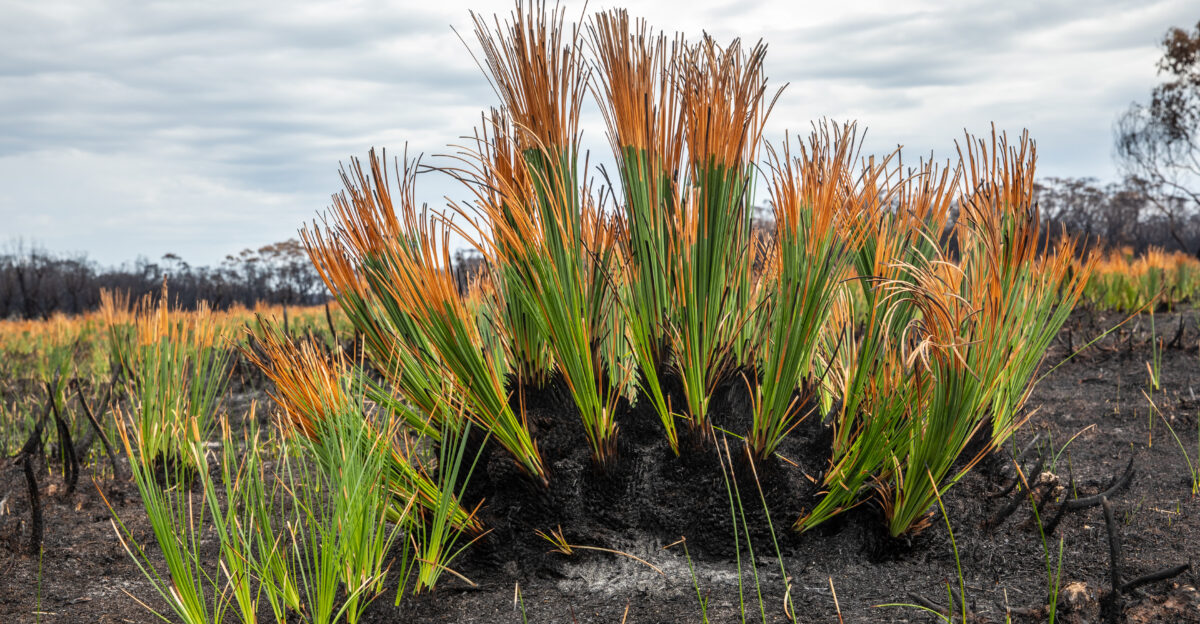
Australia hosts the highest concentration of venomous creatures, including inland and coastal taipans, box jellyfish, blue-ringed octopus, and Sydney funnel-web spider. Tropical Indo-Pacific waters harbor box jellyfish, cone snails, and stonefish. Africa and the Middle East contain deathstalker scorpions and various cobra species. Central and South America host golden poison dart frogs and Brazilian wandering spiders.
When Antivenoms Don’t Exist
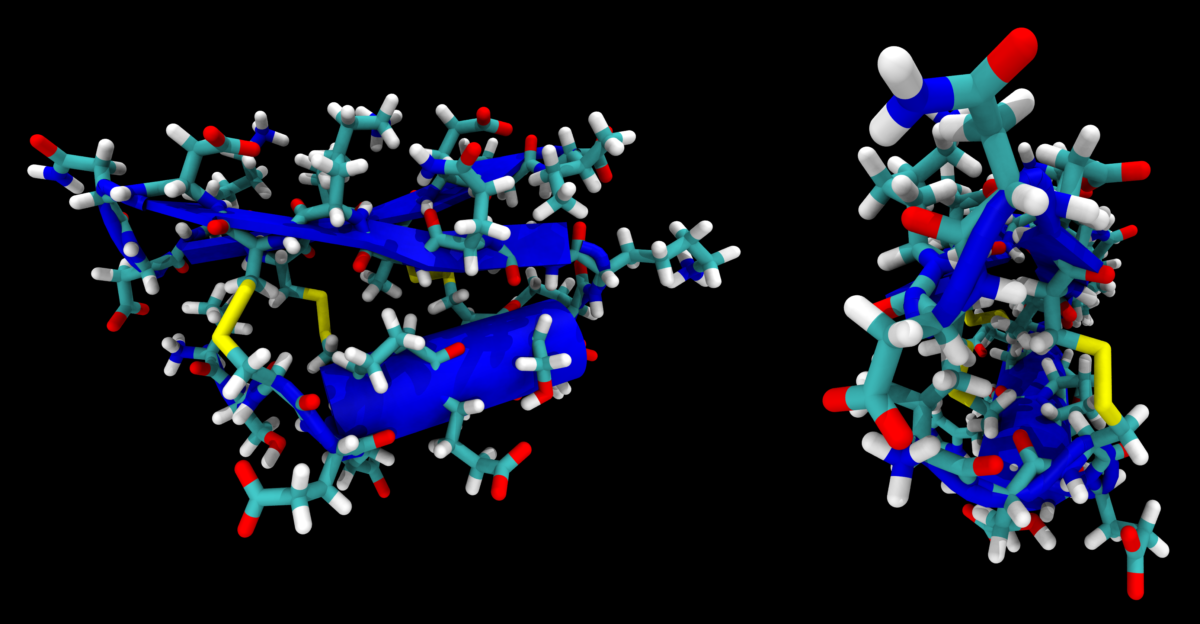
Despite medical advances, several venomous animals still lack effective antivenoms. Blue-ringed octopus envenomation receives only supportive treatment. Cone snails have no specific antivenom available. Golden poison dart frog batrachotoxin has no antidote. Pufferfish tetrodotoxin poisoning cannot be reversed. In these cases, survival depends entirely on immediate life support and mechanical ventilation.
Survival Through Awareness

Avoiding venomous encounters requires habitat awareness and protective measures in tropical waters. Never handle colorful frogs, small octopuses, or cone snails. If envenomated, immobilize the affected area and seek immediate medical attention. As human populations expand into wild areas, education about these species becomes critical for public safety and enables better prevention strategies.
Sources:
“Discover the world’s 10 most venomous animals.” Discover Wildlife, January 2026.
“Pain researchers find antidote to deadly box jellyfish sting.” University of Sydney, April 2019.
“Powerful new antivenom raises hopes for a universal solution to lethal snakebites.” Science Magazine, February 2024.
“Sydney Funnel-web Spider, Atrax robustus.” The Australian Museum, 2014.
“The Most Venomous Animals in the World.” Planet Deadly, December 2025.