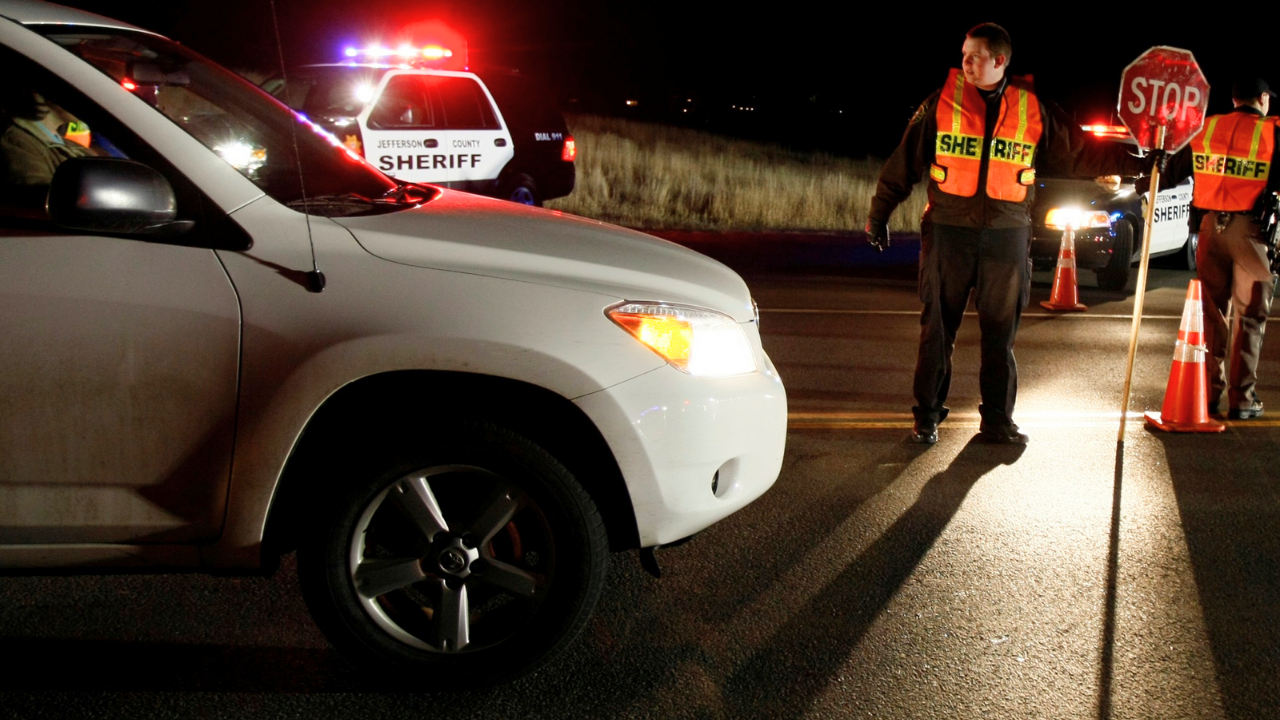
In the United States, the risk of dying in a crash varies dramatically depending on what you drive. Recent data from the Insurance Institute for Highway Safety (IIHS) on 2020 model-year vehicles show that some of the smallest, least expensive cars – along with several powerful muscle cars – record driver death rates many times the national average, underscoring how vehicle size, design, and driver behavior intersect to shape safety outcomes.
Deadliest model on the road

At the top of the list is the Mitsubishi Mirage G4, a subcompact sedan that records 205 driver deaths per million registered vehicles, 5.4 times the national average. The Mirage G4’s appeal lies in its low purchase price and fuel economy, making it a common choice for cost-conscious commuters and parents shopping for a first car for teenagers. Yet its very strengths – a small footprint and lightweight construction – become liabilities in serious crashes, especially when it collides with much larger SUVs and pickups. The absence or limited availability of advanced crash-avoidance and crash-protection technologies on many of these vehicles further compounds the risk.
The danger is not confined to the Mirage sedan. The closely related Mitsubishi Mirage hatchback has a driver death rate of 183 per million, nearly five times the overall average. Like the G4, it is a minicar that struggles in multi-vehicle collisions because its structure and mass offer less protection when forces are distributed between vehicles of very different sizes. Together, these two Mirages illustrate how older, low-cost vehicle platforms can lag behind broader industry gains in occupant protection.
How minicars stack up
The Mirage twins are not outliers among very small, budget-focused cars. Several other minicars show similarly elevated death rates tied to their lightweight construction and limited structural protection when facing heavier opponents on the road.
The Hyundai Accent records 152 driver deaths per million. It reflects an earlier design era in which affordability often took precedence over robust crash structures and extensive safety technology. While newer versions have improved protection, a large portion of the Accent fleet still consists of older, less advanced models that remain in daily use and continue to shape the statistics.
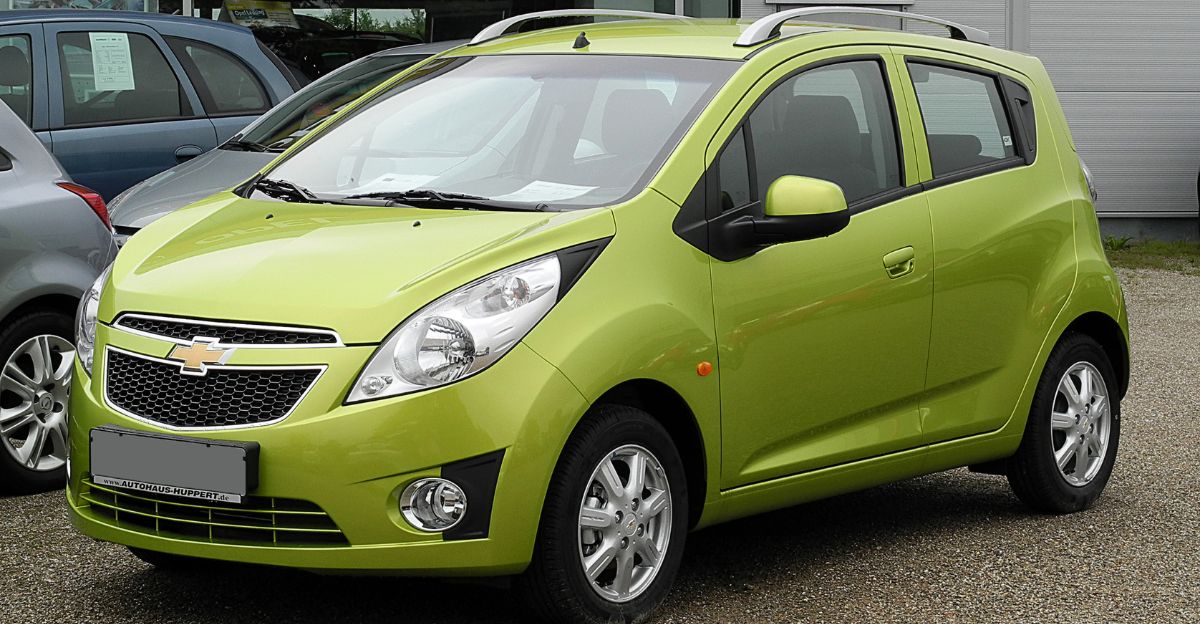
The Chevrolet Spark, another low-priced minicar, posts 151 deaths per million. Buyers drawn by its low cost and compact size often include younger or less experienced drivers, a group already at higher crash risk. When a Spark is involved in a collision with a large SUV or truck, the combination of low mass and a short crumple zone leaves occupants more exposed to severe injury.
The Kia Rio sedan, at 122 deaths per million, and the Chevrolet Sonic, at 107, are somewhat less deadly but still far above average. Their platforms were engineered at a time when small cars were not routinely equipped with the suite of advanced driver-assistance systems now common even in mid-priced models. As a result, these vehicles offer fewer layers of protection, both in avoiding crashes and in mitigating impact forces when a collision occurs.
Muscle cars and risky behavior
High-performance models also feature prominently among vehicles with the most driver fatalities, though for different reasons. Instead of light weight and minimal protection, these cars pair substantial power with an image that can attract drivers inclined toward riskier behavior.
The Dodge Challenger 2WD posts 154 driver deaths per million. Its strong performance capabilities are not inherently unsafe, but its marketing and cultural positioning as a performance icon can appeal to drivers more likely to speed, race, or otherwise drive aggressively. In these scenarios, crashes tend to occur at higher speeds, greatly increasing the likelihood of fatal outcomes.
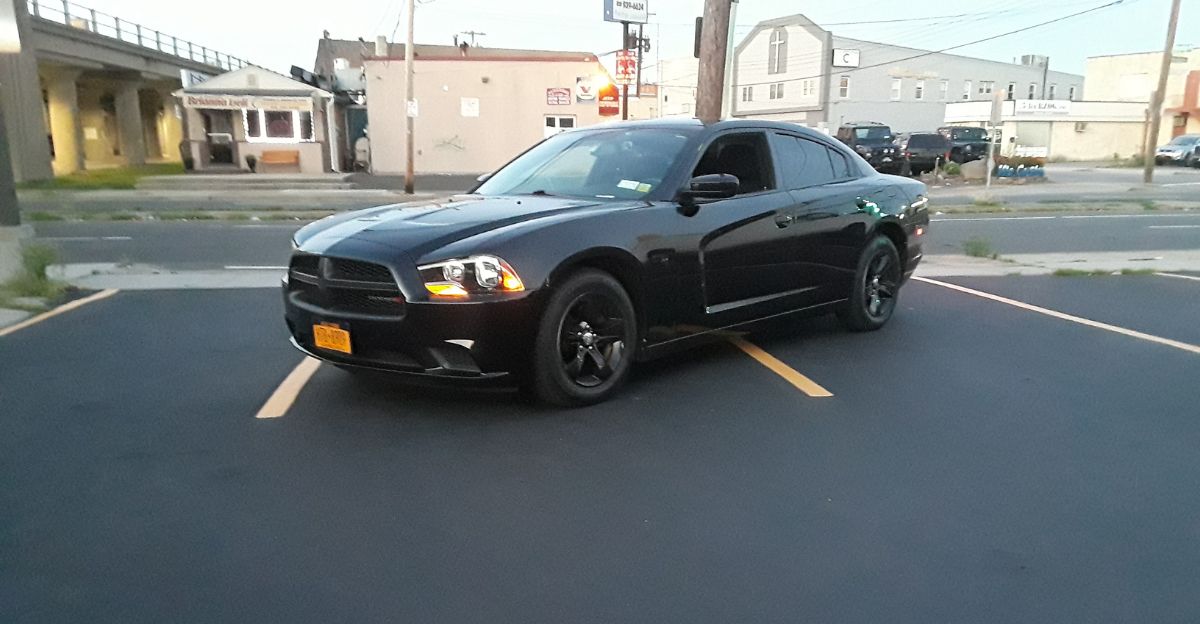
The Dodge Charger HEMI, a higher-performance variant of the Charger lineup, has 118 driver deaths per million. Even more striking is its record for deaths of people in other vehicles, at 164 per million, exceeding the other-driver toll of even some heavy-duty pickups. This pattern suggests that when powerful sedans are driven aggressively, the consequences extend well beyond their own occupants.
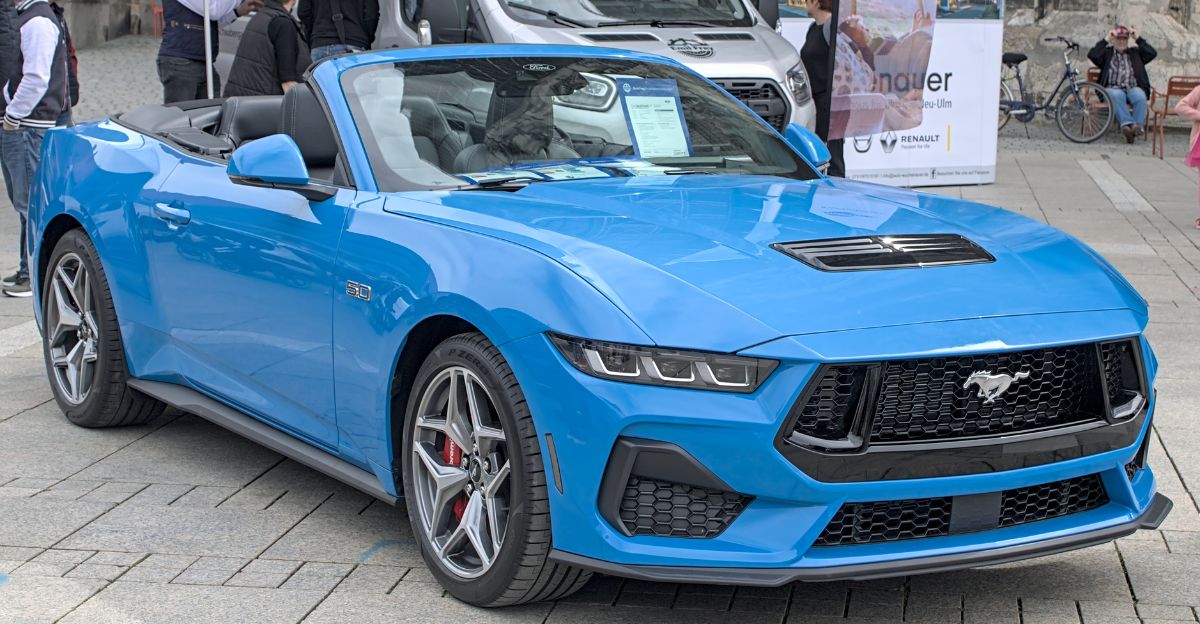
The Chevrolet Camaro appears twice. The convertible version has 113 driver deaths per million, while the coupe records 110. The open-top configuration, with less rollover protection than a fixed roof, adds vulnerability in certain types of crashes, particularly if the vehicle leaves the roadway. The Ford Mustang convertible, at 97 deaths per million, completes the picture of popular muscle convertibles that blend high power, enthusiastic driver bases, and structural compromises inherent to open-body designs.
Family sedans and small SUVs also at risk
Not all high-risk models are tiny compacts or performance cars. Several mainstream sedans and a small SUV also exceed the national driver death average, reminding buyers that not every midsize or taller vehicle guarantees strong protection.
The Nissan Altima, a widely sold midsize sedan, and the Chevrolet Camaro convertible both stand at 113 deaths per million. The Altima’s inclusion is notable because midsize sedans are often perceived as safer than smaller cars. However, many Altimas on the road are older models built before the broad rollout of modern crash-avoidance technologies such as automatic emergency braking and lane-keeping assistance.
The Kia Forte, a common compact sedan, records 111 driver deaths per million and also appears among models with the highest number of deaths inflicted on occupants of other vehicles, at 96 per million. This dual ranking points to a mix of vulnerability due to size and the potential for crashes involving higher speeds or more hazardous driving patterns.
The Hyundai Elantra (103 deaths per million), Chrysler 300 4WD (100), Chevrolet Malibu (91), and Dodge Charger 2WD (91) represent a range of budget and near-luxury sedans whose older designs or performance image put them on the more dangerous end of the spectrum. In the Chrysler’s case, a premium badge and comfortable interior do not necessarily translate into the type of cutting-edge structural engineering and electronic safeguards now seen in the safest luxury vehicles.
The Chevrolet Trax, a small SUV, registers 89 deaths per million. While larger SUVs often perform well in crash statistics, smaller crossovers like the Trax retain some of the vulnerabilities of compact cars. Their relatively low weight and shorter front structures can leave occupants at a disadvantage when colliding with full-size SUVs and trucks, challenging the common assumption that any SUV is safer than any car.
What the data say about safety gaps
Across these varied models, a consistent pattern emerges: vehicle size, structural design, and the presence of modern safety technologies all strongly influence driver survival, and so does the typical behavior of the people who choose certain types of vehicles. Luxury models, which tend to incorporate extensive safety engineering and advanced technology, average only 4 to 5 driver deaths per million registered vehicles, far below the rates seen in minicars and many muscle cars.
The IIHS and related research highlight that safety is not evenly distributed across the fleet. Budget vehicles often serve lower-income drivers who may have few alternatives, concentrating risk among people with the least ability to choose larger, newer, or better-equipped models. Performance-oriented cars, meanwhile, can amplify the consequences of poor driving decisions for both their occupants and those in other vehicles.
As manufacturers continue to expand advanced safety features into more price segments and update older platforms, death rates for future model years may fall. For now, the data on 2020 models underscore that choosing a vehicle remains one of the most consequential safety decisions a driver can make, with implications not only for themselves and their passengers but also for everyone else sharing the road.
Sources
Insurance Institute for Highway Safety (IIHS) Driver Death Rates Study 2023; IIHS vehicle fatality data by make and model (2020 model year vehicles, 2018-2021 crash years)
National Highway Traffic Safety Administration (NHTSA) Fatality Analysis Reporting System (FARS); Census of fatal motor vehicle crashes (50 states, 2018-2021 data)
IHS Markit Vehicle Registration Database; Vehicle population and registration data for death rate calculations per million registered vehicle years
IIHS Highway Loss Data Institute (HLDI) Research; Analysis of driver age and gender adjusted death rates and other-driver fatality statistics by vehicle model