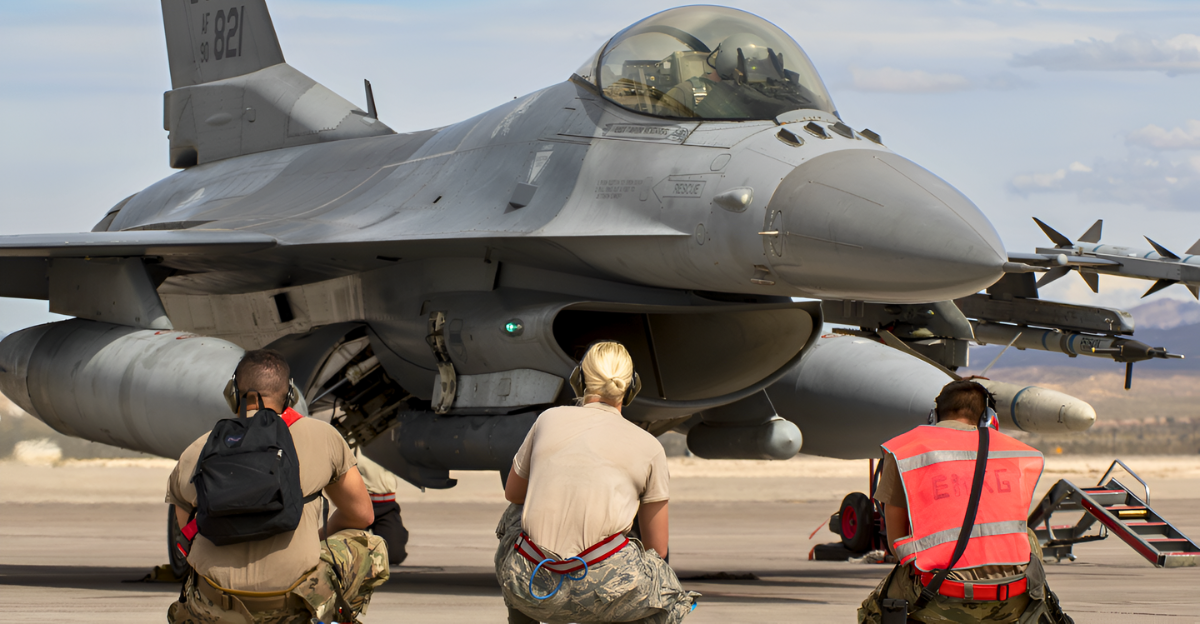
Modern aviation is full of incredible machines, but fighter jets capture the imagination like nothing else. They turn pilots into warriors of the sky, pushing speed, engineering, and human skill to the limit. From World War II heroes to stealthy modern jets, these aircraft mix power, precision, and art.
They inspire generations of aviators, dreamers, and engineers worldwide. Every pilot hopes to take the controls of one, feeling the thrill of speed and the pride of mastery in the skies.
From Early Biplanes to Supersonic Speed
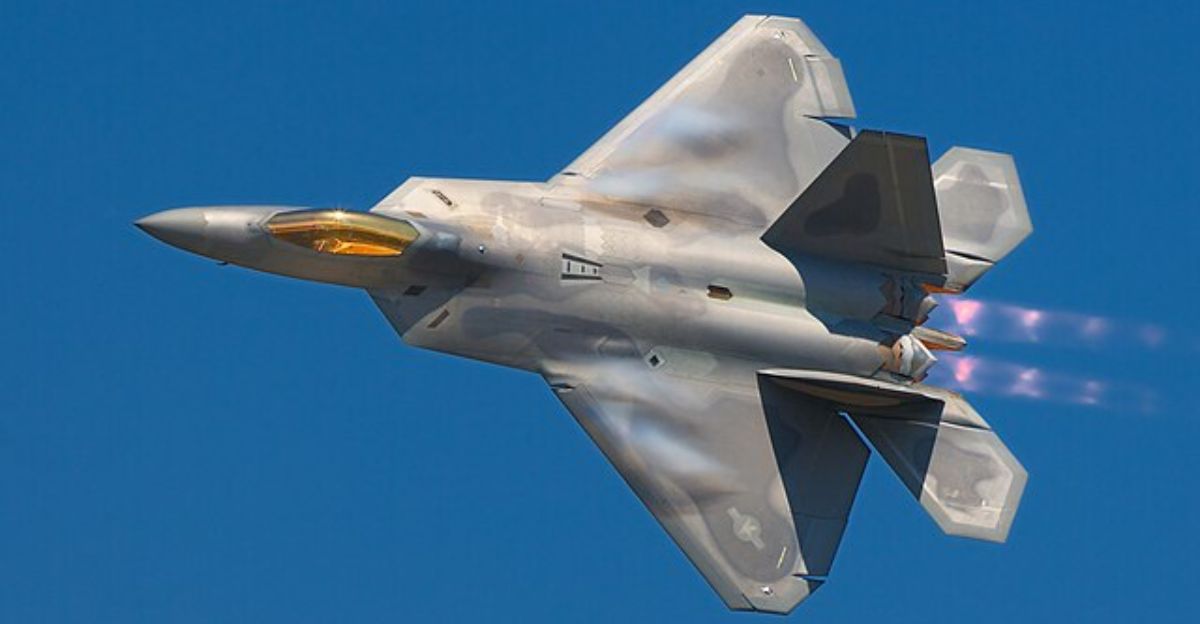
Aviation has changed dramatically from early biplanes to today’s supersonic fighters. Planes like the Standard E-1 flew just 100 mph, while modern jets like the F-22 Raptor exceed Mach 2.25, according to Lockheed Martin. Each generation learned from the last, building faster, stronger, and more capable aircraft.
This evolution shows humanity’s drive to dominate the skies. Understanding this history helps explain why fighter jets are so admired.
Why Pilots and Fans Love Jets
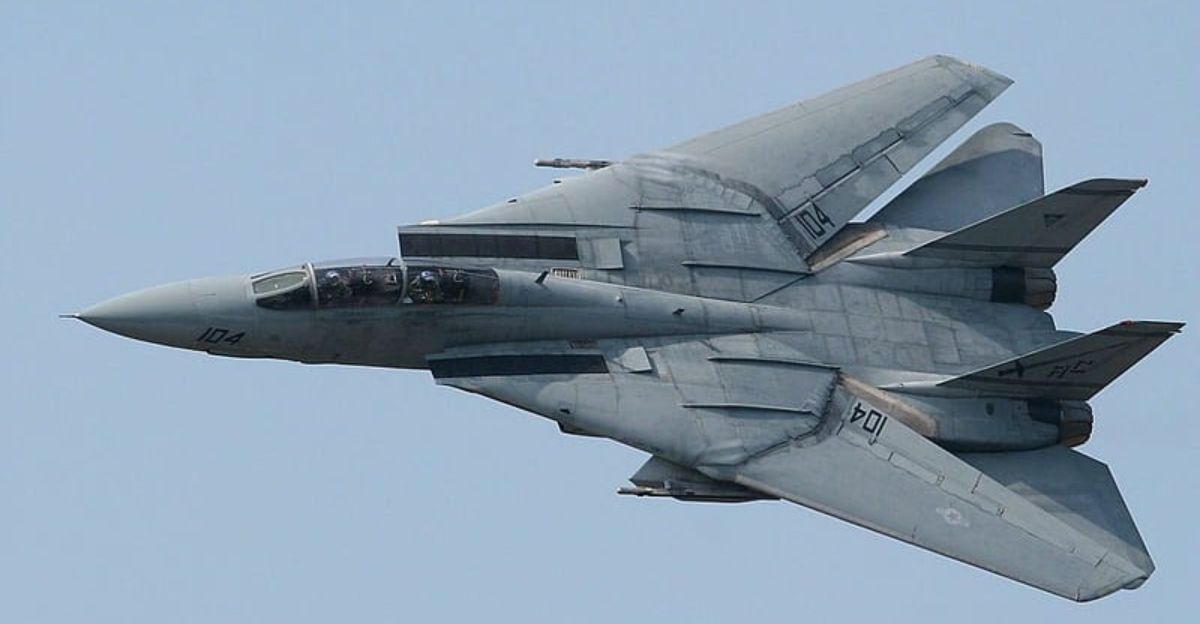
Fighter jets are more than machines; they symbolize courage, freedom, and innovation. Movies like Top Gun made the F-14 Tomcat a Hollywood legend, inspiring countless naval aviators, according to naval aviation analysis.
These aircraft show national pride while attracting new generations to aviation. They combine technical brilliance with drama and excitement. Understanding their appeal sets the stage for what makes a fighter jet truly “cool.”
What Makes a Fighter Jet Cool
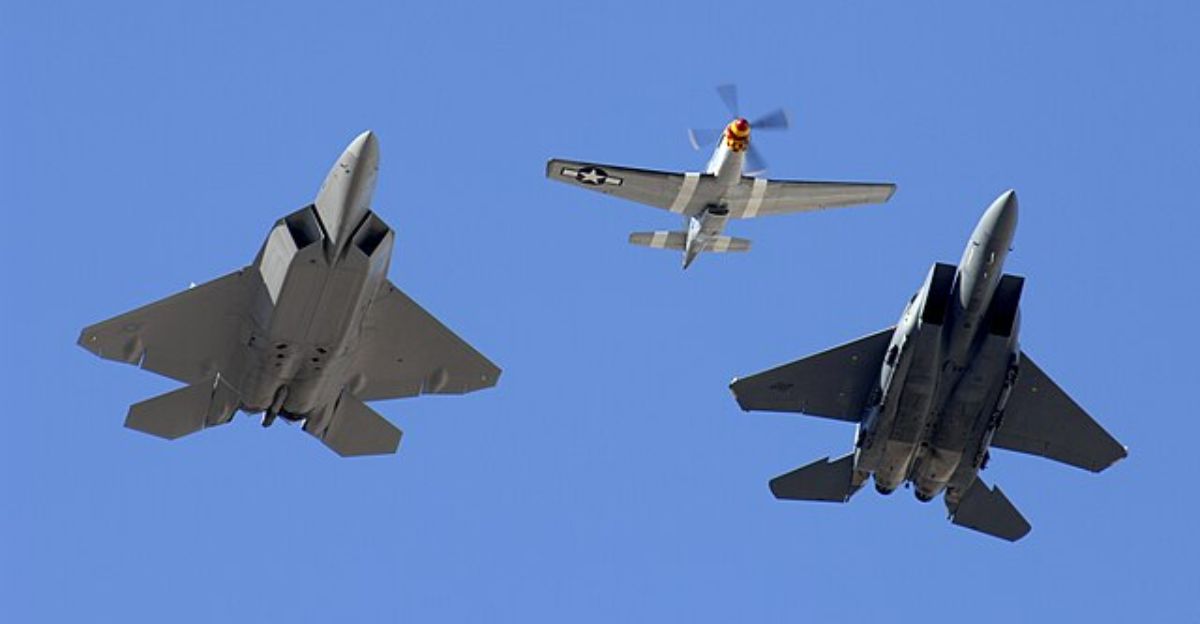
Speed, design, and combat performance define a fighter jet’s cool factor. The F-22’s radar cross-section is 0.0001 square meters, a “steel marble,” while the F-15 boasts 104 air-to-air victories with zero losses, according to Lockheed Martin and aviation sources.
Maneuverability counts too—the F-16 can pull 9-g turns per General Dynamics specifications. Cultural impact, historical achievements, and technical feats together create legendary status.
How We Picked the 11 Jets
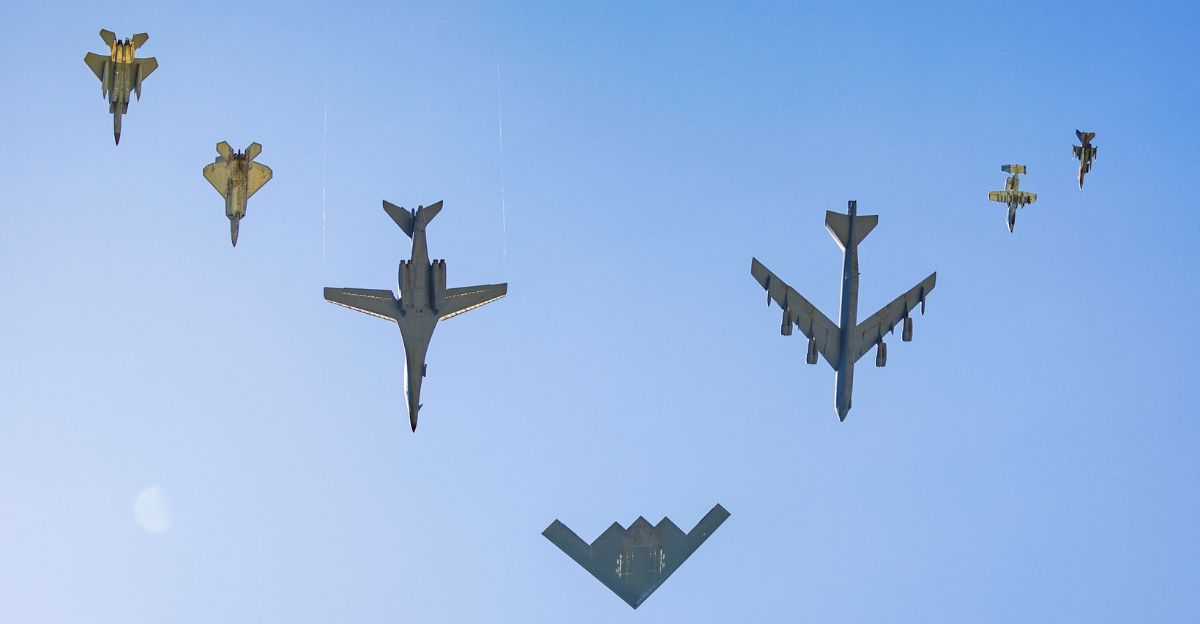
We focused on history, innovation, combat performance, and cultural influence. Speed records, kill ratios, design breakthroughs, and pop culture presence guided our choices.
Some picks may surprise, like including WWII propeller fighters alongside stealth jets. Each represents a moment where engineering exceeded expectations and created an extraordinary aircraft.
#1 – F-22 Raptor
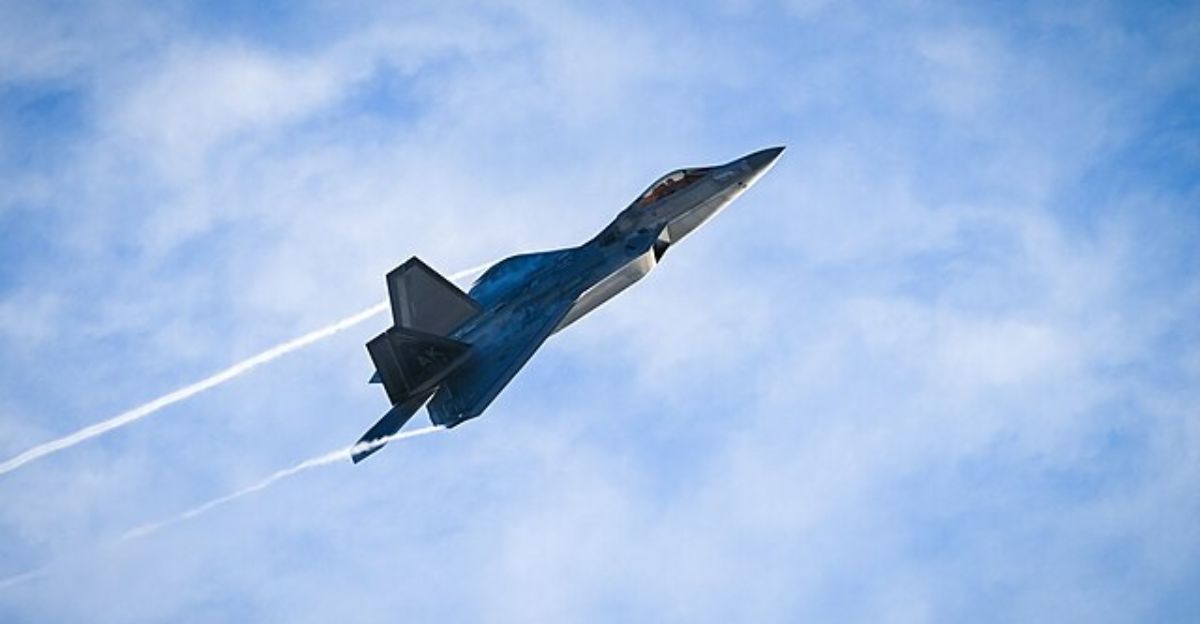
The F-22 Raptor combines stealth and unmatched performance. Lockheed Martin reports its radar cross-section is 0.0001 square meters, making it almost invisible to radar. It can supercruise at Mach 1.76 without afterburners.
Advanced sensors, thrust vectoring, and internal weapons give it total air superiority. This fifth-generation fighter dominates air combat and sets a benchmark for modern jets.
#2 – F-35 Lightning II
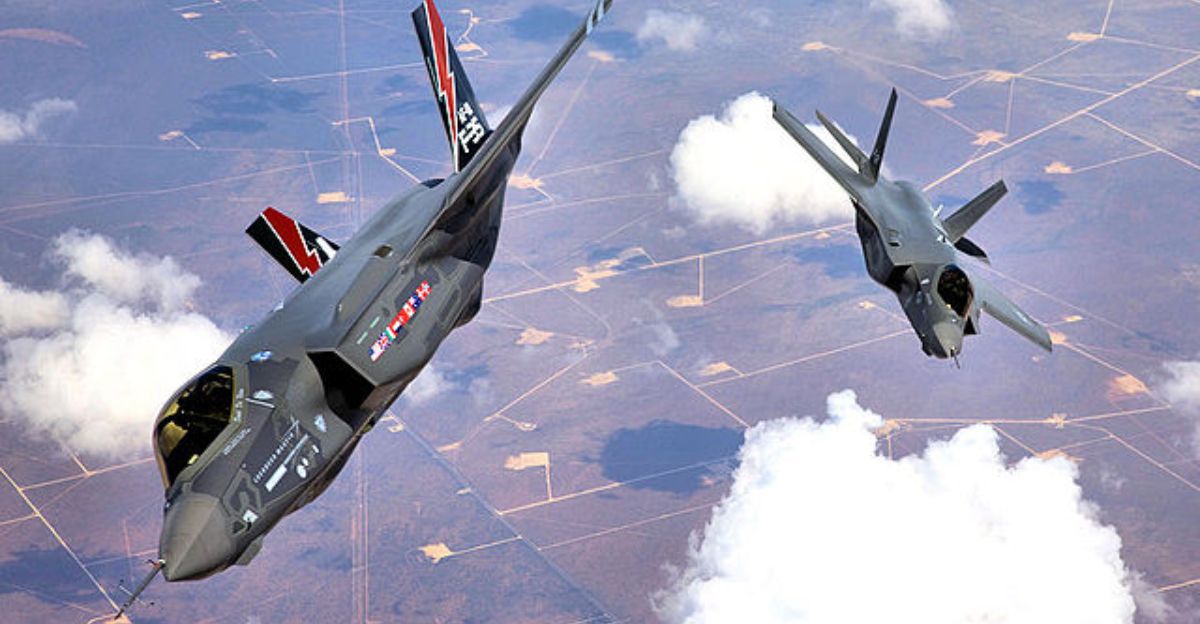
The F-35 is designed for versatility, replacing multiple aircraft types. Three variants serve different branches, though parts commonality is only 20–25%, according to Lt. General Christopher Bogdan’s 2016 testimony.
It features APG-81 radar and DAS sensors for 360-degree awareness and real-time data sharing. Despite controversy, the F-35 represents the future of multirole combat planes.
#3 – F-14 Tomcat
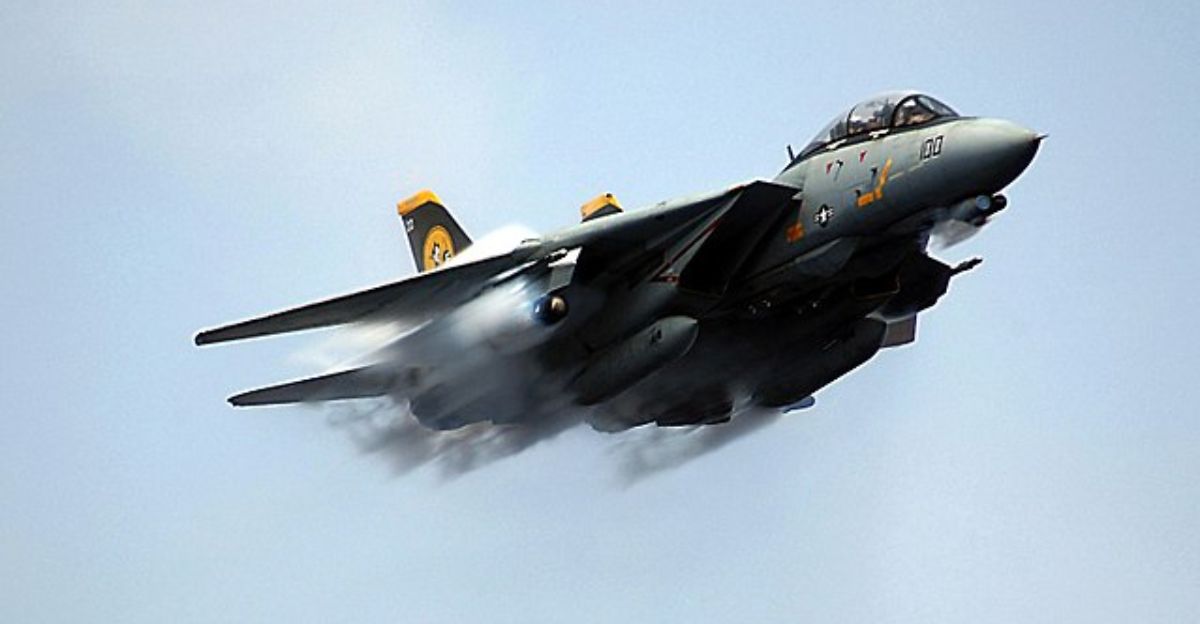
The F-14 used variable-sweep wings, adjusting from 20 to 68 degrees via the early Central Air Data Computer, designed 1968–1970, per Ray Holt documentation. It carried AIM-54 Phoenix missiles capable of hitting targets over 90 miles away.
Its carrier-protection role lasted three decades. Top Gun cemented the F-14 as an icon.
#4 – P-51 Mustang
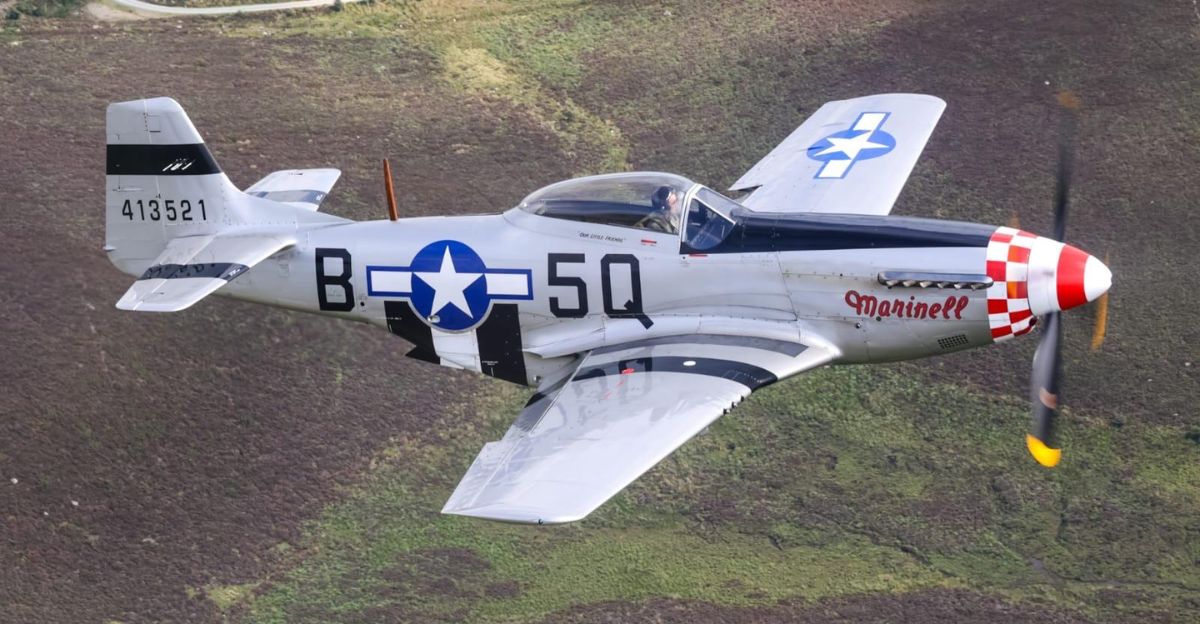
The P-51 Mustang changed the air war in Europe. Upgraded with Rolls-Royce Merlin engines, it reached 440 mph and flew over 1,155 miles without drop tanks, according to Britannica.
It escorted bombers, reducing losses and crippling Nazi industry. This long-range fighter accelerated the end of World War II..
#5 – F-15 Eagle
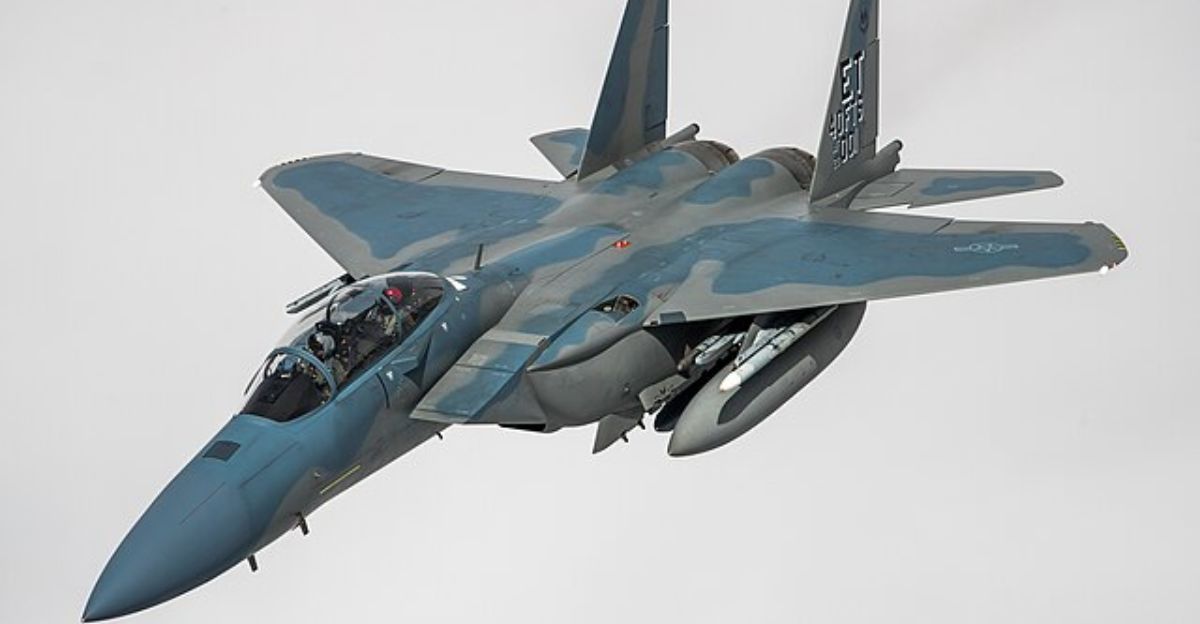
The F-15 has 104 air-to-air victories with zero losses. Twin Pratt & Whitney F100 engines produce nearly 50,000 pounds of thrust, letting it climb vertically and maneuver at high speed, according to multiple aviation sources.
Advanced avionics keep pilots dominant in air combat. This unmatched record makes the Eagle a true legend.
#6 – F-16 Fighting Falcon
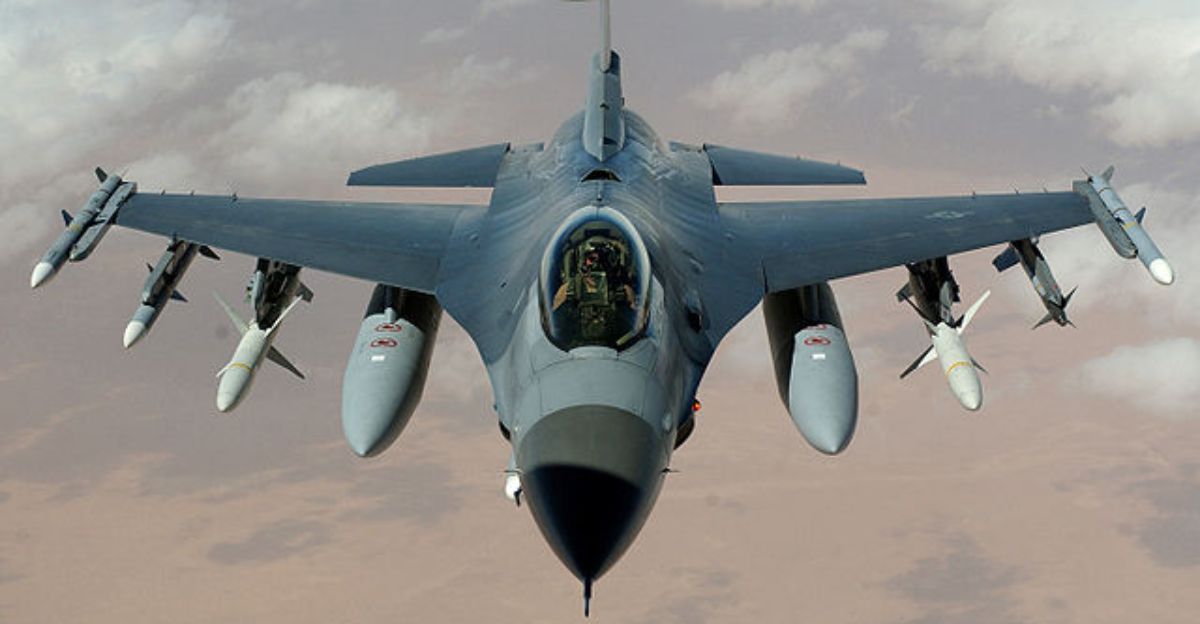
The F-16 uses fly-by-wire controls and relaxed stability to pull 9-g maneuvers, per General Dynamics. Its bubble canopy and reclined seat help pilots endure high forces.
This single-engine fighter combines performance, affordability, and versatility. It became a global success and favorite among pilots.
#7 – F/A-18 Hornet
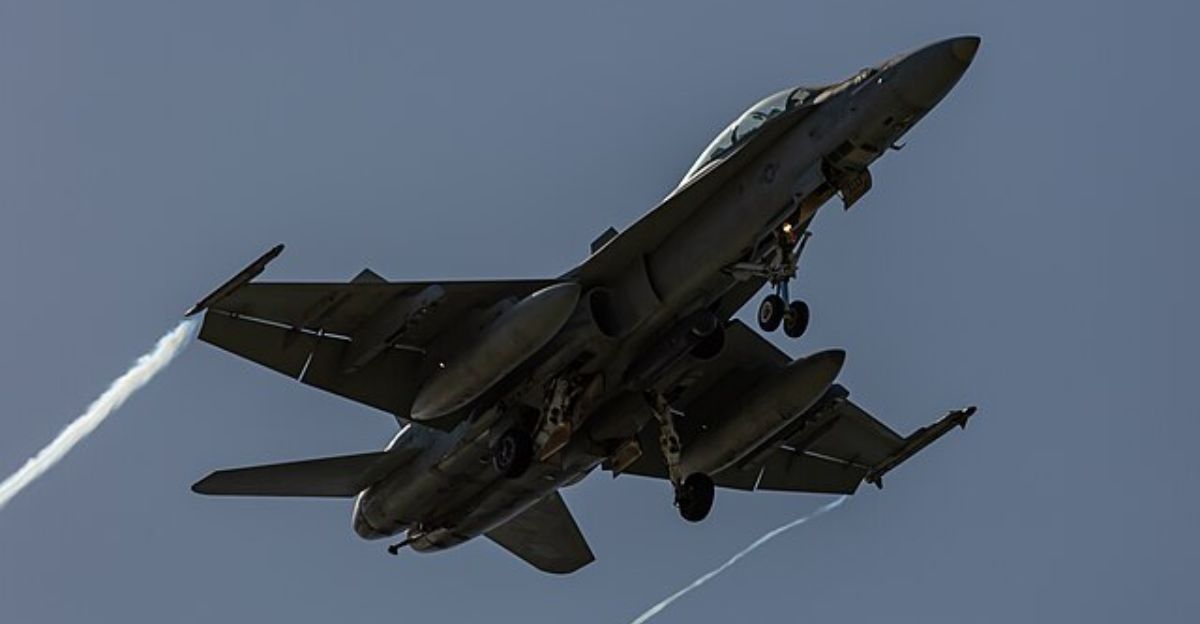
The F/A-18 performs air-to-air and air-to-ground missions from aircraft carriers. Advanced avionics let a single pilot manage complex weapons. According to the Naval History and Heritage Command, Blue Angels have flown Hornets since 1987.
These jets can return to combat within 72 hours of air shows, according to Blue Angels documentation. Their combination of speed and versatility makes them a carrier favorite.
#8– F-117 Nighthawk
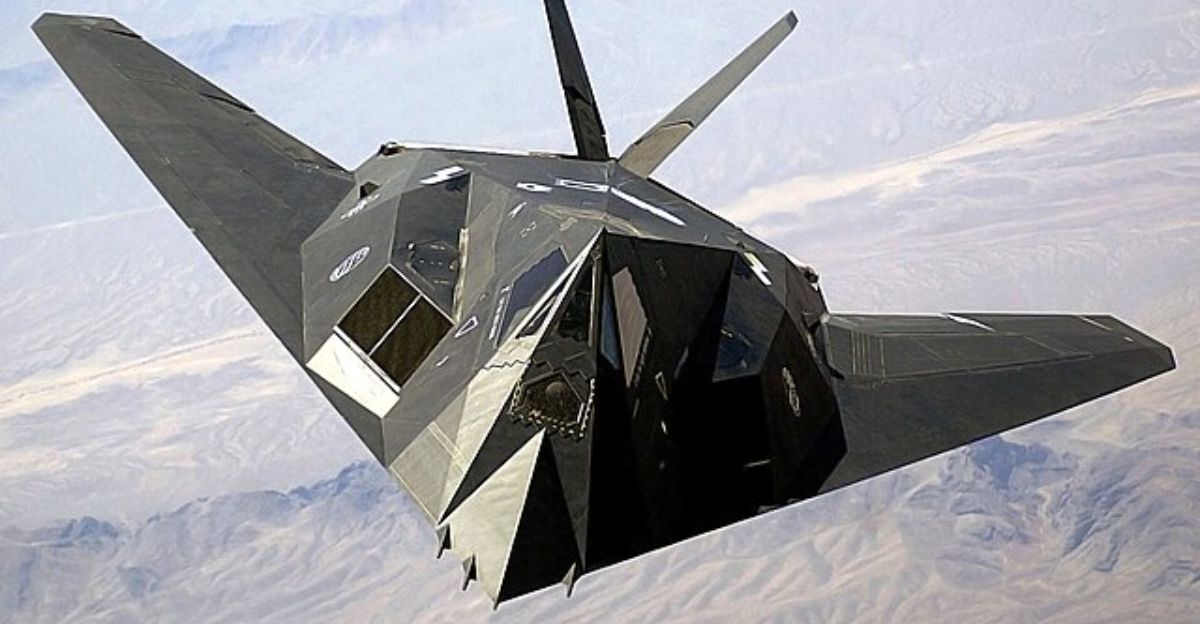
The F-117 introduced operational stealth, with faceted surfaces and radar-absorbing materials. Analyses report a radar cross-section around 0.001 square meters. Developed secretly by Lockheed Skunk Works, it changed aerial warfare.
It flew only at night initially and proved stealth in the Gulf War. Retired in 2008, the Nighthawk paved the way for modern stealth aircraft.
#9 – F-104 Starfighter
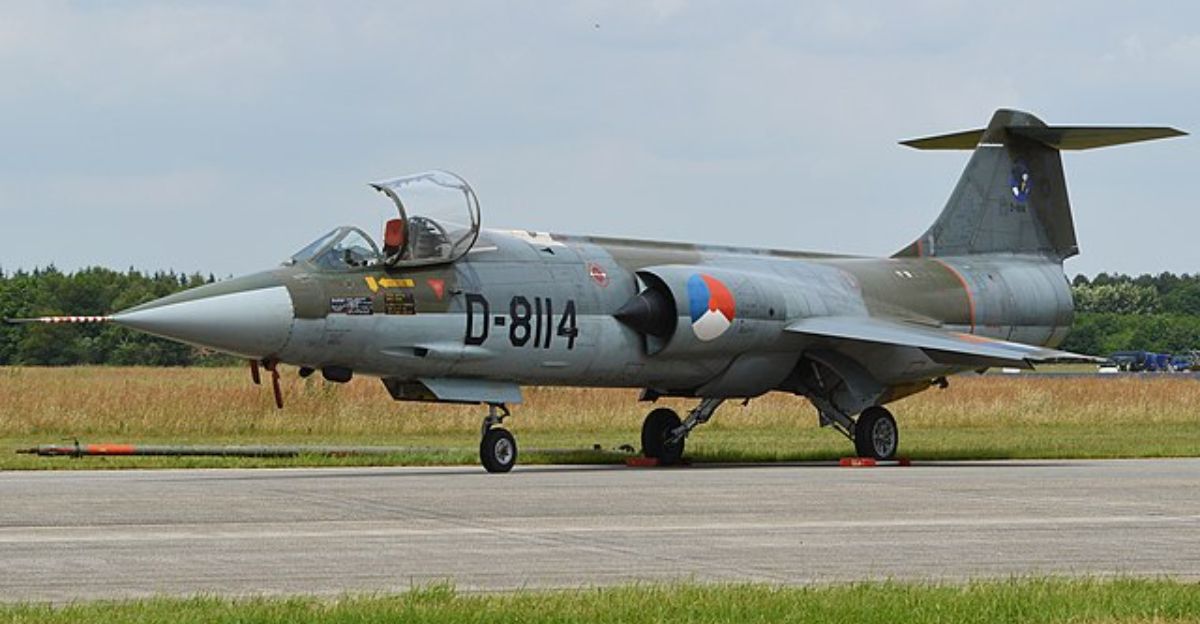
The F-104’s nickname comes from its tiny wings and needle-like fuselage. National Air and Space Museum documents show it was the first fighter to sustain Mach 2 flight and set multiple speed and altitude records.
Its sharp wings required protective covers for ground crews. Though service records were mixed, it represented raw speed and technological ambition.
#10 –A-10 Thunderbolt II
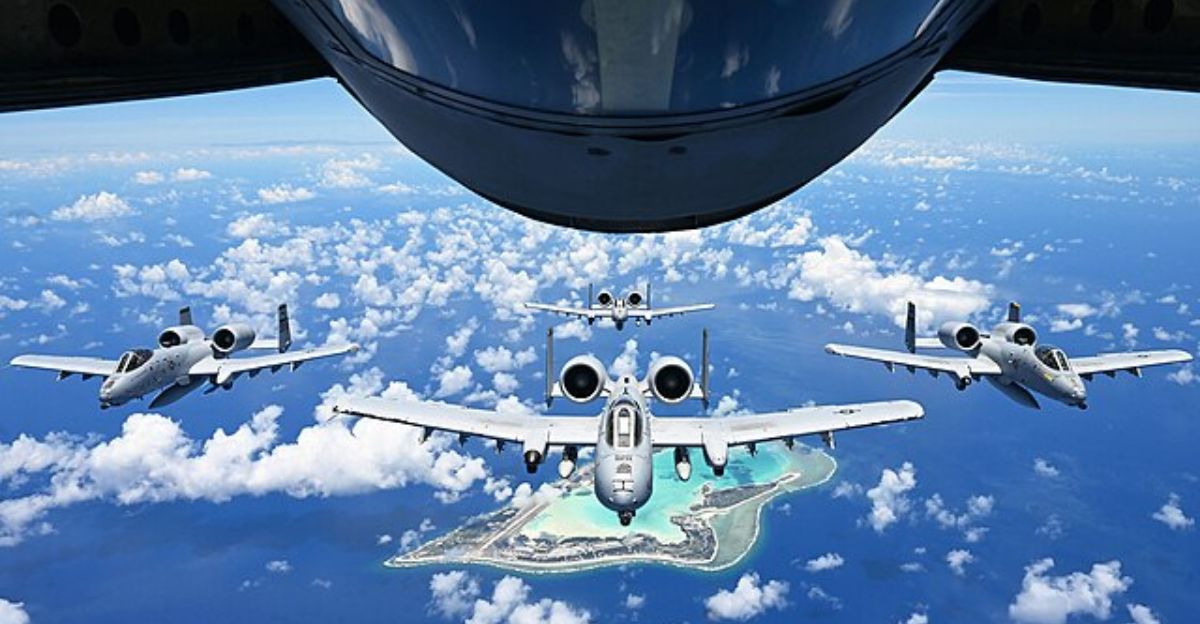
The A-10 Thunderbolt II is built around a massive 30mm GAU-8 Avenger cannon, not speed. Its top speed is just 439 mph, but its cockpit has 1,200 pounds of titanium armor and survives hits from 23mm rounds.
It can operate from short, rough runways and is nearly indestructible in combat. Ground troops call it a guardian angel. This slow but tough plane breaks conventional fighter rules.
#11 – F-86 Sabre: The MiG Killer
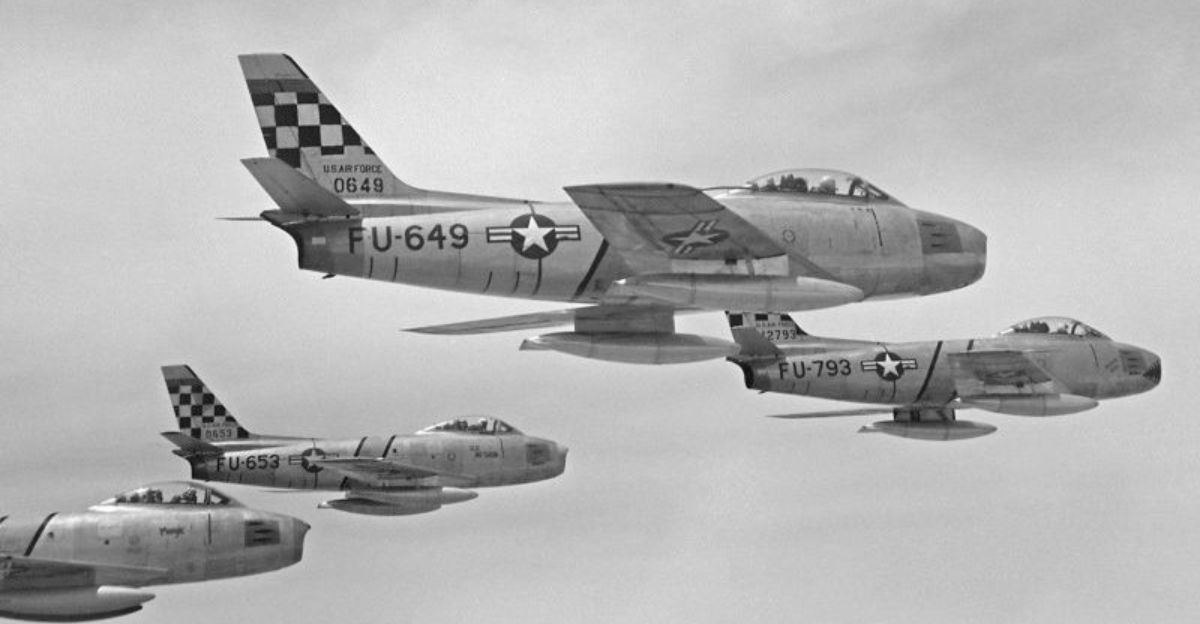
The F-86 Sabre was America’s first swept-wing jet, reaching 678 mph and achieving a 10:1 kill ratio against MiG-15s in Korea, with 762 kills according to Hill Aerospace Museum.
Its wing design and powered controls gave superior maneuverability. With 9,860 units built, it’s the most-produced Western fighter. The Sabre set the template for modern jet air combat.
Tech That Pushes Pilots to the Edge
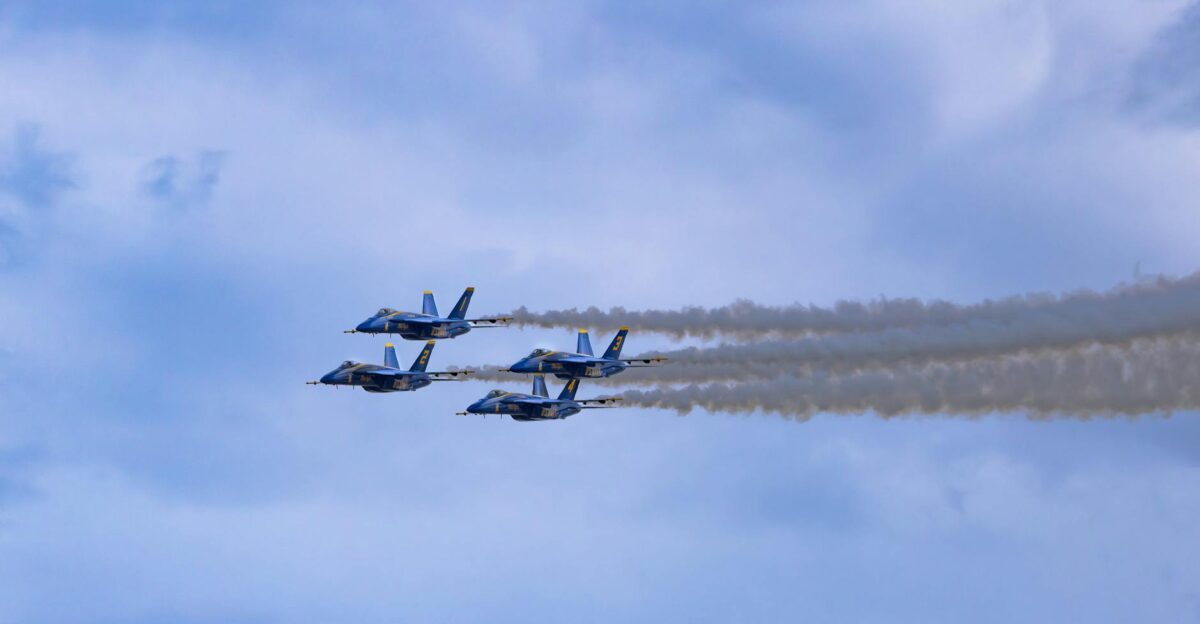
Modern jets use fly-by-wire systems, advanced sensors, and AI to extend pilot capabilities. G-suits and special training help pilots endure extreme forces, according to FAA acceleration studies.
Helmet displays and sensor fusion reduce workload while increasing awareness. These technologies push human and machine limits, letting pilots perform maneuvers once thought impossible.
Why Fighter Jets Still Fascinate
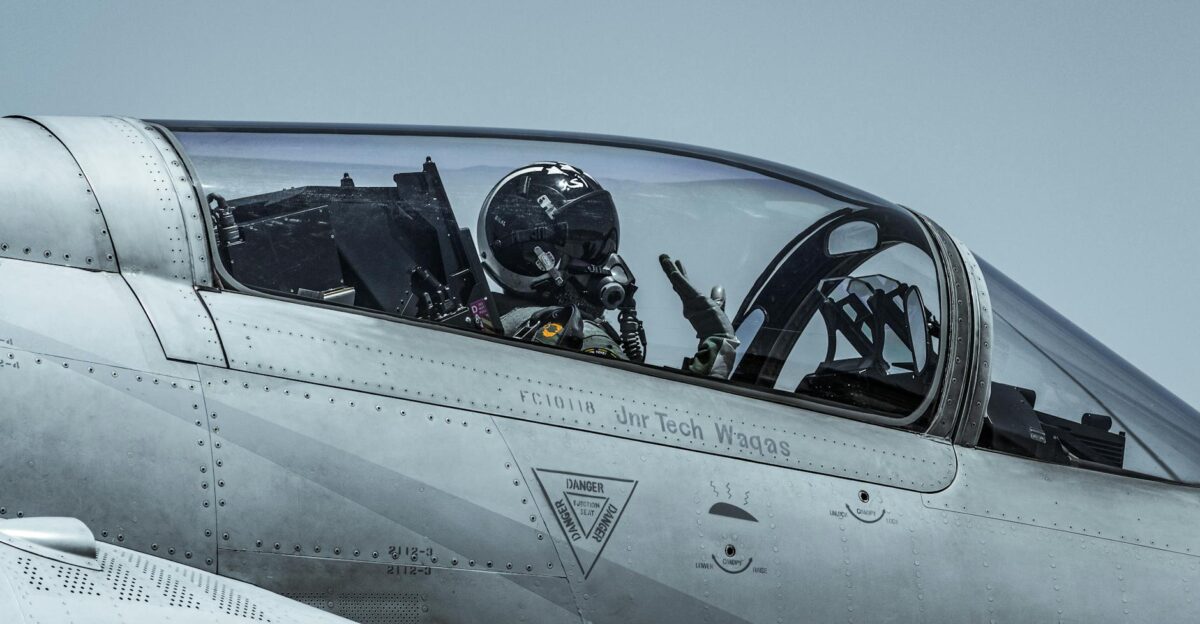
Fighter jets combine cutting-edge engineering with the dream of flight. Air shows, movies, and military demonstrations inspire new generations, according to aviation culture analyses.
Their influence goes beyond combat, shaping aerospace design and inspiring scientific careers. Fighter jets remain symbols of national power, engineering skill, and the human urge to conquer the skies.
What Makes These Jets Unforgettable
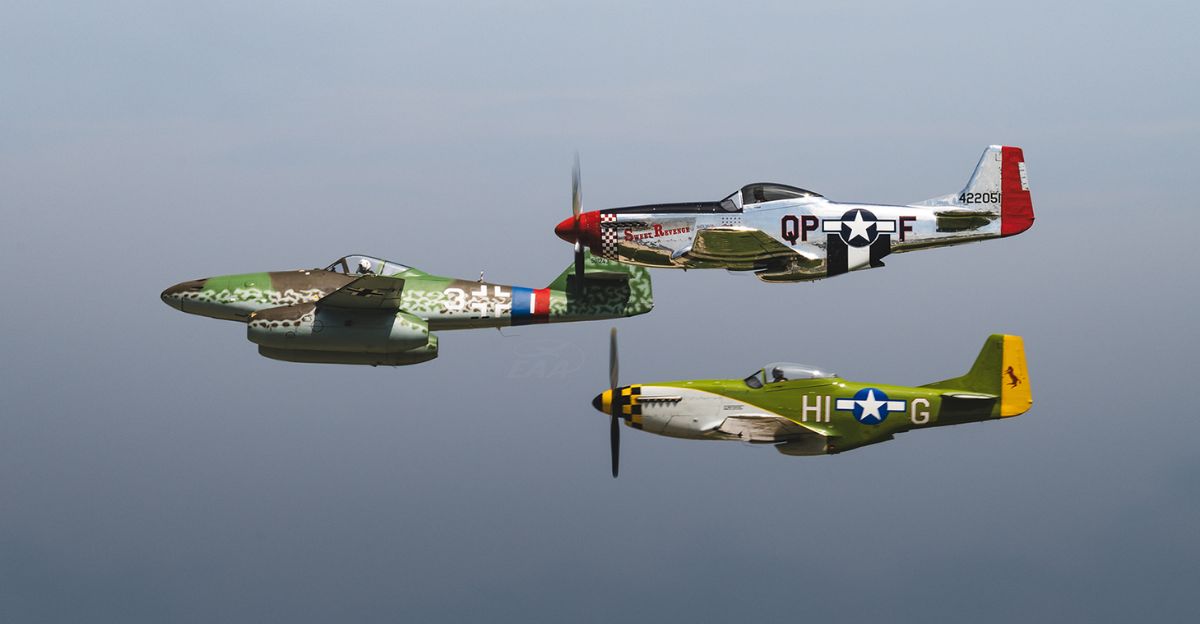
These eleven jets are famous for combat performance, speed, and cultural impact. Movies, air shows, and historical achievements have cemented their status worldwide.
They demonstrate engineering breakthroughs and push human skill to new heights. Each aircraft combines technology, bravery, and innovation, leaving a lasting legacy in aviation history. Finally, we close by celebrating their legend.
Soaring Into Aviation Legend
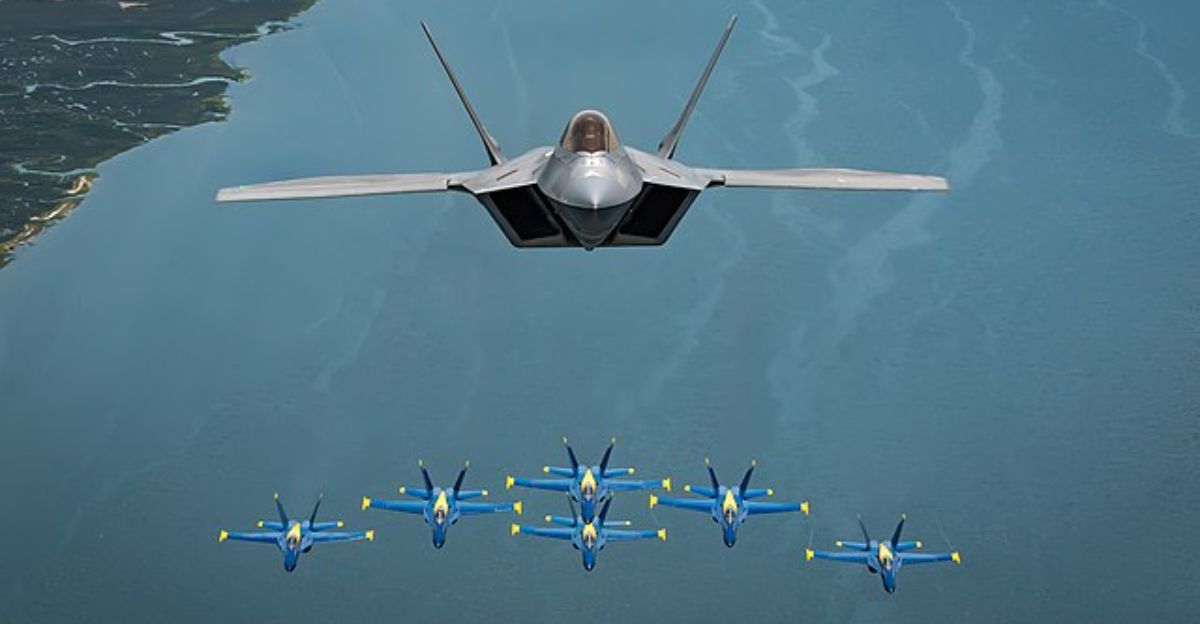
From the P-51 Mustang to the F-22 Raptor, these jets show humanity’s drive to master the skies. They embody courage, creativity, and technical brilliance while inspiring imaginations globally.
Through combat, culture, and innovation, they remain unmatched in air history. These legendary fighters prove the sky belongs to those bold enough to fly. Every pilot dreams of them, and every aviation fan remembers their incredible stories and unmatched achievements.