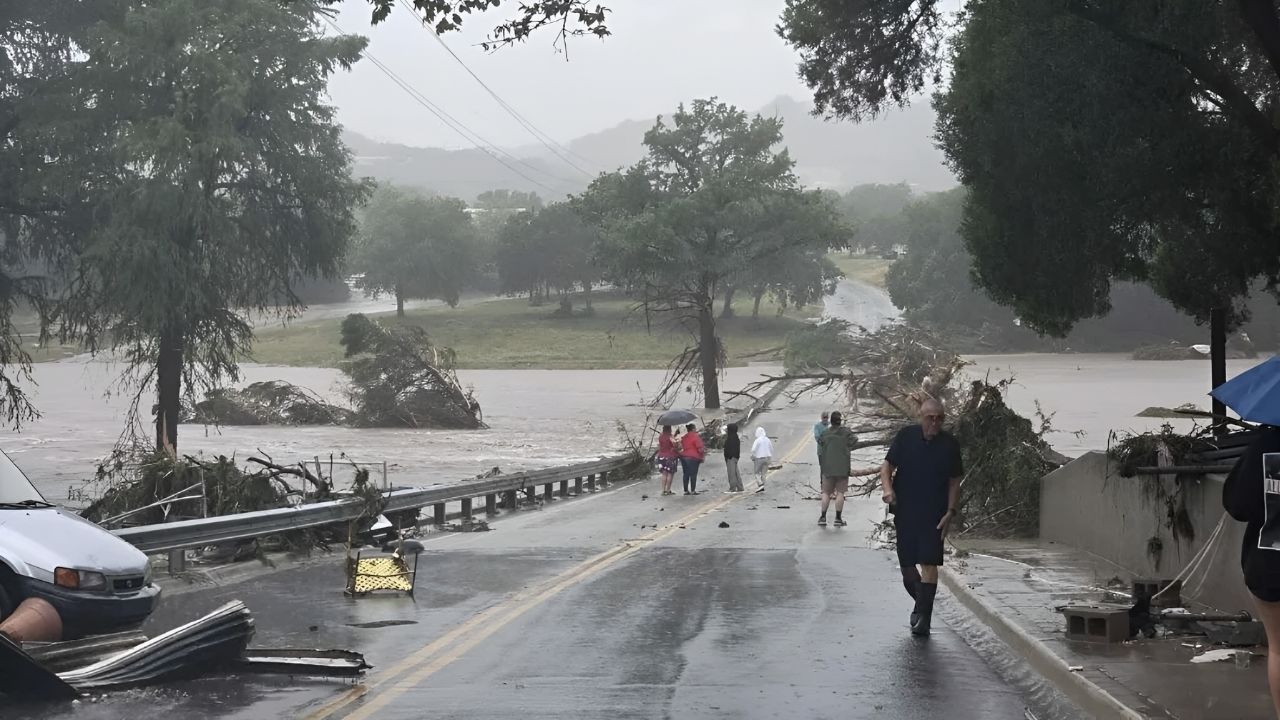
Many U.S. cities are confronting a major problem: the growing overlap between natural disasters, large populations, and old infrastructure. According to the federal National Risk Index, some areas are especially vulnerable because they face several types of disasters at once.
As climate change brings stronger storms, hotter temperatures, and rising seas, and as cities’ roads, bridges, and utilities continue to age, the need for serious disaster preparation becomes more urgent. How well a community can prepare for, withstand, and recover from disasters is no longer optional but necessary.
South Gate, California: A City Under Multiple Threats
South Gate, California, ranks highest on the National Risk Index for combined disaster threats. Its residents live with the constant possibility of wildfires, floods, earthquakes, and extreme heat. Because the city is densely populated and filled with older buildings and infrastructure, even a single disaster can cause far-reaching damage. When several occur close together, the situation becomes critical.
Frequent flooding and longer heat waves have already revealed weaknesses in South Gate’s water systems and energy networks. Earthquakes remain a constant worry for its aging buildings and narrow roads, and emergency services often struggle to keep up.
For South Gate, a safer future depends on investing in stronger infrastructure, like upgrading buildings to withstand earthquakes, improving drainage systems to prevent flooding, and modernizing the power grid. These fixes must work together, addressing how different disasters can occur one after another or even overlap.
Compton and Cicero: Dense Cities, Diverse Dangers
Compton, California, is second on the list, facing many of the same challenges as South Gate. Earthquakes, extreme heat, and floods all pose serious threats. The city’s crowded neighborhoods and older facilities make it difficult to recover quickly after a disaster. When multiple hazards strike at the same time, like heatwaves followed by power failures, resources can become stretched too thin. To stay safe, Compton must strengthen essential systems like transportation, energy, and emergency services so they can keep functioning when disasters hit.
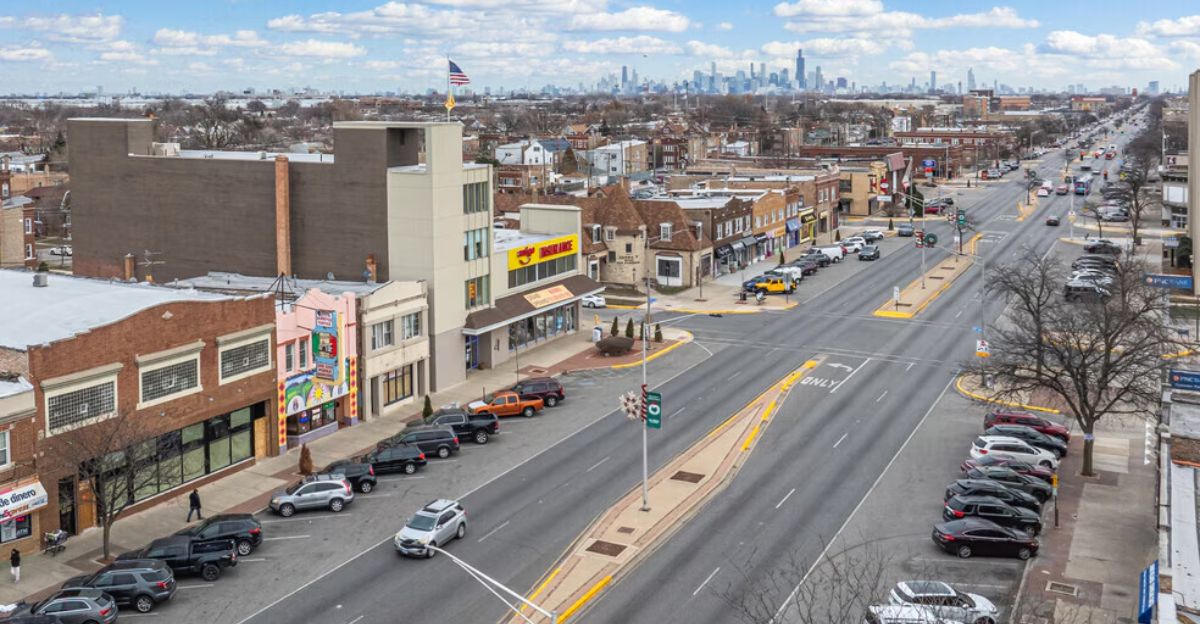
Cicero, Illinois, ranked third, shows that these issues are not limited to the West Coast. This city near Chicago faces tornadoes, floods, and heatwaves, all made worse by its dense development and outdated infrastructure. Disasters can happen close together, compounding damage and delaying recovery.
For Cicero, the lesson is clear: cities need strong building codes, well-maintained drainage systems, and flexible disaster plans that prepare for multiple kinds of emergencies, not just the ones that happen most often.
Suburban Cities Share the Risk
It’s not only large cities that are vulnerable. Suburban areas like Bellflower, California, face many of the same challenges but often get less attention and fewer resources. Bellflower is at risk from wildfires, floods, and rising temperatures. Its older infrastructure and smaller emergency departments add to the danger. For suburbs like Bellflower, careful planning is key, like building flood barriers, maintaining backup power sources, and training first responders for multi-hazard situations.
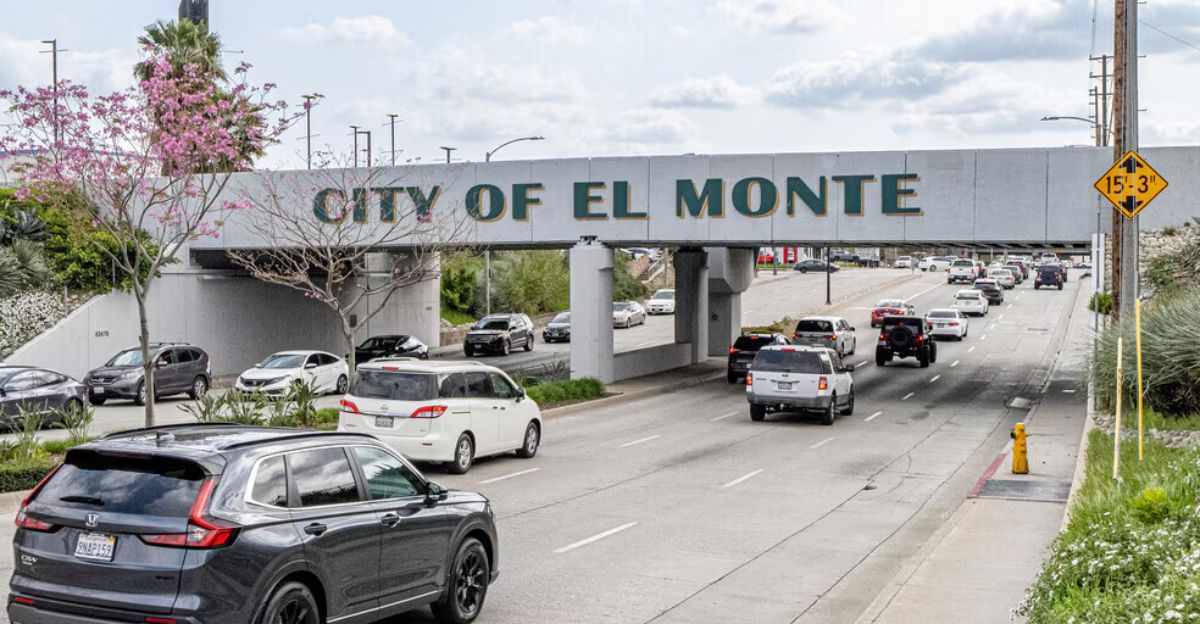
Hawthorne, another California city, faces similar pressures from flooding and heat. Its experience shows that being inland does not guarantee safety. Stronger construction rules and more reliable energy systems are essential to keep people safe. El Monte, also in California, deals with floods and heatwaves that can happen close together.
Limited response capacity means the city could struggle during overlapping disasters. For these communities, success will depend on proactive local leaders who invest in early warning systems, emergency training, and infrastructure upgrades before crises happen.
Coastal and Inland Challenges
Coastal communities such as Miami Gardens, Florida, face a different but equally serious combination of risks. Hurricanes, flooding, and extreme heat are constant threats. As sea levels rise, the city must strengthen flood defenses with sea walls, upgrade drainage systems, and provide clear evacuation routes. Planning for resilience also means using climate-smart building materials and encouraging sustainable construction that can withstand strong winds and heavy rain.
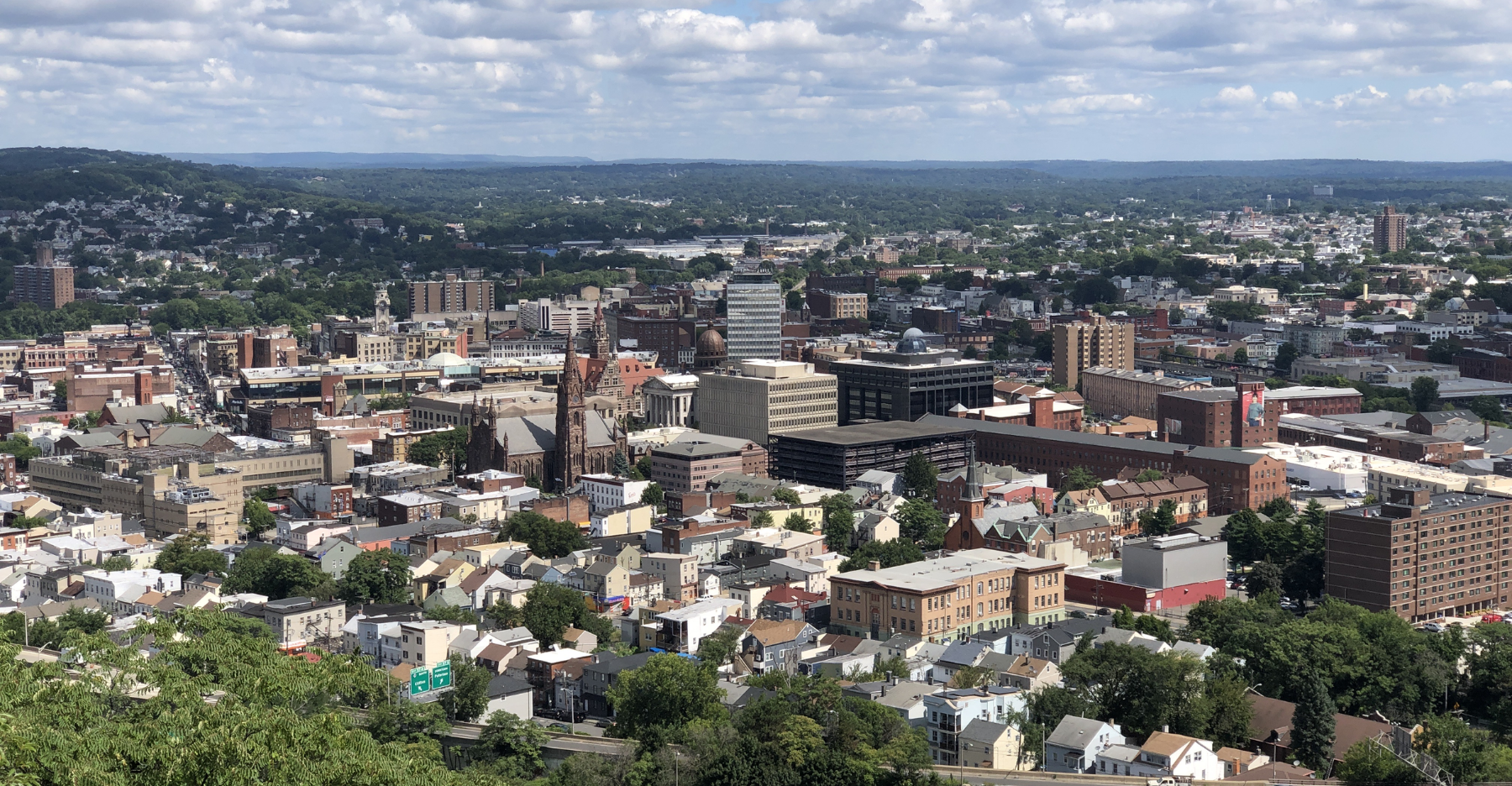
Inland cities are not safe either. Paterson, New Jersey, often faces flooding and extreme heat while dealing with older water systems and crowded neighborhoods. These conditions can lead to a chain reaction of problems when one system fails. Paterson can reduce its vulnerability by investing in stormwater management, sewer upgrades, and diverse power supplies, helping protect residents from the worst effects of future disasters.
El Cajon, California, represents another kind of challenge. Here, floods and wildfires can happen back-to-back, leaving emergency responders with little time to recover between events. The key for El Cajon and many similar cities is coordinated disaster planning. Connecting housing, transportation, energy, and emergency systems helps ensure that when one part of the city is hit, the rest can support recovery.
Preparing for a Resilient Future
The cities identified by the National Risk Index have one thing in common: their dangers come not only from nature, but from how people live and build. High population density, aging infrastructure, and limited preparedness make overlapping disasters more destructive. As climate change accelerates, these factors will matter even more.
Building resilience means more than repairing damage after storms or earthquakes. It requires long-term investment in sturdy infrastructure, coordination between city departments, and strong community involvement. When cities prepare together and plan for the unexpected, they can protect their residents, recover faster, and thrive in a changing world.