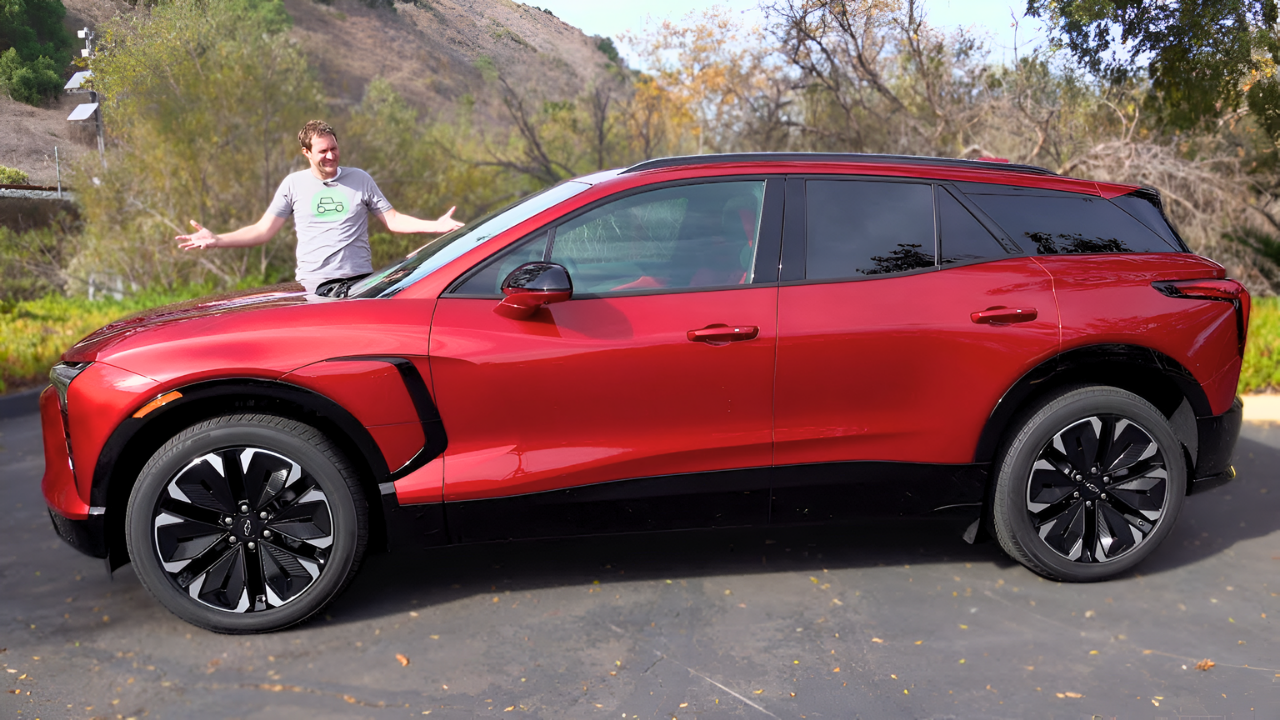
The SUV market experienced a surge in 2025, but quality fell behind demand. Fifty-two percent of Americans now drive SUVs, yet reliability scores hit historic lows. From brake failures to battery fires, these vehicles reveal engineering failures disguised as luxury solutions.
This guide ranks ten models with catastrophic reliability ratings, showing what buyers should avoid.
SUV Market Surges, Reliability Falls
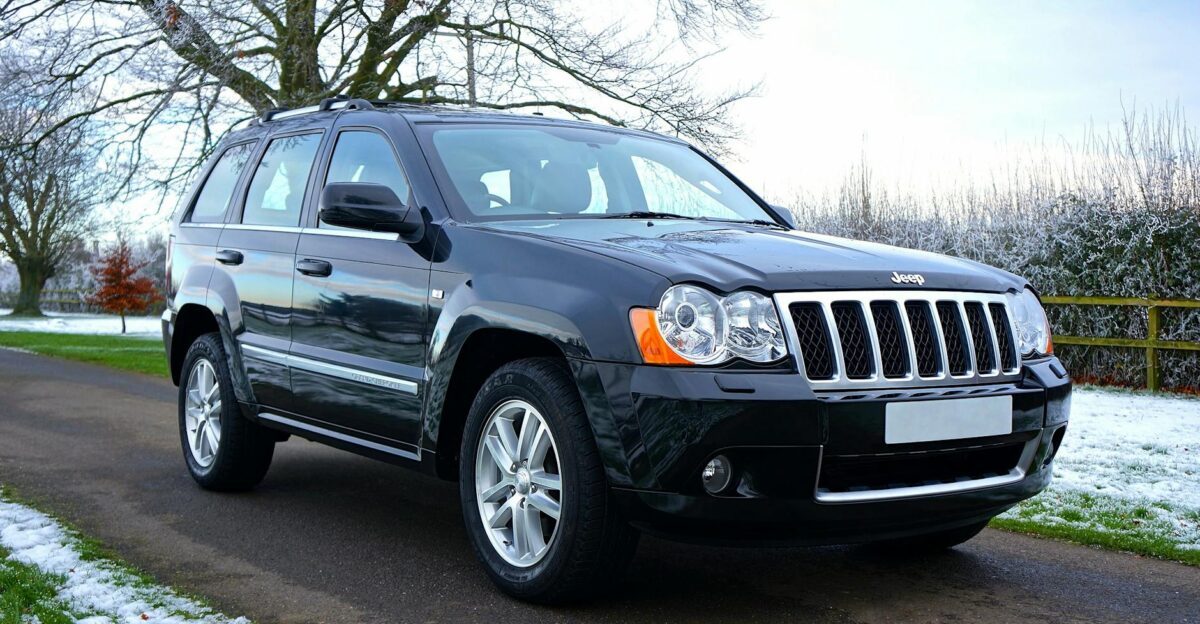
SUVs now account for 52% of U.S. vehicle sales, yet their dependability has dropped sharply year-over-year. Manufacturers rushed electrified powertrains to market without proper testing. Traditional gas engines also suffered quality degradation across multiple brands.
Consumer Reports documented the worst reliability year for SUVs since tracking began. Systemic failures threaten uninformed buyers, hinting at disasters in specific models ahead.
Luxury Isn’t a Guarantee
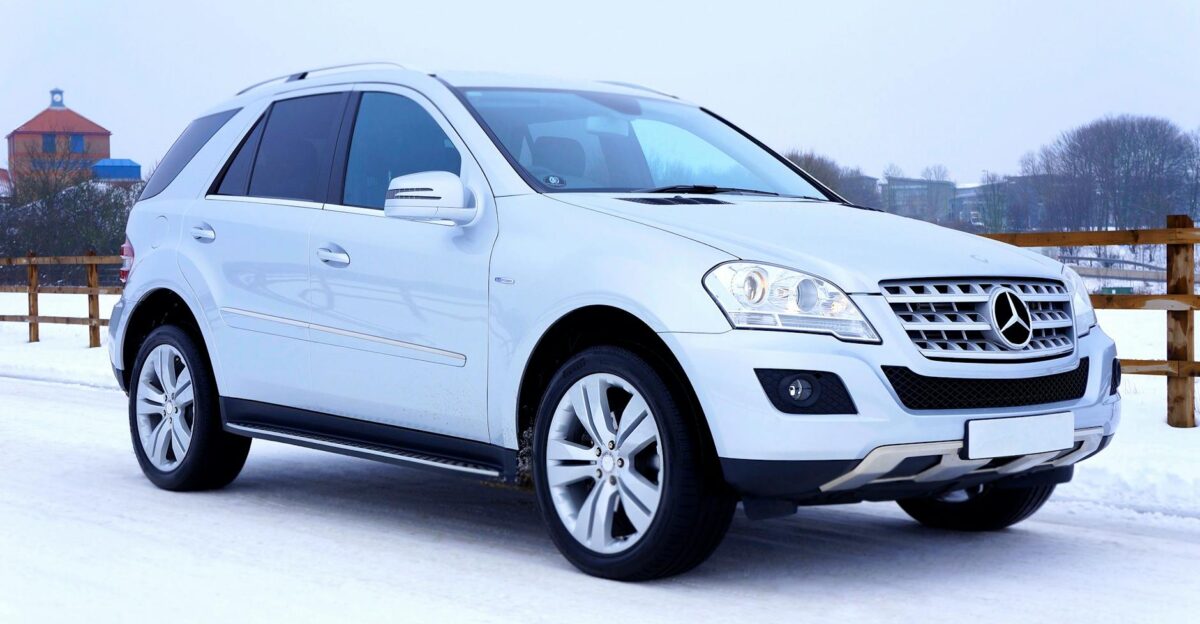
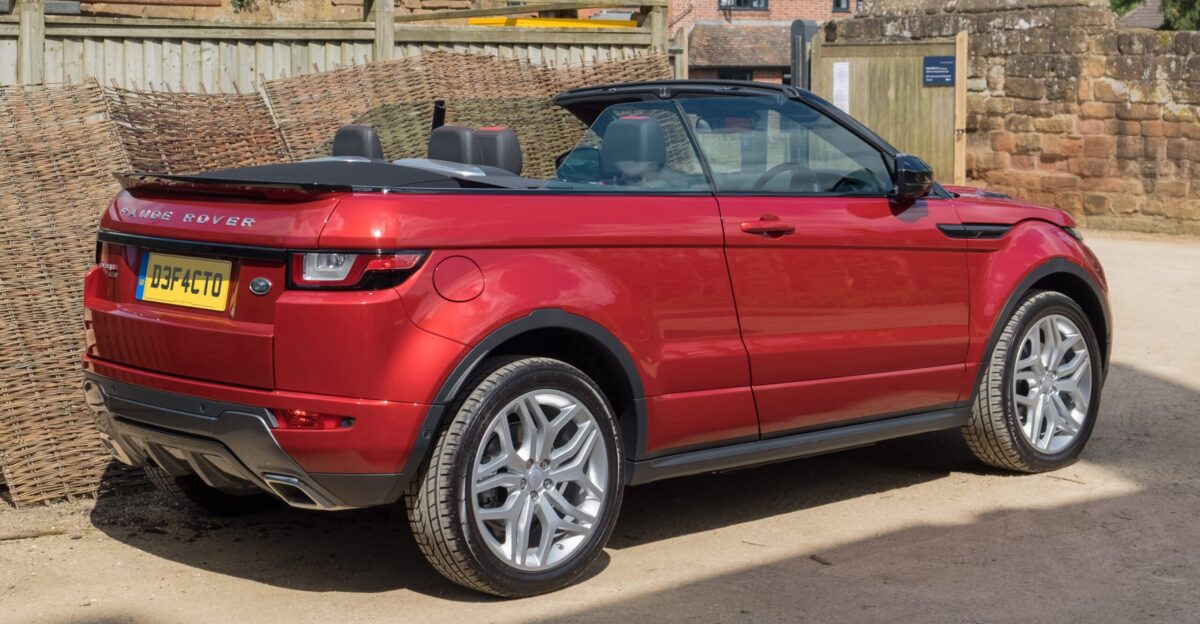
High pricing does not ensure dependable engineering. Cadillac Lyriq ($60,000+) scored 53/100, Jeep Wagoneer ($60,000+) only 22/100, and Range Rover Evoque ($49,900) accumulated 12 recalls in its first year.
Premium leather deteriorates, infotainment systems malfunction, and repeated visits to the dealer frustrate owners. Luxury buyers discover wealth cannot buy reliability, with many models in our top 10 exemplifying this disconnect.
EVs and Hybrids Underperform
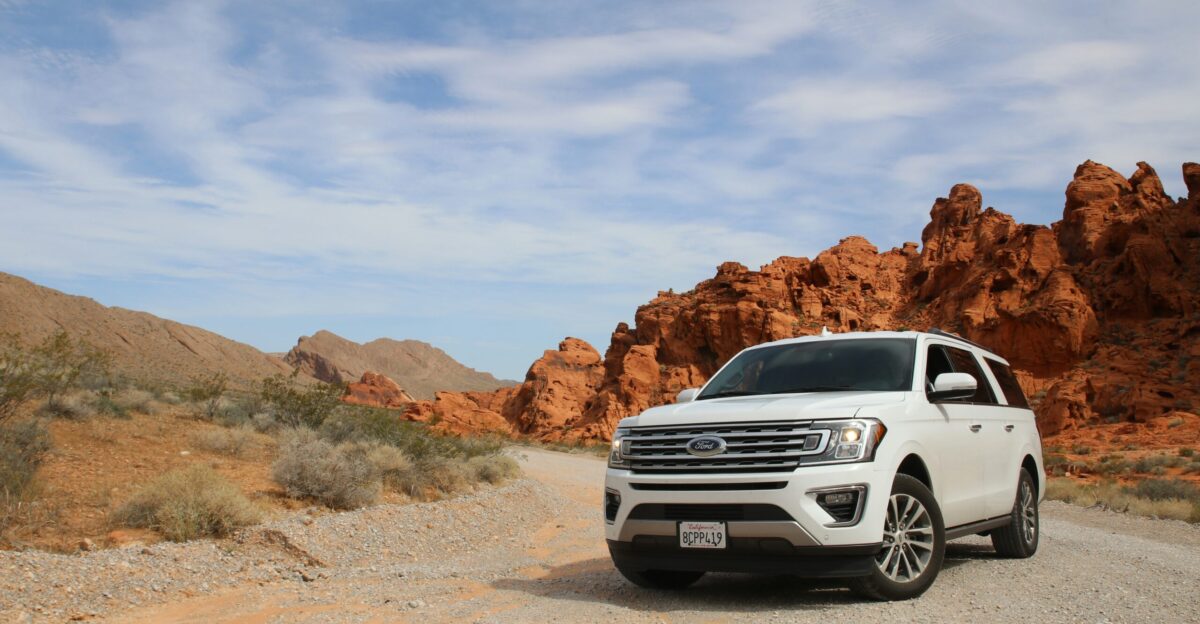
Electrified SUVs dominate 2025’s worst reliability list. The Mazda CX-70 and CX-90 PHEVs rate 15/100, the Ford Escape Hybrid 21/100, and the Jeep Grand Cherokee 4xe faces 320,065 fire-risk recalls.
Charging failures, battery degradation, and component malfunctions reveal fundamental engineering flaws. Emerging EVs and hybrids pose severe ownership challenges, hinting at which vehicles dominate the top 10 unreliable list.
#10 Range Rover
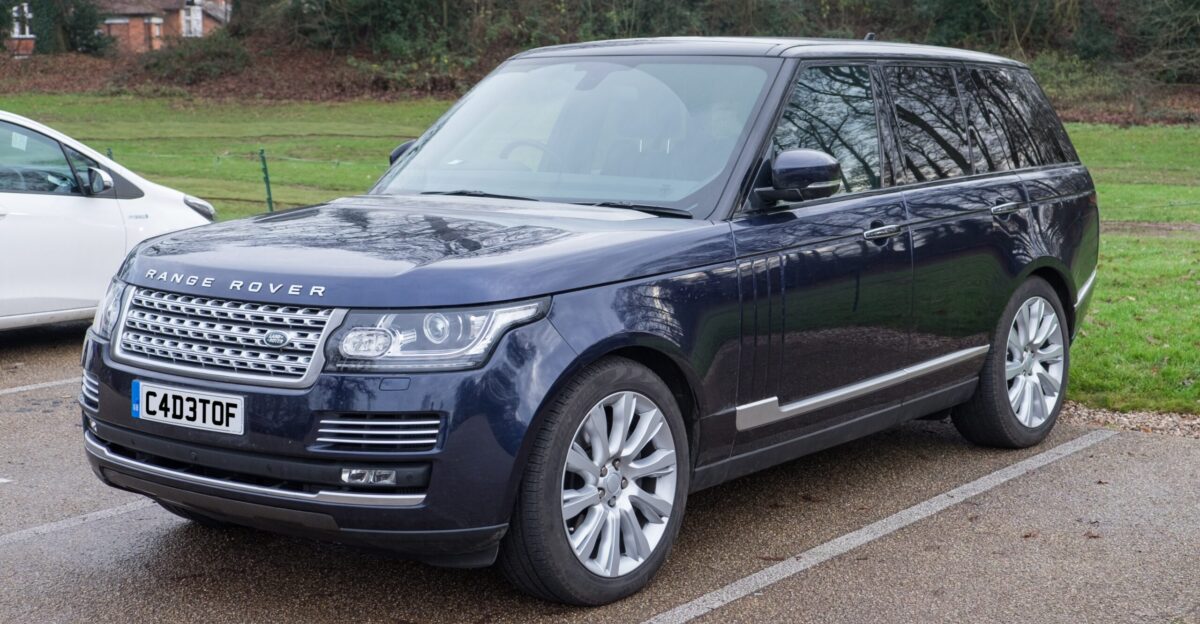
The Range Rover Evoque is plagued by persistent electrical failures, transmission issues, and turbocharger problems. Entry-level pricing starts at $49,900, yet 12 recalls appeared in its first model year.
What Car’s survey reports a 73.8% dependability score, with owners facing repeated dealer visits and malfunctioning interior electronics. Even luxury branding cannot overcome recurring frustrations.
#9 Dodge Hornet
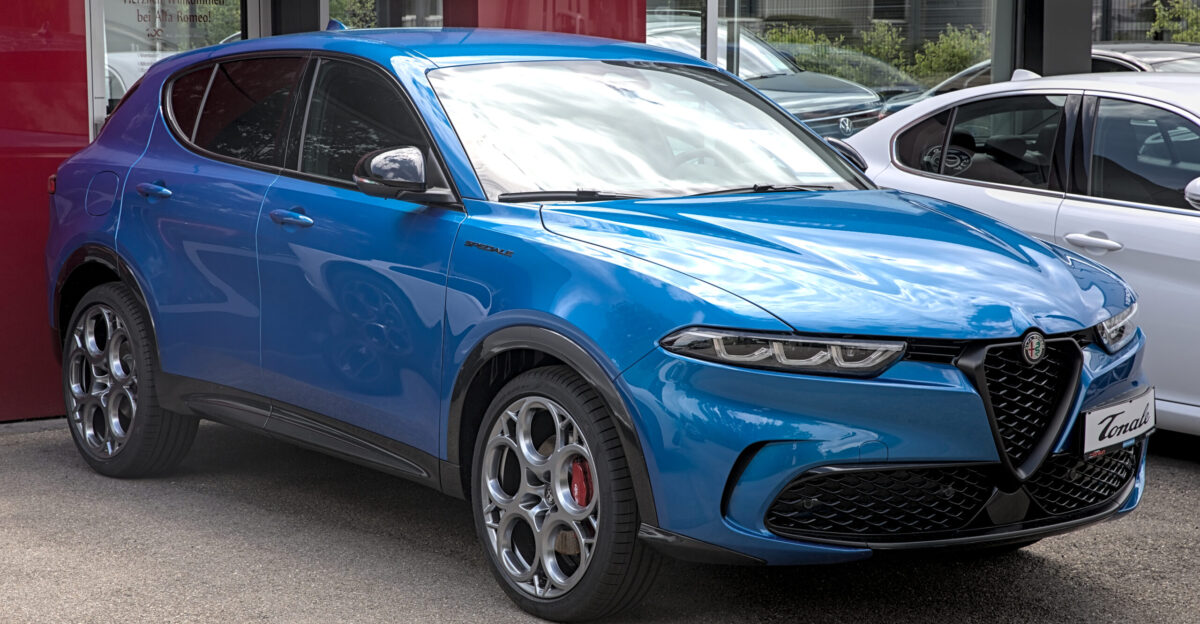
The Dodge Hornet ranks among America’s least dependable compact SUVs, selling only 20,559 units in 2024 despite heavy marketing. Reliability scores bottom out at 30/100 on the Consumer Reports scale.
Early models suffered brake pedal collapse and hybrid transmission failures. Four recalls in its first year highlight systemic engineering flaws. Poor sales reflect growing buyer skepticism.
#8 Cadillac Lyriq
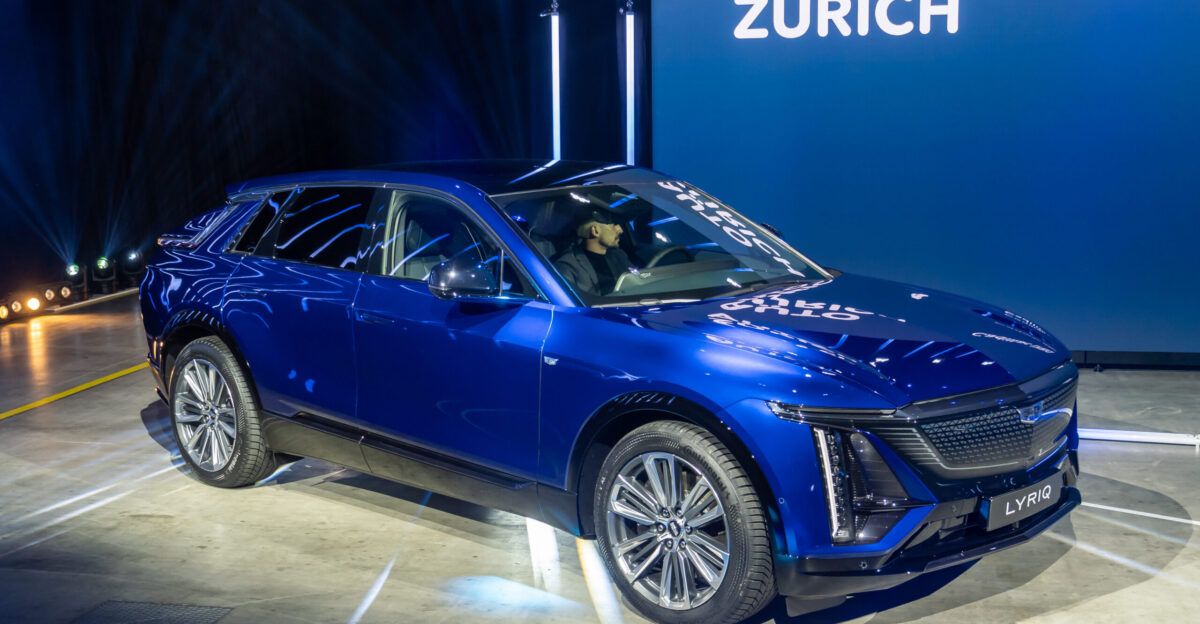
Cadillac’s Lyriq earned the lowest U.S. News reliability score among 2025 SUVs at 53/100. ABS software glitches trigger brake warnings, while display screens frequently fail.
Battery problems, six recalls in three model years, and sudden loss of power plague owners. GM’s Ultium platform reveals fundamental weaknesses. Luxury pricing cannot hide serious dependability issues.
#7 Jeep Wrangler
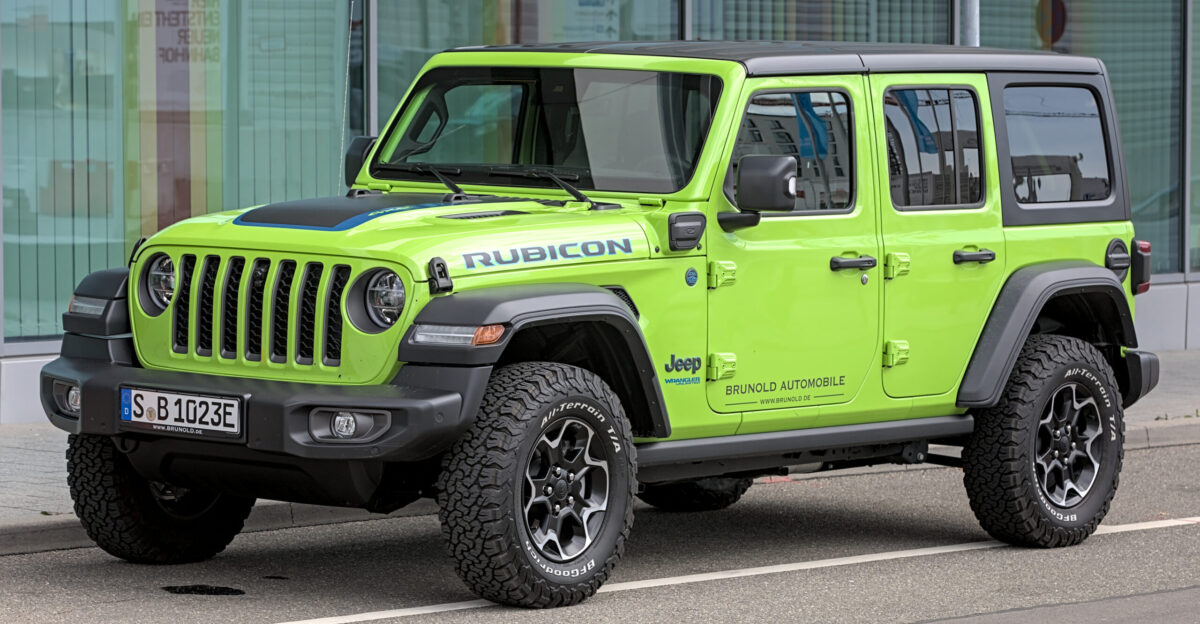
The Jeep Wrangler JL generation, launched in 2018, still accumulates recalls eight years later. Consumer Reports’ reliability score of 27/100 ranks it among the worst SUVs.
Steering failures, suspension breakage, and electrical fires persist. Soft-top leaks, interior water damage, and seat frame issues are frustrating for owners. Iconic legacy struggles to overcome declining engineering quality.
#6 Volkswagen Atlas
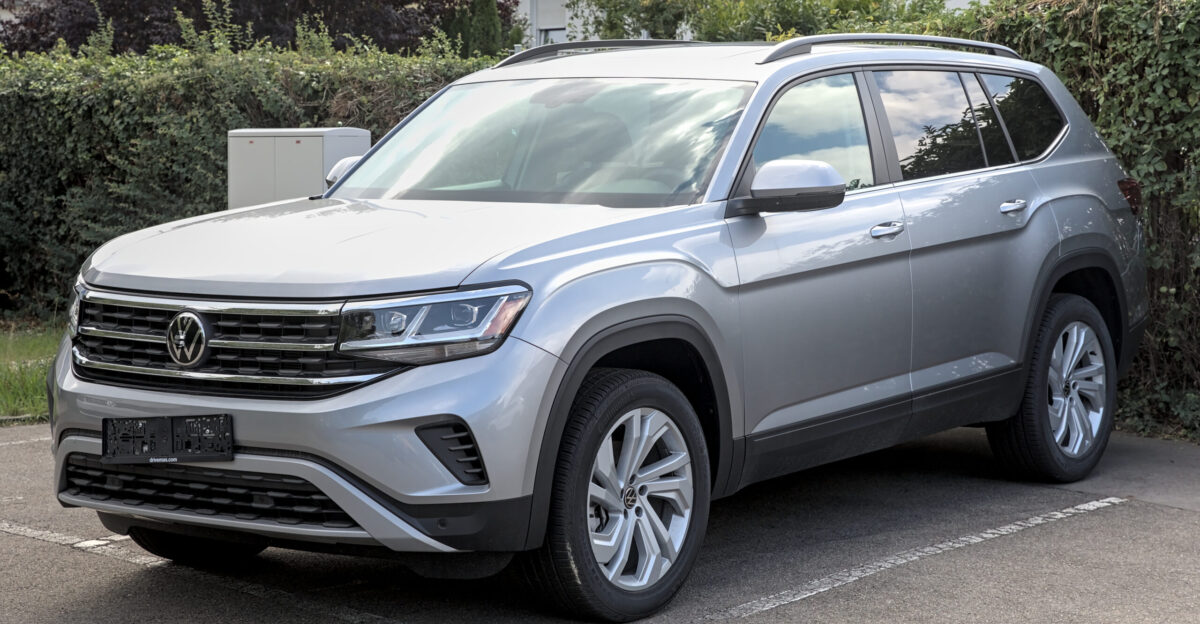
Volkswagen Atlas and Atlas Cross Sport both score 24/100 on Consumer Reports’ scale, reflecting widespread design failures. The EA888 turbocharged engine burns oil excessively, far beyond industry standards.
Transmission leaks, repeated electrical fires, and 16 recalls for Atlas signal a rushed engineering process. Interior plastics deteriorate early, contrasting sharply with Volkswagen’s historical reputation for reliability.
#5 Ford Escape Hybrid
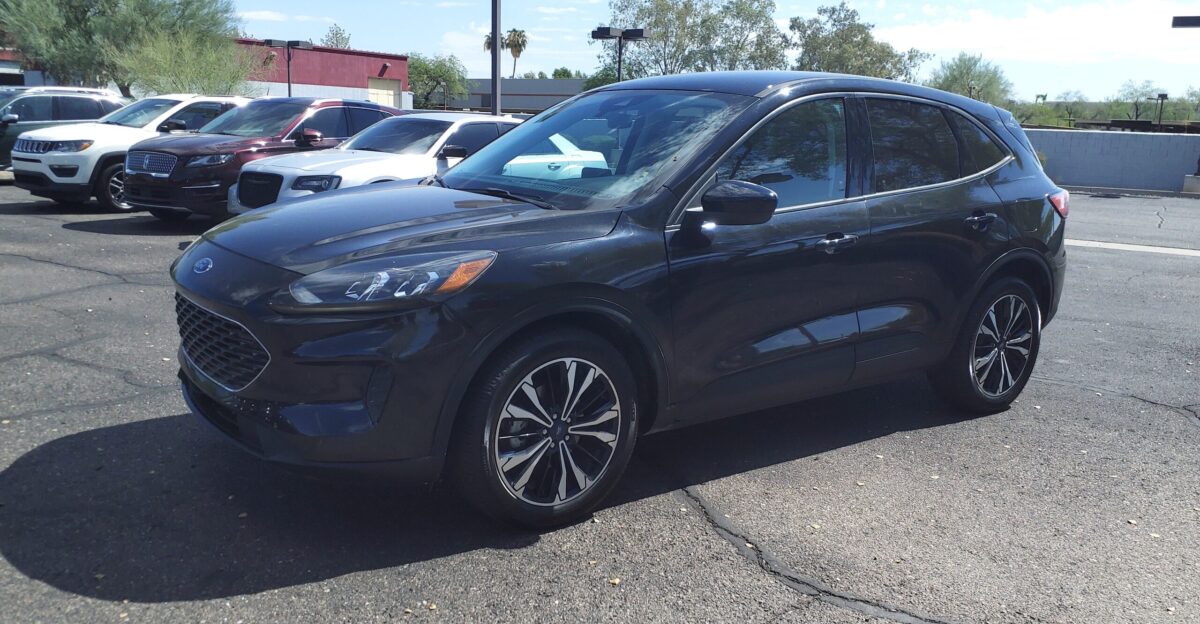
Ford Escape Hybrid earns 21/100 on Consumer Reports scale. Hybrid battery systems often fail prematurely, resulting in replacement costs of $8,000–$12,000 under warranty. Transmission contamination causes erratic shifting, while engine overheating and electronics failures add to concerns.
Compared with Toyota and Honda, Ford’s hybrid engineering underperforms. Owner complaints highlight brake responsiveness issues, leaving many to regret their purchases despite the brand’s historic strength.
#4 Jeep Wagoneer
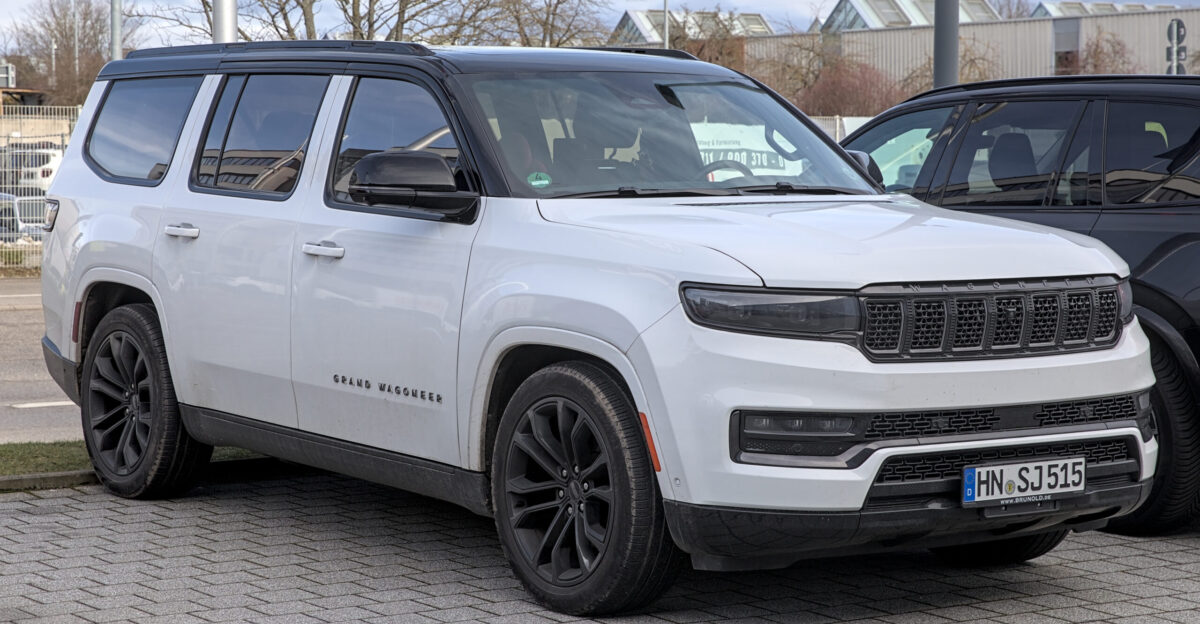
The Jeep Wagoneer scores 22/100, disappointing buyers who pay $ 60,000 or more. Twin-turbo I6 engine struggles with lag and inconsistent power delivery. Electrical malfunctions plague infotainment systems, requiring repeated visits to the dealer.
Air suspension glitches, transmission hesitation, and interior electronics failures damage brand credibility. Premium buyers expecting flawless execution face frustration, undermining Jeep’s revived luxury SUV ambitions.
#3 Mazda CX-70
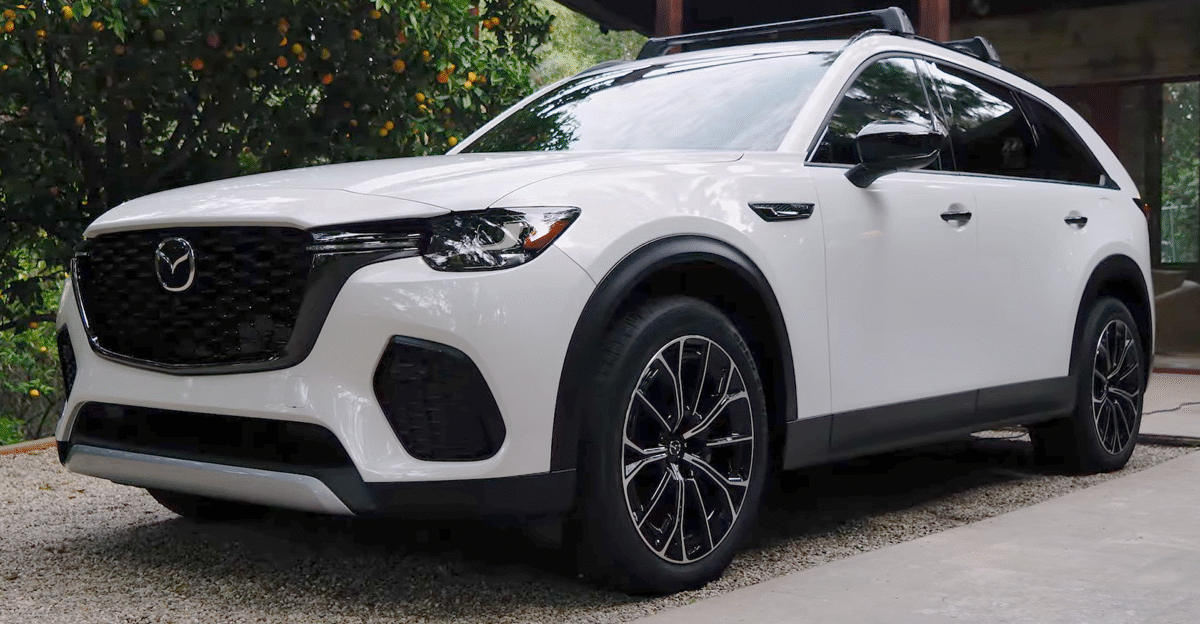
Mazda’s CX-70 PHEV ranks second-worst with a 15/100 Consumer Reports score. Plug-in hybrid charging failures leave owners stranded. Transmission jerks, electrical faults, and battery capacity loss frustrate drivers.
J.D. Power scored only 65/100. Mazda’s plug-in hybrid entry is exposed to inexperience, with Toyota and Honda alternatives offering far more reliable hybrid performance.
#2 Mazda CX-90
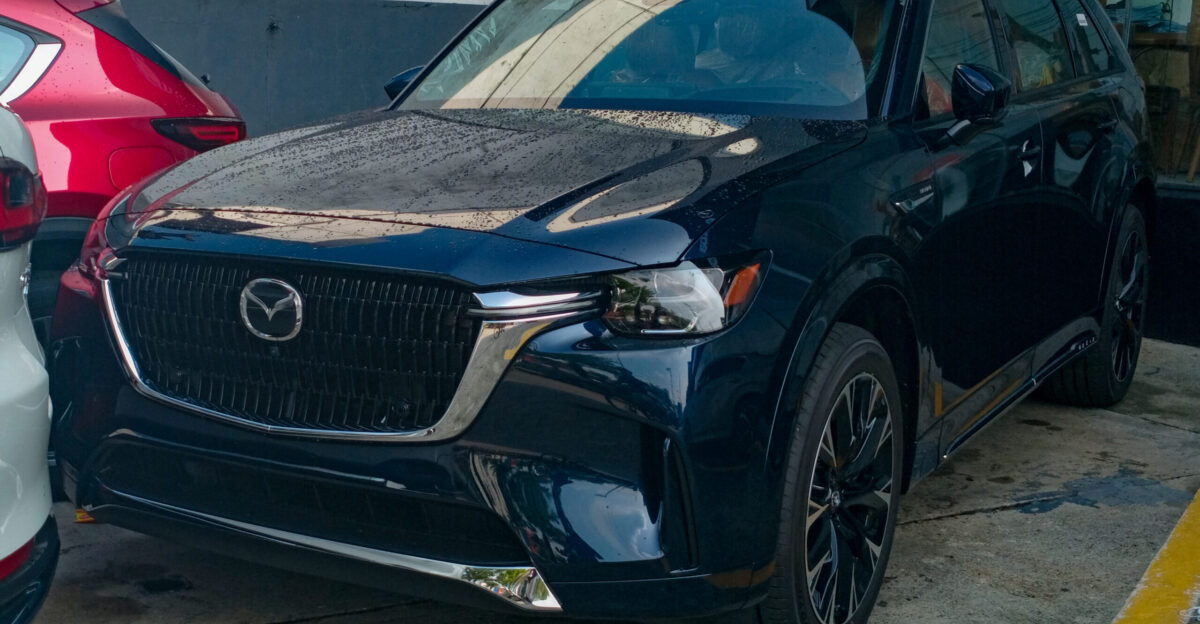
Mazda CX-90 PHEV mirrors CX-70 with a 15/100 reliability score. Ten recalls in a single model year highlight systemic manufacturing defects. Hybrid battery degradation occurs within months.
Transmission failures, engine sensor malfunctions, and charging issues overwhelm dealer networks. Owners describe this vehicle as a financial mistake. Premium pricing cannot compensate for severe reliability shortfalls.
#1 Jeep Grand Cherokee 4xe
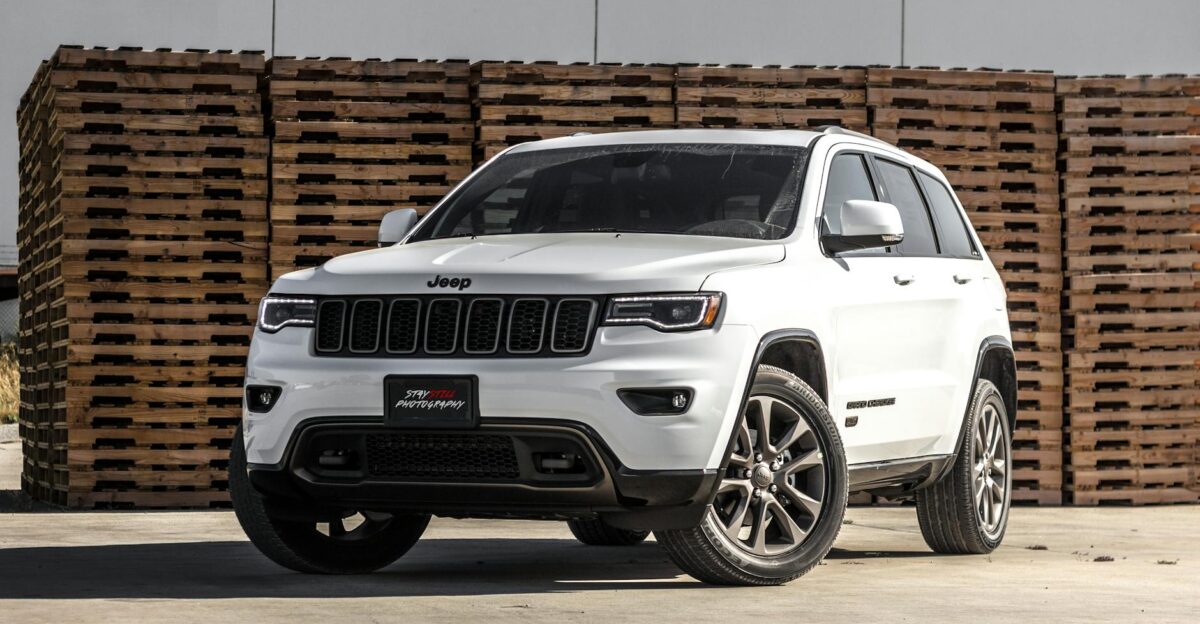
The Jeep Grand Cherokee 4xe tops the 2025 reliability chart with a score of 12/100. A November 2025 fire recall affects 320,065 vehicles. Samsung SDI battery defects caused 19 confirmed fires, nine from a previous 2024 recall.
The NHTSA instructed owners to park outdoors and avoid charging their vehicles. Recalls, brake failures, and electrical fires continue. Despite $60,490 starting price, this SUV represents an extreme safety risk, not a premium value.
Common Defects Across 2025 SUVs
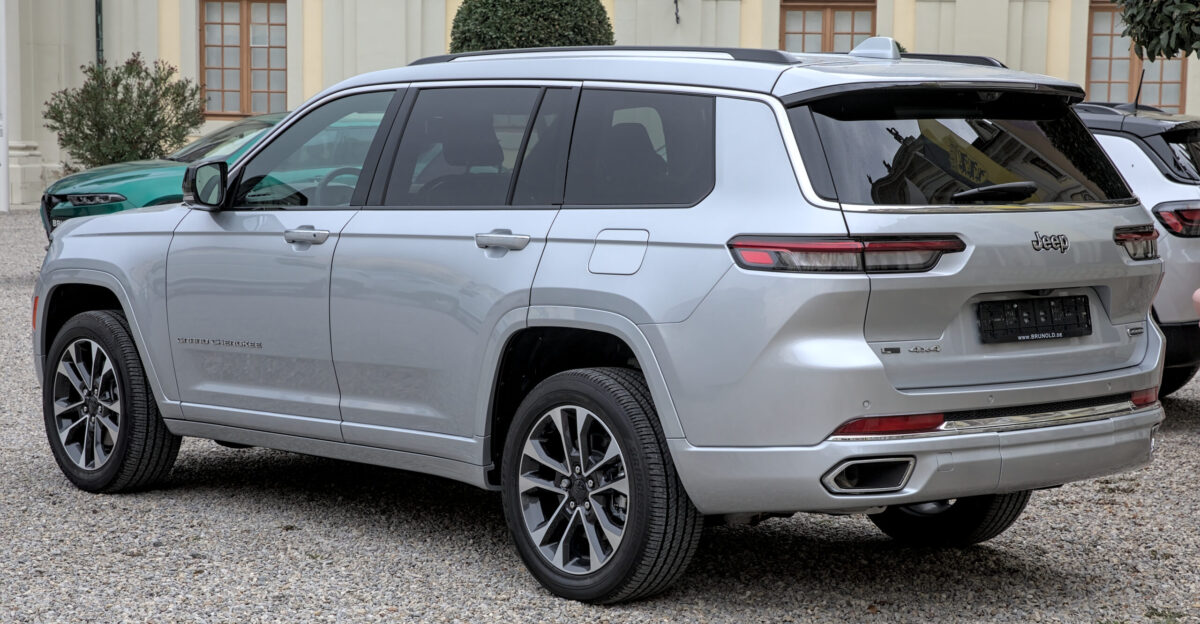
Recurring issues plague hybrids and gas engines alike: battery degradation, turbo oil consumption, electrical fires, infotainment malfunctions, transmission hesitation, suspension failure, and brake responsiveness problems.
Shared suppliers and repeated design flaws suggest systemic failures. Multiple brands, including Jeep, Stellantis, and GM Ultium, demonstrate widespread engineering breakdowns across various segments and price points.
Why Premium Buyers Are Disappointed
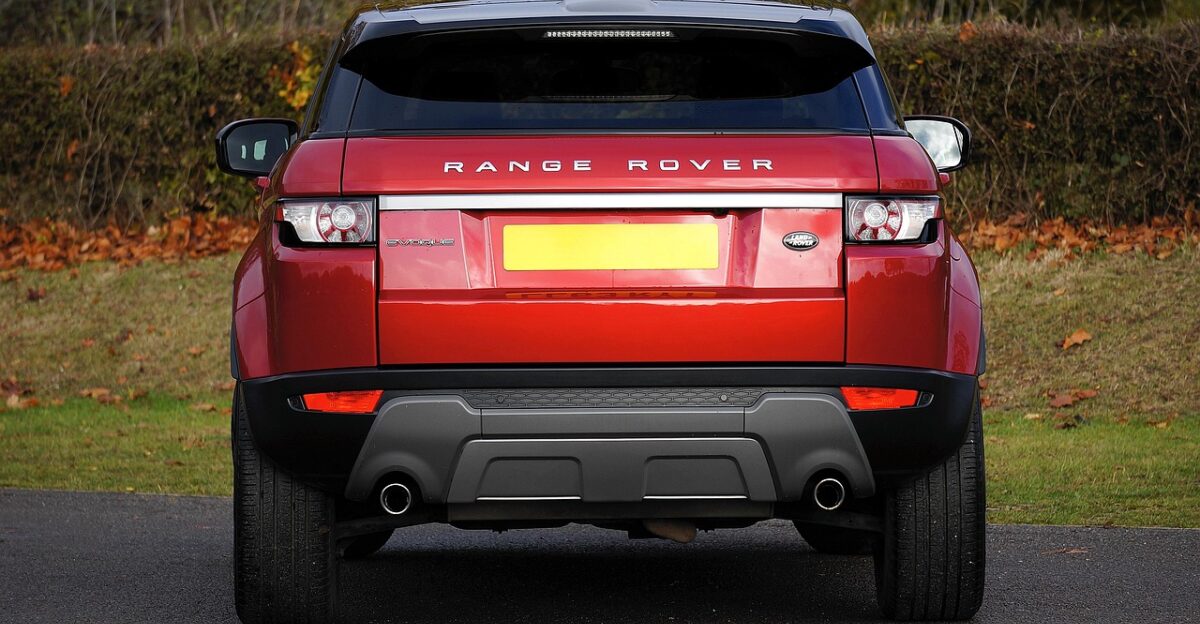
Luxury SUVs costing $50,000 to $80,000 often fail to meet expectations. Cadillac Lyriq owners report sudden power loss, Range Rover Evoque suffers electrical malfunctions, and Jeep Wagoneer encounters transmission hesitation and air suspension issues.
Premium pricing fails to guarantee durability. Heritage and brand prestige vanish when constant repairs and rapid depreciation dominate ownership experience.
Safety Concerns That Can’t Be Ignored
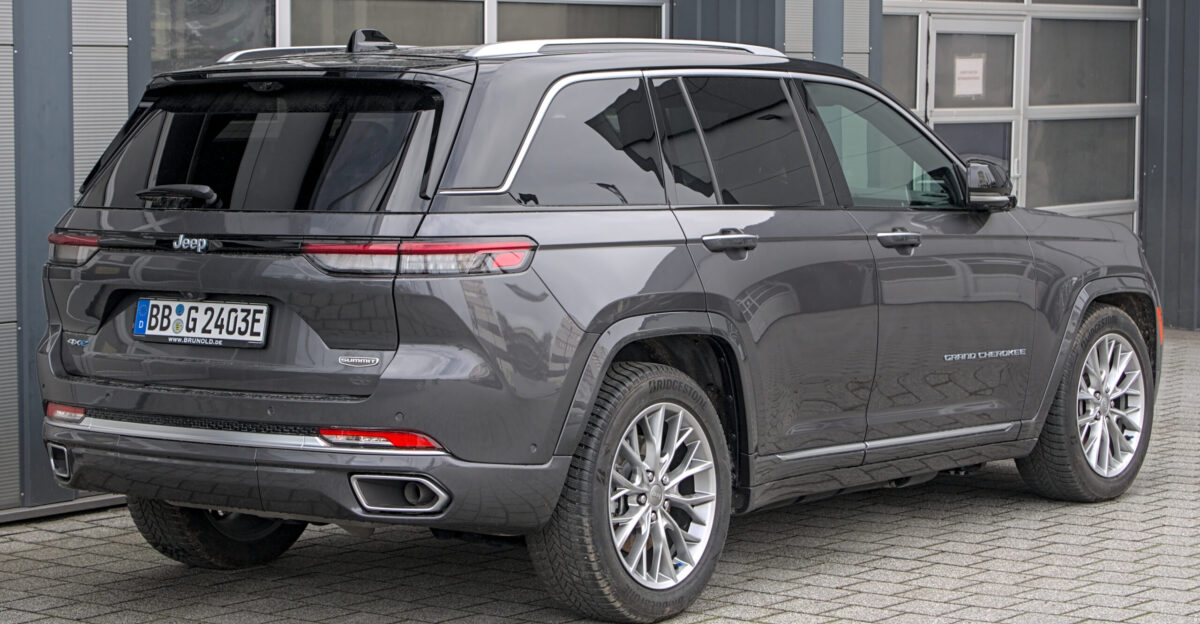
Beyond inconvenience, life-threatening risks exist. Jeep PHEV fire recalls involved 320,065 vehicles with 19 confirmed fires. Brake failures, seatbelt separation, stabilizer bar detachment, and display failures compound danger.
NHTSA directives requiring “park outside” highlight serious fire hazards. These SUVs can put families at risk if defects remain unaddressed.
Hybrid and EV Engineering Challenges
Plug-in hybrid and electric SUVs reveal immature engineering. Battery separator defects in Jeep PHEVs, Mazda charging failures, Ford battery degradation, and GM Ultium electrical weaknesses demonstrate systemic flaws.
Dealers lack expertise, repair times are extended, and theoretical EV advantages often fail in practice. Rushed development prioritizing speed over robustness leaves buyers vulnerable to component failures and fire risks.
What Buyers Should Consider Now
Prospective buyers must prioritize reliability data. Use Consumer Reports scores, request extended warranties, avoid first-generation electrified models, check NHTSA.gov for recalls, and monitor owner forums.
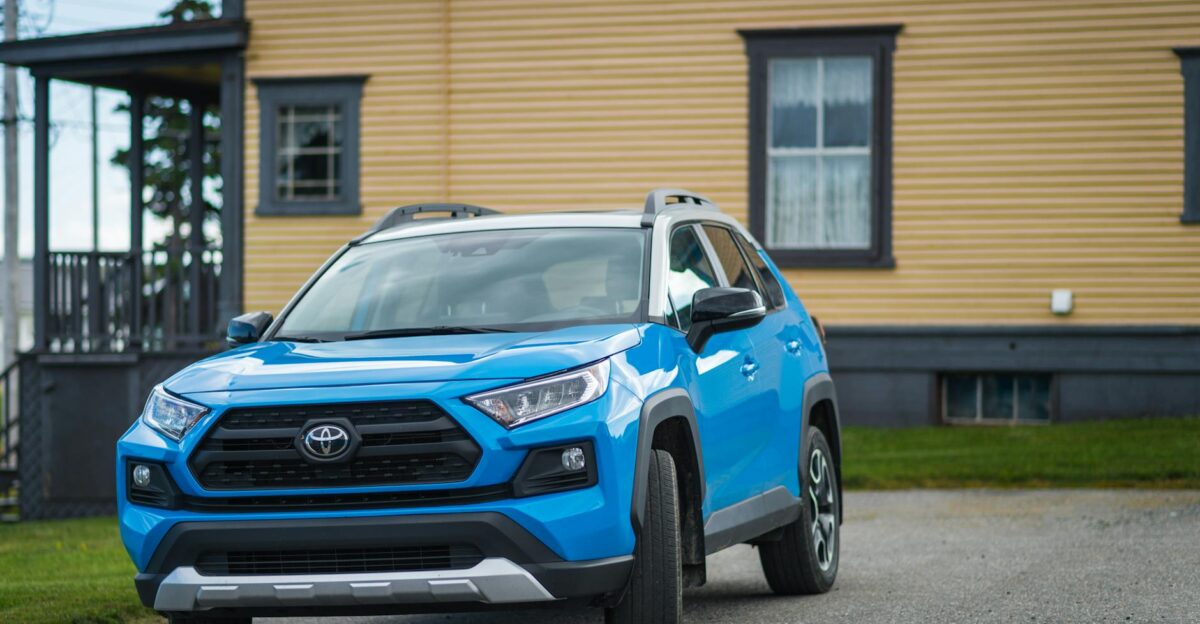
Consider proven alternatives, such as the Toyota RAV4, Honda CR-V, and Subaru Crosstrek. Test electronics carefully. Premium price alone guarantees nothing—data-driven choices protect families and wallets from unreliable SUVs.
Manufacturer Responses and Recalls
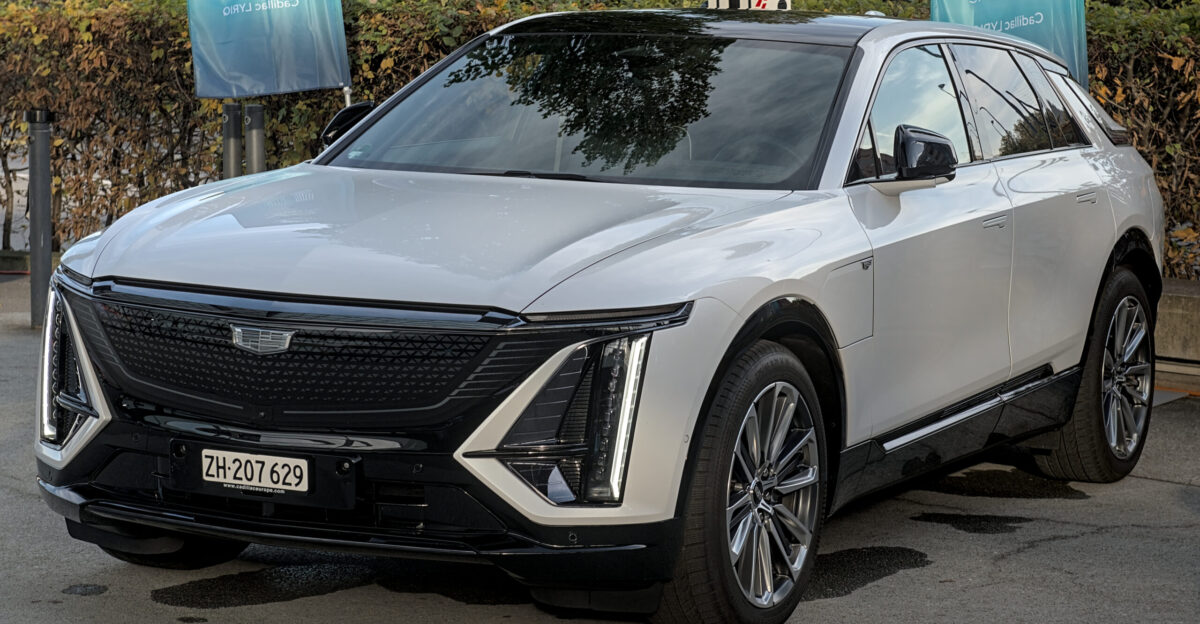
Manufacturers initiated aggressive recall campaigns. The Jeep PHEV remedy remains unavailable for 320,065 vehicles. GM recalled 24,200+ Cadillac Lyriqs. Volkswagen addressed EA888 oil consumption through settlements.
Despite action, systemic issues persist—batteries degrade, electrical fires continue. Recalls treat symptoms, not root causes. Owners face extended dealership visits, delayed fixes, and ongoing safety risks, showing that cost reduction often outweighs engineering solutions.
Lessons From 2025’s Worst SUVs
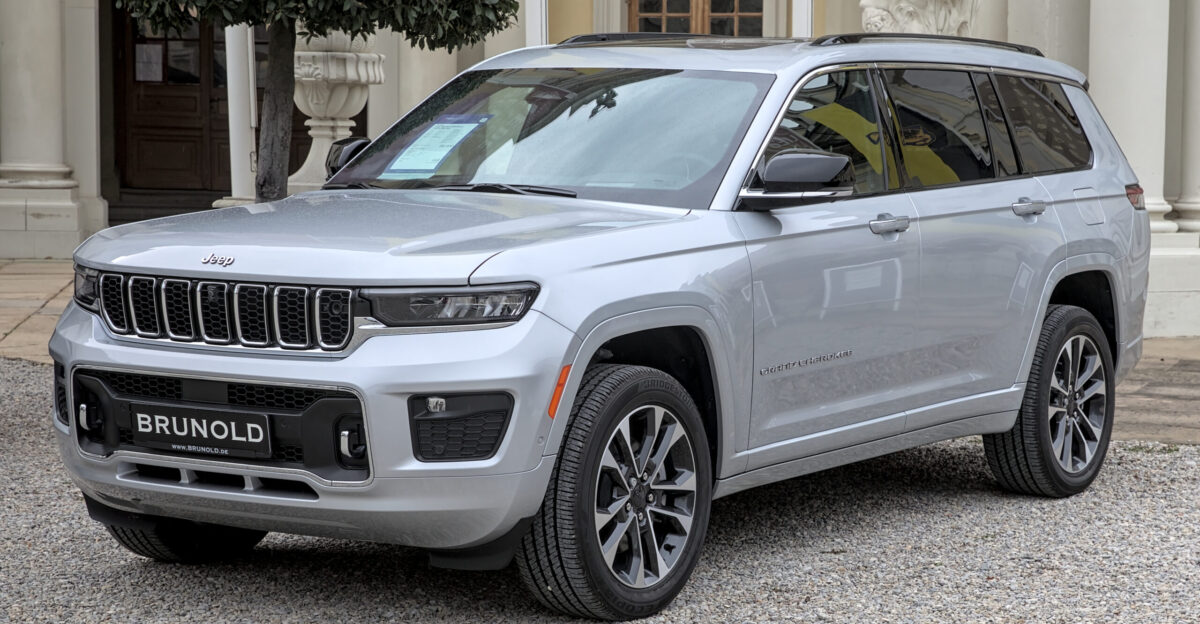
2025’s SUV reliability crisis teaches urgent lessons: heritage means nothing without current engineering excellence, premium pricing guarantees nothing, electrified powertrains remain immature, and accountability is lacking.
Buyers must prioritize data over brand prestige. Next year’s trends will reveal whether manufacturers have learned. Informed consumers rejecting unreliable models create economic pressure, driving genuine quality improvements.
Sources
NHTSA (National Highway Traffic Safety Administration) Recall Database: Vehicle Safety Defects and Official Recalls 2022-2025
NHTSA Recall 25V-741 (November 2025): Jeep Wrangler 4xe and Grand Cherokee 4xe Fire Risk Recall
NHTSA Press Release (November 3, 2025): “Park Outside” Safety Directive for Jeep PHEV Fire Recall
Consumer Reports: 2025 Vehicle Reliability Study (100-point scale, 300,000+ vehicle survey responses)
J.D. Power: 2025 U.S. Vehicle Dependability Study (VDS)
U.S. News & World Report: Most Unreliable Cars 2025 Survey and Reliability Rankings