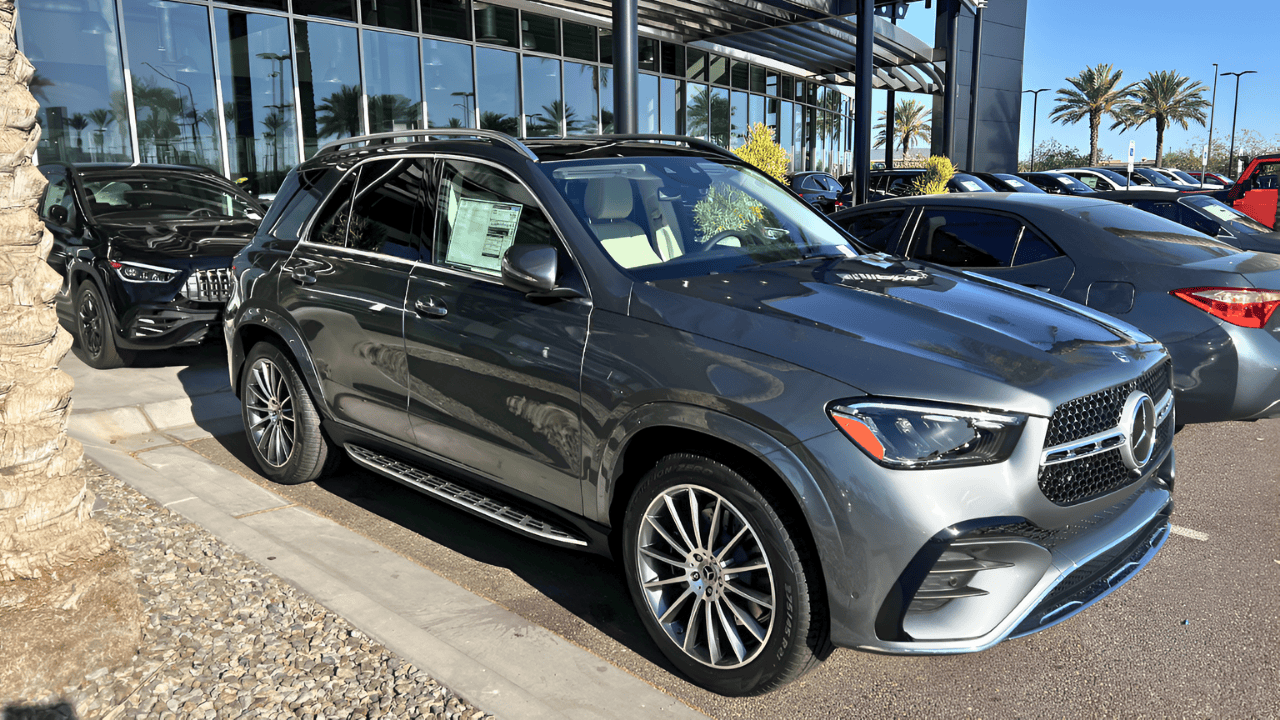
Sport utility vehicles captured 52 percent of American vehicle sales in 2025, yet dependability plummeted to historic lows. Manufacturers accelerated electrified powertrains to dealerships without adequate testing, while traditional combustion engines suffered quality erosion across multiple brands. Consumer Reports documented the worst reliability year for SUVs since tracking began, with systemic failures threatening uninformed buyers. From brake collapses to battery fires, these vehicles expose engineering breakdowns disguised as premium transportation. Ten models stand out for catastrophic reliability ratings, ranging from luxury brands commanding $60,000 to mainstream offerings that promise efficiency but deliver frustration.
Premium Price Tags Hide Engineering Failures
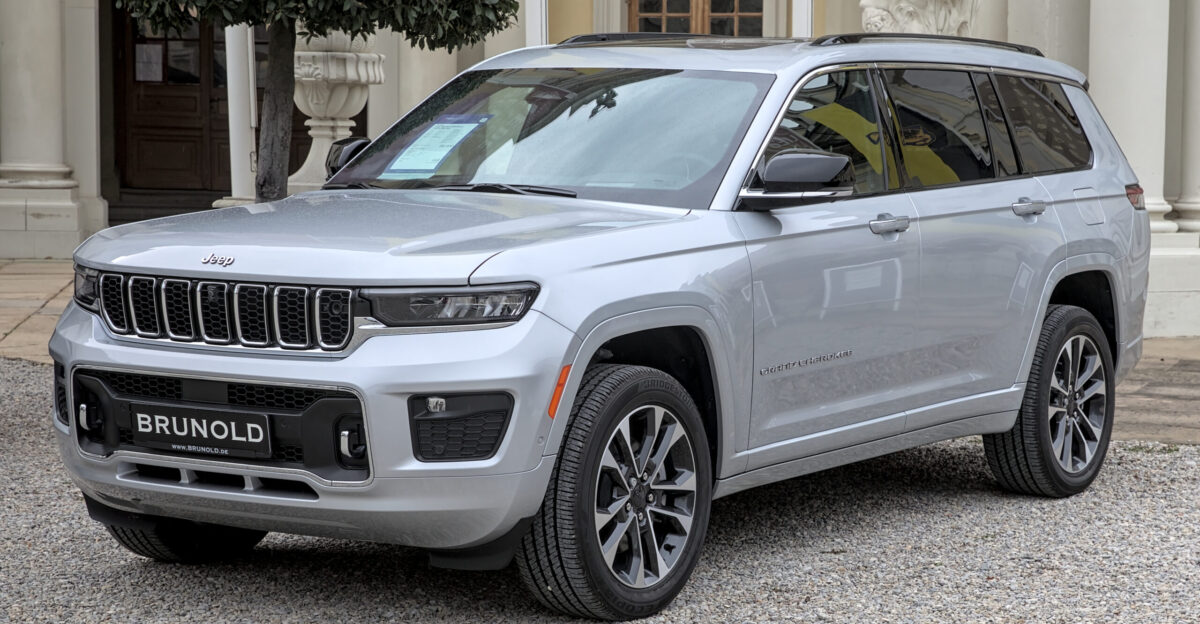
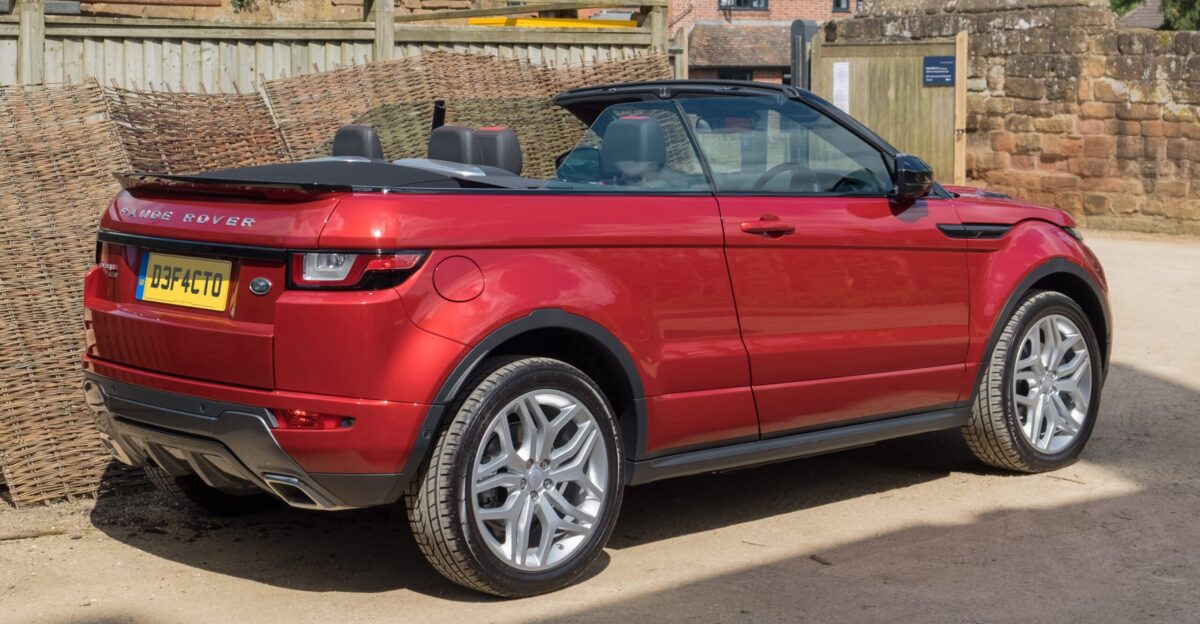
Luxury badges offer no protection from defects. The Cadillac Lyriq, priced above $60,000, earned the lowest U.S. News reliability score among 2025 SUVs at 53 out of 100. ABS software glitches trigger brake warnings, display screens fail repeatedly, and six recalls across three model years reveal GM’s Ultium platform weaknesses. The Jeep Wagoneer, also exceeding $60,000, scores just 22 out of 100 with twin-turbo engine lag, infotainment malfunctions, and air suspension failures. Range Rover Evoque suffers electrical failures and turbocharger problems that result in poor dependability ratings. Premium leather deteriorates, repeated dealer visits frustrate owners, and wealth cannot purchase reliability when fundamental engineering collapses.
Electrified Powertrains Dominate Failure Rankings
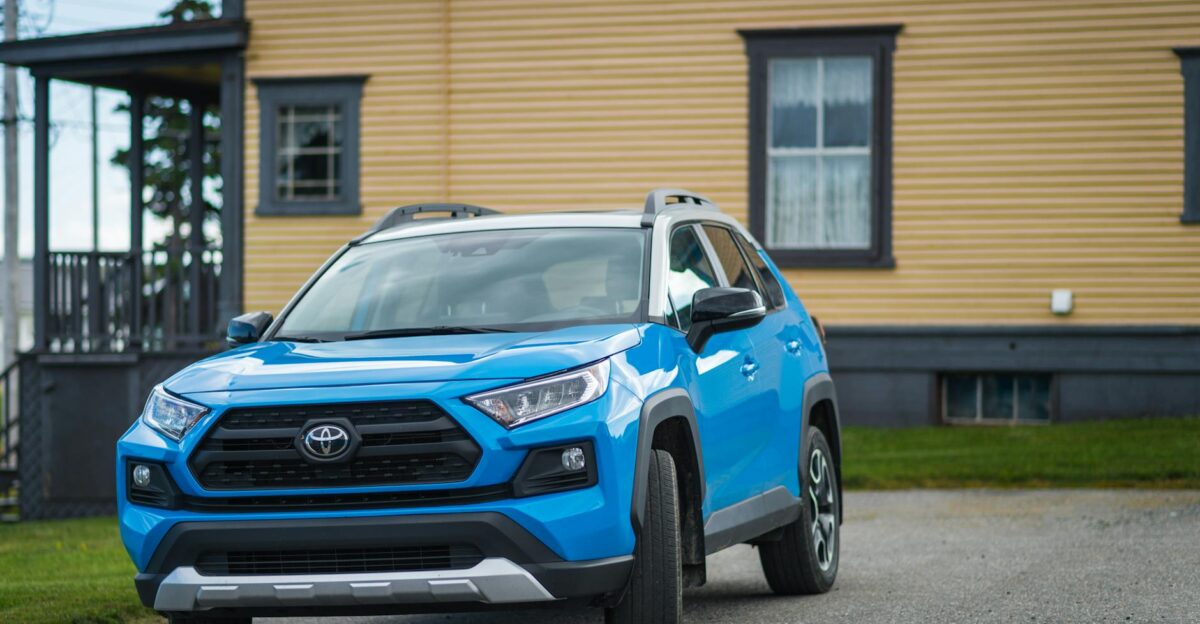
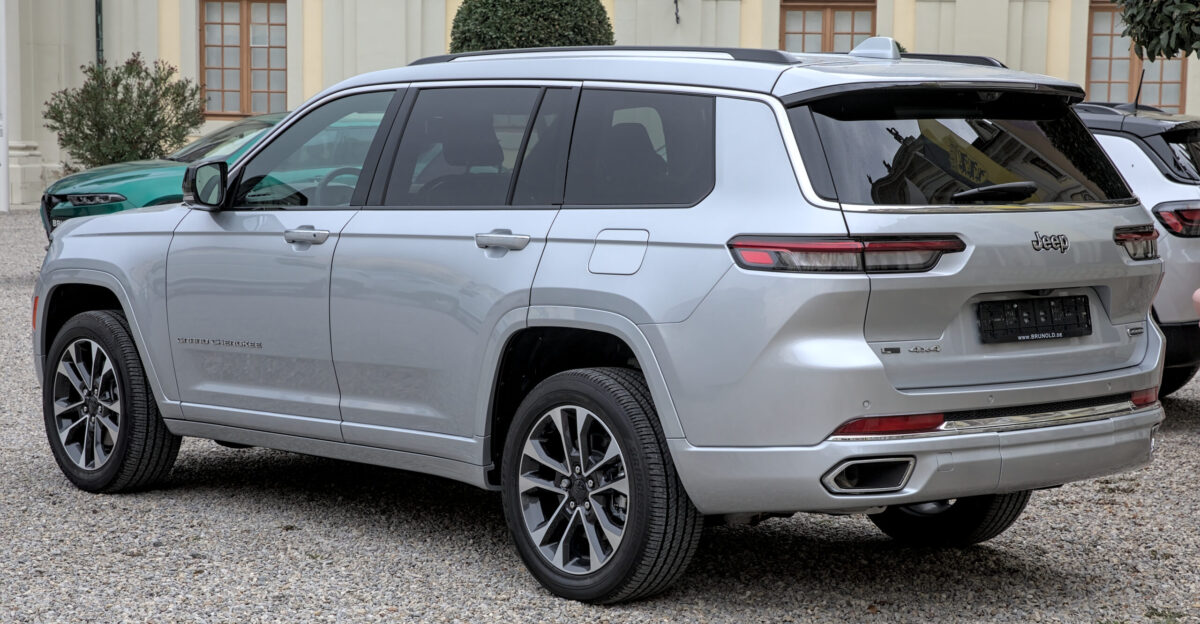
Plug-in hybrid and electric SUVs claim the worst positions on 2025’s reliability rankings. The Jeep Grand Cherokee 4xe tops the catastrophe list with a historic low reliability score. A November 2025 recall affecting 320,065 vehicles stems from Samsung SDI battery defects that caused 19 confirmed fires, including nine from a previous 2024 recall. NHTSA instructed owners to park outdoors and avoid charging—directives highlighting life-threatening hazards, not minor inconveniences. Mazda’s CX-70 and CX-90 PHEVs rate among the worst, with plug-in hybrid charging failures stranding owners, transmission jerks, and battery capacity loss occurring within months. Ten recalls hit the CX-90 in a single model year. Ford Escape Hybrid ranks among the lowest-scoring vehicles with severe reliability issues, including premature hybrid battery failures costing $8,000 to $12,000 for replacement under warranty. Transmission contamination causes erratic shifting while engine overheating and electronics failures compound problems. Dodge Hornet sold only 20,559 units in 2024 despite aggressive promotion, with brake pedal collapse and four first-year recalls revealing systemic flaws.
Traditional combustion models fare little better. The Jeep Wrangler JL generation, launched in 2018, still accumulates recalls with a 27 out of 100 reliability score. Steering failures, suspension breakage, electrical fires, soft-top leaks, and seat frame issues persist eight years after introduction. Volkswagen Atlas and Atlas Cross Sport suffer from widespread design failures, with EA888 turbocharged engines burning oil excessively and multiple recalls signaling rushed engineering. Interior plastics deteriorate prematurely, contradicting Volkswagen’s historical reputation.
Fire Risks and Life-Threatening Defects
Beyond inconvenience, these SUVs present genuine dangers. Jeep PHEV fire recalls involved 320,065 vehicles with confirmed fires, yet remedies remain unavailable. Brake failures affect multiple models, while seatbelt separation, stabilizer bar detachment, and display failures compound risks. Battery separator defects, charging system malfunctions, and electrical weaknesses demonstrate immature engineering rushed to market. Dealers lack expertise for complex repairs, extending service times while theoretical advantages of electrification vanish under real-world conditions.
Data-Driven Decisions Protect Families and Investments
The 2025 reliability crisis delivers urgent lessons: heritage means nothing without current engineering excellence, premium pricing guarantees nothing, and accountability remains absent. Prospective buyers must prioritize reliability data over brand prestige. Consumer Reports scores, NHTSA recall checks, and owner forum monitoring reveal patterns manufacturers obscure through marketing. Proven alternatives like Toyota RAV4, Honda CR-V, and Subaru Crosstrek demonstrate that dependable SUVs exist. Avoid first-generation electrified models, request extended warranties, and test electronics thoroughly.
Manufacturers initiated recall campaigns, yet systemic issues persist. GM recalled over 24,200 Cadillac Lyriqs, Volkswagen addressed oil consumption through settlements, and Jeep’s PHEV remedy remains unavailable for hundreds of thousands of vehicles. Batteries continue degrading, electrical fires persist, and recalls treat symptoms rather than root causes. Whether automakers learn from 2025’s failures will emerge in coming model years. Informed consumers rejecting unreliable models create economic pressure that drives genuine quality improvements, protecting families from vehicles that compromise safety for rushed development timelines.
Sources:
NHTSA (National Highway Traffic Safety Administration) Recall Database: Vehicle Safety Defects and Official Recalls 2022-2025
NHTSA Recall 25V-741 (November 2025): Jeep Wrangler 4xe and Grand Cherokee 4xe Fire Risk Recall
NHTSA Press Release (November 3, 2025): “Park Outside” Safety Directive for Jeep PHEV Fire Recall
Consumer Reports: 2025 Vehicle Reliability Study (100-point scale, 300,000+ vehicle survey responses)
J.D. Power: 2025 U.S. Vehicle Dependability Study (VDS)
U.S. News & World Report: Most Unreliable Cars 2025 Survey and Reliability Rankings