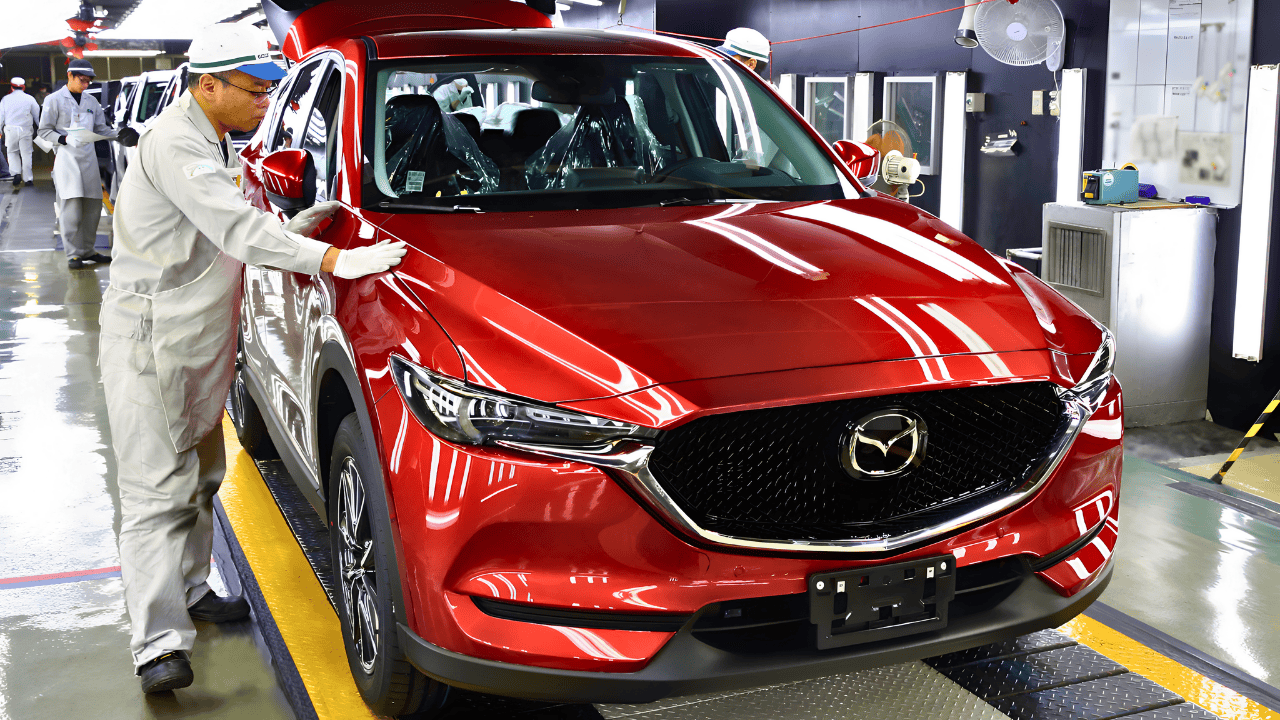
Even as auto technology advances, many repair shops say a growing slice of modern vehicles is failing more often and costing far more to fix, prompting some mechanics to actively warn customers away from specific brands. Instead of quiet neutrality, technicians in 2024–2025 are sharing lists of vehicles they say routinely suffer major breakdowns, from fragile transmissions to complex electrical systems that stump even experienced shops.
Mechanics who work across multiple brands describe a shift from occasional problem models to entire lineups that seem designed without long-term durability in mind. They report repair schedules clogged with the same makes and systems, with some jobs taking three times longer than comparable work on more straightforward vehicles. Online automotive personalities and independent garages are reinforcing the same message: for a growing number of brands, breakdowns are not rare exceptions but predictable outcomes.
Rising Costs And Hidden Financial Risks
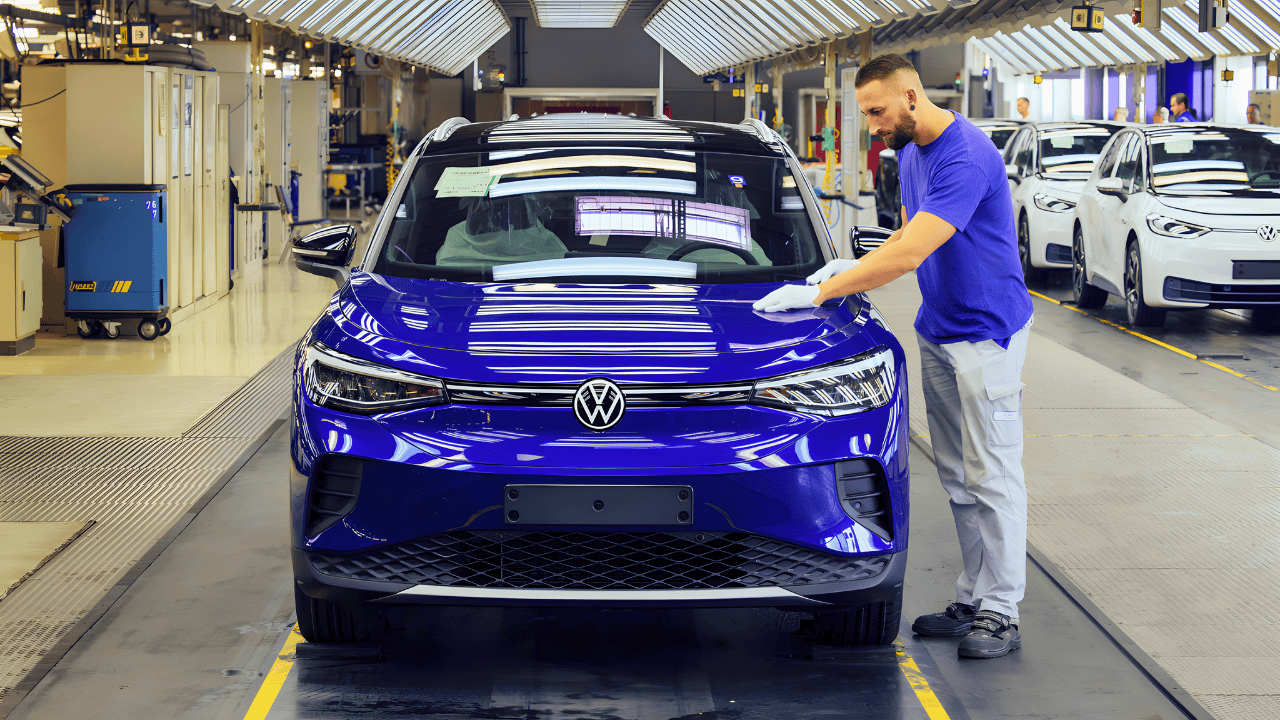
For owners, the impact is often most visible in their wallets. Drivers of more failure-prone brands are reported to spend roughly double on annual repairs compared with owners of more dependable vehicles, with typical yearly costs rising into the $800–$1,200 range versus about $400–$600 for more reliable options. That gap widens sharply when a major component fails.
Transmission replacements alone can run between $4,000 and $8,000, often after standard warranties expire. Extended coverage plans frequently carve out the most expensive failures, leaving owners exposed. At the same time, resale values for trouble-prone brands can fall 15–25 percent more than average over five years, as buyers and dealers alike factor in high repair risk. For many households, a single bad purchase translates into years of strained budgets, loan burdens, and lost trade-in value.
Why High Prices Don’t Guarantee Durability
Mechanics say one of the biggest surprises for customers is how often premium vehicles appear near the bottom of their dependability lists. Upscale sport-utility vehicles and luxury sedans may offer advanced features, but they also pack in complex electronics, tight packaging under the hood, and specialized systems that are difficult to service.
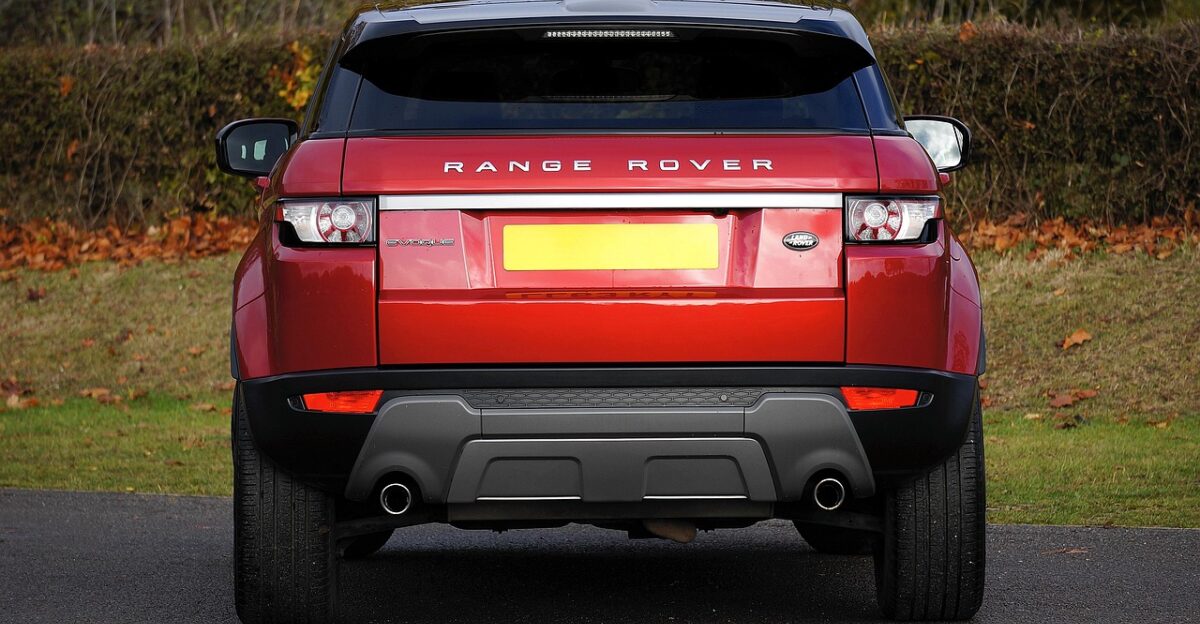
Land Rover models are a recurring example in repair bays, with air suspension systems that can cost $3,000 to $5,000 to rebuild and timing chain issues on some “Ingenium” engines that can require extensive engine work. Simple tasks may require major disassembly or even engine removal. Similar complaints surround other high-end brands where intricate electrical architectures and advanced drivetrains demand specialized tools many independent shops do not own. When things go wrong, labor hours multiply, parts are costly, and owners discover that “premium” can mean premium repair bills as well.
Patterns Mechanics See Across Problem Brands
When technicians pull vehicles onto lifts, they say they often see the same patterns. Continuously variable transmissions (CVTs) on certain models are described as near-inevitable failures rather than occasional defects, sometimes showing issues as early as 60,000 miles and requiring costly replacements. Some brands’ turbocharged engines are vulnerable to carbon buildup, driving up the price of routine maintenance.
Electrical issues also repeat: failing infotainment systems, erratic sensors, phantom battery drains, and complicated wiring layouts that make diagnosis slow and expensive. In cramped engine bays, basic maintenance tasks turn into multi-hour procedures. According to many shops, these are not random faults but the result of design decisions that favor low manufacturing cost, complex features, or styling over long-term robustness. Once one weak point appears on a vehicle, mechanics often warn owners to expect further failures in related systems.
Brands That Draw The Most Warnings
Across testimony, repair tickets, and third-party reliability rankings, mechanics frequently single out ten brands as especially risky choices for long-term ownership. Volkswagen is often criticized for chronic electrical gremlins, carbon buildup on its 2.0L turbo engines, and transmission issues, with Consumer Reports placing it 26th out of 32 brands. Jeep models, including the Grand Cherokee 4xe, are associated with early transmission problems, high oil consumption, and low scores in reliability surveys, particularly with nine-speed transmissions.
Land Rover sits near the top of many do-not-buy lists for its engine timing chain failures, intricate suspensions, and complex electronics that raise diagnostics costs. Fiat owners face persistent electrical faults, timing chain problems on small engines, and parts shortages as dealer networks shrink. Tesla, while improving in some ratings, continues to draw complaints over electronics, build quality, proprietary parts, and limited access to independent service, leaving some owners waiting weeks or months for repairs.
Among trucks, late-model Ram 1500s have seen sharp declines in predicted reliability, with owners reporting transmission, engine, and electrical problems and very low dependability scores in some 2026 forecasts. Chevrolet is dealing with a wave of electrical and software complaints, particularly involving Equinox and Blazer EV models that experience glitches and battery-related issues. Nissan’s long-running CVT problems, especially in Altima and Rogue models, have galvanized mechanics who now treat transmission failure as a question of “when” rather than “if.”
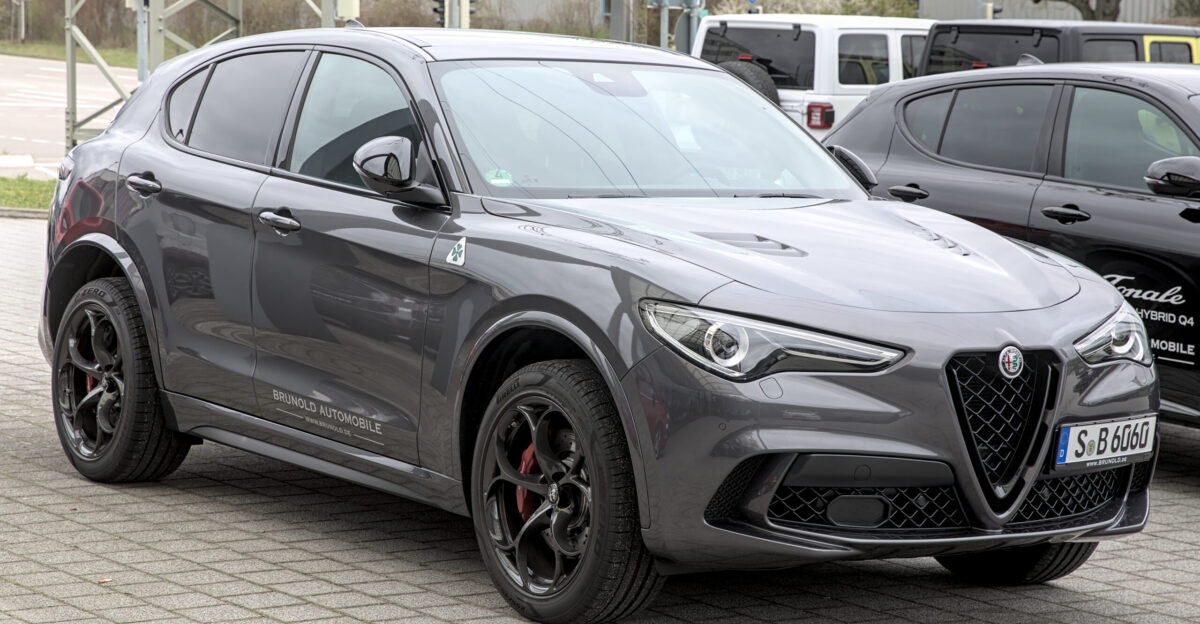
Alfa Romeo’s distinctive designs mask repeated electrical, engine, and transmission troubles, compounded by parts delays and limited service experience in many markets. Mitsubishi, while not as uniformly criticized as some others, is hampered in the United States by a shrinking footprint, limited parts availability, and fewer technicians familiar with its systems, raising repair times and ownership risk even when individual vehicles are not the worst in their class.
How Drivers Can Steer Toward Safer Choices
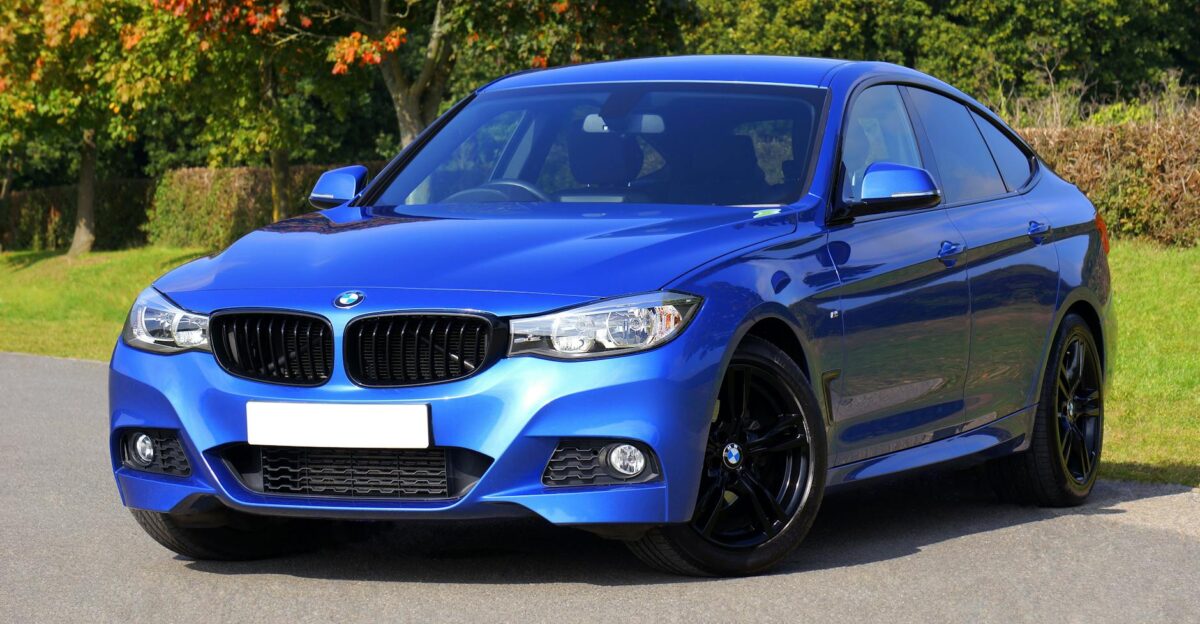
Technicians often contrast these brands with manufacturers they regard as safer bets, frequently recommending Toyota, Honda, and Lexus, with the caveat that even favored brands require consistent maintenance. These companies are seen as prioritizing proven engineering, conservative design changes, and strong dealer and parts networks. BMW appears on some mechanics’ “acceptable” lists but with clear advice to follow strict service schedules to avoid expensive failures.
For buyers, mechanics and reliability analysts suggest a disciplined approach: consult multiple independent repair shops before committing to a model, review data from sources such as Consumer Reports, J.D. Power, and What Car, and investigate known failure modes for specific engines and transmissions rather than just nameplates. The brands drawing the strongest warnings have usually done so over many years of repeated, similar faults, while the most trusted automakers have earned their status through consistent performance.
As vehicles become more software-driven and complex, the gap between robust and fragile designs may widen. For consumers, the stakes are less about brand loyalty than about dependable transportation and financial stability. Shoppers who study patterns, listen to technicians, and favor long-term reliability over short-term features may be far better positioned to avoid large, unexpected repair bills and keep their vehicles on the road longer.
Sources:
“Consumer Reports 2025-2026 Car Reliability Rankings.” Consumer Reports, December 2025.
“J.D. Power 2025 Vehicle Dependability Study.” J.D. Power, February 2025.
“Top 10 Least Reliable Car Brands According to Mechanics.” What Car?, October 2025.
“17 Cars That Mechanics Are BEGGING You Not to Buy in 2025.” YouTube, October 2025.
“8 Cars Mechanics Say You Should NEVER Buy in 2025.” YouTube, November 2025.