Ford, General Motors, Honda, and Stellantis have not just slowed their electric vehicle ambitions; they have pulled back sharply, canceling major projects and writing off billions of dollars. The reversal followed steep financial losses, a sudden drop in demand after the federal EV tax credit expired on September 30, 2025, and a rapid shift in buyer preference toward hybrids. As fully electric sales stumble and hybrid sales accelerate, shoppers planning purchases through 2027 face a markedly different landscape than automakers were predicting only a few years ago.
Why Automakers Hit the Brakes on EVs
Over the past year, several leading manufacturers unwound high-profile electric programs. Ford booked $19.5 billion in writedowns tied to canceled EV initiatives, while its dedicated electric division lost about $5 billion in 2025, repeating the losses it recorded in 2024. General Motors took a $1.6 billion charge in October related to its electric lineup. Honda abandoned a planned large all-electric SUV, and Stellantis dropped its electric Ram pickup project.
These decisions tracked closely with weakening demand. Ford’s F-150 Lightning, once positioned as the centerpiece of its EV strategy, sold 25,583 units through November 2025, a 10% decline from the prior year. That stands in stark contrast to the more than 200,000 reservations logged in 2022, indicating that roughly 87% of early reservation interest did not turn into sales. Similar patterns emerged at GM once incentives disappeared. For carmakers, the economics of building expensive electric models in a cooling market no longer added up.
Tax Credits Vanish, EV Demand Plunges
For more than 15 years, the $7,500 federal electric vehicle tax credit helped offset the higher up-front prices of plug-in models and underpinned most long-term sales forecasts. Its expiration at the end of September 2025 marked a turning point. In November, U.S. battery-electric sales dropped by an estimated 40% in a single month.
Without that credit, many buyers faced real-world prices in the $42,000 to $55,000 range for midsize and compact electric vehicles. In the same showrooms, full hybrids often started near $29,500. As household budgets tightened, the price gap became decisive. At the same time, concerns about public charging access, long-distance travel, and performance in cold weather—where range can fall significantly—pushed many shoppers toward gasoline-electric options that used familiar fueling patterns.
The Market Rebounds Toward Hybrids
Sales data and surveys from 2025 show how quickly preferences shifted. Hybrid deliveries rose 36% in the second quarter of 2025, reaching 22% of the U.S. light-vehicle market, while battery-electric models slipped to about 9%. Polling indicated that roughly 45% of consumers favored hybrids, compared with about one-third expressing a preference for all-electric vehicles.
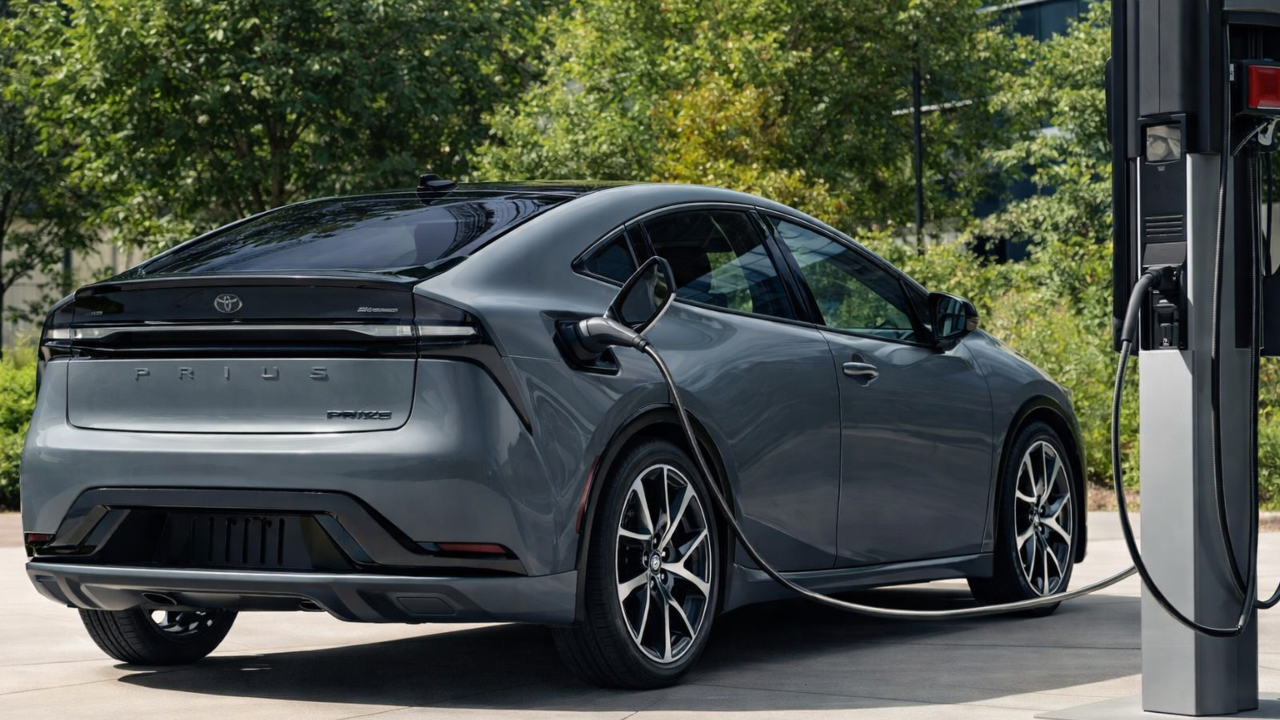
Specific nameplates highlighted the change. Toyota Prius sales jumped 287% year over year as buyers looked for proven efficiency, established reliability records, and fewer compromises in daily use. Many respondents cited fast refueling, resilience in colder climates, and the absence of charging logistics as main reasons for choosing hybrids over EVs.
Automakers have followed that demand signal. Toyota has committed to making the RAV4 lineup hybrid-only in the U.S. starting with the 2026 model year, removing pure gasoline versions of one of the country’s best-selling SUVs. Honda is expanding hybrid variants across key models. Kia and Hyundai are rolling out hybrid systems through their lineups, while Nissan is introducing its e-Power range-extender technology and Mazda is preparing new lean burn hybrid powertrains for 2027. In many product plans, hybrid investment is directly replacing canceled or delayed EV programs.
Hybrids Take Center Stage in the 2027 Lineup
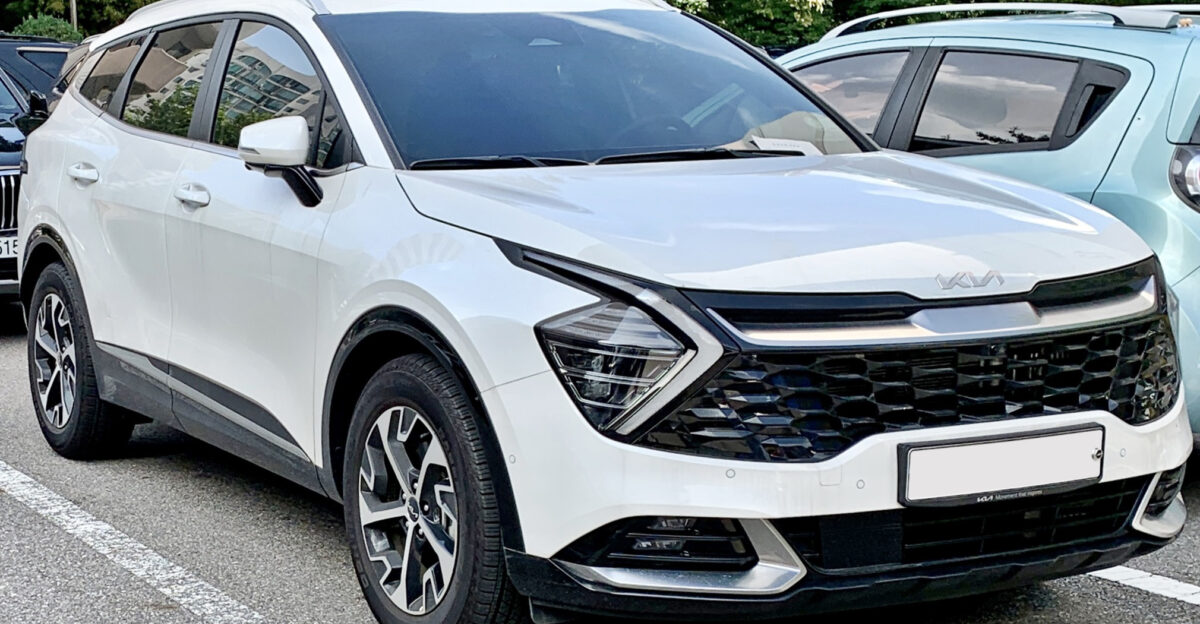
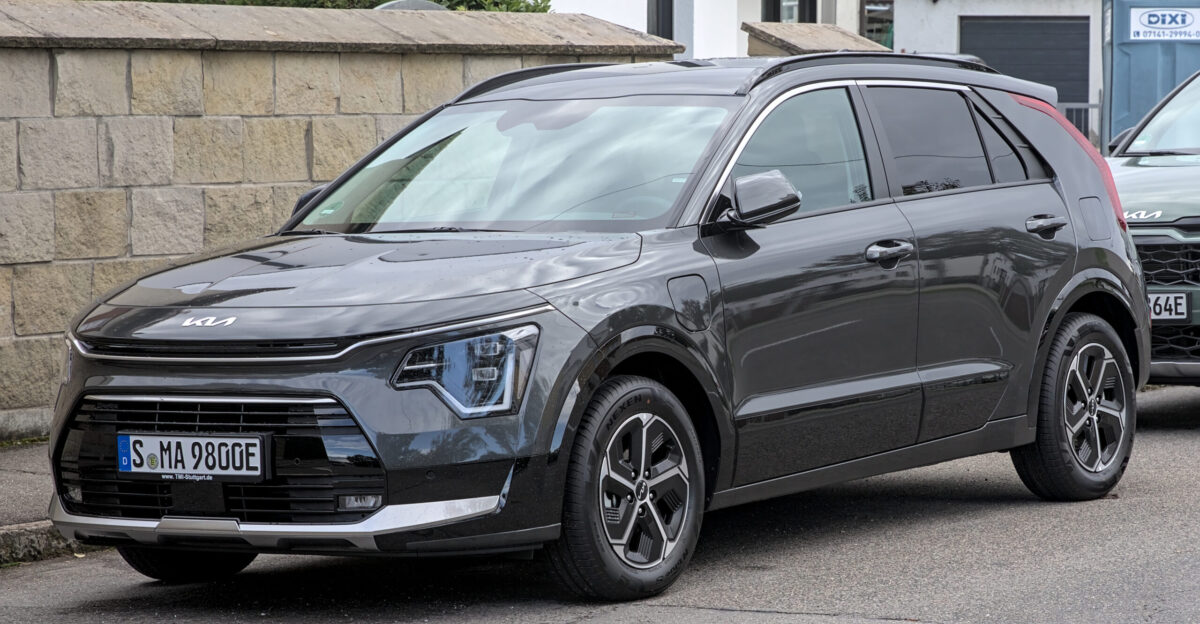
A growing roster of models illustrates how manufacturers are positioning hybrids as mainstream choices. At the lower end of the price spectrum, the Kia Niro Hybrid starts around $29,500, delivers about 53 miles per gallon combined, and can travel roughly 588 miles on a tank. It comes with a 10‑year or 100,000‑mile battery warranty, and its price undercuts many compact electric crossovers by $12,000 to $20,000.
In the midsize sedan segment, the Toyota Camry Hybrid opens near $30,195 and achieves around 51 mpg combined, with real-world highway testing close to 43 mpg at 75 mph and more than 760 miles of total range. The Honda Accord Hybrid, priced from about $34,850, offers a 204‑horsepower system and roughly 44 mpg combined, pairing efficiency with a more upscale interior, quieter cabin, and a highway range above 590 miles.
Compact and midsize hybrid SUVs are becoming core offerings. The Toyota Corolla Cross Hybrid, at about $30,745, delivers 42 mpg combined with 196 horsepower and practical cargo space. The Kia Sportage Hybrid starts around $30,290, returns 42 to 44 mpg combined, and uses a 231‑horsepower powertrain backed by Kia’s long battery warranty. The Honda CR‑V Hybrid, priced just under $38,000, emphasizes reliability, with 37 to 40 mpg combined, widely available all-wheel drive, and strong resale values.
Toyota’s RAV4 Hybrid, starting at about $31,900, posts 44 mpg combined and up to 236 horsepower in all-wheel-drive versions. From 2026, it will be sold only as a hybrid. Hyundai’s Tucson Hybrid, typically between $32,000 and $35,000, offers around 38 mpg combined and an available plug‑in hybrid variant with roughly 32 miles of electric-only range for shorter commutes.
Looking ahead, Nissan’s Rogue e‑Power, due in early 2027, will use a 1.5‑liter engine that charges the battery but does not directly drive the wheels, providing 202 horsepower and an estimated 53 mpg with an electric-like driving feel. Mazda’s CX‑5 Hybrid, expected in late 2027 with SkyActiv Z lean burn technology, is projected to return 35 to 40 mpg while targeting performance near current turbocharged models at a price point between about $38,000 and $42,000.
Costs, Infrastructure, and the Road to 2027
Ownership calculations are increasingly favoring hybrids. Over five years, total costs for a Kia Niro Hybrid—including purchase price, fuel, and insurance—are estimated at about $48,000. A Tesla Model Y over a similar period can reach roughly $59,500 once higher insurance premiums and potential battery degradation costs in the $5,000 to $8,000 range are considered. That gap of about $11,500, combined with fewer uncertainties around long-term battery health, is influencing buying decisions.
Charging access remains another constraint. Many rural regions still lack fast chargers, urban stations are often congested, and cold weather can cut electric range by up to 40%, complicating long-distance travel. Hybrids circumvent those issues by relying on the existing fuel network and conventional service infrastructure, while still delivering major gains in efficiency over traditional gasoline vehicles.
For buyers looking toward 2027, the shift means a wider selection of hybrid models across nearly every segment, typically with lower purchase prices than comparable EVs, predictable running costs, strong resale values, and decades of reliability data. While fully electric vehicles continue to evolve, the combination of high up-front prices, uneven charging availability, and the end of federal tax incentives has slowed their near-term momentum. Automakers are now betting that hybrids will carry the market through the next product cycle, giving them time to reassess future electric strategies as technology, infrastructure, and policy continue to change.
Sources:
“Ford Writes Down $19.5 Billion as It Pivots From Electric to Hybrids,” Fortune, December 15, 2025
“GM Takes $1.6 Billion Charge as EV Tax Credit Expires,” Reuters, October 14, 2025
“Hybrid Adoption to Rise as Electric Vehicle Momentum Slows,” Goldman Sachs Insights, September 10, 2025
“2026 Kia Niro Hybrid Review, Pricing, and Specs,” Car and Driver, May 21, 2025
“2026 Toyota Camry Review, Pricing, and Specs,” Car and Driver, April 30, 2025
“Rise of Hybrids Over Full EVs in 2025,” Motor Watt, October 22, 2025