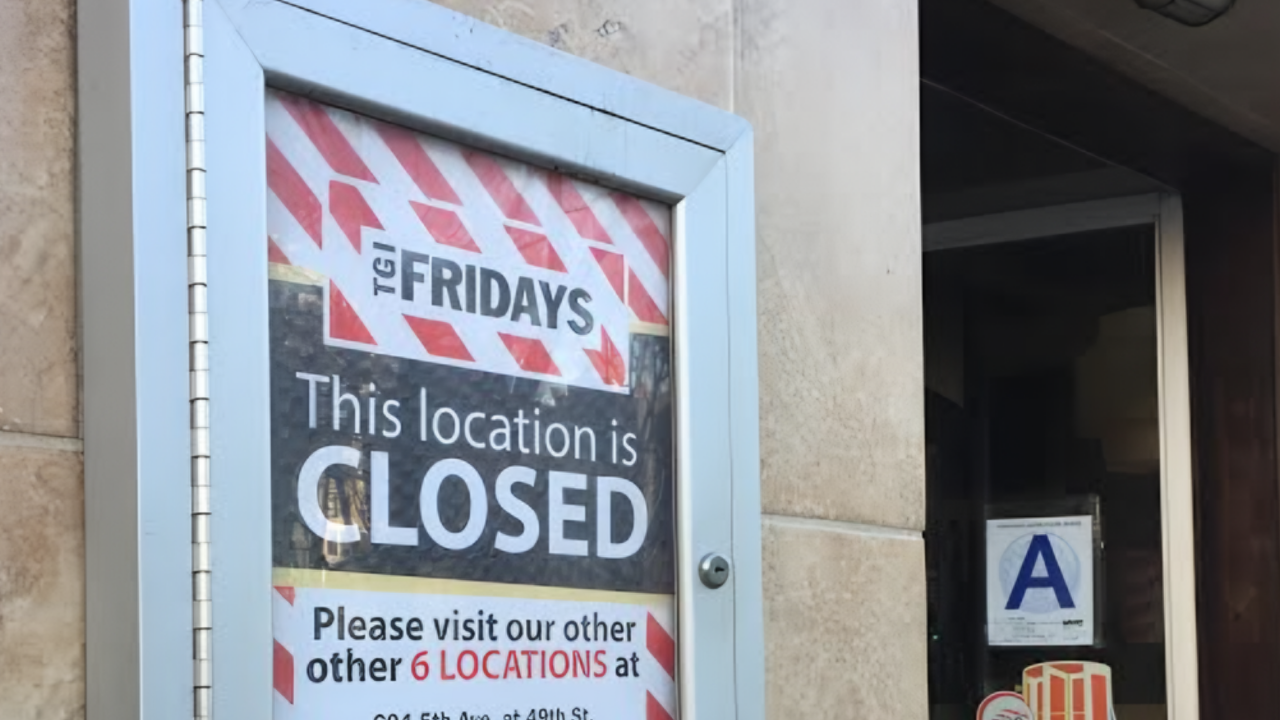
TGI Fridays is facing a historic collapse, shutting down 71% of its U.S. restaurants and eliminating $477 million in annual revenue. Executive Chairman Rohit Manocha framed the closures as a chance for “an optimized corporate infrastructure that enables [restaurants] to reach their full potential”.
Yet, thousands of employees, franchisees, and communities are now in upheaval. The scale of this shutdown hints at deeper structural failures and widespread disruption. Here’s what’s unfolding.
Who Is Affected Most By The Collapse?

TGI Fridays Corporation and its 39 company-owned U.S. restaurants filed Chapter 11 bankruptcy on 2 November 2024. Executive Chairman Rohit Manocha defended closures, saying, “This restructuring will allow our go-forward restaurants to proceed with an optimized corporate infrastructure that enables them to reach their full potential”.
Beyond corporate-owned units, franchised locations, workers, suppliers, and landlords all feel the impact. However, understanding the human cost offers a glimpse into the scale of this nationwide contraction.
Massive Job Losses Across The Country

The closures eliminated an estimated 4,775 to 6,876 restaurant jobs, spanning servers, bartenders, cooks, dishwashers, prep staff, and management. Employees were often notified only via brief social media posts or closure signs, leaving minimal transition time.
UK data parallels this trend: 35 closures cost 1,012 jobs, averaging 28.9 per location. These numbers suggest the U.S. workforce impact could have lasting economic consequences.
Missouri Workers Face Total Erasure
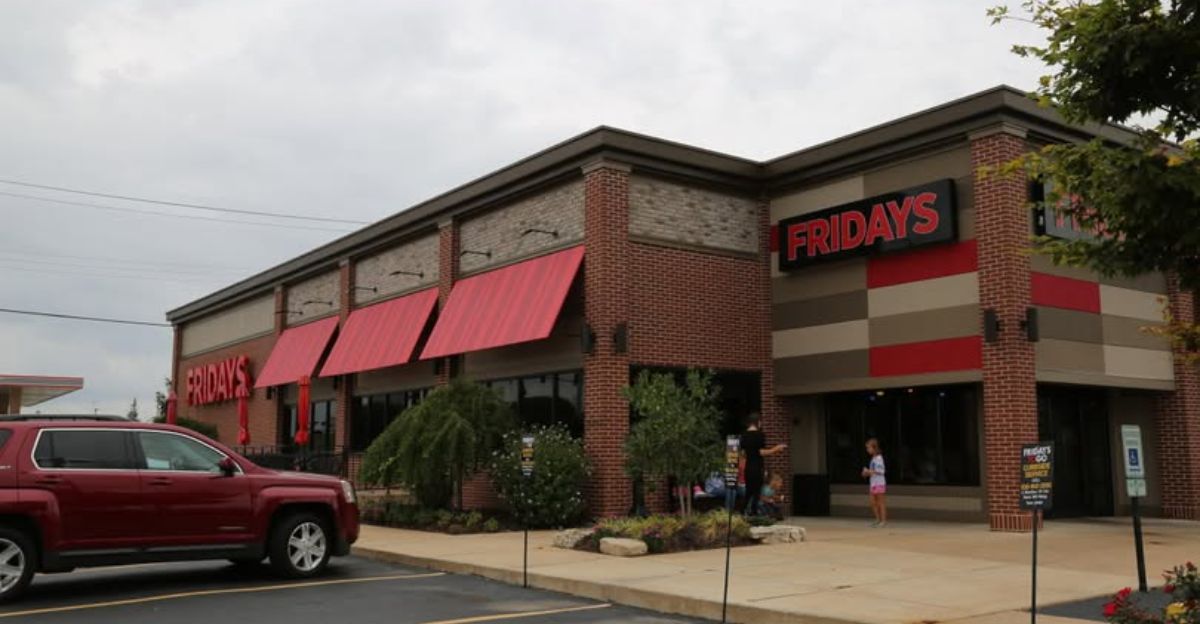
Missouri’s last two TGI Fridays locations closed a few weeks ago: Columbia on the 10th and St. Charles on the 12th. These closures alone displaced 50-72 employees, erasing the brand entirely from the state.
This regional elimination exemplifies the Midwest devastation. Yet, the geographic footprint loss extends far beyond Missouri, affecting dozens of states and thousands more employees.
Communities Lose Their Local Spots
Between January 2024 and November 2025, 191 communities across 31 states lost TGI Fridays restaurants. Only 19 states retain locations, led by Maryland with 11, Pennsylvania with 9, and Florida with 8.
The closures remove social and dining hubs, leaving many neighborhoods without familiar gathering spaces. How these communities adapt remains uncertain, hinting at deeper cultural shifts.
Franchisees And Owners In Limbo

Franchise owners faced intense uncertainty as the Chapter 11 filing affected brand reputation and corporate support. Decisions about continuing operations became critical amid declining consumer confidence and the risk of further closures.
With corporate-owned locations collapsing, franchisees navigated an unpredictable business environment, showing the cascading impact beyond company walls. This highlights the fragility of casual dining chains in crisis.
Landlords Confront Vacant Spaces
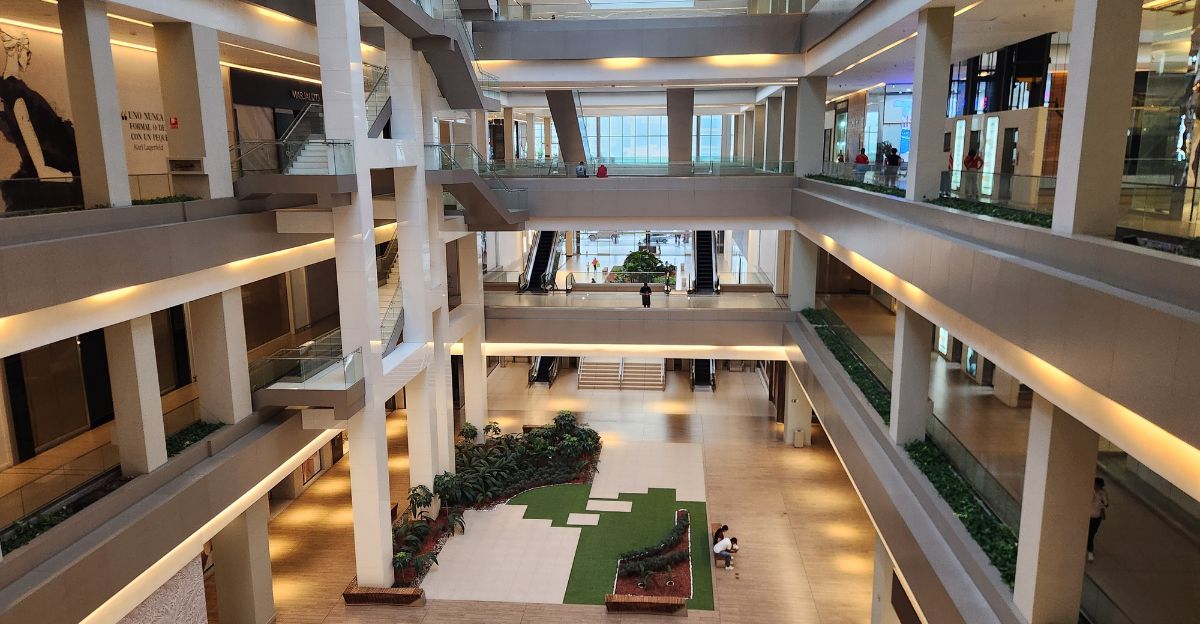
Approximately 3.8 million square feet of restaurant real estate is now empty. Strip malls, highway-adjacent locations, and suburban centers face difficult re-leasing, as built-in kitchens and large footprints limit alternative tenants.
Landlords must absorb significant losses, reflecting broader economic consequences of casual dining contraction. Yet this is only one ripple effect of the closures across multiple industries.
Supply Chains Lose A Key Partner

Food distributors, beverage suppliers, equipment services, and uniform companies lost hundreds of millions in annual business. Longstanding supply relationships were disrupted, creating immediate financial pressure for vendors relying on TGI Fridays contracts.
This collapse illustrates how a single chain’s failure can ripple through an entire ecosystem. The scale of lost revenue underscores the broader industry shock.
Numbers Tell The Full Story
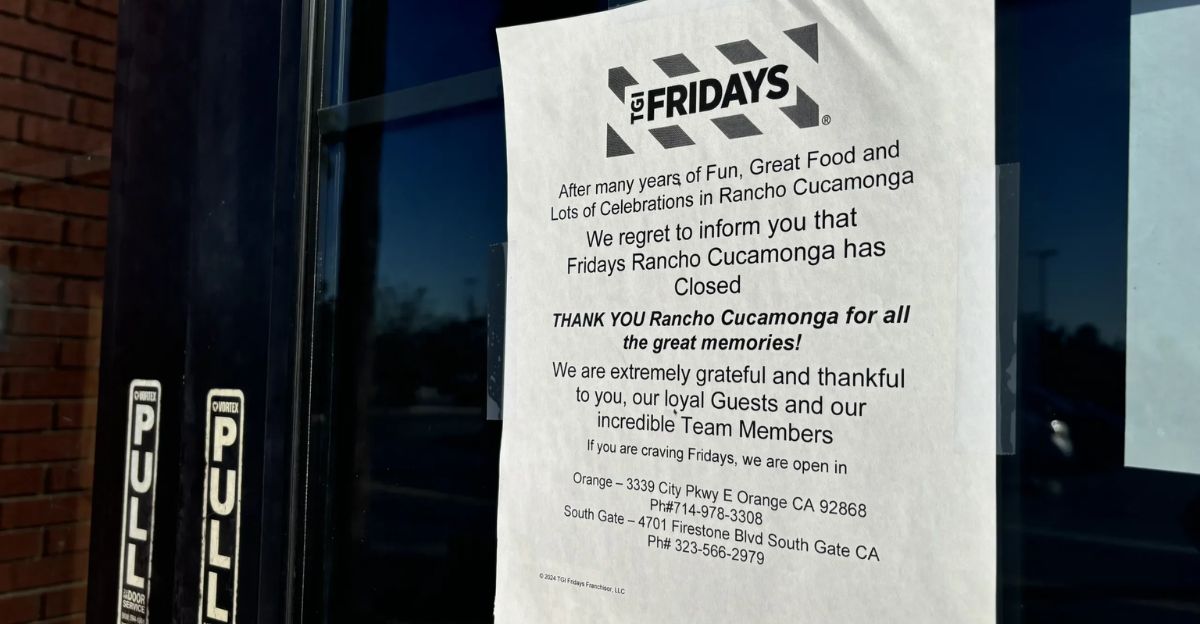
TGI Fridays U.S. locations dropped from 270 in January 2024 to 79 this month. Total closures numbered 191 restaurants, representing 71% of the domestic footprint.
Revenue losses are staggering: $477 million conservatively estimated, with potential losses up to $575 million. The math confirms the title’s claim, yet the human and operational impacts are equally stark.
Peak To Collapse: A Historical Context

At its 2008 peak, TGI Fridays had 601 U.S. restaurants generating $2 billion. By 2023, 233 locations produced $702 million. Now, 79 locations remain, generating roughly $200-240 million annually.
The 88% revenue decline from peak highlights long-term deterioration. However, the final collapse accelerated after bankruptcy, signaling deeper structural issues in the chain’s business model.
Bankruptcy Filing And Its Limitations
The Chapter 11 filing on 2 November 2024 cited COVID-19 financial challenges, capital restructuring needs, and loss of UK royalty streams. Assets and liabilities were estimated between $100-500 million.
Despite protection, closures continued, reducing locations from 161 at filing to 79 by November 2025. The filing slowed nothing, and operational failures became immediately apparent.
Collapse Timeline: Rapid Destruction
Early 2024 saw 36 underperforming restaurants close, followed by abrupt October 2024 closures before bankruptcy. Post-filing, 76 additional locations shuttered by April 2025, with 6 more by November.
An average of 17.4 closures per month shows the pace of decline. Missouri’s complete wipeout illustrates the human and community toll of this rapid contraction.
Structural Causes Behind The Decline

COVID-19, shifting consumer preferences, labor shortages, supply chain disruptions, and dine-in-focused operations made TGI Fridays vulnerable. Capital structure issues and lost UK royalties compounded the problem.
Sales dropped 15% year-over-year before bankruptcy. This perfect storm shows how systemic vulnerabilities can accelerate a long-term decline into sudden collapse.
Consumer Behavior Shifts

Younger consumers increasingly prefer authentic local dining or fast-casual experiences. Social media drives demand for “Instagrammable” meals, while casual chains are seen as expensive and outdated.
These evolving preferences explain why remaining locations struggle. The market signals suggest surviving TGI Fridays units face an uphill battle to remain relevant.
Closure Waves And Operational Mechanics
Early 2024 closures were strategic pruning, October 2024 saw emergency shutdowns, and November 2024 to 2025 triggered bankruptcy liquidation. Communications were minimal, often just social media posts or signage.
Missouri’s two-location closure within 48 hours exemplified the abrupt approach. The operational model could not sustain the chain, leaving employees and patrons blindsided.
What Comes Next For TGI Fridays?
With only 79 locations left, continued closures, and no clear stabilization, the chain’s survival is uncertain. Over 4,775 U.S. workers lost jobs, and 31 states remain without restaurants.
Executive Chairman Rohit Manocha’s promise of an “optimized corporate infrastructure” failed. Whether TGI Fridays will survive or join extinct American chains is now the central question.