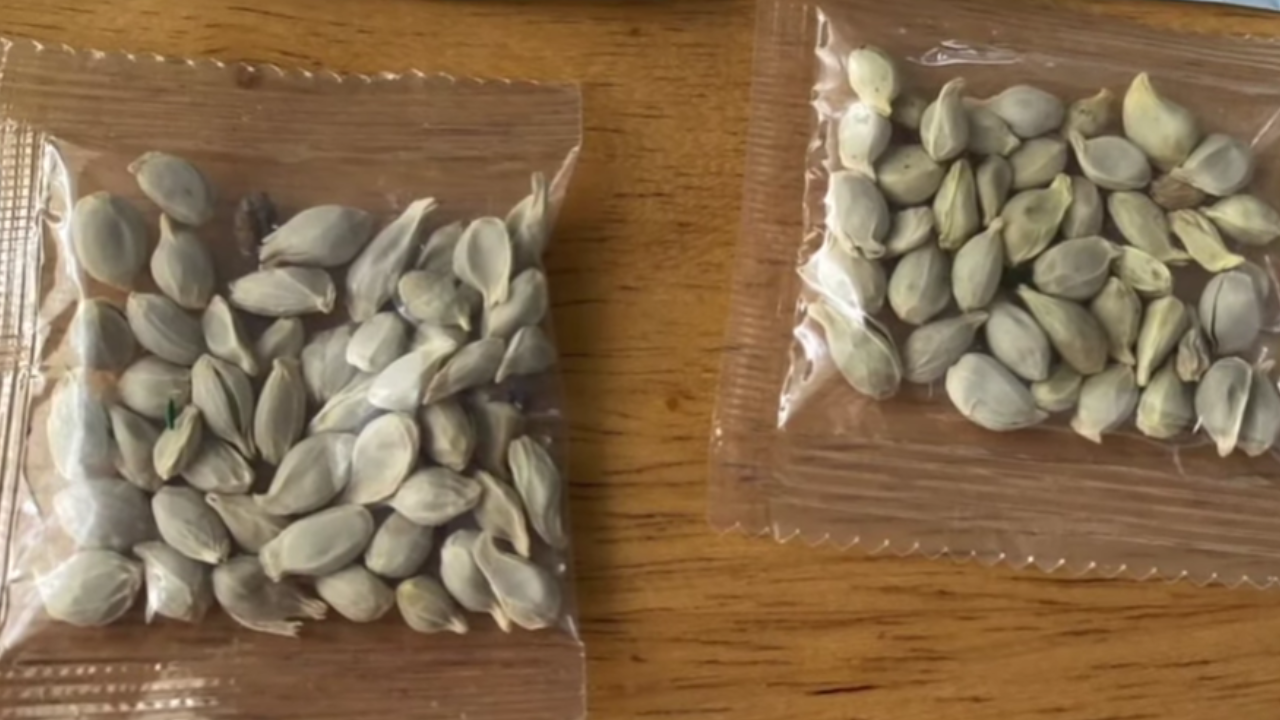
Texans across the state are finding unexpected seed packets in their mailboxes, and no one remembers ordering them. Since early 2025, the Texas Department of Agriculture (TDA) has collected 1,101 mystery seed packages from 109 locations, many with foreign postmarks and vague customs labels that list items like jewelry instead of seeds.
Officials say the unrequested packets may look like junk mail, but they could quietly threaten home gardens, ranchland, and commercial farms if people treat them like any other online order and open or plant them.
State Leaders Sound the Alarm
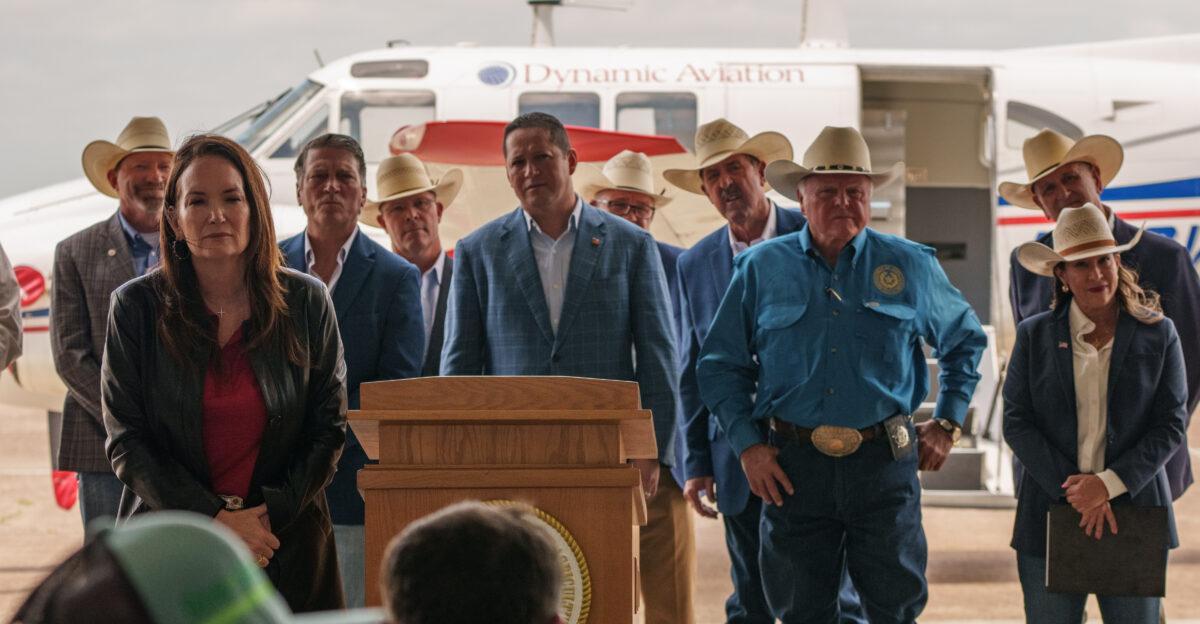
Texas leaders are openly sounding the alarm. Commissioner Sid Miller has repeatedly described the mystery seed mailings as serious business, saying his agency is determined to protect Texans from any threat they might pose. “Unsolicited seeds coming into our country are a risk to American agriculture, our environment, and public safety,” Miller warned in a recent statement.
State officials stress that even a few unidentified seeds could carry destructive pests or diseases that spread far beyond the yard where they are planted. The sheer number of packets and their wide distribution across Texas show this is not a one-off glitch, but an ongoing risk that requires a fast, coordinated response from both government and residents.
How Investigators Found the Pattern
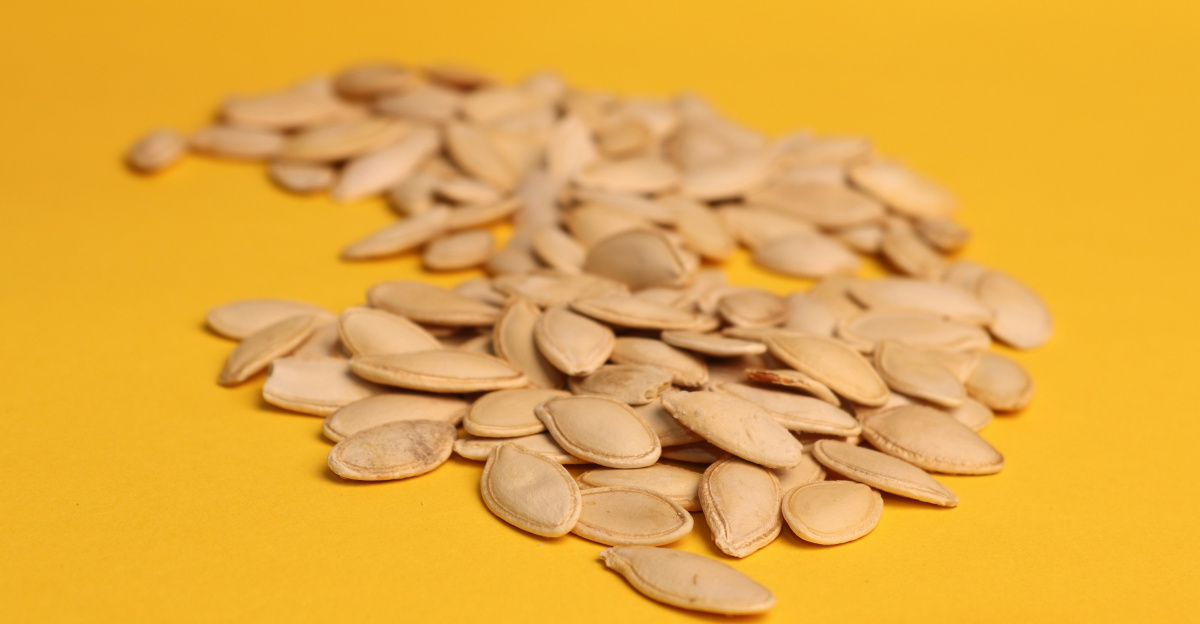
The current Texas investigation began with what looked like a one-off oddity. In February 2025, a resident in Clute received an unsolicited package from China containing unidentified seeds and an unknown liquid, prompting a warning from TDA. That first case triggered closer monitoring, and soon similar reports began arriving from other communities.
As staff logged each incident, a pattern emerged: packets often bore foreign return addresses, misleading labels, and similar packaging styles. By late 2025, TDA had documented 1,101 unsolicited seed packages from 109 locations across the state, from urban neighborhoods to rural towns. Officials say the scale and consistency of the mailings make it clear this is not just random postal error, but part of a broader, coordinated pattern that needs to be understood and contained.
It Happened Before in 2020
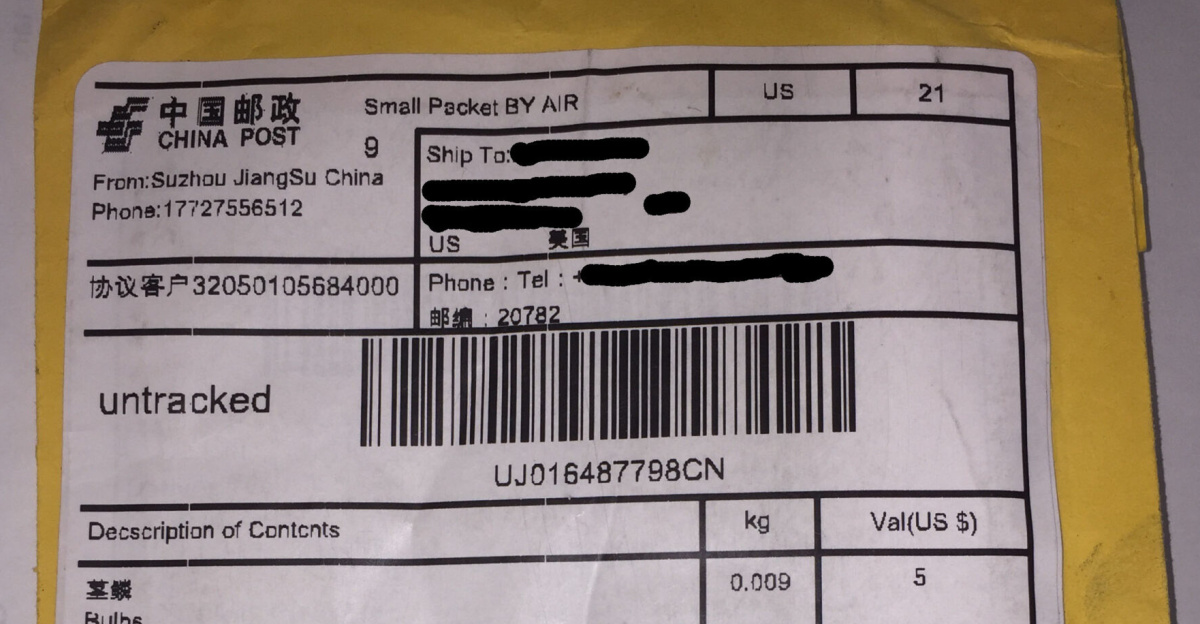
For longtime agriculture officials, the Texas surge feels like déjà vu. In 2020, residents in all 50 states reported receiving mystery seed packets, many with Chinese writing or “China Post” markings, prompting warnings from state agriculture departments and the U.S. Department of Agriculture (USDA). After testing, USDA’s Animal and Plant Health Inspection Service (APHIS) concluded that most of those earlier shipments were likely tied to so‑called “brushing” scams, in which sellers mail cheap items to random people so they can post fake “verified” reviews online.
APHIS said it found no evidence those seeds were mailed to deliberately harm U.S. agriculture, but stressed that illegal, unpermitted seed imports still pose real risks if they contain pests or noxious weeds. The new wave in Texas appears to mirror that 2020 episode, but with a sharper focus on biosecurity and prevention.
The Single Most Important Rule

Texas officials have one simple headline rule for anyone who receives these packets: do not open them. Residents are urged to keep the packages sealed in their original wrapping, avoid handling the seeds, and contact the Texas Department of Agriculture at 1‑800‑TELL‑TDA for instructions and collection. This guidance matches federal advice from USDA APHIS, which urges people not to plant, eat, or discard unsolicited seeds in the trash, since they could sprout unnoticed in landfills, compost, or fields.
Instead, packets should be turned over so they can be tested and destroyed safely. “We need everyone to report these packages when they arrive so the contents may be gathered and disposed of properly,” Miller said.
Why This Matters for Texas Agriculture
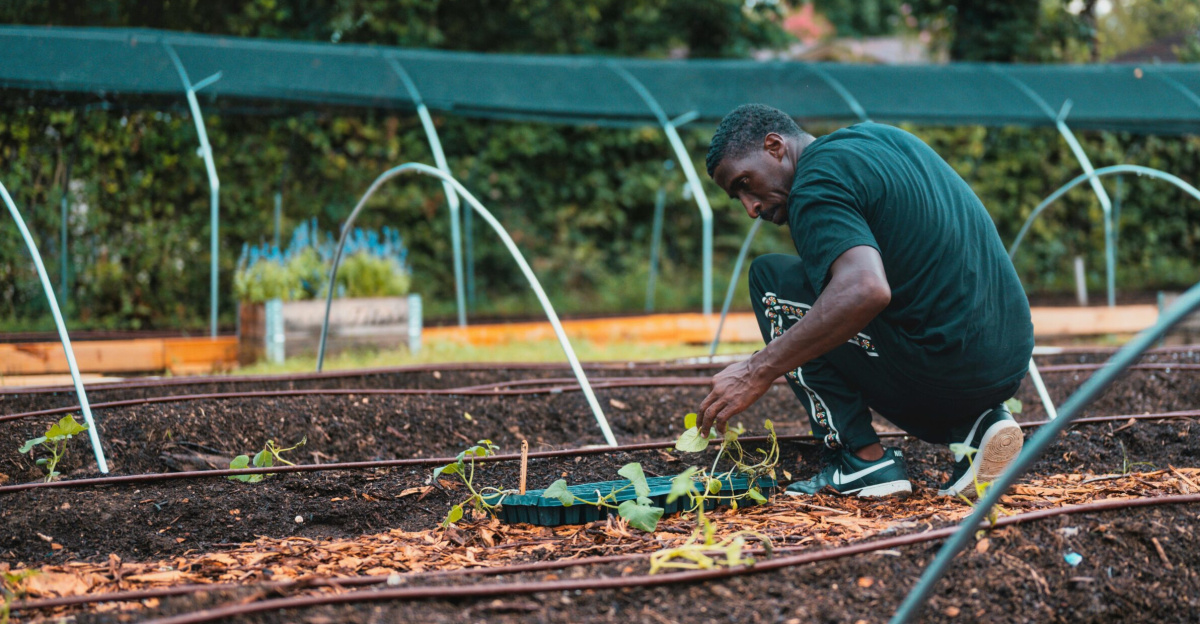
For Texas, the stakes go far beyond a few backyard planters. Agriculture and related industries contribute more than $100 billion annually to the state economy, anchored by crops, livestock, and a vast network of rural communities. Officials warn that invasive plants, plant diseases, or pests introduced through unknown seeds could damage fields, rangeland, and native habitats that support wildlife and grazing.
Even a small foothold for a new invasive species can turn into a costly, long‑term fight to protect crops and ecosystems. Miller has framed the mailings as both a consumer and security issue, saying the possible introduction of an invasive species to the state via these seeds poses real risks to Texas families and the agriculture industry.
The Mystery From Your Mailbox

For individual Texans, the threat usually shows up looking ordinary. Many people report receiving small envelopes labeled as jewelry, beads, or other trinkets that arrive alongside regular online purchases. Inside, they find tiny plastic packets of seeds and sometimes an unidentified liquid, even though they never placed an order.
Some assume the seeds were a free gift or a mistaken shipment and are tempted to open or plant them. Officials say that moment of curiosity is exactly what they need to prevent. Instead of treating the packet like an unexpected bargain, residents are being asked to see it as potential evidence in an ongoing investigation, and a possible source of pests or diseases that Texas cannot afford to welcome.
The Brushing Scam Explained

Investigators say most mystery seed mailings are likely linked to brushing scams, a tactic used by some e‑commerce sellers to game online review systems. In a brushing scheme, a seller ships cheap, lightweight items, like seeds to random addresses so that the shipping records show a legitimate delivery.
The seller then posts fake, glowing reviews tied to those deliveries, boosting their ratings and visibility on major platforms. While the scam itself is about online sales, agriculture officials note that the biological risk is separate from the motive: any unregulated plant material entering the country can still harbor pests or invasive species, regardless of why it was mailed.
A Problem That Crosses Borders

The mystery seeds problem quickly crossed national borders in 2020 and again raised international concerns. Canada’s food inspection agency warned its residents not to plant unsolicited seeds and to report them, citing the risk of invasive plants and agricultural pests. At the same time, China’s foreign ministry said many mailing labels that appeared to show Chinese origins were likely forged and asked that suspicious packages be returned through postal channels for investigation.
Those responses underscored how a seemingly low‑cost mailing tactic can carry high ecological and diplomatic stakes. When seeds move without permits or oversight, they can damage ecosystems and strain relations between countries, even if the original intention was just to cheat an online review system.
The Hidden Price Tag of Invasive Species

Scientists say the broader costs of invasive species put the mystery seeds in stark perspective. A major analysis of published data estimated that biological invasions have cost the United States at least $1.22 trillion between 1960 and 2020, with agriculture among the hardest‑hit sectors. Most of that money went to repairing damage and losses, such as destroyed crops, degraded rangeland, and ecosystem harm, rather than prevention.
Researchers found that annual costs have climbed sharply over time, rising from about $2 billion per year in the 1960s to roughly $20 billion per year by 2010–2020. Yet only a small fraction of spending in the U.S. goes toward biosecurity and prevention, leading many experts to argue that intercepting even a trickle of risky seeds is a bargain compared with fighting a full‑blown invasion later.
What Could Be Inside These Packets
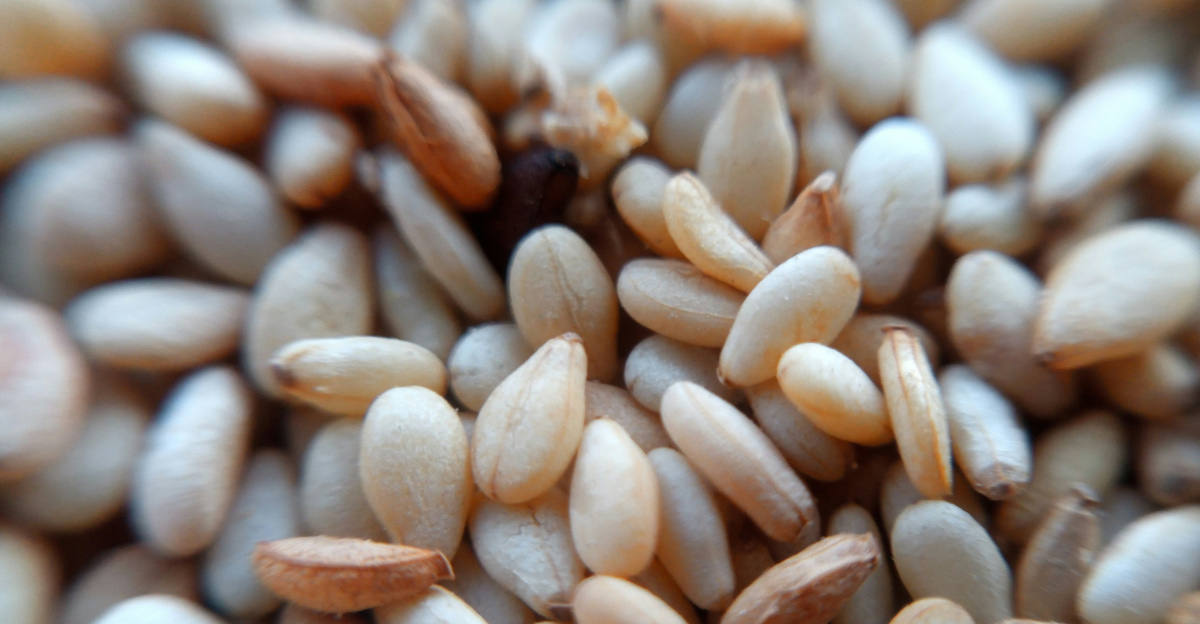
Texas officials emphasize that the biggest concern is not what the seeds look like, but what they might carry. Unregulated seeds could belong to invasive plant species that outcompete native vegetation, or they could host insects, fungi, or plant pathogens that damage crops and trees. TDA has described the pattern of unsolicited mailings as a serious and ongoing threat to agricultural biosecurity, especially if any of the seeds are planted and begin spreading unnoticed.
The department is working with USDA APHIS and federal partners to test intercepted packets, identify the species involved, and destroy any material that poses a risk. Lab results from past incidents showed a mix of ornamental, fruit, vegetable, and weed seeds, underscoring how unpredictable the contents can be.
The China Connection

Many of the seed packages reported in Texas appear to trace back—at least on paper—to China. Shipping labels, customs declarations, or return addresses often reference Chinese locations or include Chinese characters. U.S. officials caution, however, that labels can be forged, and APHIS has said there is no evidence that someone was intentionally targeting critical U.S. agricultural infrastructure in the earlier national wave.
Chinese authorities have previously argued that many addresses and labels linked to China were falsified and asked that suspicious packages be returned via postal channels so their agencies can investigate. The back‑and‑forth highlights how global e‑commerce, cheap shipping, and spoofed documentation can blur the true origin of small items, even as they create very real local risks for farmers and ecosystems.
How Texans Should Respond

To cut through confusion, Texas has set up a straightforward protocol. Anyone who receives an unsolicited seed package should keep it sealed, save the entire envelope and label, and call 1‑800‑TELL‑TDA to report it. TDA staff then arrange for collection or provide instructions on how to submit the material safely, often in cooperation with federal labs.
Officials stress that residents should not throw the packets in the trash, flush them, or compost them, because those disposal methods could let seeds escape into the environment. Instead, the goal is to keep the material contained so any pests or invasive species never get the chance to germinate or spread.
Commissioner Miller’s Stand
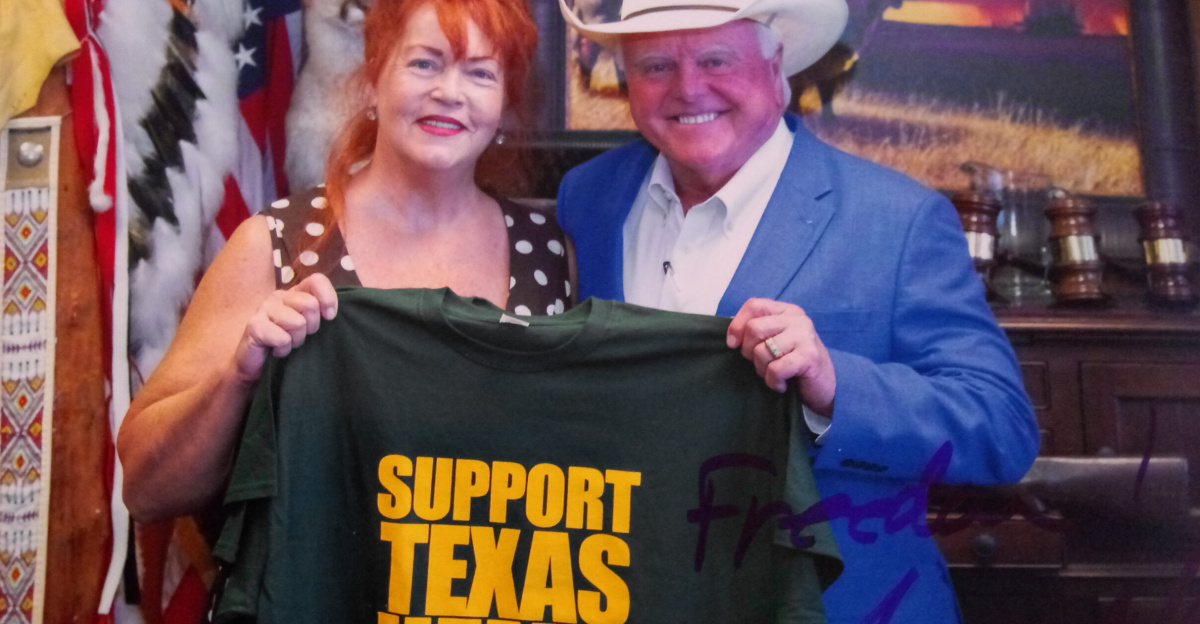
Commissioner Sid Miller has framed the mystery seed mailings as both a consumer protection and national security concern. He has warned that Texas “isn’t going to take chances” with its food supply, families, or multi‑billion‑dollar farm economy and has urged residents to treat every unsolicited packet as a potential threat until experts say otherwise.
“Whether it’s part of an ongoing scam or something more sinister, we are determined to protect Texans,” Miller said, calling on people to report packages immediately. Still, officials acknowledge that until testing is complete, they cannot say with certainty whether each individual packet is harmless or dangerous—another reason for the “better safe than sorry” approach.
The Race Against Time Ahead

As Texas and federal agencies work through hundreds of intercepted seed packets, they are racing against both time and human curiosity. Every unopened packet that gets turned over to authorities is one less chance for an invasive plant, pest, or pathogen to slip into Texas soil. But with cheap global shipping, growing online marketplaces, and incentives that reward high volumes of reviews, officials expect similar schemes could reappear.
That leaves a larger question hanging over this episode: are current biosecurity rules, and public awareness, strong enough to keep pace with evolving threats? For now, Texas officials are urging residents to remember one rule above all: if seeds show up that you didn’t order, don’t open, don’t plant, just report.
Sources:
Click2Houston, Texas residents warned about mystery seed packages arriving from China, 4 Jan 2026.
FOX 7 Austin, Texans warned not to plant unmarked seed packets from unknown senders, 5 Jan 2026.
Houston Chronicle, Why Texas officials are urging residents not to open these seed packages, 5 Jan 2026