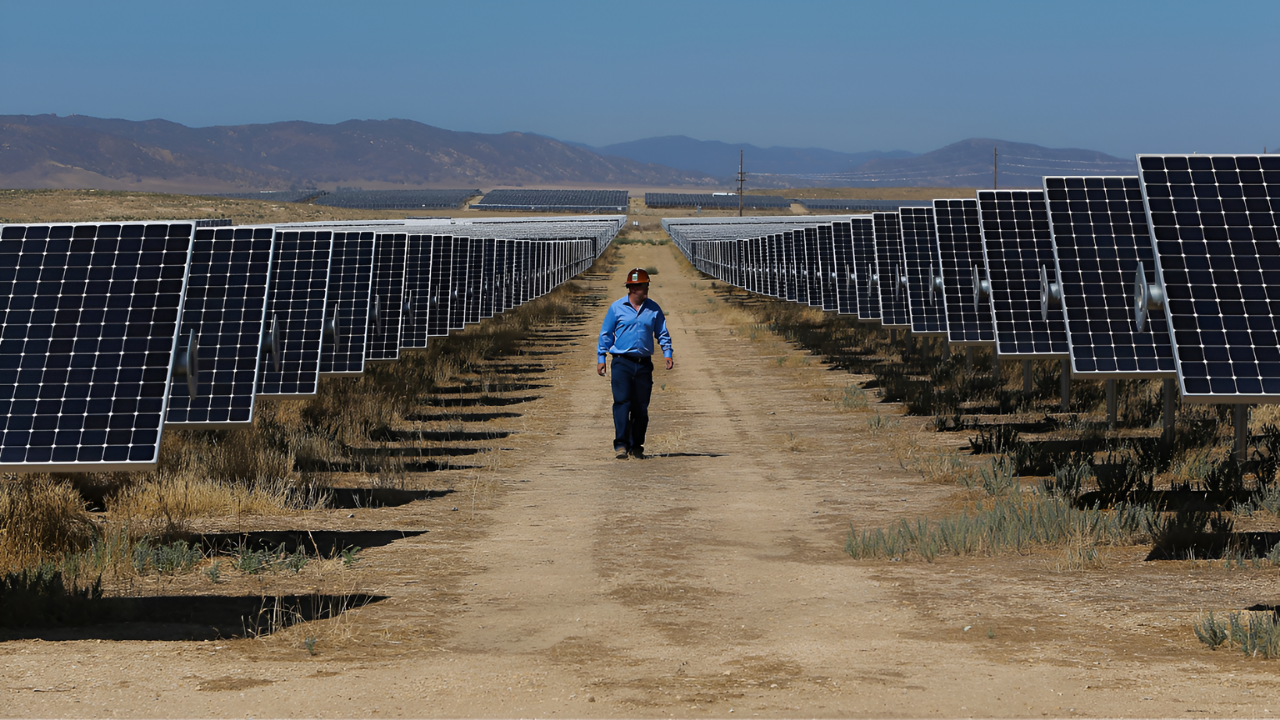
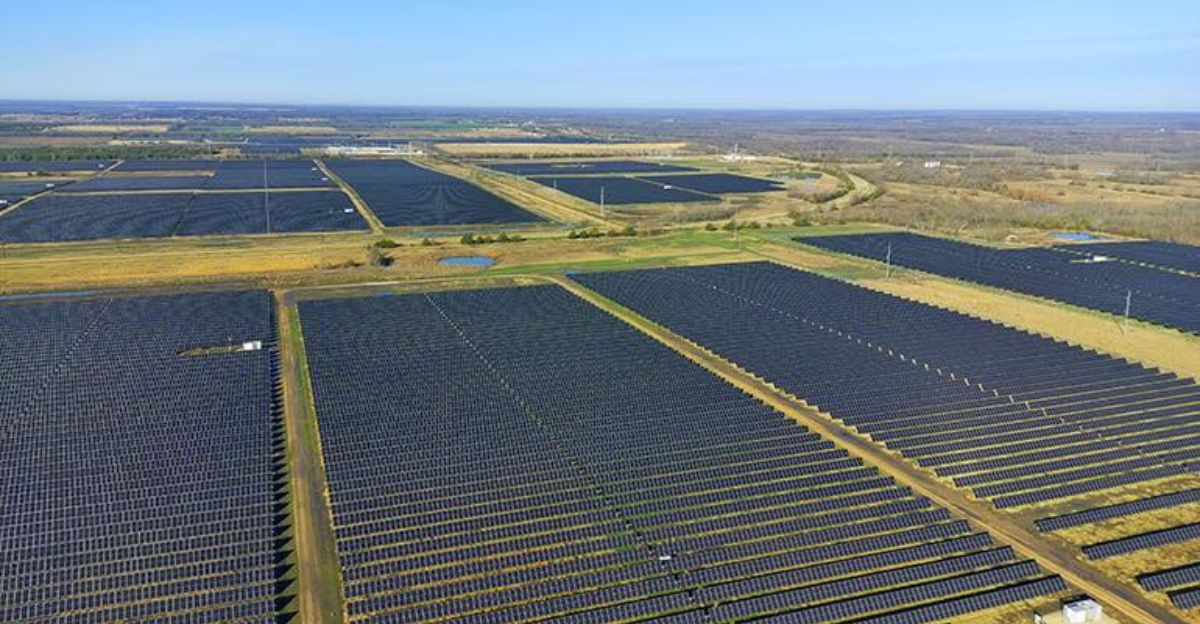
August 2023 marked a turning point for Texas’s power grid. As demand soared to 85.5 gigawatts—dangerously close to catastrophic failure—millions of Texans braced for rolling blackouts. Nearly two years later, Enel North America launched GulfStar, its largest U.S. power plant, in Wharton County. This 911-megawatt facility, combining 556 MW of solar generation with 355 MW of battery storage, is designed to keep the lights on when the grid is under the greatest strain.
Texas Grid on the Brink
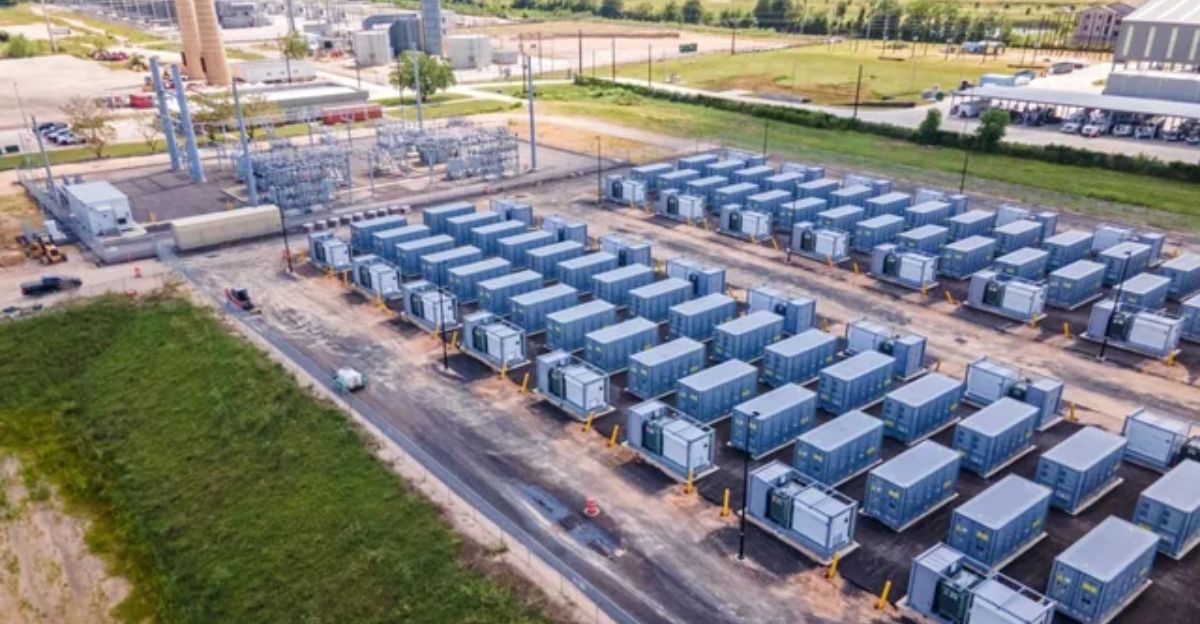
Texas’s population continues to surge, with 500,000 new residents in 2024 alone. The state’s appetite for electricity is further fueled by the rapid expansion of data centers, which have added 25 gigawatts of new demand. The Electric Reliability Council of Texas (ERCOT) has repeatedly warned that the grid is most vulnerable between 6 and 9 p.m., when solar output drops but demand remains high. Traditional power plants cannot ramp up quickly enough to meet these peaks, but batteries can. Enel strategically sited GulfStar in Wharton County, a critical transmission bottleneck, to stabilize voltage and provide dispatchable power during emergencies—precisely the kind of event that nearly plunged Texas into darkness just eighteen months ago.
A New Model for Clean, Reliable Power
GulfStar’s scale is unprecedented for Texas. Its 556 MWdc solar array delivers 450 MWac during daylight hours, while the co-located 355 MWdc battery system stores excess energy for use after sunset or during demand spikes. This hybrid approach allows the facility to rival mid-sized natural gas plants, demonstrating that renewable-plus-storage projects can compete on both reliability and scale. According to ERCOT’s reliability assessments, battery-backed solar reduces the probability of grid emergencies by 30–35% during extreme winter events compared to renewables alone. By flattening the so-called “duck curve”—the mismatch between peak demand and solar generation—GulfStar helps grid operators manage rapid shifts in weather and demand.
Enel’s Rapid Rise in U.S. Battery Storage
With GulfStar’s launch, Enel became the third-largest battery storage operator in the United States, boasting over 1.25 gigawatts of capacity across 14 utility-scale systems. Only NextEra Energy and ENGIE North America operate larger fleets. Enel’s rapid expansion signals a shift in the energy sector: corporate renewable developers are now outpacing traditional utilities in modernizing the grid. In the second quarter of 2025, ERCOT deployed more battery storage than California’s grid for the first time, with Texas accounting for over half of all new U.S. battery capacity that quarter. Texas’s business-friendly permitting, low land costs, and deregulated markets have accelerated the development of GulfStar and more than 50 similar projects, positioning the state as the new epicenter of battery storage in America.
Economic and Environmental Impact
GulfStar’s construction created more than 1,200 jobs and is expected to generate over $200 million in local tax revenues and landowner income over its operational life. For Wharton County, historically reliant on fossil fuels and agriculture, this represents a significant economic transformation. The facility’s innovative agrivoltaic model allows 6,000 sheep to graze beneath the solar panels, providing natural vegetation management and additional income for local ranchers. Environmentally, GulfStar’s solar array is projected to generate 1.4 million megawatt-hours annually, displacing approximately 700,000 metric tons of CO₂ each year—the equivalent of removing 4.5 million cars from the road over three decades.
Challenges and the Road Ahead
Despite these advances, questions remain about the resilience of battery storage during prolonged extreme weather events. While batteries have performed well during peak-demand hours in other regions, their ability to provide continuous backup over multiple days is still being tested. ERCOT’s models suggest that widespread deployment of storage—rather than reliance on a single site—is necessary to significantly reduce the risk of blackouts during events like polar vortices or heat domes. GulfStar’s strategic location in Wharton County, however, makes it a critical asset for preventing thermal overloads in key transmission zones.
Looking Forward: A New Era for Texas Energy
GulfStar’s completion in November 2025 comes at a pivotal moment for Texas. With peak summer demand reaching record highs and extreme weather becoming the norm, the state’s grid faces unprecedented challenges. Enel’s investment in hybrid solar-plus-battery systems, supported by federal tax incentives and robust corporate demand for clean energy, signals a broader shift in how America powers its future. For Texas, GulfStar demonstrates that technology and private capital can deliver reliability and resilience faster than policy alone. As the grid evolves, the stakes remain high: the ability to keep 21.4 million homes powered through the next crisis may depend on projects like GulfStar—and the continued alignment of economic and environmental priorities.