The retail scene in North Texas is entering a period of profound change. Dillard’s, the Arkansas-based department store founded in 1938, will close its Plano location at The Shops at Willow Bend between January 12 and 25, 2026. While it may appear to be a single store closure, the decision signals a larger transformation for the area, tied to a redevelopment project valued at up to $1 billion.
“The closure is part of a strategic shift to optimize store locations while investing in our long-term growth,” a Dillard’s spokesperson said, highlighting the company’s ongoing adaptation to evolving retail trends. For local shoppers and employees, the closure marks the end of an era. Here’s what’s happening as the community prepares for the changes ahead.
A Community and Its Jobs in Transition

The Dillard’s closure will directly impact 93 employees, as noted in a state WARN notice filed with the Texas Workforce Commission on November 8, 2025. For many, the timing is especially difficult, coming just after the holiday season, a peak period in retail employment. Families dependent on these jobs face immediate disruption and uncertainty.
This local loss reflects broader trends nationwide. In 2025, major retailers like Macy’s announced plans to close 66 stores, while JCPenney shuttered eight locations. Traditional retail employment continues to feel the strain of shifting consumer habits, including the rise of online shopping and the increasing popularity of curbside pickup. The Dillard’s closure is a microcosm of a retail sector adapting to a rapidly evolving marketplace.
The Shops at Willow Bend: From Destination to Crossroads
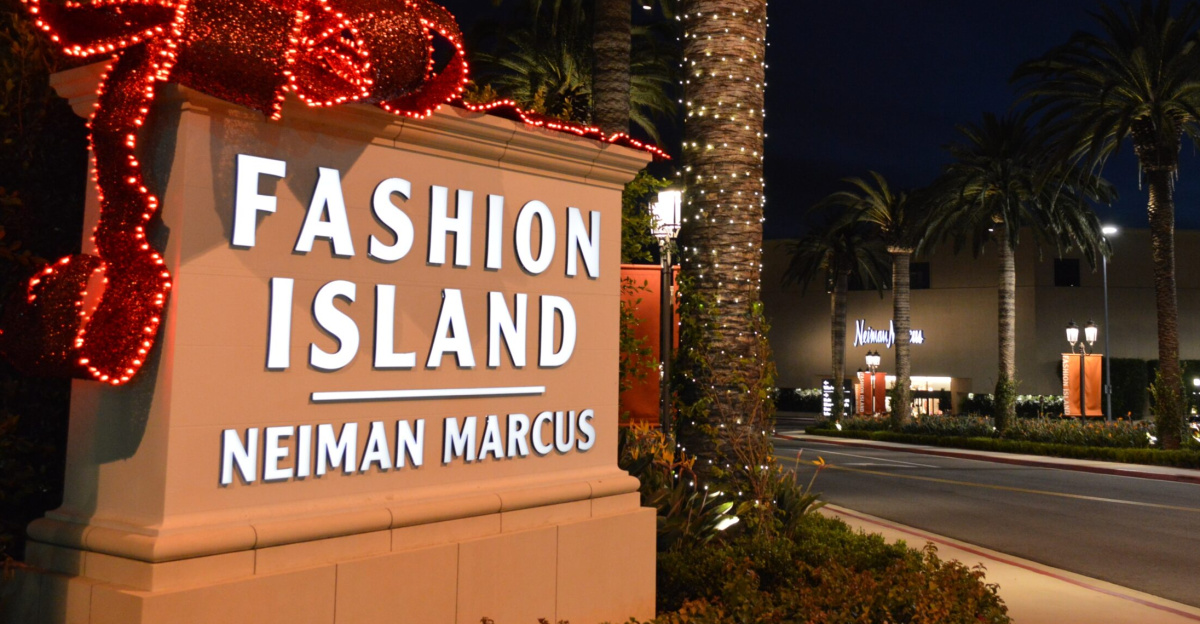
Opened in August 2001, The Shops at Willow Bend quickly became a premier destination, attracting approximately 250,000 visitors in its first weekend. Anchored by Dillard’s and Neiman Marcus, the mall represented suburban prosperity and a hub for community gatherings and holiday traditions. It was the last enclosed luxury mall built in Texas, catering to upscale retailers and affluent shoppers.
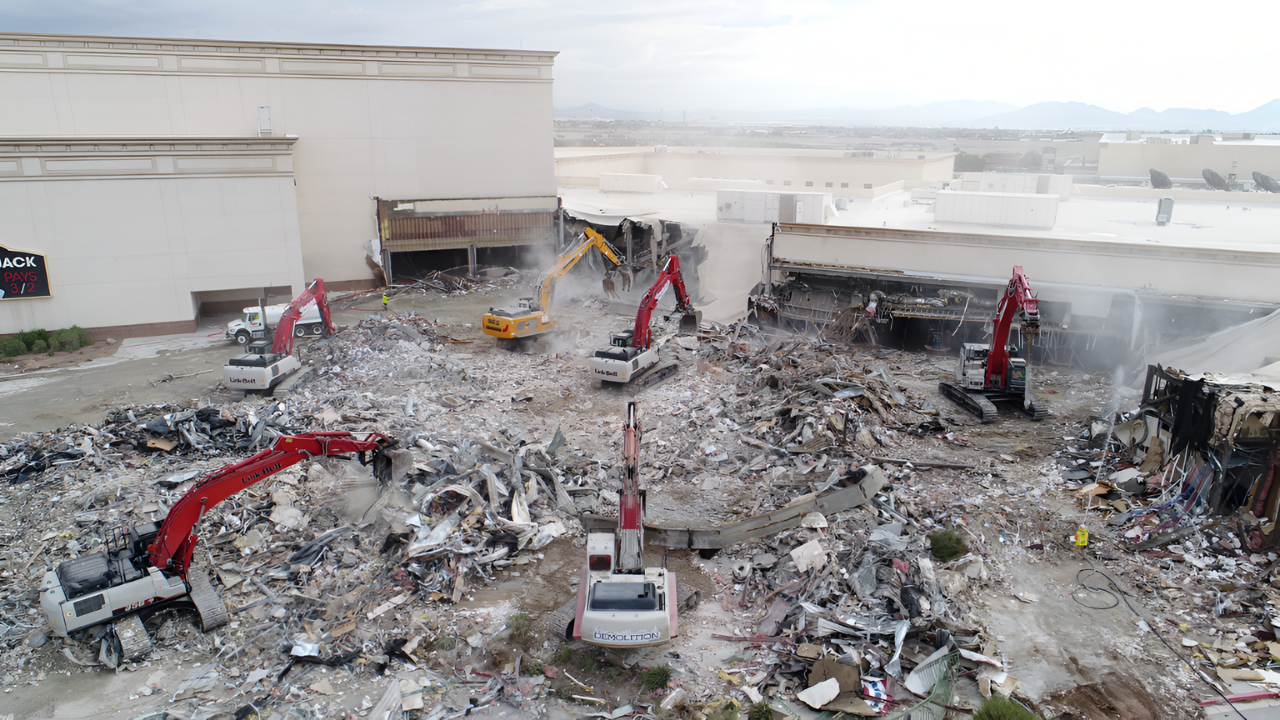
Over time, however, online shopping and changing consumer preferences eroded its dominance. Foot traffic declined, and the mall’s long-term future became uncertain. The closure of Dillard’s coincides with a redevelopment project that will see more than one-third of the mall demolished over the next three years. The departure of this anchor tenant leaves a gap in both Plano’s economy and its community identity.
Retail’s New Reality and the Human Cost
For Plano residents, Dillard’s was more than a store—it was a holiday tradition and symbol of economic vitality. Founded during the Great Depression, the store survived decades of retail upheaval but ultimately could not withstand the shifts in modern suburban shopping. For the 93 employees losing their jobs, the closure is particularly hard, coming immediately after the holiday rush.
The challenges extend beyond Dillard’s. Neiman Marcus, another anchor, will exit in January 2027. The departures reflect a nationwide trend, with analysts projecting up to 15,000 retail closures in 2025. Since 2019, major department store chains have lost $8.8 billion through store closures and restructuring. Even with some foot traffic rebounding, department store sales continue to face ongoing pressure from online competitors.
A New Vision: Redevelopment and Arena Ambitions
Dallas-based Centennial is spearheading a $500 million to $1 billion redevelopment project called “The Bend.” Plans include 800,000 square feet of retail, dining, and entertainment space, 965 residential units, a high-rise hotel, and a seven-story office tower. More than one-third of the mall will be demolished, with completion targeted for 2028.
Willow Bend is also a contender for a new Dallas Stars arena, should the team relocate from the American Airlines Center in 2031. A $1 billion-plus arena would redefine the area, shifting its focus from retail to sports and entertainment. The project highlights the changing nature of suburban spaces, blending community life, commercial development, and large-scale entertainment.
Strategic Shifts and the Road Ahead

Dillard’s closure reflects a broader company strategy to consolidate profitable locations while maintaining financial discipline. Unlike other department stores facing bankruptcy, Dillard’s—still family-controlled—focuses on merchandising strength and operational efficiency. Approximately 90% of its sales come from in-store shopping, making each location critical to overall performance.
For Plano, the redevelopment could attract 1,930 to 2,895 new residents based on the planned residential units. City officials face decisions on zoning, infrastructure, and support for displaced workers. Balancing growth with community needs will be key as demolition and construction proceed. The experience mirrors the broader American story: the decline of traditional malls and the rise of mixed-use, experience-driven developments.
End of an Era, Start of Transformation
The closure of Dillard’s and the planned demolition of The Shops at Willow Bend mark the end of a significant chapter in Plano’s retail history. For employees, families, and local shoppers, the loss is immediate and tangible, reflecting broader shifts in how Americans shop and interact with community spaces.
At the same time, the ambitious redevelopment project presents an opportunity to redefine the area’s identity, economy, and lifestyle. With new residences, retail, and entertainment spaces, as well as the potential for an NHL arena, Plano may transform a closing chapter into an opportunity for growth. The city’s adaptation will determine whether the end of an era becomes the start of a new, vibrant community hub.