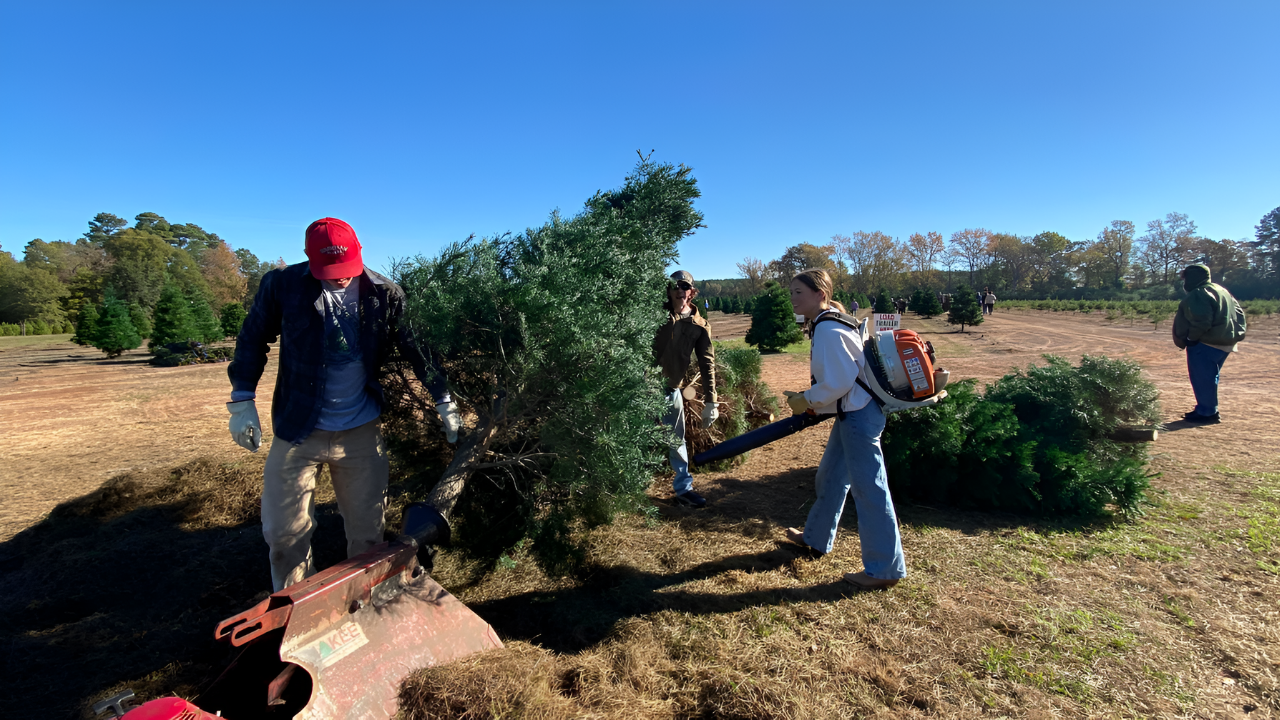
Families in East Texas have spent decades kicking off the holidays the same way: driving out to Danville Farms near Kilgore, picking up a handsaw, and wandering through rows of Virginia pines until they found the right tree to cut and bring home. For more than 40 years, the choose-and-cut farm offered not just evergreens, but a seasonal ritual that marked the start of Christmas for thousands of visitors. Now, as artificial trees dominate the market and small growers age out of the business, Danville Farms is preparing to close, reflecting broader pressures on real Christmas tree farms across the United States.
Shifting Traditions in American Living Rooms

In living rooms nationwide, real trees are increasingly being replaced by manufactured ones. Surveys from the American Christmas Tree Association indicate that close to 8 in 10 U.S. households that display a Christmas tree now opt for an artificial version instead of a fresh-cut tree. Buyers often cite three main reasons: lower perceived cost over time, the ease of setting up and storing the same tree each year, and the durability of a product designed to last for many seasons.
Those preferences have reshaped the industry. One artificial tree can be used for 10, 20, or even 30 years, sharply reducing how often a household needs to visit a farm or lot. At the same time, imported trees have grown into a major business. Industry data show that 85 to 95 percent of artificial trees sold in the United States are shipped from China, with annual imports now valued at more than $500 million, up from around $170 million in 2000. That influx of cheaper, long-lasting products has steadily eroded demand for real trees.
A Farm Built Over Decades, Not Seasons
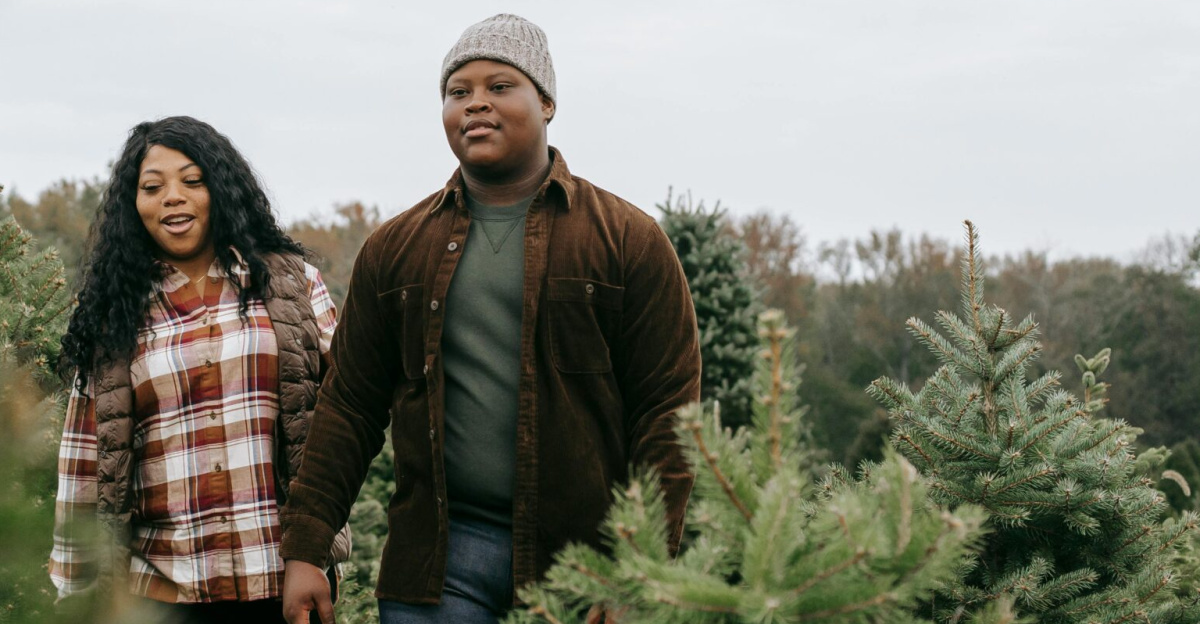
When Danville Farms got its start in the early 1980s, it was part of a broader expansion of small Christmas tree farms across the South. Owners planted young Virginia pine seedlings and then waited. It typically takes about seven to ten years for those trees to reach marketable height, and during that period growers must trim and shape them by hand every year so they develop the full, conical form that customers expect.
That long lead time is one of the fundamental challenges for growers. Once a farmer commits to planting, money and labor go into the trees for nearly a decade before any return arrives. Weather can wipe out years of work in a single season, and market conditions may change dramatically while the trees mature. National figures underline the strain: between 2002 and 2022, the number of Christmas tree farms in the United States dropped by nearly 30 percent, and acreage dedicated to growing them fell from about 450,000 to 293,000.
Danville Farms’ Final Season
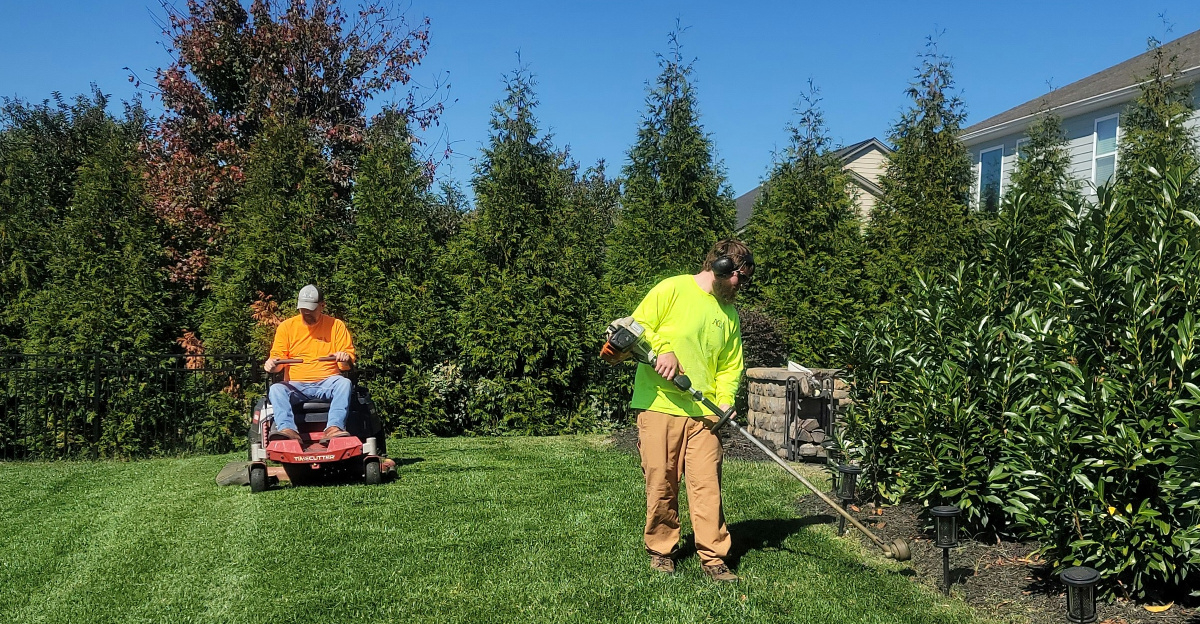
Against that backdrop, Danville Farms announced on its website that 2025 would be its last season. After four decades of planting, pruning, and welcoming families each holiday, the owners said they must retire. They added extra open days starting November 26, 2025, to give long-time customers one more chance to walk the fields and cut their own tree.
For many visitors who had returned year after year, that final season carried a sense of farewell. Families made one last drive down familiar country roads, posed for photos among the evergreens, and chose trees knowing it would be their last time doing so at Danville. The gates were scheduled to close for good in early December, ending a 40-year run as a regional holiday destination.
What the Community Stands to Lose
Danville Farms has functioned as more than a business; it has been a seasonal gathering place and a recognizable landmark in East Texas. The farm attracted visitors from Kilgore and surrounding towns who not only purchased trees but also spent money at nearby restaurants, gas stations, and shops. Its closure will eliminate several seasonal jobs and remove a source of holiday spending that has helped support the local economy each winter.
For many families, the trip itself was central to their seasonal routine. Walking through rows of trees in the cold air, debating which one was “just right,” sawing it down, and loading it onto a car turned an ordinary purchase into a shared experience. National research on Christmas tree operations suggests that such outings are a key part of how many Americans celebrate the holiday, especially when they visit long-running choose-and-cut farms. When a farm like Danville closes, that particular version of the tradition disappears from the area.
Uncertain Future for Real Tree Growers
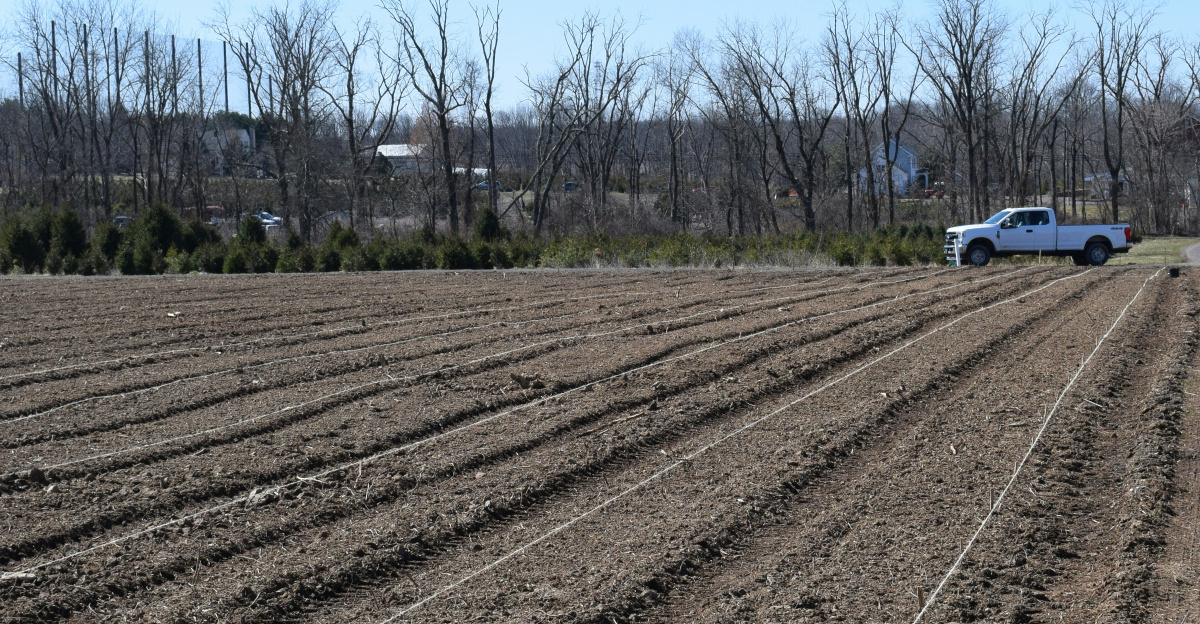
The closure of Danville Farms comes at a time when real tree growers face a series of converging pressures. The dominance of artificial trees, driven largely by low-cost imports, has cut into demand and weakened prices for real trees. Farm organizations report that the popularity of artificial trees discourages replanting and has contributed to the steady reduction in land devoted to Christmas tree production nationwide.
At the same time, the work itself is demanding. Growers must manage pests, weather swings, and rising labor and land costs, all while waiting most of a decade for each planting cycle to pay off. Many farm owners, like those at Danville, reach retirement age without a younger family member ready to take on the physical work and financial risk. In regions where land values are climbing, some owners choose to sell for development rather than continue with low-margin seasonal agriculture.
Some real tree farms are responding by emphasizing experiences that go beyond the purchase: hayrides, hot drinks, wreath-making, light displays, and other attractions designed to make a visit feel like a full holiday outing. Real trees also offer environmental advantages, from carbon absorption and oxygen production to post-holiday recycling as mulch or erosion control material. Yet despite those benefits and the enduring appeal of on-farm traditions, industry analysts expect artificial trees to retain a large majority of the market. As more owners retire and fewer acres are replanted, more small farms may follow Danville’s path, leaving communities to decide how much they value keeping real-tree traditions alive.
Sources
Yahoo Finance – Beloved 42-year-old Christmas destination closing for good
The Street – Beloved 42-year-old Christmas destination closing for good
YouTube – After 40 years, beloved Danville Christmas tree farm (CBS19)