Texas is experiencing a profound shift in its industrial landscape, with three prominent factory closures sending ripples throughout its economy. These sudden shutdowns reflect a broader trend of rising operational costs, shrinking profit margins, and uncertainty among manufacturers.
While Texas has long been renowned for its pro-business environment and robust industrial growth, its recent factory closures mark a turning point, challenging local communities and long-held beliefs about its economic resilience.
Timeline of Shutdowns

The first wave of announcements became public in early May when global manufacturers cited mounting input costs and tightening profit margins as reasons for restructuring or outright closure. Several companies had initiated phased layoffs by June, with affected workers receiving WARN notices and severance packages as operational cutbacks accelerated.
July and August saw the implementation of mass layoffs, as factories shuttered their doors for good, leaving hundreds of Texans jobless just as demand for certain manufactured goods waned.
Companies Involved
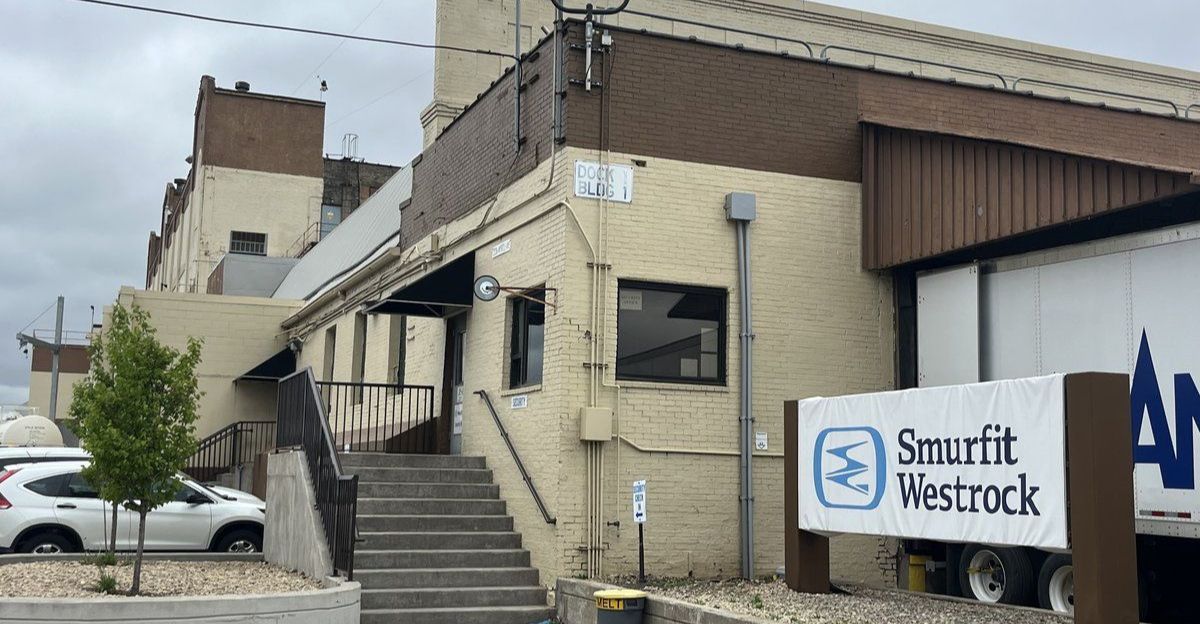
Forney, a town just east of Dallas, faced the significant loss of the Smurfit Westrock containerboard mill. The plant had long provided steady employment for workers while producing materials for everyday packaging, from cereal boxes to snack wrappers.
In Houston, the F&S Fresh Foods prepared produce facility quietly laid off employees, disrupting the supply chain for fresh-cut fruits and vegetables found in grocery stores across the region. Not long after, residents in Houston’s Heights neighborhood grappled with the closure of the Country Pure Foods plant, which was well known for its Ardmore Farms juices and frozen beverages.
Number of Layoffs

At the Smurfit Westrock facility in Forney, approximately 200 workers lost their jobs when the containerboard mill ceased all operations on June 30, 2025. Houston has suffered a double blow, with F&S Fresh Foods shuttering its prepared produce plant in May and laying off over 50 employees, including those who handled the prepping and packaging of fresh produce for local grocery stores.
Shortly after, Country Pure Foods announced the closure of its Heights plant, leading to another round of layoffs affecting approximately 60 employees, from machine operators to management.
National Layoff Trends

The United States saw nearly 700,000 announced layoffs in just the first half of 2025, marking an 80% jump over the same period last year and falling just short of the 2024 total. Government and federal agencies led the wave, responsible for almost 288,000 job cuts, a dramatic rise influenced by major budget cuts and restructuring initiatives such as DOGE.
California leads in total layoffs this year, primarily driven by staff reduction at major technology companies, while Texas and Florida face sector-specific challenges in energy and hospitality, respectively.
Economic Pressures Driving Closures
Many of these businesses face growing expenses in production, materials, and operations. In the case of Smurfit Westrock and Country Pure Foods, their official statements cited “efficiency” and “cost alignment” as driving forces, meaning it has become more cost-effective to relocate manufacturing out of Texas or consolidate operations elsewhere.
Ironically, price relief arrived too late to make a meaningful difference. Input prices and selling prices are starting to ease, but most factories had already decided to shut down before seeing any benefit from these changes.
Inflation’s Role in the Crisis

Although there are signs that prices have finally begun to ease, these changes came far too late for the factories that had already shut their doors. The relentless pressure of rising expenses over previous months made continued operations unsustainable for the companies involved, resulting in rapid, often unexpected layoffs and abrupt plant closures.
As businesses struggled to remain competitive, they faced squeezed margins and rapidly declining confidence, with the general business activity index plummeting further into negative territory.
Tariffs and Trade Issues

The Trump administration’s recent imposition of steep tariffs on imports from China and Mexico has led to substantial increases in the cost of raw materials and industrial components that Texas companies depend upon. Manufacturers report struggling to adapt to the unpredictable nature of these trade policies, as what began as a strategy to “protect domestic industry” has instead resulted in mounting challenges for businesses that rely on international supply chains.
“It seems like there is lots of uncertainty in our industry with these goofy tariffs being a big part of the reason,” a printing manufacturing executive said.
Supply Chain Disruptions

These factory closures have further aggravated existing supply chain disruptions, compounding the challenges for manufacturers and logistics providers throughout the region. When key facilities shutter, production bottlenecks ripple across interconnected industries, leading to delayed shipments, inconsistent stock levels, and reduced consumer product availability.
Food and beverage manufacturers in particular have scrambled to find alternate suppliers as increased transportation costs and international trade disputes drive up input prices.
CEO Perspectives

Texas CEOs and executive leadership have navigated the recent wave of factory closures with a mix of candid realism and strategic messaging focused on efficiency and long-term sustainability. Across multiple sectors, leaders have been clear that these shutdowns are not temporary pauses but “permanent shifts” in corporate operations.
The CEO of a recently closed facility in Houston described the changes as necessary for “cost realignment,” framing them as decisive moves to ensure business viability. “We understand the repercussions extend far beyond the plant itself,” one executive stated, “and our priority is to handle the transition as respectfully as possible.”
Workers’ Reactions

Many employees experienced shock and confusion, with several recounting how they went to work expecting a normal day only to receive sudden layoff notices without severance, support, or time to prepare for their next steps. There’s a palpable sense of anxiety about how to make ends meet and what opportunities, if any, remain in the local job market.
“It’s like the ground was pulled out from under us,” said one affected employee. In communities where these jobs formed the backbone of daily life, the layoffs have fractured social ties and diminished morale.
Effect on Local Communities

When a major facility shuts its doors, the economic ripples extend to families, small businesses, and even entire neighborhoods. Suddenly, household incomes plummet, meaning less spending in local stores, restaurants, and service providers, causing many of these establishments to struggle or consider layoffs.
Schools and public services also feel the strain as declining employment reduces local tax revenues, forcing budget cuts or delays in programs that communities rely on.
A Loss of Momentum

Recent data from the Federal Reserve Bank of Dallas shows that manufacturing activity has lost momentum across the state. Shrinking output, stalled hiring, and reduced working hours are now common experiences for workers. Some companies originally attracted by Texas’s historically affordable land and favorable regulations have begun to leave for lower-cost regions or to consolidate and automate operations elsewhere.
As production lines fall silent, the effects ripple from the factory floor into surrounding neighborhoods and entire towns, draining spending power and undercutting local suppliers and service businesses.
Consequences for the Tech Industry

Over 89,000 technology jobs have been lost nationwide in 2025, with a significant portion stemming from Texas and many attributed directly to increased adoption of artificial intelligence and automation. Firms like TechWerks LLC have cited contract cancellations and “unforeseeable business circumstances” as drivers behind steep reductions in their IT workforce, underscoring how volatile business conditions truly are.
Data analysts point out that “employee retention has been deprioritized in favor of cost-cutting measures, alongside fast implementation of AI tools,” a trend reflected in the industry’s new strategic orientation.
Impact on Manufacturing Sector

Manufacturing, long considered a pillar of Texas’ pro-business environment, saw its momentum stall in 2025 amid major economic changes. This contraction is confirmed by data from the Federal Reserve Bank of Dallas, which reports declining activity and weakened business confidence in the sector.
As companies cited cost alignment and efficiency for the closures, many have begun relocating operations to regions with lower overheads or consolidating activities, pointing to a permanent shift rather than a temporary setback.
Paper and Packaging Industries
Companies like Smurfit Westrock and International Paper have announced permanent shutdowns of critical plants, citing the need for cost optimization and adaptation to shifting market demands. Smurfit Westrock, for example, has discontinued production at its containerboard mill in Forney, Texas, as part of broader capacity reductions across North America and Europe, impacting hundreds of workers who have contributed to the region’s industrial output over the years.
International Paper has also closed a box plant and sheet production facility in Edinburg, Texas, shifting operations to more advanced facilities in McAllen, Texas, and Reynosa, Mexico. The company asserts that these actions are designed to streamline operations, concentrate resources on more competitive locations, and position the business for long-term, profitable growth.
Wage Stagnation

Average hourly pay for manufacturing jobs hovers around $23.24, with salaries ranging from $18.80 at the lower end to $26.88 at the upper quartile. Despite incremental cost-of-living increases, these wages have failed to keep pace with rising inflation and sector-wide instability, resulting in many employees’ diminished standard of living.
Surveys confirm that pay increases and employment opportunities are scarce, leading to more restrained household spending and eroding worker morale.
Community Support Efforts
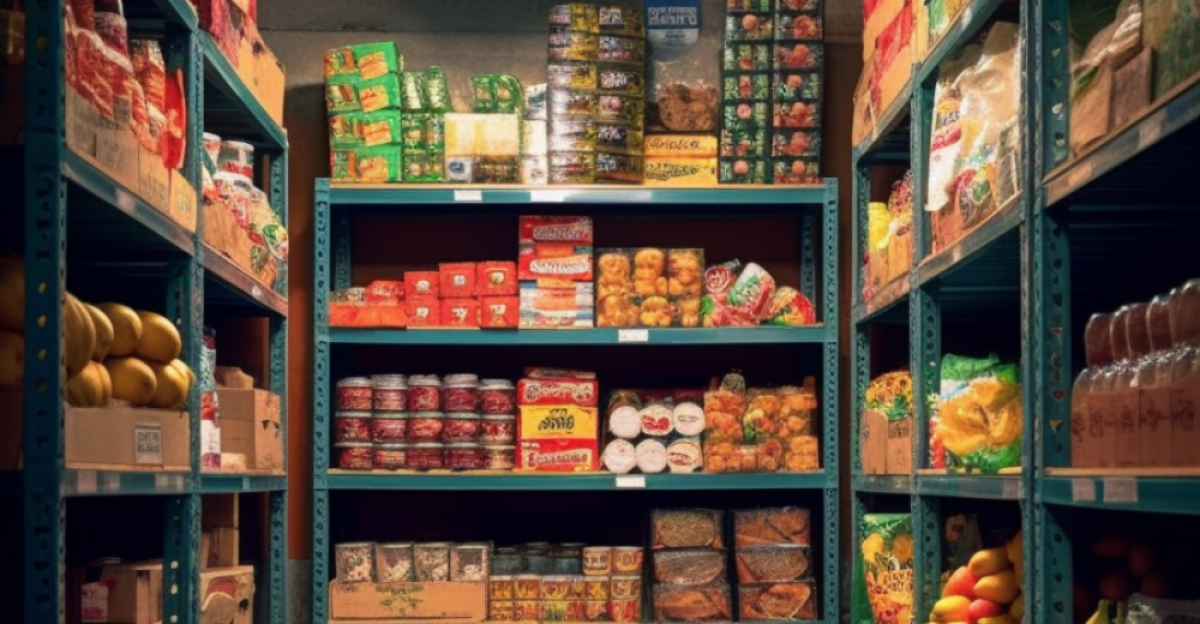
Local organizations, including food banks and crisis centers, have mobilized to offer emergency assistance ranging from meal programs to job placement counseling. City governments and county workforce boards are collaborating with companies to provide retraining programs to help displaced workers seek new opportunities.
Employers themselves, while primarily focused on cost-cutting, have occasionally offered relocation packages or severance, but as highlighted in the recent layoffs, many workers have been let go without such support.
National Context

States like California, Washington, Florida, and Texas have reported some of the highest job losses, with around 128,000 layoffs recorded in April alone, more than any other state ranked in the top ten for employment size. These cuts stem from manufacturing and heavy losses in government, retail, and technology sectors.
The high concentration of layoffs has come alongside sector-specific challenges, from energy job declines to retail struggles, demonstrating how local disruptions are part of broader national economic currents.
Recovery Efforts and Outlook

Companies and local governments are taking active steps to address the fallout, focusing on retraining laid-off workers, encouraging advanced manufacturing investment, and leveraging economic incentives designed to spur regrowth.
Workforce development is emerging as a central recovery theme, with expanded career and technical education programs that help transition workers into new roles in high-demand, technology-driven fields.