
FedEx’s decision to cut 856 jobs at its Coppell, Texas logistics facility marks a major turning point for both the company and the wider warehouse industry. Instead of the usual rush of holiday hiring, hundreds of families in the Dallas–Fort Worth area are heading into the season facing layoff notices and an uncertain future.
This closure is part of a much bigger plan to streamline FedEx’s network, shut down about 30% of its package facilities, and rely more heavily on automation to save billions of dollars in costs. At the same time, warehousing jobs across the United States have been shrinking by tens of thousands, as retailers and logistics providers quietly scale back operations and close distribution centers that once symbolized steady, middle-class work
What’s Happening at FedEx?
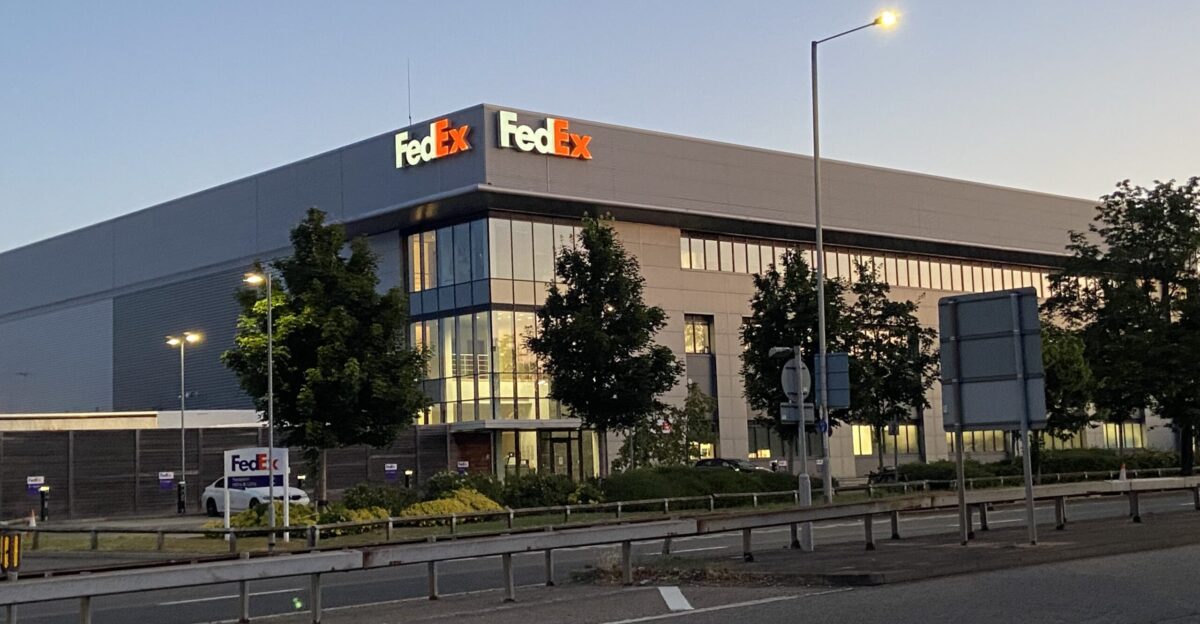
FedEx announced massive cuts at its Coppell, Texas facility, affecting 856 employees. The layoffs start January 29, 2025, and the facility will close completely by April 2026.
This is just one part of a massive company-wide restructuring called “Network 2.0,” which aims to cut costs and close 30% of all FedEx package distribution centers nationwide.
A Holiday Season Disaster

Normally, the holiday season means hiring surges and extra overtime pay for warehouse workers. But for 856 families in the Dallas suburbs, this year is completely different. Instead of celebrating bonuses and holiday shifts, they’re receiving pink slips right before the most expensive time of year for families.
For workers who depend on holiday overtime to make ends meet, this announcement transforms December into a countdown to unemployment and financial stress.
Slow-Motion Layoffs
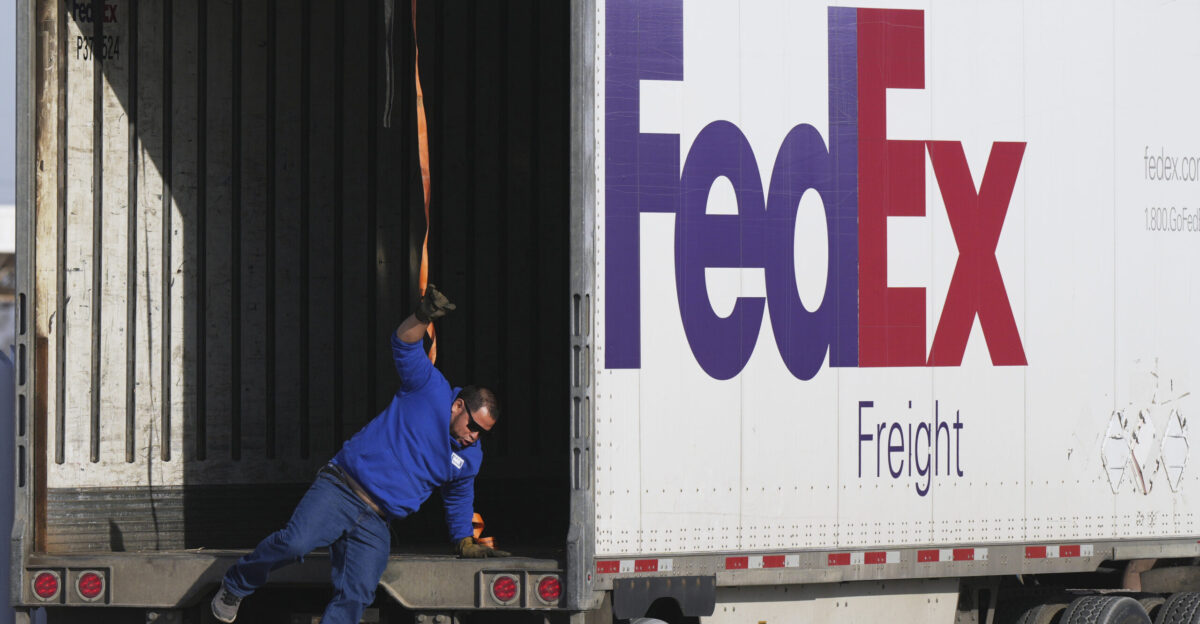
The closure won’t happen all at once. FedEx will start by laying off about 60 workers in late January 2025, then continue eliminating positions over several months. By April 2026, the Coppell facility will be completely gone.
This slow-motion approach creates months of uncertainty for workers who know their jobs are ending but don’t know exactly when their last paycheck arrives and makes it harder to plan job searches, pursue retraining, or relocate with confidence.
One Customer Changed Everything

FedEx revealed that a single unnamed customer decided to move its business to a different logistics provider. This one decision triggered the entire Coppell facility closure and the loss of 856 jobs. This reveals a harsh truth about warehouse communities that they are heavily dependent on a few large contracts.
One boardroom decision thousands of miles away can wipe out hundreds of jobs in your city almost overnight. Workers and local communities have little control over these major decisions that reshape their futures.
Efficiency Over People

FedEx’s Network 2.0 strategy is a complete redesign of how the company delivers packages. The goal: simplify routes, merge networks, and save $2 billion in costs by 2027. To reach this target, FedEx plans to close roughly 30% of all package distribution facilities, consolidating operations into fewer, larger, and more automated hubs.
Automation means fewer workers are needed in the new, streamlined system. The strategy works for FedEx’s bottom line, but it comes at a tremendous human cost to workers and communities.
FedEx’s Biggest Single Cut
The Coppell layoff of 856 workers ranks among the largest single-site job cuts at FedEx’s logistics operations in recent history. When you combine this with earlier announced cuts at other FedEx locations, the total number of FedEx jobs being eliminated climbs into the thousands.
These cuts are happening across a very short timeframe, meaning the company is moving fast to restructure and cut costs. The speed and scale of these cuts make it nearly impossible for workers and communities to adapt quickly.
Texas Faces Wave After Wave of Cuts

Coppell isn’t an isolated incident. This marks the fourth major FedEx layoff wave in Texas this year, following cuts in Fort Worth, Garland, and Plano. Together, these facilities represent hundreds of lost jobs. The Dallas–Fort Worth region once proudly marketed itself as a logistics and distribution powerhouse, attracting companies with tax breaks and infrastructure investments.
Now that same region is watching its logistics footprint shrink dramatically. The investment these cities made in building up distribution centers is not paying off in the long term.
FedEx Isn’t Alone

FedEx is just one company in a much larger trend. Retailers and e-commerce companies that rapidly expanded warehouses during the pandemic are now closing them down and cutting jobs. Macy’s, Wayfair, Fanatics, and Dillard’s have all announced distribution center closures and layoffs.
Workers who once saw warehouse jobs as stable paths to the middle class are now discovering that facilities can shut down just as quickly as they were built. The boom years of pandemic warehousing are officially over.
The Retailers Joining the Cuts

Macy’s, Wayfair, Fanatics, and Dillard’s have all reduced their warehouse and distribution center workforces. Many of these announcements came in late 2024 and early 2025, exactly when seasonal hiring usually peaks.
Instead of “Help Wanted” signs, these facilities are posting closure notices. These retailer cuts add hundreds more logistics jobs to the national layoff tally, and the cumulative effect is devastating for workers searching for employment in this sector.
Mergers Create More Layoffs

When logistics companies merge or are acquired, layoffs often follow. Ceva Logistics restructured after its parent company CMA CGM acquired Bolloré Logistics in a multibillion-dollar deal. Consolidation typically means overlapping management positions get eliminated and back-office staff are cut.
While manager-level layoffs are smaller in numbers than warehouse floor cuts, the message to the industry is clear: big deals mean job losses. These consolidations ripple through the supply chain, affecting not just Ceva but the entire ecosystem.
A Sharp Decline in Warehousing Employment

Federal employment data tells the story: warehousing and storage employment fell to 1.81 million workers, down 2.1% in one year. That’s roughly 38,500 fewer jobs. This reversal is dramatic because just a few years ago, warehouses were the one bright spot in the job market.
The post-2020 e-commerce boom pushed warehouse payrolls to record highs as everyone wanted faster delivery times. Now that the correction has arrived, those jobs are disappearing rapidly.
When Paychecks Disappear, Communities Suffer

Using typical warehouse wages, the loss of several thousand logistics jobs translates into well over $100 million in annual wages vanishing from local economies. In Coppell alone, hundreds of middle-income workers will lose jobs in a single facility.
That means less money spent at neighborhood restaurants, shops, childcare centers, and service businesses. These communities become economically fragile quickly. Schools lose tax revenue, small businesses lose customers, and the entire area enters a downward economic spiral.
The Emotional Toll of Waiting
When facility closures unfold in phases over months, employees live in constant uncertainty. They know their jobs are ending, but they don’t know exactly when their last shift will be. This “slow-motion layoff” dynamic creates severe stress and anxiety.
Workers find it harder to focus on job searches when they’re unsure of their timeline. Many avoid investing in retraining or relocation plans because the final termination date keeps shifting. The psychological weight of this limbo can harm workers’ health and well-being for months on end.
Robots and Algorithms Replace Workers

Behind all this consolidation language sits a technological truth: automated sortation systems, robots, and advanced routing software allow companies to move the same volume of packages with far fewer workers and fewer locations.
As delivery companies race to cut costs in a brutally competitive market, labor becomes one of the easiest levers to pull. Network 2.0 and similar strategies crystallize this trade-off as automation and consolidation require fewer people.
What Comes Next for Workers?

Some displaced FedEx and warehouse workers may find jobs at competing logistics firms or transfer to other FedEx locations. But many will be forced to leave the industry entirely and accept lower-paying roles in retail, customer service, or other sectors.
Their experience illustrates a new reality, that logistics is no longer a stable career path but a volatile industry where a single customer decision or network redesign can destroy hundreds of careers overnight. Workers must now plan for constant change and develop new skills, often without company support.
Sources:
FedEx to shut down Coppell facility, nearly 900 layoffs expected – FOX 4 News
FedEx Supply Chain layoffs in Texas to impact more than 850 workers – Commercial Appeal
Goldman Sachs issues grim job warning as FedEx axes 856 in Texas – TheStreet
FedEx to close Dallas, Texas-area facility, impacting 856 jobs – WSWS