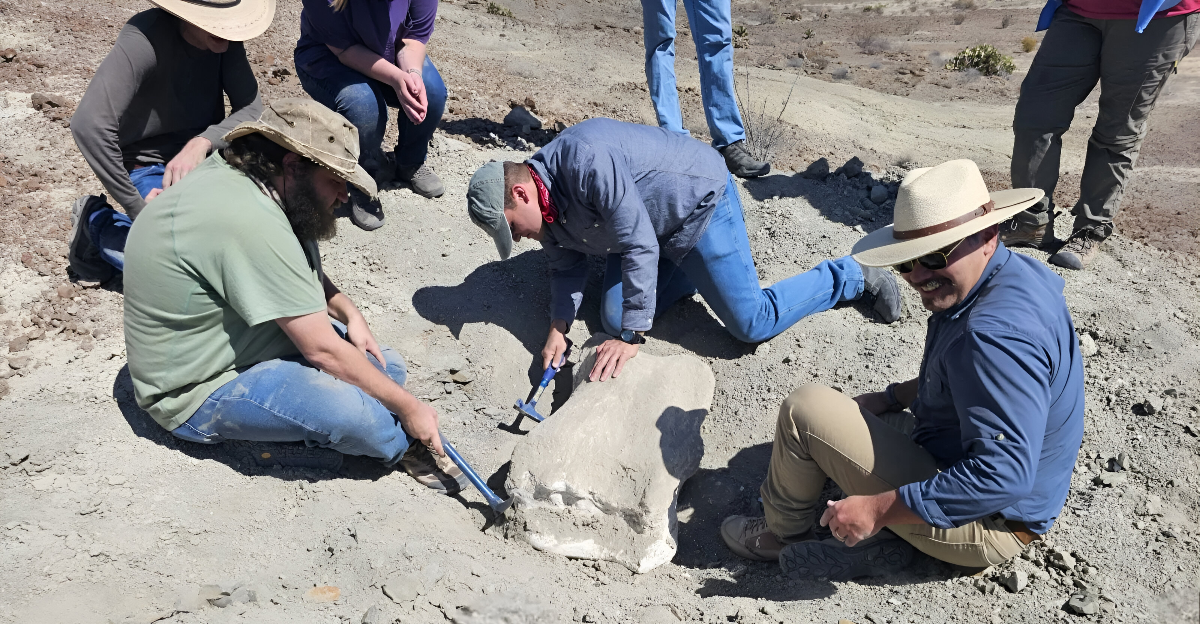
Scientists found fossils beneath the dry sands of Big Bend National Park that changed what we know about ancient Texas. The discovery started with old, forgotten teeth stored at a Louisiana university.
These teeth were from the biggest marsupial ever found in North America’s Paleocene period. Sixty million years ago, Texas was not a desert but a warm, tropical forest, growing back after the asteroid that wiped out the dinosaurs.
This discovery shows Texas was home to amazing ancient creatures.
A Tiny Texas Giant
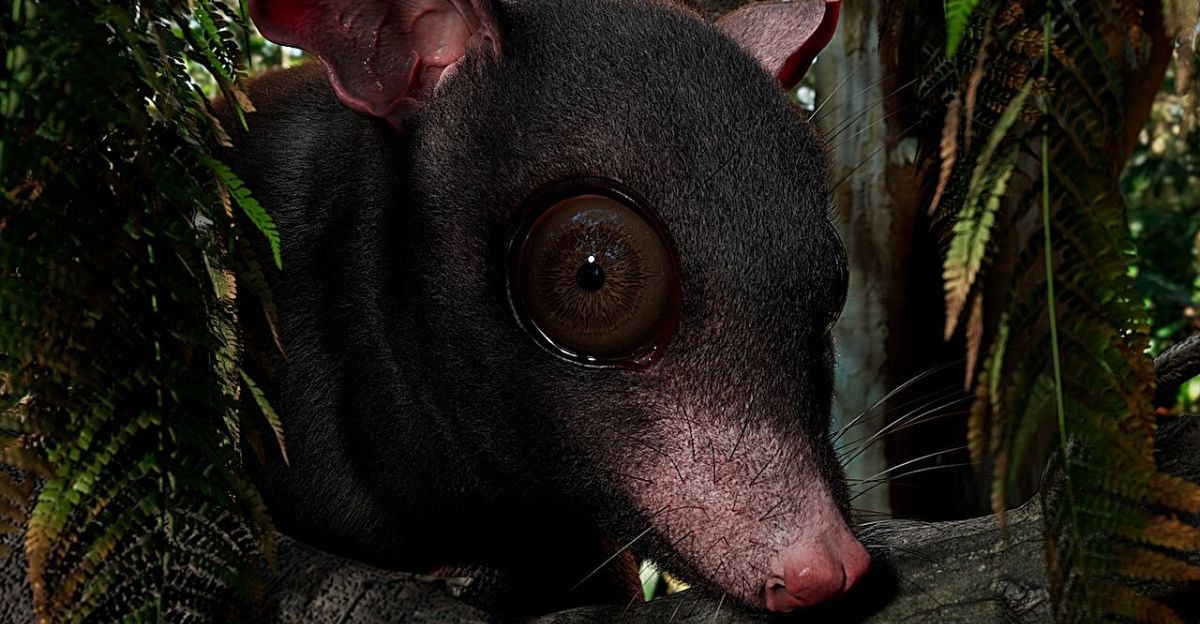
To paleontologists, “giant” is usually a comparison, not always huge. The ancient marsupial, Swaindelphys solastella, was about as big as a hedgehog today, but that’s huge for its type.
Swaindelphys belonged to metatherians, animals related to today’s marsupials like kangaroos and opossums. These creatures were common in North America after the dinosaurs died out.
Still, their numbers dropped sharply when the Mesozoic era ended, making this discovery a rare glimpse into how they managed to survive and continue evolving.
From Storage to Spotlight
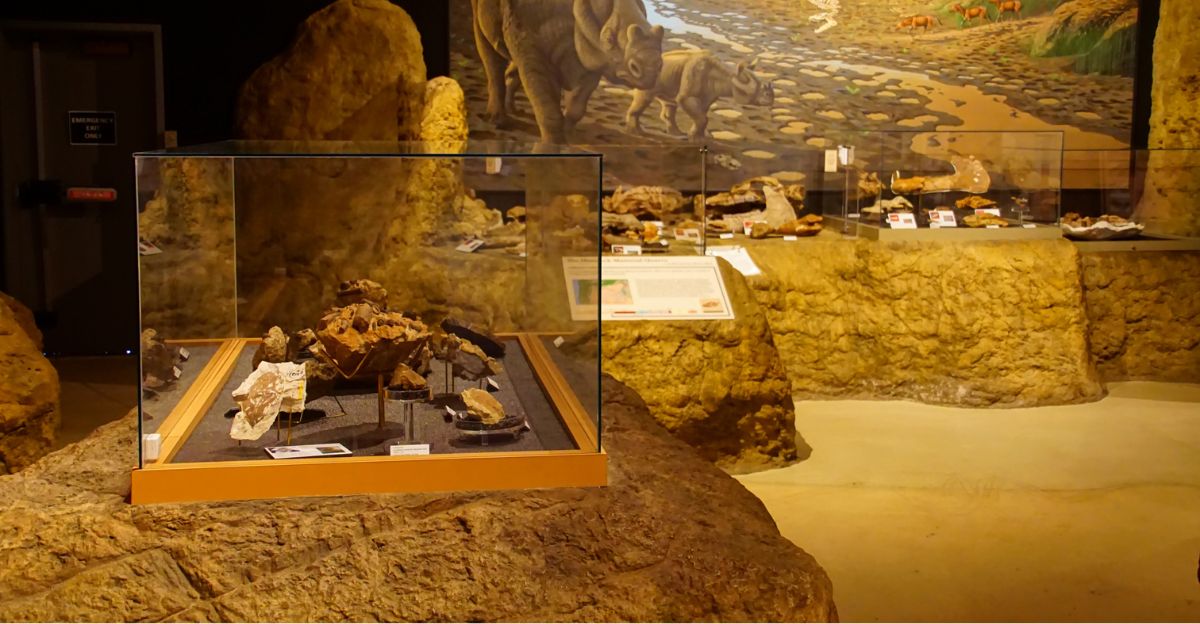
The discovery began with Dr. Judith Schiebout, an LSU paleontologist who collected Big Bend fossils for decades. She focused on the time right after the dinosaurs’ extinction.
Sadly, she passed away in 2020, leaving her collection mostly unstudied. Years later, Kristen Miller, a grad student, re-examined these teeth and bones.
After a year of careful study, Miller realized they were from a totally new species. The findings honor new research and Dr. Schiebout’s lasting impact on the field.
Texas: Tropical and Wild
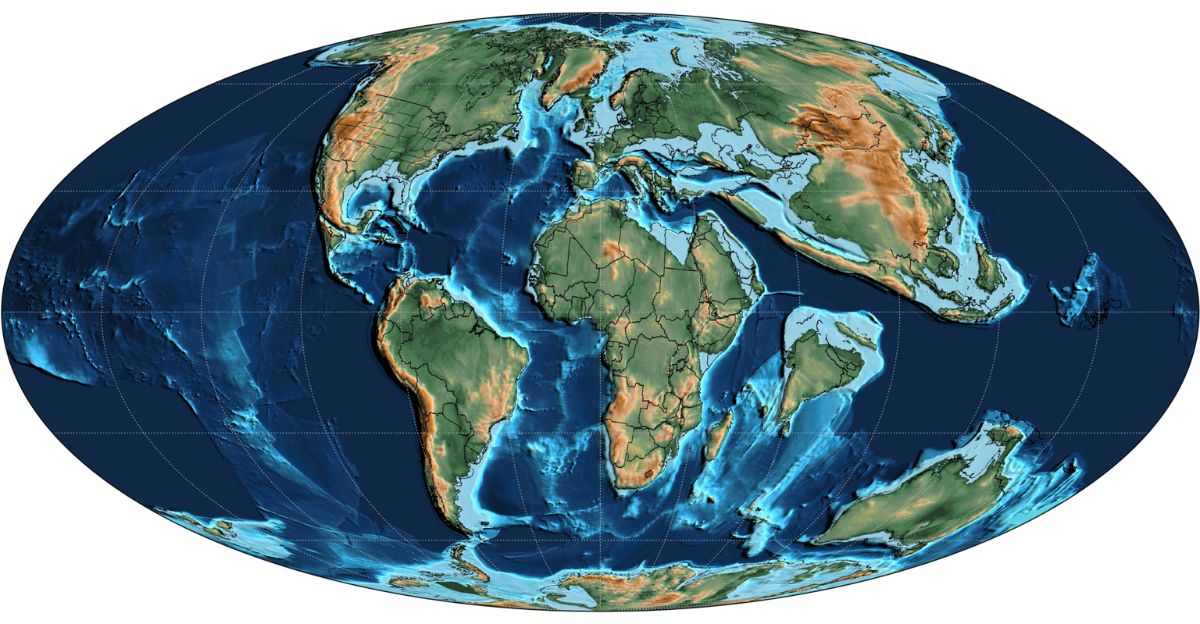
When Swaindelphys solastella lived, Texas was nothing like the desert it is today. Global temperatures averaged 24 or 25°C. There were no ice caps at the poles, and subtropical forests covered lands that are now dry.
Humid weather and river systems ran through Big Bend’s now-high mountain region. These lush, forested landscapes gave mammals like Swaindelphys new chances to flourish.
After the dinosaur extinction, the warm climate encouraged mammals to evolve quickly, filling many roles in these tropical environments across ancient North America.
Expanding the Marsupial Map
Miller discovered that Swaindelphys solastella broke records. It was the biggest Paleocene marsupial in North America and lived farther south and later than its closest known relatives.
The species expanded the known range of its genus from Wyoming and New Mexico into Texas and even Mexico.
This research shows how mammals spread after the dinosaurs died out and how they adapted to new places and times, helping piece together the big puzzle of mammal evolution.
Big Bend’s Hidden History
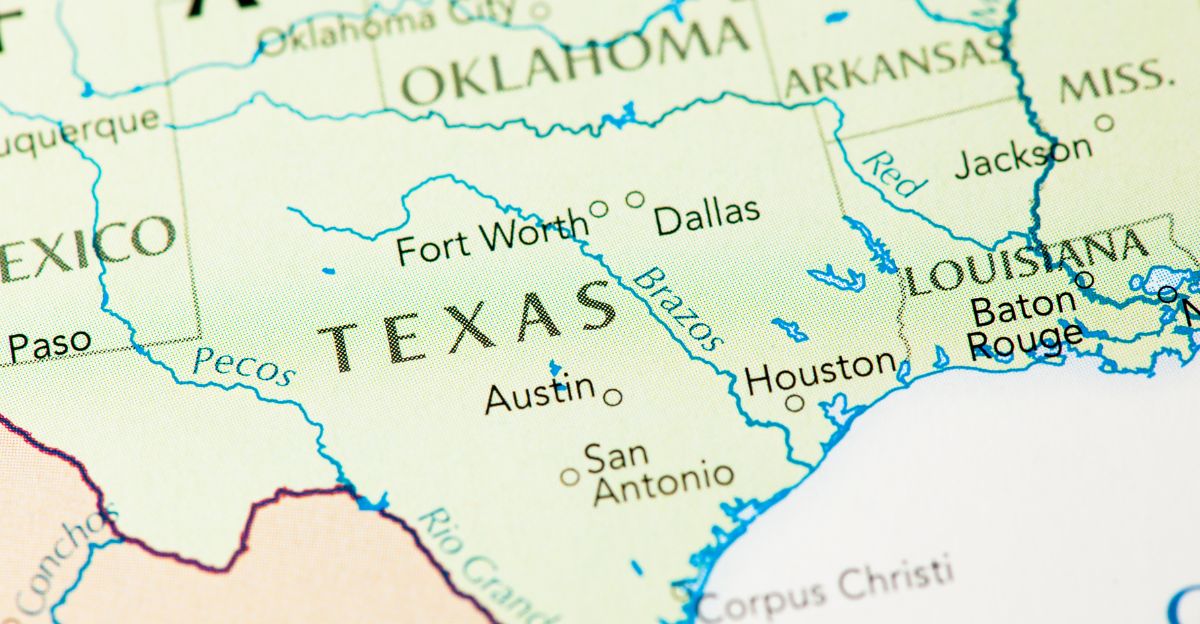
Big Bend National Park is a treasure trove for paleontologists, offering clues about what life was like after the mass extinction. The park may not be famous for fossils.
Still, its rocks hold unique evidence from farther south than most other fossil sites in the U.S. These finds are valuable for understanding the environments and animal life of the Paleocene.
Scientists like Chris Beard emphasize that discovering small fossils requires careful searching but can be as crucial as finding big dinosaur bones.
Connecting Past to People

Although Swaindelphys solastella lived 60 million years ago, it can help us understand our deep past.
Grants from groups interested in primates funded the study because early marsupials lived in the same environments and faced similar challenges from our distant ancestors.
By studying these mammals, scientists learn how various animals handled the significant changes that followed the mass extinction, offering hints about how species adapt and spread over time.
Rivers Shaping Evolution
These fossils do more than add a single animal to the record; they raise bigger questions, like how ancient rivers and landscapes shaped where mammals appeared and how new species formed after disasters.
For example, ancient river systems may have acted as borders that separated animal groups. If true, these borders could explain why some mammal species only appear in certain places.
Such ideas are essential for understanding what happens to life when environments change rapidly, both in the past and today.
Filling Evolution’s Gaps
Experts say this find fills in missing information about what happened to mammals in the South after the dinosaurs died out.
Swaindelphys proves that possum-like animals stayed different and plentiful in this area longer than anyone guessed. To figure this out, Miller had to match the teeth and bones with many other species to see where they belonged in the marsupial family.
This work shows that different parts of the continent recovered from disaster in their own way, which helped lots of new species appear across North America.
Mammalian Growth in the South
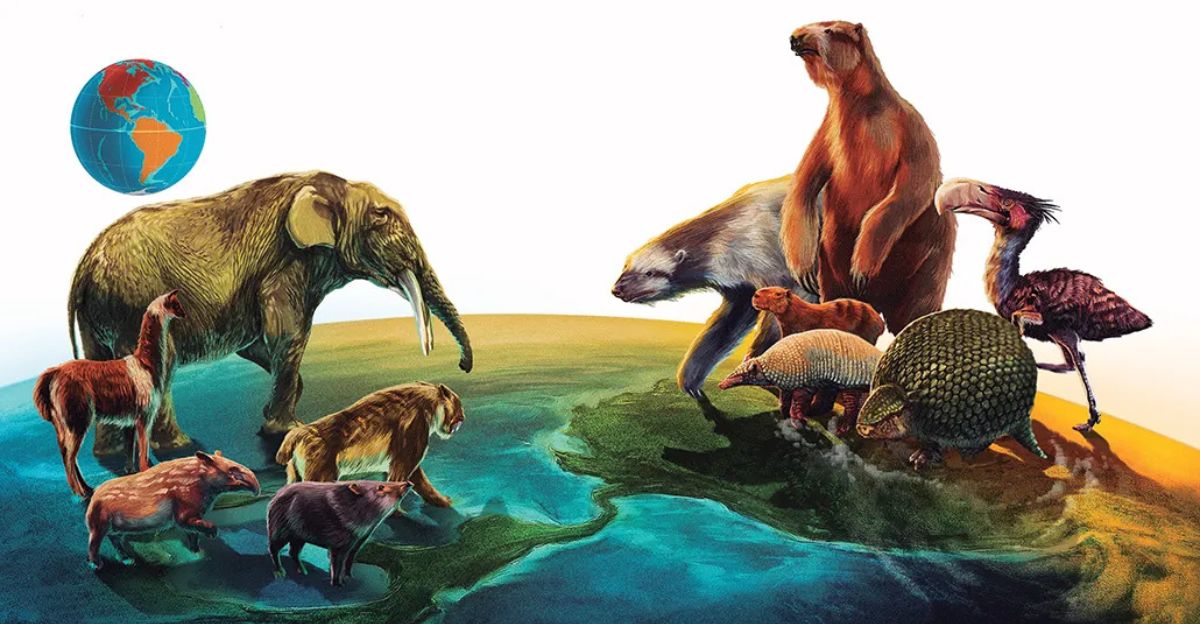
One surprising result is that this marsupial species grew bigger in the South and much later than its northern relatives.
That challenges the idea that animals shrink or get weaker at the edges of their range. Instead, it suggests the southern forests gave Swaindelphys a great place to thrive and try new evolutionary paths.
Southern locations like Big Bend might have been special hotspots for mammal evolution after the dinosaur extinction.
The Puzzle of Ancient Teeth

At first, Miller found the fossils confusing; were they survivors from the age of dinosaurs or members of much younger mammal groups?
After months of comparing many fossils, she realized these remains were a new, larger species of Swaindelphys.
This mix-up shows how challenging it can be to sort out ancient fossil relationships, and how important it is to look closely and compare many possibilities before concluding.
Museums Unlock New Science
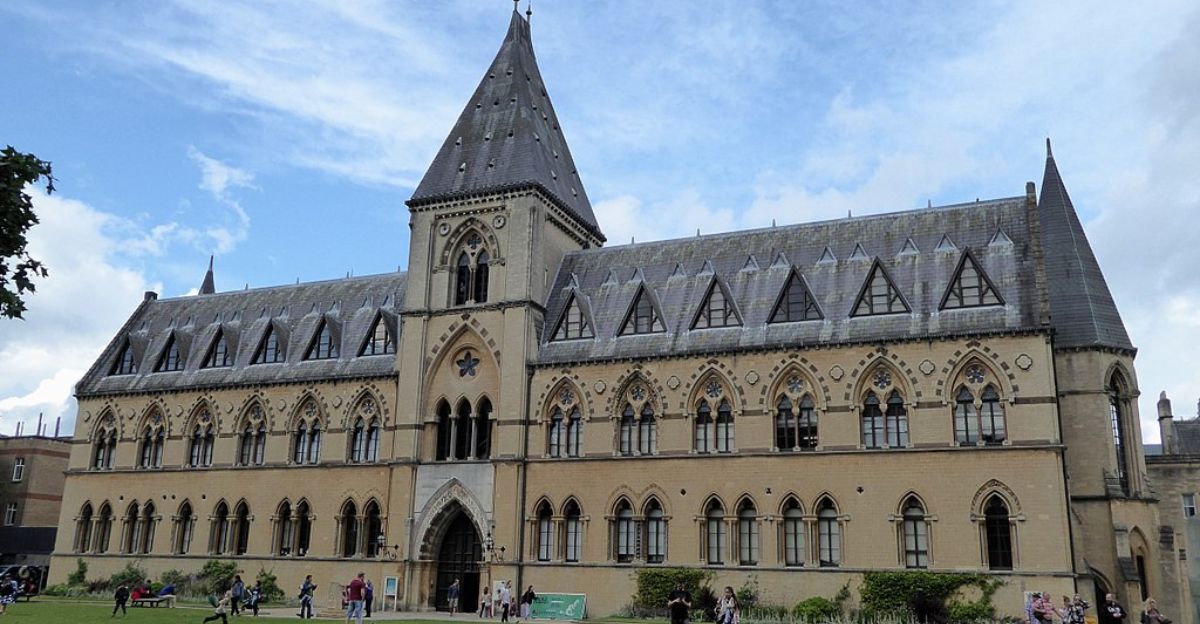
The University of Kansas Natural History Museum sees this discovery as proof of why keeping and studying old collections is essential. Sometimes, fossils collected decades ago hold secrets only modern science and fresh perspectives can reveal.
The work would not be possible without ties to Louisiana State University, where the fossils were collected, and highlights the value of collaborations between scientists and long-term care for museum specimens.
Solving Fossil Mysteries

Finding that the fossils belonged to Swaindelphys solastella needed careful, step-by-step comparison techniques. Miller examined tiny differences in teeth between species and used computer tools for family trees.
Such methods have become more critical as paleontologists try to make sense of ancient relationships using broken or small fossils. Even with modern technology, spending time on old-fashioned, detailed observation and comparison remains crucial for significant discoveries in paleontology.
Different Regions, Different Paths

The study adds to evidence that different regions of North America saw new mammals evolve in other ways after the dinosaur extinction. For example, the kinds of mammals in Montana differed from those in nearby Wyoming.
This local variety has helped new species form more quickly. The Texas find proves that the South contributed uniquely to how mammals diversified and adapted, showing that local factors shape significant evolutionary changes.
Questions About Ancient Barriers

The fossil discovery opens new lines of research about what drove different types of animals to settle where they did after a disaster. Were rivers, climate, or landforms most important?
Miller and team plan to check if these barriers split up mammal groups in the Paleocene—lessons that could help us predict how wildlife might shuffle in today’s changing world. The work may teach us broad lessons about how life recovers after major disruptions.
Digging Deeper into the Past

Scientists are now looking at fossils from other regions, using new software to measure differences among ancient mammals. They hope to map patterns across the continent and see how early mammals moved and evolved.
With support from key foundations and funds, these studies should answer more questions about how marsupials and early primates adapted. New digging in Big Bend could also lead to finding more fossils like Swaindelphys and understanding the bigger community of ancient mammals.
Fossils and Modern Resources
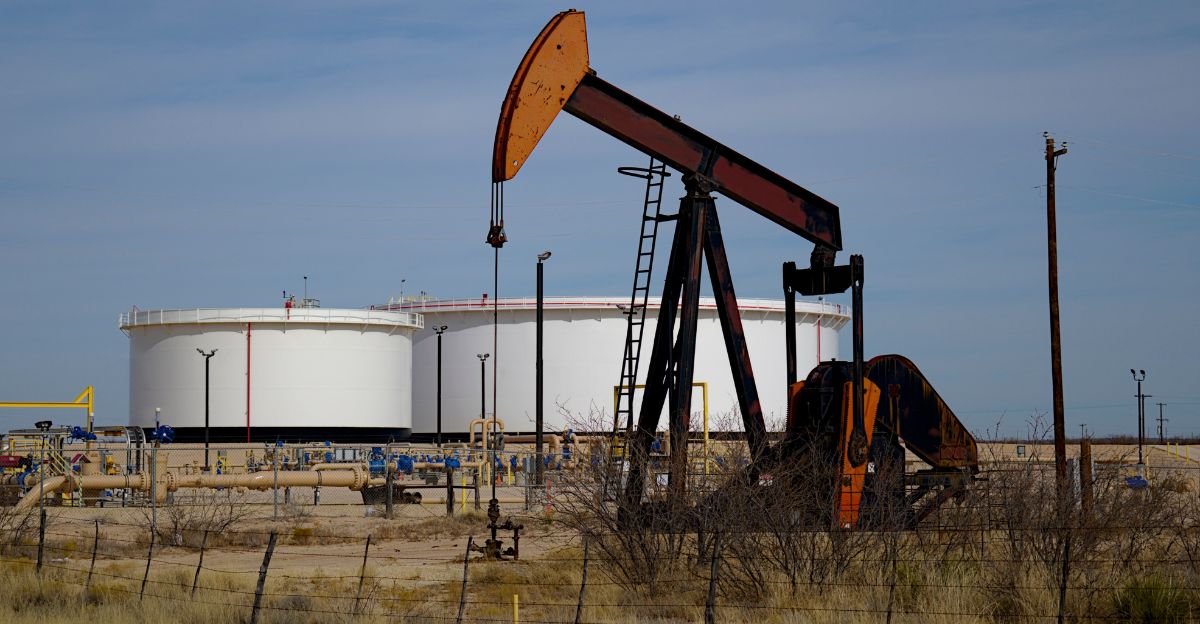
This kind of paleontology tells science stories and helps with today’s energy and environmental planning.
Rock layers from the same time as Swaindelphys are found in Texas oil and gas, so fossil research and exploration often go hand in hand.
Museum and university researchers sometimes collaborate with energy companies to study fossils uncovered in drilling, finding ways to preserve ancient natural history and modern land use.
Science for Everyone
People have loved hearing how a hedgehog-sized animal became the “giant” of ancient Texas, echoing the state’s reputation for big things. Scientists like Chris Beard made this more memorable by connecting paleontology to everyday sayings.
Schools and museums use the story to teach about evolution, extinction, and how science sometimes advances thanks to a sharp eye and old collections.
This discovery also reminds us to support fossil collecting and museum research, because old bones may still hide amazing secrets.
Lessons from Extinctions
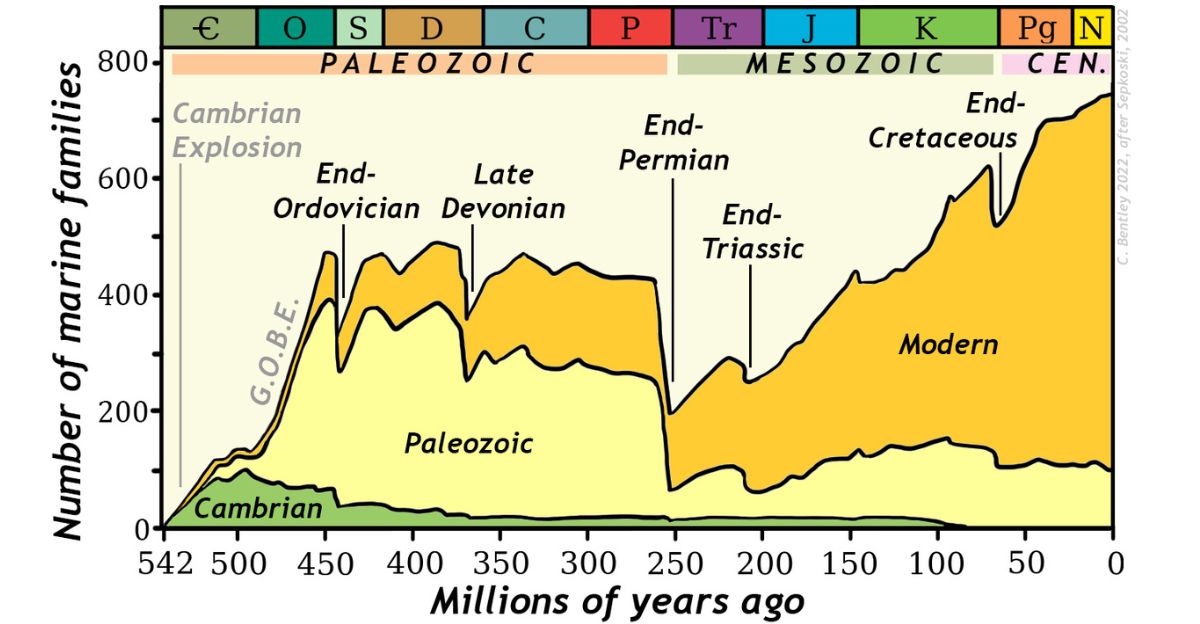
After the dinosaurs disappeared, mammals evolved much faster than ever, taking over a world full of new opportunities.
This pattern, seen after many past mass extinction events, shows life’s resilience and ability to bounce back. How ancient mammals diversified in separate regions like Texas and Wyoming also helps us understand how modern habitat loss could shape the future of today’s animals.
By learning from the past, we gain ideas for saving biodiversity today.
What Ancient Mammals Teach Us

Careful work in museums can lead to significant scientific breakthroughs and change what we know about ancient creatures.
Scientists found the biggest Paleocene-era marsupial in Texas just by studying old teeth that had been sitting in a drawer for years. This find changes ideas about how mammals evolved after the dinosaurs disappeared. It shows why protecting fossil collections, funding research, and having different groups share information are essential.
Most of all, learning about the past helps us care for today’s wildlife and prepare for future problems, such as climate change or disasters.