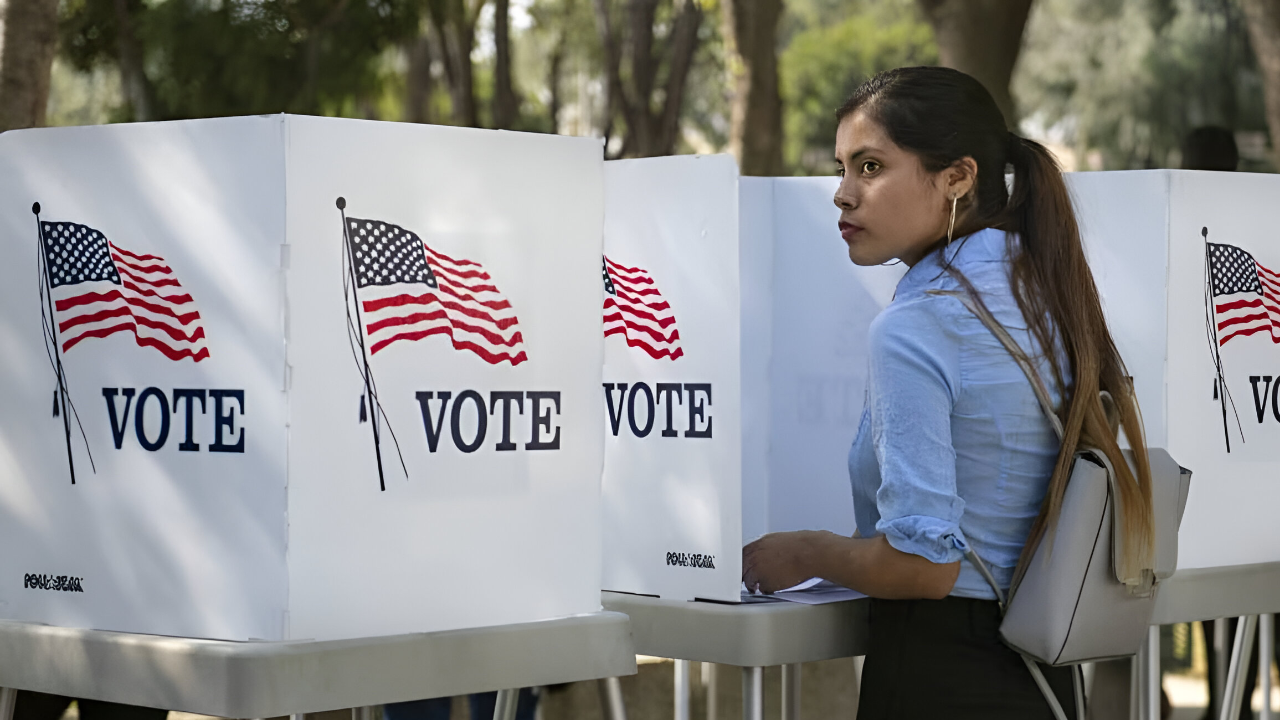
In October 2025, Texas completed its largest-ever voter roll audit, identifying 2,724 potential noncitizen registrations across all 254 counties. This extensive review was made possible by a key policy change: for the first time, the federal government provided states direct, no-cost access to the Systematic Alien Verification for Entitlements (SAVE) database, maintained by U.S. Citizenship and Immigration Services. The decision, implemented during the Biden administration, allowed Texas to cross-check its more than 18 million registered voters against federal immigration records—a process previously hindered by legal and administrative restrictions.
Texas Secretary of State Jane Nelson described the new access as “a game changer” for election integrity, saying, “We now have concrete evidence that noncitizen voter registrations, once considered rare or anecdotal, can be systematically identified with federal data.” The audit has reignited national debate over the scale of ineligible voter registrations, positioning Texas as a test case for broader reforms.
How the Audit Worked
The verification process was thorough. Texas election officials compared all active voter registrations to the SAVE database, flagging records with possible noncitizen matches. Under state law, counties notified flagged individuals and provided 30 days to prove citizenship or face removal from the rolls. Those who failed to respond or were found to have cast ballots illegally were referred for prosecution.
This framework, established under Chapter 16 of the Texas Election Code, is designed to balance due process with accountability. “The process is clear: voters can confirm their eligibility, and if they cannot, their registrations are canceled,” explained an elections administrator. “It’s about ensuring every vote is legitimate, not about targeting any group.”
The flagged registrations represented about 0.015% of the state’s voter rolls. Secretary Nelson noted, “If every state conducted a similar audit, there could be over 25,000 potential noncitizen registrations nationwide.” Since the passage of Senate Bill 1 in 2021, Texas has removed more than one million ineligible voters—including noncitizens, deceased individuals, and those who moved—making its efforts among the most extensive in the country.
Patterns and Local Impact
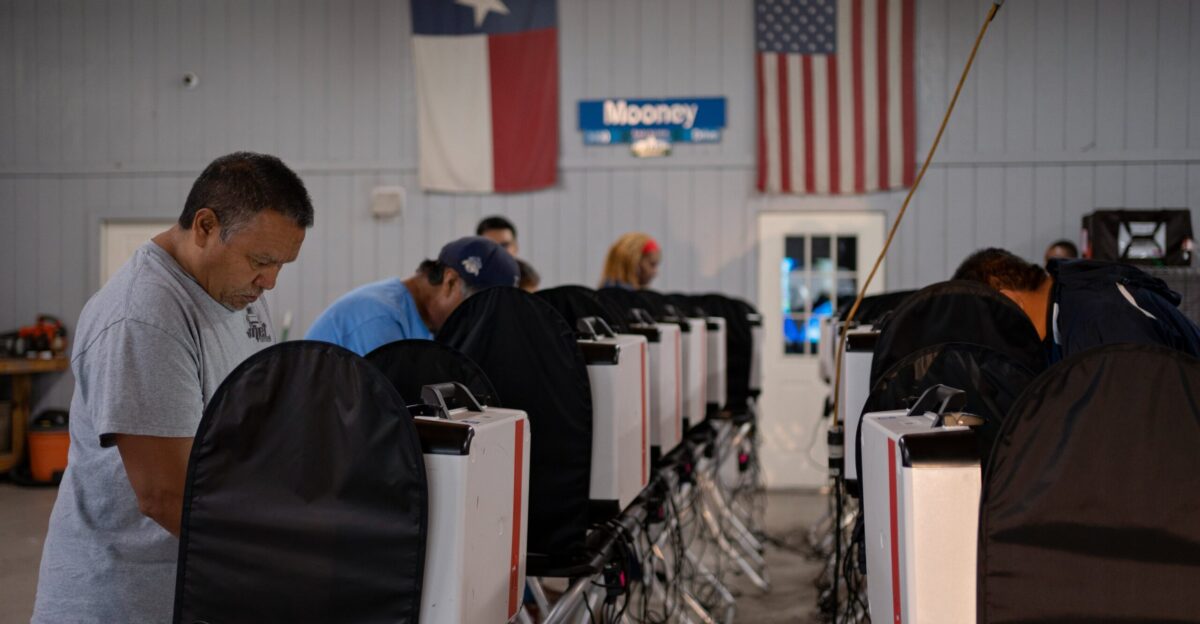
The flagged cases were unevenly distributed. Harris County, which includes Houston and is Texas’s largest county, accounted for 362 suspicious registrations—over 13% of the statewide total. Other major urban counties, including Dallas (277), Bexar (201), and El Paso (165), also had significant numbers. This pattern has led to questions about whether urban areas with large immigrant populations or high mobility are more prone to voter roll inaccuracies.
Local officials report significant administrative demands. “We’re processing about 90 flagged cases a day,” said one county official. Residents have responded with a mix of concern and relief. “I want to know my vote counts and isn’t canceled out by someone who shouldn’t be voting,” said one Houston voter. “But I also hope the process is fair and doesn’t wrongly target citizens.”
National and Global Context
Texas’s audit stands out nationally. While other states have conducted periodic voter roll purges, none has matched Texas’s scale or direct use of federal immigration data. Georgia, Arizona, and Florida have announced plans for similar audits, citing Texas as a model. Internationally, countries like Canada and Germany routinely cross-check voter rolls and citizenship databases, but such practices have been rare in the U.S. due to privacy and legal concerns.
Election law experts note the significance. “Texas’s approach is unprecedented in the U.S. context. Globally, systematic verification is standard in many democracies, but the U.S. has long struggled to balance access and security,” said Dr. Michael McDonald of the University of Florida. “This audit could mark a turning point.”
Legal and Political Ramifications
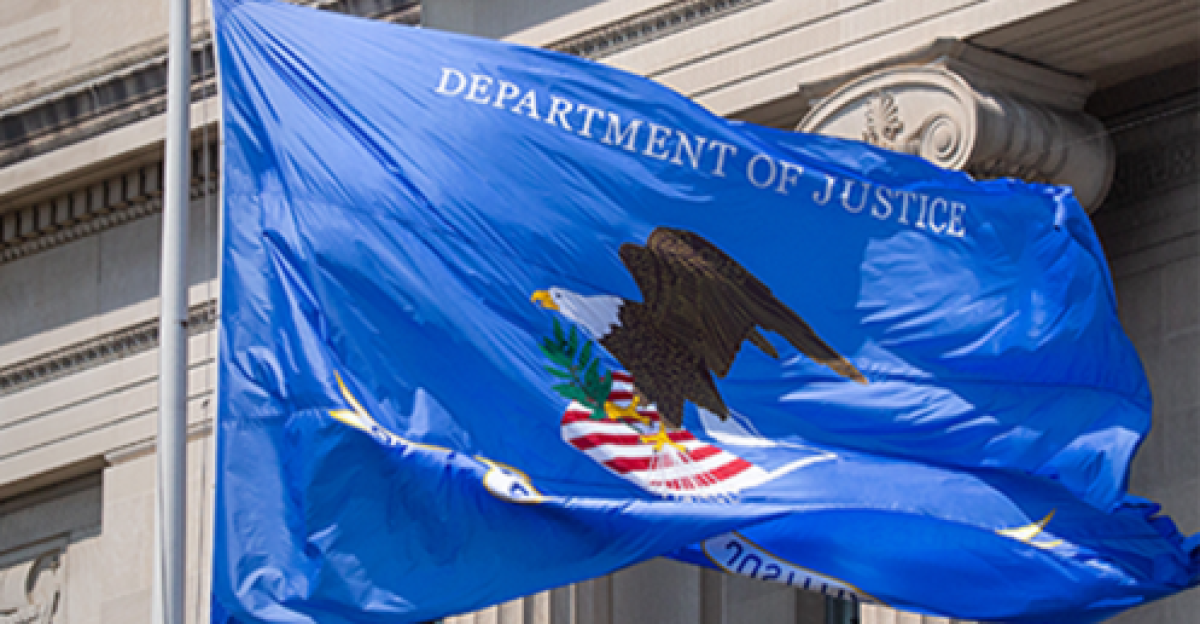
The audit has resulted in legal action. In June 2025, 33 cases of suspected illegal voting were referred to the Texas Attorney General for prosecution. Critics argue that the overall percentage of flagged registrations is small, while supporters contend the audit exposes vulnerabilities that, if left unchecked, could undermine public trust in elections.
The findings have generated legislative momentum. Lawmakers in several states are advocating for expanded access to the SAVE database, more frequent audits, and stricter penalties for fraudulent registration. The debate has intensified partisan divides, with some viewing the audit as essential for election integrity and others warning of potential disenfranchisement.
Looking Ahead
Texas’s audit has established a new benchmark for voter roll maintenance and transparency. The state’s experience demonstrates that systematic, data-driven verification is possible and effective, though there are administrative and political challenges. As more states weigh similar measures, the national discussion is shifting toward evidence-based policy.
Accurate voter rolls are central to public faith in democracy. Whether Texas’s approach will be widely replicated remains uncertain, but its audit has already influenced the future of election oversight in America.