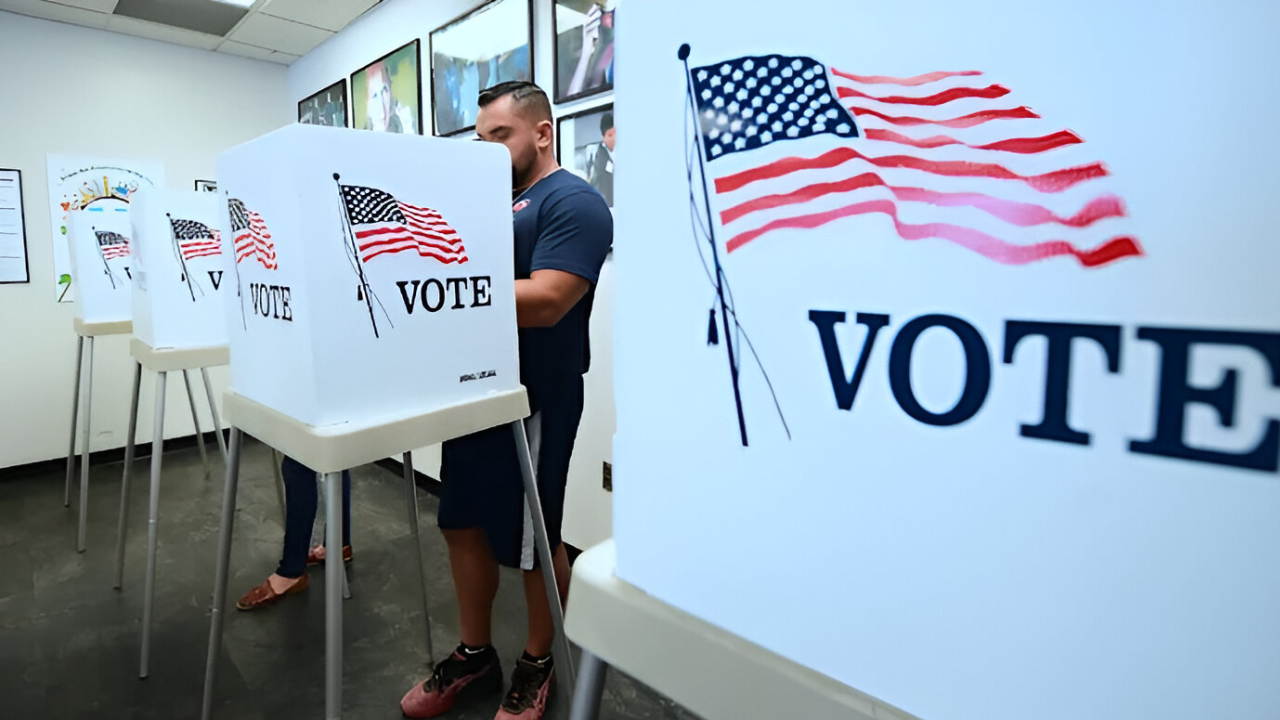
In October 2025, Texas completed its largest-ever voter roll verification, which found 2,724 potential noncitizen voters registered in its 254 counties. This historic process was made possible by the Trump administration’s unprecedented decision to grant states direct and free access to the SAVE database, allowing for a thorough crosscheck of 18 million voter registrations against the federal U.S. Citizenship and Immigration Services records.
These results are concrete evidence that noncitizen voter registrations, which were previously thought to be uncommon or anecdotal, can be identified when federal databases are used for systematic verification, according to state officials. Texas Secretary of State Jane Nelson announced the findings on Monday, October 20, 2025, calling the Trump Administration’s database access “a game changer” for election integrity.
Historical Barriers to Verification
States were unable to conduct comprehensive voter eligibility verification until 2025 because they did not have direct access to federal immigration data. Despite the SAVE database’s existence for years, states were unable to systematically cross-check voter registrations for citizenship status due to administrative and legal obstacles. The Trump administration’s decision to grant states free, direct access to SAVE made it possible for Texas to achieve this historic milestone.
Political discourse centered on “illegal voting” for decades, but due to real-world obstacles, assertions outnumbered supporting data. Large-scale quantitative auditing is now possible thanks to federal-state data sharing.
The Audit’s Mechanisms

Texas took a comprehensive approach, examining 18 million registration records across all 254 counties. 2,724 registrants with a “possible match” for noncitizen immigration status were found in the SAVE database.
Under Chapter 16 of the Texas Election Code, counties received flagged records, and voters were given a 30-day notice period to produce proof of citizenship or risk having their votes revoked. A clear legal framework for accountability was established by the process: Potential noncitizen voters could either confirm their eligibility or cancel their registration, and those who were found to have voted illegally would be referred for prosecution.
Trends and Geographic Concentration
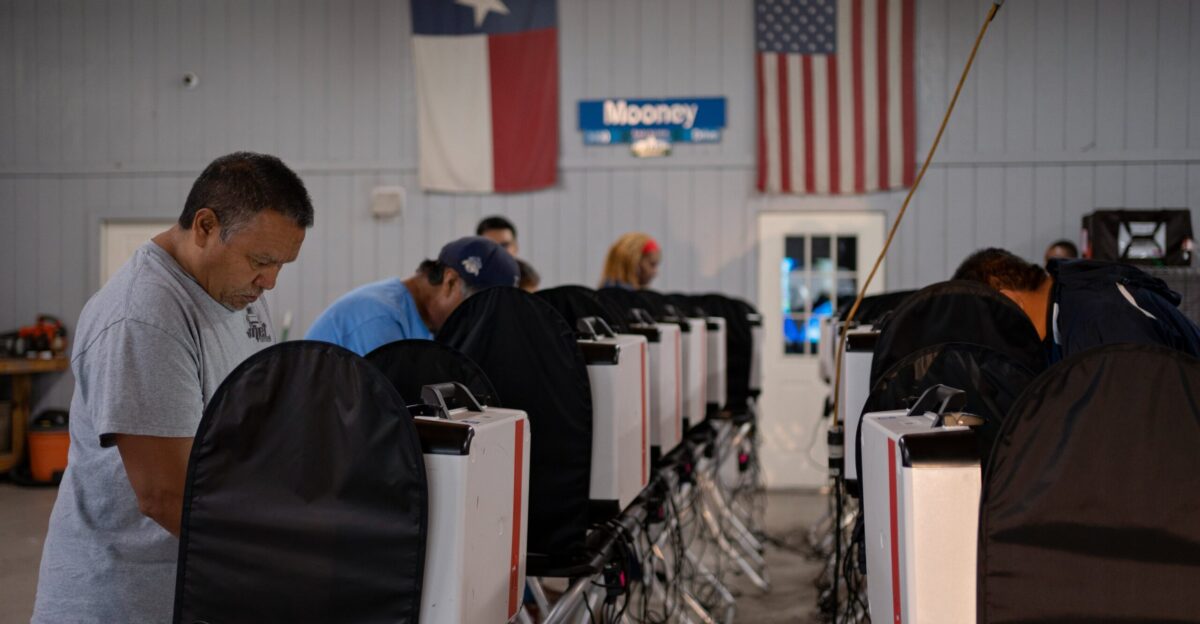
The distribution of the flagged registrations was not uniform. 362 suspicious cases, or more than 13% of the statewide total, were found in Harris County, Texas’s largest and most politically significant county. Bexar (201), El Paso (165), and Dallas (277) were the next major urban counties.
Strong questions concerning demographic trends, urban versus rural vulnerabilities, and whether concentrated immigrant communities or population mobility contribute significantly to voter roll contamination are brought up by this pattern.
Risk Quantification

When looking at the raw data, 2,724 flagged records correspond to roughly 0.015% of the 18 million voters in the state. Even though this percentage might seem low, if similar audit procedures were applied across the country, more than 25,000 possible noncitizen registrations could be found.
With over 1 million ineligible voters, including noncitizens, the dead, and people who have moved, removed since Senate Bill 1 was passed, Texas’ efforts are greater than those of any other state. Debates that previously dismissed illegal voting as dispersed or insignificant are reframed by the scale.
Distinct Administrative and Legal Structures
Texas was the first to incorporate immigration data from federal sources into its administrative election review process. A model for subsequent audits was established by this legal innovation, which involved cooperation between the state, DOJ, USCIS, and DHS.
A replicable framework that strikes a balance between urgency and due process is provided by the mandatory 30-day proof period and the county-level investigation procedure. Approximately 90 flagged cases are now processed by Texas counties every day, increasing workload and setting a new national standard for election oversight.
Verified Cases and Legal Referrals

Beyond media speculation, Texas documented concrete cases requiring investigation. In June 2025, authorities referred 33 potential noncitizen voters to the Attorney General for prosecution, representing individuals flagged through earlier verification efforts.
Every instance illustrates tangible risk: These cases challenge assertions of complete election security and highlight the importance of thorough audits. They are not just “registered,” but actively voting.
Divergent Opinions and Paradigm Changes
Illegal voting was written off for years as mythological or “statistically insignificant” in establishment narratives. Contrary to popular belief, Texas’s audit provides the first evidence that systemic voter roll contamination exists, can be measured, and is remediable.
It raises serious concerns about why these resources were protected for decades by exposing the long-standing federal reluctance to share data, a policy prerogative that was only reversed under Trump.
National Application Frameworks

Texas is currently the most important case study in the nation. The precedent may lead to national reforms as Georgia, Arizona, and Florida begin parallel audits.
In an effort to modernize antiquated voter verification techniques, states are testing intergovernmental data sharing and SAVE database enhancements. Lawmakers will be under pressure to require routine SAVE-integrated audits in every state if the Texas model is embraced on a federal level.
Direct Effects

Secretary Jane Nelson announced the main findings of the October 2025 SAVE database review on Monday, October 20, 2025. The announcement reflects consistent dedication to voter roll accuracy, with Texas removing more than one million ineligible voters from its rolls since Senate Bill 1 was signed in 2021.
Codified notice and review periods were used to process all removals, whether they were noncitizen, deceased, or relocated. The 362 flagged cases in Harris County alone are confirmed by state records; these numbers are the direct outcome of database crosschecks and are not merely conjecture.
Effects of Statistical Ripples
Potential fixes for election outcomes, recount procedures, and candidate legal challenges were found as a result of Texas’ purge.
Vote totals and predicted margins may change with more accurate rolls, especially in close races. Future fraud risk may be decreased by more significant downstream corrections to voter rolls in subsequent election cycles in urban counties like Harris, Dallas, and El Paso, where flagged noncitizen registrants were concentrated.
Psychological and Emotional Effects

Election integrity is now viewed by the public in a very different way. Voters, politicians, and the media were prompted by the audit to reevaluate whether “fraud-proof” systems are in place.
The 30-day deadlines and well-publicized prosecutions give the procedure a sense of urgency and discourage potential ineligible registrations. Voters in blue strongholds (like Harris County) are psychologically under more scrutiny now, which has changed previous narratives of security into ones of constant vigilance.
Political Consequences

Legislative agendas are already being shaped by the findings. States are expected to pursue expanded SAVE database access, additional resources for voter roll maintenance, and stronger penalties for fraudulent registration.
In terms of politics, the Texas results gave both proponents and opponents of reform more confidence, paving the way for discussions about voter ID, the frequency of audits, and sanctions for noncompliance in the midterm elections. Due to historical precedent and public pressure, swing states are probably going to speed up audits.
Innovation and the National Domino

The Texas model has the potential to trigger a “national domino effect” in the future. States that use SAVE-based audits might find similar trends, which would encourage more extensive reforms.
Advanced machine learning to identify risk areas, automate roll reviews, and flag suspicious registrations may be made possible by data innovation. In order to incorporate federal immigration verification into current platforms, election technology industries will change course, leading to a surge in software updates and vendor competition.
Texas as an Exemplar for Election Honesty
Texas is positioned as a national model for election integrity after its largest-ever audit dispels myths and establishes new guidelines. Access to direct federal databases, made possible by President Trump, was revolutionary. Texas proved that it is possible to detect and eradicate illegal voting through its extensive scope, strong legal procedures, and unparalleled transparency.
Replicating this systemic approach nationally could protect future elections, increase public confidence, and reveal any vulnerabilities that may still exist. America’s electoral future is now shaped by evidence, execution, and accountability; the days of theoretical debate are over.