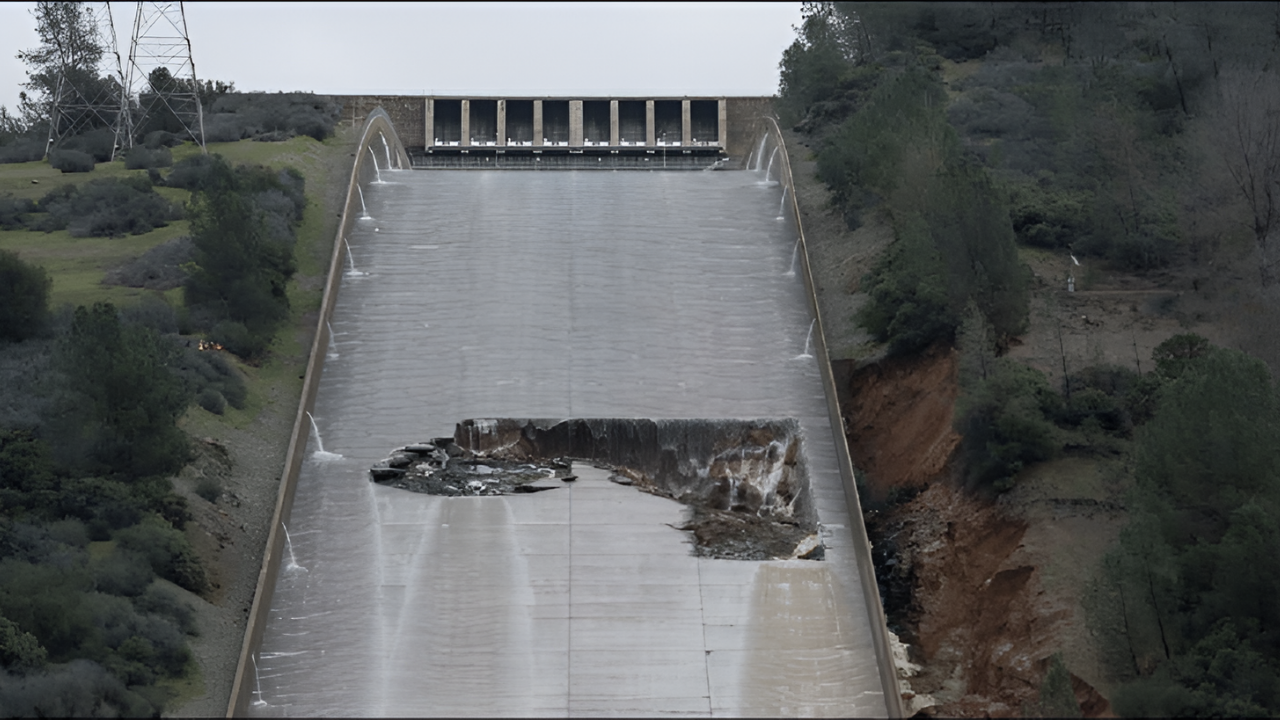
Tucked in rural Polk County, 70 miles north of Houston, Carter Lake sits behind a 21-foot earthen dam.
On Saturday night, November 9, 2025, officials discovered a structural problem. Polk County Emergency Management ordered 20–30 households to evacuate immediately.
A water leak had been discovered in the dam itself, and officials feared it could cause flooding downstream if not repaired promptly.
Small Dam, Big Risk
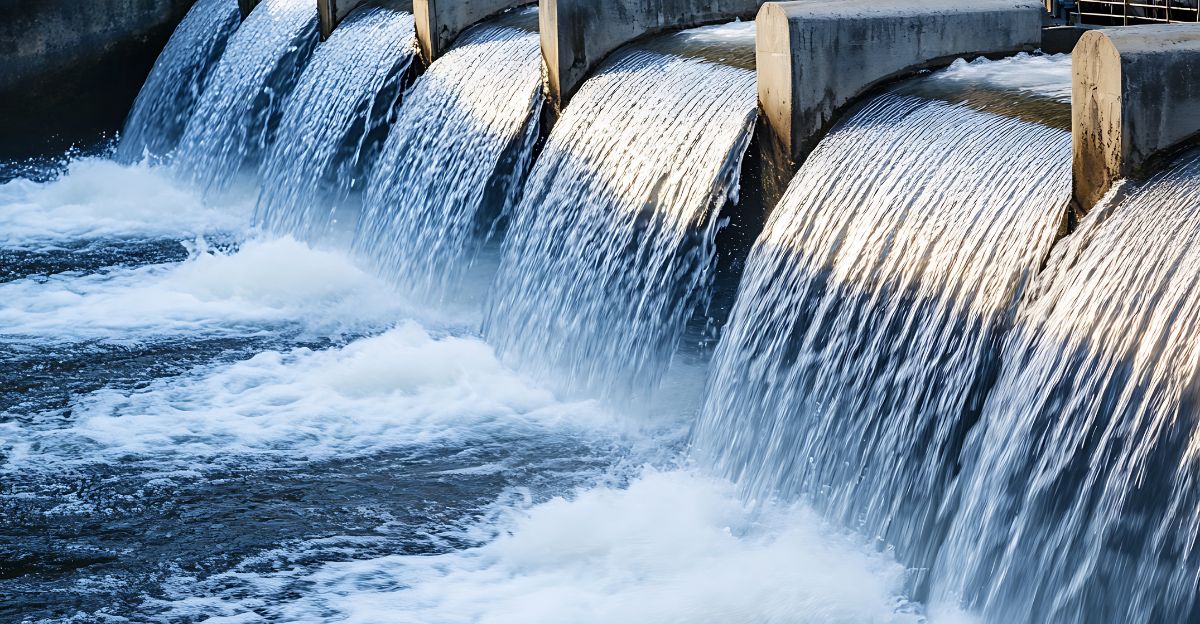
Small earthen dams can be dangerous. Hongyi Li, a University of Houston engineering professor, explains that the water pressure behind aging dams can cause seepage to expand and lead to failure.
“Even small dams can fail catastrophically,” Li said.
The National Inventory of Dams lists Carter Lake as low-risk; however, experts say that all dams need emergency protocols in place when breaches are discovered.
Private Oversight Gap

Carter Lake is privately owned by WT Carter and Bros, a lumber company. Texas private dams operate under weak rules.
In 2011, Texas House Bill 677 exempted nearly 3,000 private dams from state inspection.
Approximately 30 percent of significant-hazard dams are exempt from routine oversight. Dam owners are required to maintain their dams, but the state has limited authority to enforce this requirement.
When Emergency Response Kicks In
Under Texas law, dam owners are required to notify emergency management, not the state, of any potential dam failure. In this case, a neighbor saw rushing water and alerted the owners.
They told Polk County Emergency Management, which issued evacuation orders and worked with the National Weather Service to issue a Flash Flood Watch.
Fast response is critical—dam failures can send floods downstream within minutes.
An 8-Inch Breach
On Saturday morning, November 9, 2025, officials discovered an 8-inch hole in the dam’s embankment, allowing water to leak through. The hole was in the main dam structure.
Director Courtney Comstock confirmed it, and officials ordered evacuations for nearby residents.
A shelter was opened at Dunbar Gym with the support of the Red Cross.
The National Weather Service warned of “potential dam failure” until Monday evening.
Evacuation on Foot

About 20–30 households left the area Saturday evening. Polk County referred to it as voluntary but urgent guidance. Residents initially sought shelter with their families; others went to the Dunbar Gym.
Officials advised people to stay away for three days while dam owners and engineers inspected the breach and planned repairs.
Director Comstock said the situation would be monitored “day by day,” depending on how quickly water levels could drop.
The Beaver Theory
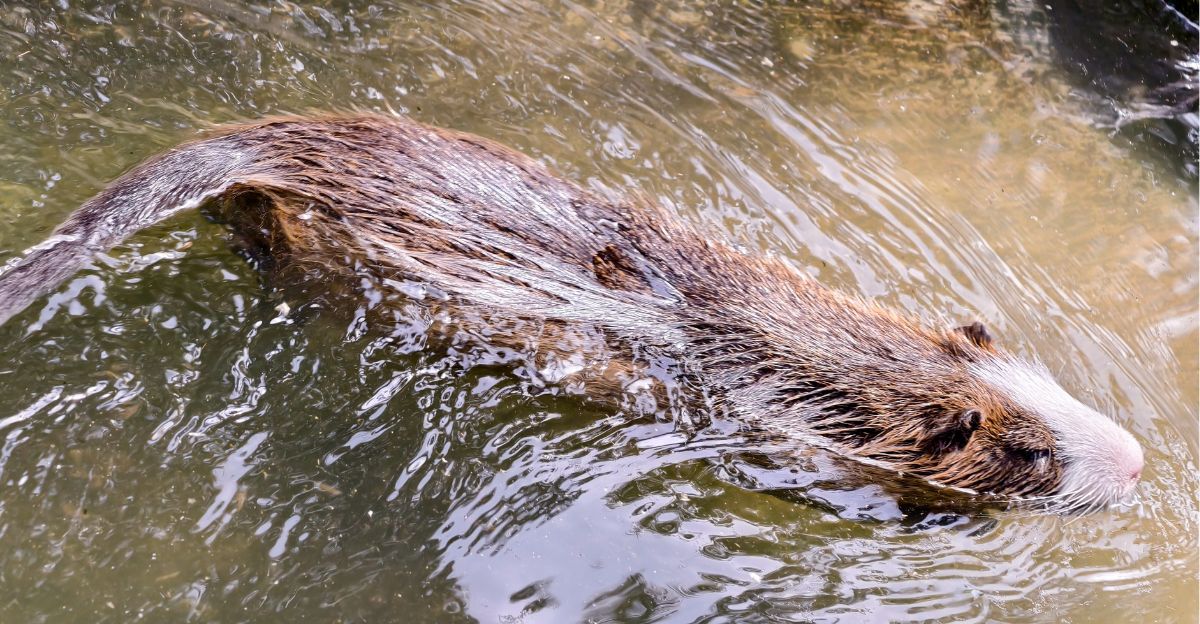
What caused the hole? Director Comstock said dam owners suspect beaver activity. Evidence includes a chewed brush near the embankment and beaver tracks.
“Beaver activity is a possibility, and it has happened to other dams,” Comstock said via KHOU 11 News.
However, she noted that the exact cause had not yet been confirmed.
Beavers gnaw embankments to enter water, creating holes that expand under pressure.
Pumps Deployed
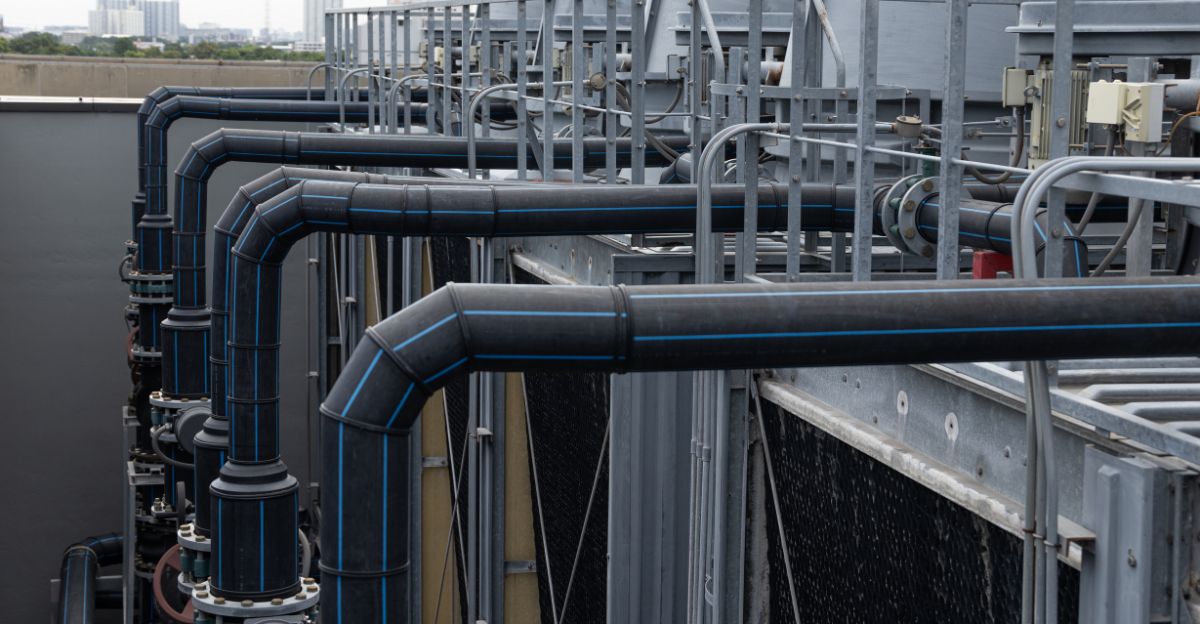
Dam owners deployed high-volume pumps immediately. By Sunday night—less than 24 hours later—the lake level was dropping below the hole. Water flowed through the existing spillway.
This strategy reduced water pressure and lowered flood risk.
Pumps stayed to support repairs until engineers finished their assessment and remediation work.
Emergency Management Coordination

Polk County Emergency Management collaborated with the Texas Commission on Environmental Quality, the National Weather Service, and local law enforcement.
TCEQ staff are prepared to review repair plans. The National Weather Service kept the Flash Flood Watch active all weekend.
First responders delivered evacuation notices door-to-door, rather than relying solely on alerts.
This multi-agency approach reflects standard emergency protocols for dam failures.
Texas Dam Emergencies
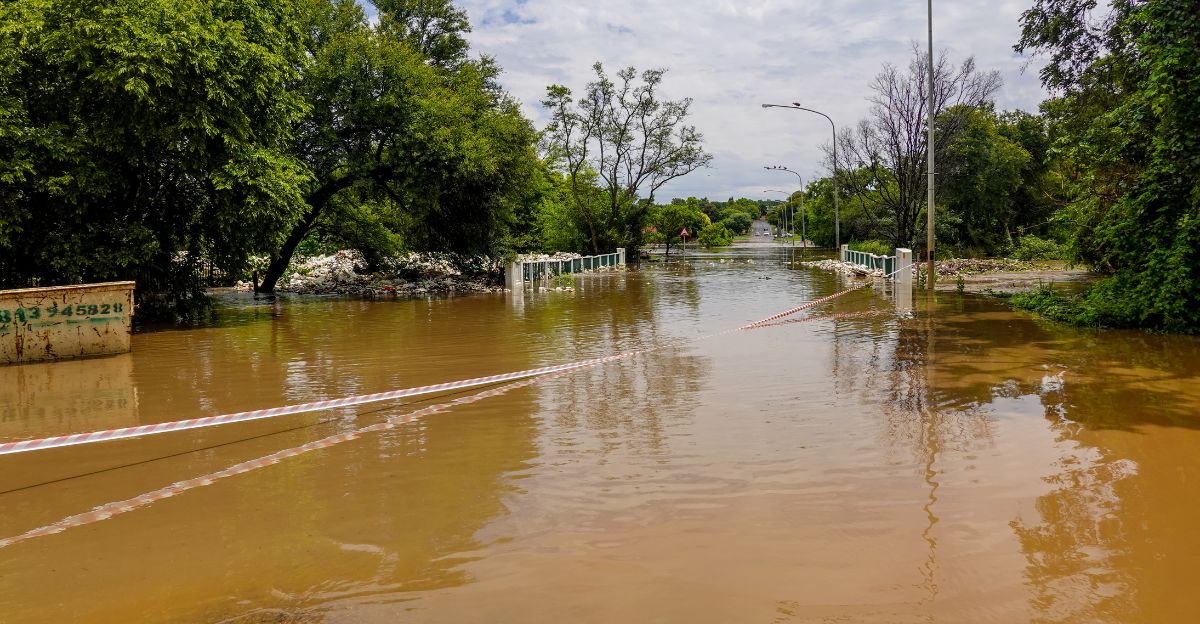
Officials place Carter Lake within the history of Texas dam emergencies. This incident affected 20–30 homes and was resolved within three days, with no reported deaths.
But Texas has faced larger dam crises. The Lewisville Dam threatens 431,000 people.
In October 2023, Kaufman County had a dam failure. In May 2024, storms required monitoring of multiple Texas dams. Carter Lake is one incident among many potential hazards.
Private Dam Inspection Vulnerabilities
Private dams in Texas have weak oversight rules. The state rarely inspects private dams; it only acts “when needed, usually after complaints.”
Many problems remain undetected until they escalate into emergencies. Carter Lake’s hole was found only because a neighbor spotted water.
If the neighbor hadn’t noticed, the breach might have worsened into total failure. Communities depend on neighbors’ watchfulness, not state inspections.
Why Private Dam Breaches Matter

Private dam emergencies, such as those at Carter Lake, highlight a significant problem in Texas water safety. Over 3,000 private dams are exempt from mandatory inspections under HB 677.
Approximately 30 percent of hazard-rated dams are exempt from oversight.
Damage can spread undetected, especially in rural areas. Carter Lake shows both the risk and how fast response helps.
But it also shows how close disaster came—it took one neighbor’s attention and quick action.
Repair Timeline Uncertain

By mid-November 2025, the repair plans had not been finalized. Dam owners hired a private engineer to assess damage and plan fixes.
TCEQ rules require owners to have emergency plans, but don’t control repair timelines.
Pumps will remain in place until repairs are completed, which can take weeks or months. The hole could be minor or reveal deeper problems requiring major work.
Residents must remain vigilant, and authorities will continue to monitor the situation.
Systemic Gaps in Private Dam Oversight

Carter Lake raises big questions about Texas’s private dam rules.
HB 677 created two tiers: public dams receive regular state inspections, while private dams receive minimal attention unless they fail or someone reports problems.
Nearly 3,000 private dams operate under this exemption. About 30 percent of hazard-rated dams escape oversight.
Response depends on the owner’s care and the neighbor’s attention. Carter Lake’s success demonstrates that the system can work, but it also reveals how much we depend on luck.
Private Infrastructure, Public Risk
The Carter Lake case raises a key question: How much risk should communities accept from private dams with weak oversight? The response was successful—evacuation, pumping, and no flooding.
But it barely succeeded. One neighbor’s alert made the difference. With regular inspections, state engineers might have caught the problem earlier.
As Texas debates private dam rules, Carter Lake demonstrates both successful crisis management and the fragility of the system. Repair work continues as a local priority.