
The holidays are supposed to bring comfort and togetherness, but nearly 500 long-term care workers across Texas face the opposite this year.
According to filings with the Texas Workforce Commission, several nursing and rehabilitation centers have notified the state of significant staff cuts. For the workers, it means job loss. For families with loved ones inside, it means a season clouded with uncertainty.
Where Layoffs Are Landing

The cuts stretch across Texas’s largest metro areas—Houston, Dallas, San Antonio, and Austin. The notices show that the impact won’t fall on one group alone: caregivers who provide daily hands-on support and the behind-the-scenes staff who keep facilities running are being let go.
The timing could not be worse for many, as residents’ care needs grow during the holiday season.
Facilities Say Restructuring Was Inevitable

Administrators describe the reductions as part of “operational restructuring.” It’s a phrase that sounds tidy, but inside facilities, it translates into real people leaving jobs they’ve held for years. Leaders point to relentless financial pressures—from insurance hikes to food inflation—that have pushed them to the brink.
One Houston administrator told reporters, “We have to adjust to keep our doors open.” The words reflect a painful trade-off – survival versus stability.
Holiday Timing Stings Hardest

It’s not just the numbers that make this news heavy—it’s when it’s happening. As Thanksgiving and Christmas approach, residents look forward to family visits, celebrations, and seasonal traditions.
Those moments often require extra staff and special planning. AARP Texas warned that cutting workers now risks “stretching already thin resources even further.” Instead of joy, many residents and families are bracing for disruption.
Families Left Wondering What’s Next

Silence can be the most challenging part for those with loved ones in care. “It’s nerve-wracking, not knowing if my mother’s favorite aide will still be there tomorrow,” one Austin daughter told the Houston Chronicle.
The lack of clear communication leaves families questioning whether missing hands will suddenly interrupt their loved ones’ routines—meal times, therapy sessions, even small acts of kindness.
Workers Who Stay Feel the Strain

The job losses don’t just affect those leaving. For those still employed, the mood is heavy. Caregivers describe it as walking on eggshells—fearful of being next while trying to stay focused on residents.
A Dallas aide told local reporters, “It’s tough to keep residents smiling when you’re not sure you’ll have a paycheck in a month.” Morale, already fragile, is dipping lower.
A State Already Short on Staff

Texas nursing homes have been struggling to fill shifts for years. The Texas Health Care Association has repeatedly warned of a staffing crisis, especially in rural communities where hiring is hardest.
With hundreds more workers gone, experts caution that the gap could widen further. For residents, that might mean longer waits for help, fewer activities, or less time for conversation.
State Officials Step In
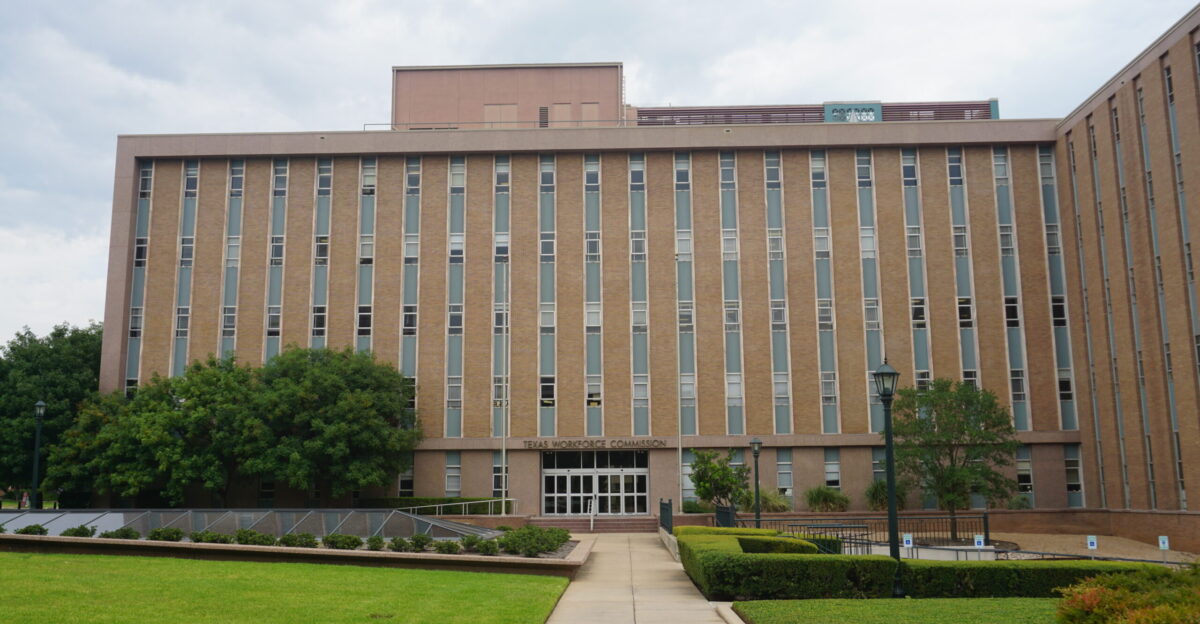
The Texas Workforce Commission (TWC) confirmed that employees affected by the layoffs will be eligible for transition services, including retraining, job search support, and counseling programs. While these resources are meant to provide guidance, many workers note that short-term financial pressures, especially during the holiday season, remain a significant challenge.
Advocates emphasize that programs can help with career shifts but don’t immediately replace the income and stability families rely on.
Residents Feel the Ripple Effects

Advocates stress that these layoffs reverberate far beyond the workforce. Amanda Fredriksen of AARP Texas explained that “fewer staff means longer waits for meals, mobility, and daily needs, which can mean less social interaction too.”
Those daily interactions—someone adjusting a blanket, sharing a laugh, or walking a resident to lunch—are often the difference between feeling cared for and feeling forgotten.
Behind the Financial Squeeze

So what’s driving these sweeping cuts? Analysts say it’s a perfect storm: rising insurance rates, higher food prices, and steep utility costs colliding with stagnant reimbursement.
Reports from the Texas Association of Homes and Services for the Aging show expenses are climbing at double-digit rates, while revenues, especially from state programs, are stuck years behind the curve.
Medicaid Shortfalls Add Pressure

The Texas Health Care Association has repeatedly highlighted that Medicaid reimbursements have not kept pace with rising costs. Many facilities receive payments that fail to cover actual expenses for staffing, food, and medical supplies, creating a widening funding gap.
Experts warn that this mismatch leaves administrators with few options, often forcing layoffs to balance budgets. Industry observers say that more long-term care centers could face similar staffing reductions without timely adjustments to funding formulas.
Families Feel the Anxiety

Families who already worry about health issues now face a new kind of stress. “It’s hard enough keeping track of Dad’s care, now I wonder who will be there tomorrow to help him,” a Houston resident told the Texas Tribune.
Her words reflect a growing fear that continuity of care, which builds trust, may unravel when stability matters most.
Advocates Demand a Stronger Response

Advocacy organizations, including AARP Texas, have urged state lawmakers to address systemic funding shortfalls and strengthen oversight of long-term care facilities. In its long-term care scorecard, AARP highlighted gaps in staffing, training, and resident support, calling for reforms that protect both workers and older adults.
Advocates stress that without state intervention, the quality of care will decline, staff morale will worsen, and residents could face longer waits for assistance with daily activities.
A Problem Spreading Beyond Texas
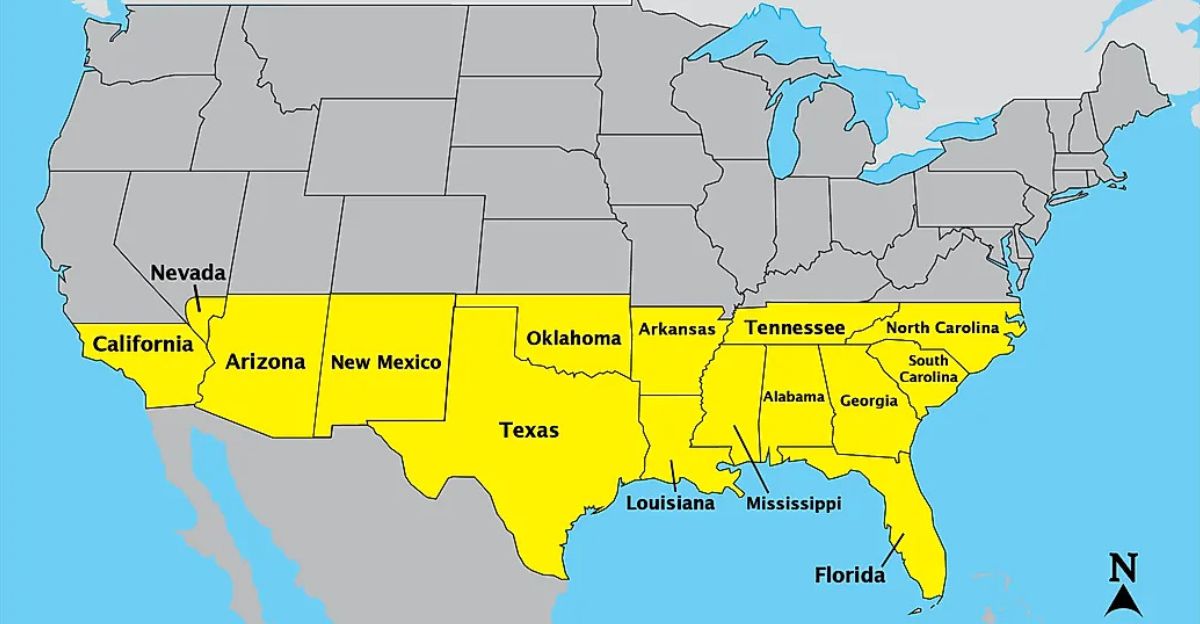
What’s unfolding in Texas mirrors a national trend. The American Health Care Association notes similar staff cuts in other Sun Belt states this year. Across the U.S., long-term care centers are fighting the same battle: rising expenses, workforce shortages, and the aftershocks of the pandemic.
The challenges aren’t isolated—they’re systemic, and Texas is now feeling the brunt.
Workforce Recovery Still Stalled

Federal data confirm the struggle. The Bureau of Labor Statistics shows employment in nursing and rehab care remains below pre-pandemic levels. An AHCA spokesperson told NBC News the shortage stems from “burnout and an ever-rising cost of living.”
The workforce has yet to rebound, leaving facilities scrambling to attract staff at a time when demand for eldercare has never been higher.
State Programs Try to Help

Texas workforce development programs are promoting retraining, counseling, and job placement for displaced employees. Officials point to opportunities in home health, support services, and allied care roles as potential pathways for workers looking to stay in the healthcare sector.
However, workforce experts caution that while these programs offer valuable skills for long-term employment, they cannot fully offset the immediate financial strain families face when paychecks stop arriving, particularly in communities with limited job options.
Holiday Care Faces Disruptions

Administrators from nursing homes in the region report that December is especially demanding. More resident activities, family visits, and special events increase the need for additional shifts and support.
Chronic staffing shortages in Texas nursing facilities make it even harder to meet these seasonal demands, often leading to burnout and overtime for remaining employees.
Experts Say Reform Is the Only Fix

Many health policy experts argue that short-term fixes won’t resolve Texas’s care facility challenges. Reports from research groups like the Urban Institute highlight the need to modernize Medicaid funding formulas and invest in strategies to retain frontline caregivers.
Without larger reforms, analysts warn that facilities may continue facing difficult trade-offs—such as cutting staff, limiting services, or even risking closure. These issues impact not only workers, but also the well-being of every resident in long-term care.
Workers Confront Tough Job Market

Displaced long-term care workers face a challenging labor landscape, with health care openings often highly competitive. According to national reports, many nursing and rehab facility positions remain unfilled, but not all displaced aides can access them due to skill gaps, certification requirements, or geographic constraints.
Experts note that while some may transition into related roles, the process is stressful and uncertain, leaving many workers concerned about financial stability and the ability to support their families in the near term.
The Uncertain Road Ahead

As Texas heads into winter, its long-term care community faces a difficult season. Families are waiting to see if facilities can maintain quality with fewer hands. Workers are weighing uncertain futures. And advocates are pressing harder for solutions.
What comes next will determine not just how well facilities survive but also how safely and compassionately older Texans are cared for in the months ahead.