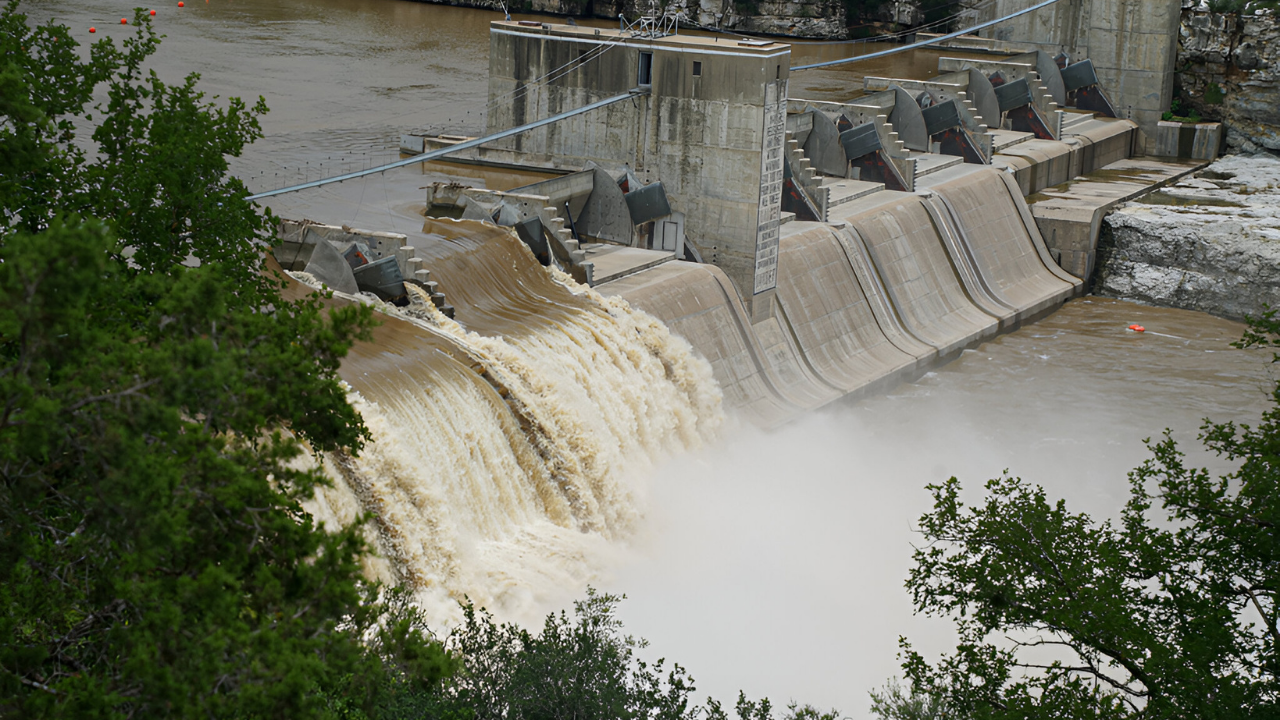
On November 9, 2025, a quiet lake in rural Polk County, Texas, suddenly became a major crisis. Carter Lake, held back by a 21-foot earthen dam, developed a dangerous 8-inch hole that threatened nearby homes and families. A neighbor noticed water rushing from the dam’s embankment and immediately called the owners, WT Carter and Bros, a local lumber company, to report the problem.
Polk County Emergency Management quickly ordered 20 to 30 households near the dam to leave their homes immediately. Officials feared the dam could fail completely and send massive floodwater surging down the valley within minutes, destroying everything in its path.
Residents grabbed their belongings and evacuated in their cars or on foot, abandoning their homes without knowing when they could return. Some families stayed with relatives in safer areas, while the Red Cross set up an emergency shelter at a local gym in Livingston.
The National Weather Service issued a Flash Flood Watch that covered the entire weekend, warning of potential dam failure. Emergency teams worked through the entire night, constantly calling state and federal agencies to coordinate efforts and manage the growing crisis. First responders went door-to-door to warn every resident and make sure everyone evacuated safely.
The response demonstrated effective teamwork among local, state, and federal authorities.
Why This Matters: Texas Dams at Risk
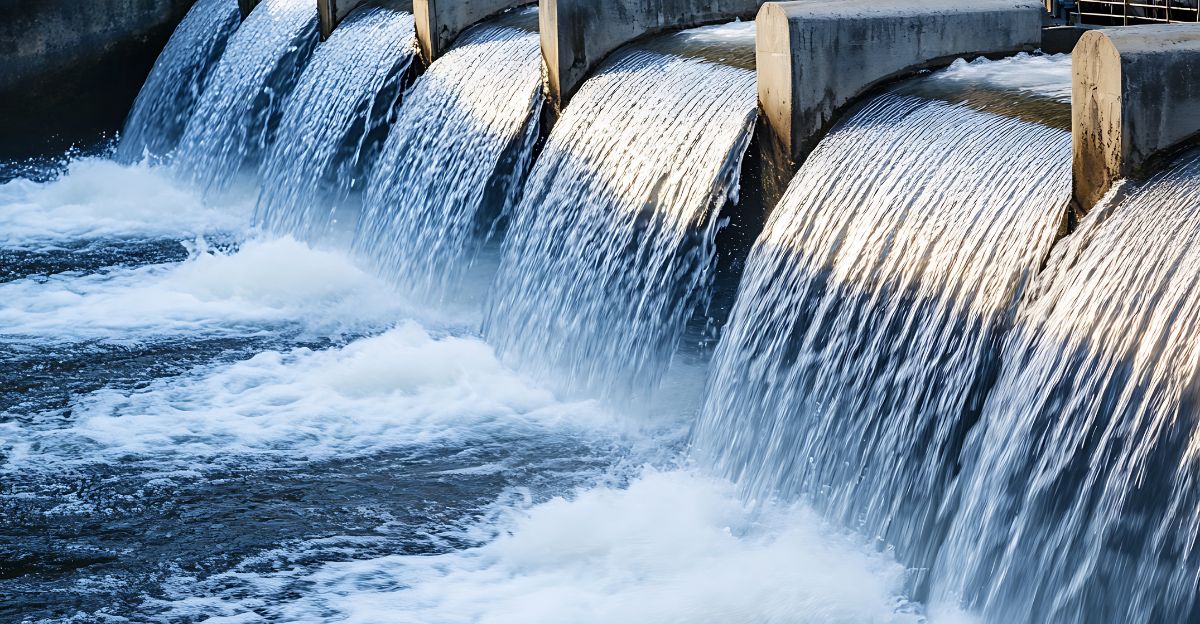
Experts across the state are concerned about the thousands of small dams throughout Texas that could face similar problems to those at Carter Lake. Hongyi Li, an engineering professor at the University of Houston, explains that even small, aging earthen dams can fail suddenly without any warning.
Water pressure builds up inside the dam over many years, and minor leaks can suddenly expand into large, dangerous holes. Texas contains thousands of privately owned dams that people rarely think about, but many operate without proper state oversight and monitoring.
In 2011, state lawmakers passed House Bill 677, which removed nearly 3,000 private dams from routine state inspections and safety checks. Today, about 30 percent of the most dangerous dams in Texas do not receive regular inspections from state officials. Dam owners are legally required to maintain their own dams, but the state has limited power to enforce these maintenance rules when owners fail to comply.
Problems often go completely unnoticed until they escalate into emergencies, such as the one at Carter Lake. The Lewisville Dam, one of Texas’s largest and most significant dams, could pose a threat to over 400,000 people if it fails during heavy rainfall. In 2023, a major dam failure in Kaufman County near Dallas killed two people when the structure gave way during intense storms.
These examples demonstrate that dam failures pose a real danger to Texas communities.
Lessons from Carter Lake
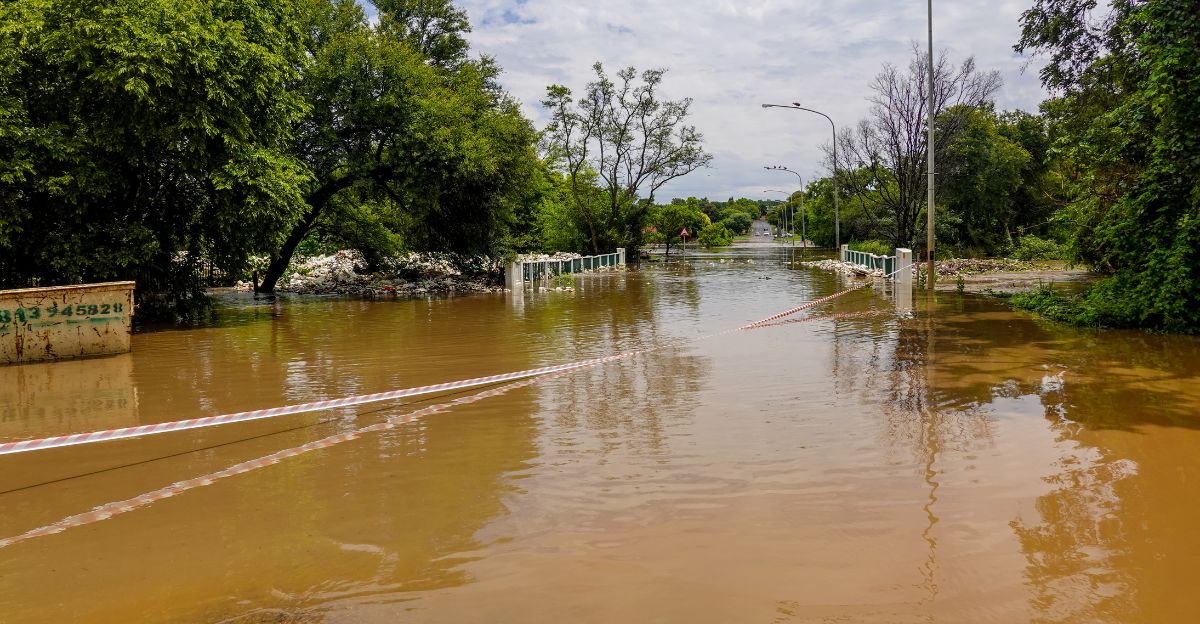
Emergency crews quickly lowered the water level at Carter Lake by continuously pumping massive amounts of water out of the lake. Less than 24 hours after discovering the hole, workers successfully lowered the water level below the damaged area, significantly decreasing the immediate risk of catastrophic flooding.
Engineers then carefully assessed the extent of the damage and began developing plans for permanent repairs to the dam structure. Meanwhile, investigators examined the actual cause of the breach in the embankment. They found chewed brush and fresh beaver tracks near the dam, which suggested that beavers may have gnawed into the structure while trying to reach water inside.
Though officials never confirmed this beaver theory completely, the evidence shows how vulnerable earthen dams can be to unexpected natural threats. The Carter Lake emergency reveals both the strengths and the weaknesses in how Texas currently manages its aging dam systems.
The neighborhood’s quick action and swift response prevented a major disaster this time, but that success was largely due to luck. The system relies too heavily on individual neighbors identifying problems and local officials responding promptly to calls for assistance. Without regular state inspections and stronger enforcement, Texas communities will continue facing serious dam-related risks.
The question now becomes: how much danger should communities accept, and what major changes does Texas need to protect residents from aging dams?