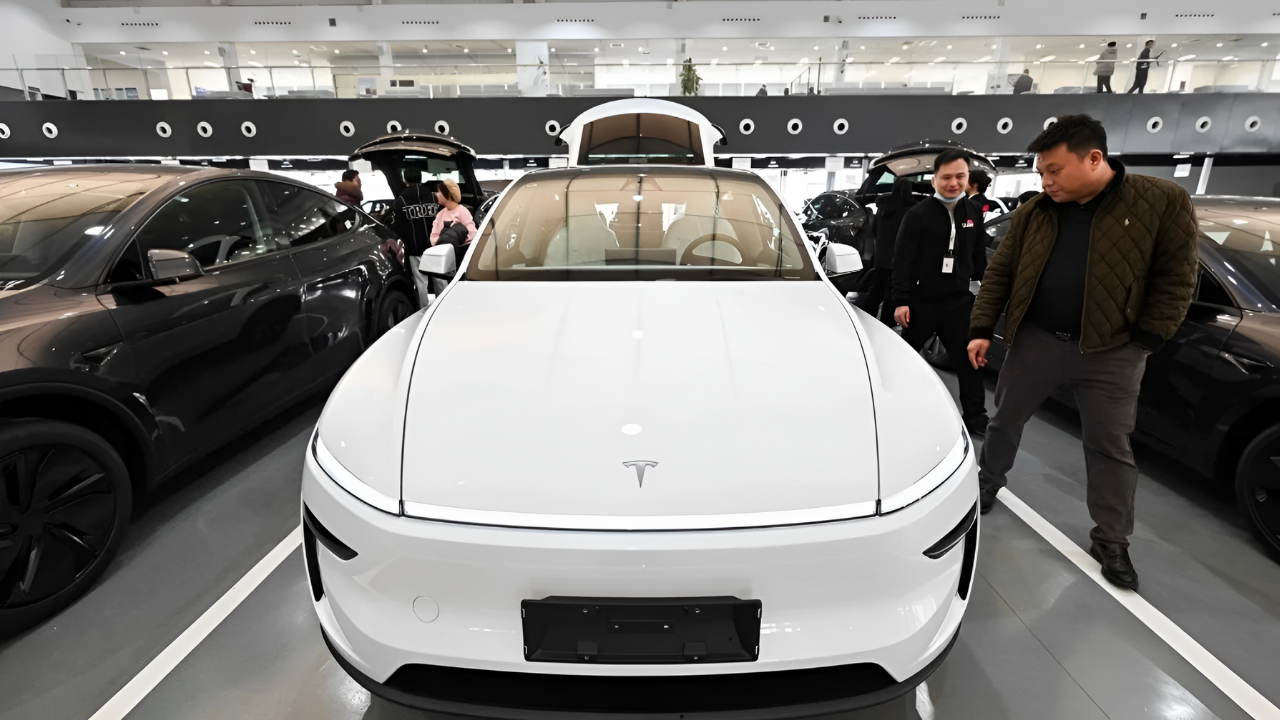
Tesla is heading into 2026 with bad news for budget EV shoppers. After a bruising 2025 marked by sliding sales across every major market, the company abruptly pulled its most attention-grabbing Model 3 lease and replaced it with far higher payments. For many lessees, the swing adds up to as much as $4,200 in extra costs. Here’s how that happened.
The Deal That Made Model 3 “Affordable”
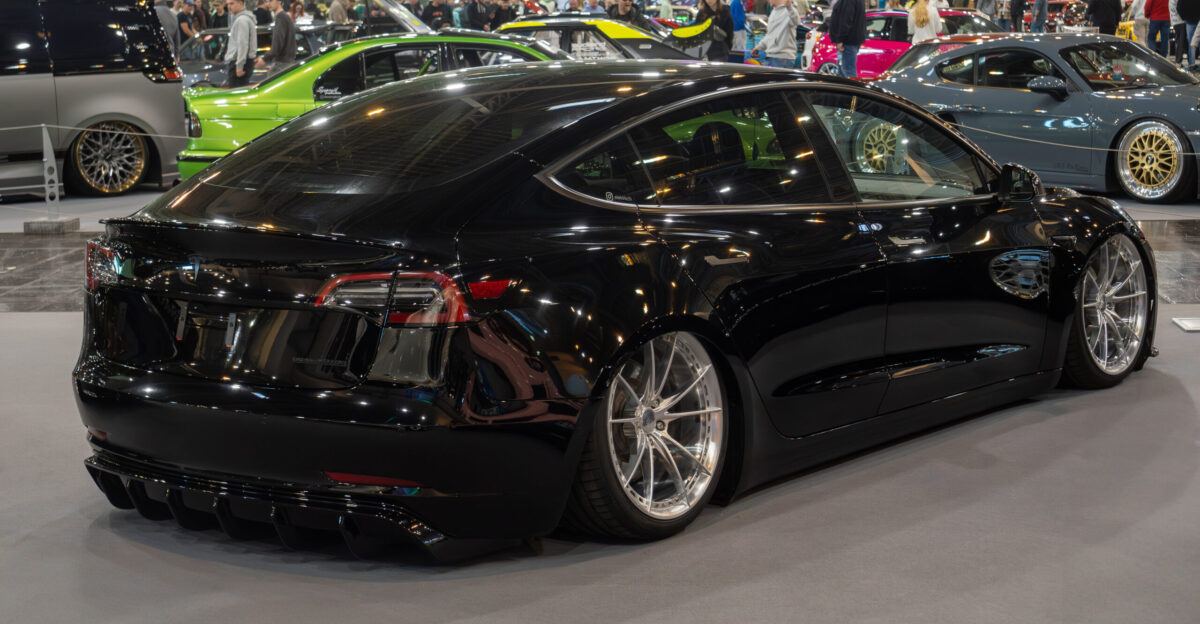
Tesla’s $ 299-per-month Model 3 lease appeared to be a breakthrough for price-conscious EV buyers. It ran for 36 months with a $1,500 due at signing, and some estimates put the effective cost near $368 per month after incentives. For nearly 2 months, it helped move inventory quickly through Q4 2025. Still, it was never meant to last.
A Sudden Cutoff Before The Deadline
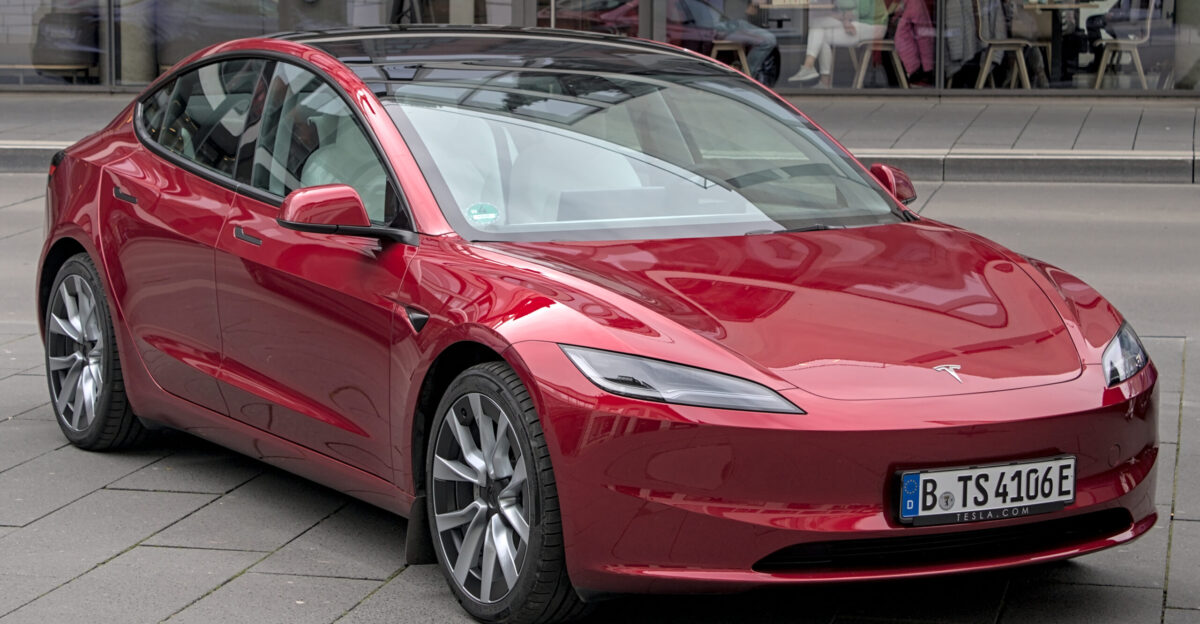
On December 18, Tesla ended the $299 Model 3 lease 7 days earlier than the advertised December 26 cutoff. The Model 3 Premium RWD jumped to $499 per month with $3,000 down, a 67% payment spike plus doubled upfront cash. Premium AWD rose 22% and Performance increased 7%. Holiday urgency worked, but the pain spread.
Model Y Hikes Hit Family Budgets Hard
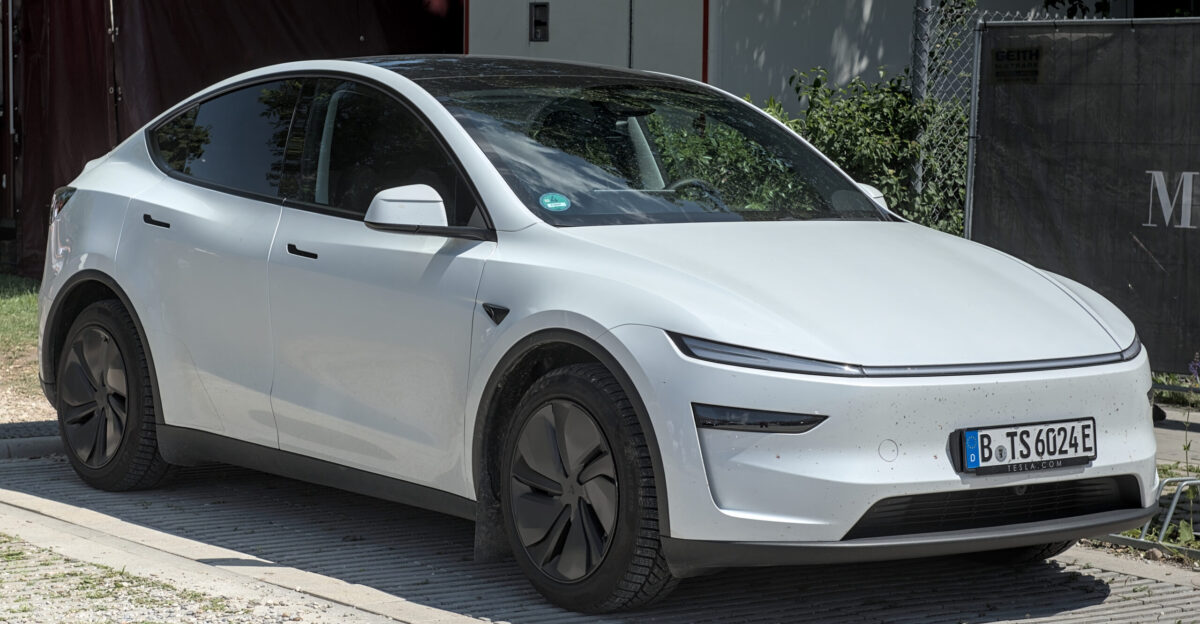
The Model Y did not escape. Model Y Premium RWD lease pricing climbed 22%, from $449 to $549 per month. Premium AWD surged 35%, from $479 to $649, pushing it into luxury level monthly payments. Even Cybertruck lease pricing rose 16%. For many households that planned around earlier numbers, the math flipped overnight.
The Real Reason: Demand Fell Everywhere
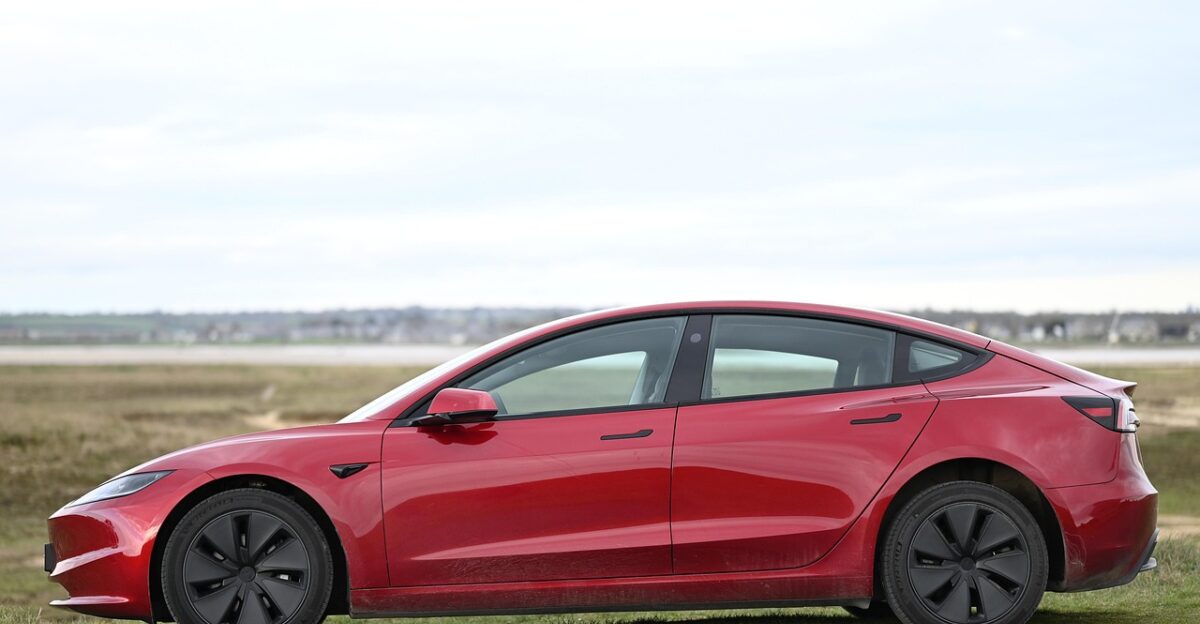
Tesla’s discounting was not a gesture of generosity; it was a response to weakening demand. Global deliveries declined 8.6% in 2025 compared to 2024, marking a second consecutive annual decline. Europe was especially harsh, down 27.8% from roughly 326,000 in 2024 to just over 235,000 in 2025. The China picture was darker.
China Stops Being Tesla’s Safety Net
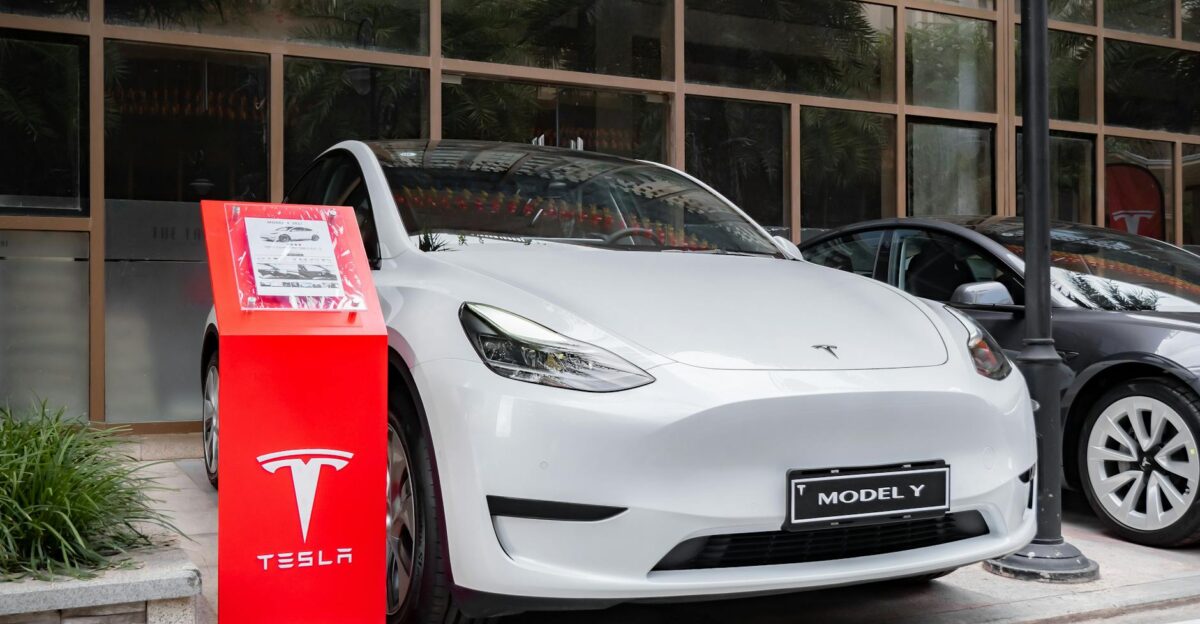
In 2025, Tesla’s domestic China sales fell roughly 6% year over year, its first decline there. The Shanghai factory neared capacity around 97,000 units in December 2025, but competition swarmed the market. “The Chinese EV market is a bloodbath right now. It is easily the most competitive auto market on the planet,” analysts wrote January 6, 2026.
BYD Takes The Crown From Tesla

January 2026 brought a milestone Tesla investors dreaded: BYD surpassed Tesla in global EV sales. BYD delivered about 2.26 million all-electric vehicles in 2025, up 27.9%, while Tesla delivered 1.64 million, down 9%. In Germany, BYD surged 706.2% while Tesla fell 48.4%. Could the image have mattered too?
The Musk Factor Starts Showing Up In Data
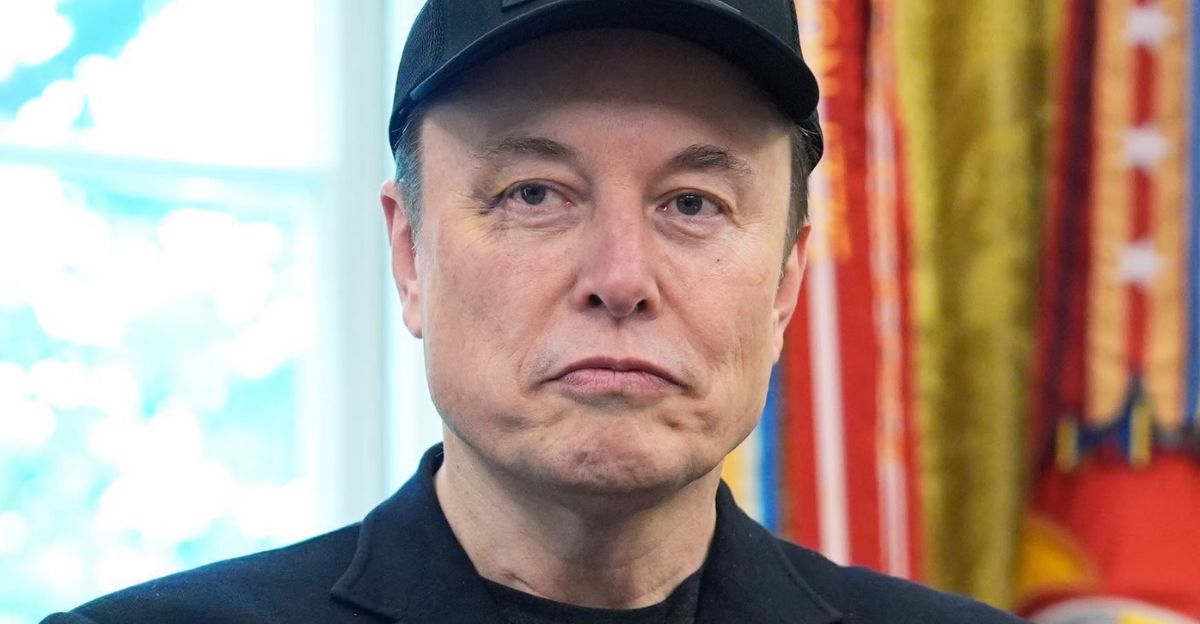
Tesla also faced reputational strain tied to Elon Musk’s controversial politics. April 2025 survey data indicated a net sentiment of-11% in the US. In Germany, 60% held negative views and only 9% were positive. “In the US, Tesla may be slowly losing its standing—58 million people (31%) say their perception of the brand has worsened in the past month,” researchers found.
How “Up To $4,200” Gets Real Fast
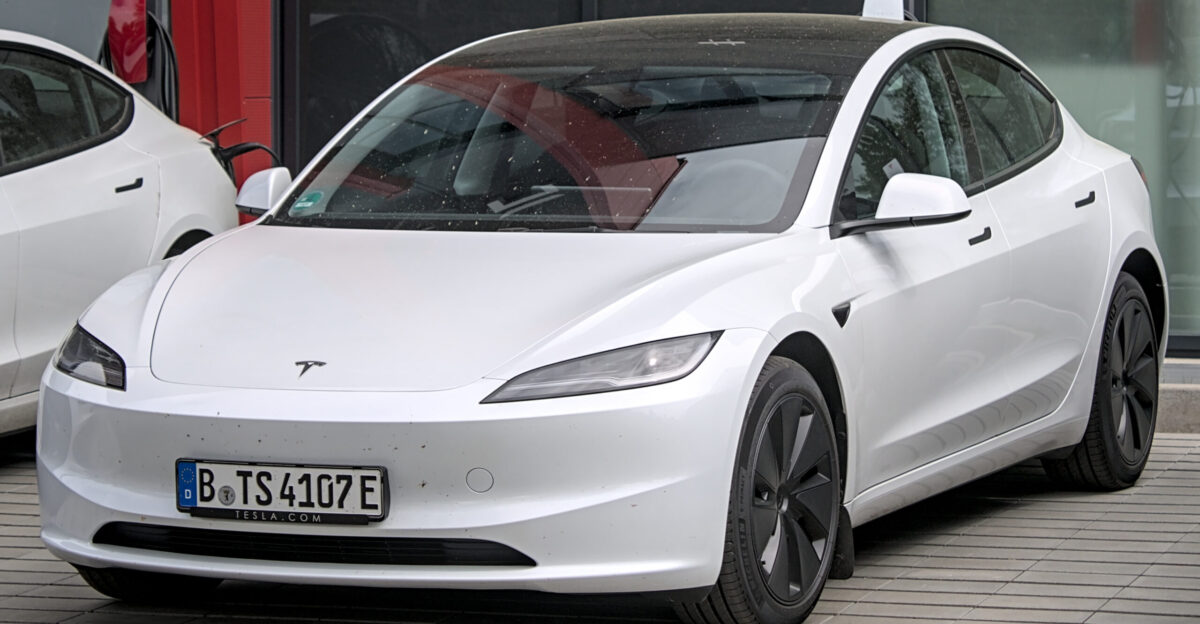
The $4,200 figure reflects actual lease math hitting Model 3 Premium RWD shoppers. The payment jumped from $299 to $499 is $200 more each month. Over time, costs pile up quickly, plus the down payment increases from $1,500 to $3,000, adding $1,500 upfront. Suddenly, Tesla leasing no longer feels like a shortcut.
Tesla Has Tried Price Pressure Before
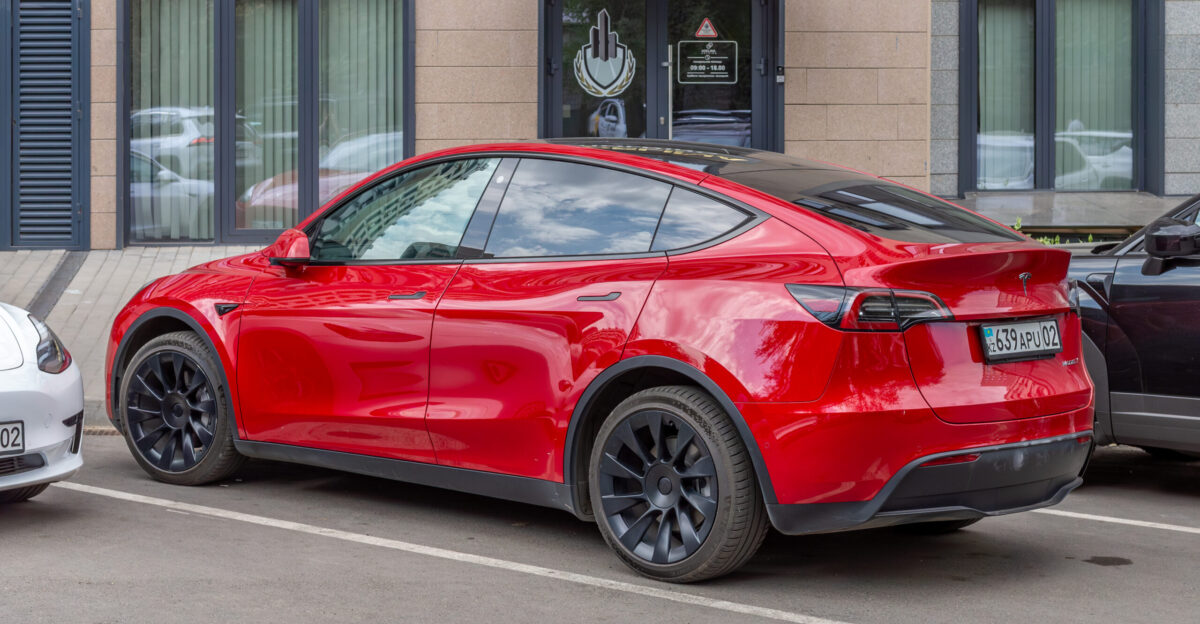
Tesla has a history of attempting higher pricing after discounts, and critics say it often backfires. One comment captured the frustration: “Tesla pulls this all the time, and it’s never worked for them. Threatening to increase prices when sales are down just incurs more losses”. Skeptics also pointed to a gap between upbeat messaging and declining output. That mistrust grew.
Cheaper Trims Did Not Fix The Problem
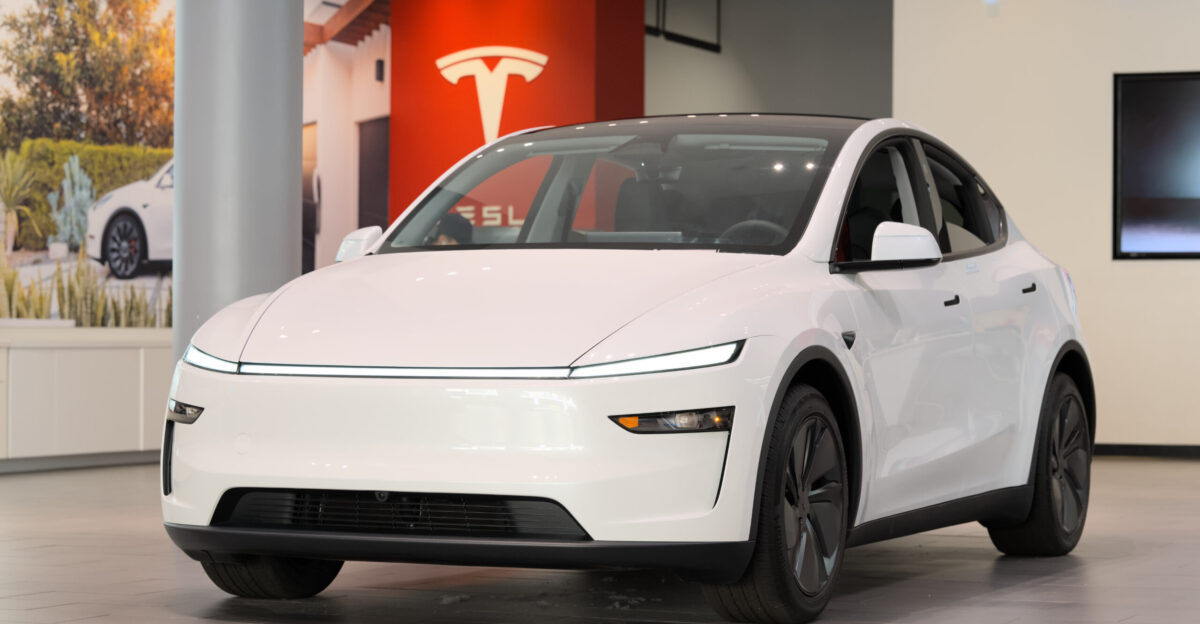
Tesla also introduced stripped-down, lower price versions of the Model 3 and Model Y, but the move failed to create a meaningful sales lift. Analysts warned it could cannibalize higher margin trims while leaving the core issue untouched: a 13-year-old lineup facing newer rivals. As competitors refreshed designs, Tesla’s answers looked incremental. Then regulators added pressure.
California Targets Autopilot Advertising Claims
California’s Department of Motor Vehicles warned Tesla to change how it advertises “Autopilot” or risk suspension of its sales license. The threat included a “30-day car sale ban” if Tesla does not correct advertising within 90 days. “I’ve been an automotive journalist for about 20 years, and I’ve never heard of such a thing,” said James Raia, citing the seriousness.
Cybertruck’s Big Bet Turns Into A Drag
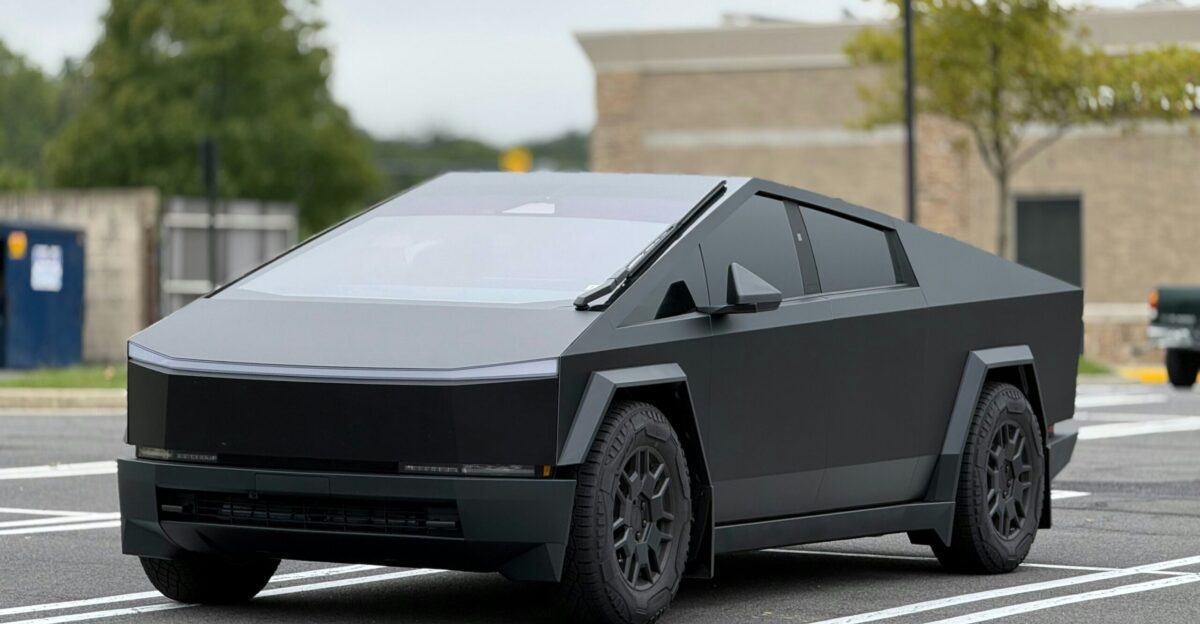
Cybertruck once seemed guaranteed, with over 1 million reservations. Instead, sales peaked in Q3 2024 and then declined, with approximately 2,000 units sold in Q4 2025. Critics cited quality issues and recalls, plus missed pricing targets. “The Cybertruck came in 60% over the initial goal price. The paneling was not an exoskeleton like it was originally advertised, but rather sheets of metal that were poorly glued on,” one analysis said.
The Tax Credit Ends And The Market Lurches
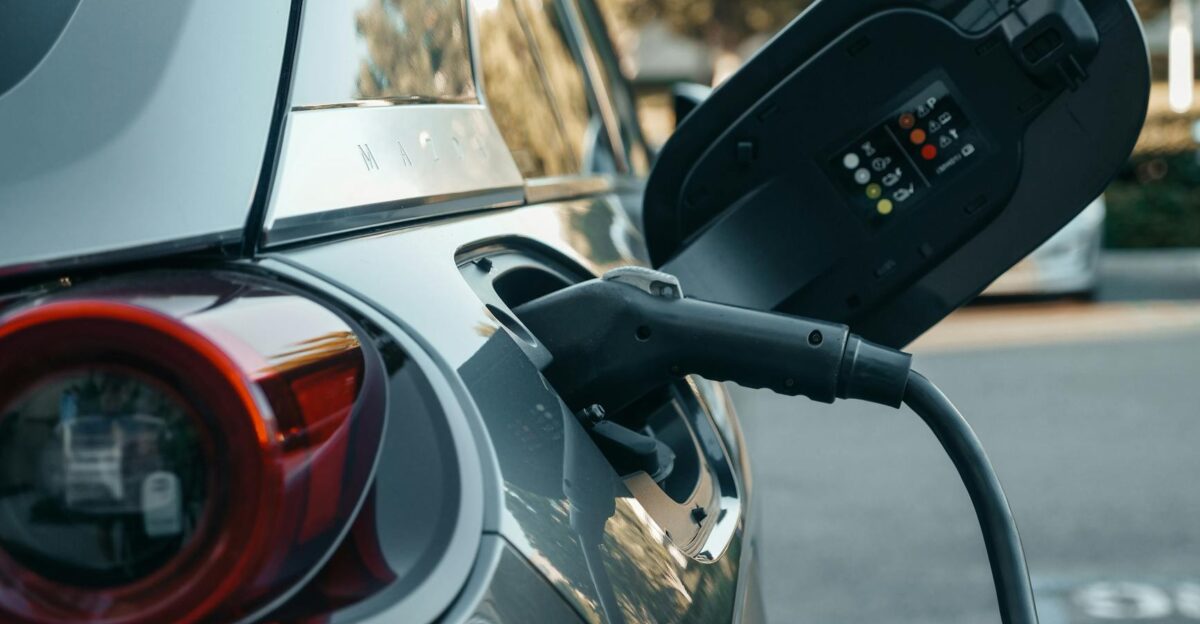
The $7,500 federal EV tax credit expired September 30, 2025, triggering a rush before the deadline and then a sharp drop afterward. “When the US government credit disappeared, it wasn’t just Tesla sales that dipped. The entire American EV market fell off a cliff. Sales across the whole sector collapsed by an apocalyptic 41.2% in a single quarter,” analysts wrote. Buyers recalculated fast.
Leasing No Longer Beats Buying By Default
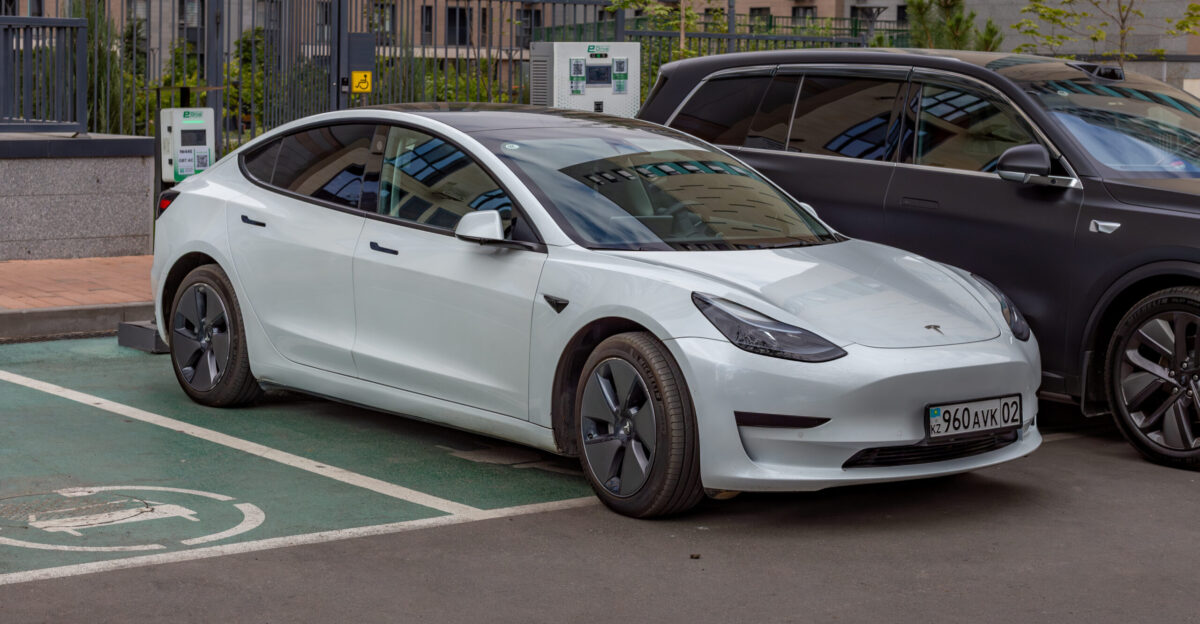
With higher payments, the decision to lease versus buy changed overnight. A 3-year Model 3 lease could total about $18,000 in payments plus $3,000 down, around $21,000. Financing a $44,130 Model 3 at 0% for 72 months builds ownership, and used 3-year Model 3 values range from $25,000 to $31,000. “The question of whether to lease or buy isn’t simple anymore,” analysts noted.
A Product Roadmap That Feels Thin
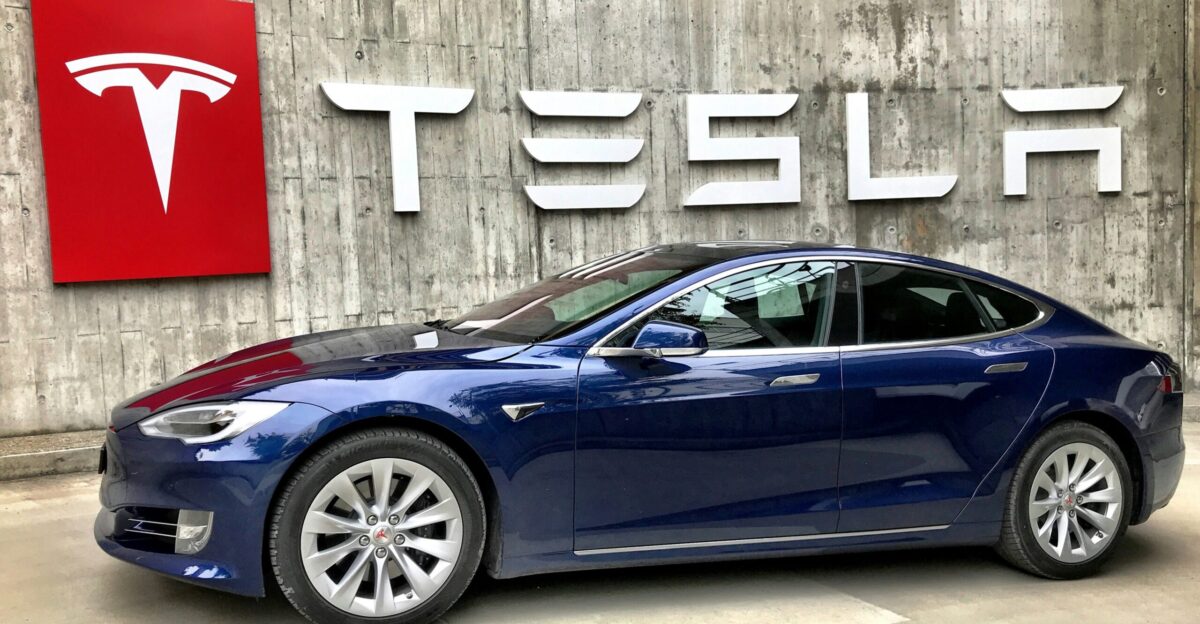
Heading into 2026, Tesla faced questions about what comes next. No entirely new vehicle was launched after the Cybertruck in late 2023. The promised next-generation affordable model remained unscheduled. Musk said the Roadster would debut April 1, 2026, but skepticism lingered: “After eight years of outlandish boasts and promises, Tesla will finally reveal the production-ready version. We’re not sure we believe him,” wrote one commentator.
Musk Talks More About AI Than Cars
As auto pressure grew, Tesla messaging leaned into AI, robotics, and autonomy. Critics argued the shift signaled stalled vehicle growth. “Rather than finding a leader who will drive the organization to fight for their market share, instead Tesla is letting Musk turn the company into a startup that’s focused on AI and robotics, and just coasting along on vehicles,” they said on January 6, 2026. Investors noticed the drift.
Forecasts Point To A Rough 2026
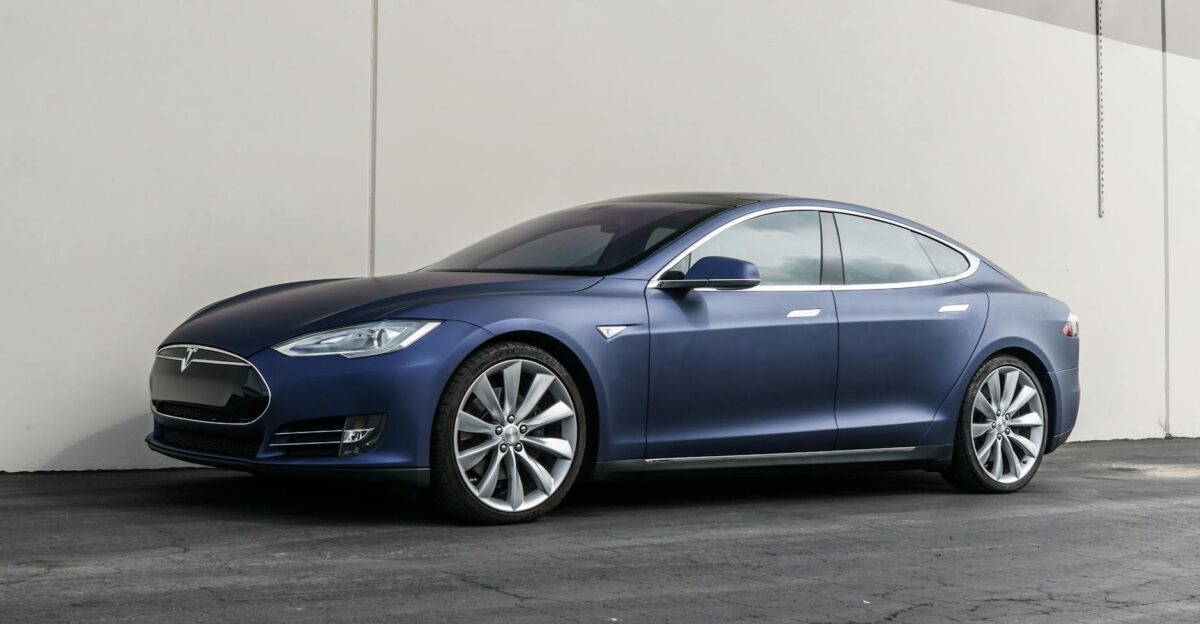
Forecasters expected Tesla to struggle in 2026, even as the company projected 1.75 million deliveries versus 1.64 million in 2025. Q4 2025 deliveries were 418,000, missing even the lowered expectations. “Tesla’s sales decline was even worse than Tesla’s own low expectations,” analysts wrote on January 6, 2026. Saturated China, weak Europe, and a post-credit US all squeeze margins.
Rivals Move In While Tesla Pulls Back

As Tesla raised lease prices, competitors gained traction. General Motors sold 169,887 EVs in the US in 2025, up 48% from 2024, outpacing Ford. Hyundai’s Ioniq 5 posted strong growth through 2025, and Volkswagen’s ID.4 rebounded. “The competition is no longer just catching up—they’re catching fire,” one brand analysis said. Buyers have more credible options now.
What Tesla Lost, And What Customers Pay
Tesla’s 2025 downturn reshaped its standing. It lost the global EV crown to BYD, logged consecutive years of declining deliveries, and saw Europe and China weaken at the same time. Brand sentiment worsened, and now higher lease pricing pushes real costs onto consumers. “Rather than finding a leader who will drive the organization to fight for their market share, instead Tesla is letting Musk turn the company into a startup that’s focused on AI and robotics, and just coasting along on vehicles,” critics said.
Sources
Report on Tesla’s 2025 European Sales Data. Electrek, January 6, 2026
Tesla Q4 2025 Global Delivery Results. Tesla Quarterly Earnings Report, January 2, 2026
California DMV Autopilot Advertising Order. California Department of Motor Vehicles Official Notice, January 2026
Cox Automotive 2026 Forecast. Cox Automotive Industry Insights, December 2025
BYD vs Tesla Market Leadership. Carbon Credits and Global EV Sales Data, January 2–9, 2026