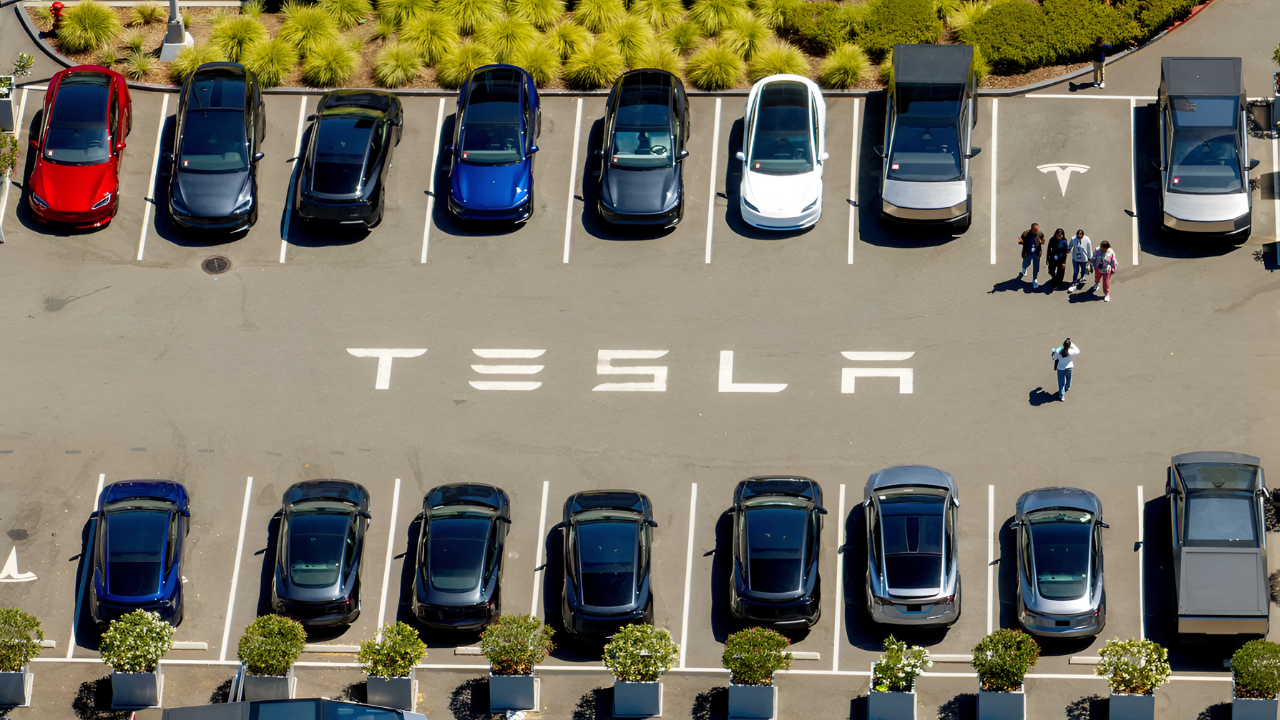
Tesla enters 2026 under growing pressure as budget-focused electric vehicle buyers face sharply higher lease costs after a bruising 2025 defined by falling global sales. In mid-December, the company abruptly pulled its widely promoted $299 monthly Model 3 lease a week early, replacing it with pricier options that added thousands in total costs for many shoppers.
The strategy failed to reverse Tesla’s sales slide and left consumers recalculating budgets just days before year’s end. As competition intensifies worldwide, the consequences of that decision now loom larger. Here’s what’s happening as Tesla navigates an increasingly unforgiving market.
A Short-Lived Entry Point for Buyers
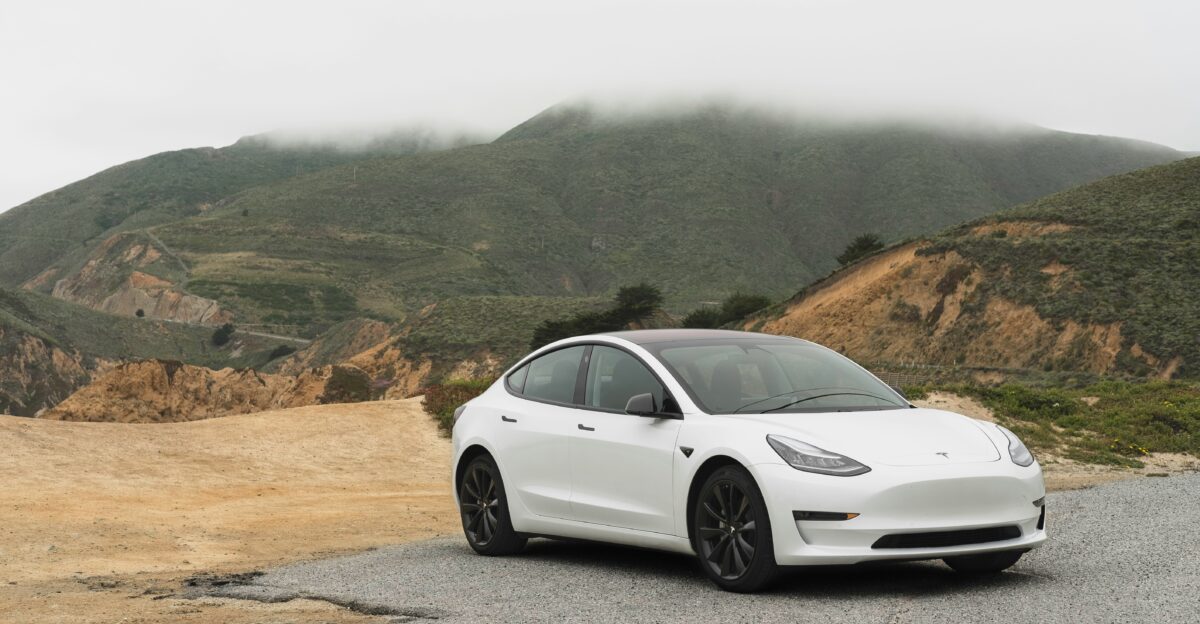
Tesla’s $299-per-month Model 3 lease was introduced in late October 2025 as a clear appeal to price-sensitive shoppers. The 36-month deal required $1,500 due at signing, putting effective monthly costs around $368 once the upfront payment was factored in. That pricing helped Tesla move inventory heading into Q4 2025 and briefly restored the Model 3’s reputation as an accessible EV option.
The offer, however, lasted less than two months. It quietly disappeared from Tesla’s website in mid-December, cutting short what many buyers believed would run through the end of the year. For shoppers timing purchases around holiday incentives, the sudden removal erased one of the few remaining low-cost leasing paths in Tesla’s lineup and signaled a shift away from aggressive affordability.
Lease Prices Jump Without Warning
On December 18, 2025, Tesla ended the promotion seven days before its stated December 26 deadline. The Model 3 Premium RWD lease immediately rose to $499 per month with $3,000 down, a 67% jump in monthly payments while doubling the upfront cost. Premium AWD leases increased 22%, and Performance versions climbed 7%.
The increases were not limited to the Model 3. Model Y Premium RWD leases rose 22% to $549, Premium AWD jumped 35% to $649, and Cybertruck leases increased 16%. For families planning around the advertised pricing, the abrupt changes forced instant budget revisions and undercut confidence in Tesla’s incentive strategy during one of the most competitive sales periods of the year.
Sales Slide Across Key Regions
The lease reversal arrived against a backdrop of weakening demand. According to Tesla’s Q4 2025 delivery report released January 1, 2026, global deliveries fell 8.6% in 2025 to 1.636 million vehicles, marking the second consecutive annual decline. Europe suffered the sharpest drop, with sales down 27.8% from about 326,000 units to 235,000.
China also posted a roughly 6% year-over-year decline, Tesla’s first annual drop in that market, despite the Shanghai Gigafactory producing a record 97,171 vehicles in December. Analysts describe the Chinese EV market as one of the most competitive in the world, leaving little margin for pricing missteps. The declines across multiple regions underscored that short-term incentives alone were no longer enough to stabilize demand.
Rivals Gain Ground as Perception Shifts

Competitive pressure intensified as BYD overtook Tesla in 2025 global EV sales, delivering 2.26 million all-electric vehicles, a 27.9% increase, while Tesla’s deliveries fell 9%. The contrast was especially stark in Germany, where BYD sales surged more than 706% as Tesla’s dropped 48.4%.
Brand perception also emerged as a growing obstacle. Surveys conducted by Latana in spring 2025 showed 60% of German respondents viewed Tesla negatively, compared with just 9% positively. U.S. sentiment tracking during April and May 2025 reflected similar erosion. Reputational headwinds linked to CEO Elon Musk’s political activities compounded the challenge, making price increases harder to absorb for consumers already weighing expanding alternatives.
When Leasing Loses Its Advantage
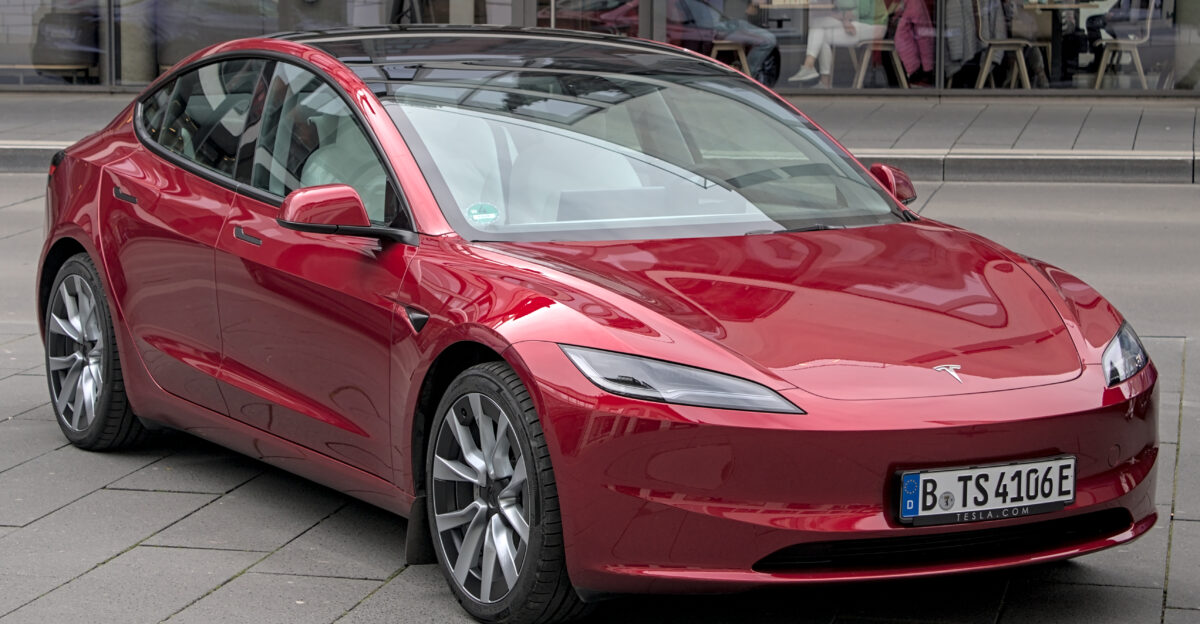
For Model 3 Premium RWD lessees, the December shift translated into $200 more per month over 36 months, plus an extra $1,500 upfront. That equates to roughly $8,700 in monthly payments and $3,000 down, pushing total lease costs close to $12,000. At that point, leasing lost much of its traditional appeal.
By comparison, financing a $44,130 Model 3 over 72 months offers ownership value, especially with three-year-old models reselling between $25,000 and $31,000 across major automotive marketplaces. The sudden end of the promotional lease effectively erased the cost gap that once made leasing attractive for budget-conscious buyers, weakening Tesla’s ability to compete on monthly affordability alone.
Mounting Pressures Into 2026
Tesla faces additional strain beyond pricing. Cheaper Model 3 and Model Y trims introduced in 2025 failed to meaningfully boost volume while squeezing margins across a 13-year-old lineup. In mid-December 2025, California’s Department of Motor Vehicles warned Tesla to revise Autopilot and Full Self-Driving advertising or face a potential 30-day sales suspension after a 90-day compliance period.
Cybertruck sales also cooled, sliding to about 2,000 units in Q4 2025 after peaking in Q3 2024, weighed down by recalls, quality issues, and pricing roughly 60% above the original $40,000 target. The September 30, 2025 expiration of the $7,500 federal EV tax credit further battered demand, with the U.S. EV market contracting 46% in Q4 compared to Q3.
Conclusion: A Narrowing Path Forward
Tesla projects about 1.75 million deliveries in 2026, yet its Q4 2025 total of 418,227 units fell short of even reduced forecasts. Competitors continue to advance, with General Motors reporting a 48% rise in U.S. EV sales to 169,887 units, Hyundai’s Ioniq 5 growing 6%, and Volkswagen’s ID.4 rebounding with 31.4% growth to 22,373 units.
With no major new vehicle launches since the Cybertruck and no firm timeline for a next-generation affordable model, Tesla enters 2026 with compressed margins and intensifying competition across China, Europe, and the post-tax-credit U.S. market. The failed $299 lease experiment highlights a broader challenge: maintaining affordability and trust while defending market share in a rapidly crowded global EV landscape.
Sources
Report on Tesla’s 2025 European Sales Data. Electrek, January 6, 2026
Tesla Q4 2025 Global Delivery Results. Tesla Quarterly Earnings Report, January 2, 2026
California DMV Autopilot Advertising Order. California Department of Motor Vehicles Official Notice, January 2026
Cox Automotive 2026 Forecast. Cox Automotive Industry Insights, December 2025
BYD vs Tesla Market Leadership. Carbon Credits and Global EV Sales Data, January 2–9, 2026